
cfchris.com

Loading

java react

Mastering the Art of Java and React Integration for Modern Web Development

Java and React: A Powerful Combination for Modern Web Development

Java and React: A Powerful Combination for Modern Web Development

In the world of web development, Java and React have emerged as two powerful technologies that, when combined, offer a robust solution for building modern web applications. Let’s explore how Java and React work together seamlessly to create dynamic and interactive web experiences.

The Strengths of Java

Java is a versatile programming language known for its reliability, scalability, and performance. It is commonly used for backend development due to its strong typing system, extensive libraries, and platform independence. Java’s object-oriented approach makes it ideal for building complex applications that can handle high traffic and large datasets efficiently.

The Power of React

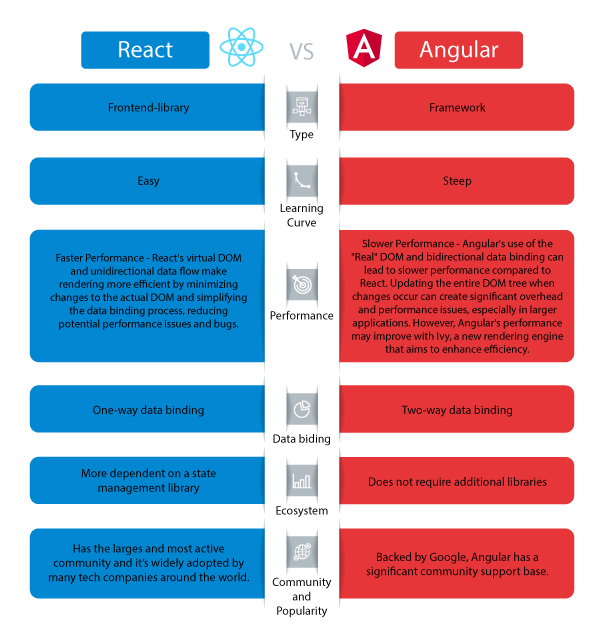
React is a popular JavaScript library developed by Facebook for building user interfaces. It allows developers to create interactive and responsive UI components that can be easily reused across different parts of an application. React’s virtual DOM (Document Object Model) enables efficient rendering of changes, resulting in faster performance and improved user experience.

Integration of Java with React

By combining Java on the backend with React on the frontend, developers can leverage the strengths of both technologies to create full-stack web applications. Java provides a robust server-side infrastructure for handling business logic, data processing, and database operations, while React handles the presentation layer with its declarative component-based architecture.

Through RESTful APIs or GraphQL endpoints, Java communicates with the React frontend to exchange data seamlessly between the client and server. This decoupled architecture enables developers to maintain clean code separation between the frontend and backend layers, making it easier to scale and maintain the application over time.

Benefits of Using Java and React Together

  • Scalability: Java’s scalability combined with React’s component-based architecture allows developers to build scalable web applications that can grow with user demand.
  • Performance: The efficient rendering mechanism of React paired with Java’s optimized backend processing results in high-performance web applications.
  • Maintainability: Separation of concerns between frontend and backend codebases simplifies maintenance tasks and facilitates code reusability.
  • User Experience: The interactive user interfaces created with React enhance the overall user experience of the application.

In Conclusion

The combination of Java and React offers a winning formula for developing modern web applications that are scalable, performant, maintainable, and user-friendly. By harnessing the strengths of these two technologies together, developers can deliver cutting-edge solutions that meet the demands of today’s dynamic digital landscape.


Exploring Java and React: Key FAQs for Web Development Integration

  1. What is Java?
  2. What is React?
  3. How can Java and React be used together?
  4. What are the advantages of using Java and React in web development?
  5. Are there any limitations or challenges when integrating Java with React?
  6. Can you provide examples of popular websites or applications built using Java and React?

What is Java?

Java is a versatile and robust programming language known for its reliability, scalability, and platform independence. It is widely used in backend development to build complex applications that can handle high traffic and large datasets efficiently. Java’s object-oriented approach, extensive libraries, and strong typing system make it a popular choice for developers looking to create secure and high-performance software solutions.

What is React?

React is a popular JavaScript library developed by Facebook for building user interfaces. It allows developers to create interactive and responsive UI components that can be easily reused across different parts of an application. React’s virtual DOM (Document Object Model) enables efficient rendering of changes, resulting in faster performance and improved user experience. With its declarative component-based architecture, React simplifies the process of building dynamic web interfaces and has become a go-to choice for frontend development in modern web applications.

How can Java and React be used together?

When it comes to integrating Java and React, developers can harness the strengths of both technologies to create powerful web applications. Java, with its robust backend capabilities, can handle business logic, data processing, and database operations effectively. On the other hand, React excels in building interactive and responsive user interfaces on the frontend. By establishing communication between Java backend services and React frontend components through APIs or other means, developers can achieve a seamless integration that ensures efficient data exchange and clean code separation. This collaborative approach allows for the development of scalable, high-performance web applications that deliver a superior user experience.

What are the advantages of using Java and React in web development?

When it comes to web development, leveraging Java and React offers a multitude of advantages. The combination of Java’s robust backend capabilities and React’s interactive frontend features results in a powerful synergy that enhances the development process. Java provides reliability, scalability, and performance on the server-side, while React simplifies the creation of dynamic user interfaces on the client-side. This integration allows for seamless communication between the frontend and backend components, enabling developers to build scalable, high-performance web applications with improved maintainability and enhanced user experience. By harnessing the strengths of both Java and React, developers can create modern web solutions that excel in functionality and performance.

Are there any limitations or challenges when integrating Java with React?

When integrating Java with React, developers may encounter certain limitations and challenges that need to be addressed. One common challenge is managing the communication between the frontend React components and the backend Java services effectively. Ensuring seamless data exchange through APIs and handling asynchronous operations can require careful coordination to maintain a smooth interaction between the two layers. Additionally, differences in programming paradigms between Java and React, such as object-oriented versus component-based approaches, may require developers to adapt their mindset and code structure to ensure compatibility and maintainability. Overall, while integrating Java with React offers numerous benefits, understanding and overcoming these limitations and challenges is crucial for a successful integration process.

Certainly! Several popular websites and applications have been built using the powerful combination of Java and React. One notable example is Facebook, which utilizes React for its frontend interface to deliver a seamless and interactive user experience, while Java powers its backend infrastructure to handle complex data processing and server-side operations. Another well-known platform that leverages Java and React is Airbnb, where Java manages the backend logic and data management, while React creates dynamic and responsive user interfaces for browsing listings and making bookings. These successful implementations showcase how Java and React work together harmoniously to create high-performance web applications that cater to millions of users worldwide.
full stack software development

Mastering Full Stack Software Development: A Comprehensive Guide

Article: Full Stack Software Development

The World of Full Stack Software Development

Full stack software development is a comprehensive approach that involves working on both the front-end and back-end aspects of a web application. A full stack developer is proficient in handling all layers of an application, from the user interface to the server-side logic and database management.

Front-End Development

In front-end development, full stack developers focus on creating the visual elements of a website or web application that users interact with. This includes designing responsive layouts, implementing user interfaces, and ensuring a seamless user experience across different devices.

Back-End Development

On the back-end side, full stack developers are responsible for server-side programming, database management, and ensuring the smooth functioning of the application. They work with technologies like databases, servers, APIs, and frameworks to build robust and scalable applications.

Skills Required

To excel in full stack software development, professionals need a diverse skill set that includes proficiency in programming languages such as HTML, CSS, JavaScript, Python, Ruby, PHP, or Java. They should also be familiar with frameworks like React.js, AngularJS, Node.js, Django, or Laravel.

Advantages of Full Stack Development

Full stack developers have a holistic view of the development process and can seamlessly switch between front-end and back-end tasks. This versatility allows them to work independently on projects or collaborate effectively in team settings. Their ability to understand the entire technology stack makes them valuable assets in modern software development teams.

Career Opportunities

The demand for full stack developers is on the rise as companies seek versatile professionals who can handle all aspects of application development. Whether working for tech startups or established corporations, full stack developers have a wide range of career opportunities available to them.

Conclusion

In conclusion, full stack software development offers an exciting career path for individuals looking to become well-rounded professionals in the field of technology. By mastering both front-end and back-end technologies, full stack developers play a crucial role in creating innovative and dynamic web applications that meet the needs of today’s digital world.


Understanding Full Stack Software Development: FAQs and Insights

  1. What is a full stack salary?
  2. Is full-stack developer a software developer?
  3. Is full stack software development hard?
  4. What skills are required for a full-stack developer?
  5. What is full stack software development?
  6. What does a full stack software engineer do?
  7. Does full-stack developer require coding?

What is a full stack salary?

A common question regarding full stack software development is, “What is a full stack salary?” The salary of a full stack developer can vary depending on factors such as experience, location, company size, and specific skills. On average, full stack developers tend to earn competitive salaries due to their versatile skill set that covers both front-end and back-end development. According to industry reports, the median salary for full stack developers in the United States ranges from $70,000 to $120,000 per year, with opportunities for higher earnings as professionals gain more experience and expertise in the field.

Is full-stack developer a software developer?

In the realm of software development, the question of whether a full-stack developer is considered a software developer often arises. While both roles involve creating software applications, a full-stack developer holds a unique position as they possess expertise in both front-end and back-end development. Full-stack developers are proficient in handling all layers of an application, from designing user interfaces to managing server-side logic and databases. Therefore, it can be said that a full-stack developer is indeed a type of software developer with a broad skill set that encompasses various aspects of application development.

Is full stack software development hard?

The question of whether full stack software development is hard is a common one among aspiring developers. While mastering the diverse skill set required for full stack development can be challenging, it is not insurmountable with dedication and consistent learning. Full stack developers need to be proficient in both front-end and back-end technologies, which demands a solid understanding of various programming languages, frameworks, and tools. However, with the right resources, practice, and perseverance, individuals can overcome the complexities of full stack development and embark on a rewarding career path in the ever-evolving tech industry.

What skills are required for a full-stack developer?

To become a successful full-stack developer, a diverse set of skills is essential. Proficiency in front-end technologies like HTML, CSS, and JavaScript is crucial for creating visually appealing and interactive user interfaces. On the back-end side, knowledge of server-side programming languages such as Python, Ruby, or Java, along with database management skills, is necessary to build robust and scalable applications. Additionally, familiarity with frameworks like React.js, AngularJS, Node.js, or Django can enhance a full-stack developer’s capabilities in handling both front-end and back-end tasks efficiently. Strong problem-solving abilities, adaptability to new technologies, and a passion for continuous learning are also key traits that contribute to the success of a full-stack developer in today’s dynamic tech landscape.

What is full stack software development?

Full stack software development refers to a comprehensive approach in which developers are proficient in handling both the front-end and back-end aspects of a web application. Essentially, a full stack developer possesses the skills to work on all layers of an application, from designing user interfaces and implementing visual elements on the front end to managing server-side logic and databases on the back end. This versatility allows full stack developers to create fully functional and interactive web applications independently or as part of a team, making them valuable assets in the ever-evolving field of software development.

What does a full stack software engineer do?

A full stack software engineer is responsible for handling both the front-end and back-end development aspects of a software application. They are proficient in a wide range of technologies and programming languages, allowing them to work on designing user interfaces, implementing features, managing databases, and ensuring the overall functionality of the application. Full stack software engineers have a comprehensive understanding of the entire software development process, from conceptualization to deployment, and play a crucial role in creating robust and user-friendly applications that meet the needs of clients and end-users.

Does full-stack developer require coding?

In the realm of full stack software development, the question frequently arises: “Does a full-stack developer require coding?” The answer is a resounding yes. Full stack developers are expected to possess strong coding skills to effectively work on both the front-end and back-end aspects of web applications. Proficiency in programming languages, frameworks, and tools is essential for full stack developers to design, build, and maintain robust and functional software solutions. Coding forms the foundation of a full stack developer’s capabilities, enabling them to tackle diverse challenges across the entire technology stack with expertise and creativity.