cfchris.com

Loading

learn java

Master Java Programming: Learn Java Like a Pro

Learn Java: A Comprehensive Guide

Learn Java: A Comprehensive Guide

Java is a versatile and widely-used programming language that powers countless applications, from mobile apps to enterprise software. Whether you are a beginner or an experienced developer looking to expand your skills, learning Java can open up a world of opportunities for you.

Why Learn Java?

Java is known for its platform independence, meaning that once you write a Java program, it can run on any device that has a Java Virtual Machine (JVM). This makes Java a popular choice for developing cross-platform applications.

In addition, Java’s robust libraries and frameworks make it easier to build complex applications efficiently. Its strong community support and vast resources also make learning Java more accessible and enjoyable.

Getting Started with Java

If you are new to programming, don’t worry! Java’s syntax is relatively easy to learn compared to other languages. You can start by installing the Java Development Kit (JDK) on your computer and using an Integrated Development Environment (IDE) like Eclipse or IntelliJ IDEA to write and run your code.

Begin with the basics, such as variables, data types, loops, and conditional statements. As you progress, dive into object-oriented programming concepts like classes, objects, inheritance, and polymorphism.

Advanced Topics in Java

Once you have a solid understanding of the fundamentals, you can explore more advanced topics in Java like multithreading, exception handling, database connectivity using JDBC, GUI programming with Swing or JavaFX, and web development with frameworks like Spring or Hibernate.

Practice Makes Perfect

To truly master Java programming, practice is key. Challenge yourself with coding exercises on platforms like LeetCode or HackerRank. Build small projects to apply what you have learned and gain hands-on experience working with real-world problems.

Conclusion

Learning Java can be a rewarding journey that opens up endless possibilities in the world of software development. Whether you aspire to be a mobile app developer, web developer, or software engineer, mastering Java will equip you with the skills needed to succeed in today’s tech-driven world.


Top 8 FAQs About Learning Java: A Guide for Beginners

  1. What is Java and why should I learn it?
  2. Is Java difficult to learn for beginners?
  3. What are the basic concepts I need to understand in Java?
  4. How can I start learning Java programming?
  5. Are there any recommended resources or tutorials for learning Java?
  6. What are the key features of Java that make it a popular programming language?
  7. Can I become a successful programmer by learning Java?
  8. What career opportunities are available for those who know Java?

What is Java and why should I learn it?

Java is a versatile and powerful programming language that is widely used in various domains, from mobile app development to enterprise software solutions. Learning Java is beneficial for several reasons. Firstly, Java’s platform independence allows programs to run on any device with a Java Virtual Machine (JVM), making it ideal for cross-platform development. Additionally, Java’s extensive libraries and frameworks simplify the process of building complex applications. Its strong community support and vast resources also make it an accessible language for beginners and experienced developers alike. Overall, mastering Java opens up a world of opportunities in the tech industry and equips you with valuable skills that are in high demand.

Is Java difficult to learn for beginners?

For beginners, learning Java may seem challenging at first due to its syntax and object-oriented programming concepts. However, with dedication and practice, Java can become more manageable to grasp. Many resources, tutorials, and online courses are available to help beginners understand Java effectively. Breaking down the learning process into smaller steps and focusing on practical applications can make learning Java less intimidating for newcomers. Ultimately, while Java may present some initial hurdles, the rewards of mastering this versatile language are well worth the effort for aspiring programmers.

What are the basic concepts I need to understand in Java?

To effectively learn Java, it is essential to grasp the basic concepts that form the foundation of the language. Understanding fundamental concepts such as variables, data types, control structures (like loops and conditional statements), methods, classes, and objects is crucial. Object-oriented programming principles like inheritance, encapsulation, polymorphism, and abstraction are also key components to comprehend. By mastering these core concepts, learners can build a strong understanding of Java programming and pave the way for more advanced topics in software development.

How can I start learning Java programming?

To start learning Java programming, it is recommended to begin by installing the Java Development Kit (JDK) on your computer and selecting an Integrated Development Environment (IDE) such as Eclipse or IntelliJ IDEA. Familiarize yourself with basic concepts like variables, data types, loops, and conditional statements. Utilize online resources, tutorials, and practice exercises to reinforce your understanding. As you progress, delve into object-oriented programming principles and gradually explore more advanced topics in Java to enhance your skills and knowledge. Remember that consistent practice and hands-on experience are key to mastering Java programming effectively.

When it comes to learning Java, one of the most frequently asked questions is about recommended resources or tutorials. There are numerous high-quality resources available for beginners and experienced developers alike. Online platforms like Codecademy, Udemy, and Coursera offer comprehensive Java courses with interactive lessons and hands-on projects. Additionally, websites like Oracle’s Java Tutorials, Baeldung, and Java Code Geeks provide in-depth articles, tutorials, and code examples to help learners enhance their Java skills. Books such as “Head First Java” by Kathy Sierra and Bert Bates or “Effective Java” by Joshua Bloch are also highly recommended for those looking to deepen their understanding of the language. With a wealth of resources at your disposal, embarking on your journey to learn Java has never been more accessible and rewarding.

Java’s popularity as a programming language can be attributed to its key features that set it apart from others. One of the main reasons for Java’s widespread adoption is its platform independence, allowing developers to write code once and run it on any device with a Java Virtual Machine (JVM). Additionally, Java’s robust standard library and extensive ecosystem of frameworks simplify the development process, making it easier to build complex applications efficiently. Its strong emphasis on security, scalability, and performance further solidify Java’s position as a top choice for a wide range of applications across different industries.

Can I become a successful programmer by learning Java?

Many aspiring programmers wonder if learning Java can lead them to success in the field. The answer is a resounding yes. Java is a powerful and versatile programming language widely used in various domains, making it a valuable skill to possess. By mastering Java, you not only gain proficiency in a popular language but also develop problem-solving abilities and a strong foundation in object-oriented programming. With dedication, practice, and continuous learning, becoming a successful programmer through Java is not only achievable but also opens up numerous opportunities in the ever-evolving tech industry.

What career opportunities are available for those who know Java?

Java is a highly sought-after programming language in the tech industry, offering a wide range of career opportunities for those who master it. Professionals proficient in Java can explore roles such as Java developer, software engineer, web developer, mobile app developer, system architect, and more. With Java’s versatility and widespread use in various domains like finance, healthcare, e-commerce, and gaming, individuals skilled in Java have the advantage of pursuing diverse career paths and securing rewarding positions in the ever-evolving field of technology.

java w3 schools

Unlocking Java Mastery with W3Schools

Exploring Java with W3Schools

Exploring Java with W3Schools

Java is a versatile and powerful programming language that is widely used for developing a variety of applications, from web and mobile apps to enterprise systems. For beginners and experienced developers alike, W3Schools offers a comprehensive resource for learning and mastering Java.

Why Choose W3Schools for Java?

W3Schools provides easy-to-understand tutorials, examples, and exercises that cover all aspects of Java programming. Whether you are just starting out or looking to enhance your skills, W3Schools offers a structured learning path that caters to your needs.

Key Features of W3Schools Java Resources

  • Interactive Java tutorials with live examples
  • Hands-on exercises to practice coding skills
  • Detailed explanations of Java concepts and syntax
  • Reference guides for Java libraries and frameworks
  • Quizzes to test your knowledge and reinforce learning

Benefits of Learning Java with W3Schools

By using W3Schools for learning Java, you can:

  • Gain a solid foundation in Java programming principles
  • Develop real-world applications using Java technologies
  • Stay updated on the latest trends and best practices in Java development
  • Connect with a community of learners and experts for support and collaboration

Start Your Journey with W3Schools Today!

No matter your level of expertise, W3Schools offers the resources you need to excel in Java programming. Dive into the world of Java with confidence and unleash your creativity with the help of W3Schools.

“Java is to JavaScript what Car is to Carpet.” – Chris Heilmann

© 2021 ExploringJavaWithW3Schools.com. All rights reserved.


Essential FAQs for Learning Java on W3Schools

  1. 1. What is Java and why is it important?
  2. 2. How can I start learning Java on W3Schools?
  3. 3. Are the Java tutorials on W3Schools suitable for beginners?
  4. 4. Can I practice coding exercises in Java on W3Schools?
  5. 5. Does W3Schools provide certification or assessments for Java proficiency?
  6. 6. Are there interactive tools available for learning Java concepts on W3Schools?
  7. 7. How can I get help or support while learning Java with W3Schools?

1. What is Java and why is it important?

Java is a versatile and robust programming language that is widely used for developing a variety of applications, ranging from web and mobile apps to enterprise systems. It is important due to its platform independence, which allows Java programs to run on any device that has a Java Virtual Machine (JVM). Java’s object-oriented nature, strong memory management, and rich set of libraries make it a popular choice for building scalable and secure software solutions. Its versatility, performance, and community support have solidified Java’s position as a key player in the world of programming languages.

2. How can I start learning Java on W3Schools?

To start learning Java on W3Schools, beginners can follow a structured approach that includes interactive tutorials, hands-on exercises, and comprehensive explanations of Java concepts and syntax. By navigating to the Java section on the W3Schools website, users can access a wealth of resources designed to help them build a solid foundation in Java programming. Starting with the basics and gradually progressing through more advanced topics, learners can engage with live examples, practice coding skills through exercises, and test their understanding with quizzes. W3Schools provides a user-friendly platform for individuals to kickstart their Java learning journey effectively and efficiently.

3. Are the Java tutorials on W3Schools suitable for beginners?

The Java tutorials available on W3Schools are highly suitable for beginners looking to learn Java programming. These tutorials are designed to be beginner-friendly, providing clear explanations, step-by-step instructions, and interactive examples that make it easy for novices to grasp Java concepts. Whether you are new to programming or transitioning from another language, the structured approach of W3Schools’ Java tutorials ensures that beginners can build a solid foundation and progress at their own pace in mastering Java development.

4. Can I practice coding exercises in Java on W3Schools?

Yes, you can practice coding exercises in Java on W3Schools. W3Schools offers a range of interactive coding exercises specifically designed to help you enhance your Java programming skills. These exercises provide hands-on practice opportunities that allow you to apply the concepts you’ve learned in a practical setting. By engaging with these coding exercises, you can reinforce your understanding of Java syntax, logic, and problem-solving techniques, ultimately improving your proficiency in Java programming.

5. Does W3Schools provide certification or assessments for Java proficiency?

W3Schools does not provide certification or assessments for Java proficiency. While W3Schools offers comprehensive tutorials, examples, and exercises to help users learn Java programming, they do not offer formal certification programs or assessments to test proficiency in Java. Users can utilize the resources provided by W3Schools to enhance their skills and knowledge in Java but will need to seek certification through other avenues if desired.

6. Are there interactive tools available for learning Java concepts on W3Schools?

Yes, W3Schools provides interactive tools that are invaluable for learning Java concepts. These tools allow learners to practice coding in real-time, experiment with different scenarios, and reinforce their understanding of Java programming principles. By engaging with these interactive resources, users can gain hands-on experience and enhance their skills in a dynamic and engaging way. Whether you are a beginner or an experienced developer, the interactive tools on W3Schools offer a practical and effective way to master Java concepts.

7. How can I get help or support while learning Java with W3Schools?

If you ever find yourself needing assistance or support while learning Java with W3Schools, there are several avenues available to you. W3Schools offers a community forum where you can ask questions, seek advice, and engage with fellow learners and experts. Additionally, you can explore the extensive documentation and tutorials on the website to clarify any doubts or confusion you may have. W3Schools prioritizes user support and strives to ensure that learners have access to the resources they need to succeed in their Java learning journey.

java jdk download

Streamline Your Development Process with Java JDK Download

Article: Java JDK Download

The Importance of Java JDK Download

Java Development Kit (JDK) is a crucial tool for Java developers as it provides the necessary components to develop, compile, and run Java applications. Whether you are a beginner or an experienced developer, having the JDK installed on your system is essential for Java programming.

Downloading the Java JDK

To download the latest version of Java JDK, visit the official Oracle website or use a trusted source like OpenJDK. Make sure to select the appropriate version based on your operating system (Windows, macOS, Linux) and architecture (32-bit or 64-bit).

Installation Process

Once you have downloaded the JDK installer, follow the installation instructions provided by Oracle or OpenJDK. The installation process typically involves setting up environment variables and configuring your IDE (Integrated Development Environment) to recognize the JDK.

Benefits of Using Java JDK

  • Development Tools: JDK includes tools like javac (Java Compiler), java (Java Runtime Environment), and javadoc (Java Documentation Generator) that are essential for Java development.
  • Compatibility: By using the official Java JDK, you ensure compatibility with various Java libraries, frameworks, and tools.
  • Security Updates: Oracle regularly releases security updates and patches for the JDK to protect against vulnerabilities and ensure a secure development environment.
  • Performance Optimization: The JDK is optimized for performance, providing efficient execution of Java code and improved runtime performance.

In Conclusion

Downloading and installing the Java Development Kit is a fundamental step for anyone looking to develop Java applications. By having access to the tools and libraries provided by the JDK, developers can create robust and efficient software solutions that leverage the power of Java programming language.


8 Essential Tips for Downloading and Installing Java JDK Safely and Effectively

  1. Ensure you download the JDK from the official Oracle website to avoid potential security risks.
  2. Check your system requirements before downloading to ensure compatibility with your operating system.
  3. Select the appropriate JDK version based on your project requirements and Java development needs.
  4. Consider downloading the JDK bundled with an Integrated Development Environment (IDE) for a more streamlined development experience.
  5. Verify the integrity of the downloaded JDK file by comparing its checksum with the one provided on the official website.
  6. Follow installation instructions carefully to ensure a successful setup of the JDK on your system.
  7. Keep track of JDK updates and consider setting up automatic updates to stay current with security patches and new features.
  8. Explore additional resources such as tutorials and documentation to maximize your usage of the Java Development Kit.

Ensure you download the JDK from the official Oracle website to avoid potential security risks.

When downloading the Java JDK, it is crucial to ensure that you obtain it from the official Oracle website to mitigate potential security risks. By obtaining the JDK from a trusted and verified source like Oracle, you can be confident that you are getting a genuine and secure version of the software. This precaution helps safeguard your system against any malicious threats or vulnerabilities that may be present in unauthorized or counterfeit versions of the JDK. Prioritizing security when downloading software is essential for maintaining a safe and reliable development environment.

Check your system requirements before downloading to ensure compatibility with your operating system.

Before downloading the Java JDK, it is essential to check your system requirements to ensure compatibility with your operating system. By verifying that your system meets the necessary specifications, you can avoid installation issues and ensure a smooth setup process. Taking this precautionary step will help you download the correct version of the JDK that is compatible with your operating system, enabling you to start developing Java applications without any compatibility-related obstacles.

Select the appropriate JDK version based on your project requirements and Java development needs.

When downloading the Java JDK, it is crucial to select the appropriate version that aligns with your project requirements and Java development needs. Choosing the right JDK version ensures compatibility with your development environment and allows you to leverage the features and enhancements that best suit your programming goals. Whether you are working on a specific project or exploring new Java functionalities, selecting the right JDK version sets the foundation for successful and efficient Java development practices.

Consider downloading the JDK bundled with an Integrated Development Environment (IDE) for a more streamlined development experience.

When downloading the Java Development Kit (JDK), it is advisable to consider opting for a version bundled with an Integrated Development Environment (IDE) for a more streamlined development experience. By choosing a JDK package that includes an IDE, developers can benefit from having all the necessary tools in one integrated platform, facilitating coding, debugging, and testing processes within a cohesive environment. This approach can enhance productivity and efficiency in Java application development by providing a seamless workflow for software creation and deployment.

Verify the integrity of the downloaded JDK file by comparing its checksum with the one provided on the official website.

It is highly recommended to verify the integrity of the downloaded Java JDK file by comparing its checksum with the one provided on the official website. This additional step ensures that the file has not been tampered with or corrupted during the download process. By confirming the checksum, you can have peace of mind knowing that you have obtained a genuine and secure copy of the JDK, reducing the risk of potential issues during installation and development.

Follow installation instructions carefully to ensure a successful setup of the JDK on your system.

It is crucial to follow the installation instructions carefully when downloading the Java JDK to guarantee a successful setup on your system. By adhering to the provided guidelines, you can avoid potential errors and ensure that the JDK is properly configured for your development environment. Paying attention to each step of the installation process will help you leverage the full capabilities of the JDK and streamline your Java development workflow effectively.

Keep track of JDK updates and consider setting up automatic updates to stay current with security patches and new features.

It is crucial to stay informed about Java JDK updates to ensure your development environment remains secure and up-to-date. Consider enabling automatic updates for the JDK to receive timely security patches and access new features as they become available. By actively managing JDK updates, you can enhance the performance, stability, and security of your Java applications while staying aligned with the latest advancements in the Java ecosystem.

Explore additional resources such as tutorials and documentation to maximize your usage of the Java Development Kit.

To maximize your usage of the Java Development Kit, it is highly recommended to explore additional resources such as tutorials and documentation. By delving into these supplementary materials, developers can gain a deeper understanding of the JDK’s features and functionalities, enabling them to harness its full potential in their Java development projects. Tutorials can provide practical guidance on using specific tools within the JDK, while documentation offers comprehensive insights into various aspects of Java programming. Embracing these resources not only enhances proficiency but also empowers developers to create more robust and efficient Java applications.

java script

Mastering the Art of JavaScript: Building Dynamic Web Experiences

The Power of JavaScript: A Versatile Language for Web Development

The Power of JavaScript: A Versatile Language for Web Development

JavaScript is a dynamic programming language that is widely used for creating interactive and dynamic content on websites. Originally developed by Brendan Eich in 1995, JavaScript has evolved into one of the most popular languages for web development.

One of the key strengths of JavaScript is its versatility. It can be used both on the client-side and server-side, making it a powerful tool for building full-stack web applications. With JavaScript, developers can create responsive and interactive user interfaces that enhance the overall user experience.

JavaScript is supported by all major web browsers, making it a universal language for web development. Its flexibility allows developers to add functionality to websites, such as form validation, animations, and dynamic content loading, without the need to reload the entire page.

Furthermore, JavaScript has a vast ecosystem of libraries and frameworks that simplify and accelerate the development process. Popular libraries like jQuery and frameworks like React and Angular provide developers with ready-made solutions for common tasks, enabling them to build robust web applications more efficiently.

In addition to front-end development, JavaScript is also used in server-side programming with platforms like Node.js. This allows developers to use a single language across the entire stack, streamlining development and maintenance processes.

As technology continues to evolve, JavaScript remains at the forefront of web development due to its adaptability and versatility. With its rich features and extensive community support, JavaScript continues to empower developers to create innovative and engaging web experiences.


7 Essential Tips for Mastering JavaScript Best Practices

  1. Always use ‘var’, ‘let’, or ‘const’ to declare variables.
  2. Pay attention to data types to avoid unexpected type coercion.
  3. Use === and !== for strict equality and inequality comparisons.
  4. Remember that JavaScript is case-sensitive.
  5. Be mindful of asynchronous operations and use callbacks, promises, or async/await.
  6. Practice good code organization and modularization for maintainability.
  7. Regularly test your code and handle errors gracefully.

Always use ‘var’, ‘let’, or ‘const’ to declare variables.

When working with JavaScript, it is essential to always use ‘var’, ‘let’, or ‘const’ to declare variables. By explicitly declaring variables with these keywords, developers can ensure proper scope management and prevent unexpected behavior in their code. Using ‘var’ for variable declarations was common in older versions of JavaScript, but the introduction of ‘let’ and ‘const’ in ES6 offers more predictable scoping rules and immutability for constants. Adhering to this best practice not only enhances code readability but also helps maintain clean and organized codebases in JavaScript projects.

Pay attention to data types to avoid unexpected type coercion.

When working with JavaScript, it is essential to pay close attention to data types to prevent unexpected type coercion. Type coercion can lead to errors in your code and produce results that are not as intended. By understanding the data types in JavaScript and being mindful of how they interact with each other, developers can ensure that their code behaves predictably and accurately. Properly managing data types helps maintain the integrity of the code and prevents potential bugs or issues that may arise from unintentional type conversions.

Use === and !== for strict equality and inequality comparisons.

When working with JavaScript, it is recommended to use the strict equality operator (===) and strict inequality operator (!==) for comparisons. These operators not only compare the values of variables but also check their data types. By using === and !==, developers can ensure more precise and reliable comparisons in their code, avoiding unexpected type coercion that may occur with the loose equality operators (== and !=). This practice helps maintain code consistency and reduces the risk of logical errors in JavaScript programs.

Remember that JavaScript is case-sensitive.

When working with JavaScript, it is important to remember that the language is case-sensitive. This means that even small differences in capitalization can lead to errors in your code. For example, a variable named “myVariable” is not the same as “myvariable” in JavaScript. Being mindful of case sensitivity helps ensure consistency and accuracy in your coding practices, ultimately leading to more efficient and error-free scripts.

Be mindful of asynchronous operations and use callbacks, promises, or async/await.

When working with JavaScript, it is crucial to be mindful of asynchronous operations to ensure smooth and efficient execution of code. By utilizing callbacks, promises, or async/await, developers can manage asynchronous tasks effectively. Callbacks allow functions to be executed once a task is completed, while promises simplify handling asynchronous operations by providing a cleaner syntax for chaining multiple tasks. Additionally, async/await offers a more readable and synchronous way to work with asynchronous code, making it easier to manage complex workflows and maintain code clarity. By incorporating these techniques into JavaScript development, programmers can enhance the performance and reliability of their applications.

Practice good code organization and modularization for maintainability.

Practicing good code organization and modularization in JavaScript is essential for ensuring maintainability and scalability of your web applications. By breaking down your code into smaller, reusable modules, you can easily manage and update different parts of your application without affecting the entire codebase. This approach not only improves code readability but also makes it easier to debug and enhance functionality in the future. Embracing good coding practices from the beginning can save you time and effort in the long run, making your JavaScript projects more efficient and sustainable.

Regularly test your code and handle errors gracefully.

Regularly testing your JavaScript code and implementing effective error handling are essential practices in ensuring the reliability and stability of your web applications. By conducting thorough testing, you can identify and address potential issues early on, minimizing the risk of bugs and malfunctions. Additionally, handling errors gracefully by providing informative error messages and fallback mechanisms not only improves the user experience but also helps developers troubleshoot and resolve issues more efficiently. Embracing a proactive approach to testing and error handling in JavaScript development is key to delivering high-quality software that meets user expectations.

full stack software

Unleashing the Potential of Full Stack Software Development

The Power of Full Stack Software Development

The Power of Full Stack Software Development

In the ever-evolving world of technology, full stack software development has emerged as a powerful and versatile approach to building applications. A full stack developer is proficient in both front-end and back-end technologies, allowing them to handle all aspects of software development.

What is Full Stack Software Development?

Full stack software development involves working on both the client-side (front end) and server-side (back end) of an application. A full stack developer is skilled in a wide range of technologies and can take a project from conception to completion.

Benefits of Full Stack Software Development

Versatility: Full stack developers have a broad skill set that enables them to work on all parts of an application. This versatility allows for greater efficiency and flexibility in project development.

Faster Development: With expertise in both front-end and back-end technologies, full stack developers can streamline the development process and quickly troubleshoot issues that may arise.

Cost-Effective: Hiring a full stack developer who can handle multiple aspects of a project can be more cost-effective than hiring separate specialists for each role.

Skills Required for Full Stack Software Development

To excel in full stack software development, a developer should have proficiency in:

  • HTML, CSS, JavaScript for front-end development
  • Server-side languages like Node.js, Python, or Ruby for back-end development
  • Databases such as MySQL or MongoDB
  • Version control systems like Git
  • Frameworks like React, Angular, or Vue.js

In Conclusion

Full stack software development offers numerous advantages in terms of efficiency, flexibility, and cost-effectiveness. By mastering both front-end and back-end technologies, full stack developers play a crucial role in creating robust and dynamic applications that meet the demands of today’s digital landscape.


9 Essential Tips for Excelling in Full Stack Software Development

  1. Understand both front-end and back-end technologies
  2. Practice building projects that integrate both sides of the stack
  3. Stay updated with the latest trends and technologies in full stack development
  4. Learn to work with databases and server-side languages for back-end development
  5. Improve your problem-solving skills to tackle complex issues in full stack development
  6. Collaborate with other developers to gain different perspectives and insights
  7. Master version control systems like Git for efficient collaboration and code management
  8. Focus on creating responsive and user-friendly interfaces for front-end development
  9. Strive for continuous learning and improvement to stay competitive in the field

Understand both front-end and back-end technologies

Understanding both front-end and back-end technologies is essential for full stack software developers. By having proficiency in areas such as HTML, CSS, JavaScript for front-end development, and server-side languages like Node.js or Python for back-end development, developers can create cohesive and efficient applications. This comprehensive knowledge allows them to bridge the gap between the user interface and the server-side logic, resulting in well-rounded solutions that meet both user experience and functionality requirements.

Practice building projects that integrate both sides of the stack

To enhance your skills in full stack software development, it is highly beneficial to practice building projects that seamlessly integrate both the front-end and back-end components of the stack. By working on projects that involve the complete software development cycle, you can gain a deeper understanding of how different technologies interact and collaborate to create functional applications. This hands-on experience not only sharpens your technical proficiency but also hones your problem-solving abilities in real-world scenarios, making you a more versatile and competent full stack developer.

Staying updated with the latest trends and technologies in full stack development is crucial for any aspiring or seasoned full stack developer. By keeping abreast of new tools, frameworks, and best practices, developers can enhance their skills, stay competitive in the job market, and deliver innovative solutions to clients. Continuous learning and adaptation to emerging technologies ensure that full stack developers remain versatile and well-equipped to tackle the ever-changing landscape of software development effectively.

Learn to work with databases and server-side languages for back-end development

Understanding how to work with databases and server-side languages is a crucial aspect of mastering full stack software development. Proficiency in these areas enables developers to create dynamic and interactive applications that can store and retrieve data efficiently. By gaining expertise in back-end technologies, such as databases like MySQL or server-side languages like Node.js, developers can build robust systems that power the functionality of their applications seamlessly.

Improve your problem-solving skills to tackle complex issues in full stack development

Improving your problem-solving skills is essential for tackling complex issues in full stack development. As a full stack developer, you will encounter various challenges that require creative and efficient solutions. By honing your problem-solving abilities, you can approach issues systematically, analyze them effectively, and come up with innovative ways to address them. Strong problem-solving skills not only enhance your technical proficiency but also enable you to navigate the complexities of full stack development with confidence and expertise.

Collaborate with other developers to gain different perspectives and insights

Collaborating with other developers is a valuable tip in full stack software development. By working with peers who bring diverse perspectives and insights to the table, you can enhance your problem-solving abilities, learn new techniques, and discover innovative approaches to building applications. This collaborative environment fosters creativity and encourages continuous learning, ultimately leading to the development of more robust and efficient software solutions.

Master version control systems like Git for efficient collaboration and code management

To excel in full stack software development, mastering version control systems like Git is essential for efficient collaboration and code management. Git allows developers to track changes, collaborate seamlessly with team members, and manage code versions effectively. By understanding Git’s functionalities and best practices, full stack developers can ensure smooth workflow, easy project integration, and streamlined development processes.

Focus on creating responsive and user-friendly interfaces for front-end development

When working on full stack software development, it is crucial to prioritize the creation of responsive and user-friendly interfaces for front-end development. By focusing on designing interfaces that adapt seamlessly to different devices and screen sizes, developers can enhance the user experience and ensure accessibility across various platforms. A user-friendly interface not only improves usability but also contributes to higher user engagement and satisfaction, ultimately leading to the success of the application or website.

Strive for continuous learning and improvement to stay competitive in the field

To stay competitive in the field of full stack software development, it is crucial to strive for continuous learning and improvement. Technology is constantly evolving, and by staying updated with the latest trends, tools, and techniques, developers can enhance their skills and adapt to changing industry demands. Embracing a mindset of lifelong learning not only keeps developers relevant but also empowers them to deliver innovative solutions that meet the ever-growing needs of the digital landscape.

java backend developer

Mastering the Art of Java Backend Development: A Guide for Aspiring Developers

Article: Java Backend Developer

The Role of a Java Backend Developer

Java backend developers play a crucial role in the development of web applications and software systems. They are responsible for creating the server-side logic that powers the functionality of an application, ensuring seamless communication between the front-end and the database.

Skills Required

To excel as a Java backend developer, one must have a strong understanding of Java programming language along with proficiency in frameworks such as Spring, Hibernate, or Apache Struts. Knowledge of database management systems like MySQL or Oracle is also essential.

Responsibilities

A Java backend developer is tasked with:

  • Designing and developing scalable backend systems
  • Creating APIs for seamless integration with front-end applications
  • Optimizing application performance and troubleshooting issues
  • Collaborating with front-end developers, designers, and project managers
  • Maintaining code quality through testing and code reviews

Career Outlook

The demand for skilled Java backend developers continues to grow as more businesses rely on web-based applications to streamline their operations. With opportunities in various industries ranging from finance to e-commerce, a career as a Java backend developer offers stability and room for growth.

Conclusion

In conclusion, Java backend developers are instrumental in building robust and efficient web applications. Their expertise in server-side programming and database management ensures that applications run smoothly and securely. As technology advances, the role of Java backend developers remains pivotal in shaping the digital landscape.


Top 7 FAQs About Becoming a Java Backend Developer

  1. What is Java backend developer do?
  2. What a Java backend developer should know?
  3. Is learning Java backend worth it?
  4. What is a Java backend developer?
  5. What is the salary of a Java backend developer?
  6. How much do Java backend developers make?
  7. What do I need to learn to become a Java backend developer?

What is Java backend developer do?

A Java backend developer is responsible for creating and maintaining the server-side logic of web applications and software systems. They design and develop scalable backend systems, create APIs for seamless communication between the front-end and database, optimize application performance, and collaborate with other team members to ensure the smooth functioning of the entire application. Java backend developers play a crucial role in ensuring that applications run efficiently, securely, and meet the requirements of users and businesses.

What a Java backend developer should know?

A Java backend developer should possess a strong command of the Java programming language and be proficient in popular frameworks like Spring, Hibernate, or Apache Struts. In addition, they should have a solid understanding of database management systems such as MySQL or Oracle to effectively interact with databases. Knowledge of creating and optimizing APIs for seamless communication between front-end and back-end systems is essential. Furthermore, Java backend developers should be skilled in troubleshooting and debugging to ensure the smooth functioning of applications. Continuous learning and staying updated on industry trends are also crucial for a Java backend developer to excel in their role.

Is learning Java backend worth it?

Many aspiring developers often wonder, “Is learning Java backend worth it?” The answer is a resounding yes. Java is a versatile and widely-used programming language in the backend development realm, known for its scalability, reliability, and security features. By mastering Java backend development, individuals open doors to a plethora of career opportunities in various industries. With the continuous demand for skilled Java backend developers in the job market, investing time and effort in learning Java can lead to a rewarding and fulfilling career path with ample room for growth and advancement.

What is a Java backend developer?

A Java backend developer is a professional with expertise in utilizing the Java programming language to create and maintain the server-side components of web applications and software systems. They are responsible for designing and implementing the logic that powers the functionality of an application, handling data processing, communication with databases, and ensuring seamless integration between the front-end interface and the backend infrastructure. Java backend developers play a crucial role in building scalable, efficient, and secure applications by leveraging their knowledge of Java frameworks, database management systems, and best practices in backend development.

What is the salary of a Java backend developer?

The salary of a Java backend developer can vary depending on factors such as experience, location, company size, and specific job responsibilities. On average, a Java backend developer in the United States can expect to earn a competitive salary ranging from $80,000 to $120,000 per year. However, highly skilled professionals with significant experience and expertise in specialized areas of backend development may command higher salaries, especially in tech hubs like Silicon Valley or New York City. It is important to note that salary ranges can fluctuate based on market demand and industry trends.

How much do Java backend developers make?

The salary range for Java backend developers can vary based on factors such as experience, location, and the specific industry they work in. On average, Java backend developers in the United States earn a competitive salary, with entry-level positions starting around $60,000 to $80,000 per year. As developers gain more experience and expertise in areas like system architecture and database management, their earning potential can increase significantly, with senior-level professionals often making upwards of $120,000 to $150,000 annually. Additionally, certifications and specialized skills in frameworks like Spring or Hibernate can also impact salary levels for Java backend developers.

What do I need to learn to become a Java backend developer?

To become a Java backend developer, aspiring individuals need to focus on mastering the Java programming language and its related frameworks such as Spring, Hibernate, or Apache Struts. Additionally, gaining proficiency in database management systems like MySQL or Oracle is crucial for handling data storage and retrieval efficiently. Understanding concepts like server-side logic, RESTful APIs, and object-oriented programming principles is essential for developing scalable backend systems. Continuous learning and practice in these areas will help individuals build a strong foundation to excel in the role of a Java backend developer.

rapid application

Unlocking Speed and Flexibility: The Power of Rapid Application Development

The Power of Rapid Application Development

The Power of Rapid Application Development

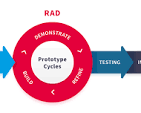
Rapid Application Development (RAD) is a software development approach that prioritizes speed and flexibility in creating applications. In today’s fast-paced digital world, the ability to quickly develop and deploy applications can give businesses a competitive edge.

One of the key benefits of RAD is its iterative and incremental nature. Instead of following a linear development process, RAD allows for quick prototyping and feedback loops. This means that changes can be implemented rapidly based on user input, resulting in faster delivery of functional software.

RAD also encourages collaboration between developers, designers, and end-users. By involving stakeholders throughout the development process, RAD ensures that the final product meets the needs and expectations of its intended users.

Another advantage of RAD is its focus on reusability. Developers can leverage existing components and frameworks to accelerate development without compromising quality. This not only speeds up the development process but also reduces costs associated with building applications from scratch.

Furthermore, RAD promotes a more flexible approach to project management. By breaking down projects into smaller modules or features, teams can prioritize tasks based on their importance and complexity. This allows for greater adaptability to changing requirements and market conditions.

In conclusion, Rapid Application Development offers a streamlined and efficient way to create software applications in a fast-paced environment. By emphasizing collaboration, reusability, and flexibility, RAD empowers businesses to innovate quickly and stay ahead of the competition.


5 Essential Tips for Accelerating Application Development Success

  1. Define clear objectives and requirements before starting development.
  2. Use rapid prototyping to quickly visualize ideas and gather feedback.
  3. Prioritize essential features to deliver a minimum viable product (MVP) faster.
  4. Implement agile development practices for flexibility and adaptability.
  5. Regularly test and iterate on the application to improve functionality and user experience.

Define clear objectives and requirements before starting development.

Before diving into rapid application development, it is crucial to define clear objectives and requirements. By establishing a solid foundation at the outset, developers can ensure that the project stays on track and meets the desired outcomes. Clear objectives help align the team’s efforts and provide a roadmap for development, while well-defined requirements serve as a guide for implementing features that are essential to the success of the application. Taking the time to clarify objectives and requirements upfront can prevent costly rework later on and ultimately lead to a more efficient and successful development process.

Use rapid prototyping to quickly visualize ideas and gather feedback.

Using rapid prototyping is a valuable tip in the realm of rapid application development as it allows developers to swiftly bring ideas to life and gather essential feedback. By creating prototypes that provide a visual representation of the proposed application, stakeholders can better understand the concept and provide input early in the development process. This iterative approach not only accelerates the design phase but also ensures that the final product aligns with user expectations and requirements, ultimately leading to a more successful and user-friendly application.

Prioritize essential features to deliver a minimum viable product (MVP) faster.

When adopting Rapid Application Development, it is crucial to prioritize essential features to deliver a minimum viable product (MVP) faster. By focusing on the core functionalities that provide the most value to users, developers can streamline the development process and get a functional product into the hands of users sooner. This approach not only accelerates time-to-market but also allows for early feedback and validation, enabling teams to make informed decisions and iterate on the product efficiently.

Implement agile development practices for flexibility and adaptability.

Implementing agile development practices is essential for leveraging the benefits of rapid application development. By embracing agile methodologies, such as iterative development, continuous feedback, and adaptive planning, teams can enhance flexibility and adaptability in their software projects. Agile allows for quick adjustments to changing requirements and market conditions, ensuring that the final product meets user needs effectively. This approach promotes collaboration, transparency, and a customer-centric mindset, ultimately leading to the successful delivery of high-quality applications within shorter timeframes.

Regularly test and iterate on the application to improve functionality and user experience.

Regularly testing and iterating on the application is crucial in enhancing its functionality and user experience. By conducting frequent tests and gathering feedback from users, developers can identify areas for improvement and make necessary adjustments to ensure a seamless and user-friendly application. This iterative process not only helps in fixing bugs and issues but also allows for continuous enhancement of features based on user preferences and behavior. Ultimately, prioritizing regular testing and iteration leads to a more refined and efficient application that meets the evolving needs of its users.

mobile app programming

Mastering Mobile App Programming: A Guide to Developing Innovative Apps

The World of Mobile App Programming

The World of Mobile App Programming

Mobile app programming has revolutionized the way we interact with technology. With the rise of smartphones and tablets, mobile applications have become an integral part of our daily lives. From social media platforms to productivity tools, there seems to be an app for everything.

What is Mobile App Programming?

Mobile app programming involves the development of applications specifically designed to run on mobile devices. This includes smartphones, tablets, and other portable gadgets. Developers use various programming languages and tools to create these apps, catering to different operating systems like iOS and Android.

The Importance of Mobile App Programming

In today’s digital age, mobile apps play a crucial role in enhancing user experience and providing convenient solutions for various needs. Businesses leverage mobile apps to reach a wider audience, increase customer engagement, and boost brand visibility. Individuals rely on mobile apps for entertainment, communication, shopping, and more.

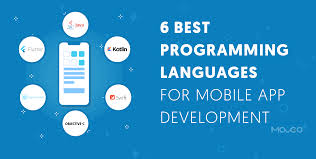
Popular Programming Languages for Mobile App Development

There are several programming languages commonly used in mobile app development:

  • Java: Primarily used for Android app development.
  • Swift: The preferred language for iOS app development.
  • Kotlin: A modern language compatible with Android development.
  • JavaScript: Widely used for cross-platform app development with frameworks like React Native.

The Future of Mobile App Programming

As technology continues to advance, the field of mobile app programming is evolving rapidly. Developers are exploring new trends such as artificial intelligence, augmented reality, and Internet of Things (IoT) integration in mobile apps. The future promises even more innovative and immersive experiences for users worldwide.

In Conclusion

Mobile app programming is a dynamic and exciting field that drives innovation in the digital landscape. Whether you’re a developer creating cutting-edge applications or a user enjoying the benefits of mobile apps, this technology has undoubtedly transformed how we interact with our devices and the world around us.


6 Essential Tips for Successful Mobile App Programming

  1. Follow platform-specific design guidelines for a consistent user experience.
  2. Optimize your app’s performance by minimizing resource usage and enhancing code efficiency.
  3. Regularly test your app on different devices to ensure compatibility and responsiveness.
  4. Implement robust security measures to protect user data and prevent unauthorized access.
  5. Utilize analytics tools to gather insights on user behavior and improve app functionality.
  6. Stay updated with the latest mobile app development trends and technologies to enhance your skills.

Follow platform-specific design guidelines for a consistent user experience.

When delving into mobile app programming, it is crucial to adhere to platform-specific design guidelines to ensure a consistent user experience. By following these guidelines set by operating systems like iOS and Android, developers can create apps that seamlessly integrate with the native look and feel of each platform. This approach not only enhances usability but also helps in establishing familiarity for users, ultimately leading to a more intuitive and engaging interaction with the app.

Optimize your app’s performance by minimizing resource usage and enhancing code efficiency.

To optimize your mobile app’s performance, it is crucial to focus on minimizing resource usage and enhancing code efficiency. By carefully managing resources such as memory, CPU, and network bandwidth, you can ensure that your app runs smoothly and responds quickly to user interactions. Additionally, writing efficient code that follows best practices and avoids unnecessary operations can significantly improve the overall performance of your app. Prioritizing these aspects during the development process will result in a more responsive and user-friendly mobile application.

Regularly test your app on different devices to ensure compatibility and responsiveness.

Regularly testing your mobile app on various devices is crucial to guarantee its compatibility and responsiveness across different platforms. By conducting thorough testing, developers can identify and address any potential issues or inconsistencies that may arise on specific devices. This proactive approach not only enhances the user experience but also helps maintain the app’s functionality and performance standards. Prioritizing device testing ensures that your app delivers a seamless experience to a diverse range of users, ultimately contributing to its success in the competitive app market.

Implement robust security measures to protect user data and prevent unauthorized access.

Implementing robust security measures is paramount in mobile app programming to safeguard user data and mitigate the risk of unauthorized access. By prioritizing security protocols such as encryption, authentication mechanisms, and secure data storage practices, developers can instill trust and confidence in their app users. Protecting sensitive information not only upholds user privacy but also fosters a secure digital environment where data breaches and cyber threats are minimized. By proactively addressing security concerns, developers demonstrate their commitment to ensuring the integrity and confidentiality of user data within their mobile applications.

Utilize analytics tools to gather insights on user behavior and improve app functionality.

To enhance the performance and user experience of your mobile app, it is essential to leverage analytics tools that provide valuable data on user behavior. By analyzing metrics such as user engagement, retention rates, and in-app interactions, developers can gain insights into how users interact with the app and identify areas for improvement. Utilizing analytics tools not only helps in understanding user preferences but also enables developers to make data-driven decisions to enhance app functionality and optimize overall performance.

Staying updated with the latest mobile app development trends and technologies is essential for enhancing your skills in this dynamic field. By keeping abreast of new advancements, you can expand your knowledge, stay competitive, and adapt to the ever-changing demands of the industry. Embracing innovation and learning about emerging technologies will not only sharpen your expertise but also enable you to create cutting-edge mobile applications that resonate with modern users.

Harnessing Python for Android App Development: A Powerful Combination

Python for Android App Development

The Power of Python in Android App Development

Python, known for its simplicity and versatility, has gained popularity among developers for various applications, including Android app development. While Java has traditionally been the primary language for creating Android apps, Python offers a compelling alternative with its ease of use and robust libraries.

Benefits of Using Python for Android App Development

Simplicity: Python’s clean syntax and readability make it an excellent choice for beginners and experienced developers alike. The language allows developers to write code quickly and efficiently, reducing development time.

Large Library Ecosystem: Python boasts a vast collection of libraries and frameworks that simplify complex tasks in app development. Libraries like Kivy and BeeWare provide tools specifically designed for creating cross-platform mobile applications.

Cross-Platform Compatibility: With Python, developers can build apps that run on multiple platforms, including Android, iOS, Windows, and more. This cross-platform capability streamlines the development process and expands the reach of the app to a wider audience.

Popular Python Frameworks for Android Development

Kivy: Kivy is a popular open-source Python framework for developing multitouch applications across various platforms, including Android. It offers support for different input devices and provides a rich set of UI elements for creating engaging user interfaces.

BeeWare: BeeWare is another powerful tool that enables developers to create native mobile apps using Python. With BeeWare’s suite of tools like Toga and Briefcase, developers can build high-performance apps with native look and feel on Android devices.

Conclusion

In conclusion, Python’s flexibility and efficiency make it a valuable tool for Android app development. By leveraging its rich library ecosystem and cross-platform capabilities, developers can create innovative mobile applications that meet the demands of today’s users. Whether you are a seasoned developer or just starting out, exploring Python for Android app development opens up new possibilities in the world of mobile technology.


6 Essential Tips for Developing Android Apps with Python

  1. Use Kivy or BeeWare frameworks for building Python apps on Android.
  2. Optimize your code for mobile devices to ensure good performance.
  3. Utilize tools like Pyjnius to access Java APIs on Android from Python code.
  4. Consider the user experience and design of your app for smaller screens.
  5. Test your app thoroughly on different Android devices to ensure compatibility.
  6. Stay updated with the latest trends and developments in Python for mobile app development.

Use Kivy or BeeWare frameworks for building Python apps on Android.

When delving into Python for Android app development, leveraging frameworks like Kivy or BeeWare can significantly enhance the development process. These frameworks offer robust tools and resources tailored for creating Python-based applications on the Android platform. Kivy provides a versatile environment with multi-touch support and a wide range of UI elements, while BeeWare empowers developers to build native mobile apps with a native look and feel using Python. By utilizing these frameworks, developers can streamline their workflow and deliver high-performance apps that resonate with users on Android devices.

Optimize your code for mobile devices to ensure good performance.

When developing Python applications for Android, it is crucial to optimize your code for mobile devices to guarantee optimal performance. By fine-tuning your code to be efficient and lightweight, you can enhance the responsiveness and usability of your app on Android devices. Implementing best practices such as minimizing resource-intensive operations, reducing memory usage, and optimizing algorithms can significantly improve the overall performance of your Python-based Android app, providing users with a smooth and seamless experience.

Utilize tools like Pyjnius to access Java APIs on Android from Python code.

By utilizing tools like Pyjnius, developers can seamlessly access Java APIs on Android from Python code, enhancing the functionality and capabilities of their Android applications. Pyjnius serves as a bridge between Python and Java, allowing developers to leverage the extensive range of Java libraries and functionalities within their Python-based projects. This integration not only streamlines the development process but also opens up a world of possibilities for creating feature-rich and robust Android applications with ease.

Consider the user experience and design of your app for smaller screens.

When developing Android apps with Python, it is crucial to prioritize the user experience and design, especially for smaller screens. Ensuring that your app is visually appealing, intuitive to navigate, and responsive on devices with limited screen real estate can significantly enhance user satisfaction and engagement. By optimizing the layout, font sizes, and interactive elements for smaller screens, you can create a seamless and enjoyable experience for users accessing your app on various Android devices. Remember, a well-designed app not only looks good but also contributes to its overall usability and success in the competitive mobile app market.

Test your app thoroughly on different Android devices to ensure compatibility.

Testing your app thoroughly on a variety of Android devices is crucial to ensure its compatibility across different screen sizes, resolutions, and hardware configurations. By conducting comprehensive testing, you can identify and address any issues or inconsistencies that may arise on specific devices, ultimately enhancing the user experience and maximizing the reach of your app. Investing time in testing will help you deliver a polished and reliable product that performs seamlessly on a wide range of Android devices.

Staying updated with the latest trends and developments in Python for mobile app development is crucial for ensuring that your Android apps are built using the most efficient and cutting-edge techniques. By keeping abreast of new features, libraries, and best practices in Python, developers can optimize their workflow, enhance app performance, and deliver a seamless user experience. Continuous learning and adaptation to emerging trends in Python not only improve the quality of Android apps but also showcase a developer’s commitment to staying at the forefront of mobile app development.

tech stack

Mastering Your Tech Stack: Building Efficient Software Solutions

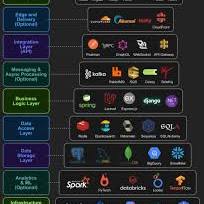
In the world of software development, a tech stack plays a crucial role in determining the success and efficiency of a project. A tech stack, short for technology stack, refers to the combination of programming languages, frameworks, tools, and software used by developers to build and deploy applications.

Choosing the right tech stack is essential as it directly impacts factors such as performance, scalability, security, and maintainability of the software. A well-thought-out tech stack can streamline development processes and ensure that the final product meets both functional and non-functional requirements.

Typically, a tech stack consists of three main components:

  1. Frontend: The frontend of an application is what users interact with. It includes technologies like HTML, CSS, and JavaScript along with popular frameworks such as Angular, React, or Vue.js.
  2. Backend: The backend is responsible for handling data processing, business logic, and server-side operations. Common backend technologies include programming languages like Python, Java, Ruby on Rails, or Node.js along with frameworks like Django or Spring.
  3. Database: The database component stores and manages the application’s data. Developers can choose from various types of databases such as relational (e.g., MySQL), NoSQL (e.g., MongoDB), or in-memory databases (e.g., Redis) based on the project requirements.

Additionally, a tech stack may include other elements like version control systems (e.g., Git), cloud services (e.g., AWS or Azure), containerization tools (e.g., Docker), and continuous integration/continuous deployment (CI/CD) pipelines to automate testing and deployment processes.

The choice of a tech stack depends on factors like project complexity, scalability needs, time-to-market requirements, developer expertise, budget constraints, and future growth considerations. It’s crucial for development teams to evaluate these factors carefully before finalizing a tech stack for their projects.

In conclusion, a well-designed tech stack is fundamental to the success of any software development project. By selecting the right combination of technologies and tools tailored to specific project needs, developers can create robust applications that meet user expectations while ensuring efficient development processes and long-term sustainability.


7 Key Advantages of a Well-Defined Tech Stack for Modern Application Development

  1. 1. Enables efficient development by providing a structured framework for building applications.
  2. 2. Facilitates scalability, allowing applications to handle increased user loads and data volumes.
  3. 3. Enhances performance through optimized use of technologies that meet project requirements.
  4. 4. Improves collaboration among team members with a shared understanding of the tech stack components.
  5. 5. Streamlines maintenance and updates by standardizing tools and processes within the development environment.
  6. 6. Boosts innovation by leveraging cutting-edge technologies and frameworks to create advanced solutions.
  7. 7. Supports seamless integration with third-party services and APIs, enhancing functionality and expanding capabilities.


6 Common Drawbacks of Tech Stacks: Navigating Complexity, Compatibility, and More

  1. Complexity
  2. Compatibility Issues
  3. Learning Curve
  4. Maintenance Challenges
  5. Vendor Lock-in
  6. Performance Overhead

1. Enables efficient development by providing a structured framework for building applications.

A significant advantage of utilizing a tech stack is its ability to enable efficient development by offering a structured framework for building applications. By incorporating predefined technologies, programming languages, and tools into a cohesive stack, developers can streamline the development process, reduce redundancy, and focus on implementing core functionalities. This structured approach not only enhances productivity but also promotes consistency across the project, making it easier to maintain and scale the application as needed. Ultimately, a well-defined tech stack serves as a solid foundation that empowers developers to work more efficiently and effectively towards delivering high-quality software solutions.

2. Facilitates scalability, allowing applications to handle increased user loads and data volumes.

Facilitates scalability, allowing applications to handle increased user loads and data volumes. A well-chosen tech stack enables applications to scale seamlessly as user traffic and data volumes grow. By incorporating scalable technologies and architectures, developers can ensure that the application remains responsive and performs optimally even under heavy loads. This pro of a tech stack is crucial for businesses looking to expand their user base or handle growing amounts of data without compromising on performance or user experience.

3. Enhances performance through optimized use of technologies that meet project requirements.

By optimizing the use of technologies that align with project requirements, a well-chosen tech stack enhances performance significantly. By carefully selecting programming languages, frameworks, and tools that are best suited for the project’s needs, developers can ensure efficient code execution, faster response times, and overall improved system performance. This optimization not only boosts the application’s speed and responsiveness but also contributes to better scalability and resource utilization, ultimately leading to a more robust and high-performing software solution.

4. Improves collaboration among team members with a shared understanding of the tech stack components.

Enhancing collaboration among team members is a significant advantage of utilizing a tech stack in software development. By establishing a shared understanding of the tech stack components, team members can effectively communicate, troubleshoot issues, and work together seamlessly. With everyone on the same page regarding the technologies, frameworks, and tools being used, collaboration becomes more efficient and productive. This shared knowledge fosters a cohesive team environment where developers can leverage each other’s expertise and contribute collectively to the success of the project.

5. Streamlines maintenance and updates by standardizing tools and processes within the development environment.

Streamlining maintenance and updates is a significant advantage of utilizing a tech stack in software development. By standardizing tools and processes within the development environment, teams can ensure consistency and efficiency when managing and updating their applications. This approach simplifies the maintenance tasks, as developers are familiar with the standardized tools and procedures, making it easier to troubleshoot issues, implement updates, and ensure the overall stability of the software. Additionally, having a uniform tech stack across projects enables smoother collaboration among team members and facilitates knowledge sharing, ultimately enhancing productivity and reducing the time required for maintenance activities.

6. Boosts innovation by leveraging cutting-edge technologies and frameworks to create advanced solutions.

By leveraging cutting-edge technologies and frameworks within a tech stack, developers can boost innovation and create advanced solutions that push the boundaries of what is possible in the digital landscape. Incorporating the latest tools and techniques allows for the exploration of new ideas, implementation of novel features, and development of groundbreaking applications that meet evolving user demands. This proactive approach to technology adoption not only enhances product offerings but also positions businesses at the forefront of innovation in their respective industries.

7. Supports seamless integration with third-party services and APIs, enhancing functionality and expanding capabilities.

By leveraging a well-structured tech stack, developers can harness the power of seamless integration with third-party services and APIs, thereby enhancing the functionality and expanding the capabilities of their applications. This pro allows for the incorporation of a wide range of external tools and services, enabling developers to tap into additional features and resources without having to reinvent the wheel. By integrating with third-party services and APIs, development teams can boost efficiency, improve user experience, and unlock new possibilities for innovation within their software projects.

Complexity

Managing multiple technologies in a tech stack can indeed introduce a significant challenge in the form of increased complexity. Each technology within the stack may have its own set of requirements, dependencies, and best practices, making it essential for developers to possess specialized skills and expertise in each area. Juggling multiple technologies can lead to compatibility issues, integration challenges, and troubleshooting complexities, ultimately demanding a higher level of coordination and effort to ensure seamless functionality across the entire tech stack. This complexity can also impact project timelines and resource allocation as teams may need to invest additional time and resources in managing and maintaining the diverse components of the tech stack.

Compatibility Issues

Compatibility issues can pose a significant challenge when dealing with a tech stack. Due to the diverse nature of components within a tech stack, such as programming languages, frameworks, and tools, ensuring seamless integration can be complex. Incompatibilities between different components can result in unexpected errors, performance issues, or even system failures. Resolving compatibility issues requires careful testing, troubleshooting, and sometimes reevaluating the choice of technologies to ensure that all parts of the tech stack work harmoniously together. Addressing compatibility challenges effectively is crucial to maintaining the stability and functionality of software applications built on that tech stack.

Learning Curve

Adapting to a new tech stack can present a significant challenge for developers due to the learning curve associated with mastering unfamiliar technologies. This adjustment period may lead to a temporary decrease in productivity as developers invest time and effort in understanding and becoming proficient with the new tools and frameworks. The need for training and skill development can slow down project progress in the short term, impacting deadlines and deliverables. However, once developers overcome the initial learning curve, they can leverage their newfound expertise to enhance efficiency and effectiveness in future project work within the tech stack.

Maintenance Challenges

Maintenance challenges pose a significant con when it comes to tech stacks. Updating or replacing components of a tech stack can be a daunting task, particularly in complex projects. The process can be time-consuming and challenging, requiring careful planning and execution to ensure that the changes do not disrupt the functionality of the system. Additionally, compatibility issues between different components can arise during updates, leading to unexpected errors and downtime. Managing maintenance challenges effectively is crucial to maintaining the stability and performance of a tech stack over time.

Vendor Lock-in

Depending heavily on specific technologies within a tech stack can lead to a significant drawback known as vendor lock-in. This con arises when a development team becomes overly reliant on proprietary tools or platforms provided by a particular vendor. Vendor lock-in can restrict flexibility and hinder the ability to adapt or switch to alternative solutions in the future. It poses a risk of being tied to a single vendor’s ecosystem, potentially limiting innovation and increasing dependency on external providers, which may result in higher costs or compatibility issues down the line. Developers need to carefully consider the implications of vendor lock-in when selecting technologies for their tech stack to ensure long-term adaptability and mitigate risks associated with being locked into a specific vendor’s offerings.

Performance Overhead

Introducing multiple layers of technology in a tech stack can lead to performance overhead, potentially affecting the speed and responsiveness of an application. Each additional layer, whether it be a framework, library, or tool, introduces complexity and may require additional processing resources. This can result in increased latency, slower response times, and overall decreased performance efficiency. Developers need to carefully consider the trade-offs between functionality and performance when selecting components for a tech stack to mitigate the risk of performance overhead impacting the user experience negatively.