
cfchris.com

Loading

nydfs cybersecurity

Enhancing Financial Security: The Role of NYDFS in Cybersecurity

The Role of NYDFS in Cybersecurity

The Role of NYDFS in Cybersecurity

As cyber threats continue to evolve and become more sophisticated, the New York Department of Financial Services (NYDFS) plays a crucial role in ensuring the cybersecurity of financial institutions operating within the state.

The NYDFS has implemented stringent regulations and guidelines to safeguard sensitive financial data and protect consumers from cyber attacks. These regulations require financial institutions to establish robust cybersecurity programs, conduct regular risk assessments, and report any cybersecurity incidents promptly.

One of the key initiatives introduced by the NYDFS is the Cybersecurity Regulation (23 NYCRR 500), which sets forth minimum standards for cybersecurity practices that financial institutions must adhere to. This regulation includes requirements such as multi-factor authentication, encryption of sensitive data, and regular cybersecurity training for employees.

In addition to setting regulatory standards, the NYDFS actively monitors compliance with these regulations through examinations and assessments. Financial institutions are required to submit annual certifications of their compliance with the Cybersecurity Regulation, demonstrating their commitment to maintaining strong cybersecurity measures.

Furthermore, the NYDFS collaborates with other regulatory agencies and law enforcement authorities to share information on emerging cyber threats and coordinate responses to cyber incidents. By fostering a culture of information sharing and cooperation, the NYDFS aims to enhance the overall resilience of the financial sector against cyber threats.

In conclusion, the NYDFS plays a vital role in promoting cybersecurity within the financial industry and protecting both institutions and consumers from cyber risks. Through its proactive approach to regulation and oversight, the NYDFS helps ensure that New York remains at the forefront of cybersecurity best practices.


6 Essential Tips for Strengthening Cybersecurity Compliance with NYDFS Regulations

  1. Regularly update software and systems to protect against vulnerabilities.
  2. Implement strong password policies and multi-factor authentication.
  3. Train employees on cybersecurity best practices and how to identify phishing attempts.
  4. Encrypt sensitive data both in transit and at rest.
  5. Conduct regular security assessments and audits to identify weaknesses.
  6. Establish a an incident response plan to quickly respond to and mitigate cybersecurity incidents.

Regularly update software and systems to protect against vulnerabilities.

Regularly updating software and systems is a critical tip in NYDFS cybersecurity practices to safeguard against vulnerabilities. By staying current with software patches and system updates, financial institutions can address known security weaknesses and reduce the risk of exploitation by cyber attackers. This proactive approach helps ensure that systems remain resilient to emerging threats and maintain the integrity of sensitive financial data. Compliance with this best practice not only enhances cybersecurity posture but also demonstrates a commitment to maintaining a secure environment for both the institution and its customers as mandated by NYDFS regulations.

Implement strong password policies and multi-factor authentication.

To enhance cybersecurity measures in compliance with NYDFS regulations, it is crucial for financial institutions to implement strong password policies and multi-factor authentication. By enforcing complex password requirements and requiring an additional layer of verification through multi-factor authentication, institutions can significantly reduce the risk of unauthorized access to sensitive data. These practices not only bolster security but also demonstrate a commitment to safeguarding confidential information and meeting the stringent cybersecurity standards set forth by the NYDFS.

Train employees on cybersecurity best practices and how to identify phishing attempts.

Training employees on cybersecurity best practices is essential in strengthening an organization’s defense against cyber threats. By educating staff members on how to identify phishing attempts, such as suspicious emails or messages, companies can empower their workforce to act as the first line of defense against potential security breaches. Equipping employees with the knowledge and skills to recognize and report phishing attempts not only helps protect sensitive data but also contributes to creating a culture of cybersecurity awareness within the organization.

Encrypt sensitive data both in transit and at rest.

It is crucial for financial institutions under NYDFS regulation to encrypt sensitive data both in transit and at rest. Encrypting data in transit ensures that information remains secure while being transferred between systems or devices, protecting it from interception by malicious actors. Similarly, encrypting data at rest safeguards stored information from unauthorized access, adding an extra layer of security to prevent data breaches. By implementing robust encryption practices, financial institutions can enhance the protection of sensitive data and comply with NYDFS cybersecurity requirements effectively.

Conduct regular security assessments and audits to identify weaknesses.

Regular security assessments and audits are essential components of a comprehensive cybersecurity strategy recommended by the NYDFS. By conducting these assessments on a regular basis, financial institutions can proactively identify vulnerabilities and weaknesses in their systems and processes. This proactive approach allows organizations to address potential security gaps before they are exploited by cyber attackers, helping to strengthen overall cybersecurity defenses and protect sensitive data from unauthorized access or breaches.

Establish a an incident response plan to quickly respond to and mitigate cybersecurity incidents.

Establishing an incident response plan is a critical component of NYDFS cybersecurity guidelines. By having a well-defined plan in place, financial institutions can swiftly respond to and mitigate cybersecurity incidents, minimizing potential damages and disruptions. This proactive approach not only helps in containing the impact of security breaches but also demonstrates a commitment to effective risk management and compliance with regulatory requirements. Having an incident response plan ensures that organizations are prepared to handle cyber threats promptly and efficiently, safeguarding both their own operations and the sensitive data of their customers.
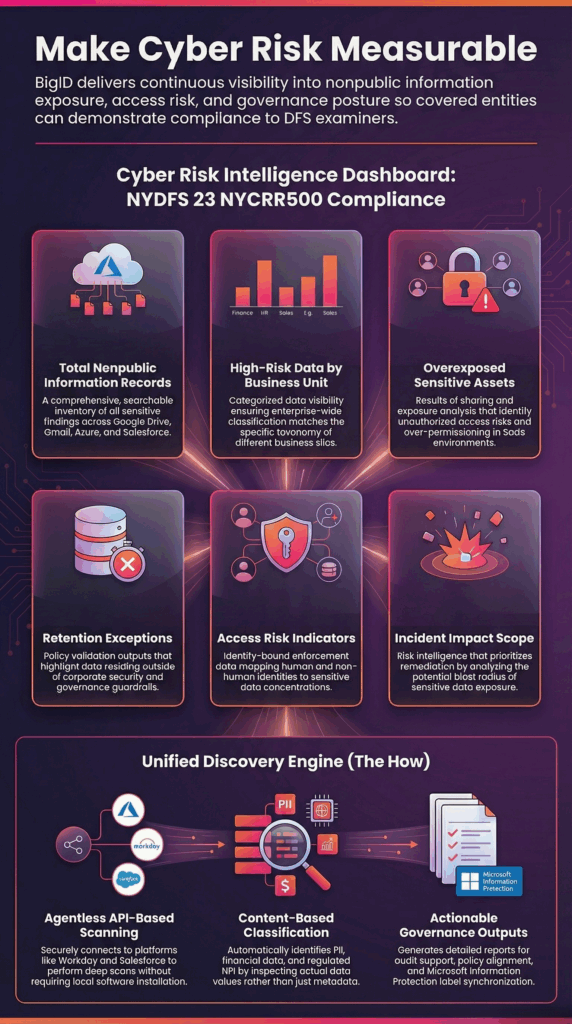

23 nycrr 500

Navigating Compliance: Understanding the Impact of 23 NYCRR 500

Article: 23 NYCRR 500

Understanding 23 NYCRR 500: New York’s Cybersecurity Regulation

23 NYCRR 500 is a cybersecurity regulation issued by the New York State Department of Financial Services (DFS). This regulation aims to protect sensitive data and information held by financial institutions operating in New York.

Key Requirements of 23 NYCRR 500

The regulation mandates financial institutions to:

  • Establish a cybersecurity program designed to protect nonpublic information.
  • Conduct regular risk assessments and implement cybersecurity measures based on identified risks.
  • Implement multi-factor authentication for accessing internal systems and sensitive data.
  • Maintain an incident response plan to address and recover from cybersecurity events promptly.
  • Provide cybersecurity awareness training to employees to enhance overall security posture.
  • Engage third-party service providers who comply with the regulation’s requirements.

Implications for Financial Institutions

Compliance with 23 NYCRR 500 is crucial for financial institutions as non-compliance can lead to severe penalties, including fines and reputational damage. By adhering to the regulation, organizations can strengthen their cybersecurity defenses, reduce the risk of data breaches, and safeguard customer information.

Conclusion

23 NYCRR 500 sets a high standard for cybersecurity practices within the financial sector in New York. Financial institutions subject to this regulation must prioritize data protection, implement robust security measures, and continually assess and enhance their cybersecurity posture to mitigate risks effectively.

© 2022 CFChris. All rights reserved.


Strengthening Cybersecurity: 8 Key Benefits of 23 NYCRR 500 for New York Financial Institutions

  1. Enhances cybersecurity measures for financial institutions in New York
  2. Protects sensitive data and nonpublic information from cyber threats
  3. Mandates regular risk assessments to identify and address vulnerabilities
  4. Requires the implementation of multi-factor authentication for enhanced security
  5. Promotes cybersecurity awareness training among employees
  6. Establishes incident response plans to mitigate the impact of cyber incidents
  7. Encourages collaboration with compliant third-party service providers
  8. Helps organizations strengthen their overall security posture and reduce data breach risks


Challenges of 23 NYCRR 500: Compliance Costs, Complexity, and Third-Party Provider Burdens

  1. Compliance costs
  2. Complexity
  3. Burden on third-party providers

Enhances cybersecurity measures for financial institutions in New York

The implementation of 23 NYCRR 500 significantly enhances cybersecurity measures for financial institutions operating in New York. By mandating the establishment of robust cybersecurity programs, conducting regular risk assessments, and implementing multi-factor authentication, the regulation strengthens the overall security posture of these institutions. This proactive approach not only helps in safeguarding sensitive data but also aids in preventing cyber threats and potential breaches, ultimately fostering a more secure environment for both the institutions and their clients.

Protects sensitive data and nonpublic information from cyber threats

One significant advantage of 23 NYCRR 500 is its ability to safeguard sensitive data and nonpublic information from cyber threats. By requiring financial institutions to establish robust cybersecurity programs and implement protective measures, the regulation helps prevent unauthorized access, data breaches, and other cyber incidents that could compromise the security and confidentiality of valuable information. This proactive approach not only enhances data protection but also instills trust among stakeholders, demonstrating a commitment to maintaining the integrity and privacy of sensitive data in today’s digital landscape.

Mandates regular risk assessments to identify and address vulnerabilities

One significant advantage of 23 NYCRR 500 is that it mandates regular risk assessments to identify and address vulnerabilities. By requiring financial institutions to conduct these assessments, the regulation promotes proactive measures to enhance cybersecurity defenses. Identifying potential risks allows organizations to implement targeted security measures, prioritize resource allocation, and mitigate vulnerabilities before they can be exploited. This proactive approach not only strengthens the overall security posture of financial institutions but also helps in safeguarding sensitive data and information from potential cyber threats.

Requires the implementation of multi-factor authentication for enhanced security

One significant advantage of 23 NYCRR 500 is its requirement for the implementation of multi-factor authentication to enhance security measures. By mandating the use of multi-factor authentication, the regulation adds an extra layer of protection to sensitive data and internal systems within financial institutions. This additional security measure helps prevent unauthorized access and significantly reduces the risk of data breaches or cyber attacks. Overall, the emphasis on multi-factor authentication under 23 NYCRR 500 plays a crucial role in bolstering cybersecurity defenses and safeguarding confidential information effectively.

Promotes cybersecurity awareness training among employees

One significant advantage of 23 NYCRR 500 is that it promotes cybersecurity awareness training among employees. By requiring financial institutions to provide training on cybersecurity best practices, potential threats, and how to respond to security incidents, the regulation helps enhance the overall security posture of organizations. This proactive approach not only equips employees with the knowledge and skills needed to identify and mitigate cyber risks but also fosters a culture of cybersecurity consciousness within the workplace. Ultimately, promoting cybersecurity awareness training among employees can contribute to a stronger defense against cyber threats and safeguard sensitive information effectively.

Establishes incident response plans to mitigate the impact of cyber incidents

One significant advantage of 23 NYCRR 500 is that it requires financial institutions to establish incident response plans to mitigate the impact of cyber incidents. By mandating the development of structured procedures for responding to cybersecurity breaches, this regulation helps organizations effectively manage and contain threats, minimize potential damages, and swiftly recover from security incidents. Implementing robust incident response plans ensures that financial institutions can respond promptly and decisively in the event of a cyber attack, enhancing their overall resilience against evolving cyber threats.

Encourages collaboration with compliant third-party service providers

One significant benefit of 23 NYCRR 500 is that it encourages collaboration with compliant third-party service providers. By engaging with service providers who adhere to the regulation’s cybersecurity requirements, financial institutions can enhance the overall security of their operations. This collaboration ensures that sensitive data shared with third parties is adequately protected, reducing the risk of data breaches and strengthening the cybersecurity ecosystem within the financial sector. The emphasis on partnering with compliant providers fosters a culture of shared responsibility for cybersecurity and promotes a more secure environment for all stakeholders involved.

Helps organizations strengthen their overall security posture and reduce data breach risks

One of the key benefits of 23 NYCRR 500 is that it helps organizations strengthen their overall security posture and reduce the risks of data breaches. By mandating the establishment of robust cybersecurity programs, regular risk assessments, and the implementation of security measures tailored to identified risks, this regulation ensures that financial institutions operating in New York prioritize data protection and enhance their resilience against cyber threats. Compliance with 23 NYCRR 500 not only safeguards sensitive information but also contributes to a more secure and trustworthy financial ecosystem.

Compliance costs

Implementing and maintaining a cybersecurity program in accordance with 23 NYCRR 500 can pose a significant financial burden on financial institutions. The costs associated with meeting the regulation’s requirements, such as conducting regular risk assessments, implementing security measures, providing employee training, and engaging compliant third-party service providers, can add up quickly. These compliance costs may strain the resources of smaller institutions and require substantial investments in cybersecurity infrastructure and personnel to ensure ongoing adherence to the regulation.

Complexity

The complexity of the regulatory requirements outlined in 23 NYCRR 500 presents a significant challenge, particularly for smaller organizations with constrained resources. Interpreting and implementing the intricate guidelines can be daunting, leading to potential compliance issues and increased operational burdens. Smaller entities may struggle to navigate the nuanced provisions effectively, highlighting the need for additional support and guidance in meeting the stringent cybersecurity standards set forth by the regulation.

Burden on third-party providers

One significant con of 23 NYCRR 500 is the burden it places on third-party providers. Financial institutions are required to verify that their external service providers adhere to the regulation, introducing an additional layer of oversight and management. Ensuring compliance among third parties can be complex and time-consuming, as institutions must monitor and assess the cybersecurity practices of each vendor to maintain regulatory alignment. This added responsibility increases the administrative workload for financial organizations and may lead to challenges in coordinating and enforcing cybersecurity standards across multiple external entities.

Exploring the Transformative Power of AI and ML in Today’s World

The Impact of AI and ML on Modern Technology

The Impact of AI and ML on Modern Technology

Artificial Intelligence (AI) and Machine Learning (ML) are two of the most transformative technologies in today’s digital landscape. They are driving innovation across various sectors, from healthcare to finance, and are reshaping how businesses operate and make decisions.

Understanding AI and ML

Artificial Intelligence refers to the simulation of human intelligence processes by machines, particularly computer systems. These processes include learning, reasoning, problem-solving, perception, and language understanding.

Machine Learning, a subset of AI, involves the use of algorithms that enable computers to learn from data and improve their performance over time without being explicitly programmed. ML is about making predictions or decisions based on data inputs.

Applications in Various Industries

The applications of AI and ML are vast and varied:

  • Healthcare: AI is being used to analyze complex medical data for diagnostics, personalize treatment plans, and even predict patient outcomes.
  • Finance: Financial institutions use ML algorithms for fraud detection, risk management, algorithmic trading, and personalized banking services.
  • Retail: Retailers leverage AI for inventory management, customer service through chatbots, personalized marketing strategies, and demand forecasting.
  • Automotive: Autonomous vehicles rely heavily on AI for navigation systems that can interpret sensor data to make driving decisions.

The Benefits of AI and ML

The integration of AI and ML into business operations offers several benefits:

  • Efficiency: Automation of routine tasks reduces human error and frees up resources for more strategic activities.
  • Insights: Advanced analytics provide deeper insights into customer behavior, market trends, and operational efficiencies.
  • Innovation: Companies can develop new products or services faster by leveraging predictive analytics to understand market needs better.

The Challenges Ahead

Despite their advantages, implementing AI and ML comes with challenges. These include concerns about data privacy, the need for large datasets to train models effectively, potential biases in algorithms leading to unfair outcomes, and the ethical implications of autonomous decision-making systems.

The Future Outlook

The future looks promising as advancements in computing power continue to drive innovation in AI and ML. As these technologies evolve further, they will become even more integral to our daily lives—enhancing productivity while opening up new possibilities across different fields.

A continued focus on ethical practices will be essential as society navigates this technological evolution. By addressing these concerns proactively while fostering innovation responsibly—AI’s potential can be harnessed fully for global benefit.


Exploring AI and ML: Key Differences, Applications, Ethics, Bias Mitigation, and Business Challenges

  1. What is the difference between Artificial Intelligence (AI) and Machine Learning (ML)?
  2. How are Artificial Intelligence and Machine Learning being used in healthcare?
  3. What are the ethical implications of using AI and ML in decision-making processes?
  4. Can AI algorithms be biased, and how can bias be mitigated in Machine Learning models?
  5. What are some common challenges faced when implementing AI and ML solutions in businesses?

What is the difference between Artificial Intelligence (AI) and Machine Learning (ML)?

Artificial Intelligence (AI) and Machine Learning (ML) are often used interchangeably, but they represent distinct concepts within the realm of computer science. AI is a broad field that encompasses the development of systems capable of performing tasks that typically require human intelligence, such as reasoning, problem-solving, and understanding language. It aims to create machines that can mimic cognitive functions like learning and adaptation. On the other hand, Machine Learning is a subset of AI focused on the idea that machines can learn from data. ML involves algorithms that allow computers to identify patterns and make decisions with minimal human intervention. Essentially, while all machine learning is AI, not all AI involves machine learning. ML is one approach to achieving AI by enabling systems to improve their performance over time through experience and data analysis.

How are Artificial Intelligence and Machine Learning being used in healthcare?

Artificial Intelligence (AI) and Machine Learning (ML) are revolutionizing healthcare by enhancing diagnostic accuracy, personalizing treatment, and improving patient outcomes. AI systems can analyze complex medical data, such as imaging scans and electronic health records, to assist doctors in diagnosing diseases more accurately and swiftly. Machine learning algorithms are being used to develop predictive models that identify patients at risk of certain conditions, enabling early intervention. Additionally, AI-driven tools help in drug discovery by analyzing vast datasets to identify potential new treatments. In personalized medicine, ML algorithms tailor treatment plans based on an individual’s genetic makeup and lifestyle factors, ensuring more effective care. These technologies are also streamlining administrative tasks within healthcare facilities, allowing professionals to focus more on patient care.

What are the ethical implications of using AI and ML in decision-making processes?

The ethical implications of using AI and ML in decision-making processes are significant and multifaceted. As these technologies become more integrated into various sectors, they raise concerns about bias, transparency, and accountability. AI systems can inadvertently perpetuate or even amplify existing biases present in the data they are trained on, leading to unfair or discriminatory outcomes. Transparency is another critical issue, as the decision-making processes of complex algorithms can be opaque, making it difficult for users to understand how decisions are reached. This lack of clarity can undermine trust and accountability, especially in high-stakes areas like criminal justice or hiring. Additionally, there are concerns about privacy and the extent to which personal data is used responsibly. Ensuring ethical use of AI and ML requires ongoing efforts to develop fair algorithms, implement robust oversight mechanisms, and engage in open dialogue about their societal impacts.

Can AI algorithms be biased, and how can bias be mitigated in Machine Learning models?

AI algorithms can indeed be biased, primarily because they learn from data that may contain existing biases. These biases can stem from unrepresentative datasets, historical prejudices, or flawed data collection methods. When AI models are trained on such data, they can inadvertently perpetuate or even amplify these biases in their predictions and decisions. To mitigate bias in Machine Learning models, it’s crucial to use diverse and representative datasets during the training phase. Additionally, implementing fairness-aware algorithms and regularly auditing models for biased outcomes are essential steps. Transparency in the development process and involving interdisciplinary teams to evaluate model outputs can further help identify and address potential biases, ensuring that AI systems operate more equitably across different user groups.

What are some common challenges faced when implementing AI and ML solutions in businesses?

Implementing AI and ML solutions in businesses often presents several challenges. One of the primary hurdles is data quality and availability; AI and ML models require large volumes of high-quality data to function effectively, yet many organizations struggle with data silos or incomplete datasets. Additionally, integrating these technologies into existing systems can be complex and resource-intensive, requiring significant investment in infrastructure and skilled personnel. There is also the challenge of algorithmic bias, where models may inadvertently perpetuate existing biases present in the training data, leading to unfair outcomes. Furthermore, ensuring data privacy and security is crucial, as AI systems often handle sensitive information. Lastly, businesses must navigate the cultural shift within the organization as employees adapt to new workflows and processes driven by AI technologies.

business

Unleashing the Power of Business Innovation

The Essence of Business

The Essence of Business

Business is the backbone of the economy, driving innovation, creating job opportunities, and fueling growth. It encompasses a wide range of activities aimed at producing goods or services to meet the needs and demands of customers.

At its core, business is about problem-solving and value creation. Successful businesses identify market gaps or inefficiencies and develop solutions to address them. They strive to deliver products or services that not only meet but exceed customer expectations.

Entrepreneurship is a key aspect of business, where individuals take risks to start new ventures and bring their ideas to life. It requires a combination of vision, passion, resilience, and strategic planning to navigate the challenges and uncertainties that come with building a business.

Effective management is crucial for the success of any business. Leaders must make informed decisions, manage resources efficiently, foster a positive work culture, and adapt to changing market conditions. Strong leadership inspires employees to perform at their best and drives organizational growth.

Businesses operate within a dynamic environment shaped by economic trends, technological advancements, regulatory changes, and competitive forces. Adaptability and agility are essential traits for businesses to thrive in today’s fast-paced world.

Collaboration and partnerships are also vital components of business success. By working together with suppliers, distributors, customers, and other stakeholders, businesses can leverage collective expertise and resources to achieve mutual goals.

In conclusion, business plays a fundamental role in society by driving economic development and fostering innovation. It offers opportunities for individuals to pursue their entrepreneurial ambitions and contribute to the growth of their communities. Embracing the principles of ethical conduct, sustainability, and social responsibility is key to building successful businesses that make a positive impact on the world.


Understanding Business: Key Concepts and Common Questions Answered

  1. What are the four types of business?
  2. What are business examples?
  3. What is your business type?
  4. What is the broad definition of business?
  5. Is business’s grammatically correct?
  6. What is the definition of a business?
  7. What are the 4 types of business?
  8. What is the concept of a business?

What are the four types of business?

In the realm of business, the four primary types of business structures are sole proprietorship, partnership, corporation, and limited liability company (LLC). Each type has its own set of characteristics, advantages, and legal implications. Sole proprietorship involves a single individual owning and operating the business, while partnerships involve two or more individuals sharing ownership and responsibilities. Corporations are separate legal entities owned by shareholders, providing limited liability protection to owners. LLCs combine aspects of both partnerships and corporations, offering flexibility and liability protection. Understanding these different business types is essential for entrepreneurs when choosing the most suitable structure for their ventures.

What are business examples?

Business examples encompass a wide range of industries and sectors that demonstrate the diverse nature of commercial activities. Some common business examples include retail stores, restaurants, consulting firms, manufacturing companies, technology startups, healthcare providers, financial institutions, and e-commerce platforms. Each of these examples operates within its unique market environment, offering products or services to meet consumer needs and generate revenue. By exploring various business examples, individuals can gain insights into different business models, strategies, and trends that shape the modern economy.

What is your business type?

When asked about your business type, it refers to the legal structure or form under which your business operates. Common business types include sole proprietorship, partnership, limited liability company (LLC), corporation, and cooperative. Each business type has its own set of advantages, disadvantages, and legal implications that determine how the business is managed, taxed, and held liable. Choosing the right business type is crucial for defining the ownership structure, decision-making process, and financial responsibilities of the entity. It is important to understand the implications of each business type to ensure compliance with regulations and to align with your long-term goals and vision for the business.

What is the broad definition of business?

The broad definition of business encompasses a diverse range of activities aimed at producing goods or services to meet the needs and demands of customers. It involves the creation, distribution, and exchange of value in various forms, such as products, services, or ideas. Business is not limited to profit-making enterprises but also includes non-profit organizations and government agencies that operate with specific objectives in mind. At its core, business is about identifying opportunities, solving problems, and managing resources effectively to achieve sustainable growth and success in a competitive marketplace.

Is business’s grammatically correct?

The frequently asked question regarding the correctness of “business’s” revolves around the possessive form of the word “business.” While some may argue that “business’s” is grammatically correct when indicating possession, others contend that using “business'” without the additional “s” is more appropriate in formal writing. Ultimately, both forms are widely accepted, and the choice between them often depends on personal preference or adherence to specific style guides.

What is the definition of a business?

A business can be defined as an organization or entity engaged in commercial, industrial, or professional activities with the primary goal of generating profit. It involves the production, distribution, or provision of goods and services to satisfy the needs and demands of customers in exchange for monetary compensation. Businesses operate within a structured framework that includes management, operations, marketing, finance, and human resources to ensure efficiency and sustainability. Additionally, businesses play a vital role in driving economic growth, creating employment opportunities, and contributing to the overall development of society.

What are the 4 types of business?

There are four main types of business structures commonly recognized: sole proprietorship, partnership, corporation, and limited liability company (LLC). Each type has its own set of characteristics, advantages, and legal implications. Sole proprietorship involves a single individual owning and operating the business. Partnerships involve two or more individuals sharing ownership and responsibilities. Corporations are separate legal entities owned by shareholders, providing liability protection but with more complex governance. LLCs combine aspects of partnerships and corporations, offering flexibility and liability protection for owners. Choosing the right business structure is crucial for determining taxation, liability, management structure, and overall business operations.

What is the concept of a business?

The concept of a business revolves around the idea of an organization or entity engaged in commercial, industrial, or professional activities aimed at generating profits by providing goods or services to customers. Businesses operate within a structured framework that involves planning, organizing, directing, and controlling resources to achieve specific goals and objectives. Key elements of the business concept include identifying market opportunities, managing risks, maximizing efficiency, and creating value for stakeholders. Ultimately, a successful business is one that effectively meets customer needs, adapts to changing market conditions, and sustains long-term growth and profitability.

financial software development company

Empowering Financial Institutions with Cutting-Edge Solutions: The Role of a Financial Software Development Company

Financial Software Development Company

The Role of Financial Software Development Companies in the Modern Business Landscape

In today’s fast-paced and data-driven business environment, the role of financial software development companies has become increasingly crucial. These companies specialize in creating tailored software solutions that streamline financial processes, enhance data security, and improve overall operational efficiency for businesses across various industries.

Customized Solutions for Financial Institutions

Financial software development companies work closely with banks, investment firms, insurance companies, and other financial institutions to develop customized software applications that meet their specific needs. These solutions range from customer relationship management (CRM) systems and accounting software to risk management tools and trading platforms.

Embracing Innovation and Compliance

With the rapid advancements in technology and changing regulatory requirements, financial software developers play a key role in helping businesses stay ahead of the curve. They leverage cutting-edge technologies such as artificial intelligence, blockchain, and machine learning to create innovative solutions that drive growth and ensure compliance with industry standards.

Data Security and Risk Management

One of the top priorities for financial software development companies is ensuring the security of sensitive financial data. They implement robust security measures such as encryption protocols, multi-factor authentication, and regular security audits to protect against cyber threats and data breaches. Additionally, these companies develop risk management tools that help businesses identify and mitigate potential risks proactively.

Enhancing Customer Experience

By developing user-friendly interfaces and intuitive features, financial software developers enhance the overall customer experience for both businesses and their clients. From mobile banking apps to online trading platforms, these solutions empower users with convenient access to financial services while ensuring a seamless user experience.

Driving Business Growth

Financial software development companies play a vital role in driving business growth by enabling organizations to optimize their operations, make informed decisions based on real-time data insights, and adapt to market trends quickly. By partnering with these specialized firms, businesses can gain a competitive edge in today’s dynamic marketplace.

© 2023 Financial Software Development Company. All rights reserved.


Essential Tips for Success in Financial Software Development: Ensuring Compliance, Security, and User Satisfaction

  1. 1. Stay updated on the latest financial regulations to ensure compliance in your software.
  2. 2. Implement strong security measures to protect sensitive financial data.
  3. 3. Prioritize user experience to make your software intuitive and easy to use for clients.
  4. 4. Conduct thorough testing to ensure the accuracy and reliability of your financial software.
  5. 5. Develop scalable solutions that can accommodate growth and changing market demands.
  6. 6. Foster partnerships with financial institutions to enhance credibility and expand your reach.
  7. 7. Provide regular updates and support services to address any issues or improve functionality.
  8. 8. Invest in ongoing training for your development team to keep their skills sharp and up-to-date.

1. Stay updated on the latest financial regulations to ensure compliance in your software.

Staying updated on the latest financial regulations is essential for a financial software development company to ensure compliance in the software they create. By keeping abreast of regulatory changes and requirements, developers can incorporate necessary features and security measures into their software solutions to align with industry standards and mitigate potential risks for their clients. This proactive approach not only demonstrates a commitment to regulatory compliance but also helps build trust with financial institutions and businesses relying on their software for efficient and secure operations.

2. Implement strong security measures to protect sensitive financial data.

Implementing strong security measures is paramount for any financial software development company to safeguard sensitive financial data. By incorporating encryption protocols, multi-factor authentication, and regular security audits, these companies can mitigate the risk of cyber threats and data breaches. Prioritizing data security not only ensures compliance with industry regulations but also builds trust with clients and enhances the overall reputation of the company in the competitive financial technology landscape.

3. Prioritize user experience to make your software intuitive and easy to use for clients.

To enhance the effectiveness of your financial software development company, prioritize user experience to ensure that your software is intuitive and easy to use for clients. By focusing on creating a seamless and user-friendly interface, you can improve client satisfaction, increase adoption rates, and ultimately drive the success of your software solutions in the competitive financial industry. Investing in a user-centric design approach will not only make your software more appealing to clients but also contribute to building long-lasting relationships based on trust and efficiency.

4. Conduct thorough testing to ensure the accuracy and reliability of your financial software.

To ensure the accuracy and reliability of your financial software, it is essential to conduct thorough testing. Testing helps identify and rectify any potential errors or bugs in the software that could impact its performance. By rigorously testing the software, you can ensure that it functions as intended, provides accurate financial data, and operates reliably under various conditions. This step is crucial in maintaining the integrity of your financial systems and instilling confidence in both your team and clients regarding the software’s capabilities.

5. Develop scalable solutions that can accommodate growth and changing market demands.

To thrive in the ever-evolving financial landscape, it is imperative for a financial software development company to prioritize the development of scalable solutions that can adapt to growth and changing market demands. By creating software that can easily expand and evolve alongside a client’s business, these companies ensure long-term success and competitiveness. Scalable solutions not only accommodate increasing data volumes and user demands but also provide flexibility to integrate new features and technologies as needed, enabling businesses to stay agile and responsive in a dynamic market environment.

6. Foster partnerships with financial institutions to enhance credibility and expand your reach.

To enhance credibility and broaden their reach, financial software development companies should prioritize fostering partnerships with financial institutions. By collaborating with banks, investment firms, and other financial entities, these companies can gain valuable insights into industry trends, regulatory requirements, and customer needs. Establishing strong partnerships not only enhances credibility but also opens up new opportunities for growth and innovation. Through strategic alliances with financial institutions, software developers can access a larger client base, build trust within the industry, and develop tailored solutions that address specific market demands effectively.

7. Provide regular updates and support services to address any issues or improve functionality.

To ensure the optimal performance of financial software solutions, it is essential for a financial software development company to provide regular updates and support services. By offering timely updates, the company can address any issues, enhance security measures, and introduce new features to improve functionality based on user feedback. Additionally, ongoing support services play a crucial role in assisting clients with technical issues, troubleshooting, and ensuring that the software continues to meet their evolving needs effectively. This commitment to continuous improvement and customer satisfaction helps establish trust and long-term partnerships with clients in the financial industry.

8. Invest in ongoing training for your development team to keep their skills sharp and up-to-date.

Investing in ongoing training for your development team is crucial for a financial software development company. By keeping their skills sharp and up-to-date, you ensure that your team stays abreast of the latest technologies, trends, and best practices in the industry. Continuous training not only enhances the expertise of your developers but also boosts their motivation and productivity, leading to the creation of innovative and high-quality software solutions that meet the evolving needs of your clients.

financial software development

Empowering Finance: The Evolution of Financial Software Development

Financial Software Development: Revolutionizing the Finance Industry

Financial Software Development: Revolutionizing the Finance Industry

In today’s fast-paced world, the finance industry is constantly evolving, and technology plays a crucial role in shaping its future. Financial software development has become a game-changer, revolutionizing how financial institutions operate and how individuals manage their finances.

The Impact of Financial Software Development

Financial software development has transformed traditional banking processes by introducing innovative solutions that streamline operations, enhance security, and improve user experience. From mobile banking apps to sophisticated trading platforms, financial software has made financial services more accessible and convenient for consumers.

The Role of Technology in Finance

With the rise of fintech companies and digital payment systems, the demand for advanced financial software solutions has never been higher. Developers are constantly pushing the boundaries of what is possible, creating cutting-edge applications that leverage artificial intelligence, blockchain technology, and data analytics to provide personalized financial services.

Challenges and Opportunities

While financial software development presents numerous opportunities for growth and innovation, it also comes with its own set of challenges. Security concerns, regulatory compliance, and data privacy issues are top priorities for developers working in the finance sector. Balancing innovation with risk management is essential to ensure the integrity and trustworthiness of financial software applications.

The Future of Financial Software Development

Looking ahead, the future of financial software development promises even greater advancements in areas such as digital payments, robo-advisors, blockchain-based finance, and predictive analytics. As technology continues to reshape the finance industry, developers will play a vital role in driving change and creating solutions that meet the evolving needs of consumers and businesses alike.

Financial software development is at the forefront of transforming the finance industry. With continued innovation and collaboration between developers and financial institutions, we can expect to see exciting new developments that will shape the future of finance for years to come.


5 Essential Tips for Developing Secure and Reliable Financial Software

  1. Follow industry best practices for secure coding to protect financial data.
  2. Implement thorough testing procedures to ensure the accuracy and reliability of financial calculations.
  3. Adhere to regulatory requirements and standards specific to the financial industry.
  4. Utilize version control systems to track changes and maintain code integrity.
  5. Consider scalability and performance optimization for handling large volumes of financial transactions.

Follow industry best practices for secure coding to protect financial data.

Following industry best practices for secure coding is paramount in financial software development to safeguard sensitive financial data. By adhering to established guidelines and standards, developers can mitigate security risks and vulnerabilities, ensuring the integrity and confidentiality of financial information. Implementing robust security measures not only protects users’ data but also fosters trust in financial institutions and their software solutions. Prioritizing secure coding practices is essential for maintaining a secure and resilient financial software environment in an ever-evolving digital landscape.

Implement thorough testing procedures to ensure the accuracy and reliability of financial calculations.

Implementing thorough testing procedures is essential in financial software development to guarantee the accuracy and reliability of financial calculations. By rigorously testing the software, developers can identify and rectify any potential errors or discrepancies that may impact the integrity of financial data. This proactive approach not only enhances the quality of the software but also instills confidence in users, ensuring that financial calculations are precise and trustworthy.

Adhere to regulatory requirements and standards specific to the financial industry.

It is crucial for developers engaged in financial software development to adhere rigorously to regulatory requirements and standards that are specific to the financial industry. Compliance with these regulations ensures the integrity, security, and legality of financial software applications. By following industry-specific guidelines, developers can mitigate risks, protect sensitive data, and build trust with users and stakeholders. Failure to comply with regulatory requirements can result in severe consequences, including legal penalties and reputational damage. Therefore, prioritizing regulatory adherence is essential for the success and sustainability of financial software projects.

Utilize version control systems to track changes and maintain code integrity.

Utilizing version control systems is essential in financial software development to track changes and maintain code integrity. By using version control, developers can keep a detailed history of modifications made to the codebase, enabling them to revert to previous versions if needed and collaborate effectively with team members. This practice not only ensures that the code remains organized and error-free but also enhances transparency and accountability in the development process.

Consider scalability and performance optimization for handling large volumes of financial transactions.

When developing financial software, it is crucial to consider scalability and performance optimization to effectively handle large volumes of financial transactions. Scalability ensures that the software can accommodate growth and increased transaction loads without compromising performance. Performance optimization techniques such as efficient data processing, caching mechanisms, and load balancing help maintain system responsiveness and reliability even under heavy transactional loads. By prioritizing scalability and performance optimization in software development, financial institutions can ensure a seamless and efficient user experience while managing high volumes of transactions securely.