cfchris.com

Loading

Revolutionizing Industries with Innovative Tech Solutions

Innovative Tech: Shaping the Future

Innovative Tech: Shaping the Future

In today’s rapidly evolving world, innovative technology is at the forefront of transforming industries and enhancing everyday life. From artificial intelligence to blockchain, these advancements are paving the way for a future that was once only imaginable in science fiction.

The Rise of Artificial Intelligence

Artificial Intelligence (AI) has become a cornerstone of innovation in the tech industry. With its ability to process vast amounts of data and learn from it, AI is revolutionizing areas such as healthcare, finance, and transportation. In healthcare, AI algorithms can analyze medical images with precision, aiding doctors in diagnosing diseases earlier and more accurately.

Blockchain: Beyond Cryptocurrency

While blockchain technology is often associated with cryptocurrencies like Bitcoin, its potential extends far beyond digital currency. Blockchain offers a secure and transparent way to record transactions and manage data across various sectors. For instance, supply chain management can benefit from blockchain by ensuring transparency and traceability of products from origin to consumer.

The Internet of Things (IoT)

The Internet of Things (IoT) connects everyday objects to the internet, allowing them to send and receive data. This connectivity is creating smarter homes and cities. From smart thermostats that learn your temperature preferences to entire cities using IoT to monitor traffic patterns and reduce congestion, the possibilities are endless.

5G Connectivity

The rollout of 5G networks marks a significant leap forward in mobile connectivity. With faster speeds and lower latency than previous generations, 5G enables real-time communication between devices. This advancement supports innovations like autonomous vehicles and remote surgeries, where timing is critical.

Sustainable Technology

As concerns about climate change grow, sustainable technology is gaining momentum. Innovations such as renewable energy sources—solar panels, wind turbines—and electric vehicles are crucial in reducing carbon footprints globally. Moreover, tech companies are increasingly focusing on creating energy-efficient products that minimize environmental impact.

The Road Ahead

The future holds immense possibilities as these innovative technologies continue to develop. As they integrate further into our daily lives, they promise not only increased convenience but also solutions to some of society’s most pressing challenges.

In conclusion, innovative tech is more than just a trend; it is a transformative force shaping how we live and work. As we embrace these advancements responsibly, we can look forward to a future filled with unprecedented opportunities for growth and improvement.


Exploring Innovative Tech: Answers to 9 Key Questions on AI, Blockchain, IoT, and More

  1. What is artificial intelligence and how is it used in technology?
  2. How does blockchain technology work and what are its applications?
  3. What is the Internet of Things (IoT) and how does it impact daily life?
  4. What are the benefits of 5G connectivity compared to previous generations?
  5. How can innovative tech contribute to sustainability and environmental conservation?
  6. What security concerns arise with the adoption of innovative technologies?
  7. How are industries like healthcare, finance, and transportation leveraging AI for advancements?
  8. What role does augmented reality (AR) play in enhancing user experiences with tech products?
  9. How do emerging technologies like quantum computing promise to revolutionize computing power?

What is artificial intelligence and how is it used in technology?

Artificial intelligence (AI) refers to the simulation of human intelligence processes by machines, particularly computer systems. These processes include learning, reasoning, problem-solving, perception, and language understanding. AI is used in technology to enhance efficiency and decision-making across various industries. For example, in healthcare, AI algorithms can analyze medical data to assist in diagnosing diseases more accurately. In finance, AI systems can detect fraudulent activities by identifying unusual patterns in transactions. Additionally, AI powers virtual assistants like Siri and Alexa, providing users with personalized experiences by understanding and responding to voice commands. Through machine learning and deep learning techniques, AI continues to evolve, offering innovative solutions that transform how businesses operate and improve everyday life for individuals.

How does blockchain technology work and what are its applications?

Blockchain technology operates as a decentralized digital ledger that records transactions across a network of computers. Each transaction is added to a “block,” which is then linked to the previous blocks, forming a chain. This chain of blocks ensures transparency, security, and immutability of data. Blockchain’s applications extend beyond cryptocurrencies like Bitcoin; it can revolutionize various industries. For instance, in supply chain management, blockchain can enhance transparency and traceability of products. In healthcare, it can securely store patient records and enable seamless data sharing among healthcare providers. Overall, blockchain technology’s potential lies in its ability to streamline processes, reduce fraud, and increase trust in data transactions across multiple sectors.

What is the Internet of Things (IoT) and how does it impact daily life?

The Internet of Things (IoT) refers to the network of interconnected devices that can communicate and share data with each other over the internet. This technology enables everyday objects, such as smart home appliances, wearable devices, and even vehicles, to collect and exchange information to enhance efficiency and convenience. The impact of IoT on daily life is significant, as it allows for automation and remote control of various tasks, leading to streamlined processes and improved productivity. From smart thermostats that adjust temperature settings based on your preferences to fitness trackers that monitor your health in real-time, IoT has revolutionized how we interact with our surroundings, making our lives more interconnected and efficient.

What are the benefits of 5G connectivity compared to previous generations?

5G connectivity offers significant benefits compared to previous generations of wireless technology. One of the key advantages is its faster speeds, enabling quicker downloads and smoother streaming experiences. Additionally, 5G boasts lower latency, reducing the delay in data transmission and enabling real-time communication between devices. This low latency is crucial for applications like autonomous vehicles and remote surgeries where split-second decisions are vital. Furthermore, 5G networks can support a higher density of connected devices, paving the way for the Internet of Things (IoT) to flourish on a larger scale. Overall, 5G connectivity promises to revolutionize how we interact with technology, opening up new possibilities for innovation and efficiency in various industries.

How can innovative tech contribute to sustainability and environmental conservation?

Innovative technology plays a crucial role in promoting sustainability and environmental conservation by offering solutions that reduce resource consumption, minimize waste, and mitigate environmental impact. For instance, advancements in renewable energy technologies such as solar panels and wind turbines enable the generation of clean energy, reducing reliance on fossil fuels and lowering carbon emissions. Smart grid systems optimize energy distribution, leading to more efficient use of resources. Additionally, IoT devices can monitor and manage energy consumption in real-time, helping individuals and businesses make informed decisions to reduce their carbon footprint. By leveraging innovative tech solutions like these, we can work towards a more sustainable future for our planet.

What security concerns arise with the adoption of innovative technologies?

The adoption of innovative technologies, while offering numerous benefits, also brings a range of security concerns that must be addressed. As devices and systems become increasingly interconnected through the Internet of Things (IoT) and other networks, they become more vulnerable to cyberattacks. Hackers can exploit weaknesses in software or hardware to gain unauthorized access to sensitive data, leading to breaches that compromise personal information and corporate secrets. Additionally, the use of artificial intelligence raises ethical questions about data privacy, as AI systems often require vast amounts of personal information to function effectively. Blockchain technology, though secure by design, can still be susceptible to vulnerabilities if not implemented correctly. As these technologies continue to evolve, it is crucial for developers and users alike to prioritize robust security measures and stay informed about potential threats to safeguard against these risks.

How are industries like healthcare, finance, and transportation leveraging AI for advancements?

Industries such as healthcare, finance, and transportation are harnessing the power of artificial intelligence (AI) to drive significant advancements and improve efficiency. In healthcare, AI is being used to analyze medical data and images with remarkable accuracy, aiding in early diagnosis and personalized treatment plans. Financial institutions are leveraging AI for fraud detection, risk management, and automating customer service through chatbots. In the transportation sector, AI is optimizing logistics by predicting maintenance needs for vehicles and enhancing traffic management systems to reduce congestion. These applications of AI not only streamline operations but also create more personalized and safer experiences for consumers across these industries.

What role does augmented reality (AR) play in enhancing user experiences with tech products?

Augmented reality (AR) plays a pivotal role in revolutionizing user experiences with tech products by seamlessly blending digital elements into the real world. By overlaying virtual information onto the physical environment through AR technology, users can interact with products in more immersive and interactive ways. From trying on virtual clothing to visualizing furniture in a room before making a purchase, AR enhances user engagement and decision-making processes. This innovative technology not only bridges the gap between the digital and physical worlds but also opens up new possibilities for personalized and dynamic user experiences across various industries.

How do emerging technologies like quantum computing promise to revolutionize computing power?

Emerging technologies such as quantum computing hold the promise of revolutionizing computing power by leveraging the principles of quantum mechanics to perform computations at a scale and speed unimaginable with classical computers. Quantum computers have the potential to solve complex problems exponentially faster than traditional computers, thanks to their ability to process multiple calculations simultaneously through quantum bits or qubits. This advancement could lead to breakthroughs in fields like cryptography, drug discovery, and optimization, ushering in a new era of innovation and problem-solving capabilities that were previously out of reach.

network

Unlocking the Power of Modern Networks for Enhanced Connectivity

The Importance of Networks in Today’s Digital World

The Importance of Networks in Today’s Digital World

In today’s interconnected world, networks play a crucial role in enabling communication and data exchange between devices and systems. Whether it’s the internet connecting millions of people worldwide or a local network within a company, networks form the backbone of modern technology.

Efficient Communication

Networks allow devices to communicate with each other, facilitating the transfer of information in real-time. This is essential for businesses that rely on instant communication to collaborate effectively and make timely decisions.

Data Sharing and Storage

Networks enable the sharing and storage of data across multiple devices and locations. This not only improves efficiency but also ensures data security by centralizing storage and backup processes.

Scalability and Flexibility

Networks can be easily scaled to accommodate growing needs, making them flexible solutions for businesses of all sizes. Whether expanding operations or adding new devices, networks can adapt to changes without significant disruptions.

Cybersecurity

With the rise of cyber threats, secure networks are more important than ever. Implementing robust security measures within a network helps protect sensitive data from unauthorized access and ensures business continuity in the face of potential cyber attacks.

Enhanced Productivity

By streamlining communication and data exchange, networks contribute to improved productivity within organizations. Employees can collaborate seamlessly, access resources efficiently, and work more effectively with the support of a well-designed network infrastructure.

Conclusion

In conclusion, networks are integral components of our digital world, enabling connectivity, collaboration, and innovation across various industries. Understanding the importance of networks and investing in their development is key to staying competitive in today’s fast-paced technological landscape.


8 Essential Tips for Securing and Optimizing Your Network

  1. Ensure your network is secure by using strong passwords and encryption.
  2. Regularly update your network devices’ firmware to protect against vulnerabilities.
  3. Implement a firewall to control incoming and outgoing network traffic.
  4. Use virtual private networks (VPNs) for secure remote access to your network.
  5. Monitor your network for unusual activity that could indicate security breaches.
  6. Backup important data regularly to prevent data loss in case of network issues.
  7. Segment your network to improve performance and enhance security by isolating different types of traffic.
  8. Provide training for users on best practices for using the network safely and efficiently.

Ensure your network is secure by using strong passwords and encryption.

To ensure the security of your network, it is essential to implement robust measures such as using strong passwords and encryption. Strong passwords help prevent unauthorized access to your network, while encryption adds an extra layer of protection by encoding data transmitted over the network. By prioritizing security through these practices, you can safeguard sensitive information and mitigate the risk of cyber threats compromising your network’s integrity.

Regularly update your network devices’ firmware to protect against vulnerabilities.

Regularly updating your network devices’ firmware is essential to safeguarding your network against potential vulnerabilities. Firmware updates often include patches and security enhancements that address known weaknesses and protect your devices from cyber threats. By staying up-to-date with firmware updates, you can ensure that your network remains secure and resilient against evolving security risks, ultimately enhancing the overall integrity and reliability of your network infrastructure.

Implement a firewall to control incoming and outgoing network traffic.

Implementing a firewall is a crucial step in controlling incoming and outgoing network traffic. By setting up a firewall, organizations can establish rules and policies to regulate the flow of data, ensuring that only authorized connections are allowed while blocking potential threats from unauthorized sources. A firewall acts as a barrier between the internal network and external entities, enhancing security and protecting sensitive information from malicious activities. It serves as a proactive measure to safeguard network infrastructure and maintain a secure environment for data transmission.

Use virtual private networks (VPNs) for secure remote access to your network.

Using virtual private networks (VPNs) is a highly recommended practice for ensuring secure remote access to your network. By encrypting data transmission over the internet, VPNs create a secure tunnel that protects sensitive information from potential cyber threats. Whether accessing company resources from a remote location or connecting to public Wi-Fi networks, VPNs provide an additional layer of security that helps safeguard your data and maintain the integrity of your network infrastructure.

Monitor your network for unusual activity that could indicate security breaches.

Monitoring your network for unusual activity is a crucial step in maintaining cybersecurity. By keeping a close eye on network traffic and system logs, you can quickly identify any anomalies that may signal a security breach. Early detection of suspicious behavior allows you to take immediate action to mitigate potential threats and safeguard your network from unauthorized access or data breaches. Regular monitoring and analysis of network activity are essential practices in ensuring the security and integrity of your digital infrastructure.

Backup important data regularly to prevent data loss in case of network issues.

Regularly backing up important data is a crucial practice to prevent data loss in the event of network issues. By creating backups of essential files and information, you can ensure that your data remains safe and accessible even if there are network disruptions or failures. This proactive approach not only safeguards your valuable data but also provides peace of mind knowing that you have a contingency plan in place to mitigate the impact of any unforeseen network problems.

Segment your network to improve performance and enhance security by isolating different types of traffic.

Segmenting your network is a valuable strategy to enhance performance and bolster security by isolating distinct types of traffic. By dividing your network into separate segments, you can prioritize critical data flows, optimize bandwidth usage, and minimize the impact of potential security breaches. This approach not only improves network efficiency but also strengthens your overall cybersecurity posture by containing threats and limiting their spread across different network zones.

Provide training for users on best practices for using the network safely and efficiently.

To ensure the safe and efficient use of the network, it is essential to provide training for users on best practices. Educating users on how to navigate the network securely, avoid potential threats, and optimize their usage can significantly enhance overall network performance and cybersecurity. By empowering users with the knowledge and skills to make informed decisions while utilizing the network, organizations can create a culture of awareness and responsibility that benefits both individual users and the network as a whole.

agile for non software

Unlocking the Power of Agile Beyond Software Development

Agile Methodology Beyond Software Development

The Agile Approach: Not Just for Software Development

Agile methodology, originally designed for software development, has proven to be a versatile and effective approach that can be applied beyond the realm of coding. While its roots lie in the tech industry, agile principles have found success in various fields, including marketing, project management, and even personal productivity.

Adaptability and Collaboration

At its core, agile emphasizes adaptability and collaboration. These principles can benefit any team or individual looking to improve efficiency and effectiveness in their work processes. By breaking down projects into smaller tasks or iterations, teams can quickly respond to changes and feedback, ensuring that they stay on track towards their goals.

Agile in Marketing

In marketing, agile methodologies are increasingly being adopted to enhance campaign planning and execution. By prioritizing tasks based on customer feedback and market trends, marketers can create more targeted and impactful campaigns that resonate with their audience.

Agile Project Management

Project managers are also embracing agile practices to streamline project workflows and improve team collaboration. By using tools like Kanban boards and daily stand-up meetings, project teams can stay organized, communicate effectively, and deliver results more efficiently.

Benefits of Agile Outside Software Development

The benefits of adopting agile methodologies extend beyond software development. Teams that implement agile practices often experience:

  • Rapid adaptation to changing requirements
  • Improved communication and transparency
  • Increased productivity and efficiency
  • Better alignment with customer needs

Conclusion

As the business landscape continues to evolve rapidly, the agile approach offers a flexible and collaborative framework for success across various industries. By embracing agility in their work processes, individuals and teams can navigate challenges more effectively and achieve better outcomes in today’s dynamic environment.


Exploring Agile Beyond Software: FAQs on Applying Agile Principles in Various Fields

  1. How can agile principles be applied outside of software development?
  2. What are the benefits of using agile methodologies in non-software contexts?
  3. How can agile help in marketing strategies?
  4. What tools are commonly used to implement agile practices outside of software development?
  5. How does agile project management differ from traditional project management?
  6. Can individuals benefit from applying agile principles in their personal tasks or projects?

How can agile principles be applied outside of software development?

Agile principles, originally developed for software development, can be effectively applied outside of the tech industry to enhance productivity and collaboration in various fields. By breaking down tasks into smaller iterations, prioritizing customer feedback, and fostering a culture of adaptability and continuous improvement, agile methodologies can streamline processes in marketing, project management, and other areas. Embracing agile principles outside of software development enables teams to respond quickly to changes, improve communication, and deliver results more efficiently, ultimately leading to better outcomes and increased success in diverse industries.

What are the benefits of using agile methodologies in non-software contexts?

In non-software contexts, the benefits of using agile methodologies are significant. Agile principles promote adaptability, collaboration, and rapid response to changes, which can enhance productivity and efficiency in various industries. By breaking down projects into manageable tasks and iterations, teams can better prioritize work, align with customer needs, and improve communication among team members. The flexibility of agile methodologies allows teams to quickly adjust to shifting requirements and market conditions, leading to better outcomes and increased success in non-software environments.

How can agile help in marketing strategies?

Agile methodology can significantly benefit marketing strategies by providing a framework that emphasizes adaptability, collaboration, and customer-centricity. In the realm of marketing, agile practices enable teams to respond quickly to changing market trends and customer feedback, allowing for the creation of more targeted and impactful campaigns. By breaking down marketing initiatives into smaller tasks or iterations, teams can prioritize efforts based on real-time data and insights, resulting in more effective strategies that resonate with their target audience. Ultimately, agile empowers marketers to be more responsive, innovative, and customer-focused in their approach to campaign planning and execution.

What tools are commonly used to implement agile practices outside of software development?

In non-software contexts, various tools are commonly utilized to implement agile practices effectively. For project management, tools like Kanban boards, task boards, and daily stand-up meetings help teams visualize workflows, track progress, and foster collaboration. Additionally, techniques such as user stories and sprint planning sessions are valuable for setting clear goals and priorities. Tools like Trello, Asana, Jira, and Monday.com are popular choices for managing tasks and projects in an agile manner outside of software development. These tools facilitate communication, transparency, and adaptability, enabling teams to embrace agile principles and achieve success in their endeavors.

How does agile project management differ from traditional project management?

In the realm of project management, the key distinction between agile and traditional approaches lies in their methodologies and mindset. Agile project management emphasizes flexibility, adaptability, and collaboration over rigid planning and documentation. Unlike traditional project management methods that follow a linear, sequential process, agile embraces an iterative approach where projects are broken down into smaller tasks or sprints. This allows teams to respond quickly to changes, gather feedback from stakeholders, and make adjustments as needed throughout the project lifecycle. By fostering continuous communication and delivering incremental value, agile project management promotes a more dynamic and customer-focused way of working that is well-suited for today’s fast-paced business environment.

Can individuals benefit from applying agile principles in their personal tasks or projects?

Individuals can indeed benefit significantly from applying agile principles to their personal tasks or projects. By breaking down larger goals into smaller, manageable tasks or iterations, individuals can maintain focus, adapt to changes more easily, and track progress effectively. Prioritizing tasks based on importance and feedback allows for a more efficient use of time and resources. Additionally, regular reflection and adjustment help individuals stay on course towards their objectives while fostering a sense of accountability and continuous improvement in their personal endeavors.

robotics and artificial intelligence

Exploring the Future: Robotics and Artificial Intelligence Integration

Robotics and Artificial Intelligence

The Intersection of Robotics and Artificial Intelligence

In recent years, the fields of robotics and artificial intelligence (AI) have seen significant advancements, leading to transformative changes across various industries. From manufacturing to healthcare, the integration of AI with robotics is paving the way for smarter, more efficient systems.

Understanding Robotics and AI

Robotics involves the design, construction, operation, and use of robots. These machines are often programmable by a computer and can carry out a series of actions autonomously or semi-autonomously.

Artificial Intelligence, on the other hand, refers to the simulation of human intelligence processes by machines, especially computer systems. These processes include learning (the acquisition of information and rules), reasoning (using rules to reach approximate or definite conclusions), and self-correction.

The Synergy Between Robotics and AI

The combination of robotics and AI leads to intelligent machines capable of performing complex tasks with minimal human intervention. Here are some key areas where this synergy is making an impact:

  • Manufacturing: Intelligent robots are revolutionizing production lines by increasing efficiency and precision while reducing costs.
  • Healthcare: Robotic surgical systems enhanced with AI are enabling minimally invasive procedures with greater accuracy.
  • Agriculture: Autonomous drones and tractors equipped with AI can monitor crops and optimize farming practices.
  • Logistics: Automated warehouses use robotic arms integrated with AI algorithms for sorting, packing, and inventory management.

The Future Prospects

The future holds immense potential for robotics powered by artificial intelligence. As these technologies continue to evolve, we can expect to see even more sophisticated applications that will further enhance productivity across sectors while also addressing global challenges such as climate change and aging populations.

The ethical considerations surrounding the deployment of these technologies are also gaining attention. Ensuring that robots act in accordance with societal values while maintaining transparency in decision-making processes will be crucial as we move forward.

Conclusion

The intersection of robotics and artificial intelligence is not just a technological advancement; it represents a paradigm shift in how we interact with machines. By continuing to innovate responsibly in this field, we can harness its full potential for the betterment of society.


9 Ways Robotics and AI Revolutionize Efficiency, Safety, and Innovation Across Industries

  1. Increased efficiency in manufacturing processes
  2. Enhanced precision and accuracy in surgical procedures
  3. Optimized farming practices through autonomous systems
  4. Improved logistics operations with automated warehouses
  5. Greater safety in hazardous environments with robotic assistance
  6. Innovative solutions for tasks that are repetitive or dangerous for humans
  7. Cost savings through the use of AI-driven predictive maintenance
  8. Faster decision-making based on real-time data analysis by AI algorithms
  9. Potential to address global challenges such as climate change and healthcare disparities


Challenges of Robotics and AI: Job Displacement, Privacy, Ethics, and Dependency

  1. Job Displacement
  2. Privacy Concerns
  3. Ethical Dilemmas
  4. Dependency on Technology

Increased efficiency in manufacturing processes

The integration of robotics and artificial intelligence in manufacturing processes has significantly increased efficiency, transforming the industry landscape. By automating repetitive and labor-intensive tasks, robots equipped with AI can operate tirelessly around the clock, reducing production times and minimizing human error. This leads to higher output levels and consistent product quality. Additionally, AI-driven systems can analyze vast amounts of data in real-time to optimize workflows, predict maintenance needs, and adapt to changes in demand swiftly. As a result, manufacturers experience reduced operational costs and enhanced flexibility, allowing them to respond more effectively to market dynamics.

Enhanced precision and accuracy in surgical procedures

Robotics and artificial intelligence have significantly enhanced precision and accuracy in surgical procedures, transforming the landscape of modern medicine. Robotic surgical systems equipped with AI capabilities allow surgeons to perform complex operations with unparalleled control and dexterity. These advanced systems can filter out hand tremors and provide a magnified, high-definition view of the surgical site, enabling more precise incisions and suturing. As a result, patients benefit from minimally invasive procedures that reduce recovery time, lower the risk of complications, and improve overall outcomes. This technological synergy not only elevates the standard of care but also opens new possibilities for surgical interventions that were once deemed too risky or intricate.

Optimized farming practices through autonomous systems

Autonomous systems powered by robotics and artificial intelligence are revolutionizing farming practices by optimizing efficiency and productivity. These advanced technologies enable precision agriculture, where AI-driven drones and robots monitor crop health, soil conditions, and weather patterns in real-time. By collecting and analyzing data, these systems provide farmers with actionable insights to make informed decisions about irrigation, fertilization, and pest control. This level of precision reduces resource wastage, enhances crop yields, and minimizes environmental impact. As a result, autonomous farming systems not only contribute to sustainable agricultural practices but also help meet the growing global food demand more effectively.

Improved logistics operations with automated warehouses

In the realm of logistics, the integration of robotics and artificial intelligence has revolutionized warehouse operations. Automated warehouses, equipped with advanced robotic systems and AI algorithms, have significantly enhanced efficiency and accuracy in inventory management. These intelligent systems can swiftly sort, pack, and move products with precision, reducing human error and increasing throughput. By optimizing space utilization and streamlining processes, automated warehouses minimize operational costs while improving delivery times. This transformation not only boosts productivity but also allows companies to meet the growing demands of e-commerce with greater agility and reliability.

Greater safety in hazardous environments with robotic assistance

Robotics and artificial intelligence significantly enhance safety in hazardous environments by taking on tasks that are dangerous for humans. In industries such as mining, chemical manufacturing, and nuclear energy, robots equipped with AI can navigate and operate in conditions that would be perilous for human workers. These intelligent machines can handle toxic substances, work in extreme temperatures, and perform complex operations with precision, reducing the risk of accidents and exposure to harmful elements. By deploying robotic systems in these high-risk areas, companies not only protect their workforce but also maintain operational efficiency and compliance with safety regulations.

Innovative solutions for tasks that are repetitive or dangerous for humans

Robotics and artificial intelligence are revolutionizing the way repetitive and dangerous tasks are handled, providing innovative solutions that enhance safety and efficiency. In industries such as manufacturing, robots equipped with AI can perform monotonous tasks like assembly line work with precision and consistency, freeing human workers to focus on more complex and creative responsibilities. In environments that pose risks to human health, such as mining or chemical processing, AI-driven robots can operate in hazardous conditions without the risk of injury or exposure to harmful substances. This not only improves workplace safety but also increases productivity, as these machines can work continuously without fatigue. By leveraging robotics and AI for these tasks, companies can optimize operations while safeguarding their workforce.

Cost savings through the use of AI-driven predictive maintenance

The integration of AI-driven predictive maintenance in robotics offers significant cost savings for businesses across various industries. By utilizing advanced algorithms and machine learning techniques, AI systems can analyze data from sensors embedded in machinery to predict potential failures before they occur. This proactive approach allows companies to schedule maintenance only when necessary, reducing downtime and avoiding costly emergency repairs. Additionally, predictive maintenance extends the lifespan of equipment by ensuring optimal performance, further lowering operational costs. As a result, businesses can allocate resources more efficiently, ultimately leading to increased productivity and profitability.

Faster decision-making based on real-time data analysis by AI algorithms

The integration of robotics and artificial intelligence significantly enhances decision-making processes through real-time data analysis. AI algorithms can rapidly process vast amounts of data, identifying patterns and insights that might be missed by human analysis. This capability allows robots to make informed decisions quickly, optimizing operations across various industries. For instance, in manufacturing, AI-driven robots can adjust production lines on-the-fly to improve efficiency and reduce waste. In healthcare, AI-powered robotic systems can analyze patient data in real-time to assist doctors in diagnosing conditions more accurately and promptly. This ability to make faster decisions based on real-time analysis not only boosts productivity but also leads to better outcomes across different sectors.

Potential to address global challenges such as climate change and healthcare disparities

Robotics and artificial intelligence hold significant potential in addressing some of the world’s most pressing challenges, including climate change and healthcare disparities. By leveraging AI-driven analytics, industries can optimize energy consumption and reduce carbon footprints, contributing to more sustainable practices. In agriculture, autonomous robots equipped with AI can monitor crop health and efficiently manage resources, leading to reduced waste and increased yields. In healthcare, AI-powered diagnostic tools and robotic assistants are improving access to quality care by providing accurate diagnoses and supporting medical professionals in underserved areas. These advancements not only enhance efficiency but also ensure that critical resources are utilized effectively, paving the way for a more equitable and sustainable future.

Job Displacement

The rapid advancement of robotics and artificial intelligence is reshaping industries by automating tasks that were once performed by humans. While this technological progress brings increased efficiency and productivity, it also poses a significant challenge: job displacement. As robots and AI systems become more capable of handling complex tasks, there is a growing concern that human workers in sectors such as manufacturing, logistics, and customer service may face unemployment. This shift could lead to economic instability for individuals who find their skills rendered obsolete by machines. Addressing this issue requires proactive measures, such as reskilling programs and policies that support workforce transitions, to ensure that the benefits of technological innovation do not come at the expense of widespread job loss.

Privacy Concerns

The integration of artificial intelligence in robotics for data analysis and decision-making brings significant privacy concerns to the forefront. As AI systems become more adept at collecting and processing large volumes of personal data, the risk of privacy violations increases. These systems often require access to sensitive information to function effectively, which can lead to unauthorized data collection and potential misuse. Additionally, the complexity of AI algorithms can make it difficult for individuals to understand how their data is being used, raising transparency issues. Data security breaches become a significant threat as well, as cybercriminals target these rich data sources. Ensuring robust security measures and clear regulations is essential to protect individual privacy while leveraging the benefits of AI-driven robotics.

Ethical Dilemmas

The rise of autonomous robots powered by artificial intelligence brings with it a host of ethical dilemmas that society must address. One major concern is accountability: when a robot makes a decision that leads to harm or an unintended consequence, it becomes challenging to determine who is responsible—the manufacturer, the programmer, or the AI itself. Additionally, AI systems can inadvertently perpetuate or even exacerbate biases present in their training data, leading to unfair outcomes in critical areas like law enforcement and hiring. The potential for unintended consequences also looms large; as robots become more integrated into daily life, unforeseen actions could have significant impacts on safety and privacy. These ethical issues necessitate careful consideration and the development of robust frameworks to ensure that AI-driven robotics are aligned with societal values and norms.

Dependency on Technology

The increasing dependency on robotics and artificial intelligence poses a significant concern regarding the potential erosion of human skills. As these technologies take on more tasks, there is a risk that individuals may lose essential skills needed for independent problem-solving and critical thinking. Overreliance on AI systems can lead to complacency, where people become so accustomed to automated solutions that they struggle to perform tasks without technological assistance. This dependency could diminish our ability to adapt to situations where technology may not be available or fails, ultimately reducing our self-sufficiency and resilience in the face of challenges.

Mastering the Art of Embedded Software Design: Innovations and Challenges

Article: Embedded Software Design

The Art of Embedded Software Design

Embedded software design is a specialized field that plays a crucial role in the functionality of electronic devices. From smart appliances to automotive systems, embedded software powers a wide range of products we use daily.

At its core, embedded software design involves creating programs that are built into hardware devices to control their functions. Unlike traditional software applications that run on general-purpose computers, embedded software is tailored to specific hardware and often operates in real-time environments.

Key Aspects of Embedded Software Design

Efficiency: Embedded systems typically have limited resources in terms of memory and processing power. Therefore, efficiency is paramount in designing embedded software to ensure optimal performance within these constraints.

Reliability: Embedded systems are often used in critical applications where system failures can have serious consequences. Designing reliable software with robust error-handling mechanisms is essential to ensure the smooth operation of embedded devices.

Real-Time Operation: Many embedded systems require real-time responsiveness to external stimuli. Designing software that can meet strict timing requirements is crucial for applications such as industrial automation and medical devices.

Challenges and Innovations

Embedded software designers face unique challenges due to the diversity of hardware platforms and the need for seamless integration with the underlying system. However, advancements in tools and technologies have enabled designers to overcome these challenges and create more sophisticated embedded systems.

The Future of Embedded Software Design

As technology continues to evolve, the demand for embedded systems with enhanced capabilities will only grow. From IoT devices to autonomous vehicles, embedded software design will play a pivotal role in shaping the future of connected technologies.

In conclusion, embedded software design is a complex yet rewarding discipline that drives innovation across various industries. By mastering the art of designing efficient, reliable, and real-time software, engineers can create cutting-edge embedded systems that power the devices we rely on every day.


9 Advantages of Embedded Software Design: Optimized Performance, Real-Time Responsiveness, and More

  1. Optimized performance for specific hardware
  2. Efficient utilization of limited resources
  3. Real-time responsiveness in critical applications
  4. Seamless integration with embedded systems
  5. Enhanced reliability through robust error-handling mechanisms
  6. Customization to meet unique requirements of devices
  7. Low power consumption for battery-operated devices
  8. Increased security features for data protection
  9. Support for diverse hardware platforms and architectures


7 Key Challenges in Embedded Software Design: Navigating Constraints, Compatibility, and Complexity

  1. Limited resources often constrain the capabilities of embedded software.
  2. Debugging and testing embedded software can be challenging due to the interaction with hardware components.
  3. Compatibility issues may arise when integrating embedded software with different hardware platforms.
  4. Updating or upgrading embedded software in deployed devices can be complex and expensive.
  5. Security vulnerabilities in embedded systems pose significant risks, especially in connected devices.
  6. Maintaining legacy embedded software over time can become increasingly difficult as technology advances.
  7. Designing real-time embedded systems requires precise timing considerations, adding complexity to development.

Optimized performance for specific hardware

One significant advantage of embedded software design is its ability to optimize performance for specific hardware configurations. By tailoring the software to work seamlessly with the unique characteristics of a particular hardware platform, developers can achieve maximum efficiency and functionality. This optimization ensures that the embedded system operates at its best, leveraging the strengths of the hardware while minimizing resource usage. Ultimately, this results in enhanced performance, reliability, and overall user experience for embedded devices across various applications and industries.

Efficient utilization of limited resources

One significant advantage of embedded software design is its ability to efficiently utilize limited resources. Embedded systems often operate with constraints such as restricted memory and processing power. By optimizing code and implementing resource-efficient algorithms, embedded software designers can maximize the performance of devices while minimizing resource consumption. This efficiency not only enhances the functionality of embedded systems but also contributes to cost-effectiveness and longevity, making embedded software design a valuable asset in creating high-performing and sustainable technology solutions.

Real-time responsiveness in critical applications

Real-time responsiveness in critical applications is a key advantage of embedded software design. Embedded systems operating in real-time environments can quickly and accurately respond to external stimuli, making them ideal for applications where timing is crucial, such as industrial automation, medical devices, and automotive safety systems. By ensuring that embedded software can meet strict timing requirements, designers can enhance the reliability and performance of these critical applications, ultimately improving efficiency and safety in various industries.

Seamless integration with embedded systems

Seamless integration with embedded systems is a significant advantage of embedded software design. By developing software that seamlessly integrates with the underlying hardware, engineers can optimize system performance and ensure efficient operation. This tight integration allows for better control and communication between software and hardware components, leading to enhanced functionality and reliability of embedded systems. Ultimately, seamless integration enables a cohesive and harmonious interaction between the software and hardware, resulting in a more robust and effective solution for various applications.

Enhanced reliability through robust error-handling mechanisms

Enhanced reliability through robust error-handling mechanisms is a key advantage of embedded software design. By implementing sophisticated error detection and recovery strategies, embedded systems can effectively identify and address potential issues, ensuring smooth operation even in challenging environments. This proactive approach to handling errors not only enhances the overall reliability of the system but also minimizes downtime and improves user experience. In critical applications where system failures are not an option, robust error-handling mechanisms play a vital role in maintaining the integrity and performance of embedded devices.

Customization to meet unique requirements of devices

Embedded software design offers the significant advantage of customization to meet the unique requirements of devices. By tailoring software specifically to the hardware it operates on, developers can optimize performance and functionality to align perfectly with the device’s intended purpose. This level of customization allows for enhanced efficiency, improved user experience, and the ability to address specific challenges or constraints that a standard software solution may not accommodate. Ultimately, the ability to customize embedded software enables engineers to create innovative solutions that precisely meet the individual needs of diverse devices and applications.

Low power consumption for battery-operated devices

One significant advantage of embedded software design is its ability to achieve low power consumption, making it ideal for battery-operated devices. By optimizing the software to efficiently manage resources and minimize unnecessary operations, embedded systems can prolong the battery life of devices such as smartphones, wearables, and IoT sensors. This pro not only enhances user experience by reducing the frequency of recharging but also contributes to environmental sustainability by promoting energy efficiency in portable electronics.

Increased security features for data protection

Embedded software design offers a significant advantage in the form of increased security features for data protection. By integrating robust security measures directly into the hardware devices, embedded systems can better safeguard sensitive information from potential threats and breaches. This proactive approach to security not only enhances data protection but also provides peace of mind to users and organizations relying on embedded systems for critical operations.

Support for diverse hardware platforms and architectures

One significant advantage of embedded software design is its ability to support a wide range of hardware platforms and architectures. This flexibility allows developers to create tailored solutions for various devices, from small microcontrollers to complex systems. By adapting the software to different hardware configurations, engineers can optimize performance and functionality, ensuring seamless integration and compatibility across diverse environments. This versatility in supporting multiple platforms enhances the scalability and adaptability of embedded systems, making them suitable for a broad spectrum of applications in industries such as automotive, healthcare, and IoT.

Limited resources often constrain the capabilities of embedded software.

One significant drawback of embedded software design is the inherent constraint imposed by limited resources, which frequently restrict the capabilities of the software. Due to factors such as restricted memory and processing power in embedded systems, designers often face challenges in implementing complex functionalities or accommodating extensive features. This limitation can hinder the performance and flexibility of embedded software, making it difficult to achieve the desired level of sophistication or responsiveness in certain applications. As a result, developers must carefully prioritize and optimize resources to ensure that the embedded software meets the necessary requirements while operating within the confines of the available hardware resources.

Debugging and testing embedded software can be challenging due to the interaction with hardware components.

Debugging and testing embedded software can be particularly challenging due to the intricate interaction with hardware components. Unlike traditional software development where debugging is mainly focused on code logic, embedded systems require thorough testing to ensure seamless integration with specific hardware functionalities. Identifying and isolating bugs that stem from this hardware-software interaction can be time-consuming and complex, requiring specialized tools and expertise to effectively troubleshoot issues. The need for real-time responsiveness adds another layer of complexity to the debugging process, making it essential for embedded software designers to have a deep understanding of both software programming and hardware configurations in order to address these challenges effectively.

Compatibility issues may arise when integrating embedded software with different hardware platforms.

Compatibility issues can present a significant challenge in embedded software design, particularly when integrating the software with diverse hardware platforms. The variation in hardware specifications, interfaces, and communication protocols across different devices can lead to compatibility issues that hinder seamless integration. Engineers must carefully consider these factors during the design phase to ensure that the embedded software functions effectively across various hardware platforms. Addressing compatibility challenges requires thorough testing, robust validation processes, and close collaboration between software and hardware teams to achieve optimal system performance and interoperability.

Updating or upgrading embedded software in deployed devices can be complex and expensive.

Updating or upgrading embedded software in deployed devices can be a significant challenge in embedded software design. The process can be complex and costly, especially when dealing with a large number of devices spread across different locations. Ensuring seamless updates without disrupting device functionality requires meticulous planning and coordination. Additionally, the expenses associated with updating embedded software, including development costs, testing, and deployment, can pose financial constraints for organizations. As technology advances rapidly, finding efficient and cost-effective strategies to update embedded software in deployed devices remains a critical concern for embedded system designers.

Security vulnerabilities in embedded systems pose significant risks, especially in connected devices.

Security vulnerabilities in embedded systems pose significant risks, especially in connected devices. The interconnected nature of modern embedded systems opens up avenues for potential cyber attacks and data breaches, putting sensitive information and critical infrastructure at risk. Hackers can exploit weaknesses in embedded software to gain unauthorized access, manipulate device functionality, or launch large-scale attacks. As the number of connected devices continues to rise, addressing security vulnerabilities in embedded systems becomes increasingly crucial to safeguarding privacy and maintaining the integrity of digital ecosystems.

Maintaining legacy embedded software over time can become increasingly difficult as technology advances.

One significant challenge in embedded software design is the maintenance of legacy systems as technology progresses. Over time, keeping older embedded software up-to-date and compatible with modern hardware and software environments can become a daunting task. As new technologies emerge and standards evolve, legacy systems may face compatibility issues, security vulnerabilities, and performance limitations. This con underscores the importance of strategic planning and proactive measures to ensure the long-term viability of embedded software solutions in an ever-changing technological landscape.

Designing real-time embedded systems requires precise timing considerations, adding complexity to development.

Designing real-time embedded systems poses a significant challenge due to the need for precise timing considerations, which introduces complexity to the development process. In real-time environments, tasks must be executed within strict time constraints to ensure timely responses to external events. This requirement demands meticulous planning and synchronization of operations, making it essential for developers to carefully manage the timing aspects of the system. Failure to meet these timing requirements can lead to performance issues or even system failures, highlighting the critical nature of addressing timing challenges in real-time embedded software design.

tech stack

Mastering Your Tech Stack: Building Efficient Software Solutions

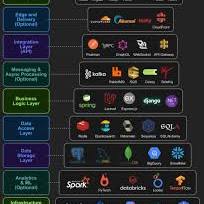
In the world of software development, a tech stack plays a crucial role in determining the success and efficiency of a project. A tech stack, short for technology stack, refers to the combination of programming languages, frameworks, tools, and software used by developers to build and deploy applications.

Choosing the right tech stack is essential as it directly impacts factors such as performance, scalability, security, and maintainability of the software. A well-thought-out tech stack can streamline development processes and ensure that the final product meets both functional and non-functional requirements.

Typically, a tech stack consists of three main components:

  1. Frontend: The frontend of an application is what users interact with. It includes technologies like HTML, CSS, and JavaScript along with popular frameworks such as Angular, React, or Vue.js.
  2. Backend: The backend is responsible for handling data processing, business logic, and server-side operations. Common backend technologies include programming languages like Python, Java, Ruby on Rails, or Node.js along with frameworks like Django or Spring.
  3. Database: The database component stores and manages the application’s data. Developers can choose from various types of databases such as relational (e.g., MySQL), NoSQL (e.g., MongoDB), or in-memory databases (e.g., Redis) based on the project requirements.

Additionally, a tech stack may include other elements like version control systems (e.g., Git), cloud services (e.g., AWS or Azure), containerization tools (e.g., Docker), and continuous integration/continuous deployment (CI/CD) pipelines to automate testing and deployment processes.

The choice of a tech stack depends on factors like project complexity, scalability needs, time-to-market requirements, developer expertise, budget constraints, and future growth considerations. It’s crucial for development teams to evaluate these factors carefully before finalizing a tech stack for their projects.

In conclusion, a well-designed tech stack is fundamental to the success of any software development project. By selecting the right combination of technologies and tools tailored to specific project needs, developers can create robust applications that meet user expectations while ensuring efficient development processes and long-term sustainability.


7 Key Advantages of a Well-Defined Tech Stack for Modern Application Development

  1. 1. Enables efficient development by providing a structured framework for building applications.
  2. 2. Facilitates scalability, allowing applications to handle increased user loads and data volumes.
  3. 3. Enhances performance through optimized use of technologies that meet project requirements.
  4. 4. Improves collaboration among team members with a shared understanding of the tech stack components.
  5. 5. Streamlines maintenance and updates by standardizing tools and processes within the development environment.
  6. 6. Boosts innovation by leveraging cutting-edge technologies and frameworks to create advanced solutions.
  7. 7. Supports seamless integration with third-party services and APIs, enhancing functionality and expanding capabilities.


6 Common Drawbacks of Tech Stacks: Navigating Complexity, Compatibility, and More

  1. Complexity
  2. Compatibility Issues
  3. Learning Curve
  4. Maintenance Challenges
  5. Vendor Lock-in
  6. Performance Overhead

1. Enables efficient development by providing a structured framework for building applications.

A significant advantage of utilizing a tech stack is its ability to enable efficient development by offering a structured framework for building applications. By incorporating predefined technologies, programming languages, and tools into a cohesive stack, developers can streamline the development process, reduce redundancy, and focus on implementing core functionalities. This structured approach not only enhances productivity but also promotes consistency across the project, making it easier to maintain and scale the application as needed. Ultimately, a well-defined tech stack serves as a solid foundation that empowers developers to work more efficiently and effectively towards delivering high-quality software solutions.

2. Facilitates scalability, allowing applications to handle increased user loads and data volumes.

Facilitates scalability, allowing applications to handle increased user loads and data volumes. A well-chosen tech stack enables applications to scale seamlessly as user traffic and data volumes grow. By incorporating scalable technologies and architectures, developers can ensure that the application remains responsive and performs optimally even under heavy loads. This pro of a tech stack is crucial for businesses looking to expand their user base or handle growing amounts of data without compromising on performance or user experience.

3. Enhances performance through optimized use of technologies that meet project requirements.

By optimizing the use of technologies that align with project requirements, a well-chosen tech stack enhances performance significantly. By carefully selecting programming languages, frameworks, and tools that are best suited for the project’s needs, developers can ensure efficient code execution, faster response times, and overall improved system performance. This optimization not only boosts the application’s speed and responsiveness but also contributes to better scalability and resource utilization, ultimately leading to a more robust and high-performing software solution.

4. Improves collaboration among team members with a shared understanding of the tech stack components.

Enhancing collaboration among team members is a significant advantage of utilizing a tech stack in software development. By establishing a shared understanding of the tech stack components, team members can effectively communicate, troubleshoot issues, and work together seamlessly. With everyone on the same page regarding the technologies, frameworks, and tools being used, collaboration becomes more efficient and productive. This shared knowledge fosters a cohesive team environment where developers can leverage each other’s expertise and contribute collectively to the success of the project.

5. Streamlines maintenance and updates by standardizing tools and processes within the development environment.

Streamlining maintenance and updates is a significant advantage of utilizing a tech stack in software development. By standardizing tools and processes within the development environment, teams can ensure consistency and efficiency when managing and updating their applications. This approach simplifies the maintenance tasks, as developers are familiar with the standardized tools and procedures, making it easier to troubleshoot issues, implement updates, and ensure the overall stability of the software. Additionally, having a uniform tech stack across projects enables smoother collaboration among team members and facilitates knowledge sharing, ultimately enhancing productivity and reducing the time required for maintenance activities.

6. Boosts innovation by leveraging cutting-edge technologies and frameworks to create advanced solutions.

By leveraging cutting-edge technologies and frameworks within a tech stack, developers can boost innovation and create advanced solutions that push the boundaries of what is possible in the digital landscape. Incorporating the latest tools and techniques allows for the exploration of new ideas, implementation of novel features, and development of groundbreaking applications that meet evolving user demands. This proactive approach to technology adoption not only enhances product offerings but also positions businesses at the forefront of innovation in their respective industries.

7. Supports seamless integration with third-party services and APIs, enhancing functionality and expanding capabilities.

By leveraging a well-structured tech stack, developers can harness the power of seamless integration with third-party services and APIs, thereby enhancing the functionality and expanding the capabilities of their applications. This pro allows for the incorporation of a wide range of external tools and services, enabling developers to tap into additional features and resources without having to reinvent the wheel. By integrating with third-party services and APIs, development teams can boost efficiency, improve user experience, and unlock new possibilities for innovation within their software projects.

Complexity

Managing multiple technologies in a tech stack can indeed introduce a significant challenge in the form of increased complexity. Each technology within the stack may have its own set of requirements, dependencies, and best practices, making it essential for developers to possess specialized skills and expertise in each area. Juggling multiple technologies can lead to compatibility issues, integration challenges, and troubleshooting complexities, ultimately demanding a higher level of coordination and effort to ensure seamless functionality across the entire tech stack. This complexity can also impact project timelines and resource allocation as teams may need to invest additional time and resources in managing and maintaining the diverse components of the tech stack.

Compatibility Issues

Compatibility issues can pose a significant challenge when dealing with a tech stack. Due to the diverse nature of components within a tech stack, such as programming languages, frameworks, and tools, ensuring seamless integration can be complex. Incompatibilities between different components can result in unexpected errors, performance issues, or even system failures. Resolving compatibility issues requires careful testing, troubleshooting, and sometimes reevaluating the choice of technologies to ensure that all parts of the tech stack work harmoniously together. Addressing compatibility challenges effectively is crucial to maintaining the stability and functionality of software applications built on that tech stack.

Learning Curve

Adapting to a new tech stack can present a significant challenge for developers due to the learning curve associated with mastering unfamiliar technologies. This adjustment period may lead to a temporary decrease in productivity as developers invest time and effort in understanding and becoming proficient with the new tools and frameworks. The need for training and skill development can slow down project progress in the short term, impacting deadlines and deliverables. However, once developers overcome the initial learning curve, they can leverage their newfound expertise to enhance efficiency and effectiveness in future project work within the tech stack.

Maintenance Challenges

Maintenance challenges pose a significant con when it comes to tech stacks. Updating or replacing components of a tech stack can be a daunting task, particularly in complex projects. The process can be time-consuming and challenging, requiring careful planning and execution to ensure that the changes do not disrupt the functionality of the system. Additionally, compatibility issues between different components can arise during updates, leading to unexpected errors and downtime. Managing maintenance challenges effectively is crucial to maintaining the stability and performance of a tech stack over time.

Vendor Lock-in

Depending heavily on specific technologies within a tech stack can lead to a significant drawback known as vendor lock-in. This con arises when a development team becomes overly reliant on proprietary tools or platforms provided by a particular vendor. Vendor lock-in can restrict flexibility and hinder the ability to adapt or switch to alternative solutions in the future. It poses a risk of being tied to a single vendor’s ecosystem, potentially limiting innovation and increasing dependency on external providers, which may result in higher costs or compatibility issues down the line. Developers need to carefully consider the implications of vendor lock-in when selecting technologies for their tech stack to ensure long-term adaptability and mitigate risks associated with being locked into a specific vendor’s offerings.

Performance Overhead

Introducing multiple layers of technology in a tech stack can lead to performance overhead, potentially affecting the speed and responsiveness of an application. Each additional layer, whether it be a framework, library, or tool, introduces complexity and may require additional processing resources. This can result in increased latency, slower response times, and overall decreased performance efficiency. Developers need to carefully consider the trade-offs between functionality and performance when selecting components for a tech stack to mitigate the risk of performance overhead impacting the user experience negatively.

Exploring the Latest Trends in Software Development

The World of Software Development

The World of Software Development

Software development is a dynamic and ever-evolving field that plays a crucial role in shaping the digital landscape of today’s world. From mobile apps to complex enterprise systems, software developers are the architects behind the technology that powers our daily lives.

The Process of Software Development

Software development involves a series of steps that begin with understanding the requirements and end with deploying the final product. This process typically includes:

  1. Requirement Analysis: Developers work closely with stakeholders to gather and analyze requirements for the software.
  2. Design: Based on the requirements, developers create a detailed design plan for the software architecture.
  3. Implementation: This is where developers write the actual code that brings the design to life.
  4. Testing: Quality assurance teams test the software to identify and fix any bugs or issues.
  5. Deployment: The final product is deployed to production environments for users to access.
  6. Maintenance: Developers provide ongoing support, updates, and maintenance to ensure the software remains functional and up-to-date.

The Role of Software Developers

Software developers are skilled professionals who use programming languages and tools to create software solutions. They are responsible for writing clean, efficient code, testing their work, and collaborating with other team members throughout the development process. Some common roles in software development include:

  • Front-end Developer: Focuses on creating user interfaces and experiences using technologies like HTML, CSS, and JavaScript.
  • Back-end Developer: Works on server-side logic, databases, and APIs to ensure data is securely stored and accessed by users.
  • Full-stack Developer: Has expertise in both front-end and back-end technologies, enabling them to work on all aspects of a software project.
  • Mobile Developer: Specializes in creating applications for mobile devices using platforms like iOS or Android.

The Future of Software Development

In an era where technology continues to advance at a rapid pace, the future of software development looks promising. Emerging technologies such as artificial intelligence, blockchain, and Internet of Things (IoT) are reshaping how software is created and utilized. As demand for innovative digital solutions grows, so does the need for skilled software developers who can adapt to new challenges and opportunities in this exciting field.


9 Advantages of Software Development: Boosting Efficiency, Collaboration, and Innovation

  1. 1. Enables automation of repetitive tasks, increasing efficiency.
  2. 2. Facilitates collaboration among team members working on a project.
  3. 3. Provides opportunities for creativity and innovation in problem-solving.
  4. 4. Allows for scalability, making it easier to expand or modify software as needed.
  5. 5. Enhances user experience through intuitive interfaces and seamless functionality.
  6. 6. Supports data-driven decision-making by providing valuable insights through analytics.
  7. 7. Promotes continuous learning and skill development due to the ever-evolving nature of technology.
  8. 8. Increases competitiveness by enabling businesses to offer cutting-edge digital solutions.
  9. 9. Contributes to economic growth by driving technological advancements and job creation.


Understanding the Challenges of Software Development: Complexity, Time, Cost, Maintenance, Compatibility, and Security Risks

  1. 1. Complexity
  2. 2. Time-consuming
  3. 3. Costly
  4. 4. Maintenance challenges
  5. 5. Compatibility issues
  6. 6. Security risks

1. Enables automation of repetitive tasks, increasing efficiency.

Software development enables the automation of repetitive tasks, significantly boosting efficiency within various industries. By creating custom software solutions tailored to specific business needs, organizations can streamline processes, reduce manual errors, and save valuable time and resources. Automation not only increases productivity but also allows employees to focus on more strategic and creative tasks, ultimately driving innovation and growth within the organization.

2. Facilitates collaboration among team members working on a project.

Software development facilitates collaboration among team members working on a project by providing a centralized platform where individuals can share code, communicate effectively, and coordinate their efforts seamlessly. Through version control systems like Git and collaboration tools such as project management software, team members can work together in real-time, track changes, resolve conflicts, and ensure that everyone is aligned towards the project goals. This collaborative environment promotes transparency, efficiency, and teamwork, ultimately leading to the successful delivery of high-quality software solutions.

3. Provides opportunities for creativity and innovation in problem-solving.

Software development provides ample opportunities for creativity and innovation in problem-solving. Developers are constantly challenged to think outside the box and come up with unique solutions to complex problems. Whether it’s designing a user-friendly interface, optimizing code for efficiency, or implementing cutting-edge technologies, software developers have the freedom to explore creative solutions that push the boundaries of what is possible. This aspect of software development not only keeps the field exciting and engaging but also fosters a culture of continuous learning and growth among professionals in the industry.

4. Allows for scalability, making it easier to expand or modify software as needed.

Software development offers the significant advantage of scalability, allowing for seamless expansion or modification of software as required. This flexibility enables businesses to adapt to changing needs, accommodate growth, and enhance functionality without starting from scratch. By designing software with scalability in mind, developers can efficiently adjust the system to meet evolving requirements, ensuring that it remains robust and adaptable in the face of dynamic business environments.

5. Enhances user experience through intuitive interfaces and seamless functionality.

Software development excels in enhancing user experience through intuitive interfaces and seamless functionality. By prioritizing user-centric design and smooth functionality, software developers create applications and systems that are not only visually appealing but also easy to navigate and use. Intuitive interfaces ensure that users can interact with the software effortlessly, leading to a more satisfying and efficient experience. This focus on enhancing user experience ultimately results in increased user satisfaction, improved productivity, and higher engagement with the software product.

6. Supports data-driven decision-making by providing valuable insights through analytics.

Software development supports data-driven decision-making by providing valuable insights through analytics. By leveraging data analytics tools and techniques, software applications can process and analyze large volumes of data to extract meaningful patterns and trends. This enables businesses to make informed decisions based on real-time information, leading to improved efficiency, productivity, and strategic planning. Data-driven decision-making empowers organizations to stay competitive in today’s fast-paced digital landscape by harnessing the power of data to drive innovation and growth.

7. Promotes continuous learning and skill development due to the ever-evolving nature of technology.

Software development promotes continuous learning and skill development due to the ever-evolving nature of technology. In this dynamic field, developers are constantly exposed to new tools, languages, and frameworks, requiring them to stay updated with the latest trends and advancements. This culture of continuous learning not only keeps developers engaged and motivated but also ensures that they are equipped to tackle new challenges and innovate effectively. By embracing lifelong learning, software developers can enhance their expertise and adaptability, ultimately driving progress and innovation in the tech industry.

8. Increases competitiveness by enabling businesses to offer cutting-edge digital solutions.

Software development increases competitiveness by enabling businesses to offer cutting-edge digital solutions that cater to the evolving needs of customers in today’s fast-paced market. By leveraging innovative software technologies, businesses can differentiate themselves from competitors, enhance customer experiences, and stay ahead of industry trends. This proactive approach not only attracts new customers but also fosters loyalty among existing ones, positioning the business as a leader in its field. Ultimately, embracing software development as a strategic asset empowers businesses to adapt, grow, and thrive in a highly competitive business environment.

9. Contributes to economic growth by driving technological advancements and job creation.

Software development plays a vital role in contributing to economic growth by driving technological advancements and job creation. As software solutions become more integral to various industries, the demand for skilled developers continues to rise, leading to job opportunities and career growth. Additionally, the innovative technologies developed through software development not only improve efficiency and productivity but also open up new markets and drive overall economic progress. By fostering a culture of innovation and entrepreneurship, software development fuels economic growth by creating new opportunities for businesses and individuals alike.

1. Complexity

Software development poses a significant challenge in terms of complexity, often demanding intricate coding and advanced problem-solving skills. Developers must navigate through intricate algorithms, data structures, and design patterns to create robust and efficient software solutions. The complexity of software development can lead to time-consuming debugging processes and the need for continuous learning to keep up with evolving technologies. This con highlights the demanding nature of the field, requiring developers to constantly refine their skills and strategies to overcome complex challenges in the development process.

2. Time-consuming

One significant drawback of software development is its time-consuming nature. The process of designing, implementing, testing, and deploying software can be a lengthy and intricate endeavor. Developers need to carefully plan and execute each stage of the development lifecycle, which requires time and effort to ensure that the final product meets quality standards and fulfills the requirements of stakeholders. Delays in any phase of the development process can impact project timelines and potentially result in extended delivery schedules, making time management a critical challenge in software development projects.

3. Costly

Developing custom software solutions can be a costly endeavor, primarily because of the requirement for highly skilled developers and substantial resources. The expenses associated with hiring experienced professionals, investing in advanced technologies, and ensuring quality assurance throughout the development process can significantly impact the overall budget of a software project. As a result, organizations need to carefully weigh the benefits against the costs when opting for custom software development to ensure that they are making a sound investment in meeting their specific business needs.

4. Maintenance challenges

One significant con of software development is the maintenance challenges it presents. Software, once developed and deployed, demands ongoing updates and maintenance to uphold its functionality and security. This continuous need for monitoring, bug fixes, and enhancements can be time-consuming and resource-intensive for development teams. Failure to address maintenance issues promptly can lead to vulnerabilities, system failures, and potential security breaches, highlighting the critical importance of dedicating resources to the upkeep of software systems.

5. Compatibility issues

Compatibility issues pose a significant con in software development as ensuring that software functions seamlessly across various platforms and devices can be a daunting task. Different operating systems, hardware configurations, and screen sizes introduce complexities that developers must address to deliver a consistent user experience. Resolving compatibility issues requires thorough testing, optimization, and sometimes compromises in functionality to accommodate the diverse ecosystem of technology devices and environments. Failure to address compatibility concerns can lead to user frustration, decreased usability, and ultimately hinder the success of the software product.

6. Security risks

Security risks are a significant con of software development. Developing secure software is crucial as vulnerabilities can expose sensitive data to cyber threats. Inadequate security measures can lead to data breaches, unauthorized access, and other malicious activities that can have serious consequences for individuals and organizations. It is essential for software developers to prioritize security throughout the development process to protect users’ information and maintain trust in the software they create.

healthcare software development companies

Innovating Healthcare: The Impact of Software Development Companies in the Industry

Healthcare Software Development Companies

The Role of Healthcare Software Development Companies in Revolutionizing the Industry

Healthcare software development companies play a crucial role in advancing the healthcare industry by creating innovative solutions that improve patient care, streamline processes, and enhance efficiency. These companies specialize in developing custom software applications tailored to the unique needs of healthcare providers, hospitals, clinics, and other medical facilities.

Key Contributions of Healthcare Software Development Companies:

  • Electronic Health Records (EHR) Systems: Healthcare software developers create EHR systems that allow medical professionals to access and manage patient information securely. These systems facilitate better coordination of care and improve patient outcomes.
  • Telemedicine Platforms: With the rise of telehealth services, healthcare software development companies are at the forefront of creating platforms that enable remote consultations, virtual visits, and remote monitoring of patients. These platforms enhance access to care and reduce barriers to healthcare services.
  • Medical Imaging Software: Healthcare software developers design advanced imaging software for radiology departments, enabling accurate diagnostics and efficient image management. These tools help healthcare providers make informed decisions and deliver quality care to patients.
  • Healthcare Analytics Solutions: Data-driven decision-making is essential in modern healthcare. Software development companies create analytics solutions that help healthcare organizations analyze clinical data, optimize operations, and improve patient outcomes through predictive modeling and insights.

The Future of Healthcare Software Development:

As technology continues to evolve, healthcare software development companies will play an increasingly critical role in shaping the future of healthcare delivery. From artificial intelligence and machine learning applications to blockchain solutions for secure data exchange, these companies are at the forefront of driving innovation in the industry.

In conclusion, healthcare software development companies are instrumental in transforming the way healthcare is delivered and managed. Their expertise in creating tailored solutions for the unique challenges faced by the industry helps improve patient care quality, increase operational efficiency, and drive overall advancements in healthcare services.


9 Essential Tips for Choosing a Healthcare Software Development Company

  1. Ensure compliance with healthcare regulations such as HIPAA
  2. Prioritize data security and encryption to protect patient information
  3. Implement robust access controls to safeguard sensitive data
  4. Focus on user-friendly interfaces for healthcare professionals and patients
  5. Integrate interoperability standards for seamless data exchange between systems
  6. Conduct thorough testing to ensure reliability and accuracy of the software
  7. Stay updated with industry trends and advancements in healthcare technology
  8. Provide comprehensive training and support for users of the software
  9. Establish strong partnerships with healthcare providers for feedback and collaboration

Ensure compliance with healthcare regulations such as HIPAA

Ensuring compliance with healthcare regulations such as the Health Insurance Portability and Accountability Act (HIPAA) is paramount for healthcare software development companies. By adhering to HIPAA guidelines, these companies prioritize the protection of sensitive patient information and maintain the highest standards of data security and privacy. Compliance with regulations like HIPAA not only builds trust with healthcare providers and patients but also mitigates the risk of legal repercussions. Healthcare software development companies must integrate robust security measures and data encryption protocols to safeguard patient data and uphold regulatory compliance in all their software solutions.

Prioritize data security and encryption to protect patient information

Ensuring data security and encryption are paramount priorities for healthcare software development companies to safeguard patient information. By implementing robust security measures, such as encryption protocols and access controls, these companies can protect sensitive data from unauthorized access and breaches. Prioritizing data security not only helps maintain patient confidentiality but also fosters trust among healthcare providers and patients in the digital healthcare ecosystem.

Implement robust access controls to safeguard sensitive data

Implementing robust access controls is crucial for healthcare software development companies to safeguard sensitive data. By setting up stringent access permissions and authentication protocols, these companies can ensure that only authorized personnel have the necessary privileges to view or manipulate confidential patient information. This proactive approach not only helps in complying with data protection regulations but also strengthens the overall security posture of healthcare systems, mitigating the risk of unauthorized access and potential data breaches.

Focus on user-friendly interfaces for healthcare professionals and patients

When it comes to healthcare software development companies, a crucial tip is to prioritize the creation of user-friendly interfaces for both healthcare professionals and patients. By focusing on intuitive design and ease of use, these companies can enhance the overall user experience, leading to improved efficiency, better adoption rates, and ultimately, better patient outcomes. User-friendly interfaces not only streamline workflows for healthcare professionals but also empower patients to actively engage with their health information and participate in their care journey more effectively.

Integrate interoperability standards for seamless data exchange between systems

Integrating interoperability standards is a crucial tip for healthcare software development companies to ensure seamless data exchange between systems. By adhering to established standards such as HL7 and FHIR, these companies can facilitate the secure and efficient sharing of patient information across different healthcare IT systems. This interoperability not only enhances care coordination and communication among providers but also improves the overall quality of patient care by enabling access to comprehensive and up-to-date medical data. Embracing interoperability standards is key to promoting information exchange, interoperability, and ultimately, better outcomes in the healthcare industry.

Conduct thorough testing to ensure reliability and accuracy of the software

Conducting thorough testing is a critical step in the development process of healthcare software. By rigorously testing the software, developers can ensure its reliability and accuracy, which are paramount in the healthcare industry where precision and dependability are essential. Through comprehensive testing procedures, including functional testing, performance testing, and security testing, healthcare software development companies can identify and address any issues or bugs before the software is deployed. This proactive approach not only enhances the quality of the software but also instills confidence in users regarding its effectiveness and safety in supporting patient care and medical operations.

Staying updated with industry trends and advancements in healthcare technology is essential for healthcare software development companies to remain competitive and relevant in the ever-evolving landscape of the healthcare industry. By keeping abreast of the latest innovations, emerging technologies, and regulatory changes, these companies can adapt their solutions to meet the evolving needs of healthcare providers and patients. Continuous learning and staying informed about industry trends empower healthcare software development companies to develop cutting-edge solutions that drive efficiency, improve patient outcomes, and contribute to the overall advancement of healthcare technology.

Provide comprehensive training and support for users of the software

Ensuring comprehensive training and support for users of healthcare software developed by companies is vital for successful implementation and utilization. By offering thorough training sessions and ongoing support, healthcare professionals can effectively learn how to use the software to its full potential, leading to improved efficiency, accuracy, and patient care. Additionally, providing continuous support helps address any issues or questions that may arise, fostering a positive user experience and maximizing the benefits of the software in enhancing healthcare delivery.

Establish strong partnerships with healthcare providers for feedback and collaboration

Establishing strong partnerships with healthcare providers is crucial for healthcare software development companies to gather valuable feedback and foster collaboration. By working closely with healthcare professionals, developers can gain insights into the specific needs and challenges faced in the industry, ensuring that the software solutions they create are tailored to address real-world issues effectively. Collaborating with healthcare providers also enables developers to test their products in real clinical settings, leading to more user-friendly and impactful solutions that ultimately improve patient care outcomes. This collaborative approach not only enhances the quality of healthcare software but also strengthens relationships between developers and healthcare providers, paving the way for continued innovation and success in the industry.

strategy consultants

Unlocking Success: The Essential Role of Strategy Consultants in Business Growth

The Role of Strategy Consultants in Business

The Role of Strategy Consultants in Business

In today’s rapidly changing business landscape, organizations often turn to strategy consultants for expert guidance and insights. Strategy consultants play a crucial role in helping businesses navigate complex challenges, identify opportunities for growth, and develop effective strategies to achieve their goals.

What Do Strategy Consultants Do?

Strategy consultants are professionals who specialize in advising organizations on strategic planning and decision-making. They work closely with senior management teams to analyze market trends, assess competitive landscapes, and develop long-term strategies that drive sustainable growth.

Some key responsibilities of strategy consultants include:

  • Conducting thorough research and analysis to understand the client’s business environment.
  • Identifying strengths, weaknesses, opportunities, and threats (SWOT analysis).
  • Developing strategic recommendations tailored to the client’s specific needs and objectives.
  • Assisting in the implementation of strategic initiatives and monitoring progress towards goals.
  • Providing ongoing support and guidance to ensure the successful execution of the strategy.

The Value of Hiring Strategy Consultants

Businesses benefit from hiring strategy consultants in several ways:

  • Expertise: Strategy consultants bring specialized knowledge and experience to help businesses address complex challenges effectively.
  • Objectivity: External consultants offer an unbiased perspective on the organization’s operations and strategic direction.
  • Innovation: Consultants introduce fresh ideas and innovative approaches that can spark creativity within the organization.
  • Efficiency: By leveraging the expertise of consultants, businesses can streamline decision-making processes and accelerate strategic development.

In Conclusion

Strategy consultants play a vital role in guiding businesses towards success by providing strategic insights, actionable recommendations, and ongoing support. Their expertise helps organizations adapt to changing market dynamics, seize new opportunities, and achieve sustainable growth in today’s competitive business environment.


9 Essential Tips for Success as a Strategy Consultant

  1. Understand the client’s business and industry thoroughly.
  2. Develop strong problem-solving skills.
  3. Communicate clearly and effectively with clients and team members.
  4. Be adaptable and able to work in fast-paced environments.
  5. Stay updated on industry trends and best practices.
  6. Build strong relationships with clients based on trust and professionalism.
  7. Prioritize tasks effectively to meet deadlines.
  8. Continuously seek feedback for improvement.
  9. Collaborate with colleagues to leverage diverse perspectives.

Understand the client’s business and industry thoroughly.

To excel as a strategy consultant, it is imperative to thoroughly understand the client’s business and industry. By delving deep into the intricacies of their operations, market dynamics, and competitive landscape, consultants can offer tailored strategic recommendations that align with the client’s specific needs and objectives. This in-depth understanding not only fosters trust and credibility but also enables consultants to provide valuable insights and guidance that drive meaningful outcomes for the client’s business.

Develop strong problem-solving skills.

To excel as a strategy consultant, it is essential to develop strong problem-solving skills. The ability to analyze complex issues, identify root causes, and devise effective solutions is paramount in providing valuable strategic guidance to clients. By honing problem-solving abilities, consultants can navigate challenges with confidence, offer innovative strategies, and drive sustainable business growth. Effective problem-solving skills not only enhance a consultant’s credibility but also contribute significantly to the success of the organizations they serve.

Communicate clearly and effectively with clients and team members.

Clear and effective communication is paramount for strategy consultants when interacting with clients and team members. By articulating ideas, plans, and recommendations in a concise and understandable manner, consultants can ensure that everyone is on the same page and working towards common goals. Transparent communication fosters trust, promotes collaboration, and enhances overall project success. Whether conveying complex strategies to clients or coordinating tasks within the team, clear communication is key to building strong relationships and achieving desired outcomes in the consulting process.

Be adaptable and able to work in fast-paced environments.

To excel as a strategy consultant, it is essential to be adaptable and thrive in fast-paced environments. The dynamic nature of the business world requires consultants to quickly adjust to changing circumstances, think on their feet, and make informed decisions under pressure. Being adaptable allows consultants to effectively navigate uncertainties, embrace new challenges, and deliver timely solutions that meet the evolving needs of clients. Working in a fast-paced environment demands agility, resilience, and a proactive mindset to stay ahead of the curve and drive success in strategic consulting endeavors.

To maximize the value of strategy consultants, it is essential for businesses to stay updated on industry trends and best practices. By staying informed about the latest developments in their respective fields, organizations can ensure that they are leveraging cutting-edge strategies and insights provided by consultants. This proactive approach not only enhances the effectiveness of strategic planning but also enables businesses to remain competitive and agile in an ever-evolving business landscape.

Build strong relationships with clients based on trust and professionalism.

Building strong relationships with clients based on trust and professionalism is a fundamental tip for strategy consultants. By establishing a foundation of trust, consultants can foster open communication, collaboration, and a deeper understanding of their clients’ needs and goals. Professionalism ensures that consultants maintain a high standard of integrity, ethics, and reliability in their interactions with clients, ultimately leading to long-lasting partnerships built on mutual respect and successful outcomes.

Prioritize tasks effectively to meet deadlines.

To excel as a strategy consultant, it is essential to prioritize tasks effectively in order to meet deadlines. By carefully assessing the urgency and importance of each task, consultants can allocate their time and resources efficiently, ensuring that critical objectives are achieved on time. Prioritization allows consultants to focus on high-impact activities, maintain productivity levels, and deliver exceptional results within the stipulated timelines. Effective task management not only enhances performance but also instills a sense of accountability and professionalism in consulting engagements.

Continuously seek feedback for improvement.

In the realm of strategy consulting, a valuable tip for professionals is to continuously seek feedback for improvement. By actively soliciting input from clients, colleagues, and stakeholders, strategy consultants can gain valuable insights into their performance, identify areas for growth, and refine their approach to better meet the needs of their clients. Embracing feedback as a tool for learning and development can lead to enhanced skills, increased client satisfaction, and ultimately greater success in the field of strategy consulting.

Collaborate with colleagues to leverage diverse perspectives.

Collaborating with colleagues to leverage diverse perspectives is a valuable tip for strategy consultants. By working together with team members who bring different backgrounds, experiences, and expertise to the table, consultants can gain fresh insights and innovative ideas that can enhance the quality of strategic recommendations. Embracing diversity in perspectives fosters creativity, encourages critical thinking, and ultimately leads to more robust and effective strategies that address complex business challenges from multiple angles. Effective collaboration among colleagues not only enriches the consulting process but also promotes a culture of inclusivity and teamwork within the organization.

ai robots

AI Robots: Revolutionizing the Future of Technology and Industry

The Rise of AI Robots: Transforming the Future

The Rise of AI Robots: Transforming the Future

Artificial Intelligence (AI) robots are no longer a concept confined to science fiction. They are increasingly becoming an integral part of our daily lives and industries, transforming how we work, play, and interact with the world around us.

What Are AI Robots?

AI robots are machines designed to perform tasks autonomously or semi-autonomously using artificial intelligence technologies. These technologies enable robots to perceive their environment, process data, make decisions, and execute actions with minimal human intervention.

Applications of AI Robots

The applications of AI robots span across various sectors:

  • Manufacturing: AI robots streamline production lines by performing repetitive tasks with precision and speed.
  • Healthcare: In healthcare, they assist in surgeries, patient care, and diagnostics.
  • Agriculture: Robots equipped with AI help in planting, harvesting, and monitoring crops.
  • Logistics: Autonomous drones and delivery robots optimize supply chain management.
  • Customer Service: Chatbots and humanoid robots enhance customer interaction in retail and hospitality sectors.

The Benefits of AI Robots

The integration of AI in robotics offers numerous benefits:

  • Efficiency: AI robots can operate 24/7 without fatigue, significantly increasing productivity.
  • Precision: They perform tasks with high accuracy, reducing errors and waste.
  • Safety: In hazardous environments such as mining or chemical plants, they minimize human exposure to risks.
  • Cognitive Capabilities: Advanced algorithms enable them to learn from experience and improve over time.

The Challenges Ahead

The rise of AI robots also presents challenges that need addressing:

  • Ethical Concerns: The potential for job displacement raises questions about economic impact and workforce adaptation.
  • Privacy Issues: The use of surveillance robots could infringe on personal privacy rights.
  • Lack of Regulation: As technology evolves rapidly, regulatory frameworks struggle to keep pace.

The Future of AI Robots

The future holds exciting possibilities for AI robotics. As technology advances further, we can expect more sophisticated interactions between humans and machines. Innovations such as emotion-sensing capabilities could lead to more empathetic robot companions. Moreover, collaboration between humans and robots may redefine workplace dynamics across industries.

The journey towards a future enriched by AI robotics is both thrilling and complex. It requires careful consideration of ethical implications while embracing the potential for positive change. As society navigates this transformative era, ongoing dialogue among technologists, policymakers, businesses—and indeed everyone—will be crucial in shaping a future where technology enhances human life responsibly.


8 Advantages of AI Robots: Boosting Productivity, Safety, and Efficiency

  1. Increased productivity
  2. Precision and accuracy
  3. Cost-effectiveness
  4. Improved safety
  5. 24/7 operation
  6. Adaptability
  7. Enhanced decision-making
  8. Task automation


Six Key Concerns About AI Robots: Job Displacement, Privacy, and More

  1. Job Displacement
  2. Privacy Concerns
  3. Dependency on Technology
  4. Security Risks
  5. Ethical Dilemmas
  6. Cost of Implementation

Increased productivity

AI robots significantly boost productivity by operating continuously without the need for breaks, unlike their human counterparts. This constant operation means that tasks can be completed faster and more efficiently, leading to increased output in various industries. For example, in manufacturing, AI robots can work around the clock on assembly lines, maintaining a consistent pace that enhances overall production rates. This ability to function tirelessly not only maximizes efficiency but also allows human workers to focus on more complex and creative tasks that require critical thinking and problem-solving skills. As a result, businesses can achieve higher levels of productivity and innovation by integrating AI robots into their operations.

Precision and accuracy

AI robots are renowned for their precision and accuracy, performing tasks with a level of consistency that significantly reduces the likelihood of errors. Unlike humans, who may experience fatigue or distraction, AI robots maintain a steady focus on their tasks, ensuring uniform output every time. This capability is particularly beneficial in industries where even minor errors can lead to significant consequences, such as in manufacturing or healthcare. By minimizing mistakes, AI robots not only enhance the quality of products and services but also contribute to cost savings by reducing waste and the need for rework. Their ability to operate with such exactness positions them as invaluable assets in any environment where precision is paramount.

Cost-effectiveness

AI robots offer significant cost-effectiveness by streamlining processes and minimizing waste, which can lead to substantial savings over time. By automating repetitive and labor-intensive tasks, these robots reduce the need for a large workforce, thereby cutting labor costs. Furthermore, their precision and accuracy in performing tasks minimize errors and material waste, leading to more efficient use of resources. This not only lowers operational costs but also enhances productivity and output quality. As AI robots continue to evolve and become more sophisticated, their ability to optimize workflows will increasingly contribute to cost savings across various industries.

Improved safety

AI robots significantly enhance safety by taking on dangerous tasks in hazardous environments, thereby protecting human workers from potential harm. In industries such as mining, construction, and chemical manufacturing, robots are deployed to perform high-risk activities like handling toxic substances, operating in extreme temperatures, or working in confined spaces. These machines can be designed to withstand conditions that would be perilous for humans, reducing the likelihood of accidents and injuries. By assuming roles that involve exposure to danger, AI robots not only improve workplace safety but also allow human workers to focus on tasks that require creativity and problem-solving skills. This shift not only safeguards human health but also contributes to increased efficiency and productivity across various sectors.

24/7 operation

AI robots offer the significant advantage of 24/7 operation, which is a game-changer for industries seeking to maximize efficiency and output. Unlike human workers, AI robots do not require breaks, sleep, or shift changes, allowing them to maintain continuous production without downtime. This capability optimizes production schedules by ensuring that manufacturing lines can run non-stop, meeting high demand and reducing lead times. In service industries, around-the-clock operation means enhanced availability and customer satisfaction, as tasks such as order processing or customer support can be handled at any time of day. This relentless operational capacity not only boosts productivity but also provides businesses with a competitive edge in today’s fast-paced market.

Adaptability

AI robots offer a remarkable advantage in adaptability due to their machine learning capabilities. By leveraging advanced algorithms, these robots can swiftly adjust to new situations, learn from experiences, and enhance their performance progressively. This ability not only enables them to handle diverse tasks effectively but also ensures continuous improvement in their functionality, making them invaluable assets across various industries where flexibility and efficiency are paramount.

Enhanced decision-making

AI robots significantly enhance decision-making capabilities by leveraging advanced AI algorithms to process and analyze vast amounts of data rapidly. This ability allows them to make informed decisions autonomously, without the need for constant human oversight. In industries such as manufacturing, healthcare, and logistics, AI robots can evaluate complex datasets to optimize operations, predict maintenance needs, or adjust strategies in real-time. This not only improves efficiency and productivity but also reduces the likelihood of human error. By continuously learning from new data inputs, AI robots can refine their decision-making processes over time, leading to smarter and more adaptive systems that can respond effectively to changing conditions or unexpected challenges.

Task automation

AI robots excel at task automation, which significantly enhances productivity and efficiency in various industries. By taking over repetitive and mundane tasks, these robots allow human workers to redirect their energy and skills toward more complex and creative endeavors. This shift not only boosts overall job satisfaction but also fosters innovation as employees have the opportunity to engage in strategic thinking, problem-solving, and the development of new ideas. As a result, businesses can experience increased competitiveness and growth while employees enjoy a more stimulating work environment that leverages their unique talents and insights.

Job Displacement

The advent of AI robots in various industries brings the challenge of job displacement, as automation increasingly replaces roles traditionally performed by human workers. This shift is particularly evident in sectors like manufacturing, logistics, and customer service, where tasks are repetitive and can be efficiently handled by machines. As businesses adopt AI technologies to enhance productivity and reduce costs, many workers face the risk of unemployment or the need to transition into new roles that require different skill sets. This change necessitates a focus on reskilling and upskilling programs to help the workforce adapt to an evolving job market. Additionally, it raises important discussions about economic inequality and the responsibility of companies and governments to support affected individuals during this transition.

Privacy Concerns

The deployment of AI robots equipped with surveillance capabilities has sparked significant privacy concerns. These robots, often used in public spaces and private enterprises for security and monitoring purposes, have the potential to collect vast amounts of data on individuals without their explicit consent. This raises questions about how personal information is stored, who has access to it, and how it might be used or misused. The pervasive nature of such surveillance can lead to a sense of constant monitoring, infringing on personal freedoms and autonomy. As AI technology continues to advance, it becomes increasingly important to establish robust privacy regulations and ethical guidelines to ensure that individuals’ rights are protected while balancing the benefits these technologies can offer.

Dependency on Technology

The dependency on AI robots poses a significant concern as it can lead to the erosion of human skills and decision-making abilities. As more tasks are delegated to intelligent machines, individuals may become less adept at performing these tasks themselves, leading to a decline in critical thinking and problem-solving capabilities. This overreliance on technology could result in a workforce that lacks essential skills, making it difficult for people to adapt if technological systems fail or if they need to operate without robotic assistance. Additionally, the diminished engagement with hands-on experiences and real-world challenges might hinder creativity and innovation, ultimately impacting personal growth and societal progress.

Security Risks

AI robots, while offering numerous benefits, also present significant security risks. Malicious actors may exploit vulnerabilities within AI systems to cause harm or disrupt operations. These vulnerabilities can be targeted to manipulate robots into performing unintended actions, potentially leading to physical damage, data breaches, or compromised safety protocols. As AI systems become more integrated into critical infrastructure and daily life, the potential for cyberattacks increases. Ensuring robust security measures and continuous monitoring is essential to protect against these threats and safeguard both individuals and organizations from potential exploitation by cybercriminals.

Ethical Dilemmas

AI robots, while capable of making autonomous decisions, often raise significant ethical dilemmas. One major concern is accountability: when an AI system makes a decision that leads to unintended consequences, determining who is responsible can be complex. Is it the developer, the user, or the AI itself? Additionally, AI systems can inadvertently perpetuate or even exacerbate biases present in their training data. These biases can lead to unfair treatment or discrimination in critical areas such as hiring, law enforcement, and access to services. As AI robots become more integrated into society, addressing these ethical challenges becomes imperative to ensure that their deployment aligns with societal values and fairness.

Cost of Implementation

The cost of implementing AI robots is a significant barrier for many organizations, particularly smaller businesses or those with limited budgets. The initial investment required to purchase and integrate AI robotic systems can be substantial, often involving not only the purchase of advanced hardware and software but also the need for infrastructure upgrades. Additionally, ongoing maintenance costs, including software updates, technical support, and potential repairs, add to the financial burden. These expenses can be prohibitive for companies that are unable to allocate sufficient resources or justify the return on investment in the short term. As a result, while AI robotics offer numerous benefits in terms of efficiency and productivity, their high cost remains a critical factor that organizations must carefully consider when evaluating their adoption.