cfchris.com

Loading

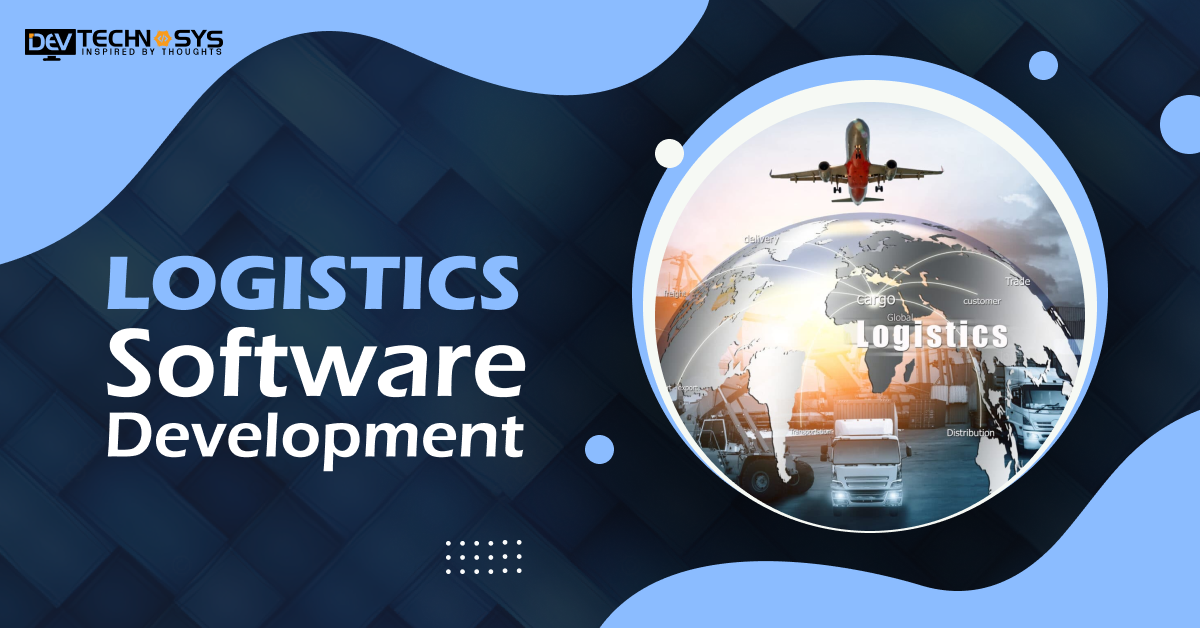
logistics software development

Enhancing Supply Chain Efficiency Through Logistics Software Development

Logistics Software Development

The Importance of Logistics Software Development in Modern Supply Chains

In today’s fast-paced and interconnected world, efficient logistics management is crucial for the success of businesses operating in various industries. The rise of e-commerce, globalization, and customer demands for speedy deliveries have put immense pressure on supply chain operations.

Logistics software development plays a vital role in optimizing and streamlining these complex operations. By leveraging technology solutions tailored to the specific needs of logistics companies, organizations can enhance their efficiency, reduce costs, improve customer satisfaction, and gain a competitive edge in the market.

Key Benefits of Logistics Software Development:

  • Real-time Tracking: Advanced tracking systems enable real-time monitoring of shipments, inventory levels, and fleet movements. This visibility allows companies to proactively address issues and provide accurate delivery updates to customers.
  • Route Optimization: Algorithms designed for route planning help minimize transportation costs, reduce fuel consumption, and optimize delivery schedules. By identifying the most efficient routes, companies can improve delivery times and overall operational efficiency.
  • Warehouse Management: Warehouse management software enhances inventory control, order processing, and storage optimization. Automated processes streamline warehouse operations, leading to faster order fulfillment and reduced errors.
  • Data Analytics: Logistics software provides valuable insights through data analytics tools. By analyzing key performance indicators (KPIs) such as delivery times, transportation costs, and inventory turnover rates, companies can make informed decisions to drive continuous improvement.
  • Cargo Security: Security features integrated into logistics software ensure the safety of goods during transit. From temperature monitoring for perishable items to GPS tracking for high-value shipments, these security measures enhance supply chain visibility and mitigate risks.

In conclusion, logistics software development is a strategic investment for businesses seeking to modernize their supply chain operations and stay ahead in today’s competitive marketplace. By harnessing the power of technology-driven solutions tailored to their unique requirements, organizations can achieve operational excellence, cost savings, and customer satisfaction.


6 Essential Tips for Developing Effective Logistics Software

  1. Understand the specific requirements and challenges of logistics operations
  2. Utilize real-time tracking and monitoring features for efficient supply chain management
  3. Implement automated processes to streamline warehouse operations
  4. Ensure seamless integration with existing systems such as ERPs and CRMs
  5. Prioritize data security and compliance with industry regulations
  6. Regularly update and maintain the software to adapt to evolving logistics needs

Understand the specific requirements and challenges of logistics operations

To succeed in logistics software development, it is essential to thoroughly understand the unique requirements and challenges faced by logistics operations. By gaining insight into the intricacies of supply chain management, transportation logistics, inventory control, and customer demands, developers can tailor software solutions that address these specific needs effectively. This deep understanding enables the creation of customized tools that streamline processes, optimize resource allocation, and enhance overall efficiency in the logistics industry.

Utilize real-time tracking and monitoring features for efficient supply chain management

To enhance supply chain management efficiency, it is essential to leverage real-time tracking and monitoring features offered by logistics software development. By utilizing these capabilities, companies can gain immediate visibility into their shipments, inventory status, and fleet movements. This real-time data enables proactive decision-making, timely interventions to address any issues that arise, and the ability to provide accurate updates to customers regarding the status of their deliveries. Ultimately, integrating real-time tracking and monitoring features into logistics operations can significantly improve overall supply chain performance and customer satisfaction levels.

Implement automated processes to streamline warehouse operations

Implementing automated processes to streamline warehouse operations is a key strategy in logistics software development. By automating tasks such as inventory management, order processing, and picking and packing, companies can significantly improve efficiency and accuracy in their warehouse operations. Automation reduces manual errors, speeds up processes, and allows for better utilization of resources. This not only leads to cost savings but also enhances overall productivity, ultimately contributing to a more streamlined and effective supply chain management system.

Ensure seamless integration with existing systems such as ERPs and CRMs

To optimize logistics operations effectively, it is essential to ensure seamless integration with existing systems like Enterprise Resource Planning (ERPs) and Customer Relationship Management (CRMs). By integrating logistics software with these core systems, businesses can achieve a unified data flow, streamline processes, and enhance overall efficiency. This integration enables real-time data exchange, improves visibility across departments, and facilitates better decision-making. Ultimately, seamless integration with ERPs and CRMs empowers organizations to leverage the full potential of their logistics software and maximize the benefits of a connected supply chain ecosystem.

Prioritize data security and compliance with industry regulations

In the realm of logistics software development, it is paramount to prioritize data security and compliance with industry regulations. Safeguarding sensitive information related to shipments, inventory, and customer data is essential to maintain trust and credibility within the supply chain ecosystem. By adhering to industry standards and regulations, such as GDPR or HIPAA, companies can ensure that their logistics software not only operates efficiently but also upholds the highest standards of data protection and legal compliance. This proactive approach not only mitigates risks associated with data breaches but also demonstrates a commitment to maintaining the integrity and confidentiality of critical information throughout the logistics process.

Regularly update and maintain the software to adapt to evolving logistics needs

Regularly updating and maintaining logistics software is essential to adapt to the ever-changing requirements of modern supply chains. By staying current with software updates, companies can ensure that their systems remain compatible with new technologies, address security vulnerabilities, and incorporate features that align with evolving logistics needs. This proactive approach not only enhances system performance and reliability but also enables businesses to effectively respond to dynamic market conditions and customer demands, ultimately improving overall operational efficiency and competitiveness in the industry.

it consulting software development

Maximizing Business Potential: The Synergy of IT Consulting and Software Development

Article: IT Consulting and Software Development

The Synergy of IT Consulting and Software Development

Information Technology (IT) consulting and software development are two closely intertwined fields that play a crucial role in the success of modern businesses. While IT consulting focuses on advising organizations on how to best utilize technology to meet their objectives, software development involves creating customized solutions to address specific business needs.

Benefits of IT Consulting

IT consulting services help businesses navigate the complex world of technology by providing expert guidance on strategy, implementation, and optimization. Consultants analyze existing systems, identify areas for improvement, and recommend solutions that align with the organization’s goals. By leveraging the expertise of IT consultants, businesses can enhance efficiency, reduce costs, and stay competitive in a rapidly evolving digital landscape.

The Role of Software Development

Software development is essential for creating tailored solutions that meet the unique requirements of a business. Whether developing custom applications, designing databases, or integrating systems, software developers work closely with clients to deliver high-quality products that streamline processes and drive innovation. Through agile methodologies and continuous feedback loops, software development teams ensure that the final product meets or exceeds expectations.

The Intersection of IT Consulting and Software Development

When IT consulting and software development collaborate effectively, businesses can achieve optimal results. Consultants provide strategic insights into how technology can support organizational objectives, while software developers bring these concepts to life through coding and programming expertise. This synergy ensures that technology solutions are not only aligned with business goals but also technically robust and user-friendly.

Conclusion

In today’s digital age, the partnership between IT consulting and software development is more important than ever. By harnessing the collective strengths of these two disciplines, businesses can unlock new opportunities for growth, efficiency, and innovation. Whether seeking advice on technology strategy or building custom software applications, organizations can benefit greatly from leveraging the expertise of both IT consultants and software developers.


8 Essential Tips for Successful IT Consulting in Software Development

  1. Understand the client’s business needs and goals thoroughly.
  2. Communicate clearly and regularly with the client to ensure alignment.
  3. Follow best practices for software development to ensure quality and efficiency.
  4. Stay updated on the latest technologies and trends in IT consulting.
  5. Collaborate closely with the client’s team to foster a productive working relationship.
  6. Provide regular updates and progress reports to keep the client informed.
  7. Test software thoroughly to identify and fix any issues before deployment.
  8. Offer training and support to help the client make the most of the software solution.

Understand the client’s business needs and goals thoroughly.

To ensure the success of IT consulting and software development projects, it is essential to thoroughly understand the client’s business needs and goals. By taking the time to delve into the intricacies of the client’s operations, challenges, and objectives, consultants and developers can tailor their solutions to meet specific requirements effectively. This deep understanding not only fosters a more collaborative and productive working relationship but also ensures that the final technology solutions align seamlessly with the client’s overarching business strategy.

Communicate clearly and regularly with the client to ensure alignment.

Effective communication is paramount in the realm of IT consulting and software development. By maintaining clear and regular communication with the client throughout the project lifecycle, alignment between all parties can be ensured. This proactive approach allows for a better understanding of client requirements, expectations, and feedback, ultimately leading to the successful delivery of tailored solutions that meet the client’s needs. Clear and consistent communication fosters transparency, builds trust, and paves the way for a collaborative partnership that drives project success.

Follow best practices for software development to ensure quality and efficiency.

Following best practices for software development is essential to ensure the quality and efficiency of IT consulting projects. By adhering to established standards and methodologies, such as code reviews, automated testing, and version control, developers can produce reliable and maintainable software solutions. Embracing best practices not only enhances the overall quality of the end product but also streamlines the development process, leading to increased productivity and successful project outcomes.

Staying updated on the latest technologies and trends in IT consulting is essential for professionals in the field to remain competitive and provide valuable insights to their clients. By continuously learning about emerging technologies, best practices, and industry developments, IT consultants can offer innovative solutions that address the evolving needs of businesses. Keeping abreast of trends also allows consultants to adapt their strategies, stay ahead of the curve, and deliver cutting-edge software development services that drive success for their clients.

Collaborate closely with the client’s team to foster a productive working relationship.

To maximize the effectiveness of IT consulting and software development projects, it is crucial to collaborate closely with the client’s team. By fostering a productive working relationship, consultants and developers can gain a deeper understanding of the client’s goals, requirements, and challenges. This collaboration allows for better communication, alignment of expectations, and ensures that the final technology solutions meet the specific needs of the business. Working hand in hand with the client’s team promotes transparency, trust, and ultimately leads to successful project outcomes.

Provide regular updates and progress reports to keep the client informed.

To ensure a successful collaboration between IT consulting and software development, it is crucial to provide regular updates and progress reports to keep the client informed. By maintaining open communication channels and sharing timely information on project milestones, challenges, and achievements, clients can stay engaged and have visibility into the development process. This transparency not only builds trust but also allows for adjustments to be made promptly, ensuring that the final product meets the client’s expectations and business requirements.

Test software thoroughly to identify and fix any issues before deployment.

To ensure the success of IT consulting software development projects, it is crucial to thoroughly test the software before deployment. Testing allows for the identification and resolution of any issues or bugs that could potentially impact the functionality or security of the software. By conducting comprehensive testing procedures, including unit testing, integration testing, and user acceptance testing, developers can ensure that the final product meets quality standards and performs as intended. This proactive approach not only enhances the overall reliability of the software but also minimizes risks associated with post-deployment issues, ultimately leading to a smoother implementation process and improved user satisfaction.

Offer training and support to help the client make the most of the software solution.

By offering comprehensive training and ongoing support, IT consulting firms can empower their clients to maximize the benefits of the software solution. Training sessions provide users with the necessary knowledge and skills to effectively utilize the software, increasing efficiency and productivity within the organization. Additionally, continuous support ensures that clients have access to assistance whenever they encounter challenges or require further guidance, fostering a strong partnership between the consulting firm and the client for long-term success.

Unlocking the Potential of Good AI: Enhancing Lives Through Responsible Innovation

The Benefits of Good AI

The Benefits of Good AI

Artificial Intelligence (AI) has become an integral part of modern technology, transforming industries and enhancing everyday life. When implemented responsibly, good AI can offer numerous benefits that improve efficiency, productivity, and quality of life.

Enhancing Efficiency and Productivity

One of the primary advantages of good AI is its ability to automate repetitive tasks, allowing humans to focus on more complex and creative endeavors. In industries such as manufacturing, AI-powered robots can perform tasks with precision and speed that surpass human capabilities. This leads to increased productivity and reduced operational costs.

Improving Decision-Making

Good AI systems can process vast amounts of data quickly and accurately, providing valuable insights that aid in decision-making. In healthcare, for example, AI algorithms can analyze medical records to identify patterns and predict patient outcomes. This assists doctors in making informed decisions about treatment plans.

Enhancing Customer Experiences

In the realm of customer service, AI-driven chatbots provide instant support and assistance around the clock. These virtual assistants are capable of understanding customer queries and providing relevant information or solutions efficiently. This not only improves customer satisfaction but also frees up human agents to handle more complex issues.

Promoting Safety and Security

AI technologies play a vital role in enhancing safety and security across various sectors. In cybersecurity, AI systems can detect anomalies and potential threats in real-time, enabling swift responses to prevent breaches. Similarly, in autonomous vehicles, AI ensures safe navigation by processing sensor data to make split-second decisions.

Facilitating Innovation

The use of good AI fosters innovation by opening new avenues for research and development. In fields like pharmaceuticals, AI accelerates drug discovery by predicting molecular interactions much faster than traditional methods. This not only speeds up the development process but also reduces costs significantly.

The Ethical Considerations

While the benefits of good AI are substantial, it is essential to address ethical considerations surrounding its use. Ensuring transparency, accountability, and fairness in AI systems is crucial to prevent biases and maintain public trust.

Conclusion

Good AI has the potential to revolutionize various aspects of our lives positively when developed with ethical guidelines in mind. By focusing on responsible implementation, society can harness the power of artificial intelligence to drive progress while safeguarding human values.


9 Essential Tips for Developing Responsible and Effective AI Systems

  1. Ensure transparency in AI decision-making processes.
  2. Regularly update and maintain AI systems to ensure optimal performance.
  3. Respect user privacy and data protection when collecting and utilizing data for AI.
  4. Promote diversity and inclusivity in AI development teams to mitigate bias.
  5. Conduct thorough testing and validation of AI algorithms before deployment.
  6. Provide clear explanations for AI recommendations or decisions to enhance trust.
  7. Monitor AI systems for potential ethical implications and intervene if necessary.
  8. Encourage continuous learning and skill development in the field of AI.
  9. Collaborate with experts from various disciplines to leverage diverse perspectives in AI development.

Ensure transparency in AI decision-making processes.

Ensuring transparency in AI decision-making processes is crucial for building trust and accountability in technology. Transparency involves providing clear and understandable explanations of how AI systems reach their conclusions, allowing users to comprehend the factors influencing decisions. This openness not only helps demystify complex algorithms but also enables stakeholders to identify potential biases or errors in the system. By making AI processes transparent, developers and organizations can foster greater confidence among users, encourage ethical practices, and facilitate regulatory compliance. Ultimately, transparency empowers individuals to make informed decisions about their interactions with AI technologies, promoting a more equitable and trustworthy digital environment.

Regularly update and maintain AI systems to ensure optimal performance.

Regularly updating and maintaining AI systems is crucial for ensuring optimal performance and reliability. As technology evolves, new algorithms and data sets become available, which can significantly enhance the capabilities of existing AI systems. Regular updates allow these systems to incorporate the latest advancements, improving accuracy and efficiency. Maintenance also involves monitoring for any potential issues, such as biases in data or algorithmic errors, which can be addressed promptly to prevent negative outcomes. By keeping AI systems up-to-date, organizations can ensure they are making the most of their investment while maintaining high standards of performance and ethical responsibility.

Respect user privacy and data protection when collecting and utilizing data for AI.

Respecting user privacy and data protection is crucial when collecting and utilizing data for AI, as it builds trust and ensures compliance with legal standards. By implementing robust security measures and transparent data handling practices, organizations can safeguard sensitive information and prevent unauthorized access. It is essential to anonymize personal data whenever possible and provide users with clear information about how their data will be used. Additionally, obtaining explicit consent from users before collecting their information reinforces ethical practices in AI development. Prioritizing privacy not only protects individuals but also enhances the credibility of AI systems, fostering a positive relationship between technology providers and users.

Promote diversity and inclusivity in AI development teams to mitigate bias.

Promoting diversity and inclusivity in AI development teams is crucial to mitigating bias and ensuring that AI systems serve a broad spectrum of users effectively. A diverse team brings a variety of perspectives, experiences, and cultural insights that can help identify and address potential biases in AI algorithms. When developers come from different backgrounds, they are more likely to recognize blind spots that might otherwise go unnoticed in homogeneous groups. This inclusive approach not only enhances the fairness and accuracy of AI systems but also fosters innovation by encouraging creative problem-solving. By prioritizing diversity, organizations can build AI technologies that are more equitable and reflective of the diverse world they aim to serve.

Conduct thorough testing and validation of AI algorithms before deployment.

Conducting thorough testing and validation of AI algorithms before deployment is crucial to ensure their reliability, accuracy, and fairness. This process involves rigorously evaluating the algorithms under various scenarios to identify potential biases, errors, or unintended consequences. By simulating real-world conditions and analyzing the algorithm’s performance across diverse data sets, developers can fine-tune the AI to perform optimally and ethically. This step not only helps in minimizing risks associated with incorrect or biased outcomes but also builds trust among users by demonstrating a commitment to quality and accountability. Proper testing and validation are essential for deploying AI systems that are safe, effective, and aligned with ethical standards.

Provide clear explanations for AI recommendations or decisions to enhance trust.

Providing clear explanations for AI recommendations or decisions is crucial in building and maintaining trust between users and AI systems. When users understand the rationale behind an AI’s suggestion or action, they are more likely to feel confident in its reliability and effectiveness. This transparency helps demystify the decision-making process, reducing skepticism or anxiety about relying on technology. Clear explanations also empower users to make informed decisions by allowing them to assess whether the AI’s logic aligns with their own knowledge or expectations. In sectors like healthcare, finance, and law enforcement, where decisions can significantly impact individuals’ lives, such clarity is not just beneficial but essential for ethical and responsible AI deployment.

Monitor AI systems for potential ethical implications and intervene if necessary.

Monitoring AI systems for potential ethical implications is crucial to ensure that these technologies operate in a manner that aligns with societal values and norms. As AI systems become more integrated into daily life and decision-making processes, it’s important to regularly assess their impact on issues such as privacy, fairness, and bias. By keeping a vigilant eye on how AI interacts with different segments of the population, stakeholders can identify unintended consequences or discriminatory practices early on. Intervening when necessary not only helps in mitigating harm but also builds public trust in AI technologies. This proactive approach ensures that AI continues to serve as a beneficial tool while upholding ethical standards.

Encourage continuous learning and skill development in the field of AI.

Encouraging continuous learning and skill development in the field of AI is essential for staying ahead in an ever-evolving technological landscape. As AI technologies rapidly advance, professionals must regularly update their knowledge and skills to remain competitive and innovative. This involves engaging with the latest research, attending workshops and conferences, and pursuing additional training or certifications. By fostering a culture of lifelong learning, individuals can better understand emerging trends, tools, and methodologies in AI. This not only enhances personal growth but also drives organizational success by ensuring that teams are equipped with the expertise needed to implement cutting-edge solutions effectively.

Collaborate with experts from various disciplines to leverage diverse perspectives in AI development.

Collaborating with experts from various disciplines is crucial in AI development, as it brings together diverse perspectives that can enhance the overall effectiveness and fairness of AI systems. By involving professionals from fields such as ethics, sociology, psychology, and domain-specific areas like healthcare or finance, developers can gain a more comprehensive understanding of the potential impacts and applications of AI technologies. This interdisciplinary approach helps identify potential biases, ensures that AI solutions are aligned with human values, and fosters innovation by integrating different viewpoints. Ultimately, such collaboration leads to the creation of more robust and socially responsible AI systems that better serve the needs of all users.

artificial intelligence machine learning

Exploring the Intersection of Artificial Intelligence and Machine Learning: A Deep Dive into Cutting-Edge Technologies

Understanding Artificial Intelligence and Machine Learning

Understanding Artificial Intelligence and Machine Learning

In recent years, artificial intelligence (AI) and machine learning (ML) have become integral components of technological advancement. These technologies are transforming industries, enhancing efficiency, and driving innovation across various sectors.

What is Artificial Intelligence?

Artificial intelligence refers to the simulation of human intelligence in machines that are programmed to think and learn like humans. AI systems can perform tasks such as recognizing speech, solving problems, making decisions, and translating languages.

What is Machine Learning?

Machine learning is a subset of AI that focuses on the development of algorithms that allow computers to learn from and make predictions based on data. It involves training models using large datasets to identify patterns and make informed decisions without explicit programming.

The Relationship Between AI and ML

While AI encompasses a broad range of technologies aimed at mimicking human cognitive functions, machine learning is specifically concerned with the creation of algorithms that enable machines to learn from data. In essence, machine learning is one way to achieve artificial intelligence.

Applications of AI and ML

  • Healthcare: AI and ML are used for diagnosing diseases, predicting patient outcomes, and personalizing treatment plans.
  • Finance: These technologies help in fraud detection, risk management, algorithmic trading, and personalized banking services.
  • E-commerce: AI-driven recommendation systems enhance customer experience by suggesting products based on user behavior.
  • Autonomous Vehicles: Self-driving cars use machine learning algorithms to navigate roads safely by recognizing objects and making real-time decisions.

The Future of AI and ML

The future of artificial intelligence and machine learning holds immense potential. As these technologies continue to evolve, they will likely lead to more sophisticated applications in various fields such as healthcare diagnostics, climate modeling, smart cities development, and beyond. However, ethical considerations surrounding privacy, security, and the impact on employment must be addressed as these technologies advance.

Conclusion

The integration of artificial intelligence and machine learning into everyday life is reshaping how we interact with technology. By understanding their capabilities and implications, we can harness their power responsibly to create a better future for all.


Understanding AI and Machine Learning: Answers to 7 Common Questions

  1. What is the difference between machine learning and AI?
  2. What are the 4 types of AI machines?
  3. What is an example of AI and ML?
  4. What is AI but not ML?
  5. What is different between AI and ML?
  6. Is artificial intelligence a machine learning?
  7. What is machine learning in artificial intelligence?

What is the difference between machine learning and AI?

Artificial intelligence (AI) and machine learning (ML) are often used interchangeably, but they refer to different concepts within the realm of computer science. AI is a broader field that encompasses the creation of machines capable of performing tasks that typically require human intelligence, such as reasoning, problem-solving, and understanding language. Machine learning, on the other hand, is a subset of AI focused specifically on developing algorithms that enable computers to learn from data and improve their performance over time without being explicitly programmed for each task. In essence, while AI aims to simulate human cognitive functions broadly, machine learning provides the tools and techniques for achieving this by allowing systems to learn from experience and adapt to new information.

What are the 4 types of AI machines?

Artificial intelligence is often categorized into four types based on their capabilities and functionalities. The first type is *Reactive Machines*, which are the most basic form of AI systems designed to perform specific tasks without memory or past experiences, such as IBM’s Deep Blue chess program. The second type is *Limited Memory*, which can use past experiences to inform future decisions, commonly found in self-driving cars that analyze data from the environment to make real-time decisions. The third type is *Theory of Mind*, a more advanced AI that, in theory, would understand emotions and human thought processes; however, this level of AI remains largely theoretical at this point. Finally, *Self-aware AI* represents the most sophisticated form of artificial intelligence, capable of self-awareness and consciousness; this type remains purely conceptual as no such machines currently exist. Each type represents a step toward greater complexity and capability in AI systems.

What is an example of AI and ML?

An example that illustrates the capabilities of artificial intelligence (AI) and machine learning (ML) is the use of recommendation systems by online streaming platforms like Netflix. These platforms employ ML algorithms to analyze user behavior, preferences, and viewing history to suggest personalized movie or TV show recommendations. By continuously learning from user interactions and feedback, the AI-powered recommendation system enhances user experience by offering content tailored to individual tastes, ultimately increasing user engagement and satisfaction.

What is AI but not ML?

Artificial Intelligence (AI) encompasses a broad range of technologies designed to mimic human cognitive functions, such as reasoning, problem-solving, and understanding language. While machine learning (ML) is a subset of AI focused on algorithms that allow systems to learn from data and improve over time, not all AI involves machine learning. For instance, rule-based systems or expert systems are examples of AI that do not use ML. These systems rely on predefined rules and logic to make decisions or solve problems, rather than learning from data. Such AI applications can be effective in environments where the rules are well-defined and the variables are limited, demonstrating that AI can exist independently of machine learning techniques.

What is different between AI and ML?

Artificial intelligence (AI) and machine learning (ML) are closely related yet distinct concepts within the realm of computer science. AI refers to the broader concept of machines being able to carry out tasks in a way that we would consider “smart,” encompassing systems that can mimic human intelligence, including reasoning, problem-solving, and understanding language. Machine learning, on the other hand, is a subset of AI that specifically focuses on the ability of machines to learn from data. Rather than being explicitly programmed to perform a task, ML algorithms are designed to identify patterns and make decisions based on input data. In essence, while all machine learning is a form of AI, not all AI involves machine learning. AI can include rule-based systems and other techniques that do not rely on learning from data.

Is artificial intelligence a machine learning?

Artificial intelligence (AI) and machine learning (ML) are often mentioned together, but they are not the same thing. AI is a broad field that focuses on creating systems capable of performing tasks that would typically require human intelligence, such as understanding natural language, recognizing patterns, and making decisions. Machine learning, on the other hand, is a subset of AI that involves the development of algorithms and statistical models that enable machines to improve their performance on a specific task through experience and data analysis. In essence, while all machine learning is part of artificial intelligence, not all artificial intelligence involves machine learning. Machine learning provides one of the techniques through which AI can be realized by allowing systems to learn from data and improve over time without being explicitly programmed for each specific task.

What is machine learning in artificial intelligence?

Machine learning in artificial intelligence is a specialized area that focuses on developing algorithms and statistical models that enable computers to improve their performance on tasks through experience. Unlike traditional programming, where a computer follows explicit instructions, machine learning allows systems to learn from data patterns and make decisions with minimal human intervention. By training models on vast amounts of data, machine learning enables AI systems to recognize patterns, predict outcomes, and adapt to new information over time. This capability is fundamental in applications such as image recognition, natural language processing, and autonomous driving, where the ability to learn from data is crucial for success.

AI Revolutionizing Finance: The Impact of Artificial Intelligence in the Financial Industry

AI in Finance: Transforming the Industry

AI in Finance: Transforming the Industry

The financial industry is undergoing a significant transformation, driven by the rapid advancement of artificial intelligence (AI). From enhancing customer service to optimizing trading strategies, AI is reshaping how financial institutions operate and deliver value.

Enhancing Customer Experience

One of the most visible impacts of AI in finance is the improvement of customer experience. Financial institutions are increasingly using AI-powered chatbots and virtual assistants to provide 24/7 support. These tools can handle a wide range of inquiries, from account balances to transaction histories, allowing human agents to focus on more complex issues.

Moreover, AI algorithms can analyze customer data to offer personalized financial advice and product recommendations. By understanding individual preferences and behaviors, banks can tailor their services to meet specific needs, enhancing customer satisfaction and loyalty.

Revolutionizing Risk Management

Risk management is a critical aspect of finance where AI plays a pivotal role. Machine learning models can process vast amounts of data to identify patterns and predict potential risks more accurately than traditional methods. This capability allows financial institutions to respond proactively to market changes and minimize potential losses.

AI also helps in fraud detection by analyzing transaction patterns in real-time. Unusual activities are flagged immediately, enabling quicker responses and reducing the likelihood of fraudulent transactions slipping through undetected.

Optimizing Trading Strategies

In the world of trading, speed and accuracy are paramount. AI-driven algorithms can analyze market data at unprecedented speeds, identifying trends and executing trades within milliseconds. These algorithms continuously learn from new data inputs, refining their strategies over time for improved performance.

This level of automation not only increases efficiency but also opens opportunities for traders to explore complex strategies that were previously unfeasible due to computational limitations.

The Future of AI in Finance

The integration of AI into finance is still in its early stages but shows immense promise for future developments. As technology evolves, we can expect even more sophisticated applications that will further revolutionize the industry.

However, with these advancements come challenges related to data privacy and security. Financial institutions must navigate these concerns carefully while leveraging AI’s potential benefits.

Conclusion

AI is undeniably transforming finance by enhancing customer experiences, improving risk management practices, and optimizing trading strategies. As financial institutions continue embracing this technology, they stand poised to unlock new levels of efficiency and innovation that will shape the future landscape of finance.


Exploring AI in Finance: Applications, Benefits, Risk Management, Trading Impact, and Implementation Challenges

  1. How is AI being used in finance?
  2. What are the benefits of AI in the financial industry?
  3. Can AI improve risk management in finance?
  4. How does AI impact trading strategies?
  5. What are the challenges of implementing AI in finance?

How is AI being used in finance?

AI is being utilized in finance across a variety of applications to enhance efficiency, accuracy, and customer satisfaction. Financial institutions employ AI algorithms for tasks such as fraud detection, where machine learning models analyze transaction patterns in real-time to identify and prevent suspicious activities. AI is also used in risk management by processing large volumes of data to predict potential market risks and mitigate them proactively. In customer service, AI-powered chatbots and virtual assistants provide 24/7 support, handling routine inquiries and freeing up human agents for more complex issues. Additionally, AI-driven trading algorithms analyze market trends at high speeds, enabling more informed and timely investment decisions. Overall, the integration of AI in finance is transforming the industry by streamlining operations and delivering personalized financial services.

What are the benefits of AI in the financial industry?

AI offers numerous benefits to the financial industry, significantly enhancing efficiency and decision-making processes. By automating routine tasks, AI reduces operational costs and allows financial professionals to focus on more strategic activities. It improves risk management by analyzing vast amounts of data to predict market trends and identify potential threats, thereby minimizing losses. AI also enhances customer service through personalized recommendations and 24/7 support via chatbots and virtual assistants, leading to increased customer satisfaction. Additionally, AI-driven algorithms optimize trading strategies by processing market data at high speeds, enabling quicker and more informed investment decisions. Overall, AI empowers financial institutions to deliver better services while maintaining a competitive edge in the rapidly evolving market landscape.

Can AI improve risk management in finance?

AI can significantly enhance risk management in finance by providing more accurate and timely insights. Through machine learning algorithms, AI can analyze vast datasets to identify patterns and predict potential risks that might not be evident through traditional analysis methods. This predictive capability allows financial institutions to anticipate market shifts and respond proactively, thereby minimizing potential losses. Additionally, AI can improve the detection of fraudulent activities by monitoring transactions in real time and flagging anomalies for further investigation. By incorporating AI into their risk management strategies, financial organizations can achieve greater precision and efficiency, ultimately leading to more robust decision-making processes.

How does AI impact trading strategies?

AI significantly impacts trading strategies by introducing advanced algorithms that can analyze vast amounts of market data at high speeds. These AI-driven systems are capable of identifying patterns and trends that human traders might overlook, enabling more informed decision-making. By processing real-time data and historical trends, AI can optimize entry and exit points for trades, potentially increasing profitability. Additionally, machine learning models continuously adapt to new information, refining their strategies over time to improve accuracy and efficiency. This automation not only enhances the speed of executing trades but also allows for the exploration of complex strategies that were previously impractical due to computational constraints. As a result, AI empowers traders with tools that enhance precision and responsiveness in dynamic market environments.

What are the challenges of implementing AI in finance?

Implementing AI in finance presents several challenges that institutions must navigate carefully. One of the primary concerns is data privacy and security, as financial organizations handle vast amounts of sensitive information that AI systems need to access and analyze. Ensuring compliance with regulations such as GDPR and other data protection laws is crucial to avoid legal repercussions. Additionally, integrating AI into existing systems can be complex and costly, requiring significant investment in both technology and skilled personnel. There is also the challenge of algorithmic bias, where AI models might inadvertently perpetuate or amplify biases present in training data, leading to unfair or discriminatory outcomes. Moreover, financial institutions must address the transparency and explainability of AI-driven decisions to maintain trust with customers and regulators. Balancing these challenges while leveraging the benefits of AI requires a strategic approach that prioritizes ethical considerations and robust governance frameworks.

Revolutionizing Industries: The Impact of Artificial Intelligence in Business

Artificial Intelligence in Business: Transforming the Future

Artificial Intelligence (AI) is no longer a futuristic concept; it is a present-day reality that is reshaping the business landscape. From enhancing customer experiences to optimizing operations, AI is becoming an integral part of modern business strategies. This article delves into how AI is transforming businesses across various sectors.

The Role of AI in Business

AI technologies, such as machine learning, natural language processing, and robotics, are enabling businesses to automate processes, analyze data more efficiently, and make informed decisions. Here are some key areas where AI is making a significant impact:

Customer Service and Support

AI-powered chatbots and virtual assistants are revolutionizing customer service by providing instant responses and personalized interactions. These tools can handle routine inquiries, freeing up human agents to focus on more complex issues.

Data Analysis and Insights

Businesses generate vast amounts of data daily. AI algorithms can process this data at high speed to uncover patterns and insights that would be impossible for humans to identify manually. This capability allows companies to make data-driven decisions that enhance performance and competitiveness.

Marketing and Sales

AI helps businesses personalize marketing campaigns by analyzing consumer behavior and preferences. Predictive analytics can forecast trends, allowing companies to tailor their strategies accordingly. Additionally, AI tools optimize pricing strategies by assessing market conditions in real-time.

Supply Chain Management

AI improves supply chain efficiency by predicting demand fluctuations, optimizing inventory levels, and identifying potential disruptions before they occur. This leads to cost reductions and improved customer satisfaction through timely deliveries.

The Benefits of Implementing AI in Business

  • Increased Efficiency: Automation of repetitive tasks reduces human error and increases productivity.
  • Cost Savings: By optimizing processes and reducing waste, businesses can achieve significant cost savings.
  • Enhanced Decision-Making: Real-time data analysis provides actionable insights that inform strategic decisions.
  • Improved Customer Experience: Personalized services create better customer satisfaction and loyalty.

The Challenges of AI Adoption

Despite its benefits, implementing AI comes with challenges such as:

  • Lack of Expertise: There is a shortage of skilled professionals who can develop and manage AI systems effectively.
  • Cultural Resistance: Employees may resist changes brought about by automation due to fear of job displacement.
  • Data Privacy Concerns: Handling sensitive data requires robust security measures to prevent breaches.

The Future of AI in Business

The future looks promising as advancements in technology continue to expand the capabilities of AI. Businesses that embrace these changes will likely gain a competitive edge in their industries. As AI becomes more accessible, even small businesses will be able to leverage its power for growth and innovation.

The integration of artificial intelligence into business practices marks the dawn of a new era where efficiency meets creativity, paving the way for unprecedented opportunities across all sectors.


Unlocking Business Success: 8 Key Advantages of AI Integration

  1. Increased efficiency through automation of repetitive tasks.
  2. Cost savings by optimizing processes and reducing waste.
  3. Enhanced decision-making with real-time data analysis.
  4. Improved customer experience through personalized services.
  5. Predictive analytics for forecasting trends and planning strategies.
  6. Optimized marketing campaigns based on consumer behavior analysis.
  7. Efficient supply chain management with demand prediction and inventory optimization.
  8. Competitive edge in the market by leveraging AI for innovation and growth.


5 Challenges of Integrating Artificial Intelligence in Business: From Job Displacement to Technological Dependence

  1. 1. Job Displacement
  2. 2. Data Privacy Concerns
  3. 3. Cost of Implementation
  4. 4. Lack of Human Touch
  5. 5. Dependence on Technology

Increased efficiency through automation of repetitive tasks.

Artificial intelligence significantly boosts efficiency in business by automating repetitive tasks, allowing employees to focus on more strategic and creative endeavors. By taking over routine activities such as data entry, scheduling, and basic customer inquiries, AI reduces the likelihood of human error and speeds up processes that would otherwise consume valuable time. This not only enhances productivity but also leads to cost savings and improved accuracy. As a result, businesses can allocate resources more effectively, prioritize innovation, and ultimately achieve better outcomes in a competitive marketplace.

Cost savings by optimizing processes and reducing waste.

Artificial intelligence significantly contributes to cost savings in business by optimizing processes and reducing waste. By automating routine tasks and streamlining operations, AI minimizes the need for manual intervention, which can lead to human error and inefficiency. This automation not only speeds up processes but also ensures consistent quality, reducing the likelihood of costly mistakes. Additionally, AI systems can analyze data to identify areas of waste within a company’s operations, such as excess inventory or inefficient energy use. By addressing these issues proactively, businesses can cut unnecessary expenses and allocate resources more effectively, ultimately boosting their bottom line while maintaining high operational standards.

Enhanced decision-making with real-time data analysis.

Artificial intelligence significantly enhances decision-making in business by enabling real-time data analysis. Through AI-powered analytics, businesses can process vast amounts of data quickly and accurately, allowing leaders to gain valuable insights into market trends, customer behaviors, and operational efficiencies. This immediate access to actionable information empowers companies to make informed decisions swiftly, adapt strategies on the fly, and anticipate future challenges with greater confidence. By leveraging AI’s ability to analyze data in real time, businesses can optimize performance, reduce risks, and maintain a competitive edge in an ever-evolving marketplace.

Improved customer experience through personalized services.

Artificial intelligence significantly enhances customer experience by enabling businesses to offer personalized services tailored to individual preferences and behaviors. Through advanced data analytics and machine learning algorithms, AI can analyze vast amounts of customer data to identify patterns and predict future needs. This allows companies to deliver targeted recommendations, personalized marketing messages, and customized solutions that resonate with each customer. By anticipating customer desires and providing relevant interactions, businesses can foster stronger relationships, increase customer satisfaction, and build loyalty. Ultimately, AI-driven personalization transforms the way companies engage with their clients, creating a more meaningful and efficient customer journey.

Predictive analytics, powered by artificial intelligence, is revolutionizing how businesses forecast trends and plan strategies. By analyzing vast amounts of historical and real-time data, AI algorithms can identify patterns and predict future outcomes with remarkable accuracy. This capability enables businesses to anticipate market shifts, consumer behavior changes, and potential disruptions, allowing them to proactively adjust their strategies. As a result, companies can optimize resource allocation, improve decision-making processes, and maintain a competitive edge in their respective industries. By leveraging predictive analytics, businesses are better equipped to navigate uncertainties and capitalize on emerging opportunities.

Optimized marketing campaigns based on consumer behavior analysis.

Artificial intelligence is revolutionizing marketing by enabling businesses to optimize their campaigns through detailed consumer behavior analysis. By leveraging AI algorithms, companies can sift through vast amounts of data to identify patterns and preferences among their target audience. This allows for the creation of highly personalized marketing strategies that resonate with consumers on an individual level. As a result, businesses can deliver more relevant content and offers, enhancing customer engagement and increasing conversion rates. The ability to predict consumer trends and tailor campaigns accordingly not only maximizes the return on investment but also strengthens brand loyalty by meeting customer needs more effectively.

Efficient supply chain management with demand prediction and inventory optimization.

Artificial intelligence significantly enhances supply chain management by enabling accurate demand prediction and inventory optimization. By analyzing historical data and current market trends, AI algorithms can forecast demand fluctuations with remarkable precision. This predictive capability allows businesses to adjust their inventory levels proactively, ensuring that they have the right amount of stock at the right time. Consequently, companies can minimize overstocking or stockouts, reducing storage costs and improving cash flow. Additionally, AI-driven insights help identify potential supply chain disruptions early on, allowing businesses to implement contingency plans swiftly. Overall, AI’s role in supply chain management leads to increased efficiency, cost savings, and improved customer satisfaction through timely product availability.

Competitive edge in the market by leveraging AI for innovation and growth.

Leveraging artificial intelligence provides businesses with a significant competitive edge in the market by driving innovation and fostering growth. AI enables companies to streamline operations, enhance product offerings, and deliver personalized customer experiences, all of which contribute to a stronger market position. By utilizing AI-driven insights and predictive analytics, businesses can anticipate market trends and consumer needs more accurately, allowing them to adapt quickly and strategically. This agility not only helps in capturing new opportunities but also in mitigating potential risks. As a result, companies that effectively integrate AI into their strategies are better positioned to outpace competitors and achieve sustainable growth.

1. Job Displacement

One significant concern regarding the integration of artificial intelligence in business is job displacement. As AI technologies advance, many routine and manual tasks are becoming automated, leading to a reduction in the demand for human labor in certain roles. This shift can result in job losses as positions that were once essential become obsolete. Industries such as manufacturing, customer service, and data entry are particularly vulnerable to this trend, as AI-driven systems can perform these tasks more efficiently and cost-effectively. While AI creates opportunities for new types of jobs, there is a growing need for reskilling and upskilling the workforce to adapt to the changing employment landscape. The challenge lies in managing this transition effectively to minimize the negative impact on workers and ensure that they are equipped with the skills required for emerging roles in an AI-driven economy.

2. Data Privacy Concerns

The integration of artificial intelligence in business operations brings with it significant data privacy concerns, particularly when handling sensitive information. AI systems often require large datasets to function effectively, which may include personal or confidential data. This reliance on extensive data collection and processing raises the risk of unauthorized access or breaches, potentially exposing sensitive information. Businesses must navigate complex regulatory landscapes, such as GDPR and CCPA, to ensure compliance while protecting customer privacy. Moreover, the sophisticated nature of AI algorithms can make it challenging to fully understand how data is being used or shared, further complicating efforts to maintain transparency and security. As a result, companies must invest in robust cybersecurity measures and transparent data management practices to mitigate these risks and build trust with their customers.

3. Cost of Implementation

Integrating AI technologies into a business can be a costly endeavor, particularly for smaller companies with limited budgets. The expenses associated with AI implementation include not only the initial investment in software and hardware but also the ongoing costs of maintenance, updates, and training staff to effectively use these new systems. Additionally, small businesses may need to hire specialized personnel or consultants to manage and oversee AI projects, further increasing the financial burden. This substantial investment can be daunting for small businesses that are already operating on tight margins, potentially hindering their ability to adopt AI solutions and compete with larger enterprises that have more resources at their disposal.

4. Lack of Human Touch

One significant drawback of using artificial intelligence in business is the lack of human touch in customer interactions. While AI-powered chatbots and virtual assistants can efficiently handle routine inquiries and provide instant responses, they often fall short in delivering the empathy and understanding that human customer service representatives offer. This absence of a personal connection can lead to customer frustration, especially in situations that require emotional intelligence or nuanced problem-solving. As a result, businesses may struggle to build strong relationships with their customers, potentially impacting customer satisfaction and loyalty. Balancing AI efficiency with human empathy remains a challenge for companies aiming to provide exceptional customer experiences.

5. Dependence on Technology

Dependence on technology is a significant concern when it comes to integrating artificial intelligence into business operations. As companies increasingly rely on AI systems for critical tasks, they may become vulnerable to disruptions if these systems malfunction or are compromised. A technical glitch or cyberattack could lead to significant operational setbacks, financial losses, and damage to a company’s reputation. This overreliance can also diminish human oversight and problem-solving skills, making businesses less adaptable in the face of unexpected challenges. Therefore, while AI offers numerous advantages, it is crucial for businesses to maintain a balanced approach that includes contingency plans and robust cybersecurity measures to mitigate these risks.

AI in Business: Revolutionizing Modern Enterprises

AI in Business: Transforming the Future

AI in Business: Transforming the Future

The integration of Artificial Intelligence (AI) into business operations is revolutionizing industries across the globe. From automating routine tasks to providing deep insights through data analysis, AI is reshaping how businesses operate and compete.

The Role of AI in Modern Business

AI technologies, such as machine learning, natural language processing, and computer vision, are enabling businesses to enhance efficiency and improve decision-making. By leveraging AI, companies can:

  • Automate Repetitive Tasks: AI-powered automation tools can handle mundane tasks like data entry and customer service inquiries, freeing up human resources for more strategic activities.
  • Enhance Customer Experiences: Chatbots and virtual assistants provide 24/7 customer support, offering personalized interactions that improve customer satisfaction.
  • Gain Insights from Data: Advanced analytics powered by AI help businesses analyze large volumes of data to uncover patterns and trends that inform strategic decisions.

Benefits of AI Adoption in Business

The adoption of AI brings numerous benefits to businesses willing to embrace it:

  • Increased Efficiency: Automation reduces the time and effort required for manual processes, leading to faster turnaround times and increased productivity.
  • Cost Savings: By automating tasks and optimizing operations, businesses can significantly reduce operational costs.
  • Improved Accuracy: AI systems minimize human errors by consistently performing tasks with high precision.

Challenges in Implementing AI

Despite its advantages, integrating AI into business processes comes with challenges. Companies must address issues such as:

  • Lack of Expertise: Implementing AI requires skilled professionals who understand both technology and business needs.
  • Data Privacy Concerns: Businesses must ensure that their use of AI complies with data protection regulations to safeguard customer information.
  • Cultural Resistance: Employees may resist changes brought by automation due to fear of job displacement or unfamiliarity with new technologies.

The Future of AI in Business

The future looks promising for businesses that embrace AI. As technology continues to evolve, we can expect even more sophisticated applications that will further transform industries. Companies that invest in developing their AI capabilities today are likely to gain a competitive edge tomorrow.

The key is not just adopting AI but integrating it strategically into business models. By doing so, organizations can harness its full potential to drive innovation and growth while navigating the challenges effectively.

The journey towards an AI-driven business landscape is underway—and it promises a future where technology empowers companies like never before.


Unlocking Business Potential: 8 Ways AI Revolutionizes Operations and Growth

  1. Increased efficiency through automation of routine tasks
  2. Enhanced customer experiences with personalized interactions
  3. Improved decision-making with data-driven insights from AI analytics
  4. Cost savings by reducing operational expenses through automation
  5. Minimized human errors with consistent and precise AI performance
  6. Faster turnaround times for processes due to AI optimization
  7. Scalability in operations as AI systems can handle increasing workloads efficiently
  8. Innovative solutions and products developed faster with AI technology


Challenges of AI in Business: Job Displacement, Privacy Risks, and High Initial Costs

  1. Potential job displacement
  2. Data privacy concerns
  3. Initial high implementation costs

Increased efficiency through automation of routine tasks

AI in business significantly boosts efficiency by automating routine tasks, allowing employees to focus on more strategic and creative activities. By utilizing AI-powered tools, companies can streamline operations such as data entry, scheduling, and customer service inquiries. This automation not only reduces the time and effort required for these repetitive tasks but also minimizes human error, ensuring consistent and accurate results. As a result, businesses experience increased productivity and can allocate resources more effectively, ultimately leading to improved performance and competitiveness in the market.

Enhanced customer experiences with personalized interactions

AI in business significantly enhances customer experiences by providing personalized interactions that cater to individual preferences and needs. Through the use of machine learning algorithms and data analytics, businesses can analyze customer behavior and tailor their offerings accordingly. This personalization extends to various touchpoints, such as recommending products based on past purchases or customizing marketing messages to resonate with specific audiences. Additionally, AI-powered chatbots and virtual assistants offer instant, round-the-clock support, addressing customer inquiries with precision and efficiency. By delivering these tailored experiences, businesses not only improve customer satisfaction but also foster loyalty and long-term relationships.

Improved decision-making with data-driven insights from AI analytics

AI in business significantly enhances decision-making by providing data-driven insights through advanced analytics. By processing vast amounts of data quickly and accurately, AI systems can identify patterns, trends, and correlations that might be overlooked by human analysts. This capability allows businesses to make informed decisions based on real-time information, leading to more strategic planning and better outcomes. Whether predicting market trends, optimizing supply chains, or personalizing customer experiences, AI-driven insights empower companies to act with confidence and precision, ultimately driving growth and competitive advantage.

Cost savings by reducing operational expenses through automation

AI in business significantly contributes to cost savings by reducing operational expenses through automation. By automating repetitive and time-consuming tasks, companies can streamline their processes, minimizing the need for extensive manual labor. This not only speeds up operations but also reduces the likelihood of human errors, which can be costly to rectify. Automation allows businesses to reallocate resources more efficiently, focusing human talent on strategic initiatives rather than routine activities. As a result, companies can lower labor costs and improve overall productivity, leading to substantial financial savings and a stronger bottom line.

Minimized human errors with consistent and precise AI performance

AI in business significantly reduces human errors by offering consistent and precise performance. Unlike humans, AI systems are not prone to fatigue or distraction, which often lead to mistakes. By automating tasks that require accuracy and attention to detail, AI ensures that processes are carried out with a high level of precision every time. This reliability is particularly valuable in areas such as data analysis, financial transactions, and quality control, where even minor errors can have substantial consequences. As a result, businesses can maintain higher standards of quality and efficiency, ultimately leading to improved outcomes and customer satisfaction.

Faster turnaround times for processes due to AI optimization

AI optimization significantly enhances business operations by streamlining processes and reducing the time required to complete tasks. Through intelligent automation and advanced algorithms, AI can analyze data, identify inefficiencies, and implement solutions more quickly than traditional methods. This leads to faster turnaround times for various processes, such as order processing, customer service responses, and supply chain management. By minimizing delays and accelerating workflows, businesses can improve productivity, meet customer demands more effectively, and gain a competitive advantage in their respective markets. As a result, AI-driven optimization not only boosts operational efficiency but also contributes to overall business growth.

Scalability in operations as AI systems can handle increasing workloads efficiently

AI in business significantly enhances scalability in operations by efficiently managing increasing workloads. As businesses grow, the demand on their systems and processes intensifies. AI systems are designed to adapt to these changes seamlessly, processing vast amounts of data and executing tasks at a speed and accuracy beyond human capability. This ability to scale effortlessly means businesses can expand their operations without a proportional increase in resources or costs. By automating routine processes and optimizing workflow, AI allows companies to maintain high performance levels even as they scale up, ensuring consistent service quality and operational efficiency.

Innovative solutions and products developed faster with AI technology

AI technology accelerates the development of innovative solutions and products by streamlining research and development processes. With AI’s ability to rapidly analyze vast amounts of data, businesses can identify market trends and consumer preferences more efficiently, allowing them to tailor their offerings to meet emerging demands. Additionally, AI-driven simulations and modeling enable companies to test and refine product designs quickly, reducing the time from concept to market. This agility not only fosters creativity but also ensures that businesses remain competitive by continuously introducing cutting-edge products that resonate with customers’ evolving needs.

Potential job displacement

The rise of AI automation in business presents a significant concern regarding potential job displacement. As companies increasingly adopt AI technologies to streamline operations and improve efficiency, certain job roles traditionally performed by humans may become obsolete. This shift can lead to workforce reductions, particularly in sectors where routine and repetitive tasks are prevalent. While AI can enhance productivity and reduce costs, it also poses challenges for employees whose skills may no longer be in demand. This transition necessitates a focus on reskilling and upskilling the workforce to prepare for new opportunities created by technological advancements, ensuring that the benefits of AI are shared broadly across society.

Data privacy concerns

The integration of AI systems in business operations often involves processing vast amounts of sensitive data, which raises significant privacy and security concerns. As AI algorithms analyze customer information, financial records, and proprietary business data, the risk of data breaches and unauthorized access increases. Companies must navigate complex regulatory environments to ensure compliance with data protection laws, such as GDPR or CCPA. Additionally, the potential for misuse of personal data by AI systems can lead to ethical dilemmas and damage to consumer trust. To mitigate these risks, businesses need to implement robust security measures and maintain transparency about how they collect, store, and use data.

Initial high implementation costs

Implementing AI technologies in business operations often involves substantial initial costs, which can be a significant barrier for many companies. This includes expenses related to purchasing advanced software and hardware, hiring skilled professionals to manage and maintain the systems, and training existing staff to work alongside new technologies. Additionally, businesses may need to invest in upgrading their IT infrastructure to support AI applications effectively. These upfront investments can be daunting, particularly for small and medium-sized enterprises with limited budgets. However, while the initial financial outlay is considerable, many organizations view it as a long-term investment that has the potential to yield significant returns through increased efficiency and competitiveness.

artificial intelligence companies

Exploring the Innovations of Artificial Intelligence Companies

Artificial Intelligence Companies: Shaping the Future

Artificial Intelligence Companies: Shaping the Future

The landscape of technology is rapidly evolving, and at the forefront of this transformation are artificial intelligence (AI) companies. These organizations are pioneering advancements that are not only reshaping industries but also redefining how we interact with technology in our daily lives.

Leading AI Companies Making an Impact

Several key players in the AI industry are pushing boundaries and setting new standards. Here are a few notable companies:

  • Google DeepMind: Known for its cutting-edge research, Google DeepMind has made significant strides in machine learning and neural networks. Their work on AlphaGo, which defeated a world champion Go player, demonstrated the potential of AI in mastering complex tasks.
  • OpenAI: OpenAI aims to ensure that artificial general intelligence benefits all of humanity. With projects like GPT-3, they have showcased remarkable capabilities in natural language processing and generation.
  • IBM Watson: IBM’s Watson has been instrumental in applying AI to healthcare, finance, and customer service. Its ability to analyze vast amounts of data quickly makes it a valuable tool for businesses seeking insights.
  • NVIDIA: While primarily known for its graphics processing units (GPUs), NVIDIA has become a leader in AI hardware. Their technology accelerates machine learning processes, making it possible to train complex models faster than ever before.

The Role of Startups in AI Innovation

Apart from established giants, numerous startups are contributing significantly to AI innovation. These smaller companies often bring fresh perspectives and agile methodologies that drive progress:

  • CognitiveScale: Specializing in augmented intelligence solutions for various sectors including healthcare and financial services, CognitiveScale leverages machine learning to deliver personalized experiences.
  • Sensetime: As one of the world’s most valuable AI startups, Sensetime focuses on facial recognition technology and computer vision applications used across security systems and smart cities.

The Impact on Industries

The influence of AI companies extends across multiple industries:

  1. Healthcare: From predictive diagnostics to personalized medicine, AI is enhancing patient care and operational efficiency.
  2. Finance: Algorithms can analyze market trends faster than humans ever could, leading to smarter investment strategies and fraud detection systems.
  3. Retail: Personalized recommendations powered by AI improve customer satisfaction while optimizing inventory management for retailers.

The Future of Artificial Intelligence Companies

The future looks promising as artificial intelligence continues its rapid advancement. As these companies develop more sophisticated algorithms and technologies become increasingly integrated into our lives; ethical considerations will play a crucial role ensuring responsible development practices prevail over time.

The collaboration between industry leaders academia governments will be essential harnessing full potential safely securely ultimately benefiting society whole paving way smarter more connected world tomorrow today!


9 Ways Artificial Intelligence Companies Are Transforming Industries and Enhancing Lives

  1. 1. Innovate industries with cutting-edge technology.
  2. 2. Enhance efficiency and productivity in various sectors.
  3. 3. Enable personalized user experiences through data analysis.
  4. 4. Improve decision-making processes with advanced algorithms.
  5. 5. Drive automation of repetitive tasks, saving time and resources.
  6. 6. Enhance customer service with chatbots and virtual assistants.
  7. 7. Revolutionize healthcare with predictive analytics and diagnostics.
  8. 8. Boost cybersecurity measures through AI-powered threat detection systems.
  9. 9. Foster continuous learning and adaptation for ongoing improvement.


Addressing the Challenges: Privacy, Employment, and Bias in AI Companies

  1. Privacy Concerns
  2. Job Displacement
  3. Bias in Algorithms

1. Innovate industries with cutting-edge technology.

Artificial intelligence companies are at the forefront of innovation, leveraging cutting-edge technology to revolutionize various industries. By developing advanced algorithms and machine learning models, these companies enable unprecedented levels of automation and efficiency. In healthcare, AI is transforming diagnostics and personalized medicine, allowing for more accurate predictions and tailored treatments. In finance, AI-driven analytics provide insights that lead to smarter investment decisions and improved risk management. Additionally, in manufacturing, AI optimizes production processes through predictive maintenance and quality control. By continuously pushing the boundaries of what’s possible, artificial intelligence companies are not only enhancing existing sectors but also paving the way for entirely new markets and opportunities.

2. Enhance efficiency and productivity in various sectors.

Artificial intelligence companies have proven to enhance efficiency and productivity across various sectors through the automation of tasks, data analysis, and predictive capabilities. By implementing AI-driven solutions, businesses can streamline operations, optimize resource allocation, and make data-driven decisions faster and more accurately. This increased efficiency not only saves time and reduces costs but also allows organizations to focus on innovation and strategic initiatives, ultimately leading to improved performance and competitiveness in the market.

3. Enable personalized user experiences through data analysis.

Artificial intelligence companies excel in enabling personalized user experiences by leveraging advanced data analysis techniques. By collecting and analyzing vast amounts of user data, AI systems can identify patterns and preferences that allow for tailored recommendations and interactions. This capability is particularly beneficial in industries like retail, entertainment, and online services, where understanding individual user behavior can significantly enhance customer satisfaction and engagement. For instance, streaming platforms use AI to suggest content based on viewing history, while e-commerce sites recommend products that align with past purchases or browsing habits. Through these personalized experiences, AI companies not only improve user satisfaction but also foster brand loyalty and drive business growth.

4. Improve decision-making processes with advanced algorithms.

Artificial intelligence companies are revolutionizing decision-making processes by leveraging advanced algorithms that can analyze vast amounts of data with unprecedented speed and accuracy. These algorithms enable businesses to identify patterns, predict outcomes, and make informed decisions more efficiently than ever before. By processing complex datasets and generating actionable insights, AI technology helps organizations optimize operations, reduce risks, and capitalize on opportunities. This enhanced decision-making capability not only drives business growth but also fosters innovation across various sectors, as companies can now rely on data-driven strategies to navigate an increasingly competitive landscape.

5. Drive automation of repetitive tasks, saving time and resources.

Artificial intelligence companies play a pivotal role in driving the automation of repetitive tasks, which significantly saves time and resources for businesses across various industries. By utilizing advanced algorithms and machine learning techniques, AI systems can efficiently handle tasks that were traditionally performed by humans, such as data entry, customer service inquiries, and routine maintenance operations. This automation not only boosts productivity by freeing up employees to focus on more strategic and creative endeavors but also reduces the likelihood of human error. As a result, companies can allocate their resources more effectively, leading to cost savings and improved operational efficiency. In essence, AI-driven automation empowers organizations to operate smarter and faster in an increasingly competitive landscape.

6. Enhance customer service with chatbots and virtual assistants.

Artificial intelligence companies are revolutionizing customer service by deploying chatbots and virtual assistants, which significantly enhance the customer experience. These AI-driven tools are available 24/7, providing immediate responses to customer inquiries and handling a wide range of tasks, from answering frequently asked questions to assisting with transactions. By automating routine interactions, chatbots free up human agents to focus on more complex issues that require a personal touch. This not only increases efficiency but also ensures that customers receive timely and accurate information. Additionally, AI-powered virtual assistants can learn from each interaction, continuously improving their ability to understand and respond to customer needs more effectively over time. As a result, businesses can offer a seamless and personalized service experience that boosts customer satisfaction and loyalty.

7. Revolutionize healthcare with predictive analytics and diagnostics.

Artificial intelligence companies are revolutionizing healthcare by leveraging predictive analytics and diagnostics. Through advanced algorithms and machine learning, these companies can analyze vast amounts of patient data to predict potential health issues, identify patterns, and provide early detection of diseases. This proactive approach not only improves patient outcomes but also enhances the efficiency of healthcare systems by enabling more accurate diagnoses and personalized treatment plans. By harnessing the power of AI, healthcare providers can deliver better care, save lives, and ultimately transform the way we approach healthcare.

8. Boost cybersecurity measures through AI-powered threat detection systems.

Artificial intelligence companies are revolutionizing cybersecurity by developing AI-powered threat detection systems that significantly enhance protective measures. These advanced systems can analyze vast amounts of data in real-time, identifying potential threats and vulnerabilities much faster than traditional methods. By leveraging machine learning algorithms, these systems continuously learn and adapt to new attack patterns, making them highly effective at detecting both known and emerging threats. This proactive approach not only helps in mitigating risks before they cause harm but also reduces the burden on human cybersecurity teams, allowing them to focus on more complex tasks. As cyber threats become increasingly sophisticated, AI-driven solutions provide a robust defense mechanism that is crucial for safeguarding sensitive information and maintaining the integrity of digital infrastructures.

9. Foster continuous learning and adaptation for ongoing improvement.

Artificial intelligence companies play a crucial role in fostering continuous learning and adaptation, which is essential for ongoing improvement. By leveraging machine learning algorithms and data analytics, these companies enable systems to learn from new data and experiences, leading to enhanced performance over time. This iterative process allows AI technologies to adapt to changing environments and user needs, ensuring they remain effective and relevant. As a result, businesses that integrate AI solutions can benefit from more efficient operations, improved decision-making processes, and the ability to stay ahead in competitive markets. This capacity for continuous learning not only drives innovation but also empowers organizations to respond swiftly to emerging challenges and opportunities.

Privacy Concerns

The rapid advancement of artificial intelligence technologies has brought about significant privacy concerns, as AI companies often collect and analyze vast amounts of data to enhance their algorithms and services. This data collection can include sensitive personal information, leading to potential risks of unauthorized access, misuse, or data breaches. As these companies gather more data to improve their AI models, questions arise about how securely this information is stored and who has access to it. Additionally, the lack of transparency in how data is used and shared can erode trust among consumers. As a result, there is growing pressure on AI companies to implement robust privacy measures and adhere to strict data protection regulations to safeguard user information and maintain public confidence.

Job Displacement

The rise of artificial intelligence technologies has brought about significant advancements in efficiency and productivity, but it also presents the challenge of job displacement. As AI systems become increasingly capable of automating tasks traditionally performed by humans, certain roles across various industries are at risk of becoming obsolete. This shift can lead to a reduction in employment opportunities for workers whose skills are replaced by machines, creating economic and social challenges. While AI has the potential to create new jobs in emerging fields, the transition may not be seamless for everyone, especially for those without access to retraining or upskilling programs. Addressing this issue requires proactive measures from both companies and policymakers to ensure that affected workers are supported and prepared for new opportunities in the evolving job market.

Bias in Algorithms

Artificial intelligence companies face a significant challenge in addressing bias in algorithms, which arises when AI systems are trained on data that reflects existing prejudices or inequalities. This bias can lead to discriminatory outcomes, particularly if the data used is not representative of diverse populations. For instance, facial recognition technology may perform poorly on certain demographic groups if the training data lacks sufficient diversity. As AI becomes increasingly integrated into decision-making processes across various sectors, such as hiring, law enforcement, and lending, biased algorithms can perpetuate and even exacerbate societal inequalities. It is crucial for AI companies to implement rigorous checks and balances during the development phase to ensure fairness and accuracy, actively seeking diverse datasets and continuously monitoring algorithmic performance to mitigate potential biases.

consulting

Unlocking Business Potential: The Power of Strategic Consulting Services

The Importance of Consulting Services in Today’s Business Landscape

Consulting services play a crucial role in helping businesses navigate the complexities of the modern marketplace. Whether it’s a small startup looking to scale up or a large corporation seeking operational efficiency, consulting firms provide valuable expertise and guidance to achieve their goals.

Strategic Planning and Decision-Making

One of the key benefits of consulting services is assisting businesses in strategic planning and decision-making. Consultants bring fresh perspectives and industry insights that can help organizations identify opportunities, mitigate risks, and make informed choices that align with their objectives.

Specialized Expertise

Consulting firms often have specialized expertise in various areas such as finance, marketing, human resources, technology, and more. This allows businesses to access a diverse range of skills and knowledge that may not be available internally, enabling them to address specific challenges effectively.

Efficiency and Cost-Effectiveness

By engaging consulting services, businesses can improve their operational efficiency and cost-effectiveness. Consultants can identify inefficiencies, streamline processes, implement best practices, and recommend innovative solutions that optimize performance and reduce expenses in the long run.

Change Management

In today’s dynamic business environment, change is constant. Consulting services help organizations manage change effectively by providing support in areas such as organizational restructuring, mergers and acquisitions, technology adoption, and cultural transformation. Consultants guide companies through transitions smoothly while minimizing disruptions.

Enhanced Competitive Advantage

Consulting services enable businesses to stay ahead of the competition by offering strategic insights and innovative solutions that differentiate them in the market. Consultants help companies capitalize on emerging trends, capitalize on new opportunities, and adapt to evolving customer demands to maintain a competitive edge.

Conclusion

In conclusion, consulting services are indispensable for businesses seeking growth, sustainability, and success in today’s fast-paced business landscape. By leveraging the expertise of consultants, organizations can overcome challenges, seize opportunities, drive innovation, and achieve their strategic objectives effectively.


Understanding Consulting: Common Questions Answered

  1. What is the role of a consultant?
  2. What does consulting company do?
  3. What do you mean by consulting?
  4. What exactly does consulting do?
  5. What does IT mean when someone is consulting?

What is the role of a consultant?

The role of a consultant is multifaceted and dynamic, encompassing a wide range of responsibilities aimed at providing expert guidance and solutions to clients. Consultants serve as trusted advisors, leveraging their specialized knowledge and experience to analyze complex business challenges, develop strategic recommendations, and implement tailored solutions that drive organizational success. They act as catalysts for change, helping businesses navigate uncertainties, optimize processes, enhance performance, and achieve their objectives effectively. Consultants also play a critical role in facilitating decision-making, fostering innovation, building capabilities, and fostering long-term partnerships with clients to ensure sustainable growth and competitive advantage in today’s competitive business environment.

What does consulting company do?

A consulting company provides expert advice and guidance to businesses across various industries. These firms offer specialized services in areas such as strategic planning, organizational development, process improvement, financial management, marketing strategies, and technology implementation. Consulting companies work closely with their clients to understand their unique challenges and goals, devising tailored solutions to address specific needs. By leveraging their industry knowledge, analytical skills, and experience, consulting companies help organizations optimize performance, drive growth, enhance efficiency, and achieve sustainable success in a competitive market environment.

What do you mean by consulting?

Consulting refers to the practice of providing expert advice, guidance, and solutions to individuals or organizations seeking assistance in specific areas of expertise. Consultants leverage their knowledge, skills, and experience to help clients address challenges, make informed decisions, and achieve their goals effectively. Consulting encompasses a wide range of services, including strategic planning, process improvement, problem-solving, and change management. Consultants work closely with clients to understand their unique needs and tailor solutions that drive success and growth.

What exactly does consulting do?

Consulting services encompass a wide range of activities aimed at providing expert advice and solutions to businesses across various industries. Consultants typically work closely with clients to analyze their current processes, identify areas for improvement, develop strategic plans, and implement effective solutions to enhance efficiency, profitability, and overall performance. Whether it’s advising on business strategy, operational optimization, technology implementation, or organizational change management, consulting plays a vital role in helping companies navigate challenges, seize opportunities, and achieve their goals successfully.

What does IT mean when someone is consulting?

When someone is consulting in the context of IT, it typically refers to the practice of seeking professional advice and guidance from experts in the field to address specific technology-related challenges or opportunities. IT consulting involves engaging with knowledgeable professionals who can offer strategic recommendations, technical expertise, and practical solutions tailored to meet the unique needs of an organization. Consultants may assist with various aspects of information technology, such as system design, implementation, cybersecurity, software development, network management, and more. By leveraging the insights and skills of IT consultants, businesses can enhance their IT capabilities, optimize processes, mitigate risks, and achieve their technology goals effectively.

custom made software

Unlocking Business Potential with Custom-Made Software Solutions

The Power of Custom-Made Software Solutions

The Power of Custom-Made Software Solutions

In today’s fast-paced digital world, off-the-shelf software solutions may not always meet the unique needs of businesses. This is where custom-made software comes into play, offering tailored solutions that address specific requirements and challenges.

Custom-made software is designed and developed to fit the exact specifications of a business or organization. Unlike pre-packaged software, custom solutions are built from the ground up, considering the specific workflows, processes, and goals of the client.

Benefits of Custom-Made Software:

  • Enhanced Efficiency: Custom software streamlines processes and eliminates unnecessary steps, leading to increased productivity and efficiency.
  • Scalability: Custom solutions can easily adapt to the evolving needs of a business, allowing for seamless scalability as the organization grows.
  • Improved Integration: Custom software can be seamlessly integrated with existing systems and applications, ensuring smooth data flow and communication across different platforms.
  • Greater Security: Tailored security features can be implemented to protect sensitive data and prevent cyber threats, enhancing overall data security.
  • Cost-Effectiveness: While custom software development may involve an initial investment, it often proves to be cost-effective in the long run by eliminating the need for multiple off-the-shelf solutions and reducing inefficiencies.

Whether it’s a customer relationship management (CRM) system, inventory management software, or a bespoke mobile application, custom-made software offers businesses a competitive edge by providing tailored solutions that align with their unique requirements.

In conclusion, custom-made software plays a crucial role in helping businesses optimize their operations, improve efficiency, and achieve their strategic objectives. By investing in custom solutions that are designed specifically for their needs, organizations can unlock new opportunities for growth and success in today’s digital landscape.


9 Essential Tips for Successful Custom Software Development

  1. Clearly define your requirements before starting the custom software development process.
  2. Choose an experienced and reputable software development company or team.
  3. Regularly communicate with the developers to ensure alignment with your vision.
  4. Prioritize security measures to protect your data and users.
  5. Plan for scalability to accommodate future growth and changes in your business.
  6. Allocate sufficient time and budget for thorough testing and quality assurance.
  7. Provide training for end-users to ensure successful adoption of the custom software.
  8. Establish a maintenance plan to address any issues or updates post-launch.
  9. Continuously gather feedback from users to make improvements and updates as needed.

Clearly define your requirements before starting the custom software development process.

It is essential to clearly define your requirements before embarking on the custom software development process. By outlining your specific needs, objectives, and expectations upfront, you provide a solid foundation for the development team to create a solution that precisely aligns with your business goals. Clear requirements help streamline the development process, reduce misunderstandings, and ensure that the final product meets your exact specifications. Investing time in defining your requirements at the outset can lead to a more efficient and successful custom software development journey.

Choose an experienced and reputable software development company or team.

When opting for custom-made software solutions, it is crucial to select an experienced and reputable software development company or team. Working with professionals who have a proven track record in custom software development ensures that your project is in capable hands. An experienced team will not only possess the technical expertise needed to bring your vision to life but also offer valuable insights and guidance throughout the development process. By choosing a reputable software development partner, you can have confidence in the quality of the final product and ensure that your custom software meets your unique requirements effectively.

Regularly communicate with the developers to ensure alignment with your vision.

Regular communication with the developers throughout the custom software development process is crucial to ensure that the end product aligns with your vision and requirements. By maintaining an open line of communication, you can provide feedback, clarify expectations, and address any concerns promptly. This collaborative approach helps to foster a strong partnership between you and the developers, ultimately leading to a custom software solution that meets your specific needs and delivers optimal results.

Prioritize security measures to protect your data and users.

When developing custom-made software, it is crucial to prioritize security measures to safeguard your data and users. Implementing robust security features helps prevent unauthorized access, data breaches, and other cyber threats that could compromise sensitive information. By prioritizing security in the development process, you can ensure the integrity and confidentiality of your data, build trust with users, and mitigate potential risks associated with cyber attacks.

Plan for scalability to accommodate future growth and changes in your business.

When developing custom-made software, it is essential to plan for scalability to accommodate future growth and changes in your business. By designing the software with scalability in mind, you can ensure that the system can easily expand and adapt to meet the evolving needs of your organization. This proactive approach not only saves time and resources in the long run but also enables your software to support your business’s growth trajectory effectively.

Allocate sufficient time and budget for thorough testing and quality assurance.

When developing custom-made software, it is essential to allocate sufficient time and budget for thorough testing and quality assurance. Testing plays a crucial role in identifying and resolving any issues or bugs in the software before it is deployed. By investing in comprehensive testing processes, businesses can ensure that their custom software meets high standards of functionality, performance, and security. This proactive approach not only helps prevent potential problems but also contributes to the overall success and reliability of the software solution.

Provide training for end-users to ensure successful adoption of the custom software.

To ensure the successful adoption of custom-made software, it is essential to provide training for end-users. By offering comprehensive training sessions, users can familiarize themselves with the new software’s features and functionalities, ultimately increasing their proficiency and confidence in utilizing the system effectively. Training not only enhances user experience but also promotes a smoother transition to the custom software, maximizing its benefits and ensuring that it aligns with the organization’s goals and requirements.

Establish a maintenance plan to address any issues or updates post-launch.

Establishing a maintenance plan is crucial when it comes to custom-made software. This plan ensures that any issues or updates that arise post-launch are promptly addressed, maintaining the software’s functionality and performance over time. By proactively managing maintenance tasks, businesses can prevent potential disruptions, enhance user experience, and ensure that the software continues to meet their evolving needs effectively. A well-defined maintenance plan is essential for maximizing the longevity and value of custom software solutions.

Continuously gather feedback from users to make improvements and updates as needed.

To ensure the success and relevance of custom-made software, it is essential to continuously gather feedback from users. By actively seeking input and insights from those who interact with the software on a regular basis, developers can identify areas for improvement and make necessary updates to enhance user experience. This iterative process of feedback collection and implementation helps in refining the software, addressing user needs effectively, and ensuring that the solution evolves to meet changing requirements over time.