
cfchris.com

Loading

target software engineer

Target Software Engineer: Role, Skills, and Career Opportunities

Target Software Engineer: Role, Skills, and Career Path

A software engineer at Target helps build and maintain the technology behind the company’s retail operations. That technology can support online shopping, store systems, supply chains, payments, and internal tools used by team members. The work combines software development with the practical challenge of serving customers and stores at a large scale.

What Does a Target Software Engineer Do?

Day-to-day responsibilities vary by team and level, but may include:

  • Designing, building, testing, and maintaining software applications
  • Developing services and APIs that connect digital products and business systems
  • Improving the performance, reliability, and security of existing systems
  • Collaborating with product managers, designers, data specialists, and other engineers
  • Reviewing code and contributing to technical design decisions
  • Investigating production issues and helping prevent them from recurring
  • Using data and customer feedback to improve digital experiences

Depending on the position, an engineer may focus on front-end development, back-end services, mobile applications, cloud infrastructure, data platforms, or machine learning. Retail technology often involves connecting many systems, so engineers may also work on integration, scalability, and reliability.

Skills That Can Help You Succeed

Specific qualifications differ across job postings, but software engineering roles commonly call for a strong foundation in programming, problem-solving, and software design. Relevant languages and tools depend on the team. Experience with areas such as cloud computing, databases, distributed systems, automated testing, and version control may also be useful.

Technical ability is only part of the role. Engineers benefit from clear communication, sound judgment, curiosity, and the ability to work through ambiguous problems. Because software is built collaboratively, explaining tradeoffs and incorporating feedback are important parts of the job.

How to Prepare for a Target Software Engineer Role

  1. Read the job description carefully. Identify the experience, technologies, and responsibilities listed for that particular opening.
  2. Build a strong technical foundation. Practice programming, data structures, algorithms, debugging, and system design at a level appropriate for the role.
  3. Show how you have applied your skills. Describe projects, internships, or work experience that demonstrate the problems you solved and the results you achieved.
  4. Prepare to discuss collaboration. Have examples of how you worked with others, handled feedback, or responded to a difficult technical challenge.
  5. Connect your experience to customer and business needs. Explain how your engineering decisions improved usability, reliability, efficiency, or another meaningful outcome.

Career Growth

Software engineers can grow by deepening their technical expertise, taking ownership of larger projects, or moving toward roles that involve technical leadership. Depending on a person’s strengths and interests, possible paths may include senior engineering, architecture, engineering management, infrastructure, data engineering, or specialized product development.

Is This Career a Good Fit?

A software engineering career at a major retailer may appeal to people who enjoy solving complex problems and building technology with practical, everyday uses. The work can connect digital products with the systems that help stores and business teams operate. Since responsibilities and expectations vary by position, reviewing current job listings is the best way to understand the qualifications and focus of a specific Target software engineer opportunity.


8 Essential Tips for Landing a Software Engineer Role at Target

  1. Study Target’s products, technology, and customer experience.
  2. Practice coding problems in your strongest language.
  3. Review data structures, algorithms, and complexity analysis.
  4. Prepare examples of teamwork, ownership, and problem-solving.
  5. Explain your technical decisions clearly and concisely.
  6. Review system design basics for the role’s level.
  7. Ask thoughtful questions about the team and its projects.
  8. Tailor your résumé to the job description.

Study Target’s products, technology, and customer experience.

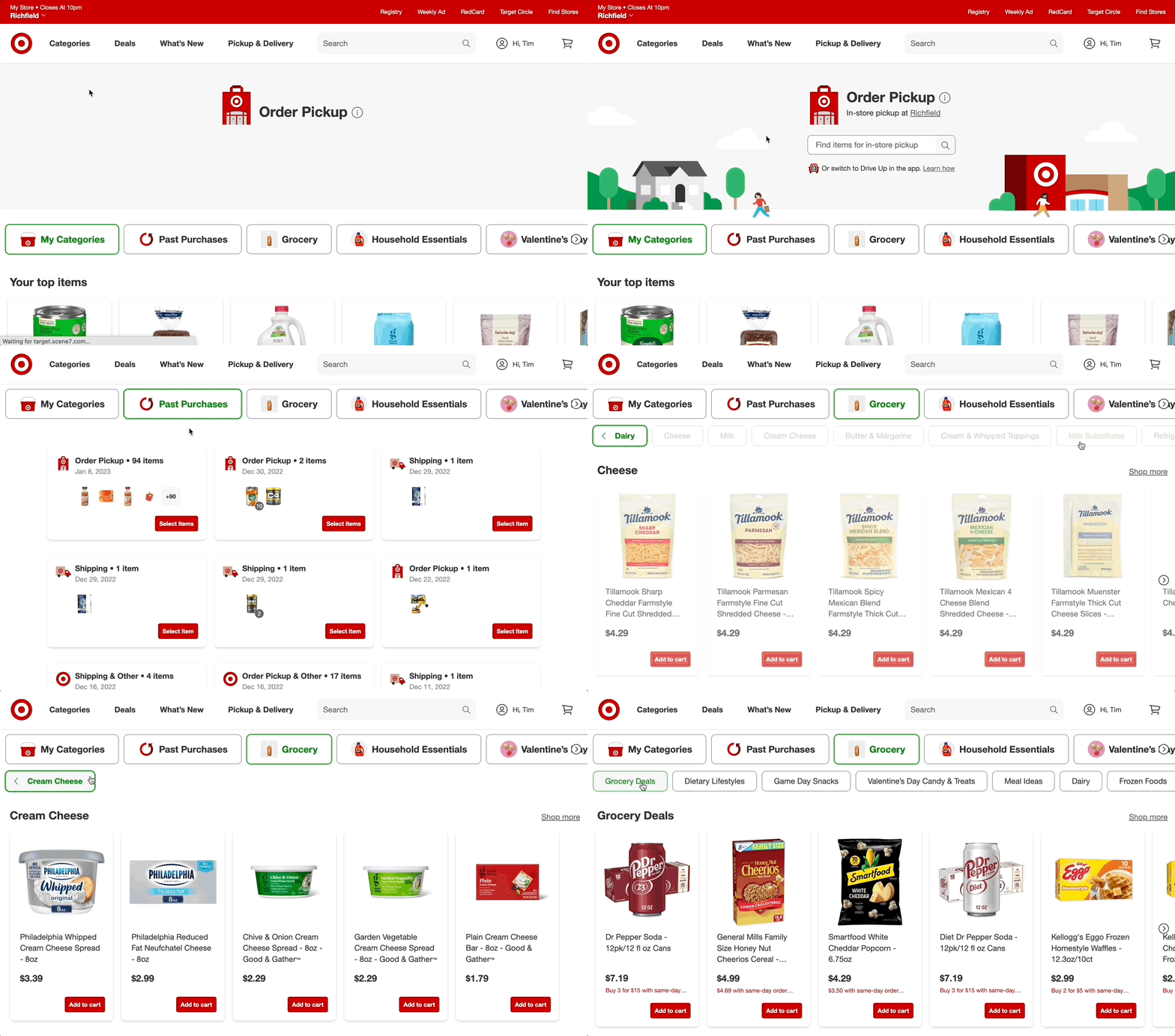
Study Target’s products, technology, and customer experience before applying for a software engineering role. Explore how guests shop online and in stores, and consider how features such as search, checkout, order pickup, and delivery depend on reliable software. This context can help you connect your technical skills to Target’s business and customer needs, ask more informed questions, and explain how your experience could contribute to useful, seamless shopping experiences.

Practice coding problems in your strongest language.

Practice coding problems in your strongest programming language so you can focus on solving the problem rather than struggling with unfamiliar syntax. For a Target software engineer interview, explain your approach clearly, consider edge cases, and write clean, efficient code. Once you feel confident, review the job description and practice in any languages or tools it specifically mentions.

Review data structures, algorithms, and complexity analysis.

Reviewing data structures, algorithms, and complexity analysis can help you prepare for a Target software engineer interview and strengthen your problem-solving skills. Practice choosing the right tools for each problem—such as arrays, hash maps, trees, or graphs—and explain why your approach works. Be ready to discuss time and space complexity, compare alternative solutions, and consider how your code will perform as the amount of data grows.

Prepare examples of teamwork, ownership, and problem-solving.

When preparing for a Target software engineer interview, have specific examples ready that show how you work with others, take ownership, and solve problems. Describe the situation, your role, the actions you took, and the outcome. Strong examples might include collaborating across teams to deliver a feature, following through on a project when challenges came up, or finding the cause of a technical issue and preventing it from happening again. Be clear about your individual contributions while recognizing the people who helped make the work successful.

Explain your technical decisions clearly and concisely.

When interviewing for a software engineering role at Target, explain your technical decisions clearly and concisely. Describe the problem, the options you considered, and why you chose a particular approach, including any tradeoffs that mattered. Focus on the most relevant details, such as performance, reliability, security, or customer impact, and avoid getting lost in unnecessary jargon. A clear explanation helps interviewers understand not only what you built, but how you think and collaborate.

Review system design basics for the role’s level.

Review system design basics at a depth that matches the role’s level. For an entry-level position, focus on core concepts such as APIs, databases, caching, and how different services communicate. For more senior roles, be ready to discuss scalability, reliability, security, tradeoffs, and how to design systems that support high traffic. Practice explaining your decisions clearly, including why you chose a particular approach and how you would handle potential challenges.

Ask thoughtful questions about the team and its projects.

Ask thoughtful questions about the team and its projects to show curiosity and learn what the role is really like. You might ask about the problems the team is working to solve, how engineers collaborate with product and design partners, or how the team measures success. Questions about development practices, current challenges, and opportunities to contribute can also help you understand the work while showing that you’re thinking beyond the interview and picturing how you could make an impact.

Tailor your résumé to the job description.

Tailor your résumé to the specific Target software engineer job description by highlighting the skills, technologies, and experience that best match the role. Use relevant keywords from the posting naturally, and show how your projects or past work made a measurable impact—for example, improving performance, strengthening reliability, or delivering a better customer experience. Keep the information accurate and easy to scan so recruiters can quickly see why your background fits the position.

software engineer machine learning

Software Engineer in Machine Learning: Roles, Skills, and Career Path

What Does a Machine Learning Software Engineer Do?

A machine learning software engineer builds the systems that allow computers to learn from data and make predictions or decisions. The role combines software engineering with machine learning, turning models and experiments into reliable features that can be used by real people and businesses.

Machine learning is used in many familiar products, including recommendation systems, fraud detection, voice assistants, image recognition, and search. Behind these features are engineers who develop the software, data pipelines, and infrastructure needed to make machine learning work at scale.

What Is a Machine Learning Software Engineer?

A machine learning software engineer applies engineering principles to the full lifecycle of machine learning products. This may include preparing data, building and integrating models, deploying services, and monitoring performance after release.

The job title can mean different things from one company to another. Some roles focus heavily on model development, while others emphasize production software, infrastructure, or data systems. In general, the role sits between traditional software engineering and applied machine learning.

Typical Responsibilities

Responsibilities vary by team and product, but may include:

  • Designing, building, and maintaining software that uses machine learning models
  • Preparing data for training, testing, and inference
  • Integrating models into applications, APIs, or backend services
  • Developing tools and pipelines for training and deploying models
  • Testing model behavior, software quality, and system reliability
  • Monitoring production systems for errors, latency, and changes in model performance
  • Working with data scientists, product managers, designers, and other engineers
  • Documenting technical decisions and communicating tradeoffs

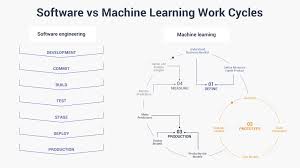
In many cases, the work does not end when a model is trained. The model must also be served efficiently, updated when data changes, and evaluated to ensure it continues to meet product requirements.

Skills and Technologies

Programming and Software Engineering

Python is widely used in machine learning, but engineers may also work with languages such as Java, C++, Go, or JavaScript. Strong software engineering skills matter regardless of language. These include writing readable code, designing maintainable systems, testing changes, using version control, and troubleshooting production issues.

Machine Learning Fundamentals

Machine learning software engineers benefit from understanding common model types, training and evaluation methods, and the strengths and limits of different approaches. Useful concepts include supervised and unsupervised learning, classification, regression, feature engineering, overfitting, and model evaluation.

A role focused on production systems may not require inventing new algorithms. However, engineers still need enough machine learning knowledge to implement models correctly, understand their limitations, and identify when their behavior may be unreliable.

Data and Infrastructure

Machine learning systems depend on data that is accurate, accessible, and appropriately managed. Engineers may work with databases, data processing frameworks, cloud platforms, containers, and distributed systems. They may also use tools for model tracking, workflow orchestration, deployment, and monitoring.

The specific technology stack depends on the organization. More important than knowing every tool is understanding how data and models move through a system, how to handle failures, and how to build processes that can be repeated and maintained.

Communication and Collaboration

Machine learning projects often involve people with different areas of expertise. An engineer may need to explain why a model is too slow for a particular product, clarify what data is available, or help a team choose between accuracy, cost, and response time. Clear communication helps teams make practical decisions and set realistic expectations.

How Machine Learning Software Engineering Differs from Data Science

Data scientists often focus on exploring data, testing hypotheses, and developing models or analyses. Machine learning software engineers generally focus on making software systems that can use those models reliably in production.

The responsibilities can overlap. At smaller organizations, one person may handle data analysis, model development, and deployment. At larger companies, these tasks may be divided among several specialized teams. The exact boundaries depend on the product and organization.

How to Become a Machine Learning Software Engineer

There is no single path into the field, but a strong foundation in software engineering is a practical starting point. A typical learning path may include:

  1. Learn programming fundamentals. Build confidence with a language commonly used for software or machine learning, such as Python.
  2. Develop core engineering skills. Practice data structures, algorithms, testing, APIs, databases, and version control.
  3. Study the math and concepts behind machine learning. Focus on statistics, probability, linear algebra, and foundational model concepts.
  4. Build complete projects. Go beyond training a model by creating an application or service that uses it.
  5. Learn deployment and monitoring. Explore how to package, serve, evaluate, and update models in a production-like environment.
  6. Share your work clearly. Document projects, describe design decisions, and explain how you measured results.

A degree in computer science, engineering, mathematics, or a related field can be helpful, but practical experience also matters. Personal projects, internships, research, and contributions to open-source software can demonstrate relevant skills.

Challenges in the Role

Machine learning systems introduce challenges beyond those found in many conventional applications. Data may be incomplete or change over time. A model that performed well in testing may behave differently in production. Predictions can also be difficult to explain, and small changes in a pipeline may affect results in unexpected ways.

Engineers must consider more than model accuracy. A successful system also needs appropriate safeguards, acceptable response times, reliable infrastructure, and responsible data practices. Depending on the application, privacy, fairness, security, and regulatory requirements may be essential parts of the work.

Career Outlook

Organizations across many industries are exploring ways to use machine learning, creating opportunities for engineers who can connect models with dependable software. Demand and job requirements vary by location and industry, and not every position uses the same tools or level of machine learning expertise.

For people interested in both building software and working with data-driven technology, machine learning software engineering can be a rewarding career. The strongest candidates combine sound engineering judgment with a practical understanding of machine learning—and keep learning as tools and techniques evolve.


6 Essential Tips for Software Engineers to Master Machine Learning

  1. Learn Python, SQL, and core machine learning concepts.
  2. Build projects with real-world datasets.
  3. Track experiments and version your data and models.
  4. Evaluate models with metrics that match the task.
  5. Deploy models with monitoring and clear rollback plans.
  6. Keep learning about new tools and techniques.

Learn Python, SQL, and core machine learning concepts.

Start by building a strong foundation in Python, SQL, and core machine learning concepts. Python is widely used to develop models and machine learning applications, while SQL helps you query, organize, and understand the data those systems depend on. Learn key ideas such as supervised and unsupervised learning, model training, evaluation, and overfitting. Together, these skills will help you contribute to machine learning projects and prepare you to build reliable, data-driven software.

Build projects with real-world datasets.

Build projects with real-world datasets to learn how machine learning works beyond clean, classroom examples. Real data often contains missing values, inconsistent formats, noise, or unexpected patterns, giving you practice with the preparation and troubleshooting required in real projects. Choose a dataset connected to a problem you care about, document your decisions, and evaluate your model with appropriate metrics. Then, if possible, turn your work into a small application or service to show how the model could be used in practice.

Track experiments and version your data and models.

Track every machine learning experiment, and version your data and models so you can reproduce results and understand what changed. Record key details such as the code version, dataset, model settings, evaluation metrics, and environment. When an outcome improves—or a model behaves unexpectedly—this history makes it easier to compare approaches, debug issues, and reliably roll back to a previous version.

Evaluate models with metrics that match the task.

Evaluate machine learning models with metrics that reflect the task and the cost of different mistakes. For example, accuracy can be misleading when one class is much more common than another; precision and recall may better show how well a model handles important positive cases. For regression, metrics such as mean absolute error or root mean squared error can reveal how far predictions are from actual values. Choose metrics based on how the model will be used, and review them alongside real-world constraints like latency, reliability, and the impact of incorrect predictions.

Deploy models with monitoring and clear rollback plans.

When deploying a machine learning model, set up monitoring to track performance, errors, latency, and changes in incoming data. Clear alerts can help the team catch problems before they affect many users. Create and test a rollback plan in advance so you can quickly restore a previous model or system version if the new deployment behaves unexpectedly. Together, monitoring and a reliable rollback process make releases safer and easier to manage.

Keep learning about new tools and techniques.

Machine learning tools and techniques evolve quickly, so make continuous learning part of your routine. Follow trusted industry publications, take courses, attend meetups, and experiment with new libraries or approaches through small projects. Focus not only on what a tool can do, but also on when it is useful and what tradeoffs it brings. Staying curious helps you make better technical decisions and build machine learning systems that are effective, reliable, and up to date.

airbnb software engineer

Airbnb Software Engineer: Role, Skills, and Interview Preparation

What Does an Airbnb Software Engineer Do?

An Airbnb software engineer helps build and maintain the technology behind Airbnb’s travel marketplace. The work can include developing features for guests and hosts, improving search and booking experiences, strengthening platform reliability, and creating tools that support Airbnb’s operations.

The exact responsibilities depend on the team, level, and role. Airbnb’s engineering work spans areas such as web and mobile applications, backend services, data infrastructure, payments, trust and safety, and machine learning.

Common Responsibilities

Software engineers at a company like Airbnb may contribute to the full development lifecycle, from understanding a problem to shipping and supporting a solution. Typical responsibilities can include:

  • Designing, building, testing, and maintaining software
  • Developing reliable services and user-facing features
  • Collaborating with product managers, designers, data scientists, and other engineers
  • Reviewing code and helping maintain engineering standards
  • Investigating bugs and improving performance, scalability, and security
  • Using data and user feedback to evaluate product improvements

For example, an engineer working on search might help guests find relevant stays, while someone on a host-facing team could develop tools that make it easier to manage listings and reservations.

Skills and Experience

Requirements vary by opening, so candidates should review each job description carefully. Many software engineering roles call for a strong foundation in programming, software design, data structures, and algorithms. Depending on the position, employers may also look for experience with distributed systems, mobile development, web technologies, databases, or cloud infrastructure.

Technical skills matter, but so do communication and collaboration. Engineers often work across teams and need to explain tradeoffs, incorporate feedback, and make thoughtful decisions about how a change may affect users and the broader platform.

How to Prepare for an Airbnb Software Engineer Interview

Interview formats can change and may differ by role and seniority. The recruiter or hiring team should provide the most accurate information about a specific process. In general, preparation may include:

  • Reviewing fundamentals: Practice solving coding problems and explaining your approach, including its time and space complexity.
  • Practicing system design: Be ready to discuss how you would design a reliable, scalable service and explain the tradeoffs involved.
  • Preparing project examples: Describe your role, the challenge, the decisions you made, and the outcome. Be clear about what you personally contributed.
  • Thinking about users: Consider how product and engineering choices affect guests, hosts, and other people who use the platform.
  • Preparing questions: Ask about the team’s goals, technical challenges, collaboration practices, and expectations for the role.

Working as a Software Engineer at Airbnb

Airbnb’s products serve people across many markets, so engineering decisions can involve complex technical and real-world considerations. Teams may need to balance usability, reliability, safety, privacy, and the needs of different users. The details of the work and workplace experience depend on the organization, team, location, and position.

Candidates can learn more by reviewing Airbnb’s current careers site, reading individual job descriptions, and asking recruiters about team responsibilities and interview expectations. Because openings and requirements change, current listings are the best source for role-specific information.

Is an Airbnb Software Engineering Role Right for You?

An Airbnb software engineering role may appeal to developers who enjoy solving challenging technical problems and building products used by a broad community. A strong candidate can pair solid engineering fundamentals with curiosity, clear communication, and an ability to collaborate across disciplines.


Top 8 FAQs About Becoming a Software Engineer at Airbnb

  1. How much Airbnb pays software developers?
  2. Is it difficult to get hired at Airbnb?
  3. What engineer makes $500,000 a year?
  4. Is it hard to get a job at Airbnb?
  5. How do I become a software engineer for Airbnb?
  6. Can Airbnb be a full time job?
  7. Can you make $500,000 as a Software Engineer?
  8. How much do software engineers at Airbnb make?

How much Airbnb pays software developers?

Airbnb does not pay software developers one fixed salary: compensation depends on role, level, location, and experience. In the U.S., total compensation may include base salary, an annual bonus, and stock-based compensation, so reported figures can differ significantly from base pay alone. For the most accurate estimate, check the salary range in the specific job posting and confirm the compensation details with Airbnb’s recruiter.

Is it difficult to get hired at Airbnb?

Yes, getting hired as a software engineer at Airbnb can be competitive. The process may assess coding fundamentals, problem-solving, system design, communication, and relevant experience, with expectations varying by role and seniority. Strong preparation helps: review the job description, practice explaining your technical decisions, and be ready to discuss your impact on past projects. Hiring requirements and interview steps can change, so check the current listing and confirm details with the recruiter.

What engineer makes $500,000 a year?

At Airbnb, an annual compensation package of $500,000 or more may be possible for some highly experienced senior, staff, or principal software engineers, particularly when stock and bonuses are included. That figure is not a typical salary or guaranteed pay: compensation varies by level, role, location, performance, and the value of equity over time. For a specific estimate, check current job listings and reliable compensation data, and distinguish base salary from total compensation.

Is it hard to get a job at Airbnb?

Getting a job at Airbnb can be competitive, as roles may attract many qualified candidates and the hiring process can assess technical skills, problem-solving, communication, and relevant experience. The level of difficulty depends on the position, team, location, and your background. Preparing thoroughly—by reviewing the job requirements, practicing role-specific interview questions, and clearly describing your past work—can help you present your strengths.

How do I become a software engineer for Airbnb?

To become a software engineer at Airbnb, build strong programming and computer science fundamentals, then develop practical experience by creating projects, contributing to open-source software, or working in engineering roles. Review Airbnb’s current job postings to find positions that match your skills and experience, and tailor your résumé to highlight relevant accomplishments. Prepare for the interview process by practicing coding, system design (for applicable roles), and clear explanations of your past projects. Requirements and interview steps vary by position, so use the job listing and guidance from the recruiting team as your most reliable sources.

Can Airbnb be a full time job?

Yes, working as a software engineer at Airbnb can be a full-time job. Airbnb hires full-time engineers for a range of teams and specialties, though role availability, location, and employment terms vary. Check Airbnb’s current careers page for open positions and review each listing for details about the role, schedule, and work arrangement.

Can you make $500,000 as a Software Engineer?

Yes, it’s possible for a software engineer to earn $500,000 or more in total annual compensation, but it’s uncommon and typically reflects a senior or staff-level role at a high-paying technology company. Total compensation may include salary, bonuses, and stock, whose value can change over time; it also varies by level, location, experience, and market conditions. At Airbnb, as elsewhere, pay depends on the specific role and offer, so check current job listings and reliable compensation data rather than treating $500,000 as a typical salary.

How much do software engineers at Airbnb make?

Software engineer compensation at Airbnb varies by role, experience level, and work location. Total pay may include base salary, stock-based compensation, and a bonus, so reported figures can differ substantially. For the most accurate estimate, check the salary range in the specific job listing and compare recent compensation reports for the same level and location.

uber software engineer

Exploring the Role of an Uber Software Engineer in Driving Innovation

Article: Uber Software Engineer

The Role of a Software Engineer at Uber

Uber, the global transportation technology company, relies heavily on the expertise of software engineers to develop and maintain its innovative platform. A software engineer at Uber plays a crucial role in designing, implementing, and testing software solutions that power the company’s operations.

Responsibilities of a Software Engineer at Uber

Software engineers at Uber are responsible for:

  • Designing and developing scalable software systems to support Uber’s services.
  • Collaborating with cross-functional teams to ensure seamless integration of new features and technologies.
  • Writing clean, efficient, and maintainable code that meets industry standards.
  • Participating in code reviews and providing constructive feedback to peers.
  • Identifying and resolving technical issues to improve system performance and reliability.

Skills Required

To excel as a software engineer at Uber, individuals need to possess a diverse set of skills, including:

  • Proficiency in programming languages such as Java, Python, or Go.
  • Experience with distributed systems and cloud computing technologies.
  • Strong problem-solving abilities and analytical thinking.
  • Excellent communication skills for effective collaboration with team members.
  • An innovative mindset to drive continuous improvement in software development processes.

Career Growth Opportunities

Uber provides software engineers with ample opportunities for career growth and professional development. Engineers have the chance to work on cutting-edge projects, contribute to open-source initiatives, and participate in hackathons that foster creativity and innovation within the organization.

In Conclusion

Becoming a software engineer at Uber offers an exciting opportunity to work on groundbreaking technologies that impact millions of users worldwide. The role not only challenges individuals to push their technical skills but also encourages collaboration and creativity in solving complex problems within a dynamic environment.


6 Essential Tips for Excelling as an Uber Software Engineer

  1. Stay updated on the latest technologies and programming languages.
  2. Practice coding regularly to improve your skills and problem-solving abilities.
  3. Collaborate with team members effectively to deliver high-quality software products.
  4. Attend tech conferences and workshops to network with industry professionals and learn new trends.
  5. Be adaptable and open to learning new tools and methodologies in software development.
  6. Prioritize communication skills to effectively convey ideas and collaborate with stakeholders.

Stay updated on the latest technologies and programming languages.

To excel as an Uber software engineer, it is crucial to stay updated on the latest technologies and programming languages. The tech industry is constantly evolving, and keeping abreast of new developments ensures that engineers can leverage cutting-edge tools and techniques to enhance their work at Uber. By staying current with emerging trends, software engineers can remain competitive, adaptable, and equipped to tackle the ever-changing challenges of developing innovative solutions for Uber’s platform.

Practice coding regularly to improve your skills and problem-solving abilities.

To excel as a software engineer at Uber, it is essential to practice coding regularly to enhance your skills and problem-solving abilities. Consistent practice not only helps you become more proficient in programming languages but also sharpens your analytical thinking and creativity when tackling complex technical challenges. By dedicating time to coding practice, you can stay ahead of industry trends, improve your efficiency in developing software solutions, and ultimately contribute effectively to the innovative work environment at Uber.

Collaborate with team members effectively to deliver high-quality software products.

Collaborating effectively with team members is essential for Uber software engineers to deliver high-quality software products. By fostering open communication, sharing ideas, and leveraging each team member’s strengths, engineers can work together cohesively towards a common goal. This collaborative approach not only enhances the efficiency of the development process but also ensures that the final product meets the highest standards of quality and innovation.

Attending tech conferences and workshops is a valuable tip for Uber software engineers. By participating in such events, engineers have the opportunity to network with industry professionals, exchange ideas, and stay updated on the latest trends and technologies. Building connections with like-minded individuals can lead to new collaborations, mentorship opportunities, and a deeper understanding of the ever-evolving tech landscape. Additionally, these gatherings provide a platform for sharing knowledge, gaining insights from experts, and honing skills that are essential for success in the fast-paced world of software engineering at Uber.

Be adaptable and open to learning new tools and methodologies in software development.

To succeed as an Uber software engineer, it is essential to remain adaptable and embrace a continuous learning mindset when it comes to new tools and methodologies in software development. By staying open to adopting innovative technologies and approaches, software engineers at Uber can enhance their skill set, stay ahead of industry trends, and contribute effectively to the company’s mission of providing cutting-edge solutions for transportation technology.

Prioritize communication skills to effectively convey ideas and collaborate with stakeholders.

Effective communication skills are essential for Uber software engineers to convey their ideas clearly and collaborate efficiently with stakeholders. By prioritizing communication, engineers can ensure that project requirements are well-understood, feedback is effectively exchanged, and solutions are implemented smoothly. Strong communication skills enable software engineers to work seamlessly with cross-functional teams, address challenges proactively, and build strong relationships with stakeholders, ultimately leading to successful project outcomes at Uber.