cfchris.com

Loading

software development process

Navigating the Software Development Process: A Comprehensive Guide

The Software Development Process

The Software Development Process: From Concept to Completion

Software development is a complex and iterative process that involves designing, coding, testing, and deploying software applications. It requires a systematic approach to ensure the final product meets the needs and expectations of users. Let’s explore the key stages of the software development process:

Planning

The first stage of software development involves defining the project scope, requirements, and objectives. This phase includes gathering user feedback, conducting market research, and creating a detailed project plan.

Design

In the design phase, developers create a blueprint for the software application based on the requirements gathered in the planning stage. This includes defining the architecture, user interface design, data structures, and algorithms.

Implementation

During implementation, developers write code based on the design specifications. This phase involves coding, unit testing, integration testing, and debugging to ensure that the software functions as intended.

Testing

Testing is a critical phase of software development where developers verify that the application works correctly and meets quality standards. This includes functional testing, performance testing, security testing, and user acceptance testing.

Deployment

Once the software has been thoroughly tested and approved, it is deployed to production environments for end-users to access. Deployment involves configuring servers, setting up databases, and ensuring smooth operation of the application.

Maintenance

After deployment, software requires ongoing maintenance to address bugs, add new features, and improve performance. Maintenance may involve releasing updates, patches, and enhancements to ensure that the software remains relevant and functional over time.

In conclusion,the software development process is a multi-faceted journey that requires collaboration between developers,designers,and stakeholders to create successful software applications that meet user needs.


9 Key Benefits of the Software Development Process: Boosting Efficiency, Security, and Innovation

  1. Enhances efficiency by automating tasks
  2. Improves scalability for future growth
  3. Enables customization to meet specific requirements
  4. Facilitates collaboration among team members
  5. Ensures better quality through rigorous testing
  6. Increases security measures to protect data
  7. Provides opportunities for innovation and creativity
  8. Supports continuous improvement through feedback loops
  9. Helps businesses stay competitive in the digital age


Challenges in Software Development: Navigating Complexity, Time, and Cost

  1. Complexity
  2. Time-consuming
  3. Cost

Enhances efficiency by automating tasks

Software development process enhances efficiency by automating tasks, allowing repetitive and time-consuming processes to be completed quickly and accurately. Automation reduces human error, increases productivity, and frees up resources to focus on more complex and strategic aspects of software development. By streamlining routine tasks through automation, developers can deliver high-quality software solutions in a more efficient and timely manner.

Improves scalability for future growth

One significant advantage of the software development process is that it enhances scalability for future growth. By following a structured development approach, software applications can be designed and built with scalability in mind, allowing them to accommodate increased user loads, data volumes, and feature enhancements as the business expands. This proactive approach to scalability ensures that the software can adapt to changing requirements and support the organization’s growth without requiring a complete overhaul or redevelopment, ultimately saving time and resources in the long run.

Enables customization to meet specific requirements

The software development process offers a significant advantage by enabling customization to meet specific requirements. This flexibility allows developers to tailor software applications to the unique needs and preferences of users or businesses. By incorporating custom features, functionalities, and design elements, developers can create solutions that align perfectly with the desired outcomes and objectives of the project. This level of customization not only enhances user satisfaction but also improves overall efficiency and effectiveness, making software development a powerful tool for addressing specific needs and challenges.

Facilitates collaboration among team members

Facilitating collaboration among team members is a key advantage of the software development process. By breaking down complex tasks into manageable components and establishing clear communication channels, team members can work together efficiently towards a common goal. Collaboration fosters creativity, innovation, and synergy among team members, leading to the development of high-quality software solutions that meet user needs effectively. Additionally, collaboration allows for the sharing of knowledge and expertise, enabling team members to learn from each other and continuously improve their skills. Ultimately, a collaborative approach in software development not only enhances productivity but also promotes a positive and supportive work environment conducive to success.

Ensures better quality through rigorous testing

Rigorous testing within the software development process ensures better quality by identifying and resolving issues early on, leading to a more reliable and stable end product. Through comprehensive testing procedures, developers can detect bugs, errors, and performance issues, ultimately enhancing the overall user experience and satisfaction. By prioritizing quality assurance throughout each stage of development, software products can meet industry standards and exceed customer expectations for functionality and reliability.

Increases security measures to protect data

One significant advantage of the software development process is its ability to enhance security measures to safeguard sensitive data. By incorporating robust security protocols and encryption techniques during the development stages, software developers can effectively protect user information from unauthorized access and cyber threats. This proactive approach not only ensures the confidentiality and integrity of data but also instills trust and confidence in users, ultimately contributing to a more secure digital environment.

Provides opportunities for innovation and creativity

The software development process offers a unique advantage by providing ample opportunities for innovation and creativity. Developers have the freedom to explore new ideas, experiment with different technologies, and devise creative solutions to complex problems. This environment fosters a culture of innovation where novel concepts can be brought to life through software applications. By encouraging creativity throughout the development cycle, teams can push boundaries, inspire new approaches, and deliver truly innovative solutions that meet the evolving needs of users and businesses alike.

Supports continuous improvement through feedback loops

The software development process excels in supporting continuous improvement through feedback loops. By incorporating feedback from users, stakeholders, and testing phases, developers can identify areas for enhancement and refinement. This iterative approach enables teams to make incremental adjustments, address issues promptly, and deliver a product that evolves based on real-world usage and feedback. This continuous feedback loop fosters innovation, ensures user satisfaction, and ultimately leads to the development of high-quality software solutions that meet the ever-changing needs of users and the market.

Helps businesses stay competitive in the digital age

In the fast-paced digital age, the software development process plays a crucial role in helping businesses stay competitive. By continuously updating and enhancing their software applications, businesses can adapt to changing market demands, improve efficiency, and deliver better customer experiences. Embracing modern software development practices allows companies to innovate, streamline processes, and leverage technology to gain a competitive edge in the ever-evolving digital landscape.

Complexity

The complexity of the software development process can pose a significant challenge, particularly in the context of large-scale projects involving numerous stakeholders and evolving requirements. Managing the intricacies of such projects demands careful coordination, effective communication, and adaptive strategies to navigate through uncertainties and complexities. The dynamic nature of software development often requires teams to be agile and responsive to changes, making it essential to have robust project management practices in place to address the challenges posed by complexity.

Time-consuming

Developing high-quality software can be a time-consuming process due to the need for meticulous attention to detail and rigorous testing at every stage, from planning to testing. Each phase of software development demands careful consideration and precision to ensure that the final product meets quality standards and user expectations. Rushing through any part of the process can lead to errors, bugs, and ultimately compromise the integrity and functionality of the software. Therefore, investing time in each step is essential to deliver a reliable and efficient software solution in the end.

Cost

One significant drawback of the software development process is the cost involved. Developing software can be a costly endeavor, especially when unexpected challenges surface throughout the project, leading to the need for extra resources or modifications to the original plan. These unforeseen issues can escalate expenses and strain budget allocations, making it crucial for development teams to carefully manage resources and anticipate potential obstacles to mitigate financial risks during the software development lifecycle.

sdlc and agile

Comparing SDLC and Agile Methodologies: A Comprehensive Analysis

Understanding SDLC and Agile: A Comprehensive Comparison

Understanding SDLC and Agile: A Comprehensive Comparison

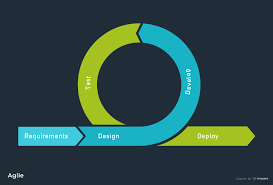
Software Development Life Cycle (SDLC) and Agile are two popular methodologies used in software development. While both aim to streamline the development process, they have distinct approaches and principles. Let’s explore the key differences between SDLC and Agile.

Software Development Life Cycle (SDLC)

SDLC is a structured approach to software development that consists of several phases, including planning, design, implementation, testing, deployment, and maintenance. It follows a sequential order where each phase must be completed before moving on to the next.

Key characteristics of SDLC include:

  • Emphasis on thorough planning and documentation
  • Rigorous testing at each stage
  • Predictable timelines and deliverables
  • Well-defined roles and responsibilities
  • Changes are difficult to implement once the process has started

Agile Methodology

Agile is an iterative approach that focuses on delivering working software in short cycles known as sprints. It values flexibility, collaboration, and adaptability to change throughout the development process.

Key characteristics of Agile include:

  • Iterative development with frequent releases
  • Cross-functional teams working collaboratively
  • Customer feedback drives continuous improvement
  • Emphasis on responding to change over following a plan
  • Allows for changes and updates at any stage of development

Comparison Between SDLC and Agile

SDLC Agile
Approach Sequential, linear process Iterative, flexible approach

In Conclusion,


6 Essential Tips for Navigating SDLC and Agile Methodologies

  1. Plan each phase of the software development life cycle carefully to ensure efficiency and effectiveness.
  2. Involve stakeholders at every stage to gather feedback and ensure alignment with business goals.
  3. Perform thorough testing during each phase to identify and fix issues early in the process.
  4. Break down projects into smaller iterations or sprints for better manageability and adaptability.
  5. Encourage close collaboration between cross-functional teams to promote transparency and quick decision-making.
  6. Embrace change as a competitive advantage by being flexible and responsive to evolving requirements.

Plan each phase of the software development life cycle carefully to ensure efficiency and effectiveness.

To maximize efficiency and effectiveness in software development, it is crucial to meticulously plan each phase of the Software Development Life Cycle (SDLC). By carefully outlining the objectives, tasks, and resources required for each stage, teams can ensure a smooth progression from planning to deployment. This proactive approach not only helps in identifying potential challenges early on but also allows for better coordination among team members and stakeholders. Planning each phase thoughtfully in advance sets a solid foundation for successful project execution and delivery.

Involve stakeholders at every stage to gather feedback and ensure alignment with business goals.

To ensure the success of software development projects following SDLC or Agile methodologies, it is crucial to involve stakeholders at every stage. By actively engaging stakeholders throughout the process, teams can gather valuable feedback, address concerns promptly, and ensure alignment with business goals. This collaborative approach not only enhances communication and transparency but also leads to the development of solutions that meet the needs and expectations of all parties involved.

Perform thorough testing during each phase to identify and fix issues early in the process.

Performing thorough testing during each phase of the software development process, whether following the SDLC or Agile methodology, is crucial for identifying and addressing issues early on. By conducting comprehensive testing at every stage, developers can detect potential problems and bugs sooner, allowing for timely resolution and ensuring a smoother development cycle. This proactive approach not only helps in maintaining the quality of the software but also minimizes the risk of costly rework or delays later in the project timeline.

Break down projects into smaller iterations or sprints for better manageability and adaptability.

Breaking down projects into smaller iterations or sprints is a valuable tip in both SDLC and Agile methodologies. By dividing the project into manageable chunks, teams can focus on specific tasks within a set timeframe, leading to better manageability and adaptability. This approach allows for continuous feedback, adjustments, and improvements throughout the development process, ultimately enhancing productivity and ensuring that the final product meets the desired requirements effectively.

Encourage close collaboration between cross-functional teams to promote transparency and quick decision-making.

Encouraging close collaboration between cross-functional teams is a crucial tip in both SDLC and Agile methodologies. By fostering a culture of transparency and communication among team members with diverse skills and expertise, organizations can enhance decision-making processes and accelerate project timelines. This collaborative approach allows for the seamless exchange of ideas, feedback, and knowledge, ultimately leading to more efficient problem-solving and the successful delivery of high-quality software solutions.

Embrace change as a competitive advantage by being flexible and responsive to evolving requirements.

Embracing change as a competitive advantage in software development involves maintaining flexibility and responsiveness to evolving requirements. By being open to adapting to new challenges and opportunities, teams can stay ahead of the curve and deliver innovative solutions that meet the dynamic needs of users. This proactive approach not only enhances the quality of the final product but also fosters a culture of continuous improvement and agility within the development process.

software sales and development

Driving Growth Through Software Sales and Development Strategies

Software Sales and Development

The Dynamics of Software Sales and Development

In today’s digital age, software plays a crucial role in almost every aspect of our lives. From business operations to personal productivity, the demand for innovative software solutions is ever-growing. This has led to a thriving industry focused on software sales and development.

Software Sales

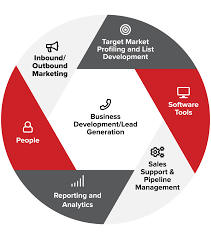
Software sales involve the process of marketing and selling software products to businesses and consumers. A successful software sales strategy requires a deep understanding of market trends, customer needs, and effective communication with potential clients.

Key aspects of software sales include:

  • Identifying Target Markets: Understanding the specific industries or demographics that would benefit most from the software product.
  • Demonstrating Value: Clearly articulating how the software can solve problems or improve efficiency for potential customers.
  • Closing Deals: Negotiating pricing, licensing agreements, and providing support to secure sales.

Software Development

Software development is the process of creating, designing, programming, testing, and maintaining software applications. It involves a team of skilled developers who work together to turn ideas into functional products that meet user requirements.

Key stages of software development include:

  • Planning: Defining project scope, requirements gathering, and creating a roadmap for development.
  • Design: Creating wireframes, user interfaces, and architectural plans for the software application.
  • Development: Writing code, implementing features, and ensuring functionality meets specifications.
  • Testing: Conducting quality assurance tests to identify bugs or issues that need to be resolved before release.
  • Deployment & Maintenance: Releasing the software to users and providing ongoing support, updates, and improvements as needed.

The Intersection of Sales and Development

In the world of software sales and development, collaboration between sales teams and developers is essential for success. Sales teams provide valuable insights into customer needs and preferences while developers create solutions that address those requirements.

This synergy ensures that software products are not only marketable but also meet high standards of functionality and usability. Effective communication between these two departments results in products that resonate with customers and drive business growth.

In conclusion, the relationship between software sales and development is symbiotic. By understanding market demands, delivering innovative solutions, and fostering collaboration between teams, companies can thrive in this dynamic industry where technology continues to shape our future.


7 Essential Tips for Success in Software Sales and Development

  1. Understand your customers’ needs and pain points.
  2. Clearly communicate the value proposition of your software.
  3. Provide excellent customer support and service.
  4. Stay updated on industry trends and technologies.
  5. Collaborate with cross-functional teams for successful development.
  6. Offer flexible pricing options to cater to different customer segments.
  7. Continuously gather feedback for product improvement.

Understand your customers’ needs and pain points.

To excel in software sales and development, it is crucial to deeply understand your customers’ needs and pain points. By actively listening to their challenges and requirements, you can tailor software solutions that address specific issues and provide valuable benefits. This customer-centric approach not only enhances the effectiveness of your sales strategy but also guides the development process towards creating products that truly resonate with users, ultimately leading to greater satisfaction and success in the market.

Clearly communicate the value proposition of your software.

In the realm of software sales and development, one crucial tip is to always clearly communicate the value proposition of your software. By articulating how your software can address specific pain points, improve efficiency, or enhance user experience, you create a compelling case for potential customers to invest in your product. Effective communication of the unique benefits and features of your software not only attracts interest but also builds trust and credibility with clients. This clarity in conveying the value proposition sets the foundation for successful sales and long-term customer satisfaction in the competitive software market.

Provide excellent customer support and service.

Providing excellent customer support and service is a cornerstone of successful software sales and development. By offering timely assistance, addressing customer queries, and resolving issues promptly, businesses can build trust with their clients and enhance user satisfaction. A strong focus on customer support not only helps retain existing customers but also attracts new ones through positive word-of-mouth referrals. Ultimately, prioritizing exceptional customer service fosters long-term relationships and contributes to the overall success of software products in the market.

To excel in software sales and development, it is crucial to stay updated on industry trends and technologies. By keeping abreast of the latest advancements, emerging technologies, and shifting market demands, professionals can adapt their strategies and offerings to meet the evolving needs of customers. Continuous learning and staying informed about industry trends not only enhance one’s expertise but also enable them to deliver innovative solutions that resonate with clients, ultimately driving success in the competitive landscape of software sales and development.

Collaborate with cross-functional teams for successful development.

Collaborating with cross-functional teams is a crucial tip for successful software sales and development. By bringing together individuals with diverse expertise, such as sales, development, marketing, and customer support, companies can ensure that software products not only meet technical requirements but also align with market demands and customer needs. This collaborative approach fosters innovation, enhances communication, and ultimately leads to the creation of high-quality software solutions that drive business growth and customer satisfaction.

Offer flexible pricing options to cater to different customer segments.

Offering flexible pricing options is a strategic approach in software sales and development to cater to different customer segments. By providing a range of pricing plans, such as tiered packages or subscription models, businesses can accommodate the diverse needs and budgets of their customers. This flexibility not only enhances customer satisfaction but also expands the reach of the software product to a wider audience. It demonstrates an understanding of market dynamics and allows companies to tailor their offerings to meet specific requirements, ultimately driving sales and fostering long-term relationships with clients.

Continuously gather feedback for product improvement.

Continuously gathering feedback for product improvement is a crucial tip in software sales and development. By actively seeking input from users, businesses can gain valuable insights into how their software is being used and identify areas for enhancement. This feedback loop not only helps in addressing user needs but also allows for iterative improvements that keep the product competitive and relevant in the market. Embracing feedback as a tool for growth fosters a customer-centric approach, leading to higher satisfaction levels and increased success in the ever-evolving landscape of software sales and development.

traditional software development

Exploring the Foundations of Traditional Software Development

The Essence of Traditional Software Development

The Essence of Traditional Software Development

Traditional software development has been the cornerstone of the tech industry for decades. It involves a structured approach to building software applications, following a linear process from requirements gathering to deployment.

In traditional software development, the Waterfall model is often used, where each phase of the project is completed before moving on to the next. This sequential approach ensures thorough planning and documentation at each stage, leading to a well-defined final product.

Key characteristics of traditional software development include:

  • Requirement Analysis: Detailed analysis of user needs and system requirements.
  • Design: Creation of a blueprint outlining the architecture and functionality of the software.
  • Implementation: Writing code based on the design specifications.
  • Testing: Verification and validation of the software to ensure it meets requirements.
  • Deployment: Release and installation of the software for end-users.

While traditional software development has its advantages, such as clear project milestones and deliverables, it also has limitations. The linear nature of the process can lead to inflexibility when changes are needed mid-project. Additionally, long development cycles may result in delays in delivering the final product.

In recent years, Agile methodologies have gained popularity as an alternative to traditional software development. Agile focuses on iterative development, allowing for more flexibility and quicker adaptation to changing requirements.

Despite the rise of Agile practices, traditional software development continues to be relevant in certain contexts where a structured and predictable approach is required. Many organizations still rely on traditional methods for projects with well-defined scope and stable requirements.

In conclusion, traditional software development remains a fundamental approach in the tech industry, offering a systematic way to build reliable and robust software applications. While newer methodologies may offer different benefits, understanding the essence of traditional development is essential for any aspiring software developer.


Advantages of Traditional Software Development: Tracking Progress, Minimizing Risks, and Ensuring Quality

  1. Clear project milestones and deliverables help track progress.
  2. Thorough planning and documentation ensure a well-defined final product.
  3. Structured approach minimizes risks of scope creep and requirement changes.
  4. Well-suited for projects with stable requirements and predictable outcomes.
  5. Established processes provide a framework for consistent quality assurance.


Challenges of Traditional Software Development: Inflexibility, Delays, and High Costs

  1. Rigid and inflexible when changes are needed mid-project
  2. Long development cycles may lead to delays in delivering the final product
  3. Limited collaboration between developers and stakeholders
  4. Difficulty in adapting to evolving requirements and technologies
  5. Higher risk of project failure due to lack of early feedback
  6. Costly to make significant changes once the project is in progress

Clear project milestones and deliverables help track progress.

Clear project milestones and deliverables in traditional software development serve as valuable markers that help track progress effectively. By breaking down the project into distinct phases with specific goals and outcomes, teams can monitor their advancement, identify potential bottlenecks early on, and ensure that the project stays on track towards successful completion. This structured approach not only provides a sense of accomplishment as milestones are achieved but also enables better project management and communication among team members and stakeholders.

Thorough planning and documentation ensure a well-defined final product.

Thorough planning and documentation in traditional software development play a crucial role in ensuring a well-defined final product. By meticulously analyzing user requirements, designing detailed blueprints, and documenting every aspect of the development process, teams can minimize ambiguity and misunderstandings throughout the project lifecycle. This structured approach not only helps developers stay on track but also enables stakeholders to have a clear understanding of the project’s progress and expected outcomes. Ultimately, this meticulous planning and documentation contribute to the delivery of a high-quality software product that meets the specified requirements and expectations.

Structured approach minimizes risks of scope creep and requirement changes.

One of the key advantages of traditional software development is its structured approach, which helps minimize the risks of scope creep and requirement changes. By thoroughly defining project requirements and creating a detailed plan upfront, traditional development methodologies establish a clear roadmap for the entire project. This proactive approach reduces the likelihood of unexpected changes in scope or requirements later in the development process, leading to more predictable outcomes and better control over project timelines and budgets.

Well-suited for projects with stable requirements and predictable outcomes.

Traditional software development is well-suited for projects with stable requirements and predictable outcomes. This approach allows for thorough planning and documentation at each stage of the development process, ensuring that the final product aligns closely with the initial specifications. By following a structured and linear approach, traditional software development minimizes the risk of scope creep and provides a clear roadmap for achieving predictable outcomes. This reliability makes it an ideal choice for projects where requirements are well-defined and unlikely to change significantly throughout the development cycle.

Established processes provide a framework for consistent quality assurance.

Established processes in traditional software development provide a framework for consistent quality assurance throughout the project lifecycle. By following a structured approach that includes defined requirements analysis, thorough design, rigorous testing, and deployment procedures, teams can ensure that quality standards are maintained at every stage of development. This systematic method helps identify and address potential issues early on, leading to a more reliable and high-quality final product. Consistent quality assurance practices not only enhance the overall performance of the software but also instill confidence in stakeholders regarding the reliability and functionality of the end product.

Rigid and inflexible when changes are needed mid-project

One significant drawback of traditional software development is its rigidity and inflexibility when changes are required mid-project. The linear nature of the Waterfall model, commonly used in traditional development, dictates that each phase must be completed before moving on to the next. This sequential approach makes it challenging to accommodate changes in requirements, design, or functionality once a phase is finished. As a result, any modifications or additions requested during the development process can disrupt the entire project timeline and may lead to delays and increased costs.

Long development cycles may lead to delays in delivering the final product

One significant drawback of traditional software development is the potential for long development cycles, which can result in delays in delivering the final product. The linear nature of the traditional approach, where each phase must be completed before moving on to the next, can lead to extended timelines as any changes or issues discovered late in the process may require going back to earlier stages for modifications. These delays not only affect the project schedule but also impact time-to-market and may result in missed opportunities in a fast-paced industry where agility and quick delivery are key factors for success.

Limited collaboration between developers and stakeholders

In traditional software development, a significant drawback is the limited collaboration between developers and stakeholders. The linear nature of the process, where requirements are gathered upfront and handed off to developers, often results in minimal communication and interaction between the two parties. This lack of collaboration can lead to misunderstandings, misinterpretations of requirements, and ultimately, a disconnect between the intended functionality of the software and the actual delivered product. Embracing more collaborative approaches, such as Agile methodologies, can help bridge this gap and ensure that developers and stakeholders work closely together throughout the project lifecycle to deliver successful outcomes.

Difficulty in adapting to evolving requirements and technologies

One significant drawback of traditional software development is the challenge it faces in adapting to evolving requirements and technologies. The linear nature of the process, with its emphasis on thorough planning and documentation upfront, can make it difficult to accommodate changes that arise as a project progresses. In today’s fast-paced tech landscape where requirements and technologies evolve rapidly, this inflexibility can lead to delays, increased costs, and ultimately, a product that may not fully meet the current needs of users or market demands.

Higher risk of project failure due to lack of early feedback

One significant con of traditional software development is the higher risk of project failure due to the lack of early feedback. In this approach, requirements are gathered and documented extensively at the beginning of the project, and development progresses through sequential stages without much room for iterative feedback. This lack of early feedback can result in misunderstandings or misinterpretations of requirements, leading to costly rework later in the project lifecycle. Without timely input from stakeholders and users, there is a higher likelihood of delivering a final product that does not meet their expectations or needs, ultimately increasing the risk of project failure.

Costly to make significant changes once the project is in progress

One significant drawback of traditional software development is the high cost associated with making significant changes once the project is already in progress. Since traditional development follows a linear process where each phase builds upon the previous one, introducing major modifications mid-project can disrupt the entire workflow and require extensive rework. This can lead to increased expenses in terms of time, resources, and effort to accommodate the changes effectively. The rigidity of the sequential approach in traditional software development makes it challenging and costly to adapt to evolving requirements or address unforeseen issues without impacting project timelines and budgets significantly.

desktop software development

Exploring the World of Desktop Software Development

Desktop Software Development

The Art and Science of Desktop Software Development

Desktop software development is a fascinating field that combines creativity, problem-solving, and technical expertise. From simple utilities to complex applications, desktop software plays a crucial role in our daily lives.

Understanding Desktop Software Development

Desktop software refers to applications that are installed and run on individual computers or laptops. Unlike web-based applications that require an internet connection, desktop software operates independently on the user’s device.

Developing desktop software involves several key steps:

  • Requirement Analysis: Understanding the needs and expectations of users to define the software’s functionality.
  • Design: Creating a user-friendly interface and defining the architecture of the application.
  • Coding: Writing the code that brings the design to life, using programming languages such as Java, C++, or Python.
  • Testing: Identifying and fixing bugs to ensure the software functions correctly.
  • Deployment: Releasing the software for users to install and use on their devices.

The Benefits of Desktop Software

Desktop software offers several advantages over web-based applications, including:

  • Performance: Desktop applications typically run faster and more efficiently than web apps since they are installed locally on the device.
  • Offline Access: Users can access desktop software even without an internet connection, making them ideal for tasks that require offline functionality.
  • Data Security: Desktop applications store data locally, reducing the risk of data breaches compared to cloud-based solutions.

The Future of Desktop Software Development

In a world increasingly dominated by mobile and web applications, desktop software development continues to thrive. As technology evolves, developers are exploring new ways to enhance user experience, improve performance, and integrate innovative features into desktop applications.

Whether you’re a seasoned developer or just starting in the field, desktop software development offers endless possibilities for creativity and innovation. Embrace the challenge, hone your skills, and contribute to shaping the future of technology through desktop applications!


9 Essential Tips for Effective Desktop Software Development

  1. Follow best practices for clean and maintainable code.
  2. Use version control to track changes and collaborate with others.
  3. Document your code thoroughly for yourself and other developers.
  4. Test your software regularly to catch bugs early on.
  5. Consider user experience design for an intuitive interface.
  6. Optimize performance by identifying and resolving bottlenecks.
  7. Stay updated on new technologies and frameworks in the industry.
  8. Secure your software against potential vulnerabilities and attacks.
  9. Seek feedback from users to improve the functionality of your software.

Follow best practices for clean and maintainable code.

Following best practices for clean and maintainable code is essential in desktop software development. By adhering to established coding standards, proper documentation, and modular design principles, developers can ensure that their code is easy to read, understand, and maintain. Clean code not only enhances the overall quality of the software but also simplifies troubleshooting and future updates. Embracing best practices fosters collaboration among team members and promotes efficient development processes, ultimately leading to a more robust and sustainable desktop application.

Use version control to track changes and collaborate with others.

Utilizing version control in desktop software development is essential for tracking changes, managing code revisions, and collaborating effectively with team members. By implementing version control systems like Git or SVN, developers can maintain a history of modifications, revert to previous versions if needed, and seamlessly collaborate on projects with colleagues. This practice not only ensures code integrity and consistency but also streamlines the development process by enabling efficient teamwork and facilitating smoother integration of new features.

Document your code thoroughly for yourself and other developers.

Documenting your code thoroughly is essential in desktop software development, both for yourself and other developers who may work on the project in the future. Clear and detailed documentation not only helps you understand your own code better but also facilitates collaboration and maintenance tasks. By providing comprehensive explanations of your code’s functionality, structure, and purpose, you ensure that anyone who reads it can easily grasp its intricacies and make necessary modifications without confusion. Remember, well-documented code is a valuable asset that enhances the overall quality and longevity of your software project.

Test your software regularly to catch bugs early on.

Testing your software regularly is crucial in the realm of desktop software development. By conducting frequent testing, developers can identify and rectify bugs at an early stage of the development process. This proactive approach not only ensures a smoother user experience but also helps in maintaining the overall quality and reliability of the software. Regular testing allows for efficient bug fixing, ultimately saving time and resources in the long run.

Consider user experience design for an intuitive interface.

When delving into desktop software development, it is crucial to prioritize user experience design to create an intuitive interface. By considering the user’s perspective and designing with their needs in mind, developers can ensure that the software is user-friendly and easy to navigate. A well-thought-out user experience design enhances usability, increases user satisfaction, and ultimately contributes to the success of the desktop application.

Optimize performance by identifying and resolving bottlenecks.

To optimize performance in desktop software development, it is crucial to identify and resolve bottlenecks. Bottlenecks are points in the software where the performance is significantly hindered, leading to slower execution or resource inefficiencies. By pinpointing these bottlenecks through thorough analysis and testing, developers can make targeted improvements to enhance the overall speed and efficiency of the application. Addressing bottlenecks not only improves user experience but also ensures that the software operates smoothly and effectively under various conditions.

Stay updated on new technologies and frameworks in the industry.

To excel in desktop software development, it is crucial to stay updated on new technologies and frameworks in the industry. By keeping abreast of the latest advancements, developers can leverage cutting-edge tools to enhance their projects, streamline development processes, and deliver innovative solutions that meet the evolving needs of users. Continuous learning and adaptation to emerging technologies not only sharpen one’s skills but also ensure relevance and competitiveness in the dynamic field of desktop software development.

Secure your software against potential vulnerabilities and attacks.

It is crucial to prioritize security measures in desktop software development to safeguard against potential vulnerabilities and attacks. Implementing robust security protocols, such as encryption, authentication mechanisms, and regular security updates, can help protect sensitive data and prevent unauthorized access. By staying vigilant and proactive in addressing security concerns, developers can enhance the resilience of their software and provide users with a safe and secure computing experience.

Seek feedback from users to improve the functionality of your software.

Seeking feedback from users is a crucial step in desktop software development to enhance the functionality and user experience of your application. By actively listening to user input, you can identify areas for improvement, address usability issues, and implement features that align with user preferences. User feedback serves as valuable guidance for refining your software, ensuring that it meets the needs and expectations of your target audience effectively.

edx software engineering
edx

Mastering Software Engineering Skills with edX

edX Software Engineering

Exploring Software Engineering on edX

Software engineering is a dynamic and rapidly evolving field that plays a crucial role in shaping the digital world we live in today. Whether you are a seasoned professional looking to enhance your skills or a newcomer interested in starting a career in software development, edX offers a wide range of courses and programs to help you achieve your goals.

Why Choose edX for Software Engineering?

edX is a trusted online learning platform that partners with leading universities and institutions to offer high-quality courses in various disciplines, including software engineering. By enrolling in edX courses, you can:

  • Gain practical skills and knowledge from industry experts
  • Learn at your own pace with flexible online learning options
  • Earn certificates or even degree credentials to showcase your achievements
  • Access cutting-edge resources and tools to support your learning journey

Key Topics Covered in edX Software Engineering Courses

From programming fundamentals to advanced software development techniques, edX offers courses that cover a wide range of topics essential for aspiring software engineers. Some key areas of focus include:

  • Algorithm design and analysis
  • Object-oriented programming principles
  • Web development technologies (HTML, CSS, JavaScript)
  • Data structures and algorithms
  • Software testing and quality assurance
  • Agile methodologies and project management

Start Your Software Engineering Journey Today!

Whether you are interested in building mobile apps, designing web applications, or diving into data science projects, edX has the resources you need to succeed in the field of software engineering. Take the first step towards achieving your career goals by exploring the diverse range of courses available on edX today!


Top 5 FAQs About Starting a Career in Software Engineering with edX

  1. What is software engineering and why is it important?
  2. How can I start a career in software engineering?
  3. What programming languages are commonly used in software engineering?
  4. Are there any prerequisites for taking edX software engineering courses?
  5. Can I earn a certification or degree in software engineering through edX?

What is software engineering and why is it important?

Software engineering is a discipline that involves the design, development, and maintenance of software systems. It encompasses a systematic approach to building software solutions that meet specific requirements and adhere to quality standards. Software engineering is crucial in today’s digital age as it enables the creation of reliable, scalable, and efficient software applications that drive innovation across various industries. By applying best practices and methodologies, software engineers can ensure that projects are completed on time, within budget, and with high levels of functionality and usability. In essence, software engineering plays a vital role in shaping the technological landscape and driving progress in the modern world.

How can I start a career in software engineering?

Starting a career in software engineering can be a rewarding journey for those passionate about technology and problem-solving. To begin, it is essential to acquire a strong foundation in programming languages such as Java, Python, or C++. Enrolling in online courses on platforms like edX can provide you with the necessary knowledge and skills to kickstart your career. Building projects, participating in coding challenges, and networking with professionals in the field can also help you gain practical experience and expand your opportunities. Remember to stay curious, continuously learn and adapt to new technologies, and never underestimate the power of perseverance in pursuing your dream career in software engineering.

What programming languages are commonly used in software engineering?

In the field of software engineering, several programming languages are commonly used to develop a wide range of applications and systems. Some of the most popular programming languages include Java, Python, C++, JavaScript, and C#. These languages are versatile and widely adopted in the industry for their robustness, scalability, and efficiency in building software solutions. Understanding these programming languages and their respective frameworks can significantly enhance a software engineer’s ability to create innovative and functional applications that meet the demands of today’s technology-driven world.

Are there any prerequisites for taking edX software engineering courses?

Before enrolling in edX software engineering courses, it is important to consider any prerequisites that may be required. While specific prerequisites can vary depending on the course or program you choose, it is generally recommended to have a basic understanding of programming concepts and familiarity with relevant technologies. Some courses may specify certain programming languages or tools as prerequisites, so it is advisable to review the course descriptions carefully to ensure you meet the necessary requirements before starting your learning journey in software engineering on edX.

Can I earn a certification or degree in software engineering through edX?

Many learners frequently ask whether they can earn a certification or degree in software engineering through edX. The answer is yes! edX offers a variety of courses and programs in software engineering that allow you to earn certificates upon successful completion. Additionally, some institutions partnered with edX offer professional certificates, MicroMasters programs, and even full-fledged degree programs in software engineering. These credentials can enhance your resume, showcase your expertise to potential employers, and help you advance your career in the field of software engineering. With edX, you have the opportunity to acquire valuable certifications and degrees that validate your skills and knowledge in software engineering.

end to end software development

Mastering End-to-End Software Development: A Comprehensive Guide

The Importance of End-to-End Software Development

The Importance of End-to-End Software Development

In the world of software development, the concept of end-to-end development plays a crucial role in ensuring the successful delivery of high-quality applications. End-to-end software development refers to the process of creating a software product from concept to deployment, encompassing all stages of development.

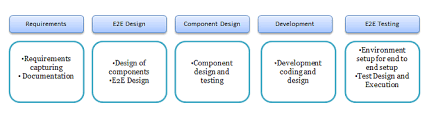
Key Phases of End-to-End Software Development:

  1. Planning and Analysis: This phase involves gathering requirements, defining project scope, and creating a roadmap for development.
  2. Design: During this stage, the architecture, user interface, and overall design of the software are conceptualized and documented.
  3. Development: The actual coding and implementation of the software take place in this phase, where developers bring the design to life.
  4. Testing: Quality assurance is essential in end-to-end development to identify and fix bugs or issues before deployment.
  5. Deployment and Maintenance: Once testing is complete, the software is deployed to production environments, followed by ongoing maintenance and support.

The Benefits of End-to-End Software Development:

  • Streamlined Process: By following a structured end-to-end approach, teams can ensure smoother collaboration and communication throughout the project lifecycle.
  • Better Quality Control: Comprehensive testing at every stage helps identify and rectify issues early on, leading to a more robust final product.
  • Faster Time to Market: Efficient planning and execution result in quicker delivery times, allowing businesses to stay competitive in rapidly evolving markets.
  • Cohesive User Experience: A holistic approach ensures that all components of the software work seamlessly together, providing users with a consistent experience.
  • Improved Customer Satisfaction: Delivering a well-designed and fully functional product enhances customer satisfaction and loyalty.

In conclusion, end-to-end software development is essential for creating successful applications that meet user needs while adhering to quality standards. By embracing this comprehensive approach, organizations can drive innovation, increase efficiency, and achieve their business objectives effectively.


Understanding End-to-End Software Development: 9 Key Questions Answered

  1. What is end-to-end software development?
  2. Why is end-to-end software development important?
  3. What are the key phases of end-to-end software development?
  4. How does planning and analysis contribute to end-to-end software development?
  5. What role does design play in the process of end-to-end software development?
  6. Why is testing crucial in end-to-end software development?
  7. How is deployment and maintenance managed in the context of end-to-end software development?
  8. What are the benefits of following an end-to-end approach in software development?
  9. How can organizations ensure successful implementation of end-to-end software development?

What is end-to-end software development?

End-to-end software development refers to the comprehensive process of creating a software product from its initial concept to its final deployment and ongoing maintenance. This approach encompasses all stages of development, including planning, design, coding, testing, deployment, and support. By following an end-to-end software development methodology, teams ensure that every aspect of the software is carefully crafted and integrated to deliver a high-quality product that meets user requirements effectively. This holistic approach aims to streamline the development process, enhance quality control, and ultimately deliver successful software solutions that drive business value and user satisfaction.

Why is end-to-end software development important?

Understanding the importance of end-to-end software development is crucial for achieving successful outcomes in software projects. End-to-end development ensures a comprehensive approach from initial planning and design to deployment and maintenance. By encompassing all stages of the development lifecycle, teams can streamline processes, maintain quality control, accelerate time to market, enhance user experience, and ultimately boost customer satisfaction. Embracing end-to-end software development is key to delivering robust, reliable, and user-friendly applications that meet the evolving needs of businesses and users alike.

What are the key phases of end-to-end software development?

One of the frequently asked questions regarding end-to-end software development is, “What are the key phases of end-to-end software development?” The key phases of end-to-end software development typically include planning and analysis, design, development, testing, and deployment/maintenance. Each phase plays a crucial role in the overall success of a software project, starting from gathering requirements and defining project scope to coding, testing for quality assurance, and finally deploying the software to production environments with ongoing maintenance. Following these structured phases ensures a systematic approach to creating high-quality software products that meet user needs effectively.

How does planning and analysis contribute to end-to-end software development?

Planning and analysis play a crucial role in contributing to end-to-end software development by setting the foundation for a successful project. During the planning and analysis phase, requirements are gathered, project scope is defined, and a roadmap for development is established. This initial stage allows stakeholders to align on project goals, identify potential challenges, and create a clear vision for the software product. Effective planning and analysis help in laying out the groundwork for design, development, testing, deployment, and maintenance phases, ensuring that the software meets user needs, quality standards, and business objectives throughout the entire development lifecycle.

What role does design play in the process of end-to-end software development?

In the process of end-to-end software development, design plays a pivotal role in shaping the user experience and functionality of the final product. Design encompasses not only the visual aesthetics but also the overall architecture, usability, and interaction flow of the software. A well-thought-out design phase ensures that user needs are met, and the software is intuitive and easy to navigate. By considering design early in the development process, teams can align on a cohesive vision for the product and avoid costly rework later on. Ultimately, design acts as a guiding force that influences every aspect of software development, contributing to a successful end-to-end delivery that resonates with users and meets business objectives.

Why is testing crucial in end-to-end software development?

Testing plays a crucial role in end-to-end software development as it helps ensure the quality, reliability, and functionality of the final product. By conducting thorough testing at each stage of the development process, developers can identify and address issues early on, preventing costly errors from reaching production environments. Testing also helps validate that all components of the software work together seamlessly, providing a smooth user experience. Ultimately, robust testing practices in end-to-end software development contribute to delivering a high-quality product that meets user expectations and business requirements.

How is deployment and maintenance managed in the context of end-to-end software development?

In the context of end-to-end software development, deployment and maintenance are crucial stages that require careful planning and management. Deployment involves the process of releasing the software to production environments, ensuring that it functions correctly and efficiently for end-users. This phase typically involves coordination between development teams, system administrators, and stakeholders to minimize downtime and ensure a smooth transition. On the other hand, maintenance involves ongoing support, updates, and bug fixes to keep the software running smoothly post-deployment. Effective deployment and maintenance strategies in end-to-end development require continuous monitoring, feedback loops, automation tools, and collaboration among cross-functional teams to address issues promptly and optimize performance for long-term success.

What are the benefits of following an end-to-end approach in software development?

Following an end-to-end approach in software development offers a multitude of benefits. By encompassing all stages of the development process from planning and analysis to deployment and maintenance, teams can ensure a streamlined and cohesive workflow. This comprehensive method allows for better quality control through thorough testing, leading to the identification and resolution of issues early on. Additionally, an end-to-end approach results in faster time to market, enabling businesses to stay competitive and meet evolving market demands promptly. A holistic focus on user experience ensures that all components of the software work seamlessly together, ultimately enhancing customer satisfaction and loyalty. Overall, embracing an end-to-end approach in software development promotes efficiency, innovation, and successful project outcomes.

How can organizations ensure successful implementation of end-to-end software development?

To ensure successful implementation of end-to-end software development, organizations should focus on several key aspects. Firstly, clear communication and collaboration among all stakeholders are essential to align goals and expectations throughout the project lifecycle. Additionally, thorough planning and requirement gathering at the initial stages help in defining the scope and objectives of the software development process. Adequate resource allocation, including skilled team members and necessary tools, is crucial for efficient execution. Regular testing and quality assurance practices should be integrated into each phase to identify and address any issues promptly. Lastly, continuous monitoring, feedback collection, and adaptation to changing requirements play a vital role in achieving a successful end result in software development projects.

real estate software development

Revolutionizing Real Estate: The Power of Software Development in the Industry

Real Estate Software Development

The Impact of Real Estate Software Development in the Industry

Real estate software development has revolutionized the way professionals in the industry manage their operations. From property management to customer relationship management, software solutions have streamlined processes and enhanced efficiency.

Benefits of Real Estate Software Development

**Improved Efficiency**: Real estate software automates repetitive tasks such as listing management, document processing, and client communication, allowing agents to focus on more strategic activities.

**Enhanced Customer Experience**: With CRM software, real estate professionals can track interactions with clients, personalize communications, and provide better service throughout the buying or selling process.

**Data Analysis**: Real estate software provides valuable insights through data analytics, helping agents make informed decisions based on market trends, pricing strategies, and customer preferences.

Key Features of Real Estate Software

**Property Listing Management**: Software solutions enable agents to create detailed property listings with images, descriptions, and pricing information for easy access by potential buyers.

**Transaction Management**: From offer submission to closing deals, real estate software helps streamline transaction processes by organizing documents, deadlines, and communication between parties.

**Marketing Tools**: Real estate software often includes marketing features such as email campaigns, social media integration, and lead generation tools to attract potential buyers or sellers.

The Future of Real Estate Software Development

As technology continues to evolve, real estate software development will play an even more significant role in shaping the industry. Integration of artificial intelligence for predictive analytics, virtual reality for property tours, and blockchain for secure transactions are just a few examples of innovations that will drive the future of real estate technology.


6 Essential Tips for Developing Effective Real Estate Software

  1. Understand the needs of real estate professionals before designing the software.
  2. Ensure the software is user-friendly and easy to navigate for agents and clients.
  3. Implement features for property listings, virtual tours, and online booking.
  4. Include a secure payment gateway for transactions within the software.
  5. Integrate analytics tools to track performance and user engagement.
  6. Regularly update the software to incorporate new technologies and stay competitive.

Understand the needs of real estate professionals before designing the software.

Understanding the needs of real estate professionals is crucial before embarking on the design of real estate software. By conducting thorough research and engaging with industry experts, developers can tailor software solutions to address specific challenges faced by real estate agents, brokers, and property managers. This approach ensures that the software not only meets but exceeds the expectations of users, resulting in a more efficient and effective tool for managing properties, transactions, and client relationships in the real estate industry.

Ensure the software is user-friendly and easy to navigate for agents and clients.

When developing real estate software, it is crucial to prioritize user-friendliness and ease of navigation for both agents and clients. Intuitive design and seamless functionality enhance the overall user experience, making it easier for agents to manage properties efficiently and for clients to search for their dream homes effortlessly. By ensuring that the software is user-friendly, real estate professionals can maximize productivity and provide a positive experience for their clients, ultimately leading to improved satisfaction and success in the industry.

Implement features for property listings, virtual tours, and online booking.

In real estate software development, it is crucial to implement features that enhance the user experience and streamline processes. By incorporating functionalities for property listings, virtual tours, and online booking, agents can provide potential buyers with comprehensive information about properties, offer immersive virtual experiences for remote viewing, and facilitate convenient booking arrangements. These features not only attract more interest from clients but also improve efficiency in managing property transactions, ultimately leading to a more seamless and satisfying real estate experience for all parties involved.

Include a secure payment gateway for transactions within the software.

Integrating a secure payment gateway within real estate software development is crucial for ensuring safe and efficient transactions. By incorporating a reliable payment processing system, users can confidently make payments for property purchases or rentals directly through the software platform. This feature not only enhances convenience for clients but also instills trust in the system, protecting sensitive financial information and reducing the risk of fraud. A secure payment gateway adds a layer of security and professionalism to the real estate software, making it a valuable asset for both agents and customers alike.

Integrate analytics tools to track performance and user engagement.

Integrating analytics tools into real estate software development is crucial for monitoring performance and user engagement. By leveraging analytics, professionals in the industry can gain valuable insights into how users interact with their platforms, track key metrics such as website traffic and conversion rates, and make data-driven decisions to optimize their services. This proactive approach not only improves the overall user experience but also helps real estate businesses stay competitive in a rapidly evolving market.

Regularly update the software to incorporate new technologies and stay competitive.

To stay competitive in the real estate industry, it is crucial to regularly update your software to incorporate new technologies. By embracing the latest advancements in software development, real estate professionals can enhance their efficiency, improve customer experience, and adapt to changing market demands. Updating the software ensures that you are equipped with cutting-edge tools and features that give you a competitive edge in a dynamic and fast-paced industry.

software development center

Unlocking Innovation: The Power of a Software Development Center

Article: Software Development Center

The Importance of a Software Development Center

A software development center plays a crucial role in the creation, maintenance, and enhancement of software applications. It serves as a hub where talented developers, designers, testers, and project managers collaborate to deliver high-quality software solutions.

Key Functions of a Software Development Center

Software Development: The primary function of a software development center is to design and develop custom software applications tailored to meet specific business requirements.

Quality Assurance: Quality assurance teams within the center ensure that the software meets industry standards and functions flawlessly before deployment.

Project Management: Project managers oversee the development process, ensuring timely delivery and effective communication among team members.

Benefits of Establishing a Software Development Center

Efficiency: Having all development resources in one centralized location promotes efficient collaboration and streamlined processes.

Innovation: A dedicated software development center fosters innovation through brainstorming sessions, knowledge sharing, and continuous learning.

Cost-Effectiveness: By leveraging in-house talent and resources, organizations can reduce outsourcing costs and maintain control over project timelines.

The Future of Software Development Centers

In an increasingly digital world, the demand for custom software solutions continues to rise. Establishing a software development center enables organizations to stay competitive by delivering cutting-edge applications that meet evolving user needs.

In conclusion, a well-equipped software development center is essential for organizations looking to drive innovation, enhance operational efficiency, and deliver superior software products to their customers.


Understanding Software Development Centers: Key Functions, Benefits, and Best Practices

  1. What is a software development center?
  2. What are the key functions of a software development center?
  3. How does a software development center contribute to the software development process?
  4. What are the benefits of establishing a software development center?
  5. How can a software development center improve efficiency in project delivery?
  6. What roles and responsibilities are typically found in a software development center?
  7. How can organizations ensure effective collaboration within their software development center?
  8. What technologies and tools are commonly used in a software development center?

What is a software development center?

A software development center is a specialized facility where teams of skilled professionals collaborate to design, develop, test, and deploy software applications. It serves as a centralized hub for all stages of the software development lifecycle, from conceptualization to implementation. In a software development center, experts in various domains such as programming, design, quality assurance, and project management work together to create tailored solutions that meet specific business needs. This dedicated environment fosters innovation, efficiency, and collaboration among team members to deliver high-quality software products effectively.

What are the key functions of a software development center?

A software development center serves as a vital hub for various functions essential in the software development process. The key functions of a software development center include software development, where talented teams design and create custom software solutions to meet specific business needs. Quality assurance is another critical function, ensuring that the developed software meets high standards and functions seamlessly. Project management within the center coordinates tasks, schedules, and resources to ensure timely delivery of projects and effective communication among team members. These functions collectively contribute to the successful creation, maintenance, and enhancement of software applications within a dedicated software development center.

How does a software development center contribute to the software development process?

A software development center plays a pivotal role in the software development process by providing a dedicated environment where skilled professionals collaborate to create, enhance, and maintain software applications. It serves as a hub for innovation, fostering teamwork and knowledge sharing among developers, designers, testers, and project managers. By centralizing resources and expertise, a software development center ensures efficient communication, streamlined processes, and effective project management. This collaborative setting enables the team to deliver high-quality software solutions that meet specific business requirements while promoting creativity and continuous learning within the organization.

What are the benefits of establishing a software development center?

Establishing a software development center offers numerous benefits to organizations. One key advantage is the ability to centralize development resources, fostering efficient collaboration and streamlined processes. Additionally, having a dedicated center promotes innovation through knowledge sharing and continuous learning among team members. Cost-effectiveness is another significant benefit, as organizations can leverage in-house talent and resources to reduce outsourcing costs and maintain control over project timelines. Overall, a software development center enables businesses to drive innovation, enhance operational efficiency, and deliver high-quality software solutions that meet the evolving needs of their customers.

How can a software development center improve efficiency in project delivery?

A software development center can significantly enhance efficiency in project delivery through various means. By centralizing all development resources and expertise in one location, communication and collaboration among team members are streamlined, leading to quicker decision-making and problem-solving. Additionally, the presence of dedicated project managers ensures that timelines are adhered to, resources are allocated effectively, and potential roadblocks are addressed promptly. Furthermore, the center’s focus on continuous improvement and innovation fosters a culture of efficiency, where best practices are shared, and lessons learned from previous projects are applied to optimize future deliveries. Overall, a well-established software development center can create a conducive environment for efficient project execution and timely delivery of high-quality software solutions.

What roles and responsibilities are typically found in a software development center?

In a software development center, various roles and responsibilities are essential for the successful creation and delivery of software solutions. Common roles include software developers who write code and build applications, quality assurance testers who ensure the software meets high standards, project managers who oversee timelines and resources, designers who create user-friendly interfaces, and system administrators who maintain the infrastructure. Additionally, business analysts gather requirements from stakeholders, while technical support teams provide assistance to users post-deployment. Each role plays a crucial part in the software development lifecycle within a center, contributing to the overall success of projects and meeting client expectations.

How can organizations ensure effective collaboration within their software development center?

Effective collaboration within a software development center is crucial for the success of any organization’s projects. To ensure seamless collaboration, organizations can implement several strategies. Firstly, establishing clear communication channels and project management tools can help team members stay connected and informed about project progress. Encouraging a culture of transparency and open dialogue fosters trust among team members and promotes idea sharing. Additionally, organizing regular team meetings, brainstorming sessions, and code reviews can enhance collaboration by allowing team members to provide feedback, share insights, and address any challenges collectively. By promoting a collaborative environment built on communication, transparency, and teamwork, organizations can maximize the potential of their software development center and achieve successful project outcomes.

What technologies and tools are commonly used in a software development center?

In a software development center, a variety of technologies and tools are commonly utilized to facilitate the development process and ensure the delivery of high-quality software solutions. Some of the most frequently used technologies include programming languages such as Java, Python, C#, and JavaScript, as well as frameworks like React, Angular, and Node.js. Version control systems like Git are essential for managing code changes efficiently, while integrated development environments (IDEs) such as Visual Studio Code and IntelliJ IDEA provide developers with powerful tools for coding and debugging. Additionally, project management tools like Jira and Trello help teams organize tasks and track progress effectively. By leveraging these technologies and tools, software development centers can streamline their workflows, collaborate more efficiently, and deliver innovative solutions to meet client needs.

software development workflow

Navigating the Software Development Workflow: A Comprehensive Guide

Understanding the Software Development Workflow

The Software Development Workflow: A Comprehensive Guide

Software development is a complex and intricate process that requires careful planning, collaboration, and execution. Understanding the software development workflow is essential for ensuring the successful delivery of high-quality software products. Let’s delve into the key stages of the software development workflow:

Planning

The planning stage sets the foundation for the entire software development process. During this phase, project stakeholders define project goals, establish requirements, create a project timeline, and allocate resources.

Analysis

In the analysis stage, software developers work closely with stakeholders to gather detailed requirements for the software project. This stage involves identifying user needs, defining system functionalities, and creating use cases.

Design

The design stage focuses on creating a blueprint for the software solution based on the requirements gathered during the analysis phase. Software architects design system architecture, user interface layouts, and database structures.

Implementation

During the implementation stage, developers write code according to the design specifications. This phase involves coding, testing individual components, integrating modules, and ensuring that the software functions as intended.

Testing

Testing is a critical phase in the software development workflow where developers evaluate the functionality and performance of the software solution. Testing includes unit testing, integration testing, system testing, and user acceptance testing.

Deployment

The deployment stage involves releasing the software product to end-users or clients. Developers ensure that all necessary documentation is provided, conduct final tests, and deploy the application in a production environment.

Maintenance

Maintenance is an ongoing phase where developers address bugs, implement updates or enhancements based on user feedback or changing requirements. Regular maintenance ensures that the software remains reliable and up-to-date.

In conclusion, understanding and following a well-defined software development workflow is crucial for delivering successful software projects on time and within budget. By following these key stages – planning, analysis,

design,

implementation,

testing,

deployment,

maintenance – teams can streamline their development processes and produce high-quality software solutions that meet client expectations.


5 Key Benefits of an Effective Software Development Workflow

  1. Enhances collaboration among team members by providing a structured framework for project management.
  2. Improves efficiency and productivity through systematic planning and execution of development tasks.
  3. Facilitates better communication between stakeholders, developers, and clients throughout the software development lifecycle.
  4. Ensures better quality control by incorporating testing and review processes at each stage of development.
  5. Promotes scalability and adaptability by allowing for iterative improvements based on feedback and changing requirements.


Top 6 Challenges in Software Development Workflow Management

  1. Complexity of managing multiple tasks and dependencies
  2. Potential for delays due to unforeseen issues or changes in requirements
  3. Difficulty in accurately estimating project timelines and resources
  4. Risk of miscommunication among team members leading to errors or rework
  5. Challenges in maintaining consistency and quality across different stages of development
  6. Struggles with integrating third-party tools or systems into the workflow

Enhances collaboration among team members by providing a structured framework for project management.

The software development workflow offers a significant advantage by enhancing collaboration among team members through a structured framework for project management. By following a defined workflow, team members can effectively communicate, coordinate tasks, and track progress, leading to improved teamwork and productivity. This structured approach fosters transparency, accountability, and alignment of goals within the team, ultimately resulting in more efficient project execution and successful outcomes.

Improves efficiency and productivity through systematic planning and execution of development tasks.

The software development workflow offers a significant advantage by enhancing efficiency and productivity through systematic planning and execution of development tasks. By following a structured process that outlines clear objectives, requirements, and timelines, development teams can streamline their efforts and minimize potential roadblocks. This methodical approach ensures that resources are utilized effectively, tasks are completed in a timely manner, and overall productivity is optimized throughout the software development lifecycle.

Facilitates better communication between stakeholders, developers, and clients throughout the software development lifecycle.

Effective software development workflow facilitates better communication between stakeholders, developers, and clients throughout the software development lifecycle. By establishing clear channels for sharing information, feedback, and updates at each stage of the process, all parties can stay informed, aligned on project goals, and engaged in decision-making. This open communication fosters collaboration, promotes transparency, and ultimately leads to the successful delivery of software solutions that meet the needs and expectations of all involved parties.

Ensures better quality control by incorporating testing and review processes at each stage of development.

By incorporating testing and review processes at each stage of development, the software development workflow ensures better quality control. This proactive approach allows for early detection and resolution of issues, resulting in higher-quality software products. Testing and reviews help identify bugs, inconsistencies, and potential improvements throughout the development cycle, ultimately leading to more robust and reliable software solutions that meet user requirements effectively.

Promotes scalability and adaptability by allowing for iterative improvements based on feedback and changing requirements.

One of the key benefits of the software development workflow is its ability to promote scalability and adaptability. By incorporating iterative improvements based on feedback and evolving requirements, the workflow allows for continuous enhancements to the software solution. This iterative approach enables developers to respond effectively to changing needs and market demands, ensuring that the software remains flexible and can easily scale to meet future challenges.

Complexity of managing multiple tasks and dependencies

In software development workflow, one significant challenge is the complexity of managing multiple tasks and dependencies. As projects involve various team members working on different components simultaneously, coordinating tasks and ensuring that dependencies are met can be a daunting task. Delays in one area can have ripple effects on other parts of the project, leading to potential bottlenecks and inefficiencies. Effective communication, meticulous planning, and robust project management tools are essential to navigate through this con and ensure a smooth workflow.

Potential for delays due to unforeseen issues or changes in requirements

One significant con of the software development workflow is the potential for delays caused by unforeseen issues or changes in requirements. Despite meticulous planning and thorough analysis, unexpected challenges can arise during the development process, leading to timeline disruptions. Additionally, as project requirements evolve or stakeholders introduce new demands, developers may need to adjust their approach, resulting in delays as they accommodate these changes. Managing these unforeseen issues and adapting to evolving requirements requires flexibility and effective communication to minimize the impact on project timelines and deliverables.

Difficulty in accurately estimating project timelines and resources

One significant challenge in the software development workflow is the difficulty in accurately estimating project timelines and resources. Due to the dynamic nature of software development, unforeseen complexities, changing requirements, and unexpected issues can arise during the project lifecycle, making it challenging to predict the exact time and resources needed for completion. This uncertainty can lead to delays, budget overruns, and potential conflicts with stakeholders. Effective project management strategies and continuous communication are essential to address this con and mitigate its impact on software development projects.

Risk of miscommunication among team members leading to errors or rework

Miscommunication among team members in the software development workflow can pose a significant challenge, potentially resulting in errors or the need for rework. When team members do not effectively communicate project requirements, changes, or updates, misunderstandings can occur, leading to inconsistencies in the development process. This lack of clarity can impact the quality and efficiency of the project, requiring additional time and effort to rectify errors or revise work that does not align with the intended goals. Effective communication strategies and tools are essential to mitigate this risk and ensure smooth collaboration among team members throughout the software development lifecycle.

Challenges in maintaining consistency and quality across different stages of development

Maintaining consistency and quality across different stages of development poses a significant challenge in software development workflows. As projects progress from planning to deployment, ensuring that the initial requirements and design standards are upheld can be difficult. Changes made in one stage may impact subsequent stages, leading to inconsistencies and quality issues. Effective communication, documentation, and regular reviews are essential to address this con and ensure that software products meet the desired standards throughout the development process.

Struggles with integrating third-party tools or systems into the workflow

One common challenge in the software development workflow is the difficulty of integrating third-party tools or systems seamlessly into the development process. Incorporating external tools or systems can lead to compatibility issues, data inconsistencies, and potential disruptions in the workflow. Developers may face obstacles such as learning curve complexities, lack of proper documentation, or limited support for customization. These struggles with integrating third-party tools can hinder productivity, delay project timelines, and require additional resources to resolve, impacting the overall efficiency of the software development workflow.