cfchris.com

Loading

artificial intelligence

Unleashing the Power of Artificial Intelligence: Transforming Industries and Innovating Solutions

The Fascinating World of Artificial Intelligence

The Fascinating World of Artificial Intelligence

Artificial Intelligence (AI) has become one of the most transformative technologies of the 21st century. From healthcare to finance, AI is revolutionizing industries and changing the way we live and work. But what exactly is AI, and how does it impact our daily lives?

What is Artificial Intelligence?

Artificial Intelligence refers to the simulation of human intelligence in machines that are programmed to think and learn like humans. These intelligent systems can perform tasks that typically require human intelligence, such as visual perception, speech recognition, decision-making, and language translation.

Types of AI

AI can be broadly classified into three types:

  • Narrow AI: Also known as Weak AI, this type specializes in one task. Examples include virtual personal assistants like Siri or Alexa.
  • General AI: Also known as Strong AI or AGI (Artificial General Intelligence), this type possesses the ability to perform any intellectual task that a human can do.
  • Superintelligent AI: This hypothetical form surpasses human intelligence in all aspects – from creativity to problem-solving.

Applications of Artificial Intelligence

The applications of AI are vast and varied. Some notable examples include:

Healthcare

AI is being used to develop advanced diagnostic tools and personalized treatment plans. Machine learning algorithms can analyze medical data faster and more accurately than humans, leading to better patient outcomes.

Finance

In the financial sector, AI helps detect fraudulent activities, automate trading processes, and provide personalized financial advice through robo-advisors. It enhances efficiency and security in financial transactions.

Transportation

The development of autonomous vehicles is one of the most exciting applications of AI in transportation. Self-driving cars use complex algorithms to navigate roads safely without human intervention.

The Future of Artificial Intelligence

The future potential of AI is immense. As technology continues to advance rapidly, we can expect even more innovative applications that will further integrate AI into our daily lives.

Ethical Considerations

While the benefits are significant, it’s essential to address ethical concerns surrounding AI. Issues such as data privacy, job displacement due to automation, and ensuring unbiased decision-making need thoughtful consideration and regulation.

A Collaborative Future

The future will likely see increased collaboration between humans and machines. By leveraging the strengths of both human creativity and machine efficiency, we can solve complex global challenges more effectively.

The world of artificial intelligence holds endless possibilities. As we continue exploring its potential responsibly, we pave the way for a smarter, more efficient future.


Top 9 Frequently Asked Questions About Artificial Intelligence

  1. Can you explain artificial intelligence?
  2. How does AI affect our daily lives?
  3. What are the 4 types of AI?
  4. How do I use Google AI?
  5. What is artificial intelligence and its importance?
  6. What are the 5 types of AI?
  7. What does AI intelligence do?
  8. What are the 4 types of artificial intelligence?
  9. What is artificial intelligence with example?

Can you explain artificial intelligence?

Artificial Intelligence (AI) refers to the development of computer systems that can perform tasks typically requiring human intelligence. These tasks include learning from experience, understanding natural language, recognizing patterns, solving problems, and making decisions. AI encompasses a wide range of technologies, from machine learning algorithms that identify trends in data to neural networks that mimic the human brain’s structure. By enabling machines to process information and respond in ways that are increasingly sophisticated, AI is transforming industries such as healthcare, finance, transportation, and customer service. Ultimately, AI aims to enhance efficiency and innovation by augmenting human capabilities with powerful computational tools.

How does AI affect our daily lives?

Artificial Intelligence (AI) significantly impacts our daily lives in numerous ways, often without us even realizing it. From personalized recommendations on streaming platforms and e-commerce websites to voice-activated virtual assistants like Siri and Alexa, AI enhances convenience and efficiency in everyday tasks. It powers navigation apps that provide real-time traffic updates and route suggestions, making commutes smoother. In healthcare, AI-driven tools assist in early diagnosis and personalized treatment plans, improving patient outcomes. Moreover, AI automates routine tasks in various industries, allowing professionals to focus on more complex and creative aspects of their work. Overall, AI seamlessly integrates into our routines, making life more efficient, informed, and connected.

What are the 4 types of AI?

Artificial Intelligence (AI) is commonly categorized into four types based on its capabilities and functionalities. The first type is Reactive Machines, which can perform specific tasks but lack memory and the ability to use past experiences to influence future decisions; an example is IBM’s Deep Blue chess-playing computer. The second type is Limited Memory AI, which can use past experiences to inform current decisions, such as self-driving cars that analyze traffic patterns and obstacles. The third type is Theory of Mind AI, which is still theoretical and aims to understand human emotions, beliefs, and intentions to interact more naturally with people. The fourth and most advanced type is Self-aware AI, a hypothetical form that possesses consciousness and self-awareness, enabling it to understand its existence in the world; this level of AI remains a concept rather than a reality at present.

How do I use Google AI?

Google AI offers a wide range of tools and platforms that can be utilized by developers, businesses, and individuals to integrate artificial intelligence into their projects. To use Google AI, you can start by exploring Google Cloud’s AI and machine learning products, such as TensorFlow for building machine learning models, AutoML for creating custom models without extensive coding knowledge, and the AI Platform for deploying and managing ML models. Additionally, Google provides pre-trained APIs like the Vision API for image recognition, the Natural Language API for text analysis, and the Speech-to-Text API for converting spoken language into written text. By leveraging these resources, you can harness the power of Google’s advanced AI technologies to enhance your applications and workflows.

What is artificial intelligence and its importance?

Artificial intelligence (AI) refers to the development of computer systems that can perform tasks typically requiring human intelligence, such as learning, reasoning, problem-solving, perception, and language understanding. AI is important because it has the potential to revolutionize various industries by automating processes, enhancing decision-making, and improving efficiency. In healthcare, AI can assist in diagnosing diseases and personalizing treatment plans; in finance, it can detect fraud and optimize trading strategies; and in transportation, it powers autonomous vehicles that promise safer and more efficient travel. By augmenting human capabilities and handling complex tasks at scale, AI drives innovation and opens new possibilities for solving some of the world’s most pressing challenges.

What are the 5 types of AI?

Artificial Intelligence (AI) can be categorized into five distinct types based on their capabilities and functionalities. The first type is *Reactive Machines*, which are the most basic form of AI, designed to perform specific tasks without memory or past experience, such as IBM’s Deep Blue chess computer. The second type is *Limited Memory AI*, which can use past experiences to inform future decisions, commonly seen in self-driving cars. The third type is *Theory of Mind AI*, which is still theoretical and aims to understand human emotions and intentions to better interact with people. The fourth type is *Self-Aware AI*, an advanced concept where machines possess consciousness and self-awareness, allowing them to understand their own existence. Finally, there is *Artificial General Intelligence (AGI)*, also known as Strong AI, which has the ability to perform any intellectual task that a human can do, demonstrating flexibility and adaptability across various domains.

What does AI intelligence do?

Artificial Intelligence (AI) intelligence enables machines to perform tasks that typically require human cognitive functions. These tasks include learning from data, recognizing patterns, making decisions, and understanding natural language. By leveraging algorithms and computational power, AI systems can analyze vast amounts of information quickly and accurately, providing insights and solutions across various fields such as healthcare, finance, transportation, and customer service. Ultimately, AI intelligence aims to enhance efficiency, improve decision-making processes, and create innovative solutions that benefit society.

What are the 4 types of artificial intelligence?

Artificial Intelligence (AI) can be categorized into four distinct types based on their capabilities and functionalities. The first type is Reactive Machines, which are the most basic form of AI, designed to perform specific tasks without memory or past experiences influencing their actions; examples include chess-playing computers. The second type is Limited Memory, which can use past experiences to inform current decisions, such as self-driving cars that observe other vehicles’ speeds and directions. The third type is Theory of Mind, an advanced form of AI still in development, which aims to understand human emotions and social interactions to better predict behavior. Finally, the most sophisticated type is Self-Aware AI, a theoretical concept where machines possess consciousness and self-awareness, enabling them to understand their own existence and potentially surpass human intelligence.

What is artificial intelligence with example?

Artificial Intelligence (AI) refers to the simulation of human intelligence in machines that are designed to think and learn like humans. These intelligent systems can perform tasks that typically require human cognition, such as understanding natural language, recognizing patterns, and making decisions. For example, AI is used in virtual personal assistants like Apple’s Siri or Amazon’s Alexa. These assistants use natural language processing to understand voice commands and provide relevant responses or actions, such as setting reminders, playing music, or answering questions about the weather.

technology optimization

Maximizing Business Success Through Technology Optimization

Article: Technology Optimization

The Importance of Technology Optimization in Today’s Business Landscape

Technology plays a crucial role in the success of modern businesses. From streamlining operations to enhancing customer experiences, the right technology solutions can make a significant impact on an organization’s bottom line. However, simply adopting the latest technologies is not enough. To truly harness the power of technology, businesses must focus on optimization.

What is Technology Optimization?

Technology optimization involves fine-tuning and maximizing the efficiency and effectiveness of IT systems and infrastructure within an organization. It goes beyond just implementing new technologies; it’s about ensuring that these technologies are utilized to their full potential to drive business growth and innovation.

The Benefits of Technology Optimization

Optimizing technology offers numerous benefits to businesses, including:

  • Improved Performance: By optimizing IT systems, businesses can enhance performance levels, reduce downtime, and increase productivity.
  • Cost Savings: Efficiently managed technology resources lead to cost savings through reduced operational expenses and better resource utilization.
  • Enhanced Security: Optimized technology systems are more secure, helping to protect sensitive data and mitigate cybersecurity risks.
  • Better Decision-Making: Access to accurate data and analytics from optimized systems enables informed decision-making at all levels of the organization.
  • Competitive Advantage: Businesses that optimize their technology gain a competitive edge by being agile, innovative, and responsive to market changes.

Strategies for Technology Optimization

To successfully optimize technology within an organization, consider implementing the following strategies:

  1. Regular Assessments: Conduct regular assessments of existing technology infrastructure to identify areas for improvement.
  2. Training and Development: Invest in training programs to ensure that employees have the necessary skills to leverage technology effectively.
  3. Data Management: Implement robust data management practices to ensure data accuracy, accessibility, and security.
  4. Automation: Embrace automation tools to streamline repetitive tasks and improve operational efficiency.
  5. Collaboration: Foster collaboration between IT teams and other departments to align technology initiatives with business goals.

In Conclusion

In today’s rapidly evolving business landscape, technology optimization is not just a choice but a necessity. By focusing on maximizing the potential of IT systems and infrastructure through strategic planning, continuous improvement, and innovation, businesses can stay ahead of the curve and achieve long-term success in an increasingly digital world.


7 Key Benefits of Technology Optimization for Modern Businesses

  1. Improved performance and efficiency of IT systems
  2. Cost savings through better resource utilization
  3. Enhanced cybersecurity measures and data protection
  4. Access to accurate data for informed decision-making
  5. Competitive advantage by being agile and innovative
  6. Increased productivity and reduced downtime
  7. Better alignment of technology initiatives with business goals


Challenges of Technology Optimization: Initial Costs, Disruption, and Resistance to Change

  1. Initial Costs
  2. Disruption
  3. Resistance to Change

Improved performance and efficiency of IT systems

Improved performance and efficiency of IT systems is a key benefit of technology optimization. By fine-tuning and maximizing the capabilities of IT infrastructure, businesses can experience enhanced operational productivity, reduced downtime, and smoother workflow processes. This optimization allows organizations to leverage their technology resources more effectively, leading to increased overall performance levels and better utilization of IT investments. In a competitive business environment where speed and reliability are paramount, optimizing IT systems plays a crucial role in driving success and achieving strategic objectives.

Cost savings through better resource utilization

Cost savings through better resource utilization is a significant advantage of technology optimization for businesses. By efficiently managing technology resources and ensuring their optimal usage, organizations can reduce operational expenses and maximize the value derived from their investments. Through strategic planning and implementation of technologies that streamline processes and enhance productivity, businesses can achieve cost savings while maintaining or even improving the quality of their products or services. This proactive approach not only contributes to financial savings but also positions the company for long-term sustainability and growth in a competitive market environment.

Enhanced cybersecurity measures and data protection

Enhanced cybersecurity measures and data protection are key benefits of technology optimization. By fine-tuning IT systems and infrastructure, businesses can strengthen their defense mechanisms against cyber threats, safeguard sensitive information, and mitigate the risk of data breaches. Implementing robust security protocols, regular system updates, encryption techniques, and access controls are essential components of technology optimization that contribute to a more secure digital environment. Prioritizing cybersecurity through optimization not only protects valuable data assets but also fosters trust with customers and partners, ultimately ensuring business continuity and reputation management in an increasingly interconnected world.

Access to accurate data for informed decision-making

Access to accurate data for informed decision-making is a key benefit of technology optimization. By ensuring that IT systems are fine-tuned to collect, process, and analyze data effectively, organizations can make decisions based on real-time insights and trends. This allows businesses to respond swiftly to market changes, identify opportunities for growth, and mitigate risks proactively. With accurate data at their fingertips, decision-makers can have the confidence to steer their organizations in the right direction, driving success and staying ahead of the competition.

Competitive advantage by being agile and innovative

Technology optimization provides businesses with a significant competitive advantage by enabling them to be agile and innovative in today’s fast-paced market environment. By fine-tuning their IT systems and infrastructure, organizations can adapt quickly to changing market conditions, customer demands, and industry trends. This agility allows businesses to seize new opportunities, respond promptly to challenges, and stay ahead of competitors. Furthermore, optimized technology empowers companies to drive innovation, develop cutting-edge solutions, and deliver enhanced products and services that meet the evolving needs of their customers. Ultimately, by leveraging technology optimization to foster agility and innovation, businesses can position themselves as industry leaders and achieve sustainable growth in the digital age.

Increased productivity and reduced downtime

One significant benefit of technology optimization is the increase in productivity and reduction in downtime within an organization. By fine-tuning IT systems and infrastructure, businesses can streamline processes, automate repetitive tasks, and improve overall efficiency. This leads to employees being able to work more effectively and make better use of their time, ultimately boosting productivity levels. Additionally, optimized technology systems are less prone to failures and downtime, ensuring that operations run smoothly without interruptions, allowing employees to focus on their tasks without disruptions.

Better alignment of technology initiatives with business goals

One significant benefit of technology optimization is the improved alignment of technology initiatives with business goals. By fine-tuning IT systems and infrastructure to better support and complement the overarching objectives of the organization, businesses can ensure that their technological investments directly contribute to driving growth, efficiency, and innovation. This alignment fosters a more strategic approach to technology implementation, enabling companies to maximize the impact of their IT resources on achieving key business objectives and staying competitive in today’s dynamic market landscape.

Initial Costs

One significant con of technology optimization is the initial costs associated with implementing strategies to enhance IT systems. Businesses may face a substantial upfront investment in acquiring new hardware, software, or training programs to optimize their technology infrastructure. This financial burden can pose a challenge for organizations, especially smaller ones with limited budgets, as they weigh the potential long-term benefits of technology optimization against the immediate costs involved. Balancing the need for modernization with budget constraints is a crucial consideration when embarking on technology optimization initiatives.

Disruption

During the implementation of technology optimization initiatives, organizations may encounter disruptions in their regular operations and workflows. The transition to new systems or processes can lead to temporary challenges such as downtime, learning curves for employees, and potential errors during the adjustment period. These disruptions can impact productivity and efficiency in the short term, requiring careful planning and communication to minimize any negative effects on business continuity.

Resistance to Change

Resistance to change is a significant con of technology optimization that organizations often face. Employees may be hesitant to adopt new technologies or modify established processes, fearing disruptions or uncertainties in their roles. This resistance can impede the smooth implementation of technology optimization initiatives and hinder the overall success of such efforts. Overcoming this challenge requires effective communication, training, and change management strategies to help employees understand the benefits of embracing change and to facilitate a smooth transition towards optimized technology solutions.

it infrastructure

Optimizing Your Business with a Robust IT Infrastructure Strategy

The Importance of IT Infrastructure in Today’s Business Environment

The Importance of IT Infrastructure in Today’s Business Environment

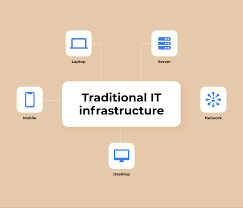
In the digital age, a robust and efficient IT infrastructure is essential for the success of any business. IT infrastructure encompasses all the components necessary to operate and manage information technology within an organization.

From hardware such as servers, computers, and networking equipment to software applications and databases, a well-designed IT infrastructure provides the foundation for seamless communication, data management, and operational efficiency.

Key Components of IT Infrastructure

Key components of IT infrastructure include:

  • Hardware: Servers, workstations, routers, switches, and other physical devices that support IT operations.
  • Software: Operating systems, applications, databases, and other software tools that enable business processes.
  • Networking: Infrastructure such as routers, switches, firewalls, and network cables that facilitate communication between devices.
  • Data Storage: Systems for storing and managing data securely and efficiently.
  • Security Measures: Tools and protocols to protect data from unauthorized access or cyber threats.

The Benefits of a Strong IT Infrastructure

A well-designed IT infrastructure offers numerous benefits to businesses:

  • Improved Efficiency: Streamlined processes and automated tasks lead to increased productivity.
  • Enhanced Communication: Seamless communication channels enable collaboration among employees and departments.
  • Data Security: Robust security measures protect sensitive information from cyber threats.
  • Better Decision-Making: Access to real-time data allows for informed decision-making at all levels of the organization.

The Future of IT Infrastructure

As technology continues to evolve rapidly, businesses must adapt their IT infrastructure to meet changing demands. Cloud computing, artificial intelligence (AI), Internet of Things (IoT), and other emerging technologies are reshaping the way organizations operate.

In conclusion, investing in a reliable and scalable IT infrastructure is crucial for businesses looking to stay competitive in today’s fast-paced digital landscape. By leveraging the power of technology effectively, organizations can drive innovation, improve operational efficiency, and achieve sustainable growth in the long run.


6 Essential Tips for Maintaining a Secure and Efficient IT Infrastructure

  1. Regularly update software and firmware to ensure security patches are in place.
  2. Implement strong password policies and consider multi-factor authentication for added security.
  3. Backup data regularly and store it securely offsite to protect against data loss.
  4. Monitor network traffic for any unusual activity that may indicate a security breach.
  5. Document your IT infrastructure setup and procedures to facilitate troubleshooting and maintenance.
  6. Consider implementing virtualization technology to optimize resource utilization and scalability.

Regularly update software and firmware to ensure security patches are in place.

Regularly updating software and firmware is a critical aspect of maintaining a secure IT infrastructure. By staying current with updates, organizations can ensure that security patches are promptly applied to address vulnerabilities and protect against potential cyber threats. These updates not only enhance the overall security posture of the system but also help in safeguarding sensitive data and maintaining the integrity of operations. Prioritizing software and firmware updates demonstrates a proactive approach to cybersecurity and minimizes the risk of exploitation by malicious actors.

Implement strong password policies and consider multi-factor authentication for added security.

Implementing strong password policies and considering multi-factor authentication are crucial steps in enhancing IT infrastructure security. By enforcing complex password requirements, such as length, complexity, and regular changes, organizations can significantly reduce the risk of unauthorized access to sensitive data. Additionally, implementing multi-factor authentication adds an extra layer of security by requiring users to provide multiple forms of verification before accessing systems or applications. These measures help safeguard against potential cyber threats and ensure that critical business information remains protected.

Backup data regularly and store it securely offsite to protect against data loss.

Regularly backing up data and securely storing it offsite is a crucial tip for maintaining a robust IT infrastructure. In the event of data loss due to hardware failure, cyber attacks, or natural disasters, having secure offsite backups ensures that critical information can be recovered swiftly and effectively. By implementing a reliable backup strategy, businesses can safeguard their valuable data assets and minimize the risk of disruptions that could impact operations and productivity.

Monitor network traffic for any unusual activity that may indicate a security breach.

Monitoring network traffic for any unusual activity is a critical aspect of maintaining a secure IT infrastructure. By keeping a close eye on data flow and communication patterns within the network, IT professionals can quickly identify potential security breaches or unauthorized access attempts. Unusual spikes in traffic, unfamiliar IP addresses, or suspicious data transfers could be early signs of a cyber threat. Proactive monitoring allows organizations to respond promptly to any security incidents, minimizing the risk of data breaches and protecting sensitive information from malicious actors.

Document your IT infrastructure setup and procedures to facilitate troubleshooting and maintenance.

Documenting your IT infrastructure setup and procedures is a critical step in ensuring smooth troubleshooting and maintenance processes. By maintaining detailed documentation, including network configurations, hardware specifications, software installations, and operational procedures, IT teams can quickly identify issues, implement solutions efficiently, and minimize downtime. Clear documentation also helps new team members familiarize themselves with the infrastructure and promotes consistency in system management practices. Overall, thorough documentation plays a vital role in enhancing the reliability and effectiveness of IT operations within an organization.

Consider implementing virtualization technology to optimize resource utilization and scalability.

Consider implementing virtualization technology to optimize resource utilization and scalability in your IT infrastructure. Virtualization allows you to create virtual instances of servers, storage, and networks, enabling more efficient use of hardware resources and easier scalability as your business grows. By consolidating multiple virtual machines on a single physical server, you can reduce costs, improve flexibility, and enhance overall performance. Virtualization technology is a powerful tool that can help streamline operations and adapt quickly to changing business needs in a dynamic digital environment.

ai

Unlocking the Potential of AI: A Journey into Intelligent Technologies

The Rise of Artificial Intelligence

The Rise of Artificial Intelligence

Artificial Intelligence (AI) has rapidly evolved from a futuristic concept to an integral part of our daily lives. From virtual assistants like Siri and Alexa to advanced data analytics and autonomous vehicles, AI is transforming the way we live and work.

What is Artificial Intelligence?

Artificial Intelligence refers to the simulation of human intelligence in machines that are programmed to think and learn like humans. These intelligent systems can perform tasks that typically require human intelligence, such as visual perception, speech recognition, decision-making, and language translation.

Types of AI

AI can be broadly categorized into three types:

  • Narrow AI: Also known as Weak AI, it is designed to perform a narrow task (e.g., facial recognition or internet searches).
  • General AI: Also known as Strong AI, it possesses the ability to understand, learn, and apply knowledge across a broad range of tasks—much like a human being.
  • Superintelligent AI: This hypothetical form of AI surpasses human intelligence in all aspects. While still theoretical, it raises significant ethical and existential questions.

Applications of AI

The applications of AI are vast and varied. Some notable examples include:

Healthcare

AI is revolutionizing healthcare by providing tools for early diagnosis, personalized treatment plans, and advanced research capabilities. Machine learning algorithms can analyze medical data to detect patterns and predict outcomes more accurately than traditional methods.

Finance

In the financial sector, AI is used for fraud detection, risk management, algorithmic trading, and personalized banking services. By analyzing large datasets quickly and accurately, AI helps financial institutions make better decisions.

Transportation

The development of autonomous vehicles relies heavily on AI technologies such as computer vision and machine learning. These vehicles use sensors and algorithms to navigate roads safely without human intervention.

The Future of AI

The future of artificial intelligence holds immense potential but also presents challenges that need addressing. Ethical considerations such as privacy concerns, job displacement due to automation, and the need for robust regulatory frameworks are critical areas that require attention.

Sustainability:

  • Sustainable Development Goals (SDGs):
    • No Poverty: Utilizing AI-driven tools for economic forecasting can help identify regions at risk of poverty before crises occur.
    • Zero Hunger: Predictive analytics can optimize food distribution networks ensuring no one goes hungry even during supply chain disruptions.

Conclusion

The rise of artificial intelligence marks one of the most significant technological advancements in recent history. As we continue to explore its possibilities responsibly while addressing associated risks diligently—AI promises not just incremental improvements but transformative changes across all sectors globally enhancing overall quality-of-life standards exponentially over time!

© 2023 The Rise of Artificial Intelligence | All rights reserved.


8 Benefits of AI: From Increased Efficiency to Driving Innovation

  1. 1. Increased Efficiency
  2. 2. Improved Accuracy
  3. 3. Enhanced Decision-Making
  4. 4. Personalization
  5. 5. Predictive Capabilities
  6. 6. Scalability
  7. 7. Safety Enhancement
  8. 8. Innovation Catalyst


Challenges of AI: Job Displacement, Bias, Privacy, and Ethical Issues

  1. Job Displacement
  2. Bias and Discrimination
  3. Privacy Concerns
  4. Ethical Dilemmas

1. Increased Efficiency

Artificial Intelligence significantly boosts efficiency by automating repetitive and mundane tasks, allowing businesses to save both time and resources. By leveraging AI technologies, companies can streamline operations such as data entry, customer service inquiries, and routine maintenance tasks. This automation not only reduces the likelihood of human error but also frees up employees to focus on more strategic and creative endeavors. As a result, organizations can achieve higher productivity levels, faster turnaround times, and ultimately, a more competitive edge in their respective markets.

2. Improved Accuracy

Artificial Intelligence (AI) offers the significant advantage of improved accuracy in data processing. AI systems are capable of analyzing vast amounts of data with exceptional precision, far surpassing human capabilities. By leveraging machine learning algorithms and advanced computational techniques, AI can identify patterns, detect anomalies, and make predictions with a high degree of accuracy. This enhanced precision is particularly beneficial in fields such as healthcare, finance, and engineering, where even minor errors can have substantial consequences. As a result, AI-driven solutions are not only more reliable but also contribute to better decision-making and increased efficiency across various industries.

3. Enhanced Decision-Making

Artificial Intelligence significantly enhances decision-making by leveraging advanced algorithms to process and analyze complex datasets with remarkable speed and accuracy. These AI-driven insights enable businesses and organizations to make more informed, data-backed decisions that can lead to improved outcomes. By identifying patterns, trends, and correlations within vast amounts of information, AI helps reduce human error and biases, ultimately facilitating more strategic planning and operational efficiency. This capability is particularly valuable in fields such as finance, healthcare, and logistics, where timely and precise decision-making is crucial for success.

4. Personalization

Artificial Intelligence (AI) significantly enhances personalization across various domains, notably in marketing and healthcare. In marketing, AI algorithms analyze consumer behavior and preferences to deliver tailored content, product recommendations, and targeted advertisements, thereby improving customer engagement and satisfaction. In healthcare, AI-driven tools can customize treatment plans based on individual patient data, such as genetic information and medical history, leading to more effective and efficient care. This level of personalization not only optimizes outcomes but also fosters a more individualized approach that meets the unique needs of each person.

5. Predictive Capabilities

Artificial Intelligence’s predictive capabilities are revolutionizing various industries by leveraging historical data to forecast trends and outcomes with remarkable accuracy. By analyzing vast amounts of past data, AI algorithms can identify patterns and correlations that might be missed by human analysts. This enables businesses to make informed decisions, anticipate market shifts, and optimize operations. For instance, in finance, AI can predict stock market trends, helping investors make strategic choices. In healthcare, predictive models can foresee disease outbreaks or patient health trajectories, allowing for proactive measures. Overall, the ability of AI to predict future events based on historical data is a powerful tool that drives efficiency and innovation across multiple sectors.

6. Scalability

Artificial Intelligence (AI) excels in scalability, allowing systems to effortlessly expand and manage increasing demands without requiring extensive manual intervention. This capability is particularly beneficial for businesses experiencing rapid growth or fluctuating workloads. AI solutions can dynamically adjust their processing power and resources to accommodate larger datasets, more complex tasks, or higher volumes of transactions. By automating these adjustments, AI ensures consistent performance and efficiency, enabling organizations to meet customer needs and market demands seamlessly. This scalability not only enhances operational agility but also reduces the need for additional human resources, leading to significant cost savings and improved productivity.

7. Safety Enhancement

Artificial Intelligence significantly enhances safety across various sectors, particularly in transportation. By leveraging predictive maintenance, AI systems can anticipate equipment failures before they occur, ensuring timely repairs and reducing the risk of accidents. Additionally, AI-driven risk analysis helps identify potential hazards and implement preventative measures, thereby increasing overall operational safety. This proactive approach not only minimizes downtime but also protects lives by preventing dangerous situations from arising in the first place.

8. Innovation Catalyst

AI serves as an innovation catalyst by empowering the creation of novel products, services, and solutions. By harnessing the capabilities of artificial intelligence, businesses and industries can explore uncharted territories, uncover hidden insights, and pioneer groundbreaking advancements that drive progress and transform the way we live and work. AI’s ability to analyze vast amounts of data, identify patterns, and generate valuable predictions opens up a realm of possibilities for innovation, sparking creativity and propelling organizations towards a future defined by ingenuity and forward-thinking approaches.

Job Displacement

AI automation poses a significant challenge in the form of job displacement. As machines and algorithms become increasingly capable of performing tasks that were once the domain of human workers, many traditional roles are at risk of becoming obsolete. This shift can lead to widespread unemployment and economic instability, particularly in industries heavily reliant on manual labor and routine tasks. While AI has the potential to create new job opportunities in emerging sectors, the transition period may be difficult for displaced workers who must adapt to new skill requirements and job markets. Addressing this issue requires proactive measures such as retraining programs, educational initiatives, and supportive policies to ensure a smooth transition for affected individuals.

Bias and Discrimination

AI algorithms, while powerful, are not immune to the biases present in their training data. When these algorithms are trained on datasets that reflect historical prejudices or societal inequalities, they can inadvertently perpetuate and even amplify these biases. This can lead to discriminatory outcomes in critical decision-making processes such as hiring, lending, and law enforcement. For instance, an AI system used in recruitment might favor candidates from certain demographics if the training data predominantly includes successful applicants from those groups. Similarly, predictive policing algorithms can disproportionately target minority communities if they are based on biased crime data. Addressing these issues requires a concerted effort to ensure diverse and representative datasets, as well as ongoing scrutiny and adjustment of AI models to mitigate bias and promote fairness.

Privacy Concerns

The integration of AI in data analysis brings significant privacy concerns to the forefront. As AI systems process vast amounts of personal information, there is an increased risk of unauthorized access and data breaches. These sophisticated algorithms can potentially exploit sensitive data without individuals’ consent, leading to privacy violations. Moreover, the lack of transparency in how AI models operate makes it difficult for users to understand how their information is being used or shared. This growing concern emphasizes the need for robust security measures and regulatory frameworks to protect personal data from misuse and ensure that privacy rights are upheld in the age of artificial intelligence.

Ethical Dilemmas

The development of superintelligent AI presents significant ethical dilemmas that society must address. One primary concern is control: who will govern these powerful systems, and how can we ensure they act in humanity’s best interest? Accountability also poses a challenge, as it becomes difficult to determine who is responsible for the actions and decisions made by an autonomous AI. Moreover, the potential existential risks associated with superintelligent AI cannot be overlooked; if these systems surpass human intelligence, they could make unpredictable decisions that might threaten our very existence. Addressing these ethical issues is crucial to harnessing the benefits of AI while mitigating its risks.