cfchris.com

Loading

azure cloud security

Enhancing Data Protection with Azure Cloud Security Measures

Azure Cloud Security

Azure Cloud Security: Safeguarding Your Data in the Cloud

Cloud computing has revolutionized the way businesses operate, offering flexibility, scalability, and cost-efficiency. However, with the benefits of cloud services come security challenges that must be addressed to protect sensitive data and ensure compliance with regulations.

Why Azure Cloud Security Matters

Microsoft Azure is a leading cloud platform that provides a wide range of security features to help organizations secure their data and applications. Here are some key aspects of Azure cloud security:

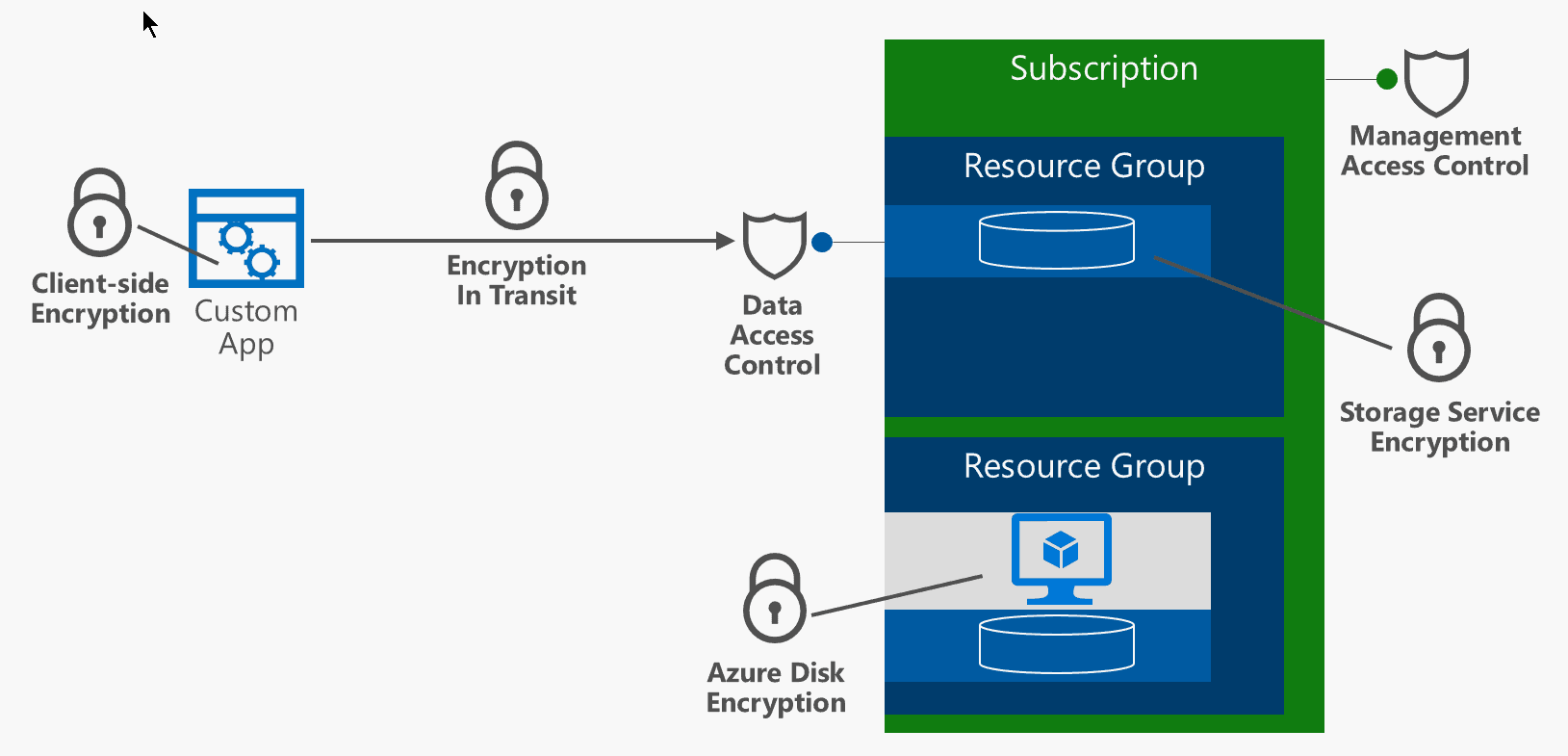
  • Data Encryption: Azure offers encryption at rest and in transit to protect data from unauthorized access.
  • Identity and Access Management: Azure Active Directory enables organizations to manage user identities and control access to resources.
  • Network Security: Azure Virtual Network allows organizations to create secure networks and control traffic flow.
  • Security Monitoring: Azure Security Center provides continuous monitoring and threat detection to identify and respond to security incidents.
  • Compliance Certifications: Azure maintains a wide range of compliance certifications to meet industry-specific regulatory requirements.

Best Practices for Securing Your Azure Environment

To enhance security in your Azure environment, consider implementing the following best practices:

  1. Multifactor Authentication: Require users to provide multiple forms of verification before accessing resources.
  2. Data Classification: Classify data based on sensitivity levels and apply appropriate security controls.
  3. Patch Management: Keep software up-to-date with the latest security patches to address vulnerabilities.
  4. Regular Auditing: Conduct regular audits of your Azure environment to identify potential security gaps.
  5. Educate Users: Provide training on security best practices to help users recognize and respond to security threats.

In Conclusion

Azure cloud security is a critical aspect of maintaining a secure and compliant cloud environment. By leveraging the robust security features offered by Microsoft Azure and following best practices for securing your environment, you can safeguard your data, applications, and infrastructure in the cloud.


Understanding Azure Cloud Security: Key Questions and Comparisons

  1. How secure is Azure cloud services?
  2. What are the 5 pillars of cloud security?
  3. What security does Microsoft Azure have?
  4. What are Azure security tools?
  5. Why Azure is more secure than AWS?
  6. What is the difference between AWS and Azure security?

How secure is Azure cloud services?

Azure cloud services are known for their robust security measures that prioritize safeguarding data and ensuring the privacy of users. Microsoft Azure implements a comprehensive range of security features, including data encryption, identity and access management, network security, and continuous monitoring for threat detection. With a wide array of compliance certifications and adherence to industry-specific regulatory requirements, Azure provides a secure cloud environment for businesses to operate in. By following best practices and leveraging the security capabilities of Azure, organizations can confidently trust in the security of their data and applications within the Azure cloud services ecosystem.

What are the 5 pillars of cloud security?

In the realm of Azure cloud security, understanding the five pillars of cloud security is essential for ensuring a robust and comprehensive security posture. These pillars encompass key aspects that organizations must address to protect their data and resources effectively. The five pillars of cloud security typically include identity and access management, data protection, network security, application security, and compliance. By focusing on these pillars, organizations can establish a strong foundation for securing their Azure environments and mitigating potential risks associated with cloud computing.

What security does Microsoft Azure have?

Microsoft Azure offers a comprehensive set of security features to protect data and applications in the cloud. Some key security measures provided by Azure include data encryption at rest and in transit, identity and access management through Azure Active Directory, network security with Azure Virtual Network, continuous monitoring and threat detection via Azure Security Center, and adherence to various compliance certifications to meet regulatory requirements. These robust security capabilities help organizations safeguard their assets and maintain a secure environment within the Microsoft Azure cloud platform.

What are Azure security tools?

Azure offers a variety of robust security tools to help organizations enhance their cloud security posture. These tools include Azure Security Center, Azure Active Directory, Azure Key Vault, Azure Information Protection, and more. Azure Security Center provides continuous monitoring, threat detection, and security recommendations to protect cloud resources. Azure Active Directory enables identity and access management, while Azure Key Vault allows secure storage and management of cryptographic keys and secrets. Azure Information Protection helps classify and protect sensitive data across devices and applications. By leveraging these Azure security tools, organizations can strengthen their overall security framework in the cloud.

Why Azure is more secure than AWS?

When comparing Azure to AWS in terms of security, Azure is often considered more secure due to its strong focus on compliance and governance. Microsoft Azure provides a comprehensive set of security features, such as advanced threat detection, encryption, identity management, and compliance certifications. Additionally, Azure’s integrated security tools and services, like Azure Security Center and Azure Active Directory, offer robust protection for data and applications. Microsoft’s commitment to security and privacy standards across its cloud services further enhances Azure’s reputation for providing a secure cloud environment for businesses and organizations.

What is the difference between AWS and Azure security?

When comparing AWS and Azure security, one key difference lies in their approach to security features and services. While both cloud platforms offer a range of security tools, AWS is known for its granular control and customization options, allowing users to fine-tune security settings to meet specific requirements. On the other hand, Azure emphasizes integration with existing Microsoft products and services, providing a seamless experience for organizations already using Microsoft technologies. Understanding these differences can help organizations choose the cloud platform that best aligns with their security needs and preferences.

cyber solutions

Empowering Your Business with Cutting-Edge Cyber Solutions

The Importance of Cyber Solutions in Today’s Digital World

The Importance of Cyber Solutions in Today’s Digital World

In today’s interconnected world, where businesses and individuals rely heavily on digital technologies, the importance of cyber solutions cannot be overstated. Cyber solutions encompass a wide range of tools, practices, and strategies designed to protect systems, networks, and data from cyber threats and attacks.

Protecting Against Cyber Threats

Cyber threats such as malware, ransomware, phishing attacks, and data breaches pose significant risks to organizations of all sizes. Implementing robust cyber solutions is essential to safeguard sensitive information, maintain business continuity, and protect the reputation of a company.

The Role of Cybersecurity Measures

Cyber solutions include various cybersecurity measures such as firewalls, antivirus software, intrusion detection systems, encryption techniques, and security awareness training. These tools help detect and prevent unauthorized access to networks and data, ensuring that critical information remains secure.

Importance of Incident Response Plans

In addition to preventive measures, having effective incident response plans is crucial in mitigating the impact of cyber incidents. Timely detection, containment, eradication, and recovery are key components of a robust cyber solution framework that can minimize downtime and financial losses.

Continuous Monitoring and Updates

Cyber threats are constantly evolving, making it essential for organizations to continuously monitor their systems for vulnerabilities and apply security updates promptly. Proactive threat intelligence gathering and analysis play a vital role in staying ahead of potential cyber risks.

Collaboration and Information Sharing

Collaboration among industry peers, sharing threat intelligence information, participating in cybersecurity forums, and engaging with cybersecurity experts can enhance an organization’s cyber resilience. By working together to address common challenges, businesses can strengthen their defenses against sophisticated cyber threats.

In conclusion, investing in robust cyber solutions is imperative for organizations seeking to protect their digital assets and maintain trust with customers. By prioritizing cybersecurity measures and adopting a proactive approach to threat management, businesses can navigate the complexities of the digital landscape with confidence.


Top 8 Frequently Asked Questions About Cyber Solutions and Careers

  1. What are the 3 major types of cyber security?
  2. What is cyber solution?
  3. Can I make $200,000 a year in cyber security?
  4. Where is LookingGlass Cyber Solutions located?
  5. What services are offered by cyber1 solutions?
  6. What are cyber technological solutions?
  7. What are the solutions to cyber issues?
  8. What are the top 3 cybersecurity companies?

What are the 3 major types of cyber security?

In the realm of cybersecurity, the three major types of cyber security are network security, endpoint security, and application security. Network security focuses on protecting the organization’s networks and infrastructure from unauthorized access and cyber threats. Endpoint security involves securing individual devices such as computers, laptops, and mobile devices to prevent malware infections and data breaches. Application security aims to secure software applications and systems by identifying and addressing vulnerabilities that could be exploited by cyber attackers. By implementing a comprehensive approach that encompasses these three key areas of cyber security, organizations can enhance their overall defense against a wide range of cyber threats.

What is cyber solution?

A cyber solution refers to a comprehensive set of tools, practices, and strategies designed to protect digital systems, networks, and data from cyber threats and attacks. It encompasses a range of cybersecurity measures such as firewalls, antivirus software, encryption techniques, and incident response plans aimed at safeguarding sensitive information and ensuring the integrity and availability of digital assets. Cyber solutions play a crucial role in mitigating risks associated with malware, ransomware, phishing attacks, and data breaches by proactively detecting and thwarting unauthorized access while enabling organizations to maintain a secure and resilient cyber environment in today’s interconnected digital landscape.

Can I make $200,000 a year in cyber security?

In the field of cybersecurity, earning $200,000 a year is achievable for professionals with the right skills, experience, and certifications. While individual salaries can vary based on factors such as location, level of expertise, and specific job role, many cybersecurity specialists command high salaries due to the increasing demand for their expertise in protecting organizations from cyber threats. Continuous learning, staying updated on industry trends, and pursuing advanced certifications can enhance one’s earning potential in the dynamic and rewarding field of cybersecurity.

Where is LookingGlass Cyber Solutions located?

LookingGlass Cyber Solutions is headquartered in Reston, Virginia, USA. The company’s location in the tech hub of Reston reflects its commitment to providing cutting-edge cyber solutions and services to clients worldwide. With a strategic presence in a prominent tech center, LookingGlass Cyber Solutions leverages its expertise and innovation to address the evolving cybersecurity challenges faced by organizations across various industries.

What services are offered by cyber1 solutions?

Cyber1 Solutions offers a comprehensive range of services to address various cybersecurity needs. Their offerings typically include cybersecurity consulting, network security assessments, vulnerability management, incident response planning, security awareness training, penetration testing, and managed security services. By leveraging their expertise and cutting-edge technologies, Cyber1 Solutions aims to provide tailored solutions that enhance the overall cybersecurity posture of organizations and mitigate potential cyber risks effectively.

What are cyber technological solutions?

Cyber technological solutions encompass a diverse set of tools, technologies, and strategies designed to address and mitigate cyber threats in today’s digital landscape. These solutions range from advanced cybersecurity software and hardware to sophisticated encryption techniques, network monitoring systems, and incident response protocols. By leveraging innovative technologies and best practices, cyber technological solutions aim to protect critical data, infrastructure, and systems from malicious actors seeking to exploit vulnerabilities in the digital realm. Organizations rely on these solutions to enhance their cyber resilience, safeguard sensitive information, and maintain a secure operating environment in the face of evolving cyber threats.

What are the solutions to cyber issues?

When addressing cyber issues, implementing a comprehensive set of solutions is essential to mitigate risks effectively. These solutions encompass a range of cybersecurity measures, including robust network security protocols, regular software updates, employee training on cybersecurity best practices, encryption of sensitive data, multi-factor authentication mechanisms, intrusion detection systems, incident response plans, and continuous monitoring for potential threats. Collaborating with cybersecurity experts, staying informed about emerging threats, and fostering a culture of security awareness within an organization are also vital components in addressing and resolving cyber issues proactively. By adopting a layered approach to cybersecurity and staying vigilant against evolving threats, businesses and individuals can enhance their resilience against cyber attacks and safeguard their digital assets effectively.

What are the top 3 cybersecurity companies?

When it comes to cybersecurity, there are several top companies known for their innovative solutions and expertise in safeguarding digital assets. Three of the most prominent cybersecurity companies frequently recognized for their industry-leading services are Palo Alto Networks, CrowdStrike, and Symantec. These companies offer a range of advanced cybersecurity products and services, including threat detection, incident response, endpoint protection, and network security solutions, making them trusted partners for organizations looking to enhance their cyber defenses against evolving threats in today’s digital landscape.

ml ai

Unlocking the Power of ML and AI: Revolutionizing Industries and Society

The Rise of Machine Learning and Artificial Intelligence

The Rise of Machine Learning and Artificial Intelligence

In recent years, the fields of machine learning (ML) and artificial intelligence (AI) have experienced unprecedented growth, transforming industries and reshaping the way we interact with technology. This article explores the fundamentals of ML and AI, their applications, and the impact they are having on society.

Understanding Machine Learning and Artificial Intelligence

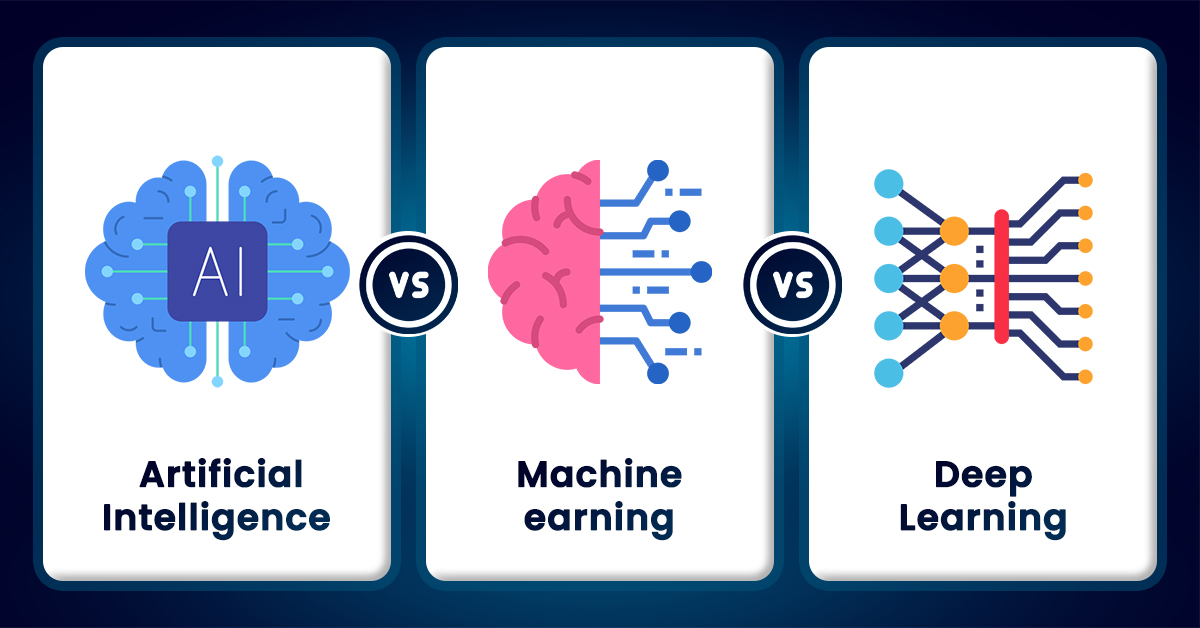
Machine Learning is a subset of AI that focuses on building systems that can learn from data, identify patterns, and make decisions with minimal human intervention. It involves training algorithms on large datasets to recognize trends and make predictions.

Artificial Intelligence, on the other hand, is a broader concept that encompasses machines designed to perform tasks that typically require human intelligence. This includes problem-solving, understanding natural language, recognizing images, and more.

Applications of ML and AI

The applications of ML and AI are vast and varied. Some notable examples include:

  • Healthcare: AI is used for diagnosing diseases, personalizing treatment plans, and even predicting patient outcomes based on historical data.
  • Finance: Machine learning algorithms are employed for fraud detection, risk management, algorithmic trading, and personalized banking services.
  • Retail: AI powers recommendation engines that suggest products to customers based on their browsing history and preferences.
  • Autonomous Vehicles: Self-driving cars rely heavily on machine learning to navigate roads safely by recognizing objects like pedestrians and traffic signals.
  • NLP: Natural Language Processing enables machines to understand human language, powering applications like chatbots and virtual assistants such as Siri or Alexa.

The Impact of ML and AI on Society

The integration of ML and AI into various sectors has brought both opportunities and challenges. On one hand, these technologies have increased efficiency, reduced costs, improved accuracy in decision-making processes, enhanced customer experiences across industries.

However there are also concerns regarding job displacement due to automation privacy issues related data collection ethical considerations around decision-making biases within algorithms themselves potential misuse powerful tools malicious purposes among others all which require careful consideration regulation ensure responsible development deployment these technologies future generations benefit without unintended consequences arising from their widespread adoption society at large

The Future of ML & AI

The future looks promising for machine learning artificial intelligence continued advancements expected lead breakthroughs fields such as quantum computing improved natural language processing enhanced image recognition better predictive analytics As technology evolves it important stakeholders collaborate address ethical legal implications ensure equitable access benefits while mitigating risks potential downsides associated rapid technological progress

This ongoing journey towards smarter intelligent systems holds immense potential transform our world ways previously unimaginable paving path towards more connected efficient sustainable future where humans machines work together harmony achieve common goals ultimately improving quality life everyone involved


Understanding ML and AI: Answers to 8 Common Questions

  1. Is ML and AI different?
  2. What are the 4 types of AI?
  3. What is ML in AI?
  4. What is the difference between ML and LLM?
  5. Is ChatGPT AI or ML?
  6. What is the meaning of ML?
  7. Which is better AI or ML?
  8. What is the difference between AIML and DL?

Is ML and AI different?

When considering the relationship between machine learning (ML) and artificial intelligence (AI), it is important to understand that while ML is a subset of AI, the two terms are not interchangeable. Artificial intelligence is a broad field that encompasses various technologies and techniques aimed at creating intelligent systems capable of performing tasks that typically require human intelligence. On the other hand, machine learning specifically focuses on developing algorithms that can learn from data, identify patterns, and make decisions without explicit programming. In essence, machine learning is a tool used within the broader scope of artificial intelligence to enable systems to learn and improve from experience.

What are the 4 types of AI?

Artificial Intelligence (AI) can be categorized into four primary types, each representing a different level of capability and complexity. The first type is *Reactive Machines*, which are designed to perform specific tasks without storing memories or using past experiences to inform future decisions. An example of this is IBM’s Deep Blue, which was programmed for chess. The second type is *Limited Memory*, where systems can use past experiences to make informed decisions; most AI systems today, like self-driving cars, fall into this category as they observe the environment and adjust accordingly. The third type is *Theory of Mind*, an advanced form of AI that does not yet exist but would require understanding human emotions and thoughts to interact more naturally with people. Finally, the fourth type is *Self-aware AI*, which represents the ultimate stage of AI development where machines possess self-awareness and consciousness akin to humans. This level remains theoretical and presents significant ethical and philosophical questions about the nature of consciousness itself.

What is ML in AI?

Machine Learning (ML) in Artificial Intelligence (AI) refers to the subset of AI that focuses on the development of algorithms and statistical models that enable computers to perform tasks without explicit instructions. Instead, these systems learn from patterns and inferences found in data. ML involves training a model on a dataset, allowing it to make predictions or decisions based on new inputs. This capability is essential for various applications such as image recognition, natural language processing, and autonomous vehicles. By continuously learning from data, ML systems can improve their performance over time, making them increasingly valuable across diverse industries.

What is the difference between ML and LLM?

Machine Learning (ML) and Large Language Models (LLMs) are both integral parts of the artificial intelligence landscape, but they serve different purposes. ML is a broad field that encompasses a variety of algorithms and techniques used to enable computers to learn from data and make predictions or decisions without being explicitly programmed for each task. It includes supervised learning, unsupervised learning, reinforcement learning, and more. On the other hand, LLMs are a specific application within the realm of natural language processing (NLP), focusing on understanding and generating human language. LLMs, such as GPT-3 or BERT, are designed to process vast amounts of text data to generate coherent and contextually relevant responses in human-like language. While ML provides the foundation for creating intelligent systems across various domains, LLMs specialize in tasks related to language understanding and generation.

Is ChatGPT AI or ML?

ChatGPT is an AI model that utilizes machine learning techniques. Specifically, it is based on a type of machine learning called deep learning, which involves training neural networks on large datasets to understand and generate human-like text. While AI encompasses the broader concept of machines performing tasks that typically require human intelligence, machine learning is a subset of AI focused on enabling these systems to learn from data. ChatGPT leverages both AI and ML principles to process natural language and provide responses that mimic human conversation.

What is the meaning of ML?

Machine Learning (ML) is a subset of artificial intelligence (AI) that focuses on developing algorithms and models capable of learning from data and making predictions or decisions without being explicitly programmed. In essence, ML enables systems to improve their performance over time through experience, allowing them to identify patterns, trends, and insights within datasets. By leveraging ML techniques such as supervised learning, unsupervised learning, and reinforcement learning, organizations can extract valuable knowledge from data to optimize processes, enhance decision-making, and drive innovation across various industries.

Which is better AI or ML?

When comparing AI and ML, it’s important to understand that they are not mutually exclusive but rather interconnected fields. Artificial Intelligence (AI) is the broader concept of creating machines that can simulate human intelligence, encompassing various technologies and methods. Machine Learning (ML), on the other hand, is a subset of AI that focuses specifically on enabling machines to learn from data and improve over time without being explicitly programmed. Therefore, asking which is better is like comparing a toolbox (AI) to one of its tools (ML). Each serves different purposes: AI aims to create intelligent systems capable of performing complex tasks, while ML provides the techniques for these systems to learn and adapt. The choice between focusing on AI or ML depends on the specific goals and requirements of a project or application.

What is the difference between AIML and DL?

One frequently asked question in the realm of machine learning and artificial intelligence is: “What is the difference between AI/ML and deep learning (DL)?” AI/ML, which stands for artificial intelligence/machine learning, is a broader term that encompasses various techniques and algorithms aimed at enabling machines to mimic human cognitive functions. On the other hand, deep learning is a subset of machine learning that focuses on training neural networks with multiple layers to learn representations of data. While AI/ML covers a wider range of methodologies for teaching machines to perform tasks, deep learning specifically refers to neural networks and their ability to automatically learn features from data.

computer security service

Enhancing Cyber Defense: The Vital Role of Computer Security Services

Article: Computer Security Service

The Importance of Computer Security Service

In today’s digital age, where almost every aspect of our lives is connected to the internet, ensuring the security of our computers and networks has become more critical than ever. Cyber threats continue to evolve, becoming more sophisticated and widespread, making it essential for individuals and businesses to invest in reliable computer security services.

Protecting Against Cyber Threats

Computer security services encompass a range of measures designed to protect systems, networks, and data from unauthorized access, cyber attacks, and other potential risks. These services employ advanced technologies and strategies to safeguard sensitive information and prevent security breaches that could result in data loss, financial damage, or reputational harm.

The Role of Computer Security Service Providers

Professional computer security service providers play a crucial role in helping individuals and organizations defend against cyber threats. These experts have the knowledge and experience to assess vulnerabilities, implement security protocols, monitor for suspicious activities, and respond swiftly to any security incidents that may occur.

Key Components of Computer Security Services

Effective computer security services typically include:

  • Firewall Protection: Setting up firewalls to monitor and control incoming and outgoing network traffic.
  • Antivirus Software: Installing antivirus programs to detect and remove malware infections.
  • Intrusion Detection Systems (IDS): Deploying IDS to identify potential intrusions or attacks on the network.
  • Data Encryption: Encrypting sensitive data to prevent unauthorized access in case of a breach.
  • Regular Security Updates: Ensuring that systems are up-to-date with the latest security patches and updates.

Conclusion

Investing in professional computer security services is not just a proactive measure but a necessary step in safeguarding your digital assets against cyber threats. By partnering with experienced providers who understand the complexities of cybersecurity, individuals and businesses can mitigate risks, protect their information assets, and maintain a secure online environment for themselves and their customers.


Top 8 FAQs About Computer Security Services: Costs, Options, and More

  1. What are computer security services?
  2. What is computer security service?
  3. How much should you pay for computer security?
  4. What is the best computer security service?
  5. What are the 5 security services?
  6. What is a computer security service?
  7. How much should I pay for computer security?
  8. Does CISA still exist?

What are computer security services?

Computer security services encompass a comprehensive range of measures and solutions aimed at safeguarding computer systems, networks, and data from potential cyber threats and unauthorized access. These services include implementing security protocols, monitoring for suspicious activities, conducting risk assessments, deploying firewalls and antivirus software, managing encryption mechanisms, and ensuring system updates are current. By engaging with computer security services, individuals and businesses can enhance their cybersecurity posture, mitigate risks of data breaches or cyber attacks, and maintain a secure digital environment for their operations.

What is computer security service?

Computer security service refers to a comprehensive set of measures and protocols designed to protect computers, networks, and data from unauthorized access, cyber attacks, and other potential threats. This essential service involves the implementation of advanced technologies, such as firewalls, antivirus software, intrusion detection systems, and data encryption, to ensure the confidentiality, integrity, and availability of digital assets. By employing computer security services, individuals and organizations can proactively defend against evolving cyber threats and safeguard their sensitive information from malicious actors seeking to exploit vulnerabilities in their systems.

How much should you pay for computer security?

When considering the cost of computer security services, it is essential to understand that pricing can vary depending on several factors, including the level of protection needed, the size of the network or system being secured, and the specific services included in the package. Some computer security services may offer basic protection at a lower cost, while more comprehensive solutions with advanced features and round-the-clock monitoring may come at a higher price point. It is crucial to assess your security requirements carefully and work with reputable providers to determine a budget that aligns with your needs and provides adequate protection against potential cyber threats. Remember that investing in robust computer security is an investment in safeguarding your valuable data and maintaining a secure digital environment.

What is the best computer security service?

When it comes to the best computer security service, the answer may vary depending on individual needs and preferences. The ideal computer security service should offer a comprehensive suite of features, including robust antivirus protection, firewall defense, intrusion detection systems, data encryption, and regular security updates. Additionally, the best service provider should have a proven track record of reliability, expertise in cybersecurity practices, responsive customer support, and a commitment to staying ahead of emerging threats. Ultimately, choosing the best computer security service involves evaluating specific requirements and selecting a provider that aligns with your security goals and budget constraints.

What are the 5 security services?

When it comes to computer security services, there are five essential components that form the foundation of a robust security strategy. These key security services include firewall protection, antivirus software, intrusion detection systems (IDS), data encryption, and regular security updates. Each of these services plays a crucial role in safeguarding systems, networks, and data from cyber threats and unauthorized access. By implementing these security measures effectively, individuals and organizations can enhance their overall security posture and mitigate the risks associated with potential security breaches.

What is a computer security service?

A computer security service refers to a comprehensive set of measures and protocols designed to protect computer systems, networks, and data from unauthorized access, cyber attacks, and potential security breaches. These services encompass a range of technologies and strategies aimed at safeguarding sensitive information, preventing data loss, and mitigating risks associated with evolving cyber threats. Computer security services typically include the deployment of firewalls, antivirus software, intrusion detection systems, data encryption, and regular security updates to ensure the integrity and confidentiality of digital assets. By engaging with professional computer security service providers, individuals and organizations can enhance their cyber defenses and maintain a secure online environment in the face of increasing cybersecurity challenges.

How much should I pay for computer security?

When considering the cost of computer security services, it is essential to understand that pricing can vary depending on the level of protection required, the size of the network or system being secured, and the specific services included in the package. Factors such as ongoing monitoring, threat detection, incident response, and compliance requirements can also influence pricing. It is advisable to consult with reputable computer security service providers to assess your needs and receive customized quotes that align with your budget and security objectives. Remember that investing in robust computer security is a proactive measure to safeguard against potential cyber threats and protect your valuable data and assets in the long run.

Does CISA still exist?

The Cybersecurity and Infrastructure Security Agency (CISA) continues to exist as a key federal agency responsible for enhancing the security and resilience of the nation’s critical infrastructure. Established in 2018, CISA plays a vital role in safeguarding against cyber threats and coordinating cybersecurity efforts across government and private sectors. With its focus on protecting critical infrastructure, promoting cybersecurity awareness, and responding to incidents, CISA remains an essential entity in the ongoing efforts to strengthen national cybersecurity defenses.

elements of ai

Unveiling the Essential Elements of AI: A Comprehensive Guide

Elements of AI

Understanding the Elements of AI

Artificial Intelligence (AI) is transforming industries and reshaping the way we live and work. Understanding its core elements is crucial for anyone looking to harness its potential. This article explores the fundamental components that make up AI.

Machine Learning

Machine learning is a subset of AI that focuses on building systems that can learn from data and improve their performance over time without being explicitly programmed. It involves algorithms that identify patterns and make decisions based on data inputs.

Neural Networks

Neural networks are inspired by the human brain’s structure and function. They consist of interconnected layers of nodes, or “neurons,” which process input data to produce an output. Neural networks are particularly effective for tasks such as image and speech recognition.

Natural Language Processing (NLP)

NLP enables machines to understand, interpret, and respond to human language in a natural way. It powers applications like chatbots, language translation services, and voice-activated assistants by analyzing linguistic patterns.

Robotics

Robotics combines AI with engineering to create machines capable of performing tasks autonomously or semi-autonomously. Robots are used in various industries, from manufacturing to healthcare, enhancing efficiency and precision.

Computer Vision

Computer vision allows machines to interpret visual information from the world around them. By analyzing images or video data, computer vision systems can perform functions such as object detection, facial recognition, and scene understanding.

The Importance of Data

Data is the backbone of all AI technologies. High-quality data sets are essential for training machine learning models effectively. The ability to collect, process, and analyze vast amounts of data is what empowers AI systems to function accurately.

The Ethical Considerations

The rapid advancement of AI brings with it ethical considerations such as privacy concerns, bias in algorithms, and the impact on employment. Addressing these issues requires collaboration between technologists, policymakers, and society at large.

The Future of AI

The future holds immense possibilities for AI development across various sectors including healthcare, finance, transportation, and more. As technology evolves, understanding its elements will be key to leveraging its full potential responsibly.

In conclusion, grasping the elements of AI provides a foundation for navigating this transformative technology landscape effectively. By appreciating its components—machine learning, neural networks, NLP—and recognizing their implications on society today—we can better prepare ourselves for tomorrow’s innovations.


6 Essential Tips for Mastering Key Elements of Artificial Intelligence

  1. Understand the basics of machine learning algorithms.
  2. Learn about neural networks and how they mimic the human brain.
  3. Explore natural language processing for understanding and generating human language.
  4. Get familiar with computer vision for processing and analyzing visual information.
  5. Study reinforcement learning for training AI agents to make sequential decisions.
  6. Stay updated on the latest advancements and trends in artificial intelligence.

Understand the basics of machine learning algorithms.

Understanding the basics of machine learning algorithms is essential for anyone looking to delve into the world of artificial intelligence. These algorithms form the backbone of machine learning, enabling systems to learn from data and make informed decisions without explicit programming. By grasping fundamental concepts such as supervised and unsupervised learning, decision trees, neural networks, and clustering, individuals can better appreciate how machines identify patterns and improve over time. This foundational knowledge not only enhances one’s ability to develop AI solutions but also aids in evaluating the effectiveness and potential biases of different models. Whether you’re a beginner or a seasoned professional, a solid understanding of these basic algorithms is crucial for leveraging the full potential of machine learning technologies.

Learn about neural networks and how they mimic the human brain.

Neural networks are a fascinating component of artificial intelligence that mimic the structure and function of the human brain to process information. They consist of layers of interconnected nodes, or “neurons,” that work together to analyze data and identify patterns. Just as neurons in the brain transmit signals to one another, these artificial neurons pass information through the network, allowing it to learn from experience and improve over time. Understanding neural networks is crucial for grasping how AI systems can perform complex tasks such as image recognition, language processing, and decision-making. By learning about neural networks, one can appreciate how they enable machines to simulate cognitive processes and solve problems in ways similar to human thought.

Explore natural language processing for understanding and generating human language.

Natural Language Processing (NLP) is a fascinating area of AI that focuses on the interaction between computers and humans through language. By exploring NLP, one can delve into the intricacies of understanding and generating human language, enabling machines to interpret text and speech with remarkable accuracy. This technology powers applications such as virtual assistants, chatbots, and language translation services, making communication with technology more intuitive and seamless. With advancements in NLP, machines are becoming increasingly capable of understanding context, sentiment, and even nuances in human communication. As a result, exploring NLP not only enhances technological capabilities but also opens up new possibilities for creating more natural and effective human-computer interactions.

Get familiar with computer vision for processing and analyzing visual information.

Computer vision is a crucial component in the field of artificial intelligence, enabling machines to interpret and understand visual information from the world. By getting familiar with computer vision, individuals can leverage its capabilities to process and analyze images and videos, leading to innovations in areas such as facial recognition, object detection, and scene understanding. This technology is widely used across various industries, from enhancing security systems with advanced surveillance capabilities to improving medical diagnostics through detailed image analysis. As AI continues to evolve, the ability to effectively utilize computer vision will be essential for developing applications that require accurate and efficient interpretation of visual data.

Study reinforcement learning for training AI agents to make sequential decisions.

Reinforcement learning is a powerful technique in the field of artificial intelligence that focuses on training AI agents to make a series of decisions to achieve a specific goal. Unlike other machine learning approaches, reinforcement learning emphasizes the process of trial and error, where an agent learns by interacting with its environment and receiving feedback in the form of rewards or penalties. This method is particularly effective for tasks where decision-making is crucial, such as game playing, robotics, and autonomous driving. By studying reinforcement learning, one can gain insights into how AI systems can optimize their actions over time to maximize cumulative rewards, leading to more intelligent and adaptable agents capable of handling complex real-world challenges.

Staying updated on the latest advancements and trends in artificial intelligence is crucial for anyone looking to stay ahead in this rapidly evolving field. By keeping abreast of new developments, breakthroughs, and emerging technologies, individuals can ensure they are equipped with the knowledge and skills needed to harness the full potential of AI. Whether it’s following research publications, attending conferences, or participating in online courses, staying informed allows professionals to adapt to changing landscapes and contribute meaningfully to the advancement of artificial intelligence.

artificial-intelligence

Unleashing the Power of Artificial Intelligence: A Journey into Innovation

The Rise of Artificial Intelligence

The Rise of Artificial Intelligence

Artificial Intelligence (AI) is no longer a concept confined to science fiction. It has become an integral part of our daily lives, transforming industries and reshaping the way we interact with technology.

What is Artificial Intelligence?

Artificial Intelligence refers to the simulation of human intelligence processes by machines, particularly computer systems. These processes include learning, reasoning, problem-solving, perception, and language understanding.

Types of AI

  • Narrow AI: Also known as Weak AI, this type is designed to perform a narrow task (e.g., facial recognition or internet searches).
  • General AI: Also referred to as Strong AI, this type can understand and reason across a wide range of tasks much like a human being.

Applications of Artificial Intelligence

The applications of AI are vast and varied. Here are some key areas where AI is making a significant impact:

Healthcare

AI is revolutionizing healthcare through improved diagnostics, personalized medicine, and robotic surgery. Machine learning algorithms can analyze medical data faster and more accurately than traditional methods.

Finance

In the financial sector, AI algorithms are used for fraud detection, risk management, and automated trading. They help institutions make data-driven decisions quickly and efficiently.

Transportation

The development of autonomous vehicles is one of the most exciting advancements in AI. Self-driving cars use machine learning to navigate roads safely and efficiently.

The Future of Artificial Intelligence

The future holds immense potential for AI advancements. As technology evolves, we can expect even more sophisticated applications that will further integrate into our daily lives.

“The key to artificial intelligence has always been the representation.” – Jeff Hawkins

Challenges Ahead

Despite its potential benefits, AI also poses challenges such as ethical considerations, job displacement concerns, and privacy issues. Addressing these challenges will be crucial as we move forward with AI development.

The Road Ahead

The journey toward advanced artificial intelligence continues to be an exciting frontier in technology. With ongoing research and innovation, the possibilities are limitless.

© 2023 Exploring Technology Trends


7 Essential Tips for Mastering Artificial Intelligence

  1. Understand the basics of machine learning algorithms.
  2. Stay updated with the latest AI research and developments.
  3. Experiment with different AI tools and frameworks to gain practical experience.
  4. Data quality is crucial for successful AI implementation.
  5. Consider ethical implications when developing AI applications.
  6. Collaborate with experts from diverse fields for comprehensive AI solutions.
  7. Regularly evaluate and fine-tune your AI models for optimal performance.

Understand the basics of machine learning algorithms.

Understanding the basics of machine learning algorithms is essential for anyone looking to delve into the field of artificial intelligence. Machine learning, a subset of AI, involves teaching computers to learn from data and improve their performance over time without being explicitly programmed. By grasping the fundamental concepts of algorithms such as linear regression, decision trees, and neural networks, individuals can gain insights into how machines process information and make predictions. This foundational knowledge not only empowers professionals to develop more efficient AI models but also enables them to critically evaluate the capabilities and limitations of various machine learning applications in real-world scenarios. Whether you’re a data scientist, software engineer, or just an AI enthusiast, understanding these basics is crucial for navigating the rapidly evolving landscape of technology.

Stay updated with the latest AI research and developments.

Staying updated with the latest AI research and developments is crucial for anyone involved in technology today. As artificial intelligence continues to evolve at a rapid pace, new breakthroughs and innovations are constantly emerging. Keeping abreast of these changes not only enhances one’s understanding of the field but also opens up opportunities to apply cutting-edge solutions to real-world problems. By following reputable journals, attending conferences, and participating in online forums, individuals can remain informed about the latest trends and advancements. This proactive approach ensures that one remains competitive and well-prepared to leverage AI technologies effectively in various domains.

Experiment with different AI tools and frameworks to gain practical experience.

Experimenting with different AI tools and frameworks is an invaluable way to gain practical experience in the field of artificial intelligence. By exploring various platforms such as TensorFlow, PyTorch, and Keras, individuals can understand the strengths and applications of each tool. This hands-on approach allows learners to build and train their own models, enhancing their problem-solving skills and technical expertise. Additionally, experimenting with a range of tools provides insights into real-world challenges and solutions, preparing individuals for diverse AI projects in professional environments. Engaging with these technologies not only deepens one’s knowledge but also fosters innovation and creativity in developing AI-driven solutions.

Data quality is crucial for successful AI implementation.

Data quality is crucial for successful AI implementation because the effectiveness of AI systems heavily relies on the accuracy, completeness, and relevance of the data they are trained on. High-quality data ensures that AI models can learn effectively and make accurate predictions or decisions. Poor data quality, on the other hand, can lead to erroneous outcomes, biased results, and unreliable performance. Ensuring that data is clean, well-organized, and representative of real-world scenarios is essential for building robust AI systems. By prioritizing data quality, organizations can maximize the potential of their AI initiatives and achieve more reliable and meaningful results.

Consider ethical implications when developing AI applications.

When developing AI applications, it is crucial to consider the ethical implications to ensure that these technologies are used responsibly and fairly. As AI systems become increasingly integrated into various aspects of society, they have the potential to impact people’s lives significantly. This includes decisions related to privacy, bias, accountability, and transparency. Developers must strive to create algorithms that are free from bias and ensure that data privacy is maintained. Additionally, there should be a clear understanding of who is accountable for the decisions made by AI systems. By addressing these ethical concerns proactively, developers can build trust in AI technologies and contribute positively to society while minimizing potential harm.

Collaborate with experts from diverse fields for comprehensive AI solutions.

Collaborating with experts from diverse fields is crucial for developing comprehensive AI solutions. By bringing together professionals from various domains such as data science, engineering, ethics, and domain-specific areas like healthcare or finance, teams can create more robust and well-rounded AI systems. This multidisciplinary approach ensures that different perspectives are considered, leading to innovative solutions that address complex challenges effectively. Additionally, it helps in identifying potential biases and ethical concerns early in the development process, ensuring that the AI applications are not only technically sound but also socially responsible. This collaboration fosters creativity and innovation, ultimately resulting in AI technologies that are both effective and aligned with human values.

Regularly evaluate and fine-tune your AI models for optimal performance.

Regularly evaluating and fine-tuning AI models is crucial for maintaining their optimal performance. As data patterns and environmental conditions evolve, AI models can become less accurate or effective over time. By consistently assessing their performance, one can identify areas where adjustments are needed, ensuring that the models continue to deliver reliable and relevant results. Fine-tuning involves updating the model with new data, tweaking algorithms, or adjusting parameters to enhance accuracy and efficiency. This ongoing process not only helps in achieving better outcomes but also in adapting to new challenges and opportunities as they arise in dynamic environments.

machine learning and deep learning

Exploring the Synergy Between Machine Learning and Deep Learning

The Power of Machine Learning and Deep Learning

Machine learning and deep learning are two transformative technologies that have revolutionized various industries, from healthcare to finance to transportation. These cutting-edge fields of artificial intelligence have the potential to unlock new possibilities and drive innovation like never before.

Machine Learning

Machine learning is a subset of artificial intelligence that enables systems to learn from data and improve their performance without being explicitly programmed. By analyzing patterns in data, machine learning algorithms can make predictions or decisions with minimal human intervention. This technology is widely used in applications such as recommendation systems, fraud detection, and image recognition.

Key Concepts in Machine Learning:

  • Supervised Learning: Algorithms learn from labeled training data to make predictions or classifications.
  • Unsupervised Learning: Algorithms find patterns in unlabeled data without predefined outcomes.
  • Reinforcement Learning: Agents learn by interacting with an environment and receiving rewards or penalties based on their actions.

Deep Learning

Deep learning is a subset of machine learning that uses artificial neural networks with multiple layers to model complex relationships in data. These deep neural networks can automatically discover intricate patterns and features, leading to state-of-the-art performance in tasks like natural language processing, computer vision, and speech recognition.

Advantages of Deep Learning:

  • Hierarchical Feature Representation: Deep neural networks can learn hierarchical representations of data, capturing intricate features at different levels of abstraction.
  • Scalability: Deep learning models can scale with more data and computational resources, allowing for continuous improvement in performance.
  • Versatility: Deep learning architectures can be adapted to various domains and tasks, making them highly versatile for diverse applications.

In conclusion, machine learning and deep learning are driving the next wave of technological advancements across industries. As these fields continue to evolve, we can expect even more groundbreaking innovations that will shape the future of AI-driven solutions.


Understanding the Differences: ML vs DL vs NLP vs AI

  1. What is ML vs DL vs NLP?
  2. What is the difference between machine learning and deep learning?
  3. Does deep learning require machine learning?
  4. What is ML vs DL vs AI?
  5. What is the difference between deep learning and machine learning?
  6. What is the difference between AI ML and DL?

What is ML vs DL vs NLP?

When discussing machine learning (ML), deep learning (DL), and natural language processing (NLP), it’s essential to understand their distinctions. Machine learning is a broader concept that encompasses various algorithms and techniques enabling systems to learn from data and make predictions. Deep learning is a subset of machine learning that uses neural networks with multiple layers to model complex patterns in data, achieving high levels of accuracy in tasks like image recognition and speech synthesis. Natural language processing focuses specifically on the interaction between computers and human language, allowing machines to understand, interpret, and generate human language. In essence, ML provides the foundation for DL, which in turn powers advanced applications like NLP, showcasing the interconnected nature of these technologies in shaping the future of artificial intelligence.

What is the difference between machine learning and deep learning?

When exploring the distinction between machine learning and deep learning, it is essential to understand that machine learning is a broader concept that encompasses various techniques for enabling computers to learn from data and make decisions without explicit programming. On the other hand, deep learning is a subset of machine learning that specifically focuses on artificial neural networks with multiple layers to model complex patterns and relationships in data. While machine learning algorithms can handle a wide range of tasks based on labeled or unlabeled data, deep learning excels in processing vast amounts of unstructured data for tasks like image recognition, natural language processing, and speech recognition. In summary, deep learning is a sophisticated approach within the realm of machine learning that leverages deep neural networks to achieve high levels of accuracy and performance in complex tasks requiring intricate pattern recognition.

Does deep learning require machine learning?

In the realm of artificial intelligence, deep learning is actually a subset of machine learning. Therefore, deep learning does require machine learning as a foundational concept. Machine learning encompasses various algorithms and techniques that enable systems to learn from data and make predictions or decisions without explicit programming. Deep learning, on the other hand, utilizes complex neural networks with multiple layers to model intricate patterns in data. So, while deep learning is a specialized form of machine learning, it builds upon the core principles and methodologies of machine learning to achieve advanced levels of performance in tasks such as image recognition, natural language processing, and more.

What is ML vs DL vs AI?

Machine Learning (ML), Deep Learning (DL), and Artificial Intelligence (AI) are interconnected fields that often cause confusion due to their overlapping nature. AI is the broadest concept, encompassing any technique that enables machines to mimic human intelligence. Within AI, machine learning is a subset focused on creating algorithms that allow computers to learn from and make predictions based on data. Deep learning, in turn, is a specialized subset of machine learning that uses neural networks with multiple layers to analyze complex patterns in large datasets. While AI can include rule-based systems and other non-learning techniques, ML and DL specifically refer to data-driven approaches where systems improve over time with exposure to more data.

What is the difference between deep learning and machine learning?

When discussing the difference between deep learning and machine learning, it’s important to understand that deep learning is a subset of machine learning. While both technologies involve training algorithms to make predictions based on data, the key distinction lies in their approach to data representation and feature extraction. Machine learning algorithms typically require manual feature engineering to extract relevant patterns from data, whereas deep learning models use artificial neural networks with multiple layers to automatically learn hierarchical representations of data. This allows deep learning algorithms to capture intricate features at different levels of abstraction, leading to superior performance in complex tasks such as image recognition and natural language processing. In essence, deep learning can be seen as a more advanced and sophisticated form of machine learning that leverages deep neural networks for unparalleled predictive power.

What is the difference between AI ML and DL?

Artificial Intelligence (AI), Machine Learning (ML), and Deep Learning (DL) are interconnected fields, but they differ in scope and complexity. AI is the broadest concept, encompassing any technique that enables machines to mimic human intelligence. Within AI, machine learning is a subset that focuses on algorithms allowing computers to learn from data and improve their performance over time without being explicitly programmed. Deep learning, in turn, is a specialized subset of machine learning that uses neural networks with multiple layers to analyze complex patterns in large datasets. While AI provides the overarching goal of creating intelligent systems, ML offers the methods for data-driven learning, and DL enhances these methods by enabling more sophisticated pattern recognition through deep neural networks.

Enhancing Data Protection: The Role of Cloud Web Security in Safeguarding Information

Cloud Web Security

The Importance of Cloud Web Security

In today’s digital age, the use of cloud services has become ubiquitous in both personal and business environments. Cloud computing offers numerous benefits, such as scalability, cost-efficiency, and flexibility. However, with the increasing reliance on cloud-based solutions, ensuring the security of data and applications stored in the cloud has become a top priority.

Challenges in Cloud Web Security

One of the main challenges in cloud web security is the protection of sensitive information from unauthorized access and cyber threats. As data is transferred between users and cloud servers over the internet, there is a risk of interception by malicious actors. Additionally, vulnerabilities in cloud infrastructure or misconfigurations can expose data to potential breaches.

Best Practices for Cloud Web Security

To mitigate these risks and enhance cloud web security, organizations should implement best practices such as:

  • Encryption: Encrypting data both at rest and in transit helps prevent unauthorized access.
  • Access Control: Implementing strict access control measures ensures that only authorized users can interact with sensitive data.
  • Regular Audits: Conducting regular security audits and assessments helps identify vulnerabilities and ensure compliance with security standards.
  • Multi-Factor Authentication (MFA): Enforcing MFA adds an extra layer of security by requiring multiple forms of verification for user authentication.
  • Security Monitoring: Continuous monitoring of cloud environments for suspicious activities or anomalies can help detect and respond to security incidents promptly.

The Future of Cloud Web Security

As technology continues to evolve, so do cyber threats. The future of cloud web security lies in adopting advanced technologies such as artificial intelligence (AI) and machine learning to proactively detect and mitigate security risks. Additionally, regulatory compliance requirements will drive organizations to prioritize data protection and privacy in their cloud strategies.

In conclusion, ensuring robust cloud web security is essential for safeguarding sensitive information and maintaining trust with users. By implementing best practices and staying informed about emerging threats, organizations can confidently embrace the benefits of cloud computing while mitigating potential risks.


Understanding Cloud Web Security: Key Differences, Pillars, and Examples

  1. What is the difference between cybersecurity and cloud security?
  2. What are the 4 pillars of cloud security?
  3. What is the difference between network security and cloud security?
  4. What are the four types of cloud security?
  5. What is cloud cyber security?
  6. What is web security cloud?
  7. What is an example of cloud security?

What is the difference between cybersecurity and cloud security?

When discussing cybersecurity and cloud security, it is important to understand the distinction between the two concepts. Cybersecurity encompasses the protection of all digital assets, including networks, systems, and data, from cyber threats such as malware, phishing attacks, and unauthorized access. On the other hand, cloud security specifically focuses on safeguarding data and applications stored in cloud environments from potential risks associated with cloud computing, such as data breaches, misconfigurations, and insider threats. While cybersecurity is a broader term that addresses overall digital security measures, cloud security hones in on securing specifically cloud-based resources and services to ensure confidentiality, integrity, and availability of data in the cloud.

What are the 4 pillars of cloud security?

The 4 pillars of cloud security encompass key principles that organizations should prioritize to ensure robust protection of their cloud environments. These pillars include data security, compliance, identity and access management, and security governance. Data security focuses on encrypting data, implementing access controls, and monitoring for unauthorized access. Compliance involves adhering to industry regulations and standards to protect sensitive information. Identity and access management emphasize controlling user privileges and authentication mechanisms. Security governance entails establishing policies, procedures, and controls to manage risks effectively in the cloud environment. By addressing these four pillars comprehensively, organizations can enhance their cloud security posture and mitigate potential threats effectively.

What is the difference between network security and cloud security?

When comparing network security and cloud security, it is important to understand that while both focus on protecting data and systems, they operate in different contexts. Network security primarily deals with securing the network infrastructure itself, including devices, servers, and connections within an organization’s on-premises network. On the other hand, cloud security is specifically tailored to safeguarding data and applications stored in cloud environments managed by third-party providers. Cloud security addresses unique challenges such as data encryption, access control in shared environments, and compliance with cloud-specific regulations. While network security focuses on internal threats and perimeter defenses, cloud security expands its scope to address risks associated with remote access, multi-tenancy, and data migration across cloud platforms. Ultimately, understanding the distinctions between network security and cloud security is crucial for organizations to implement comprehensive cybersecurity measures that cover both their traditional network infrastructure and their cloud-based resources effectively.

What are the four types of cloud security?

When discussing cloud web security, it is essential to understand the four main types of cloud security measures that organizations can implement to protect their data and applications. These include network security, data security, identity management, and compliance. Network security focuses on securing the network infrastructure to prevent unauthorized access and cyber attacks. Data security involves encrypting data at rest and in transit to safeguard sensitive information from breaches. Identity management ensures that only authorized users can access resources within the cloud environment. Compliance measures address regulatory requirements and industry standards to maintain data privacy and integrity in the cloud. By implementing these four types of cloud security measures effectively, organizations can enhance their overall cybersecurity posture and mitigate potential risks.

What is cloud cyber security?

Cloud cybersecurity refers to the practices and technologies implemented to protect cloud-based systems, data, and infrastructure from cyber threats. It encompasses a range of security measures designed to safeguard sensitive information stored in the cloud from unauthorized access, data breaches, and other malicious activities. Cloud cybersecurity involves encryption, access controls, threat detection, incident response protocols, and compliance with industry regulations to ensure the confidentiality, integrity, and availability of data in cloud environments. By employing robust cybersecurity measures in the cloud, organizations can enhance their overall security posture and mitigate risks associated with storing and processing data in remote servers.

What is web security cloud?

Web security cloud, also known as cloud web security, refers to the practice of protecting websites and web applications hosted in the cloud from cyber threats and unauthorized access. It involves implementing security measures such as encryption, access control, and monitoring to ensure the confidentiality, integrity, and availability of data stored in the cloud. Web security cloud solutions help organizations defend against various threats, including malware, phishing attacks, and data breaches, by leveraging advanced technologies and best practices to secure their online assets effectively. By prioritizing web security in the cloud environment, businesses can safeguard their digital presence and maintain trust with users while harnessing the benefits of cloud computing.

What is an example of cloud security?

An example of cloud security is the use of encryption to protect data stored in cloud environments. Encryption involves encoding data in a way that only authorized parties with the decryption key can access it. By encrypting sensitive information before uploading it to the cloud, organizations can ensure that even if the data is intercepted, it remains unreadable and secure. This practice enhances the overall security of cloud storage and mitigates the risk of unauthorized access to confidential data.

Ensuring Robust Cloud Network Security: Safeguarding Your Digital Assets

In today’s digital age, cloud network security plays a crucial role in safeguarding sensitive data and ensuring the integrity of online operations. As businesses increasingly rely on cloud services to store and process information, the need for robust security measures has never been greater.

The Importance of Cloud Network Security

Cloud network security encompasses a range of practices and technologies designed to protect cloud-based systems, applications, and data from cyber threats. These threats can include malware, unauthorized access, data breaches, and other malicious activities that can compromise the confidentiality, integrity, and availability of critical information.

Key Components of Cloud Network Security

Effective cloud network security involves implementing multiple layers of defense to mitigate risks and vulnerabilities. Some key components include:

  • Encryption: Encrypting data both in transit and at rest helps prevent unauthorized access to sensitive information.
  • Access Control: Implementing strict access controls and authentication mechanisms ensures that only authorized users can access resources within the cloud network.
  • Firewalls: Firewalls help monitor and control incoming and outgoing network traffic to prevent unauthorized access and detect suspicious activities.
  • Intrusion Detection Systems (IDS) and Intrusion Prevention Systems (IPS): IDS and IPS tools help identify and respond to potential security incidents in real-time.
  • Vulnerability Management: Regularly scanning for vulnerabilities and applying patches helps address security weaknesses before they can be exploited by attackers.

Challenges in Cloud Network Security

Despite advancements in cloud security technologies, organizations face several challenges when it comes to securing their cloud networks. These challenges include:

  • Data Privacy Concerns: Ensuring compliance with data privacy regulations while storing data in the cloud can be complex.
  • Shared Responsibility Model: Understanding the shared responsibility model between cloud service providers and customers is essential for effective security implementation.
  • Evolving Threat Landscape: Cyber threats are constantly evolving, requiring organizations to stay vigilant and adapt their security strategies accordingly.

The Future of Cloud Network Security

As technology continues to advance, the future of cloud network security will likely see increased emphasis on automation, artificial intelligence, and machine learning capabilities to enhance threat detection and response. Organizations will need to adopt a proactive approach to cybersecurity by continuously monitoring their cloud environments, educating employees on best practices, and investing in cutting-edge security solutions.

In conclusion, maintaining strong cloud network security is essential for protecting valuable assets, maintaining customer trust, and ensuring business continuity in an increasingly interconnected world. By prioritizing cybersecurity measures and staying informed about emerging threats, organizations can effectively mitigate risks associated with operating in the cloud.


Top 5 Advantages of Cloud Network Security: Protecting Data, Scaling Efficiently, and More

  1. Enhanced Data Protection
  2. Scalability
  3. Cost-Effectiveness
  4. Centralized Management
  5. Improved Compliance


Top 6 Challenges in Cloud Network Security: Breaches, Privacy, and Cost Concerns

  1. Potential for data breaches if security measures are not properly implemented
  2. Dependency on internet connectivity may impact accessibility to cloud resources
  3. Concerns about data privacy and compliance with regulations when storing sensitive information in the cloud
  4. Shared responsibility model between cloud service providers and customers can lead to confusion over security responsibilities
  5. Risk of unauthorized access or insider threats compromising cloud network security
  6. Cost implications of investing in robust security solutions and ongoing maintenance to protect cloud environments

Enhanced Data Protection

Enhanced data protection is a significant advantage of cloud network security. By utilizing robust security measures like encryption and access controls, sensitive data stored in the cloud is shielded from unauthorized access. Encryption ensures that information remains confidential both during transmission and while at rest, making it significantly more challenging for cybercriminals to intercept and exploit valuable data. Access controls further enhance data protection by restricting system entry to authorized users only, reducing the risk of breaches and ensuring that sensitive information remains secure within the cloud environment.

Scalability

Scalability is a significant advantage of cloud network security as it allows security solutions to seamlessly expand and adapt to meet the evolving requirements of a growing business. Cloud security services can effortlessly scale up or down based on the organization’s needs, ensuring that protection remains robust and effective even as operations expand. This flexibility in scalability not only enhances the efficiency of security measures but also provides peace of mind knowing that the level of protection can readily adjust to accommodate changes in business size and complexity without sacrificing the integrity of the security infrastructure.

Cost-Effectiveness

Cloud network security’s cost-effectiveness is a significant advantage, as cloud-based security services frequently present a more economical option compared to traditional on-premises security infrastructure. By leveraging cloud-based solutions, businesses can lower their initial investment costs and ongoing maintenance expenses, making robust security measures more accessible and affordable. This cost-saving benefit allows organizations to allocate resources more efficiently while still ensuring the protection of their valuable data and assets in the cloud environment.

Centralized Management

Cloud network security offers the significant advantage of centralized management, enabling organizations to efficiently oversee security policies and updates across various devices and locations. With this capability, administrators can implement consistent security measures, enforce compliance standards, and deploy updates seamlessly throughout the cloud network infrastructure. This centralized approach not only streamlines security management but also enhances visibility and control over the entire network, ensuring a more robust defense against potential cyber threats.

Improved Compliance

One significant benefit of cloud network security is the improved compliance it offers. Many cloud security solutions are specifically designed to assist organizations in meeting regulatory compliance requirements by implementing industry-standard security practices. By leveraging these solutions, businesses can ensure that their cloud environments adhere to relevant regulations and standards, reducing the risk of non-compliance penalties and safeguarding sensitive data from potential breaches.

Potential for data breaches if security measures are not properly implemented

The potential for data breaches looms as a significant con of cloud network security when security measures are not adequately implemented. Inadequate encryption, weak access controls, and lack of regular vulnerability assessments can create vulnerabilities that cybercriminals may exploit to gain unauthorized access to sensitive data stored in the cloud. A single breach can have far-reaching consequences, including financial losses, reputational damage, and legal liabilities for organizations that fail to prioritize robust security practices in their cloud environments. It underscores the critical importance of proactively addressing security gaps to mitigate the risk of data breaches and safeguard valuable information from malicious actors.

Dependency on internet connectivity may impact accessibility to cloud resources

One significant con of cloud network security is the dependency on internet connectivity, which can impact the accessibility of cloud resources. In situations where internet connectivity is unstable or unavailable, users may face challenges accessing critical data and applications stored in the cloud. This dependency on an external network connection introduces a potential point of failure that can disrupt business operations and productivity, highlighting the importance of implementing contingency plans and redundancies to mitigate the risks associated with reliance on internet connectivity for accessing cloud resources.

Concerns about data privacy and compliance with regulations when storing sensitive information in the cloud

One significant con of cloud network security is the heightened concerns about data privacy and compliance with regulations when storing sensitive information in the cloud. Organizations face challenges in ensuring that their data is adequately protected and that they meet the stringent requirements outlined by various data privacy laws and industry regulations. The shared responsibility model between cloud service providers and customers adds complexity to this issue, as organizations must navigate the intricacies of data governance while relying on third-party vendors for cloud infrastructure. Failure to address these concerns effectively can result in regulatory fines, reputational damage, and potential breaches of customer trust.

Shared responsibility model between cloud service providers and customers can lead to confusion over security responsibilities

The shared responsibility model between cloud service providers and customers can pose a significant con in cloud network security, as it may lead to confusion and ambiguity regarding security responsibilities. In this model, while the cloud service provider is responsible for securing the infrastructure and underlying services, customers are typically accountable for securing their data and applications. This division of responsibilities can create gaps in understanding, potentially resulting in misconfigurations, oversight of critical security measures, or assumptions about who is responsible for addressing specific security threats. As a result, the lack of clarity in security roles and responsibilities within the shared model can introduce vulnerabilities and increase the risk of security breaches within cloud environments.

Risk of unauthorized access or insider threats compromising cloud network security

The risk of unauthorized access or insider threats compromising cloud network security poses a significant concern for organizations utilizing cloud services. Unauthorized access by malicious actors or even well-intentioned insiders with access to sensitive data can lead to data breaches, intellectual property theft, and disruption of critical operations. Such incidents can have far-reaching consequences, including financial losses, damage to reputation, and regulatory penalties. Mitigating this con of cloud network security requires implementing robust access controls, regular monitoring of user activities, and comprehensive employee training on cybersecurity best practices to minimize the likelihood of unauthorized access or insider threats jeopardizing the integrity of cloud environments.

Cost implications of investing in robust security solutions and ongoing maintenance to protect cloud environments

The cost implications of investing in robust security solutions and ongoing maintenance to protect cloud environments can be a significant con for businesses. Implementing effective cloud network security measures often requires a substantial financial investment in acquiring advanced security tools, hiring skilled cybersecurity professionals, and conducting regular security audits. Additionally, the ongoing maintenance and monitoring of these security solutions can incur additional expenses over time. For organizations with limited budgets or competing priorities, the high costs associated with maintaining strong cloud network security may pose a challenge in achieving comprehensive protection against evolving cyber threats.

security

Enhancing Cybersecurity Measures for Maximum Security Protection

The Importance of Security in Today’s Digital World

The Importance of Security in Today’s Digital World

In today’s interconnected world, where information is constantly being shared and transactions are conducted online, security has become more crucial than ever. The rise of cyber threats and data breaches has highlighted the importance of implementing robust security measures to protect sensitive information.

Why Security Matters

Security is essential to safeguarding not only personal data but also financial assets, intellectual property, and critical infrastructure. Without adequate security measures in place, individuals and organizations are vulnerable to various cyber threats, including malware, phishing attacks, ransomware, and identity theft.

The Role of Encryption

Encryption plays a vital role in ensuring the confidentiality and integrity of data. By encrypting sensitive information, such as passwords, financial details, and communications, organizations can prevent unauthorized access and mitigate the risk of data breaches.

Best Practices for Enhancing Security

To enhance security in today’s digital landscape, it is essential to follow best practices such as:

  • Implementing strong passwords and multi-factor authentication
  • Keeping software up to date with the latest security patches
  • Regularly backing up data to prevent loss in case of a breach
  • Educating employees about cybersecurity awareness and best practices
  • Monitoring network traffic for suspicious activities

The Future of Security

As technology continues to evolve rapidly, so do cyber threats. The future of security lies in adopting advanced technologies such as artificial intelligence (AI) and machine learning to detect and respond to threats proactively. By staying vigilant and investing in cutting-edge security solutions, individuals and organizations can stay ahead of cybercriminals and protect their digital assets.

© 2022 The Importance of Security in Today’s Digital World – All Rights Reserved.


Top Security FAQs: Understanding Cybersecurity, Protecting Personal Information, and Responding to Threats

  1. What is cybersecurity and why is it important?
  2. How can I protect my personal information online?
  3. What are common types of cyber threats to be aware of?
  4. Why is it essential to use strong passwords for online accounts?
  5. How can businesses improve their data security measures?
  6. What should individuals do in case of a data breach or identity theft?

What is cybersecurity and why is it important?

Cybersecurity is the practice of protecting computer systems, networks, and data from digital attacks. It encompasses various technologies, processes, and practices designed to safeguard against unauthorized access, data breaches, and other cyber threats. In today’s interconnected world where sensitive information is constantly being shared online, cybersecurity plays a crucial role in ensuring the confidentiality, integrity, and availability of data. It is important because cyber attacks can have severe consequences, including financial losses, reputational damage, and even legal implications. By investing in robust cybersecurity measures, individuals and organizations can mitigate risks and protect themselves from evolving cyber threats.

How can I protect my personal information online?

To protect your personal information online, it is essential to follow best practices for cybersecurity. Start by creating strong, unique passwords for each online account and consider using a password manager to securely store and manage them. Enable two-factor authentication whenever possible to add an extra layer of security. Be cautious about sharing sensitive information on social media and avoid clicking on suspicious links or attachments in emails. Regularly update your devices and software to patch vulnerabilities that cybercriminals could exploit. Lastly, educate yourself about common online threats and stay informed about the latest cybersecurity trends to safeguard your personal information effectively.

What are common types of cyber threats to be aware of?

When it comes to cybersecurity, being aware of common types of cyber threats is essential for safeguarding sensitive information. Some of the most prevalent cyber threats include malware, phishing attacks, ransomware, and social engineering. Malware refers to malicious software designed to infiltrate systems and steal data, while phishing attacks involve fraudulent emails or messages aimed at tricking individuals into revealing personal information. Ransomware encrypts files and demands a ransom for decryption, posing a significant threat to organizations. Social engineering tactics manipulate individuals into divulging confidential information or performing actions that compromise security. Understanding these common cyber threats is key to implementing effective security measures and protecting against potential vulnerabilities.

Why is it essential to use strong passwords for online accounts?

Using strong passwords for online accounts is essential to enhance security and protect sensitive information from unauthorized access. Weak passwords are easily compromised by cybercriminals through brute force attacks or automated password-cracking tools. Strong passwords, consisting of a combination of letters, numbers, and special characters, significantly increase the complexity and make it harder for hackers to guess or crack them. By using strong passwords, individuals can reduce the risk of identity theft, data breaches, and unauthorized account access, thereby safeguarding their online privacy and digital assets.

How can businesses improve their data security measures?

Businesses can improve their data security measures by implementing a comprehensive approach that addresses both technical and human factors. This includes investing in robust encryption protocols, regularly updating security software, conducting thorough risk assessments, and implementing multi-factor authentication. Additionally, educating employees about cybersecurity best practices and fostering a culture of security awareness can help mitigate the risk of insider threats. By staying proactive, vigilant, and continuously adapting to emerging threats, businesses can strengthen their data security posture and protect sensitive information from unauthorized access or breaches.

What should individuals do in case of a data breach or identity theft?

In the event of a data breach or identity theft, individuals should take immediate action to mitigate potential damage and protect their sensitive information. First and foremost, it is crucial to report the incident to the relevant authorities, such as the Federal Trade Commission (FTC) or local law enforcement. Additionally, individuals should contact their financial institutions to freeze accounts, change passwords, and monitor for any fraudulent activity. It is advisable to review credit reports regularly and consider placing a fraud alert or security freeze on credit files. Seeking assistance from identity theft protection services can also provide additional support in recovering from such incidents. Overall, prompt and proactive steps are essential in addressing data breaches and identity theft effectively.