cfchris.com

Loading

agile software development is based on

Agile Software Development: Principles and Practices Based on Flexibility and Collaboration

Agile Software Development: Principles and Practices

Agile software development is a methodology that emphasizes flexibility, collaboration, and continuous improvement in the software development process. It is based on a set of principles and practices that enable teams to respond to change quickly and deliver high-quality software efficiently.

Key Principles of Agile Software Development

Agile software development is based on the following key principles:

  1. Customer Collaboration: Agile teams prioritize customer satisfaction by involving customers in the development process and adapting to their changing needs.
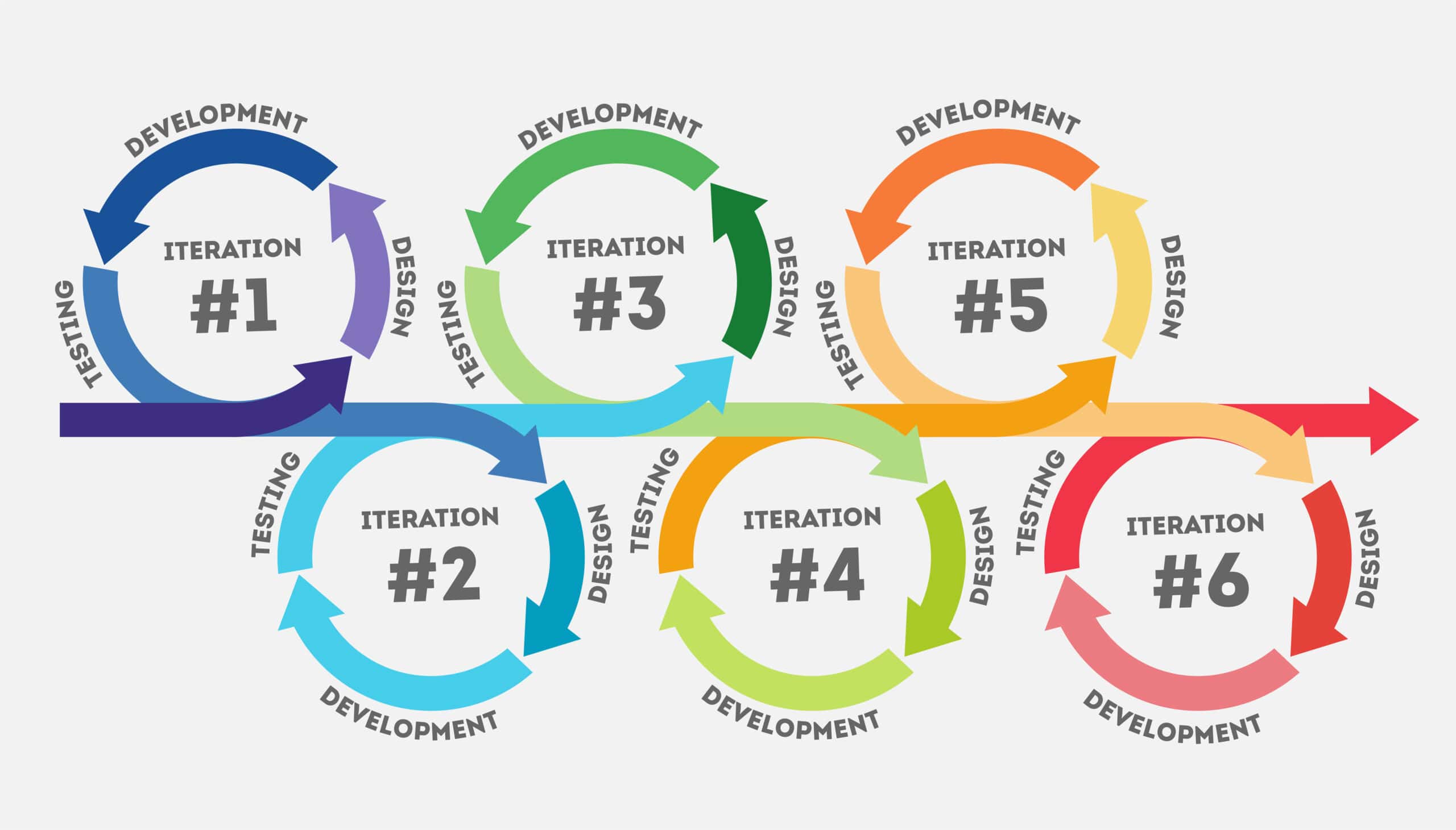
  2. Iterative Development: Agile projects are broken down into small, manageable increments called iterations or sprints. This allows for quick feedback and adjustments throughout the development cycle.
  3. Adaptability: Agile teams embrace change and are flexible in responding to new requirements or priorities as they arise.
  4. Cross-Functional Teams: Agile teams are composed of individuals with diverse skills who work together collaboratively to achieve project goals.

Practices of Agile Software Development

In addition to its core principles, agile software development relies on a set of practices to guide teams in implementing these principles effectively. Some common agile practices include:

  • Daily Stand-up Meetings: Team members meet briefly each day to discuss progress, challenges, and plans for the day.
  • User Stories: Requirements are captured as user stories, which describe features from the user’s perspective.
  • Sprint Planning: Teams plan their work for each sprint, setting goals and prioritizing tasks based on customer value.
  • Continuous Integration: Code changes are integrated frequently to detect issues early and ensure smooth collaboration among team members.

In conclusion, agile software development is a dynamic approach that empowers teams to deliver value quickly and adapt to changing requirements with ease. By embracing its principles and practices, organizations can build high-quality software that meets customer needs efficiently and effectively.


Understanding Agile Software Development: Process Models, Core Principles, and Key Elements

  1. Is Agile based software development a software process model?
  2. Is Agile software development based on iterative or incremental?
  3. What are the 4 core principles of Agile methodology?
  4. What are the 3 key elements of Agile methodology?
  5. What are the 5 principles of agile?
  6. What is the agile model based on?

Is Agile based software development a software process model?

Agile software development is not a traditional software process model in the strict sense. Instead, it is a flexible and iterative approach to software development that focuses on delivering value to customers through collaboration, adaptability, and continuous improvement. While traditional software process models, such as Waterfall or V-Model, follow a structured sequence of phases, Agile emphasizes responding to change and customer feedback throughout the development cycle. Agile is more about embracing principles and practices that promote agility and efficiency rather than adhering to a rigid process model.

Is Agile software development based on iterative or incremental?

Agile software development is based on both iterative and incremental approaches. Iterative development involves breaking down the project into smaller iterations or cycles, where each iteration delivers a working piece of the software. This allows for quick feedback, adjustments, and improvements throughout the development process. On the other hand, incremental development focuses on continuously adding new features and functionalities to the software in a step-by-step manner. By combining both iterative and incremental practices, Agile teams can deliver value to customers more efficiently and adapt to changing requirements effectively.

What are the 4 core principles of Agile methodology?

The four core principles of Agile methodology serve as the foundation for its approach to software development. These principles include customer collaboration, iterative development, adaptability, and cross-functional teams. Customer collaboration emphasizes the importance of involving customers in the development process to ensure their satisfaction. Iterative development breaks down projects into manageable increments for quick feedback and adjustments. Adaptability allows teams to embrace change and respond to new requirements effectively. Lastly, cross-functional teams bring together individuals with diverse skills to work collaboratively towards project goals, promoting efficiency and innovation in the Agile development process.

What are the 3 key elements of Agile methodology?

In Agile methodology, the three key elements that form its foundation are transparency, inspection, and adaptation. Transparency ensures that all aspects of the project are visible and understandable to everyone involved, promoting open communication and collaboration. Inspection involves regularly assessing progress and quality to identify any issues or deviations from the project’s goals, allowing for timely adjustments. Adaptation emphasizes the flexibility to respond to changing requirements or priorities throughout the development process, enabling teams to deliver value efficiently and effectively. By embracing these key elements, Agile methodology enables teams to work iteratively, deliver high-quality software, and continuously improve their processes.

What are the 5 principles of agile?

In agile software development, the five key principles that form the foundation of the methodology are customer collaboration, iterative development, adaptability, cross-functional teams, and responding to change. These principles emphasize the importance of engaging customers throughout the development process, breaking down projects into manageable iterations for quick feedback and adjustments, embracing change as a natural part of the process, fostering collaboration among team members with diverse skills, and being flexible in adapting to evolving requirements. By adhering to these principles, agile teams can effectively deliver high-quality software that meets customer needs in a dynamic and responsive manner.

What is the agile model based on?

The agile model is based on a set of core principles and values that prioritize customer collaboration, iterative development, adaptability, and cross-functional teamwork. This methodology emphasizes flexibility, responsiveness to change, and continuous improvement throughout the software development process. By breaking down projects into smaller increments, fostering close collaboration with customers, and embracing evolving requirements, the agile model enables teams to deliver high-quality software efficiently and effectively.

aws software engineer

Exploring the Role of an AWS Software Engineer in Modern Technology

The Role of an AWS Software Engineer

The Role of an AWS Software Engineer

As technology continues to evolve, the demand for skilled AWS software engineers is on the rise. These professionals play a crucial role in designing, developing, and maintaining applications that run on Amazon Web Services (AWS) cloud infrastructure.

Responsibilities of an AWS Software Engineer

An AWS software engineer is responsible for:

  • Architecting and implementing scalable, secure, and reliable applications on the AWS platform.
  • Collaborating with cross-functional teams to understand project requirements and deliver solutions that meet business objectives.
  • Optimizing application performance and ensuring high availability through effective use of AWS services.
  • Monitoring and troubleshooting application issues to maintain system health and performance.
  • Staying up-to-date with AWS best practices and emerging technologies to continuously improve the development process.

Skills Required for an AWS Software Engineer

To excel in this role, an AWS software engineer should possess a combination of technical skills and soft skills. Some key skills include:

  • Proficiency in programming languages such as Python, Java, or Node.js.
  • Experience with cloud computing concepts and services offered by AWS, such as EC2, S3, Lambda, and RDS.
  • Knowledge of DevOps practices for automated deployment and continuous integration/continuous delivery (CI/CD).
  • Strong problem-solving abilities and attention to detail.
  • Excellent communication skills for effective collaboration with team members and stakeholders.

Career Outlook for AWS Software Engineers

The demand for AWS software engineers is expected to continue growing as more businesses migrate their applications to the cloud. Companies across various industries are seeking professionals who can leverage the power of AWS to drive innovation and efficiency in their IT operations.

With the right skills and experience, an AWS software engineer can pursue career opportunities in roles such as cloud architect, solutions architect, or cloud developer. Continuous learning and staying current with industry trends are essential for success in this dynamic field.

In conclusion, becoming an AWS software engineer offers a rewarding career path for individuals passionate about cloud technology and software development. By mastering the necessary skills and staying updated on the latest advancements in the field, professionals can build a successful career in this fast-paced industry.


Top 6 FAQs About Becoming an AWS Software Engineer

  1. What is the role of an AWS software engineer?
  2. What skills are required to become an AWS software engineer?
  3. How does an AWS software engineer collaborate with cross-functional teams?
  4. What are the key responsibilities of an AWS software engineer in application development?
  5. How can one stay up-to-date with AWS best practices as a software engineer?
  6. What career opportunities are available for AWS software engineers?

What is the role of an AWS software engineer?

The role of an AWS software engineer is pivotal in designing, developing, and maintaining applications that operate on Amazon Web Services (AWS) cloud infrastructure. These professionals are tasked with architecting scalable and secure solutions on the AWS platform, collaborating with diverse teams to align technical solutions with business objectives, optimizing application performance for high availability using AWS services, monitoring system health, and resolving issues efficiently. By staying abreast of AWS best practices and emerging technologies, AWS software engineers ensure continuous improvement in application development processes to meet the evolving demands of cloud-based environments effectively.

What skills are required to become an AWS software engineer?

To become an AWS software engineer, a combination of technical expertise and soft skills is essential. Proficiency in programming languages like Python, Java, or Node.js is crucial for developing applications on the AWS platform. Familiarity with cloud computing concepts and AWS services such as EC2, S3, Lambda, and RDS is also necessary. Knowledge of DevOps practices for automated deployment and CI/CD pipelines is valuable for streamlining the development process. Strong problem-solving abilities, attention to detail, and effective communication skills are key attributes that help AWS software engineers succeed in designing scalable and reliable applications on the cloud infrastructure.

How does an AWS software engineer collaborate with cross-functional teams?

Collaboration with cross-functional teams is a key aspect of an AWS software engineer’s role. These professionals work closely with team members from different disciplines, such as developers, system administrators, and business analysts, to understand project requirements and deliver solutions that align with business objectives. AWS software engineers engage in effective communication to ensure that all stakeholders are on the same page regarding project goals and timelines. They contribute their expertise in AWS services and cloud architecture to design scalable and secure applications that meet the needs of the organization. By fostering collaboration and sharing knowledge across teams, AWS software engineers play a vital role in driving successful project outcomes and achieving collective success.

What are the key responsibilities of an AWS software engineer in application development?

In application development, an AWS software engineer holds key responsibilities that include architecting and implementing scalable, secure, and reliable applications on the Amazon Web Services (AWS) platform. They collaborate with cross-functional teams to understand project requirements and deliver solutions that align with business objectives. Additionally, AWS software engineers optimize application performance, ensure high availability through effective use of AWS services, monitor and troubleshoot application issues to maintain system health and performance, and stay updated with AWS best practices and emerging technologies to enhance the development process continually. These responsibilities are crucial in ensuring the successful design and deployment of applications on the AWS cloud infrastructure.

How can one stay up-to-date with AWS best practices as a software engineer?

Staying up-to-date with AWS best practices as a software engineer is essential for maintaining relevance and proficiency in the rapidly evolving cloud computing landscape. To stay current, one can leverage resources such as the official AWS website, which provides documentation, whitepapers, and online training courses. Additionally, joining AWS user groups, attending webinars, and participating in industry conferences can offer valuable insights into the latest trends and best practices. Engaging with the AWS community through forums and social media platforms allows software engineers to exchange knowledge and learn from peers’ experiences. Continuous learning and hands-on practice with AWS services are key to mastering best practices and enhancing skills in cloud application development.

What career opportunities are available for AWS software engineers?

When considering career opportunities for AWS software engineers, a wide range of paths await those with expertise in Amazon Web Services. AWS software engineers can explore roles such as cloud architect, solutions architect, cloud developer, or DevOps engineer. These professionals play a vital role in designing, implementing, and optimizing cloud-based solutions for businesses across various industries. With the increasing adoption of cloud technologies, the demand for skilled AWS software engineers continues to grow. By staying current with AWS best practices and expanding their skill set, individuals in this field can unlock exciting opportunities for career advancement and professional growth.

java software engineer

Mastering the Role of a Java Software Engineer: A Guide to Success

Article: Java Software Engineer

The Role of a Java Software Engineer

Java software engineers play a crucial role in the development of various software applications and systems. They are responsible for designing, implementing, and maintaining Java-based solutions that meet the specific needs of clients or organizations.

Key Responsibilities

As a Java software engineer, one must have a strong understanding of Java programming language and its frameworks. Some key responsibilities include:

  • Developing high-quality software solutions using Java technologies
  • Collaborating with cross-functional teams to design and implement new features
  • Testing and debugging code to ensure optimal performance
  • Optimizing applications for scalability and efficiency
  • Maintaining existing software systems by troubleshooting issues and implementing updates

Skills Required

To excel as a Java software engineer, one should possess the following skills:

  • Proficiency in Java programming language and related technologies (e.g., Spring, Hibernate)
  • Strong problem-solving abilities and attention to detail
  • Knowledge of software development best practices and design patterns
  • Experience with database management systems (e.g., SQL, Oracle)
  • Excellent communication skills for effective collaboration with team members

Career Outlook

The demand for skilled Java software engineers continues to grow as businesses rely on custom software solutions to streamline operations and enhance customer experiences. With the right expertise and experience, Java software engineers can pursue rewarding career opportunities in various industries.

Conclusion

In conclusion, being a Java software engineer requires a blend of technical proficiency, problem-solving skills, and collaboration abilities. By staying updated on industry trends and continuously honing their craft, Java software engineers can make significant contributions to the development of innovative software solutions.


5 Essential Tips for Excelling as a Java Software Engineer

  1. Focus on mastering core Java concepts and language features.
  2. Practice regularly by working on coding challenges and personal projects.
  3. Stay updated with the latest trends and technologies in the Java ecosystem.
  4. Collaborate with other developers to learn from their experiences and improve your skills.
  5. Develop strong problem-solving abilities to tackle complex software engineering tasks efficiently.

Focus on mastering core Java concepts and language features.

To excel as a Java software engineer, it is essential to focus on mastering core Java concepts and language features. Understanding the fundamentals of Java programming lays a solid foundation for building complex applications and solving challenging problems efficiently. By honing your skills in core Java concepts such as object-oriented programming, data structures, and algorithms, you can enhance your ability to write robust and efficient code. Continuous learning and practice in mastering these fundamental aspects of Java will not only make you a proficient software engineer but also enable you to adapt to new technologies and frameworks effectively.

Practice regularly by working on coding challenges and personal projects.

To excel as a Java software engineer, it is essential to practice regularly by engaging in coding challenges and personal projects. By tackling various coding problems and working on personal projects, Java software engineers can enhance their problem-solving skills, deepen their understanding of Java programming concepts, and stay abreast of industry trends. This hands-on experience not only helps in sharpening technical abilities but also fosters creativity and innovation in developing robust software solutions. Regular practice through coding challenges and personal projects is a valuable way for Java software engineers to continuously improve their skills and stay competitive in the ever-evolving tech landscape.

To excel as a Java software engineer, it is essential to stay updated with the latest trends and technologies in the Java ecosystem. By keeping abreast of advancements in Java programming language, frameworks, and tools, software engineers can enhance their skills, stay competitive in the job market, and deliver innovative solutions that meet evolving industry standards. Continuous learning and adaptation to new technologies not only broaden one’s knowledge base but also ensure the development of robust and efficient software applications that cater to the dynamic needs of clients and organizations.

Collaborate with other developers to learn from their experiences and improve your skills.

Collaborating with other developers is a valuable tip for Java software engineers looking to enhance their skills and knowledge. By working closely with peers, you can gain insights from their experiences, learn new techniques, and discover best practices in Java development. This collaborative approach not only fosters a sense of teamwork but also provides opportunities for personal growth and professional development. Sharing ideas and learning from others can help you expand your skill set and become a more proficient Java software engineer in the ever-evolving tech industry.

Develop strong problem-solving abilities to tackle complex software engineering tasks efficiently.

Developing strong problem-solving abilities is essential for Java software engineers to tackle complex software engineering tasks efficiently. By honing this skill, engineers can approach challenges methodically, analyze problems from different angles, and devise effective solutions. Whether debugging code, optimizing performance, or implementing new features, the ability to solve problems efficiently not only enhances productivity but also contributes to the overall quality of software development projects. Continuous practice and exposure to diverse scenarios can further sharpen a Java software engineer’s problem-solving skills and enable them to excel in their role.

software engineer

Exploring the Role of a Software Engineer in Modern Technology

Article: Software Engineer

The Role of a Software Engineer in Today’s Tech Industry

In the fast-paced world of technology, software engineers play a crucial role in designing, developing, and maintaining the software applications that power our modern lives. These skilled professionals are responsible for creating innovative solutions to complex problems and ensuring that software systems function efficiently and effectively.

Key Responsibilities of a Software Engineer

Software engineers are involved in every stage of the software development process. From initial concept and design to implementation, testing, and maintenance, their responsibilities include:

  • Writing code in various programming languages
  • Collaborating with cross-functional teams to define requirements
  • Testing and debugging software applications
  • Implementing best practices for software development
  • Maintaining and updating existing software systems

Skills Required for Success

To excel as a software engineer, individuals need a combination of technical skills, problem-solving abilities, and strong communication skills. Some key skills required for success in this role include:

  • Proficiency in programming languages such as Java, C++, Python, or JavaScript
  • Understanding of data structures and algorithms
  • Knowledge of software development methodologies like Agile or Scrum
  • Ability to work collaboratively in a team environment
  • Continuous learning mindset to stay updated with evolving technologies

Career Opportunities for Software Engineers

The demand for skilled software engineers continues to grow across various industries, including technology, healthcare, finance, and more. With the ever-increasing reliance on digital solutions, software engineers can explore diverse career opportunities such as:

  • Software developer
  • Systems analyst
  • Data scientist
  • IT consultant
  • Cybersecurity specialist/liI

In Conclusion…

In conclusion, software engineers play a vital role in shaping the technological landscape we live in today. Their expertise and innovation drive progress and enable businesses and individuals to leverage cutting-edge solutions for a brighter future.

©2023 All rights reserved | YourWebsite.com


Understanding Software Engineering: Key Roles, Skills, and Career Paths

  1. What does a software engineer do?
  2. What skills are required to become a software engineer?
  3. How can I become a software engineer?
  4. What programming languages should a software engineer know?
  5. What is the average salary of a software engineer?
  6. What career opportunities are available for software engineers?

What does a software engineer do?

A software engineer is responsible for designing, developing, and maintaining software applications to meet specific requirements. They write code in various programming languages, collaborate with cross-functional teams to define project goals, test and debug software systems, and ensure that best practices are followed throughout the development process. Software engineers play a critical role in creating innovative solutions to complex problems and ensuring that software applications function efficiently and effectively to meet the needs of users.

What skills are required to become a software engineer?

To become a successful software engineer, a combination of technical skills and soft skills is essential. Proficiency in programming languages like Java, C++, Python, or JavaScript is crucial, along with a solid understanding of data structures and algorithms. Problem-solving abilities, attention to detail, and the capacity to work collaboratively in a team are also key attributes. Additionally, staying updated with the latest technologies and software development methodologies is vital for continuous growth and success in the dynamic field of software engineering.

How can I become a software engineer?

To become a software engineer, individuals typically follow a structured path that includes obtaining a relevant degree in computer science or a related field. Additionally, gaining practical experience through internships or personal projects can be beneficial in developing coding skills and understanding software development processes. Continuous learning and staying updated with the latest technologies are essential for aspiring software engineers to thrive in this dynamic field. Building a strong portfolio showcasing one’s projects and capabilities can also help in securing job opportunities as a software engineer.

What programming languages should a software engineer know?

Software engineers should have a strong foundation in programming languages to excel in their roles. While the specific languages may vary depending on the job requirements and industry trends, some commonly recommended programming languages for software engineers include Java, Python, C++, JavaScript, and SQL. These languages are versatile and widely used across different domains, making them valuable skills for software engineers to possess. Additionally, familiarity with frameworks and tools associated with these languages can further enhance a software engineer’s capabilities in developing robust and efficient software solutions.

What is the average salary of a software engineer?

The average salary of a software engineer can vary depending on factors such as location, experience, level of expertise, and the specific industry in which they work. In general, software engineers are well-compensated professionals due to their high demand and specialized skill set. According to recent data, the average salary for a software engineer in the United States ranges from $80,000 to $120,000 per year. However, this figure can be higher or lower based on individual circumstances and market conditions.

What career opportunities are available for software engineers?

Software engineers have a wide range of career opportunities available to them in today’s tech-driven world. They can pursue roles such as software developer, systems analyst, data scientist, IT consultant, and cybersecurity specialist. With the increasing demand for digital solutions across various industries, software engineers have the flexibility to explore diverse career paths that align with their interests and expertise. Whether working on developing cutting-edge applications, analyzing complex systems, harnessing data insights, or ensuring robust cybersecurity measures, software engineers play a crucial role in shaping the future of technology and driving innovation across different sectors.

swe software engineer

The Essential Role of a Software Engineer (SWE) in Modern Technology

Article: Software Engineer (SWE)

The Role of a Software Engineer (SWE)

Software engineers, often referred to as SWEs, play a crucial role in the development and maintenance of software applications. They are responsible for designing, coding, testing, and debugging programs that enable various digital functionalities.

Skills Required

Successful software engineers possess a strong foundation in programming languages such as Java, C++, Python, or JavaScript. They also need to have a deep understanding of algorithms, data structures, and software design principles.

Responsibilities

Software engineers collaborate with cross-functional teams to analyze user needs and develop software solutions that meet those requirements. They are involved in all stages of the software development lifecycle, from planning and design to implementation and deployment.

Challenges

One of the key challenges faced by software engineers is staying updated with rapidly evolving technologies. Continuous learning and adaptation are essential in this dynamic field to ensure that SWEs can deliver cutting-edge solutions.

Career Opportunities

The demand for skilled software engineers is high across various industries, including tech companies, financial institutions, healthcare organizations, and more. With experience and expertise, SWEs can advance their careers into roles such as technical lead, software architect, or project manager.

Conclusion

In today’s digital age, software engineers play a vital role in shaping the technological landscape. Their innovative solutions drive progress and enable businesses to thrive in an increasingly competitive market. As technology continues to evolve, the role of a software engineer remains indispensable in creating efficient and user-friendly software applications.


Top 9 Frequently Asked Questions About Software Engineering Careers

  1. What is a Software Engineer (SWE)?
  2. What are the key responsibilities of a Software Engineer?
  3. What programming languages should a Software Engineer know?
  4. How does one become a successful Software Engineer?
  5. What are the typical skills required for a Software Engineer role?
  6. What career opportunities are available for Software Engineers?
  7. What challenges do Software Engineers commonly face in their work?
  8. Is a degree in Computer Science necessary to become a Software Engineer?
  9. How can software engineers stay updated with the latest technologies and trends?

What is a Software Engineer (SWE)?

A Software Engineer (SWE) is a professional responsible for designing, developing, and maintaining software applications. SWEs utilize their expertise in programming languages, algorithms, and software design principles to create efficient and functional solutions that meet user needs. They work collaboratively with cross-functional teams throughout the software development lifecycle to ensure the successful implementation of projects. SWEs play a crucial role in advancing technology and driving innovation across various industries by creating cutting-edge software solutions that enhance digital experiences.

What are the key responsibilities of a Software Engineer?

Software engineers are tasked with a variety of key responsibilities that are essential to the development and maintenance of software applications. Some of the primary duties include collaborating with cross-functional teams to analyze user requirements, designing and implementing software solutions that meet those needs, testing and debugging code to ensure functionality and reliability, as well as continuously updating and improving existing software systems. Additionally, software engineers are responsible for staying abreast of industry trends and advancements to incorporate the latest technologies into their work, ultimately contributing to the overall success of projects and the efficiency of digital solutions.

What programming languages should a Software Engineer know?

When considering the question of what programming languages a Software Engineer should know, it is important to understand that the choice of languages can vary depending on the specific industry, project requirements, and personal career goals. However, some commonly recommended programming languages for Software Engineers include Java, C++, Python, JavaScript, and SQL. These languages are widely used in different domains and offer versatility in developing various types of software applications. Additionally, having a solid understanding of algorithms and data structures is essential regardless of the programming language used, as they form the foundation for efficient and scalable software solutions. Ultimately, staying adaptable and continuously learning new languages and technologies can help Software Engineers stay competitive in the ever-evolving tech industry.

How does one become a successful Software Engineer?

To become a successful Software Engineer, individuals need to acquire a strong foundation in programming languages, algorithms, and software design principles. Continuous learning and staying updated with the latest technologies are essential in this fast-paced field. Practical experience through internships, personal projects, and collaboration with peers can also enhance one’s skills. Developing problem-solving abilities, effective communication skills, and a passion for innovation are key traits that contribute to success in the software engineering profession. Embracing challenges, seeking feedback, and being open to continuous improvement are crucial aspects of a successful software engineer’s journey.

What are the typical skills required for a Software Engineer role?

In the realm of Software Engineering, a commonly asked question revolves around the essential skills required for this role. A Software Engineer must possess a strong proficiency in programming languages such as Java, C++, Python, or JavaScript. Additionally, a deep understanding of algorithms, data structures, and software design principles is crucial for success in this field. Effective problem-solving abilities, attention to detail, and the capacity to work collaboratively within cross-functional teams are also highly valued skills that enable Software Engineers to excel in their roles.

What career opportunities are available for Software Engineers?

Software Engineers have a wide range of career opportunities available to them across various industries. They can pursue roles such as software developer, systems analyst, quality assurance engineer, technical lead, software architect, project manager, and more. With their expertise in programming languages and software development methodologies, Software Engineers are highly sought after by tech companies, financial institutions, healthcare organizations, government agencies, and other sectors that rely on digital solutions. The demand for skilled Software Engineers continues to grow as technology advances, offering ample opportunities for career growth and specialization in the ever-evolving field of software engineering.

What challenges do Software Engineers commonly face in their work?

Software Engineers commonly face various challenges in their work, including staying abreast of rapidly advancing technologies, managing complex project requirements, and troubleshooting intricate technical issues. Keeping up with the latest trends and tools in the ever-evolving tech landscape is crucial for SWEs to deliver innovative solutions. Additionally, balancing time constraints and meeting project deadlines while maintaining code quality can be a significant challenge. Problem-solving skills and effective communication within cross-functional teams are essential for Software Engineers to overcome these obstacles and ensure the successful development of software applications.

Is a degree in Computer Science necessary to become a Software Engineer?

Many aspiring individuals often wonder if a degree in Computer Science is essential to pursue a career as a Software Engineer. While a Computer Science degree can provide a solid foundation in programming languages, algorithms, and software development principles, it is not always a strict requirement. Many successful Software Engineers have backgrounds in related fields or have gained expertise through self-study and practical experience. However, having a degree in Computer Science can offer advantages in terms of structured learning and credibility in the eyes of employers. Ultimately, what matters most in this field is the individual’s proficiency in coding, problem-solving skills, and continuous learning mindset rather than the specific degree they hold.

To stay updated with the latest technologies and trends, software engineers can engage in continuous learning through various channels. This includes attending industry conferences, participating in workshops and webinars, enrolling in online courses, reading tech blogs and publications, joining professional forums and communities, and following influential figures in the field on social media platforms. Additionally, collaborating with colleagues on projects, experimenting with new tools and technologies in personal projects, and seeking mentorship from experienced professionals can also help software engineers stay abreast of advancements in the ever-evolving tech landscape. By actively pursuing learning opportunities and staying curious about emerging technologies, software engineers can enhance their skills and remain competitive in the industry.

intel software engineer

Exploring the Role of an Intel Software Engineer in Driving Technological Innovation

Intel Software Engineer

The Role of an Intel Software Engineer

Intel, a leading technology company, relies on skilled software engineers to drive innovation and develop cutting-edge solutions. As an Intel software engineer, you play a crucial role in shaping the future of technology.

Responsibilities of an Intel Software Engineer

Intel software engineers are responsible for designing, developing, and testing software applications that power Intel’s products and services. They collaborate with cross-functional teams to create efficient and reliable software solutions.

Key responsibilities of an Intel software engineer include:

  • Writing code in various programming languages such as C++, Python, and Java
  • Optimizing software performance for Intel hardware platforms
  • Collaborating with hardware engineers to ensure seamless integration of software and hardware components
  • Participating in code reviews and providing constructive feedback to team members
  • Staying updated on emerging technologies and industry trends
  • Debugging and troubleshooting software issues to ensure high-quality deliverables

Skills Required

To excel as an Intel software engineer, you need a combination of technical skills, problem-solving abilities, and strong communication skills. Some key skills required for this role include:

  • Proficiency in programming languages such as C/C++, Python, or Java
  • Understanding of computer architecture and system design principles
  • Experience with debugging tools and techniques
  • Strong analytical skills to identify and solve complex problems efficiently
  • Excellent teamwork and collaboration skills to work effectively in a dynamic environment
  • Adaptability to learn new technologies quickly and stay ahead in a rapidly evolving industry

Career Growth Opportunities at Intel

Working as a software engineer at Intel opens up numerous opportunities for career growth and advancement. Intel values continuous learning and provides resources for employees to enhance their skills through training programs, certifications, and hands-on projects.

As you progress in your career at Intel, you may have the chance to take on leadership roles, work on innovative projects, or specialize in specific areas of software development.


Common Questions About Software Engineering Careers at Intel

  1. What does a software engineer do at Intel?
  2. What is the highest paying job in Intel?
  3. What does Intel software engineer do?
  4. Does Intel pay well?
  5. What is the salary of software engineer in Intel?

What does a software engineer do at Intel?

At Intel, a software engineer plays a pivotal role in designing, developing, and testing software applications that drive the functionality of Intel’s products and services. They collaborate with multidisciplinary teams to ensure seamless integration of software with Intel’s cutting-edge hardware platforms. A software engineer at Intel is responsible for writing code in various programming languages, optimizing software performance for Intel’s hardware architecture, participating in code reviews, and staying abreast of emerging technologies to deliver high-quality and innovative solutions. Their work involves problem-solving, debugging, and continuous learning to meet the dynamic demands of the technology industry and contribute to Intel’s legacy of innovation.

What is the highest paying job in Intel?

One of the frequently asked questions regarding Intel software engineers is related to the highest paying job within Intel. While specific salary figures can vary based on factors such as experience, location, and job role, senior technical positions such as Principal Engineers or Technical Fellows are often among the highest-paying roles at Intel. These positions typically require extensive expertise, leadership skills, and a proven track record of contributing to significant technological advancements within the company. Individuals in these roles may be responsible for driving innovation, leading critical projects, and shaping the future direction of Intel’s technology solutions.

What does Intel software engineer do?

Intel software engineers play a pivotal role in designing, developing, and testing software applications that drive Intel’s products and services. They are responsible for writing code in various programming languages, optimizing software performance for Intel hardware platforms, collaborating with hardware engineers for seamless integration, participating in code reviews, and staying updated on emerging technologies. Intel software engineers leverage their technical expertise, problem-solving skills, and strong communication abilities to ensure the delivery of high-quality software solutions that meet the evolving needs of the industry.

Does Intel pay well?

When it comes to compensation, Intel is known for offering competitive salaries and benefits to its employees, including software engineers. The pay scale at Intel is often aligned with industry standards, and the company values its employees’ contributions by providing a comprehensive compensation package. Additionally, Intel recognizes the importance of attracting and retaining top talent in the tech industry, which reflects in its approach to fair and rewarding pay structures for software engineers.

What is the salary of software engineer in Intel?

The salary of a software engineer at Intel can vary based on factors such as experience, location, and specific role within the company. Generally, Intel offers competitive compensation packages to software engineers, including base salary, bonuses, stock options, and benefits. Entry-level software engineers at Intel can expect a starting salary that is above the industry average, with opportunities for salary increases and promotions as they gain experience and demonstrate their skills. Experienced software engineers with a strong track record of performance may command higher salaries within the company. It’s important to note that Intel values its employees and strives to provide fair compensation that reflects their contributions to the company’s success.

deloitte software engineer

Exploring the Role of a Deloitte Software Engineer in Today’s Tech Landscape

Deloitte Software Engineer: A Career Overview

Deloitte Software Engineer: A Career Overview

Deloitte is a renowned global consulting firm that offers various career opportunities for software engineers. As a software engineer at Deloitte, you will be part of a dynamic team that works on cutting-edge projects for clients across different industries.

Responsibilities of a Deloitte Software Engineer

As a software engineer at Deloitte, your responsibilities may include:

  • Developing and implementing software solutions to meet client needs
  • Collaborating with cross-functional teams to design and deliver innovative technology solutions
  • Testing and debugging software applications to ensure optimal performance
  • Providing technical expertise and support to clients during project implementation
  • Staying updated on emerging technologies and trends in the software engineering field

Skills and Qualifications Required

To excel as a software engineer at Deloitte, you should possess the following skills and qualifications:

  • Bachelor’s degree in Computer Science, Engineering, or related field
  • Proficiency in programming languages such as Java, C++, Python, or others
  • Strong problem-solving abilities and analytical skills
  • Excellent communication and teamwork skills
  • Experience with software development tools and methodologies

Career Growth Opportunities

Working as a software engineer at Deloitte provides numerous opportunities for career growth and advancement. Deloitte offers training programs, mentorship opportunities, and chances to work on challenging projects that can help you enhance your skills and expertise.

If you are passionate about technology, innovation, and making an impact through software development, consider exploring a career as a software engineer at Deloitte.


Exploring the Role and Opportunities of a Software Engineer at Deloitte: FAQs Answered

  1. What are the responsibilities of a software engineer at Deloitte?
  2. What qualifications are required to become a software engineer at Deloitte?
  3. What programming languages are commonly used by software engineers at Deloitte?
  4. How does Deloitte support the career growth of software engineers?
  5. Can you describe a typical day in the life of a software engineer at Deloitte?
  6. What training and development opportunities are available for software engineers at Deloitte?
  7. How does collaboration work among software engineers and other teams at Deloitte?
  8. What types of projects do software engineers typically work on at Deloitte?
  9. How does Deloitte stay current with emerging technologies in the field of software engineering?

What are the responsibilities of a software engineer at Deloitte?

As a software engineer at Deloitte, you will have a range of responsibilities that involve developing and implementing software solutions tailored to meet the specific needs of clients. Collaborating with diverse teams, you will work on designing and delivering innovative technology solutions. Your tasks will also include testing and debugging software applications to ensure optimal performance, providing technical expertise and support during project implementation, and staying abreast of emerging technologies and trends within the software engineering domain.

What qualifications are required to become a software engineer at Deloitte?

To become a software engineer at Deloitte, candidates are typically required to have a bachelor’s degree in Computer Science, Engineering, or a related field. Proficiency in programming languages such as Java, C++, Python, or others is essential. Strong problem-solving abilities, analytical skills, excellent communication, and teamwork skills are also highly valued. Experience with software development tools and methodologies is beneficial for candidates looking to excel in this role at Deloitte.

What programming languages are commonly used by software engineers at Deloitte?

Software engineers at Deloitte commonly use a variety of programming languages to develop innovative solutions for clients. Some of the programming languages frequently used include Java, C++, Python, JavaScript, and SQL. These languages are chosen based on project requirements and the specific needs of clients to ensure efficient and effective software development processes. Deloitte software engineers are skilled in adapting to different programming languages and technologies to deliver high-quality solutions that meet client expectations.

How does Deloitte support the career growth of software engineers?

Deloitte supports the career growth of software engineers through a variety of avenues. The company offers training programs, mentorship opportunities, and access to cutting-edge projects that allow software engineers to enhance their skills and expertise. Deloitte encourages continuous learning and development, providing resources for staying updated on the latest technologies and trends in the industry. Additionally, software engineers at Deloitte have the chance to work with diverse teams on innovative solutions for clients across different sectors, fostering professional growth and exposure to new challenges. With a focus on nurturing talent and promoting advancement, Deloitte is committed to empowering software engineers to reach their full potential in their careers.

Can you describe a typical day in the life of a software engineer at Deloitte?

One of the frequently asked questions about working as a software engineer at Deloitte is, “Can you describe a typical day in the life of a software engineer at Deloitte?” A typical day for a software engineer at Deloitte may involve collaborating with team members to design and develop software solutions, attending meetings with clients to understand their requirements, writing code to implement new features or enhance existing applications, conducting code reviews and testing to ensure quality, and staying updated on the latest technologies and trends in the industry. Software engineers at Deloitte often work on diverse projects that offer opportunities for learning and growth while making a meaningful impact through innovative technology solutions.

What training and development opportunities are available for software engineers at Deloitte?

Deloitte offers a wide range of training and development opportunities for software engineers to enhance their skills and stay ahead in the ever-evolving tech industry. Software engineers at Deloitte have access to specialized training programs, workshops, and certifications that cover the latest technologies and trends. Additionally, they can benefit from mentorship programs, networking events, and hands-on project experiences that help them grow professionally. Deloitte is committed to investing in the continuous learning and development of its software engineers, ensuring they are equipped with the knowledge and tools needed to excel in their roles.

How does collaboration work among software engineers and other teams at Deloitte?

Collaboration among software engineers and other teams at Deloitte is a key aspect of the company’s work culture. Software engineers at Deloitte often collaborate closely with cross-functional teams, including business analysts, project managers, designers, and clients. This collaborative approach allows for a holistic understanding of project requirements and fosters innovation through diverse perspectives. Regular meetings, brainstorming sessions, and feedback loops ensure that all team members are aligned on project goals and deliverables. By working together seamlessly, software engineers and other teams at Deloitte create impactful solutions that meet client needs effectively and drive business success.

What types of projects do software engineers typically work on at Deloitte?

Software engineers at Deloitte are involved in a wide range of projects spanning various industries and technologies. They may work on developing custom software solutions for clients, implementing enterprise applications, designing and optimizing databases, creating mobile applications, and integrating systems to enhance business processes. Additionally, software engineers at Deloitte often collaborate with cross-functional teams to deliver innovative technology solutions that address complex challenges faced by clients. The diverse project portfolio at Deloitte provides software engineers with valuable opportunities to apply their skills, learn new technologies, and make a meaningful impact through their work.

How does Deloitte stay current with emerging technologies in the field of software engineering?

Deloitte stays current with emerging technologies in the field of software engineering through a proactive approach that involves continuous research, collaboration with industry experts, and investment in training programs for its software engineers. The company prioritizes staying at the forefront of technological advancements by monitoring industry trends, attending conferences and seminars, and fostering partnerships with technology providers. By embracing a culture of innovation and learning, Deloitte ensures that its software engineers are equipped with the knowledge and skills needed to leverage the latest technologies in delivering cutting-edge solutions to clients.

scrum development

Maximizing Efficiency Through Scrum Development Practices

The Benefits of Scrum Development

The Benefits of Scrum Development

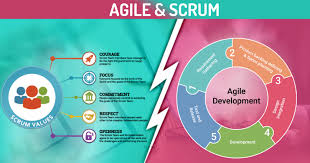
Scrum is a popular agile framework used in software development to manage complex projects. It emphasizes collaboration, flexibility, and continuous improvement. Here are some key benefits of implementing Scrum:

Improved Transparency

Scrum promotes transparency by providing a clear view of the project’s progress through regular meetings such as daily stand-ups, sprint planning, and sprint reviews. This transparency helps teams identify issues early and make necessary adjustments to stay on track.

Increased Flexibility

Scrum allows for flexibility in project requirements and priorities. The iterative nature of Scrum enables teams to adapt to changes quickly, making it easier to respond to customer feedback and market demands.

Enhanced Collaboration

Collaboration is at the core of Scrum. Cross-functional teams work together towards a common goal, fostering communication and teamwork. This collaborative environment encourages knowledge sharing and innovation.

Faster Delivery of Value

Scrum focuses on delivering working software in short iterations called sprints. By breaking down the project into manageable tasks and delivering incremental value at the end of each sprint, teams can quickly respond to stakeholder needs and deliver products faster.

Continuous Improvement

Scrum encourages continuous improvement through regular retrospectives at the end of each sprint. Teams reflect on their performance, identify areas for improvement, and implement changes to enhance their processes and deliver better results in future sprints.

In conclusion, Scrum development offers numerous benefits that can help teams build high-quality software efficiently while adapting to changing requirements and delivering value to customers consistently.


7 Essential Tips for Effective Scrum Development

  1. Ensure clear communication among team members
  2. Prioritize tasks based on importance and urgency
  3. Hold regular stand-up meetings to track progress
  4. Embrace changes in requirements throughout the project
  5. Encourage collaboration and teamwork within the team
  6. Deliver working increments of product at the end of each sprint
  7. Reflect on past sprints to identify areas for improvement

Ensure clear communication among team members

Clear communication among team members is essential in Scrum development to ensure that everyone is aligned on project goals, tasks, and progress. By fostering open and transparent communication channels, team members can collaborate effectively, share information, address challenges promptly, and make informed decisions. Clear communication helps prevent misunderstandings, reduces the risk of errors, and promotes a cohesive team dynamic where everyone feels valued and understood. Ultimately, when team members communicate clearly and openly in a Scrum environment, it leads to improved productivity, better problem-solving capabilities, and successful project outcomes.

Prioritize tasks based on importance and urgency

In Scrum development, it is essential to prioritize tasks based on their importance and urgency. By focusing on important and urgent tasks first, teams can ensure that they are addressing critical issues and delivering value to stakeholders in a timely manner. This approach helps teams stay focused on what matters most, manage their time effectively, and make informed decisions about how to allocate resources for maximum impact. Prioritizing tasks based on importance and urgency is a key principle of successful project management in the Scrum framework.

Hold regular stand-up meetings to track progress

Regular stand-up meetings are a crucial aspect of Scrum development. These brief daily meetings provide teams with the opportunity to track progress, discuss any roadblocks, and align on tasks for the day. By fostering open communication and transparency, stand-up meetings help teams stay focused, identify potential issues early on, and ensure that everyone is on the same page regarding project status. This practice promotes collaboration and accountability among team members, ultimately leading to more efficient and effective project delivery.

Embrace changes in requirements throughout the project

Embracing changes in requirements throughout a project is a fundamental principle of Scrum development. By remaining flexible and open to adjustments, teams can respond effectively to evolving stakeholder needs and market demands. This approach allows for continuous improvement and ensures that the final product meets the most current requirements and expectations. Adapting to changes in requirements also fosters collaboration within the team, as members work together to find innovative solutions and deliver value to customers efficiently.

Encourage collaboration and teamwork within the team

Encouraging collaboration and teamwork within the team is a fundamental principle in Scrum development. By fostering a culture of open communication and shared goals, team members can leverage their diverse skills and perspectives to solve complex problems more effectively. Collaboration promotes knowledge sharing, enhances creativity, and strengthens trust among team members, leading to increased productivity and better outcomes for the project. Emphasizing teamwork in Scrum not only boosts morale but also ensures that everyone works together towards achieving the project’s objectives efficiently.

Deliver working increments of product at the end of each sprint

In Scrum development, delivering working increments of the product at the end of each sprint is a crucial practice that ensures continuous progress and feedback. By breaking down the project into manageable tasks and completing a functional piece of the product within a short time frame, teams can demonstrate tangible results to stakeholders and gather valuable input for further refinement. This iterative approach not only accelerates the development process but also allows for early validation of features, enabling teams to make necessary adjustments and deliver a high-quality product incrementally.

Reflect on past sprints to identify areas for improvement

Reflecting on past sprints to identify areas for improvement is a crucial practice in Scrum development. By taking the time to review what went well and what could have been done better in previous iterations, teams can learn from their experiences and make necessary adjustments to enhance their performance in future sprints. This continuous feedback loop allows teams to address issues, refine processes, and optimize their workflow, ultimately leading to increased efficiency and better outcomes.

rapid application development

Accelerating Innovation: The Power of Rapid Application Development

Rapid Application Development: Accelerating Software Development Processes

In today’s fast-paced digital world, businesses are constantly seeking ways to streamline their software development processes to meet the ever-changing demands of the market. One approach that has gained significant traction in recent years is Rapid Application Development (RAD).

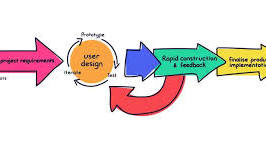
Rapid Application Development is a software development methodology that prioritizes rapid prototyping and iterative development over traditional planning and extensive upfront design. The primary goal of RAD is to accelerate the development process and deliver working software quickly.

One of the key principles of RAD is active user involvement throughout the development cycle. By involving end-users early on in the process, developers can gather feedback, iterate on designs, and ensure that the final product meets user expectations.

RAD emphasizes collaboration between cross-functional teams, including developers, designers, and business stakeholders. This collaborative approach helps identify potential issues early in the development cycle and allows for quick adjustments to be made.

Another hallmark of RAD is the use of rapid prototyping tools and techniques to create functional prototypes quickly. These prototypes serve as a visual representation of the final product and help stakeholders visualize the end result early in the process.

By focusing on delivering working software in short iterations, RAD enables businesses to respond swiftly to changing requirements and market dynamics. This agility is crucial in today’s competitive landscape where speed-to-market can often make or break a product’s success.

While RAD offers many benefits in terms of speed and flexibility, it also comes with its challenges. Managing scope creep, ensuring quality control, and maintaining documentation can be more challenging in a rapid development environment. However, with proper planning and effective communication, these challenges can be mitigated.

In conclusion, Rapid Application Development has emerged as a valuable methodology for accelerating software development processes in response to today’s fast-paced business environment. By embracing RAD principles and practices, businesses can deliver innovative solutions quickly while remaining responsive to evolving market needs.


Understanding Rapid Application Development: Key Differences, Uses, Stages, Examples, and Applications

  1. What is the difference between RAD and agile?
  2. What is RAD used for?
  3. What are the 5 stages of rapid application development?
  4. What is a real life example of rapid application development?
  5. What are the 4 phases of rapid application development?
  6. Where is rapid application development used?

What is the difference between RAD and agile?

When comparing Rapid Application Development (RAD) and Agile methodologies, it’s essential to understand that while both approaches emphasize iterative development and collaboration, they differ in their focus and implementation. RAD typically places more emphasis on rapid prototyping and quick delivery of working software, aiming to accelerate the development process through intensive user involvement and feedback. On the other hand, Agile is a broader methodology that encompasses various frameworks like Scrum and Kanban, emphasizing adaptability, continuous improvement, and incremental delivery. While RAD is known for its speed and efficiency in delivering prototypes, Agile offers a more structured approach to project management with defined roles, ceremonies, and iterative planning. Ultimately, the choice between RAD and Agile depends on the specific needs of the project and the desired balance between speed and structure in the development process.

What is RAD used for?

One frequently asked question about Rapid Application Development (RAD) is, “What is RAD used for?” RAD is commonly used to accelerate the software development process by focusing on rapid prototyping, iterative development, and active user involvement. This methodology is employed to quickly deliver working software that meets user requirements and adapts to changing market needs. RAD is particularly beneficial for projects where speed-to-market and flexibility are critical, allowing businesses to respond swiftly to evolving demands and gain a competitive edge in today’s fast-paced digital landscape.

What are the 5 stages of rapid application development?

In Rapid Application Development (RAD), the development process typically consists of five key stages. The first stage is Requirements Planning, where project goals and user requirements are defined. This is followed by User Design, where prototypes and mock-ups are created based on user feedback. The third stage is Rapid Construction, where the actual coding and development of the application take place in short iterations. Next is Cutover, where the application is deployed and tested in a live environment. Finally, the fifth stage is Post-Implementation Support, where ongoing maintenance and support ensure the application’s continued success. These five stages form a structured framework that allows for rapid development and iterative improvements based on user input and feedback throughout the process.

What is a real life example of rapid application development?

In a real-life scenario, a prime example of Rapid Application Development (RAD) can be seen in the development of mobile applications. Mobile app development often follows RAD principles to meet the fast-paced demands of the market. Companies aiming to launch a new app quickly may opt for RAD methodologies to prototype, iterate, and release features rapidly based on user feedback. By involving stakeholders and end-users early in the process, developers can create user-centric mobile apps that are both functional and responsive to changing requirements. This iterative approach allows for quick adjustments and enhancements, ensuring that the final product aligns with user expectations and market trends.

What are the 4 phases of rapid application development?

In Rapid Application Development (RAD), the development process typically consists of four main phases: Requirements Planning, User Design, Rapid Construction, and Cutover. In the Requirements Planning phase, project requirements are gathered and analyzed in collaboration with stakeholders to define the scope of the project. The User Design phase focuses on creating prototypes and mockups based on user feedback to visualize the final product. Rapid Construction involves iterative development cycles where software features are built and refined quickly. Finally, the Cutover phase involves deploying the application and transitioning it into production. These four phases of RAD emphasize speed, flexibility, and user involvement throughout the software development lifecycle to deliver high-quality solutions efficiently.

Where is rapid application development used?

Rapid Application Development (RAD) is commonly used in various industries and scenarios where there is a need for quick development and deployment of software solutions. It is often employed in projects with tight deadlines, prototyping new ideas, building proof-of-concept applications, and addressing rapidly evolving business requirements. RAD is particularly beneficial in industries such as software development, IT consulting, finance, healthcare, and e-commerce where agility and speed-to-market are critical factors for success. By leveraging RAD methodologies, organizations can accelerate the software development process, reduce time-to-market, and stay competitive in today’s fast-paced digital landscape.

Exploring the Dynamic World of a Java Developer

Article: Java Developer

The Role of a Java Developer in Today’s Technology Landscape

Java developers play a crucial role in the ever-evolving world of technology. With the widespread use of Java in various applications and platforms, the demand for skilled Java developers continues to rise.

Responsibilities of a Java Developer

A Java developer is responsible for designing, developing, and maintaining Java-based applications. They work closely with project managers, software architects, and other team members to create efficient and scalable solutions.

Some key responsibilities of a Java developer include:

  • Writing clean and efficient code using Java programming language
  • Testing and debugging applications to ensure they meet quality standards
  • Collaborating with cross-functional teams to deliver projects on time
  • Keeping up-to-date with the latest trends and technologies in the Java ecosystem
  • Optimizing application performance for maximum speed and scalability

Skills Required for Java Developers

To excel as a Java developer, one must possess a combination of technical skills and soft skills. Some essential skills for Java developers include:

  • Proficiency in core Java programming concepts
  • Familiarity with frameworks like Spring, Hibernate, or Struts
  • Knowledge of database management systems such as MySQL or Oracle
  • Problem-solving abilities and attention to detail
  • Strong communication skills for effective collaboration within teams

Career Opportunities for Java Developers

The demand for skilled Java developers is high across various industries, including finance, healthcare, e-commerce, and more. With experience and expertise in Java development, professionals can explore roles such as:

  • Java Software Engineer
  • Java Web Developer
  • Java Application Architect

In conclusion, being a Java developer offers exciting opportunities to work on diverse projects and contribute to the advancement of technology. With continuous learning and dedication to honing their skills, Java developers can build rewarding careers in the dynamic field of software development.

This article is brought to you by CFChris – Your partner in IT solutions.


9 Essential Tips for Becoming a Better Java Developer

  1. Keep learning and improving your Java skills regularly.
  2. Stay updated with the latest Java technologies and trends.
  3. Practice coding regularly to enhance your problem-solving abilities.
  4. Collaborate with other developers to learn from their experiences and perspectives.
  5. Write clean and efficient code for better maintainability and performance.
  6. Utilize debugging tools effectively to troubleshoot issues in your Java applications.
  7. Document your code properly for easier understanding by yourself and others.
  8. Be open to feedback and continuously seek ways to improve your coding practices.
  9. Explore different frameworks and libraries in the Java ecosystem to broaden your skill set.

Keep learning and improving your Java skills regularly.

To excel as a Java developer, it is essential to prioritize continuous learning and skill improvement. Keeping up-to-date with the latest advancements in Java programming and regularly honing your skills not only enhances your expertise but also ensures that you stay competitive in the ever-evolving tech industry. By dedicating time to learning new concepts, exploring different frameworks, and staying informed about industry trends, you can strengthen your capabilities as a Java developer and pave the way for a successful career in software development.

Staying updated with the latest Java technologies and trends is essential for Java developers to remain competitive and relevant in the ever-evolving tech industry. By keeping abreast of new features, tools, and best practices in Java development, developers can enhance their skills, improve their efficiency, and deliver cutting-edge solutions to meet the demands of modern software development projects. Continuous learning and adaptation to emerging trends not only broaden a developer’s knowledge but also pave the way for innovation and success in their Java development career.

Practice coding regularly to enhance your problem-solving abilities.

To enhance your problem-solving abilities as a Java developer, it is crucial to practice coding regularly. By consistently engaging in coding exercises and challenges, you can sharpen your skills, improve your understanding of Java programming concepts, and become more adept at tackling complex problems efficiently. Regular practice not only reinforces your knowledge but also boosts your confidence in handling various coding tasks, ultimately making you a more proficient and effective Java developer.

Collaborate with other developers to learn from their experiences and perspectives.

Collaborating with other developers is a valuable tip for Java developers looking to enhance their skills and broaden their knowledge. By working closely with peers, developers can gain insights from different experiences and perspectives, leading to a deeper understanding of Java programming concepts and best practices. This collaborative approach not only fosters a sense of teamwork but also promotes continuous learning and growth within the development community.

Write clean and efficient code for better maintainability and performance.

Writing clean and efficient code is a fundamental tip for Java developers to enhance maintainability and performance of their applications. By following best practices and adhering to coding standards, developers can ensure that their code is easy to understand, modify, and debug. Clean code not only improves collaboration within development teams but also contributes to optimized performance, resulting in faster execution and scalability of the application. Embracing the principle of writing clean and efficient code empowers Java developers to deliver high-quality software solutions that meet the evolving needs of modern technology landscapes.

Utilize debugging tools effectively to troubleshoot issues in your Java applications.

To enhance your proficiency as a Java developer, it is essential to utilize debugging tools effectively when troubleshooting issues in your Java applications. Debugging tools such as breakpoints, watchpoints, and stack traces can help you identify and resolve errors efficiently, ensuring the smooth functioning of your applications. By mastering these tools and techniques, you can streamline the debugging process and improve the overall quality of your Java code.

Document your code properly for easier understanding by yourself and others.

Properly documenting your code is a crucial tip for Java developers to enhance understanding and maintainability. Clear and concise documentation not only helps you navigate your own code more efficiently but also enables other developers to grasp the logic and functionality of your work. By documenting your code effectively, you contribute to a smoother collaboration process and ensure that future modifications or troubleshooting tasks can be carried out with ease.

Be open to feedback and continuously seek ways to improve your coding practices.

Being open to feedback and continually seeking ways to enhance coding practices is essential for Java developers to grow and excel in their careers. Embracing constructive criticism and actively seeking opportunities for improvement not only helps developers refine their skills but also fosters a culture of continuous learning and innovation within the development community. By remaining receptive to feedback and being proactive in refining coding practices, Java developers can stay ahead of industry trends and deliver high-quality solutions that meet the evolving needs of the tech landscape.

Explore different frameworks and libraries in the Java ecosystem to broaden your skill set.

To enhance your capabilities as a Java developer, it is highly recommended to explore various frameworks and libraries within the Java ecosystem. By delving into different tools and resources, you can expand your skill set and gain valuable insights into diverse approaches to software development. This exploration not only enriches your knowledge but also equips you with the flexibility to adapt to different project requirements and industry trends, making you a more versatile and proficient Java developer.