cfchris.com

Loading

iterative software development

Unlocking Success: The Power of Iterative Software Development

Iterative Software Development: A Modern Approach to Building Better Software

Iterative Software Development: A Modern Approach to Building Better Software

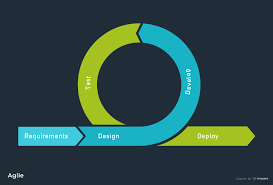
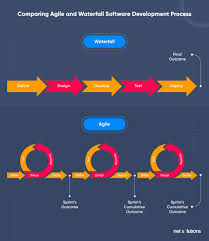
Iterative software development is a dynamic and flexible approach to building software that has gained popularity in recent years. Unlike traditional waterfall methods, which follow a linear progression from planning to deployment, iterative development breaks the process into smaller cycles or iterations.

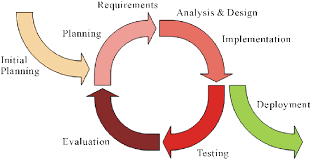
Each iteration involves a subset of the overall project requirements and includes planning, design, implementation, testing, and review phases. The key idea behind iterative development is to deliver working software incrementally, allowing for feedback and adjustments along the way.

The Benefits of Iterative Development

There are several benefits to adopting an iterative approach to software development:

  • Rapid Feedback: By delivering working software in short iterations, stakeholders can provide feedback early in the process, leading to better alignment with business needs.
  • Flexibility: Iterative development allows for changes and updates to be incorporated easily as the project progresses, accommodating evolving requirements.
  • Risk Mitigation: Breaking the project into smaller iterations reduces overall project risk by identifying issues early and addressing them before they escalate.
  • Quality Improvement: Continuous testing and review during each iteration help ensure higher quality software by catching defects early in the development cycle.

Key Principles of Iterative Development

While there are various iterative methodologies such as Agile and Scrum, they share some common principles:

  • Cross-Functional Teams: Teams are composed of members with diverse skills who collaborate closely throughout the development process.
  • Frequent Delivery: Working software is delivered in short iterations, typically ranging from one to four weeks.
  • Continuous Improvement: Teams reflect on their processes at the end of each iteration and make adjustments to improve efficiency and effectiveness.
  • Customer Collaboration: Regular interaction with stakeholders ensures that the software meets their needs and expectations.

In Conclusion

Iterative software development offers a modern and effective approach to building high-quality software that meets business requirements. By embracing flexibility, collaboration, and continuous improvement, teams can deliver value quickly while adapting to changing circumstances. As technology continues to evolve rapidly, iterative development provides a framework for success in today’s dynamic software landscape.


7 Essential Tips for Effective Iterative Software Development

  1. Break down the project into smaller tasks or iterations.
  2. Prioritize features based on value and complexity.
  3. Get feedback early and often from stakeholders and end users.
  4. Iterate quickly to incorporate feedback and make improvements.
  5. Use version control to track changes and collaborate effectively.
  6. Automate testing to ensure quality at each iteration.
  7. Embrace flexibility and be willing to adapt plans as needed.

Break down the project into smaller tasks or iterations.

To effectively implement iterative software development, it is crucial to break down the project into smaller tasks or iterations. By dividing the project into manageable chunks, teams can focus on delivering specific functionalities within each iteration. This approach not only helps in better planning and tracking progress but also allows for early feedback and adjustments. Breaking down the project into smaller tasks promotes a more efficient development process, improves collaboration among team members, and ultimately leads to the successful delivery of high-quality software in a timely manner.

Prioritize features based on value and complexity.

In iterative software development, it is crucial to prioritize features based on their value to the end-users and the complexity of implementation. By focusing on delivering high-value features early in the development process, teams can ensure that the most critical functionalities are available sooner, providing immediate benefits to stakeholders. Additionally, considering the complexity of features helps teams manage resources efficiently and tackle challenging tasks early on, reducing risks and ensuring a smoother development process overall. Prioritizing features based on value and complexity is key to maximizing the impact of each iteration and delivering software that aligns closely with user needs.

Get feedback early and often from stakeholders and end users.

In iterative software development, it is crucial to prioritize obtaining feedback early and frequently from both stakeholders and end users. This practice ensures that the software aligns with the needs and expectations of the intended users throughout the development process. By incorporating feedback at various stages, teams can make timely adjustments, enhance user experience, and ultimately deliver a product that meets or exceeds expectations. Regular feedback loops help identify potential issues early on, leading to a more efficient development cycle and a higher-quality end result.

Iterate quickly to incorporate feedback and make improvements.

In iterative software development, it is crucial to iterate quickly to incorporate feedback and make improvements. By delivering working software in short cycles and promptly gathering feedback from stakeholders, teams can adapt and enhance the product effectively. This rapid iteration process allows for continuous refinement based on real-world usage and ensures that the final software meets the evolving needs of users. By embracing a fast-paced iterative approach, teams can stay responsive to feedback, address issues promptly, and deliver a high-quality product that aligns closely with user expectations.

Use version control to track changes and collaborate effectively.

In iterative software development, utilizing version control is essential for tracking changes and enabling effective collaboration among team members. Version control systems such as Git allow developers to manage code revisions, track modifications made by different team members, and revert to previous versions if needed. By using version control, teams can work concurrently on the same codebase, merge changes seamlessly, and maintain a clear history of project iterations. This practice not only enhances productivity but also ensures that the software development process remains organized and transparent throughout the iterative cycles.

Automate testing to ensure quality at each iteration.

Automating testing is a crucial tip in iterative software development to maintain quality throughout each iteration. By automating tests, developers can quickly and efficiently verify that new code changes have not introduced any regressions or defects. This approach not only saves time but also helps ensure that the software remains stable and reliable as it evolves. Automated testing allows teams to detect issues early, enabling them to address them promptly and deliver high-quality software consistently throughout the development process.

Embrace flexibility and be willing to adapt plans as needed.

Embracing flexibility and being open to adapting plans as needed is a crucial tip in iterative software development. By remaining agile and responsive to changing requirements or feedback, teams can ensure that the software they deliver aligns closely with evolving business needs. This mindset allows for quick adjustments, continuous improvement, and ultimately leads to the development of software that is more resilient, efficient, and tailored to meet the dynamic demands of today’s fast-paced technological landscape.

enterprise software development

Unlocking Business Potential: The Power of Enterprise Software Development

Enterprise Software Development

The Importance of Enterprise Software Development

Enterprise software development plays a crucial role in the operations of modern businesses. These specialized applications are designed to meet the unique needs of large organizations, providing solutions for complex business processes and workflows.

One of the key benefits of enterprise software is its ability to streamline operations and improve efficiency. By automating repetitive tasks and integrating various systems within an organization, enterprise software can help reduce manual errors and increase productivity.

Security is another critical aspect of enterprise software development. With the increasing number of cyber threats targeting businesses, it is essential to have robust security measures in place to protect sensitive data and ensure regulatory compliance. Enterprise software developers prioritize building secure systems that can withstand potential attacks.

Scalability is also a significant consideration in enterprise software development. As businesses grow and evolve, their software needs to be able to scale accordingly. Enterprise applications are designed with scalability in mind, allowing organizations to expand their operations without experiencing performance issues.

Furthermore, customization is a key feature of enterprise software. Each organization has its own unique requirements and workflows, and off-the-shelf solutions may not always meet these specific needs. Custom-built enterprise software allows businesses to tailor applications to fit their exact requirements, leading to increased efficiency and improved user experience.

In conclusion, enterprise software development plays a vital role in helping organizations operate more effectively in today’s competitive business landscape. By focusing on efficiency, security, scalability, and customization, enterprises can leverage technology to drive growth and achieve their strategic objectives.


Understanding Enterprise Software Development: Key FAQs Answered

  1. What are enterprise software projects?
  2. What is the difference between enterprise software development and regular software development?
  3. What is enterprise development in programming?
  4. What are the stages of enterprise software development?
  5. Which is an example of enterprise software?
  6. What is enterprise software development?
  7. What is enterprise software examples?

What are enterprise software projects?

Enterprise software projects refer to the initiatives undertaken by organizations to develop, implement, and maintain software applications specifically tailored to meet the complex needs of large businesses. These projects involve the design, development, testing, deployment, and ongoing support of software solutions that address various aspects of enterprise operations, such as resource planning, customer relationship management, supply chain management, and more. Enterprise software projects typically require careful planning, collaboration among cross-functional teams, adherence to industry best practices, and a focus on delivering high-quality solutions that align with the organization’s strategic goals. Successful execution of enterprise software projects can lead to improved efficiency, streamlined processes, enhanced decision-making capabilities, and ultimately contribute to the overall success of the business.

What is the difference between enterprise software development and regular software development?

In the realm of software development, the distinction between enterprise software development and regular software development lies in their scope and purpose. Enterprise software development focuses on creating applications tailored to meet the specific needs of large organizations, addressing complex business processes and workflows. These solutions are designed to integrate seamlessly with existing systems, prioritize security and scalability, and offer customization options to align with the unique requirements of enterprises. On the other hand, regular software development typically involves building applications for individual users or smaller businesses with less intricate operational demands. The key disparities lie in the scale, functionality, and level of customization required to cater to the distinct requirements of enterprise environments versus more general user needs.

What is enterprise development in programming?

Enterprise development in programming refers to the process of creating software applications specifically tailored to meet the complex needs of large organizations. These applications are designed to streamline business processes, enhance productivity, and facilitate seamless communication and data management within an enterprise environment. Enterprise development typically involves building robust, scalable, and secure software solutions that can integrate with existing systems and adapt to the evolving requirements of a business. By focusing on developing customized software that aligns with the unique workflows and objectives of an organization, enterprise development aims to drive efficiency, innovation, and growth in the corporate setting.

What are the stages of enterprise software development?

In enterprise software development, the stages typically include planning, analysis, design, implementation, testing, deployment, and maintenance. During the planning phase, project goals and requirements are defined. The analysis stage involves gathering and analyzing user needs to create a detailed project plan. Design focuses on creating the architecture and layout of the software. Implementation involves coding based on design specifications. Testing ensures that the software functions correctly and meets requirements. Deployment involves releasing the software to users, followed by ongoing maintenance to ensure its optimal performance and address any issues that may arise over time. Each stage is crucial in delivering a successful enterprise software solution that aligns with business objectives and user needs.

Which is an example of enterprise software?

An example of enterprise software is SAP (Systems, Applications, and Products in Data Processing). SAP is a widely used enterprise resource planning (ERP) software that integrates various business functions such as finance, human resources, supply chain management, and customer relationship management into a single platform. Organizations use SAP to streamline their operations, improve decision-making processes, and enhance overall efficiency. With its robust features and scalability, SAP is a prime example of enterprise software that caters to the complex needs of large businesses.

What is enterprise software development?

Enterprise software development refers to the process of creating specialized applications tailored to meet the complex needs of large organizations. These applications are designed to streamline business processes, enhance productivity, ensure data security, and facilitate scalability. Enterprise software development involves building custom solutions that integrate with existing systems and workflows within an organization, providing a cohesive and efficient platform for managing various aspects of business operations. By focusing on customization, security, scalability, and efficiency, enterprise software development aims to empower businesses to optimize their processes and achieve their strategic goals effectively.

What is enterprise software examples?

Enterprise software examples encompass a wide range of applications tailored to meet the specific needs of large organizations. Some common examples include Customer Relationship Management (CRM) systems like Salesforce, Enterprise Resource Planning (ERP) software such as SAP and Oracle, Supply Chain Management (SCM) solutions like IBM Sterling Supply Chain Suite, and Human Resources Management Systems (HRMS) such as Workday. These enterprise software applications are designed to streamline business processes, enhance collaboration, improve decision-making, and optimize overall organizational efficiency. By leveraging these examples of enterprise software, companies can effectively manage their operations and drive sustainable growth in today’s competitive business environment.

software design engineer

Mastering the Art of Software Design Engineering: A Guide to Success

Article: Software Design Engineer

The Role of a Software Design Engineer

A software design engineer plays a crucial role in the development of software applications. This profession requires a combination of technical skills, creativity, and problem-solving abilities to design and implement efficient and user-friendly software solutions.

Responsibilities of a Software Design Engineer

Software design engineers are responsible for:

  • Understanding project requirements and translating them into technical specifications.
  • Designing software architecture and components that meet performance and scalability requirements.
  • Writing clean, maintainable code using programming languages such as Java, C++, or Python.
  • Collaborating with cross-functional teams, including developers, testers, and product managers.
  • Testing and debugging software to ensure quality and reliability.
  • Continuously improving existing software systems through refactoring and optimization.
  • Staying updated on industry trends and best practices in software design and development.

Skills Required

To excel as a software design engineer, individuals need to possess the following skills:

  • Strong proficiency in programming languages and concepts.
  • Knowledge of software architecture principles and design patterns.
  • Problem-solving skills to address complex technical challenges.
  • Excellent communication skills to collaborate effectively with team members.
  • Attention to detail to ensure the accuracy and reliability of the software solution.

Career Outlook

The demand for skilled software design engineers is on the rise as companies across industries rely on technology to drive innovation and efficiency. With opportunities in various sectors such as IT, healthcare, finance, and more, individuals pursuing a career in this field can expect rewarding challenges and growth prospects.


Top 6 Frequently Asked Questions About Software Design Engineers

  1. What is a software design engineer?
  2. What are the key responsibilities of a software design engineer?
  3. What skills are required to become a successful software design engineer?
  4. How does a software design engineer collaborate with other team members?
  5. What programming languages are commonly used by software design engineers?
  6. What career opportunities are available for software design engineers?

What is a software design engineer?

A software design engineer is a professional responsible for designing and developing software applications by translating project requirements into technical specifications, creating software architecture, writing clean and efficient code, collaborating with cross-functional teams, testing and debugging software for quality assurance, and continuously improving existing systems. This role requires a strong proficiency in programming languages, knowledge of software architecture principles, problem-solving skills, effective communication abilities, and attention to detail. Software design engineers play a crucial role in the development of user-friendly and scalable software solutions across various industries.

What are the key responsibilities of a software design engineer?

When inquiring about the key responsibilities of a software design engineer, it is essential to understand that this role encompasses a range of crucial tasks. Software design engineers are primarily responsible for translating project requirements into technical specifications, designing software architecture that meets performance criteria, writing clean and efficient code using various programming languages, collaborating with cross-functional teams, testing and debugging software for quality assurance, and continuously enhancing existing software systems through optimization. These professionals play a vital role in ensuring the development of functional and user-friendly software solutions that meet industry standards and user expectations.

What skills are required to become a successful software design engineer?

To become a successful software design engineer, a combination of technical expertise and soft skills is essential. Proficiency in programming languages like Java, C++, or Python is crucial, along with a deep understanding of software architecture principles and design patterns. Problem-solving abilities are key to addressing complex technical challenges that may arise during the development process. Effective communication skills are necessary for collaborating with cross-functional teams and ensuring clear project requirements. Attention to detail is also vital to maintain the accuracy and reliability of the software solution. Overall, a successful software design engineer must possess a blend of technical proficiency, problem-solving skills, communication abilities, and attention to detail to excel in this dynamic field.

How does a software design engineer collaborate with other team members?

In the realm of software development, a software design engineer collaborates closely with other team members to ensure the successful delivery of projects. This collaboration involves effective communication, sharing of ideas, and working together towards common goals. Software design engineers often engage in discussions with developers, testers, product managers, and other stakeholders to gather requirements, provide technical insights, and address any challenges that arise during the development process. By fostering a collaborative environment and leveraging each team member’s expertise, software design engineers contribute to the creation of robust and innovative software solutions.

What programming languages are commonly used by software design engineers?

Software design engineers commonly use a variety of programming languages to develop efficient and scalable software solutions. Some of the most commonly used programming languages in this field include Java, C++, Python, JavaScript, and C#. Each language has its own strengths and is chosen based on the specific requirements of the project. Proficiency in multiple programming languages allows software design engineers to adapt to different development environments and effectively address diverse technical challenges.

What career opportunities are available for software design engineers?

Software design engineers have a wide range of career opportunities available to them in the tech industry. They can explore roles such as software architect, systems analyst, technical lead, or even project manager. Additionally, software design engineers can specialize in various domains such as web development, mobile applications, cloud computing, or cybersecurity. With the increasing reliance on technology in today’s world, the demand for skilled software design engineers continues to grow, offering exciting prospects for career advancement and professional development.