
cfchris.com

Loading

ai superpowers

AI Superpowers: Transforming the Global Landscape

AI Superpowers: Shaping the Future

AI Superpowers: Shaping the Future

Artificial Intelligence (AI) is rapidly transforming industries and redefining the boundaries of what technology can achieve. As nations and corporations race to harness its potential, AI is emerging as a critical superpower in the global arena.

The Rise of AI Superpowers

In recent years, certain countries have positioned themselves as leaders in AI development and deployment. These “AI superpowers” are leveraging advanced technologies to drive economic growth, enhance national security, and improve quality of life for their citizens.

United States: Innovation Hub

The United States has long been at the forefront of technological innovation. With Silicon Valley as a global epicenter for tech startups and research institutions like MIT and Stanford leading AI research, the US continues to be a powerhouse in AI advancements.

American companies such as Google, Microsoft, and IBM are investing heavily in AI technologies, pushing boundaries in areas like machine learning, natural language processing, and autonomous systems.

China: Ambitious Vision

China is rapidly closing the gap with its ambitious plans to become a world leader in AI by 2030. The Chinese government has made significant investments in AI research and development, fostering an environment where tech giants like Baidu, Alibaba, and Tencent thrive.

China’s vast data resources and supportive policies provide a fertile ground for innovations that are transforming industries from healthcare to transportation.

The Impact of AI Superpowers

The influence of AI superpowers extends far beyond their borders. Their advancements are setting global standards for technology adoption and ethical considerations.

  • Economic Growth: By automating processes and creating new business models, AI is driving productivity gains across various sectors.
  • Healthcare Transformation: From predictive diagnostics to personalized medicine, AI is revolutionizing healthcare delivery worldwide.
  • Sustainability Efforts: AI technologies are being deployed to tackle climate change challenges through smarter energy management systems and improved resource allocation.

The Challenges Ahead

While the rise of AI superpowers presents immense opportunities, it also brings challenges that need careful consideration:

  • Ethical Concerns: The use of AI raises questions about privacy, bias, and accountability that must be addressed through robust frameworks.
  • Inequality: There is a risk that countries or regions without access to advanced technologies may fall further behind economically.
  • Sovereignty Issues: As data becomes an increasingly valuable asset, concerns about digital sovereignty are coming to the forefront of international relations.

The Path Forward

Navigating these challenges will require collaboration between governments, businesses, academia, and civil society. Establishing international norms around data sharing and ethical use will be crucial for ensuring that the benefits of AI are distributed equitably across the globe.

The emergence of AI superpowers marks a pivotal moment in human history. As we continue down this path towards an increasingly automated future driven by intelligent machines—one thing remains clear: how we choose to wield these newfound capabilities will shape our world for generations to come.


Mastering AI Superpowers: 8 Essential Tips for Ethical and Effective Use

  1. Understand the limitations of AI superpowers.
  2. Ensure ethical use of AI superpowers.
  3. Stay updated on the latest advancements in AI technology.
  4. Implement proper security measures to protect AI systems from potential threats.
  5. Collaborate with experts in the field to leverage AI superpowers effectively.
  6. Regularly assess and evaluate the performance of AI systems for optimization.
  7. Provide adequate training to users interacting with AI-powered tools and systems.
  8. Maintain transparency in decision-making processes involving AI superpowers.

Understand the limitations of AI superpowers.

Understanding the limitations of AI superpowers is crucial for effectively integrating these technologies into various sectors. While AI has made significant strides in areas like data analysis, natural language processing, and automation, it still faces several constraints. AI systems are often limited by the quality and quantity of data they are trained on, which can lead to biases and inaccuracies. Additionally, AI lacks human-like reasoning and emotional intelligence, making it unsuitable for tasks that require empathy or nuanced judgment. Moreover, ethical considerations such as privacy concerns and potential job displacement need to be addressed to ensure responsible use. By recognizing these limitations, stakeholders can make informed decisions about how best to leverage AI while mitigating potential risks.

Ensure ethical use of AI superpowers.

Ensuring the ethical use of AI superpowers is crucial as these technologies become increasingly integrated into everyday life. As AI systems gain more autonomy and influence, it is vital to establish guidelines that prioritize transparency, fairness, and accountability. This involves developing robust frameworks to prevent biases in AI algorithms, protect user privacy, and ensure that decision-making processes are explainable and equitable. Collaboration among governments, tech companies, and researchers is essential to create standards that safeguard against misuse while promoting innovation. By prioritizing ethical considerations, society can harness the transformative potential of AI responsibly and inclusively, ensuring benefits for all without compromising fundamental rights or values.

Stay updated on the latest advancements in AI technology.

Staying updated on the latest advancements in AI technology is crucial for anyone looking to harness the potential of artificial intelligence effectively. The field of AI is rapidly evolving, with breakthroughs and innovations emerging regularly. By keeping abreast of the latest developments, individuals and businesses can identify new opportunities for application, improve efficiencies, and maintain a competitive edge in their respective industries. This involves following reputable sources, attending conferences, participating in webinars, and engaging with thought leaders in the AI community. Staying informed not only helps in understanding current trends but also prepares one to anticipate future shifts that could impact various sectors globally.

Implement proper security measures to protect AI systems from potential threats.

As AI systems become more integral to various industries, implementing robust security measures is crucial to safeguard them from potential threats. These systems often handle sensitive data and perform critical functions, making them attractive targets for cyberattacks. Ensuring the integrity and confidentiality of AI operations requires a multi-layered security approach, which includes encryption, access controls, regular audits, and real-time monitoring. By proactively addressing vulnerabilities and establishing strong defense mechanisms, organizations can protect their AI assets from unauthorized access and malicious activities, thereby maintaining trust and reliability in their technological advancements.

Collaborate with experts in the field to leverage AI superpowers effectively.

Collaborating with experts in the field is essential for effectively leveraging AI superpowers. These specialists bring a wealth of knowledge and experience that can help organizations navigate the complexities of AI technologies. By working alongside data scientists, machine learning engineers, and industry researchers, companies can develop tailored strategies that maximize the potential of AI while minimizing risks. Such collaborations ensure that AI solutions are not only technically sound but also aligned with business objectives and ethical standards. Engaging with experts also fosters innovation, as diverse perspectives can lead to creative problem-solving and the discovery of novel applications for AI technologies.

Regularly assess and evaluate the performance of AI systems for optimization.

Regularly assessing and evaluating the performance of AI systems is crucial for ensuring their effectiveness and optimizing their capabilities. By continuously monitoring these systems, organizations can identify areas where improvements are needed, address potential biases, and ensure that the AI is functioning as intended. This iterative process allows for the refinement of algorithms and models, enhancing accuracy and efficiency over time. Moreover, regular evaluations help in adapting to changing data patterns and evolving business needs, ensuring that AI systems remain relevant and valuable assets. Ultimately, this proactive approach not only maximizes the return on investment but also fosters trust in AI technologies by maintaining transparency and accountability.

Provide adequate training to users interacting with AI-powered tools and systems.

Providing adequate training to users interacting with AI-powered tools and systems is essential for maximizing the benefits of these technologies. Proper training ensures that users understand how to effectively utilize AI applications, leading to increased productivity and more informed decision-making. It also helps mitigate risks associated with misuse or misunderstanding of AI capabilities, such as relying too heavily on automated outputs without critical evaluation. By equipping users with the necessary skills and knowledge, organizations can foster a collaborative environment where human expertise complements AI innovations, ultimately driving better outcomes and enhancing overall efficiency.

Maintain transparency in decision-making processes involving AI superpowers.

Maintaining transparency in decision-making processes involving AI superpowers is crucial for fostering trust and accountability. As AI systems increasingly influence critical aspects of society, from healthcare to national security, it’s essential that their development and deployment are conducted openly. Transparency ensures that stakeholders, including governments, businesses, and the public, can understand how AI decisions are made and what data or algorithms are used. This openness not only helps prevent misuse or bias but also encourages collaboration and innovation by allowing others to learn from shared successes and challenges. Ultimately, transparent decision-making processes build confidence in AI technologies and ensure they are used ethically and responsibly.

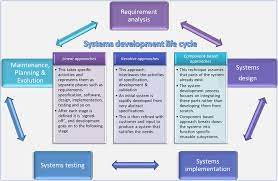
embedded development

Exploring the Innovations of Embedded Development

The World of Embedded Development

The World of Embedded Development

Embedded development is a fascinating field that plays a crucial role in powering the devices we use every day. From smartphones to smart home appliances, embedded systems are at the heart of modern technology.

So, what exactly is embedded development? In simple terms, it involves designing and programming small computing systems that are embedded within larger devices or machinery. These systems are dedicated to specific functions and operate with minimal human intervention.

One of the key challenges in embedded development is optimizing performance while working within constraints such as limited processing power, memory, and energy consumption. Developers must carefully design efficient algorithms and code to ensure that the embedded system functions reliably and effectively.

Embedded developers work with a variety of hardware platforms and programming languages, depending on the requirements of the project. Common languages used in embedded development include C, C++, and assembly language. They also utilize specialized tools and software to debug and test their code thoroughly.

As technology continues to advance, the demand for skilled embedded developers is on the rise. Companies across industries rely on these experts to create innovative solutions that drive progress and improve efficiency. Whether it’s designing wearable devices or implementing IoT solutions, embedded developers are at the forefront of innovation.

In conclusion, embedded development is a dynamic and rewarding field that offers endless opportunities for creativity and problem-solving. As we look towards a future filled with smart devices and interconnected systems, the role of embedded developers will only become more vital in shaping our digital world.


Top 8 Frequently Asked Questions About Embedded Development

  1. What is embedded development?
  2. What programming languages are commonly used in embedded development?
  3. How does embedded development differ from traditional software development?
  4. What are the key challenges faced by embedded developers?
  5. Which industries rely heavily on embedded systems?
  6. What tools and software are essential for embedded development?
  7. How can one start a career in embedded development?
  8. What are some examples of popular devices that use embedded systems?

What is embedded development?

Embedded development refers to the process of designing and programming small computing systems that are integrated within larger devices or machinery to perform specific functions autonomously. These embedded systems are dedicated to executing predefined tasks efficiently with minimal human intervention. Embedded development involves optimizing performance within constraints such as limited processing power, memory, and energy consumption. Skilled developers in this field work with a variety of hardware platforms and programming languages to create reliable and effective solutions for a wide range of applications in modern technology.

What programming languages are commonly used in embedded development?

In the realm of embedded development, several programming languages are commonly utilized to craft efficient and reliable systems. Among the popular choices are C, C++, and assembly language. These languages offer developers the flexibility and control needed to optimize performance while working within the constraints of limited resources typical in embedded systems. By leveraging these languages, developers can create robust code that powers a wide array of devices and machinery, showcasing the versatility and power of embedded development in today’s technological landscape.

How does embedded development differ from traditional software development?

In the realm of technology, the distinction between embedded development and traditional software development lies in their respective focuses and applications. Embedded development involves creating software that is specifically tailored to operate within embedded systems, such as microcontrollers or IoT devices, where space, power, and processing constraints are prevalent. In contrast, traditional software development typically revolves around designing applications for general-purpose computing devices like computers and smartphones, with a broader scope and fewer hardware limitations. The specialized nature of embedded development necessitates a deep understanding of hardware-software interactions and optimization techniques to ensure efficient performance within constrained environments.

What are the key challenges faced by embedded developers?

Embedded developers face several key challenges in their work. One of the primary challenges is optimizing performance within the constraints of limited resources such as processing power, memory, and energy consumption. They must carefully design efficient algorithms and code to ensure that the embedded system operates reliably and effectively. Additionally, staying up-to-date with rapidly evolving technology and hardware platforms is essential for embedded developers to create innovative solutions that meet the demands of modern devices and applications. Debugging and testing code thoroughly to ensure functionality and security are also critical challenges faced by embedded developers in their day-to-day work.

Which industries rely heavily on embedded systems?

Various industries rely heavily on embedded systems to power their products and services. The automotive industry utilizes embedded systems in vehicles for functions such as engine control, navigation systems, and driver assistance features. The healthcare sector employs embedded systems in medical devices like pacemakers, insulin pumps, and monitoring equipment to improve patient care. Additionally, the consumer electronics industry incorporates embedded systems into smartphones, smart TVs, and home appliances to deliver enhanced functionality and connectivity. Industrial automation relies on embedded systems for controlling machinery and optimizing manufacturing processes. Overall, industries such as automotive, healthcare, consumer electronics, and industrial automation heavily depend on embedded systems for innovation and efficiency in their operations.

What tools and software are essential for embedded development?

When it comes to embedded development, having the right tools and software is crucial for success. Essential tools for embedded development include integrated development environments (IDEs) like Eclipse or Visual Studio, which provide a comprehensive platform for writing, compiling, and debugging code. Additionally, software tools such as compilers, debuggers, and simulators are essential for testing and optimizing code for embedded systems. Version control systems like Git help manage code changes efficiently, while hardware debugging tools such as JTAG interfaces enable developers to troubleshoot issues at the hardware level. Overall, a well-equipped toolbox of software and tools is essential for streamlining the development process and ensuring the reliability of embedded systems.

How can one start a career in embedded development?

To start a career in embedded development, individuals can begin by gaining a strong foundation in computer science and programming languages such as C and C++. Acquiring knowledge of electronics and microcontrollers is also essential. Engaging in hands-on projects, such as building simple embedded systems or participating in coding competitions, can help develop practical skills. Pursuing internships or entry-level positions in companies that specialize in embedded systems is another valuable step towards entering the field. Continuous learning and staying updated on industry trends through online courses, workshops, and networking with professionals can further enhance one’s prospects in starting a successful career in embedded development.

Embedded systems are ubiquitous in our daily lives, powering a wide range of popular devices that we rely on regularly. Some examples of these devices include smartphones, smartwatches, digital cameras, home appliances like smart thermostats and refrigerators, automobile navigation systems, medical devices such as pacemakers and insulin pumps, and industrial machinery like robotics and automation systems. These devices leverage embedded systems to perform specific functions efficiently and reliably, showcasing the versatility and importance of embedded development in modern technology.

system development software

Unlocking Efficiency and Innovation with System Development Software

The Importance of System Development Software

The Importance of System Development Software

System development software plays a crucial role in the creation, maintenance, and enhancement of various software systems. It encompasses a range of tools and processes that facilitate the design, implementation, testing, and deployment of software applications.

Key Components of System Development Software

System development software typically includes integrated development environments (IDEs), version control systems, testing frameworks, and deployment tools. These components work together to streamline the software development lifecycle and ensure the delivery of high-quality products.

Benefits of Using System Development Software

By leveraging system development software, organizations can achieve several benefits:

  • Efficiency: System development software automates repetitive tasks and provides developers with tools to increase productivity.
  • Collaboration: Version control systems enable multiple developers to work on the same codebase simultaneously without conflicts.
  • Quality Assurance: Testing frameworks help identify bugs and errors early in the development process, ensuring a more robust final product.
  • Scalability: System development software supports the scalability of software systems by providing tools for modular design and efficient code management.
  • Speed to Market: By streamlining the development process, system development software helps organizations bring new products and features to market faster.

The Future of System Development Software

As technology continues to evolve rapidly, system development software is also advancing to meet the changing needs of developers and organizations. Emerging trends such as low-code platforms, artificial intelligence integration, and cloud-based development environments are shaping the future of system development software.

In conclusion, system development software is a critical enabler for organizations looking to innovate and stay competitive in today’s digital landscape. By investing in the right tools and processes, businesses can accelerate their software development initiatives and deliver value to their customers more effectively.


5 Essential Tips for Effective System Development Software

  1. Plan and document your system requirements thoroughly before starting development.
  2. Use version control to track changes and collaborate with team members effectively.
  3. Follow best practices for coding standards and design patterns to ensure maintainability.
  4. Perform regular testing, including unit tests, integration tests, and user acceptance tests.
  5. Consider scalability and security aspects while designing and developing the system.

Plan and document your system requirements thoroughly before starting development.

It is essential to plan and document your system requirements thoroughly before embarking on the development process. By clearly defining the objectives, functionalities, and constraints of the system upfront, you set a solid foundation for the development team to work from. Comprehensive documentation helps ensure that all stakeholders have a shared understanding of the project scope and expectations, reducing the risk of misunderstandings or misalignment later in the process. This proactive approach not only enhances communication and collaboration but also minimizes rework and delays by providing a roadmap for efficient development efforts.

Use version control to track changes and collaborate with team members effectively.

Using version control is essential in system development software as it allows developers to track changes, manage code revisions, and collaborate seamlessly with team members. By utilizing version control systems such as Git or SVN, developers can maintain a history of modifications made to the codebase, revert to previous versions if needed, and merge changes from multiple contributors without conflicts. This practice not only enhances transparency and accountability within the development process but also ensures that the team can work together efficiently towards achieving project goals.

Follow best practices for coding standards and design patterns to ensure maintainability.

Following best practices for coding standards and design patterns is essential in system development software to ensure maintainability. By adhering to established guidelines and principles, developers can create code that is easier to understand, modify, and debug in the future. Consistent coding standards promote readability and consistency across the codebase, making it more manageable for multiple team members to collaborate effectively. Design patterns provide proven solutions to common software design problems, improving the overall structure and scalability of the system. Ultimately, prioritizing best practices in coding standards and design patterns leads to more maintainable software that can adapt to changing requirements with minimal effort.

Perform regular testing, including unit tests, integration tests, and user acceptance tests.

Performing regular testing, which includes conducting unit tests to validate individual components, integration tests to ensure proper interaction between modules, and user acceptance tests to confirm that the software meets end-user requirements, is essential in system development software. Testing at each stage of the development process helps identify and rectify issues early on, resulting in a more robust and reliable final product. By incorporating a comprehensive testing strategy, developers can enhance the quality of their software, improve user satisfaction, and ultimately contribute to the success of the project.

Consider scalability and security aspects while designing and developing the system.

When designing and developing a system, it is crucial to consider scalability and security aspects. Scalability ensures that the system can handle increased workload or user demands without compromising performance. By planning for scalability from the outset, developers can future-proof the system and avoid costly rework later on. Additionally, prioritizing security during the design phase helps mitigate potential vulnerabilities and protect sensitive data from threats. A proactive approach to addressing scalability and security concerns not only enhances the system’s reliability but also instills trust among users and stakeholders.

software project management in software engineering

Effective Software Project Management Strategies in Software Engineering

Software Project Management in Software Engineering

Software Project Management in Software Engineering

Software project management is a crucial aspect of software engineering that focuses on planning, organizing, and executing software development projects. It involves applying specific processes, methods, and tools to ensure the successful completion of a software project within the defined constraints of scope, time, cost, and quality.

Key Components of Software Project Management:

Planning: This phase involves defining the project scope, objectives, deliverables, and resources required. A detailed project plan is created to outline tasks, milestones, timelines, and dependencies.

Scheduling: Scheduling involves creating a timeline for project activities and allocating resources effectively to meet deadlines. Tools like Gantt charts are commonly used to visualize project schedules.

Budgeting: Budgeting involves estimating costs associated with the project, including labor costs, equipment costs, software licenses, and other expenses. Effective budget management is essential to prevent cost overruns.

Risk Management: Identifying potential risks that could impact the project’s success and developing strategies to mitigate or respond to these risks is a critical aspect of software project management.

Communication: Effective communication among team members, stakeholders, and clients is vital for ensuring everyone is aligned with project goals and progress updates are shared regularly.

Importance of Software Project Management:

Effective software project management helps organizations achieve their software development goals efficiently by improving collaboration among team members, reducing risks of project failure, optimizing resource allocation, and ensuring timely delivery of high-quality software products.

Conclusion:

In conclusion, software project management plays a crucial role in the success of software engineering projects by providing a structured approach to planning, executing, monitoring progress, and delivering results within specified constraints. By implementing best practices in software project management, organizations can increase their chances of delivering successful software solutions that meet user requirements and business objectives.


Essential FAQs on Software Project Management in Software Engineering

  1. What is software project management?
  2. Why is software project management important in software engineering?
  3. What are the key components of software project management?
  4. How does scheduling impact software project management?
  5. What tools are commonly used in software project management?
  6. How do you manage risks in software project management?
  7. What role does communication play in software project management?
  8. How can effective budgeting contribute to the success of a software project?

What is software project management?

Software project management in software engineering refers to the discipline of planning, organizing, and overseeing the development of software projects from inception to completion. It involves defining project goals, creating detailed plans, allocating resources effectively, managing risks, monitoring progress, and ensuring that the project is delivered on time and within budget. Software project management is essential for coordinating the efforts of team members, stakeholders, and clients to achieve a common objective and deliver high-quality software solutions that meet user requirements.

Why is software project management important in software engineering?

Software project management is essential in software engineering for several reasons. Firstly, it helps in defining clear project objectives, scope, and deliverables, ensuring that the team works towards a common goal. Secondly, effective project management facilitates proper planning and resource allocation, optimizing the use of time and budget. Additionally, it enables risk identification and mitigation strategies to be put in place, reducing the likelihood of project failures. Ultimately, software project management plays a vital role in ensuring that software development projects are completed successfully within set constraints while meeting quality standards and stakeholder expectations.

What are the key components of software project management?

One of the frequently asked questions in software project management in software engineering is about the key components of the discipline. The key components of software project management include planning, scheduling, budgeting, risk management, and communication. Planning involves defining project scope and objectives, while scheduling focuses on creating timelines and allocating resources efficiently. Budgeting entails estimating project costs, and risk management involves identifying and addressing potential risks. Effective communication ensures that all stakeholders are informed and aligned throughout the project lifecycle. These components are essential for successful software project management as they help streamline processes, manage resources effectively, and mitigate risks to achieve project goals.

How does scheduling impact software project management?

Scheduling plays a critical role in software project management as it directly influences the project’s timeline, resource allocation, and overall success. Effective scheduling helps in setting realistic deadlines for project milestones, ensuring that tasks are completed on time and within budget. By creating a well-defined schedule, project managers can identify potential bottlenecks, allocate resources efficiently, and track progress against set timelines. Additionally, scheduling allows for better risk management by providing a clear roadmap for the project team to follow and adapt to changes as needed. Ultimately, the impact of scheduling on software project management is significant, as it helps in maintaining project momentum, meeting client expectations, and delivering high-quality software solutions.

What tools are commonly used in software project management?

In software project management within software engineering, various tools are commonly utilized to facilitate efficient project planning, collaboration, tracking, and communication. Some of the widely used tools include project management software such as Jira, Trello, and Asana for task management and progress tracking. Version control systems like Git help manage code changes and collaboration among developers. Communication tools like Slack and Microsoft Teams enable real-time communication among team members. Additionally, Gantt charts and Kanban boards are popular visualization tools that aid in scheduling tasks and monitoring project timelines. These tools play a vital role in streamlining project workflows, enhancing team productivity, and ensuring successful software project delivery.

How do you manage risks in software project management?

Managing risks in software project management is a critical aspect that involves identifying potential threats or uncertainties that could impact the project’s success and developing strategies to mitigate or address them effectively. To manage risks, project managers typically conduct risk assessments to identify and prioritize potential risks, create risk mitigation plans to reduce the likelihood or impact of identified risks, and establish contingency plans to address unforeseen events. Regular monitoring and communication about risks throughout the project lifecycle are essential to ensure timely responses and minimize negative impacts on project objectives. By proactively managing risks, software project teams can enhance their ability to deliver projects successfully within defined constraints.

What role does communication play in software project management?

Effective communication plays a pivotal role in software project management. Clear and consistent communication among team members, stakeholders, and clients is essential for ensuring that everyone is on the same page regarding project goals, requirements, progress, and challenges. Communication helps in aligning expectations, resolving conflicts, and fostering collaboration within the team. It also enables timely identification and mitigation of risks, facilitates decision-making processes, and ultimately contributes to the successful delivery of high-quality software products within the defined constraints of scope, time, cost, and quality. In essence, communication acts as a linchpin that holds together all aspects of software project management, ensuring transparency, accountability, and shared understanding throughout the project lifecycle.

How can effective budgeting contribute to the success of a software project?

Effective budgeting plays a key role in contributing to the success of a software project in software engineering. By accurately estimating and managing costs associated with the project, teams can ensure that financial resources are allocated efficiently and that the project stays within budget constraints. Effective budgeting allows for better resource planning, cost control, and risk management throughout the project lifecycle. It helps in preventing cost overruns, identifying potential cost-saving opportunities, and making informed decisions regarding investments in tools, technologies, and human resources. Ultimately, effective budgeting promotes financial transparency, accountability, and sustainability, which are essential for achieving project objectives on time and within scope.