

cfchris.com

Loading

top cybersecurity consulting firms

Top Cybersecurity Consulting Firms: How to Choose the Right Partner

Top Cybersecurity Consulting Firms

Cybersecurity consulting firms help organizations identify risks, strengthen defenses, respond to incidents, and meet regulatory requirements. The right firm can bring specialized expertise that may be difficult to maintain in-house—but the best choice depends on your organization’s size, industry, risk profile, and goals.

There is no single firm that is best for every organization. The companies below are well-known providers with different strengths. This list is a starting point for research, not a ranked endorsement.

Leading Cybersecurity Consulting Firms

Deloitte

Deloitte provides cybersecurity strategy, risk advisory, identity and access management, cloud security, and incident-response services. Its broad consulting practice may suit large organizations looking to coordinate security work with business, technology, and compliance initiatives.

Accenture

Accenture offers cybersecurity consulting alongside technology implementation and managed services. Its work can include security transformation, cloud and application security, threat detection, and resilience planning. It may be a fit for organizations undertaking large-scale technology changes.

PwC

PwC advises organizations on cybersecurity strategy, governance, privacy, regulatory readiness, and risk management. Its combination of security and business-risk expertise can be useful for companies that need to connect technical controls with enterprise oversight and compliance programs.

Mandiant, part of Google Cloud

Mandiant is known for threat intelligence, incident response, and investigations into sophisticated cyberattacks. Organizations may engage its specialists to investigate a breach, assess attacker activity, or improve defenses based on current threat intelligence.

CrowdStrike

CrowdStrike provides incident-response and proactive security services, including threat hunting and security assessments. Its consulting work is closely connected to its endpoint security and threat-intelligence capabilities, which may be relevant to organizations focused on endpoint protection and rapid response.

Palo Alto Networks Unit 42

Unit 42 combines threat research with incident response, threat assessment, and security consulting. Its services may help organizations investigate incidents, understand attacker behavior, and address risks across cloud, network, and endpoint environments.

Kroll

Kroll provides cyber risk advisory, incident response, digital forensics, and breach-related support. Its experience in investigations and crisis management can be valuable when a security event involves legal, operational, or reputational concerns.

NCC Group

NCC Group offers services such as penetration testing, application security, cloud security, security assessments, and incident response. Organizations seeking independent technical testing or help validating security controls may consider its specialist services.

Bishop Fox

Bishop Fox focuses on offensive security, including penetration testing, red teaming, and security assessments. Its work can help organizations see how real-world attackers might exploit weaknesses in applications, infrastructure, or business processes.

GuidePoint Security

GuidePoint Security provides cybersecurity consulting, technical assessments, implementation support, and managed security services. Its service range may appeal to organizations that want help selecting, deploying, and operating security technologies.

How to Choose a Cybersecurity Consulting Firm

Before comparing providers, define the problem you need to solve. A firm specializing in breach response may not be the strongest fit for a long-term governance program, while a penetration-testing specialist may not provide the strategic support needed for an enterprise-wide security transformation.

  • Match expertise to the need: Look for relevant experience in areas such as incident response, penetration testing, cloud security, compliance, or security program design.
  • Check industry experience: Ask whether the firm has worked with organizations of similar size and in industries with comparable regulations and operating needs.
  • Ask who will do the work: Clarify which team members will be assigned, their qualifications, and how much work will be performed by subcontractors.
  • Review scope and deliverables: Make sure the proposal explains the work, timeline, assumptions, reporting format, and what happens after the engagement ends.
  • Discuss independence: If the firm will assess products or controls it also sells or implements, ask how it manages potential conflicts of interest.
  • Understand incident-response terms: For emergency support, confirm how to contact the response team, how quickly it can engage, and how fees are calculated.
  • Protect sensitive information: Review confidentiality terms, data-handling practices, access requirements, and any relevant insurance or security certifications.
  • Evaluate communication: A strong consultant should explain risks and recommendations clearly to both technical teams and business leaders.

Questions to Ask Before Hiring a Firm

  • What similar projects have you completed, and what were the outcomes?
  • Who will lead the engagement, and what experience will the assigned team bring?
  • How will you measure success?
  • What information or access will you need from our organization?
  • How will findings be prioritized and translated into practical next steps?
  • Can you provide references from clients with similar needs?
  • What costs may fall outside the proposed scope?

Final Thoughts

The top cybersecurity consulting firm for your organization is the one with the right expertise, a clear engagement plan, and recommendations your team can realistically implement. Compare providers based on the problem to be solved—not just brand recognition—and confirm that the proposed work supports your broader security goals.


5 Tips for Choosing a Top Cybersecurity Consulting Firm

  1. Compare firms’ expertise in your industry and threat landscape.
  2. Check independent rankings, client reviews, and case studies.
  3. Verify certifications and experience with relevant compliance standards.
  4. Ask how each firm handles data privacy and conflicts of interest.
  5. Compare scope, deliverables, and fees before choosing.

Compare firms’ expertise in your industry and threat landscape.

When choosing a cybersecurity consulting firm, compare its experience in your industry and familiarity with the threats your organization is most likely to face. A firm that understands your sector’s regulations, technology, and business operations can offer more relevant assessments and practical recommendations. Ask about similar client engagements, the types of threats they monitor, and how they tailor their approach to your organization’s specific risks.

Check independent rankings, client reviews, and case studies.

When comparing top cybersecurity consulting firms, look beyond marketing claims by reviewing independent rankings, verified client reviews, and relevant case studies. These sources can help you understand a firm’s strengths, communication style, and track record with organizations facing challenges similar to yours. Consider how recent and specific the evidence is, and use it to guide questions during the selection process rather than treating any single ranking or review as a guarantee of results.

Verify certifications and experience with relevant compliance standards.

Before hiring a cybersecurity consulting firm, verify that its team has relevant certifications and hands-on experience with the compliance standards your organization must follow, such as HIPAA, PCI DSS, SOC 2, or ISO 27001. Ask for examples of similar projects and clarify which specialists will work on your engagement. This helps ensure the firm understands both the technical controls and documentation requirements involved, so its recommendations can support your compliance goals.

Ask how each firm handles data privacy and conflicts of interest.

Before hiring a cybersecurity consulting firm, ask how it protects your sensitive data and manages potential conflicts of interest. Find out what information the firm will collect, how it will be stored and shared, who can access it, and when it will be deleted. Also ask whether the firm sells or implements products it may recommend, and how it ensures those recommendations remain objective. Clear answers, documented safeguards, and transparent disclosure help you assess whether the firm can be trusted with your systems and information.

Compare scope, deliverables, and fees before choosing.

Before choosing a cybersecurity consulting firm, compare each proposal’s scope, deliverables, and fees. Make sure you understand exactly what services are included, what reports or recommendations you’ll receive, and whether follow-up support is part of the engagement. Ask about assumptions, timelines, potential extra costs, and how changes in scope are billed. Comparing these details helps you evaluate proposals fairly and choose a firm that fits both your security needs and your budget.
cyber incident response companies

How Cyber Incident Response Companies Help Organizations Recover from Attacks

Cyber Incident Response Companies: What They Do and How to Choose One

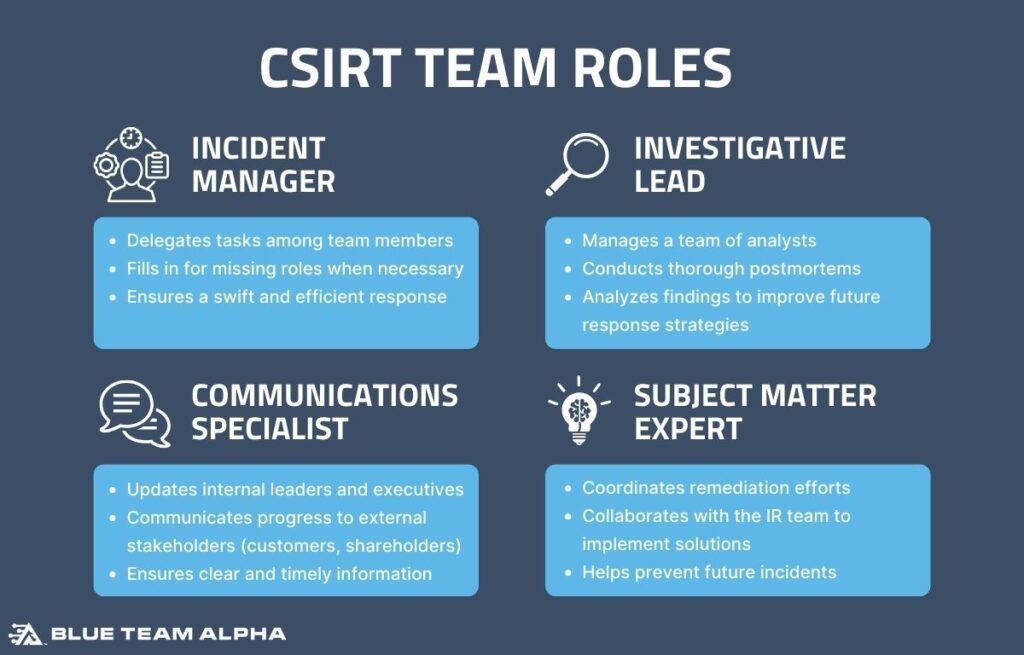
When a cyberattack disrupts business operations, every minute matters. Cyber incident response companies help organizations investigate security events, limit damage, restore systems, and reduce the risk of a repeat attack. Engaging the right partner before an incident occurs can make response faster and more coordinated.

What Is a Cyber Incident Response Company?

A cyber incident response company provides specialized support when an organization experiences—or suspects—a cybersecurity incident. These firms may work alongside an internal security team, an IT provider, legal counsel, and cyber insurance representatives.

Incident response is not limited to fixing compromised computers. It can involve identifying how an attacker gained access, determining which data or systems were affected, preserving evidence, and helping the organization make informed decisions under pressure.

Common Services

Services vary by provider, but many cyber incident response companies offer some combination of the following:

  • Emergency response: Rapid assistance to assess an active incident, contain threats, and coordinate immediate actions.
  • Digital forensics: Examination of computers, servers, cloud environments, and network activity to understand what happened.
  • Threat containment and eradication: Steps to isolate affected systems, remove malicious access, and address vulnerabilities.
  • Recovery support: Guidance for restoring systems and data safely, validating backups, and returning to normal operations.
  • Ransomware response: Analysis and containment of ransomware incidents, with support for evaluating recovery options. Outcomes depend on the circumstances; no provider can guarantee recovery or a particular result.
  • Incident coordination: Support in organizing communication among technical teams, executives, legal advisors, insurers, and other stakeholders.
  • Readiness planning: Development or review of incident response plans, playbooks, escalation procedures, and exercises.
  • Post-incident review: Recommendations to address security gaps and strengthen future response capabilities.

When to Contact a Response Firm

Organizations may contact a response provider after detecting ransomware, unauthorized account access, suspicious data transfers, business email compromise, malware, or unexplained system outages. A company may also seek help when it cannot determine whether an alert is a false alarm or a serious compromise.

It is often useful to establish a relationship before an emergency. Pre-arranged agreements can clarify how to reach responders, what services are covered, how access will be granted, and how fees are calculated. During an active incident, those details can otherwise slow down the response.

How to Choose a Cyber Incident Response Company

Look for relevant experience

Ask about the provider’s experience with incidents similar to those that could affect the organization, including its industry, technology environment, and regulatory obligations. Request examples of capabilities and processes without relying solely on marketing claims.

Confirm response availability

Incidents do not always occur during business hours. Ask whether emergency support is available around the clock, how quickly the company can begin work, and whether response is remote, on-site, or both. Clarify what “24/7” means in the service agreement.

Understand the scope and pricing

Review exactly what the engagement includes, such as initial triage, forensic analysis, containment advice, recovery assistance, and reporting. Ask about hourly rates, minimum charges, retainers, travel costs, and any expenses that may be billed separately.

Check independence and potential conflicts

Some providers also sell security products or ongoing services. That may be appropriate, but the organization should understand how recommendations are made and whether any conflicts of interest could affect the investigation.

Review confidentiality and evidence handling

Cyber investigations can involve sensitive business, employee, and customer information. Discuss data handling, access controls, retention, confidentiality, and how evidence will be preserved. Legal counsel can help determine what protections and procedures are appropriate.

Coordinate with insurers and legal counsel

Cyber insurance policies may specify reporting requirements or approved service providers. Before signing an agreement or beginning major response work, check the policy and consult the insurer and legal counsel when practical. Requirements differ by policy and jurisdiction.

Questions to Ask Before Hiring

  • What is the process for contacting the response team during an emergency?
  • How quickly can the team begin an assessment?
  • Which services are included in the proposed engagement?
  • How does the company preserve forensic evidence and document its work?
  • What information or access will the team need?
  • How will progress and urgent decisions be communicated?
  • Can the provider coordinate with internal IT, legal counsel, and the insurer?
  • What are the fees, billing rules, and cancellation terms?

Preparation Makes a Difference

A response company can provide specialized expertise, but effective incident management also depends on preparation inside the organization. Maintain current backups, protect administrative accounts with multifactor authentication, keep an accurate inventory of critical systems, and establish a clear way to report suspicious activity. Assign decision-makers and document how employees should reach them if email or other usual channels are unavailable.

Organizations should also review their incident response plan regularly and conduct exercises. A tabletop exercise can help leaders and technical staff practice decisions before an actual event creates time pressure.

Choosing a Partner Before an Emergency

Cyber incident response companies can help organizations navigate the technical and operational challenges of a security event. The best fit depends on the organization’s size, risks, technology, insurance requirements, and internal capabilities. Evaluating providers in advance—and agreeing on clear procedures—can help reduce confusion when a suspected incident needs immediate attention.


9 Tips for Choosing the Right Cyber Incident Response Company

  1. Check the company’s incident response experience.
  2. Verify 24/7 emergency availability.
  3. Ask about response times and service levels.
  4. Review certifications and staff expertise.
  5. Confirm experience in your industry.
  6. Check references and case studies.
  7. Clarify pricing and retainer terms.
  8. Ensure strong data confidentiality practices.
  9. Test communication and escalation plans.

Check the company’s incident response experience.

Check the company’s incident response experience before hiring. Ask whether it has handled incidents similar to yours, such as ransomware, data breaches, or business email compromise, and whether it understands your industry and technology environment. Look for clear examples of its response process, including how it investigates incidents, preserves evidence, communicates findings, and supports recovery. Relevant experience can help the team respond more effectively when time is critical.

Verify 24/7 emergency availability.

Before hiring a cyber incident response company, verify that its emergency support is truly available 24/7—not just through an after-hours voicemail or ticketing system. Ask how to reach an on-call responder, how quickly the team can begin triage, and whether support is available on weekends and holidays. Clarify whether rapid response, remote assistance, or on-site help is included in the agreement, so there are no surprises when every minute counts.

Ask about response times and service levels.

Ask potential cyber incident response companies about their response times and service levels before an incident occurs. Find out how quickly they can acknowledge an emergency, begin an investigation, and provide updates, including whether support is available 24/7. Review the service agreement for clear commitments, escalation procedures, and any conditions that could affect response. Knowing what to expect can help your organization choose a provider that meets its needs and act with greater confidence during a cyber incident.

Review certifications and staff expertise.

Review a cyber incident response company’s certifications and staff expertise before hiring. Relevant credentials can indicate that team members have demonstrated knowledge in areas such as digital forensics, incident handling, and cybersecurity, but certifications are only one part of the evaluation. Ask who would work on your case, what experience they have with incidents like yours, and how their skills match your organization’s systems and industry.

Confirm experience in your industry.

Confirm that a cyber incident response company has experience in your industry. Familiarity with your sector’s technology, common threats, regulatory requirements, and business operations can help the team assess an incident more efficiently and offer relevant guidance. Ask about similar cases they’ve handled and how they tailor their response to organizations like yours.

Check references and case studies.

Before hiring a cyber incident response company, check its references and case studies to understand how it has handled situations similar to yours. Look for clear examples of its process, communication, and results, and ask references about responsiveness, expertise, and any challenges during an engagement. Since every incident is different and client details may be confidential, treat case studies as useful context—not a guarantee of future outcomes.

Clarify pricing and retainer terms.

Clarify pricing and retainer terms before hiring a cyber incident response company. Ask what the retainer covers, whether it guarantees access to responders or a specific response time, and how unused hours are handled. Confirm rates for work beyond the retainer, minimum charges, after-hours fees, travel expenses, and any separate costs for forensic analysis or recovery support. A clear written agreement can prevent billing surprises and help your organization make faster decisions during an incident.

Ensure strong data confidentiality practices.

When choosing a cyber incident response company, make sure it follows strong data confidentiality practices. The provider may need access to sensitive business records, customer information, employee data, and forensic evidence, so ask how it controls access, encrypts and stores data, limits sharing, and handles information after the engagement ends. Review confidentiality terms, data retention policies, and breach notification procedures before work begins, and involve legal counsel when appropriate.

Test communication and escalation plans.

Test communication and escalation plans before an incident occurs so everyone knows whom to contact, what information to share, and who has authority to make key decisions. Include your cyber incident response company, internal IT and security teams, executives, legal counsel, and cyber insurer where appropriate. Practice backup communication methods in case email, phones, or other systems are unavailable, and update contact lists and procedures after each exercise.

cloud based cyber security companies

Enhancing Security: The Role of Cloud-Based Cyber Security Companies

Article: Cloud-Based Cyber Security Companies

The Rise of Cloud-Based Cyber Security Companies

In today’s digital age, the importance of cyber security cannot be overstated. With the increasing number of cyber threats and data breaches, businesses are turning to innovative solutions to protect their sensitive information. One such solution that has gained popularity in recent years is cloud-based cyber security.

Cloud-based cyber security companies offer a range of services and products that help organizations safeguard their data and systems in the cloud. By leveraging the power of cloud computing, these companies can provide scalable and cost-effective security solutions that are tailored to meet the unique needs of each client.

Benefits of Cloud-Based Cyber Security Companies

There are several key benefits to partnering with a cloud-based cyber security company:

  • Scalability: Cloud-based solutions can easily scale up or down based on the needs of your business, providing flexibility and cost savings.
  • Accessibility: With cloud-based security tools, you can access your data and monitor your systems from anywhere in the world, enhancing convenience and efficiency.
  • Automation: Many cloud-based security solutions offer automated features that help streamline processes and detect threats in real-time.
  • Cost-Effectiveness: By outsourcing your cyber security needs to a cloud-based provider, you can reduce upfront costs associated with hardware and software purchases.
  • Expertise: Cloud-based cyber security companies employ skilled professionals who specialize in protecting data in the cloud, ensuring that your systems are secure at all times.

The Future of Cyber Security

As more businesses migrate their operations to the cloud, the demand for reliable cyber security solutions will continue to grow. Cloud-based cyber security companies are well-positioned to meet this demand by offering cutting-edge technologies and services that help organizations stay ahead of emerging threats.

In conclusion, cloud-based cyber security companies play a crucial role in safeguarding sensitive data and systems in today’s interconnected world. By harnessing the power of cloud computing, these companies provide scalable, accessible, and cost-effective solutions that enable businesses to mitigate risks and protect their assets effectively.


6 Essential Tips for Strengthening Cloud-Based Cybersecurity

  1. Ensure data encryption for secure transmission and storage.
  2. Implement multi-factor authentication to enhance access control.
  3. Regularly update security patches to protect against vulnerabilities.
  4. Monitor network traffic for suspicious activities or potential threats.
  5. Conduct regular security audits and assessments to identify weaknesses.
  6. Provide employee training on cybersecurity best practices to prevent human errors.

Ensure data encryption for secure transmission and storage.

To enhance the security of your data in the cloud, it is essential to prioritize data encryption for both transmission and storage. By encrypting your data, you add an extra layer of protection that ensures sensitive information remains secure and unreadable to unauthorized users. This practice not only safeguards your data during transfer between devices or networks but also when stored in cloud servers, mitigating the risk of potential breaches and maintaining confidentiality. Implementing robust encryption measures is a fundamental step in bolstering the overall cyber security posture of your organization when working with cloud-based services.

Implement multi-factor authentication to enhance access control.

Implementing multi-factor authentication is a crucial tip recommended by cloud-based cyber security companies to enhance access control. By requiring users to provide multiple forms of verification before accessing sensitive data or systems, such as a password and a unique code sent to their mobile device, multi-factor authentication adds an extra layer of security that significantly reduces the risk of unauthorized access. This additional step helps thwart potential cyber threats and ensures that only authorized individuals can gain entry, strengthening overall security measures in the cloud environment.

Regularly update security patches to protect against vulnerabilities.

Regularly updating security patches is a crucial practice for enhancing the protection of cloud-based cyber security systems against vulnerabilities. By staying current with the latest patches, companies can address known security weaknesses and prevent potential exploitation by cyber threats. This proactive approach helps to strengthen the overall security posture of cloud environments, reducing the risk of breaches and ensuring that sensitive data remains secure.

Monitor network traffic for suspicious activities or potential threats.

Monitoring network traffic for suspicious activities or potential threats is a crucial aspect of effective cloud-based cyber security. By continuously analyzing incoming and outgoing data packets, organizations can detect anomalies, unauthorized access attempts, or unusual patterns that may indicate a security breach. This proactive approach allows companies to identify and respond to threats in real-time, minimizing the risk of data loss or system compromise. Implementing robust network monitoring tools and practices is essential for maintaining a secure cloud environment and safeguarding sensitive information against cyber attacks.

Conduct regular security audits and assessments to identify weaknesses.

Conducting regular security audits and assessments is a crucial tip for cloud-based cyber security companies to identify weaknesses in their systems and processes. By proactively evaluating their security measures, companies can uncover vulnerabilities, gaps, or potential threats that may compromise the integrity of their data stored in the cloud. These audits help in strengthening defenses, implementing necessary updates, and ensuring that robust security protocols are in place to protect against evolving cyber threats effectively.

Provide employee training on cybersecurity best practices to prevent human errors.

Employee training on cybersecurity best practices is a crucial aspect of maintaining strong defenses against cyber threats in cloud-based environments. By educating employees on how to identify and respond to potential security risks, organizations can significantly reduce the likelihood of human errors that may compromise sensitive data or systems. Training sessions that cover topics such as phishing awareness, password management, and safe browsing habits empower employees to become proactive participants in safeguarding company assets and contribute to a culture of security awareness within the organization.

Ensuring Robust Cloud Network Security: Safeguarding Your Digital Assets

In today’s digital age, cloud network security plays a crucial role in safeguarding sensitive data and ensuring the integrity of online operations. As businesses increasingly rely on cloud services to store and process information, the need for robust security measures has never been greater.

The Importance of Cloud Network Security

Cloud network security encompasses a range of practices and technologies designed to protect cloud-based systems, applications, and data from cyber threats. These threats can include malware, unauthorized access, data breaches, and other malicious activities that can compromise the confidentiality, integrity, and availability of critical information.

Key Components of Cloud Network Security

Effective cloud network security involves implementing multiple layers of defense to mitigate risks and vulnerabilities. Some key components include:

  • Encryption: Encrypting data both in transit and at rest helps prevent unauthorized access to sensitive information.
  • Access Control: Implementing strict access controls and authentication mechanisms ensures that only authorized users can access resources within the cloud network.
  • Firewalls: Firewalls help monitor and control incoming and outgoing network traffic to prevent unauthorized access and detect suspicious activities.
  • Intrusion Detection Systems (IDS) and Intrusion Prevention Systems (IPS): IDS and IPS tools help identify and respond to potential security incidents in real-time.
  • Vulnerability Management: Regularly scanning for vulnerabilities and applying patches helps address security weaknesses before they can be exploited by attackers.

Challenges in Cloud Network Security

Despite advancements in cloud security technologies, organizations face several challenges when it comes to securing their cloud networks. These challenges include:

  • Data Privacy Concerns: Ensuring compliance with data privacy regulations while storing data in the cloud can be complex.
  • Shared Responsibility Model: Understanding the shared responsibility model between cloud service providers and customers is essential for effective security implementation.
  • Evolving Threat Landscape: Cyber threats are constantly evolving, requiring organizations to stay vigilant and adapt their security strategies accordingly.

The Future of Cloud Network Security

As technology continues to advance, the future of cloud network security will likely see increased emphasis on automation, artificial intelligence, and machine learning capabilities to enhance threat detection and response. Organizations will need to adopt a proactive approach to cybersecurity by continuously monitoring their cloud environments, educating employees on best practices, and investing in cutting-edge security solutions.

In conclusion, maintaining strong cloud network security is essential for protecting valuable assets, maintaining customer trust, and ensuring business continuity in an increasingly interconnected world. By prioritizing cybersecurity measures and staying informed about emerging threats, organizations can effectively mitigate risks associated with operating in the cloud.


Top 5 Advantages of Cloud Network Security: Protecting Data, Scaling Efficiently, and More

  1. Enhanced Data Protection
  2. Scalability
  3. Cost-Effectiveness
  4. Centralized Management
  5. Improved Compliance


Top 6 Challenges in Cloud Network Security: Breaches, Privacy, and Cost Concerns

  1. Potential for data breaches if security measures are not properly implemented
  2. Dependency on internet connectivity may impact accessibility to cloud resources
  3. Concerns about data privacy and compliance with regulations when storing sensitive information in the cloud
  4. Shared responsibility model between cloud service providers and customers can lead to confusion over security responsibilities
  5. Risk of unauthorized access or insider threats compromising cloud network security
  6. Cost implications of investing in robust security solutions and ongoing maintenance to protect cloud environments

Enhanced Data Protection

Enhanced data protection is a significant advantage of cloud network security. By utilizing robust security measures like encryption and access controls, sensitive data stored in the cloud is shielded from unauthorized access. Encryption ensures that information remains confidential both during transmission and while at rest, making it significantly more challenging for cybercriminals to intercept and exploit valuable data. Access controls further enhance data protection by restricting system entry to authorized users only, reducing the risk of breaches and ensuring that sensitive information remains secure within the cloud environment.

Scalability

Scalability is a significant advantage of cloud network security as it allows security solutions to seamlessly expand and adapt to meet the evolving requirements of a growing business. Cloud security services can effortlessly scale up or down based on the organization’s needs, ensuring that protection remains robust and effective even as operations expand. This flexibility in scalability not only enhances the efficiency of security measures but also provides peace of mind knowing that the level of protection can readily adjust to accommodate changes in business size and complexity without sacrificing the integrity of the security infrastructure.

Cost-Effectiveness

Cloud network security’s cost-effectiveness is a significant advantage, as cloud-based security services frequently present a more economical option compared to traditional on-premises security infrastructure. By leveraging cloud-based solutions, businesses can lower their initial investment costs and ongoing maintenance expenses, making robust security measures more accessible and affordable. This cost-saving benefit allows organizations to allocate resources more efficiently while still ensuring the protection of their valuable data and assets in the cloud environment.

Centralized Management

Cloud network security offers the significant advantage of centralized management, enabling organizations to efficiently oversee security policies and updates across various devices and locations. With this capability, administrators can implement consistent security measures, enforce compliance standards, and deploy updates seamlessly throughout the cloud network infrastructure. This centralized approach not only streamlines security management but also enhances visibility and control over the entire network, ensuring a more robust defense against potential cyber threats.

Improved Compliance

One significant benefit of cloud network security is the improved compliance it offers. Many cloud security solutions are specifically designed to assist organizations in meeting regulatory compliance requirements by implementing industry-standard security practices. By leveraging these solutions, businesses can ensure that their cloud environments adhere to relevant regulations and standards, reducing the risk of non-compliance penalties and safeguarding sensitive data from potential breaches.

Potential for data breaches if security measures are not properly implemented

The potential for data breaches looms as a significant con of cloud network security when security measures are not adequately implemented. Inadequate encryption, weak access controls, and lack of regular vulnerability assessments can create vulnerabilities that cybercriminals may exploit to gain unauthorized access to sensitive data stored in the cloud. A single breach can have far-reaching consequences, including financial losses, reputational damage, and legal liabilities for organizations that fail to prioritize robust security practices in their cloud environments. It underscores the critical importance of proactively addressing security gaps to mitigate the risk of data breaches and safeguard valuable information from malicious actors.

Dependency on internet connectivity may impact accessibility to cloud resources

One significant con of cloud network security is the dependency on internet connectivity, which can impact the accessibility of cloud resources. In situations where internet connectivity is unstable or unavailable, users may face challenges accessing critical data and applications stored in the cloud. This dependency on an external network connection introduces a potential point of failure that can disrupt business operations and productivity, highlighting the importance of implementing contingency plans and redundancies to mitigate the risks associated with reliance on internet connectivity for accessing cloud resources.

Concerns about data privacy and compliance with regulations when storing sensitive information in the cloud

One significant con of cloud network security is the heightened concerns about data privacy and compliance with regulations when storing sensitive information in the cloud. Organizations face challenges in ensuring that their data is adequately protected and that they meet the stringent requirements outlined by various data privacy laws and industry regulations. The shared responsibility model between cloud service providers and customers adds complexity to this issue, as organizations must navigate the intricacies of data governance while relying on third-party vendors for cloud infrastructure. Failure to address these concerns effectively can result in regulatory fines, reputational damage, and potential breaches of customer trust.

Shared responsibility model between cloud service providers and customers can lead to confusion over security responsibilities

The shared responsibility model between cloud service providers and customers can pose a significant con in cloud network security, as it may lead to confusion and ambiguity regarding security responsibilities. In this model, while the cloud service provider is responsible for securing the infrastructure and underlying services, customers are typically accountable for securing their data and applications. This division of responsibilities can create gaps in understanding, potentially resulting in misconfigurations, oversight of critical security measures, or assumptions about who is responsible for addressing specific security threats. As a result, the lack of clarity in security roles and responsibilities within the shared model can introduce vulnerabilities and increase the risk of security breaches within cloud environments.

Risk of unauthorized access or insider threats compromising cloud network security

The risk of unauthorized access or insider threats compromising cloud network security poses a significant concern for organizations utilizing cloud services. Unauthorized access by malicious actors or even well-intentioned insiders with access to sensitive data can lead to data breaches, intellectual property theft, and disruption of critical operations. Such incidents can have far-reaching consequences, including financial losses, damage to reputation, and regulatory penalties. Mitigating this con of cloud network security requires implementing robust access controls, regular monitoring of user activities, and comprehensive employee training on cybersecurity best practices to minimize the likelihood of unauthorized access or insider threats jeopardizing the integrity of cloud environments.

Cost implications of investing in robust security solutions and ongoing maintenance to protect cloud environments

The cost implications of investing in robust security solutions and ongoing maintenance to protect cloud environments can be a significant con for businesses. Implementing effective cloud network security measures often requires a substantial financial investment in acquiring advanced security tools, hiring skilled cybersecurity professionals, and conducting regular security audits. Additionally, the ongoing maintenance and monitoring of these security solutions can incur additional expenses over time. For organizations with limited budgets or competing priorities, the high costs associated with maintaining strong cloud network security may pose a challenge in achieving comprehensive protection against evolving cyber threats.

cisco network security

Enhancing Cybersecurity with Cisco Network Security Solutions

The Importance of Cisco Network Security

The Importance of Cisco Network Security

Cisco is a leading provider of network security solutions that help organizations protect their data and systems from cyber threats. In today’s digital age, where cyber attacks are becoming increasingly sophisticated, having robust network security measures in place is crucial for safeguarding sensitive information.

Cisco offers a comprehensive range of security products and services that are designed to defend against various types of cyber threats, including malware, phishing attacks, ransomware, and more. By implementing Cisco’s network security solutions, organizations can create a secure environment that ensures the confidentiality, integrity, and availability of their data.

One of the key advantages of Cisco network security solutions is their scalability and flexibility. Whether you are a small business or a large enterprise, Cisco offers tailored security solutions that can be customized to meet your specific needs and requirements. From firewalls and intrusion detection systems to secure access controls and advanced threat protection, Cisco provides a layered approach to network security that helps organizations stay ahead of potential threats.

Furthermore, Cisco’s network security solutions are backed by extensive research and development efforts to stay abreast of emerging cyber threats and vulnerabilities. This proactive approach allows organizations to benefit from real-time threat intelligence and updates that help them mitigate risks effectively.

In conclusion, Cisco network security plays a vital role in helping organizations build a strong defense against cyber threats. By investing in Cisco’s innovative security solutions, businesses can enhance their cybersecurity posture and protect their valuable assets from malicious actors.


Top 8 FAQs About Cisco Network Security: Certificates, Functions, and More

  1. What is Cisco network security?
  2. Is Cisco Cyber security Certificate worth IT?
  3. What is Cisco Secure network Server?
  4. What are the four types of network security?
  5. Is there a CCNA security?
  6. What is Cisco networking security?
  7. What is the function of Cisco security?
  8. What is the difference between network security and CCNA security?

What is Cisco network security?

Cisco network security refers to the range of products, services, and solutions offered by Cisco Systems to protect networks from cyber threats and unauthorized access. Cisco’s network security solutions encompass a comprehensive set of tools and technologies designed to safeguard data, applications, and infrastructure from malicious activities such as hacking, malware, phishing attacks, and more. By implementing Cisco network security measures, organizations can establish a secure environment that ensures the confidentiality, integrity, and availability of their network resources. Cisco’s expertise in network security enables businesses to defend against evolving cyber threats effectively and maintain a robust defense posture to mitigate risks proactively.

Is Cisco Cyber security Certificate worth IT?

When considering whether Cisco Cybersecurity Certificates are worth pursuing, it is important to recognize the value they can bring to one’s career in the IT industry. Cisco certifications are widely recognized and respected in the field of cybersecurity, signaling to employers that an individual has acquired specialized knowledge and skills in this critical area. Holding a Cisco Cybersecurity Certificate can enhance job prospects, increase earning potential, and open up opportunities for advancement within the industry. Additionally, the comprehensive curriculum and hands-on training provided through Cisco certification programs equip individuals with practical expertise that can be applied effectively in real-world cybersecurity scenarios. Ultimately, investing in a Cisco Cybersecurity Certificate can be a strategic move for those looking to establish themselves as competent cybersecurity professionals in today’s increasingly digitized world.

What is Cisco Secure network Server?

Cisco Secure Network Server, commonly referred to as Cisco SNS, is a robust network access control solution offered by Cisco to enhance security within organizations. Cisco SNS provides centralized authentication, authorization, and accounting services to ensure secure access to network resources. By integrating advanced policy enforcement capabilities and real-time monitoring features, Cisco SNS helps organizations enforce security policies effectively and mitigate potential risks associated with unauthorized access. With its user-friendly interface and seamless integration with existing network infrastructure, Cisco Secure Network Server is a valuable tool for organizations looking to strengthen their network security posture and safeguard sensitive data from unauthorized access.

What are the four types of network security?

When it comes to Cisco network security, understanding the four types of network security is essential for building a robust defense against cyber threats. The four main types of network security include perimeter security, network segmentation, endpoint security, and application security. Perimeter security focuses on securing the network boundary to prevent unauthorized access. Network segmentation involves dividing the network into smaller segments to contain potential breaches. Endpoint security protects individual devices connected to the network, while application security focuses on securing software applications and services from vulnerabilities. By implementing a comprehensive strategy that addresses these four types of network security, organizations can enhance their overall cybersecurity posture and safeguard their critical assets effectively.

Is there a CCNA security?

Yes, Cisco offers a certification program called CCNA Security, which is designed for IT professionals who want to specialize in network security. The CCNA Security certification validates the individual’s skills in implementing security measures to protect Cisco networks. By obtaining the CCNA Security certification, professionals demonstrate their expertise in securing network infrastructure, identifying vulnerabilities, and implementing security policies and procedures. This certification is highly regarded in the industry and serves as a valuable credential for individuals looking to advance their career in network security.

What is Cisco networking security?

Cisco networking security refers to the range of products, services, and solutions provided by Cisco Systems to protect networks from cyber threats and attacks. It encompasses a comprehensive approach to securing data, systems, and infrastructure within an organization’s network environment. Cisco networking security solutions include firewalls, intrusion prevention systems, virtual private networks (VPNs), endpoint security, and more. By implementing Cisco networking security measures, organizations can safeguard their critical assets, maintain data confidentiality and integrity, and ensure the availability of network resources. Cisco’s expertise in network security helps businesses mitigate risks and stay resilient against evolving cybersecurity threats in today’s digital landscape.

What is the function of Cisco security?

Cisco security serves a critical function in safeguarding networks and data against cyber threats. The primary goal of Cisco security is to provide comprehensive protection by implementing a range of solutions such as firewalls, intrusion detection systems, secure access controls, and advanced threat protection mechanisms. These tools work together to detect and mitigate potential security breaches, prevent unauthorized access to sensitive information, and ensure the integrity and availability of data. By leveraging Cisco security solutions, organizations can create a secure environment that helps them stay ahead of evolving cyber threats and maintain the confidentiality of their valuable assets.

What is the difference between network security and CCNA security?

When comparing network security and CCNA Security, it is important to understand that network security is a broader concept that encompasses the overall protection of a network infrastructure from unauthorized access, cyber threats, and vulnerabilities. On the other hand, CCNA Security specifically refers to a certification program offered by Cisco that focuses on validating the skills and knowledge required to secure Cisco networks. While network security involves implementing various security measures across an entire network, CCNA Security certification equips individuals with specialized expertise in securing Cisco networks specifically. CCNA Security certification holders are trained to configure and manage security features on Cisco devices, ensuring the integrity and confidentiality of data transmitted over Cisco networks.