

cfchris.com

Loading

ai is

The Evolution of AI: How Artificial Intelligence is Shaping Our Future

The Rise of AI: Transforming the Future

The Rise of AI: Transforming the Future

Artificial Intelligence (AI) is no longer a concept confined to science fiction. It has become an integral part of our daily lives and is shaping the future in ways we could only imagine a few decades ago. From personal assistants like Siri and Alexa to advanced data analytics used in industries, AI is revolutionizing how we interact with technology.

What is AI?

AI refers to the simulation of human intelligence processes by machines, particularly computer systems. These processes include learning (the acquisition of information and rules for using it), reasoning (using rules to reach approximate or definite conclusions), and self-correction. AI can be categorized into two types:

  • Narrow AI: Also known as weak AI, this type focuses on performing a specific task, such as facial recognition or internet searches.
  • General AI: Also known as strong AI, this type aims to perform any intellectual task that a human can do. While still theoretical, advancements are being made towards achieving this goal.

The Impact of AI on Various Industries

AI is transforming numerous sectors by enhancing efficiency and opening up new possibilities:

Healthcare

In healthcare, AI assists in diagnosing diseases more accurately and quickly than traditional methods. Machine learning algorithms analyze medical data to predict patient outcomes and personalize treatment plans.

Finance

The finance industry uses AI for fraud detection, risk management, and algorithmic trading. By analyzing vast amounts of data rapidly, financial institutions can make more informed decisions.

Transportation

AI plays a crucial role in developing autonomous vehicles. These self-driving cars use complex algorithms to navigate roads safely and efficiently while reducing human error.

The Challenges Ahead

Despite its potential benefits, AI poses several challenges that need addressing:

  • Ethical Concerns: The use of AI raises ethical questions about privacy, decision-making transparency, and job displacement due to automation.
  • Bias in Algorithms: If not carefully managed, biases present in training data can lead to unfair outcomes when deployed at scale.
  • Lack of Regulation: As technology advances rapidly, there is a need for regulations that ensure safe and equitable use without stifling innovation.

The Future of AI

The future of AI holds immense promise. As technology continues to evolve, it will likely become even more integrated into our lives—enhancing productivity across various domains while creating new opportunities for innovation. However, it remains crucial that society navigates these changes thoughtfully by addressing ethical concerns head-on while fostering an environment conducive to responsible development.

The journey toward fully realizing the potential benefits offered by artificial intelligence has just begun—and it’s boundless possibilities await exploration!


Mastering AI: 6 Essential Tips for Staying Informed and Skilled

  1. Understand the basics of AI and its applications.
  2. Stay updated with the latest advancements in AI technology.
  3. Explore various programming languages used in AI development.
  4. Learn about machine learning algorithms and how they work.
  5. Consider ethical implications and biases in AI systems.
  6. Practice hands-on projects to enhance your AI skills.

Understand the basics of AI and its applications.

Understanding the basics of AI and its applications is crucial in today’s technology-driven world. As AI continues to evolve, having a foundational knowledge allows individuals and businesses to leverage its potential effectively. By grasping the core concepts, such as machine learning, neural networks, and data analysis, one can better appreciate how AI is applied across various industries. From enhancing customer experiences through chatbots to improving medical diagnostics with predictive analytics, AI’s applications are vast and varied. Familiarity with these fundamentals not only demystifies the technology but also empowers people to make informed decisions about integrating AI into their personal lives or organizational strategies.

Stay updated with the latest advancements in AI technology.

In today’s rapidly evolving technological landscape, staying updated with the latest advancements in AI technology is crucial for both professionals and enthusiasts. As AI continues to advance at an unprecedented pace, keeping abreast of new developments can provide valuable insights into emerging trends, tools, and applications. This knowledge not only enhances one’s understanding of how AI can be leveraged across various industries but also opens up opportunities to innovate and adapt to changes proactively. By regularly engaging with industry news, attending conferences, and participating in online forums or courses, individuals can ensure they remain at the forefront of this transformative field.

Explore various programming languages used in AI development.

Exploring various programming languages used in AI development is essential for anyone looking to delve into this dynamic field. Each language offers unique strengths and capabilities that cater to different aspects of AI. Python, for instance, is renowned for its simplicity and extensive libraries such as TensorFlow and PyTorch, making it a favorite among AI developers for machine learning and deep learning projects. R is particularly strong in statistical analysis and data visualization, which are crucial in data-driven AI applications. Java provides robust tools for large-scale enterprise-level applications, while languages like C++ offer the performance needed for real-time systems. Understanding the diverse range of programming languages allows developers to choose the most suitable tools for their specific AI projects, ultimately leading to more efficient and effective solutions.

Learn about machine learning algorithms and how they work.

Understanding machine learning algorithms and how they work is essential in today’s technology-driven world. These algorithms are the backbone of artificial intelligence, enabling systems to learn from data and improve over time without being explicitly programmed. By grasping the fundamentals of various algorithms, such as decision trees, neural networks, and support vector machines, individuals can better appreciate how AI makes predictions and decisions. This knowledge not only demystifies the technology but also empowers people to leverage AI effectively in their personal and professional lives. As machine learning continues to evolve, staying informed about these algorithms will be crucial for anyone looking to harness the power of AI for innovation and problem-solving.

Consider ethical implications and biases in AI systems.

When developing and deploying AI systems, it is crucial to consider the ethical implications and potential biases inherent in these technologies. AI systems learn from data, which may contain historical biases or reflect societal inequalities. If not carefully addressed, these biases can lead to unfair or discriminatory outcomes, affecting decisions in critical areas such as hiring, law enforcement, and healthcare. Moreover, ethical considerations extend beyond bias to include issues like privacy, consent, and transparency. Ensuring that AI systems operate fairly and ethically requires a commitment to diverse data sets, ongoing monitoring for unintended consequences, and clear guidelines that prioritize human values and rights. By proactively addressing these challenges, developers can create AI solutions that are not only innovative but also equitable and just.

Practice hands-on projects to enhance your AI skills.

Engaging in hands-on projects is an invaluable way to enhance AI skills, as it allows individuals to apply theoretical knowledge in practical scenarios. By working on real-world projects, learners can deepen their understanding of AI concepts such as machine learning algorithms, data preprocessing, and model evaluation. These projects provide an opportunity to tackle challenges that arise in actual applications, fostering problem-solving skills and creativity. Additionally, hands-on experience with tools and frameworks commonly used in the industry, such as TensorFlow or PyTorch, prepares individuals for professional environments. Whether it’s building a simple chatbot or developing a complex predictive model, practical projects are essential for bridging the gap between academic learning and real-world implementation in the field of AI.

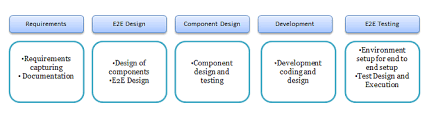
software development process

Navigating the Software Development Process: A Comprehensive Guide

The Software Development Process

The Software Development Process: From Concept to Completion

Software development is a complex and iterative process that involves designing, coding, testing, and deploying software applications. It requires a systematic approach to ensure the final product meets the needs and expectations of users. Let’s explore the key stages of the software development process:

Planning

The first stage of software development involves defining the project scope, requirements, and objectives. This phase includes gathering user feedback, conducting market research, and creating a detailed project plan.

Design

In the design phase, developers create a blueprint for the software application based on the requirements gathered in the planning stage. This includes defining the architecture, user interface design, data structures, and algorithms.

Implementation

During implementation, developers write code based on the design specifications. This phase involves coding, unit testing, integration testing, and debugging to ensure that the software functions as intended.

Testing

Testing is a critical phase of software development where developers verify that the application works correctly and meets quality standards. This includes functional testing, performance testing, security testing, and user acceptance testing.

Deployment

Once the software has been thoroughly tested and approved, it is deployed to production environments for end-users to access. Deployment involves configuring servers, setting up databases, and ensuring smooth operation of the application.

Maintenance

After deployment, software requires ongoing maintenance to address bugs, add new features, and improve performance. Maintenance may involve releasing updates, patches, and enhancements to ensure that the software remains relevant and functional over time.

In conclusion,the software development process is a multi-faceted journey that requires collaboration between developers,designers,and stakeholders to create successful software applications that meet user needs.


9 Key Benefits of the Software Development Process: Boosting Efficiency, Security, and Innovation

  1. Enhances efficiency by automating tasks
  2. Improves scalability for future growth
  3. Enables customization to meet specific requirements
  4. Facilitates collaboration among team members
  5. Ensures better quality through rigorous testing
  6. Increases security measures to protect data
  7. Provides opportunities for innovation and creativity
  8. Supports continuous improvement through feedback loops
  9. Helps businesses stay competitive in the digital age


Challenges in Software Development: Navigating Complexity, Time, and Cost

  1. Complexity
  2. Time-consuming
  3. Cost

Enhances efficiency by automating tasks

Software development process enhances efficiency by automating tasks, allowing repetitive and time-consuming processes to be completed quickly and accurately. Automation reduces human error, increases productivity, and frees up resources to focus on more complex and strategic aspects of software development. By streamlining routine tasks through automation, developers can deliver high-quality software solutions in a more efficient and timely manner.

Improves scalability for future growth

One significant advantage of the software development process is that it enhances scalability for future growth. By following a structured development approach, software applications can be designed and built with scalability in mind, allowing them to accommodate increased user loads, data volumes, and feature enhancements as the business expands. This proactive approach to scalability ensures that the software can adapt to changing requirements and support the organization’s growth without requiring a complete overhaul or redevelopment, ultimately saving time and resources in the long run.

Enables customization to meet specific requirements

The software development process offers a significant advantage by enabling customization to meet specific requirements. This flexibility allows developers to tailor software applications to the unique needs and preferences of users or businesses. By incorporating custom features, functionalities, and design elements, developers can create solutions that align perfectly with the desired outcomes and objectives of the project. This level of customization not only enhances user satisfaction but also improves overall efficiency and effectiveness, making software development a powerful tool for addressing specific needs and challenges.

Facilitates collaboration among team members

Facilitating collaboration among team members is a key advantage of the software development process. By breaking down complex tasks into manageable components and establishing clear communication channels, team members can work together efficiently towards a common goal. Collaboration fosters creativity, innovation, and synergy among team members, leading to the development of high-quality software solutions that meet user needs effectively. Additionally, collaboration allows for the sharing of knowledge and expertise, enabling team members to learn from each other and continuously improve their skills. Ultimately, a collaborative approach in software development not only enhances productivity but also promotes a positive and supportive work environment conducive to success.

Ensures better quality through rigorous testing

Rigorous testing within the software development process ensures better quality by identifying and resolving issues early on, leading to a more reliable and stable end product. Through comprehensive testing procedures, developers can detect bugs, errors, and performance issues, ultimately enhancing the overall user experience and satisfaction. By prioritizing quality assurance throughout each stage of development, software products can meet industry standards and exceed customer expectations for functionality and reliability.

Increases security measures to protect data

One significant advantage of the software development process is its ability to enhance security measures to safeguard sensitive data. By incorporating robust security protocols and encryption techniques during the development stages, software developers can effectively protect user information from unauthorized access and cyber threats. This proactive approach not only ensures the confidentiality and integrity of data but also instills trust and confidence in users, ultimately contributing to a more secure digital environment.

Provides opportunities for innovation and creativity

The software development process offers a unique advantage by providing ample opportunities for innovation and creativity. Developers have the freedom to explore new ideas, experiment with different technologies, and devise creative solutions to complex problems. This environment fosters a culture of innovation where novel concepts can be brought to life through software applications. By encouraging creativity throughout the development cycle, teams can push boundaries, inspire new approaches, and deliver truly innovative solutions that meet the evolving needs of users and businesses alike.

Supports continuous improvement through feedback loops

The software development process excels in supporting continuous improvement through feedback loops. By incorporating feedback from users, stakeholders, and testing phases, developers can identify areas for enhancement and refinement. This iterative approach enables teams to make incremental adjustments, address issues promptly, and deliver a product that evolves based on real-world usage and feedback. This continuous feedback loop fosters innovation, ensures user satisfaction, and ultimately leads to the development of high-quality software solutions that meet the ever-changing needs of users and the market.

Helps businesses stay competitive in the digital age

In the fast-paced digital age, the software development process plays a crucial role in helping businesses stay competitive. By continuously updating and enhancing their software applications, businesses can adapt to changing market demands, improve efficiency, and deliver better customer experiences. Embracing modern software development practices allows companies to innovate, streamline processes, and leverage technology to gain a competitive edge in the ever-evolving digital landscape.

Complexity

The complexity of the software development process can pose a significant challenge, particularly in the context of large-scale projects involving numerous stakeholders and evolving requirements. Managing the intricacies of such projects demands careful coordination, effective communication, and adaptive strategies to navigate through uncertainties and complexities. The dynamic nature of software development often requires teams to be agile and responsive to changes, making it essential to have robust project management practices in place to address the challenges posed by complexity.

Time-consuming

Developing high-quality software can be a time-consuming process due to the need for meticulous attention to detail and rigorous testing at every stage, from planning to testing. Each phase of software development demands careful consideration and precision to ensure that the final product meets quality standards and user expectations. Rushing through any part of the process can lead to errors, bugs, and ultimately compromise the integrity and functionality of the software. Therefore, investing time in each step is essential to deliver a reliable and efficient software solution in the end.

Cost

One significant drawback of the software development process is the cost involved. Developing software can be a costly endeavor, especially when unexpected challenges surface throughout the project, leading to the need for extra resources or modifications to the original plan. These unforeseen issues can escalate expenses and strain budget allocations, making it crucial for development teams to carefully manage resources and anticipate potential obstacles to mitigate financial risks during the software development lifecycle.

end to end software development

Mastering End-to-End Software Development: A Comprehensive Guide

The Importance of End-to-End Software Development

The Importance of End-to-End Software Development

In the world of software development, the concept of end-to-end development plays a crucial role in ensuring the successful delivery of high-quality applications. End-to-end software development refers to the process of creating a software product from concept to deployment, encompassing all stages of development.

Key Phases of End-to-End Software Development:

  1. Planning and Analysis: This phase involves gathering requirements, defining project scope, and creating a roadmap for development.
  2. Design: During this stage, the architecture, user interface, and overall design of the software are conceptualized and documented.
  3. Development: The actual coding and implementation of the software take place in this phase, where developers bring the design to life.
  4. Testing: Quality assurance is essential in end-to-end development to identify and fix bugs or issues before deployment.
  5. Deployment and Maintenance: Once testing is complete, the software is deployed to production environments, followed by ongoing maintenance and support.

The Benefits of End-to-End Software Development:

  • Streamlined Process: By following a structured end-to-end approach, teams can ensure smoother collaboration and communication throughout the project lifecycle.
  • Better Quality Control: Comprehensive testing at every stage helps identify and rectify issues early on, leading to a more robust final product.
  • Faster Time to Market: Efficient planning and execution result in quicker delivery times, allowing businesses to stay competitive in rapidly evolving markets.
  • Cohesive User Experience: A holistic approach ensures that all components of the software work seamlessly together, providing users with a consistent experience.
  • Improved Customer Satisfaction: Delivering a well-designed and fully functional product enhances customer satisfaction and loyalty.

In conclusion, end-to-end software development is essential for creating successful applications that meet user needs while adhering to quality standards. By embracing this comprehensive approach, organizations can drive innovation, increase efficiency, and achieve their business objectives effectively.


Understanding End-to-End Software Development: 9 Key Questions Answered

  1. What is end-to-end software development?
  2. Why is end-to-end software development important?
  3. What are the key phases of end-to-end software development?
  4. How does planning and analysis contribute to end-to-end software development?
  5. What role does design play in the process of end-to-end software development?
  6. Why is testing crucial in end-to-end software development?
  7. How is deployment and maintenance managed in the context of end-to-end software development?
  8. What are the benefits of following an end-to-end approach in software development?
  9. How can organizations ensure successful implementation of end-to-end software development?

What is end-to-end software development?

End-to-end software development refers to the comprehensive process of creating a software product from its initial concept to its final deployment and ongoing maintenance. This approach encompasses all stages of development, including planning, design, coding, testing, deployment, and support. By following an end-to-end software development methodology, teams ensure that every aspect of the software is carefully crafted and integrated to deliver a high-quality product that meets user requirements effectively. This holistic approach aims to streamline the development process, enhance quality control, and ultimately deliver successful software solutions that drive business value and user satisfaction.

Why is end-to-end software development important?

Understanding the importance of end-to-end software development is crucial for achieving successful outcomes in software projects. End-to-end development ensures a comprehensive approach from initial planning and design to deployment and maintenance. By encompassing all stages of the development lifecycle, teams can streamline processes, maintain quality control, accelerate time to market, enhance user experience, and ultimately boost customer satisfaction. Embracing end-to-end software development is key to delivering robust, reliable, and user-friendly applications that meet the evolving needs of businesses and users alike.

What are the key phases of end-to-end software development?

One of the frequently asked questions regarding end-to-end software development is, “What are the key phases of end-to-end software development?” The key phases of end-to-end software development typically include planning and analysis, design, development, testing, and deployment/maintenance. Each phase plays a crucial role in the overall success of a software project, starting from gathering requirements and defining project scope to coding, testing for quality assurance, and finally deploying the software to production environments with ongoing maintenance. Following these structured phases ensures a systematic approach to creating high-quality software products that meet user needs effectively.

How does planning and analysis contribute to end-to-end software development?

Planning and analysis play a crucial role in contributing to end-to-end software development by setting the foundation for a successful project. During the planning and analysis phase, requirements are gathered, project scope is defined, and a roadmap for development is established. This initial stage allows stakeholders to align on project goals, identify potential challenges, and create a clear vision for the software product. Effective planning and analysis help in laying out the groundwork for design, development, testing, deployment, and maintenance phases, ensuring that the software meets user needs, quality standards, and business objectives throughout the entire development lifecycle.

What role does design play in the process of end-to-end software development?

In the process of end-to-end software development, design plays a pivotal role in shaping the user experience and functionality of the final product. Design encompasses not only the visual aesthetics but also the overall architecture, usability, and interaction flow of the software. A well-thought-out design phase ensures that user needs are met, and the software is intuitive and easy to navigate. By considering design early in the development process, teams can align on a cohesive vision for the product and avoid costly rework later on. Ultimately, design acts as a guiding force that influences every aspect of software development, contributing to a successful end-to-end delivery that resonates with users and meets business objectives.

Why is testing crucial in end-to-end software development?

Testing plays a crucial role in end-to-end software development as it helps ensure the quality, reliability, and functionality of the final product. By conducting thorough testing at each stage of the development process, developers can identify and address issues early on, preventing costly errors from reaching production environments. Testing also helps validate that all components of the software work together seamlessly, providing a smooth user experience. Ultimately, robust testing practices in end-to-end software development contribute to delivering a high-quality product that meets user expectations and business requirements.

How is deployment and maintenance managed in the context of end-to-end software development?

In the context of end-to-end software development, deployment and maintenance are crucial stages that require careful planning and management. Deployment involves the process of releasing the software to production environments, ensuring that it functions correctly and efficiently for end-users. This phase typically involves coordination between development teams, system administrators, and stakeholders to minimize downtime and ensure a smooth transition. On the other hand, maintenance involves ongoing support, updates, and bug fixes to keep the software running smoothly post-deployment. Effective deployment and maintenance strategies in end-to-end development require continuous monitoring, feedback loops, automation tools, and collaboration among cross-functional teams to address issues promptly and optimize performance for long-term success.

What are the benefits of following an end-to-end approach in software development?

Following an end-to-end approach in software development offers a multitude of benefits. By encompassing all stages of the development process from planning and analysis to deployment and maintenance, teams can ensure a streamlined and cohesive workflow. This comprehensive method allows for better quality control through thorough testing, leading to the identification and resolution of issues early on. Additionally, an end-to-end approach results in faster time to market, enabling businesses to stay competitive and meet evolving market demands promptly. A holistic focus on user experience ensures that all components of the software work seamlessly together, ultimately enhancing customer satisfaction and loyalty. Overall, embracing an end-to-end approach in software development promotes efficiency, innovation, and successful project outcomes.

How can organizations ensure successful implementation of end-to-end software development?

To ensure successful implementation of end-to-end software development, organizations should focus on several key aspects. Firstly, clear communication and collaboration among all stakeholders are essential to align goals and expectations throughout the project lifecycle. Additionally, thorough planning and requirement gathering at the initial stages help in defining the scope and objectives of the software development process. Adequate resource allocation, including skilled team members and necessary tools, is crucial for efficient execution. Regular testing and quality assurance practices should be integrated into each phase to identify and address any issues promptly. Lastly, continuous monitoring, feedback collection, and adaptation to changing requirements play a vital role in achieving a successful end result in software development projects.