cfchris.com

Loading

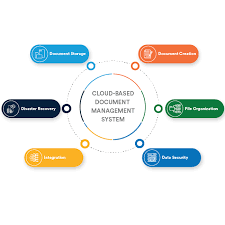
cloud based document management system

Unlocking Efficiency: The Power of a Cloud-Based Document Management System

The Benefits of a Cloud-Based Document Management System

The Benefits of a Cloud-Based Document Management System

In today’s digital age, managing documents efficiently is crucial for businesses of all sizes. A cloud-based document management system offers numerous advantages over traditional paper-based systems. Let’s explore some of the key benefits:

Accessibility and Collaboration

One of the primary advantages of a cloud-based document management system is the ability to access documents from anywhere with an internet connection. This enables employees to collaborate in real-time, regardless of their location. Team members can work on documents simultaneously, increasing productivity and efficiency.

Cost-Effectiveness

Implementing a cloud-based document management system eliminates the need for physical storage space and reduces costs associated with printing, paper, and manual filing systems. Businesses can save money on infrastructure maintenance and streamline their document management processes.

Security and Data Backup

Cloud-based document management systems offer enhanced security features such as encryption, access controls, and audit trails to protect sensitive information. Additionally, data stored in the cloud is automatically backed up, reducing the risk of data loss due to hardware failures or disasters.

Scalability and Flexibility

Cloud-based document management systems are highly scalable, allowing businesses to easily adjust storage capacity based on their needs. As businesses grow, they can expand their storage space without investing in additional hardware or software upgrades.

Compliance and Regulatory Requirements

Many industries have strict compliance requirements regarding document retention and security. A cloud-based document management system helps businesses meet regulatory standards by providing secure storage, version control, and audit capabilities.

Conclusion

A cloud-based document management system offers a wide range of benefits that can significantly improve efficiency, collaboration, security, and compliance within an organization. By leveraging the power of cloud technology, businesses can streamline their document management processes and focus on driving growth and innovation.


5 Essential Tips for Optimizing Your Cloud-Based Document Management System

  1. Ensure proper access controls are in place to protect sensitive information.
  2. Regularly back up your documents to prevent data loss.
  3. Utilize version control features to track changes and revisions.
  4. Train employees on how to effectively use the document management system.
  5. Integrate with other tools and applications for seamless workflow management.

Ensure proper access controls are in place to protect sensitive information.

It is crucial to ensure proper access controls are in place when implementing a cloud-based document management system to safeguard sensitive information. By setting up granular permissions and user roles, businesses can control who has access to specific documents and prevent unauthorized users from viewing or editing sensitive data. This security measure helps mitigate the risk of data breaches and ensures that confidential information remains protected at all times.

Regularly back up your documents to prevent data loss.

Regularly backing up your documents is a crucial practice to prevent data loss when using a cloud-based document management system. By creating backups at scheduled intervals, you ensure that even in the event of unexpected issues like system failures or accidental deletions, your important files are safe and easily recoverable. This proactive approach not only safeguards your data but also provides peace of mind knowing that your information is secure and accessible whenever needed.

Utilize version control features to track changes and revisions.

Utilizing version control features in a cloud-based document management system is essential for tracking changes and revisions effectively. By maintaining a history of document versions, users can easily review previous iterations, identify modifications, and revert to earlier versions if needed. This feature enhances collaboration among team members, ensures data integrity, and streamlines the document editing process by providing a clear audit trail of all changes made to the document.

Train employees on how to effectively use the document management system.

Training employees on how to effectively use the cloud-based document management system is crucial for maximizing its benefits. By providing comprehensive training sessions, employees can learn how to navigate the system efficiently, collaborate with colleagues, maintain data security, and adhere to compliance regulations. Investing in employee training ensures that the organization can fully leverage the capabilities of the document management system, leading to improved productivity, streamlined workflows, and enhanced data management practices.

Integrate with other tools and applications for seamless workflow management.

Integrating a cloud-based document management system with other tools and applications is essential for ensuring a seamless workflow management process. By connecting your document management system with other software solutions such as project management tools, communication platforms, and CRM systems, you can streamline processes, enhance collaboration, and improve overall efficiency. This integration allows for easy access to documents across different platforms, eliminates silos between systems, and creates a more cohesive work environment where information flows smoothly between various tools, ultimately boosting productivity and driving better results.

business technology

Empowering Enterprises: The Evolution of Business Technology in the Digital Age

The Impact of Business Technology on Modern Enterprises

The Impact of Business Technology on Modern Enterprises

In today’s fast-paced business environment, technology plays a crucial role in shaping the success and growth of enterprises. From small startups to large corporations, businesses are increasingly relying on innovative technologies to streamline operations, enhance productivity, and gain a competitive edge in the market.

Enhancing Efficiency and Productivity

One of the key benefits of integrating technology into business processes is the significant improvement in efficiency and productivity. Automation tools, data analytics software, and cloud computing services enable companies to optimize their workflows, reduce manual tasks, and make informed decisions based on real-time data.

Improving Communication and Collaboration

Business technology has revolutionized how teams communicate and collaborate within organizations. Email, instant messaging platforms, video conferencing tools, and project management software facilitate seamless interaction among employees, regardless of their physical location. This enhanced communication leads to better teamwork, faster decision-making, and improved overall performance.

Driving Innovation and Competitive Advantage

Technology empowers businesses to innovate constantly and adapt to changing market trends. Companies that embrace digital transformation initiatives can develop new products and services more efficiently, reach a wider audience through online channels, and differentiate themselves from competitors. By leveraging cutting-edge technologies such as artificial intelligence, blockchain, and Internet of Things (IoT), enterprises can stay ahead of the curve and maintain a competitive advantage in their industry.

Ensuring Data Security and Compliance

As businesses increasingly rely on digital platforms to store sensitive information and conduct transactions, cybersecurity has become a top priority. Implementing robust security measures, such as encryption protocols, firewalls, multi-factor authentication, and regular security audits, is essential to protect data from cyber threats. Moreover, compliance with data protection regulations such as GDPR or HIPAA is crucial for maintaining trust with customers and avoiding legal repercussions.

Conclusion

In conclusion, business technology has become an indispensable asset for modern enterprises looking to thrive in today’s digital landscape. By harnessing the power of technology effectively, businesses can drive growth, improve operational efficiency, foster innovation, enhance customer experiences,

ensure data security compliance.


Key Questions and Answers on Navigating Modern Business Technology Trends

  1. What are the latest trends in business technology?
  2. How can businesses benefit from cloud computing services?
  3. What cybersecurity measures should businesses implement to protect their data?
  4. How does artificial intelligence impact business operations?
  5. What are the advantages of implementing a customer relationship management (CRM) system?
  6. How can businesses leverage big data analytics to make informed decisions?
  7. What steps can companies take to ensure digital transformation success?

Business technology is a dynamic field that constantly evolves to meet the changing needs of businesses. One frequently asked question in this realm is, “What are the latest trends in business technology?” Currently, some of the emerging trends include artificial intelligence (AI) and machine learning, which are being leveraged to automate processes and enhance decision-making. Additionally, cloud computing continues to be a dominant trend, enabling businesses to scale operations and access data from anywhere. Internet of Things (IoT) devices are also gaining prominence, connecting physical objects to the digital world for improved monitoring and control. Overall, staying informed about these latest trends in business technology is crucial for organizations seeking to stay competitive and innovative in today’s digital landscape.

How can businesses benefit from cloud computing services?

Businesses can benefit significantly from cloud computing services in various ways. By leveraging cloud technology, companies can reduce their IT infrastructure costs by eliminating the need for expensive hardware and maintenance. Cloud computing offers scalability and flexibility, allowing businesses to easily adjust their resources based on demand. Moreover, cloud services enable remote access to data and applications, promoting collaboration among employees working from different locations. Enhanced data security, automatic software updates, and improved disaster recovery capabilities are additional advantages that businesses can enjoy by adopting cloud computing services. Ultimately, utilizing cloud technology empowers businesses to streamline operations, increase efficiency, and focus on driving innovation and growth in a competitive market landscape.

What cybersecurity measures should businesses implement to protect their data?

In the realm of business technology, safeguarding sensitive data is paramount to ensuring the integrity and security of operations. To protect their valuable information from cyber threats, businesses should implement robust cybersecurity measures. This includes deploying encryption protocols to secure data in transit and at rest, implementing firewalls to monitor and control network traffic, enforcing multi-factor authentication to prevent unauthorized access, conducting regular security audits to identify vulnerabilities, and staying compliant with data protection regulations such as GDPR or HIPAA. By proactively addressing cybersecurity risks through these measures, businesses can fortify their defenses and mitigate the potential impact of cyberattacks on their data assets.

How does artificial intelligence impact business operations?

Artificial intelligence (AI) significantly impacts business operations by enhancing efficiency, improving decision-making, and driving innovation. AI technologies, such as machine learning algorithms and natural language processing, enable businesses to automate routine tasks, analyze vast amounts of data quickly, and gain valuable insights. This allows companies to optimize their processes, reduce operational costs, and make more informed strategic decisions. Additionally, AI can improve customer experiences through personalized interactions and predictive analytics. By adopting AI solutions, businesses can stay competitive in a rapidly evolving market and unlock new opportunities for growth and development.

What are the advantages of implementing a customer relationship management (CRM) system?

Implementing a Customer Relationship Management (CRM) system offers numerous advantages for businesses. Firstly, a CRM system helps companies centralize customer data, enabling easy access to information such as contact details, purchase history, and interactions. This centralized database enhances customer service by allowing personalized communication and targeted marketing campaigns. Moreover, CRM systems improve efficiency by automating repetitive tasks, tracking sales pipelines, and generating insightful reports for better decision-making. Ultimately, implementing a CRM system can lead to increased customer satisfaction, improved sales performance, and stronger relationships with clients.

How can businesses leverage big data analytics to make informed decisions?

In today’s data-driven business landscape, leveraging big data analytics is essential for enterprises to make informed decisions. By harnessing the power of advanced analytics tools and technologies, businesses can analyze vast amounts of structured and unstructured data to uncover valuable insights and trends. These insights enable organizations to understand customer behavior, market dynamics, and operational performance more effectively. By utilizing big data analytics, businesses can make data-driven decisions that are based on real-time information, leading to improved strategic planning, better resource allocation, and enhanced overall business performance.

What steps can companies take to ensure digital transformation success?

To ensure digital transformation success, companies can take several key steps. Firstly, it is essential for organizations to have a clear digital strategy aligned with their business goals and objectives. This involves identifying areas that can benefit from technological advancements and outlining a roadmap for implementation. Secondly, fostering a culture of innovation and adaptability within the company is crucial. Encouraging employees to embrace change, upskill in new technologies, and collaborate across departments can facilitate a smoother transition to digital processes. Additionally, investing in robust cybersecurity measures to protect data integrity and privacy is paramount. Regularly evaluating the progress of digital initiatives, seeking feedback from stakeholders, and making adjustments as needed are vital components of achieving successful digital transformation in today’s competitive business landscape.

iso software development
iso

Enhancing Quality and Compliance: The Significance of ISO Software Development

ISO Software Development: Ensuring Quality and Compliance

ISO Software Development: Ensuring Quality and Compliance

ISO software development refers to the process of developing software in compliance with the standards set by the International Organization for Standardization (ISO). These standards are designed to ensure that software products are of high quality, reliable, and meet customer requirements.

Benefits of ISO Software Development

Adopting ISO standards in software development offers several benefits:

  • Quality Assurance: ISO standards help in establishing processes that ensure consistent quality throughout the software development lifecycle.
  • Risk Management: By following ISO guidelines, developers can identify and mitigate risks early in the development process.
  • Customer Satisfaction: ISO-compliant software is more likely to meet customer expectations and requirements, leading to higher satisfaction levels.
  • Compliance: Adhering to ISO standards helps companies comply with legal and regulatory requirements related to software development.

Key Principles of ISO Software Development

The key principles of ISO software development include:

  1. Customer Focus: Understanding and meeting customer needs is a primary focus throughout the development process.
  2. Leadership: Effective leadership ensures that the team is aligned with organizational goals and quality objectives.
  3. Process Approach: Adopting a systematic approach to software development leads to more consistent results.
  4. Continuous Improvement: Regularly reviewing processes and making improvements is essential for achieving excellence in software development.

Implementing ISO Standards in Software Development

To implement ISO standards effectively, organizations should:

  • Educate Team Members: Provide training on ISO standards and their application in software development.
  • Create Documentation: Document processes, procedures, and quality objectives to ensure consistency and traceability.
  • Audit Processes: Regularly audit software development processes to identify areas for improvement and ensure compliance with ISO standards.
  •  

    Top 8 FAQs About ISO Software Development: Importance, Benefits, and Implementation

    1. What is ISO software development?
    2. Why is ISO software development important?
    3. How does ISO software development ensure quality?
    4. What are the benefits of following ISO standards in software development?
    5. What are the key principles of ISO software development?
    6. How can organizations implement ISO standards in software development effectively?
    7. Are there specific ISO standards dedicated to software development?
    8. How does ISO certification benefit companies involved in software development?

    What is ISO software development?

    ISO software development refers to the approach of developing software in accordance with the standards established by the International Organization for Standardization (ISO). These standards are designed to ensure that software products are developed using consistent processes, adhere to quality guidelines, and meet customer requirements effectively. By following ISO guidelines in software development, organizations can enhance the quality, reliability, and compliance of their software products, ultimately leading to improved customer satisfaction and operational efficiency.

    Why is ISO software development important?

    ISO software development is important for several reasons. Firstly, adhering to ISO standards ensures that software products are developed using best practices, leading to higher quality and reliability. By following established guidelines, organizations can minimize errors, reduce risks, and enhance customer satisfaction. ISO software development also helps companies comply with regulatory requirements and industry standards, demonstrating a commitment to quality and excellence in software development processes. Overall, embracing ISO standards in software development is crucial for achieving consistent results, meeting customer expectations, and driving continuous improvement in the development lifecycle.

    How does ISO software development ensure quality?

    ISO software development ensures quality by establishing a set of standardized processes and guidelines that focus on quality assurance at every stage of the software development lifecycle. By following these ISO standards, software developers can implement best practices for requirements gathering, design, coding, testing, and maintenance. This structured approach helps in identifying and addressing potential issues early on, leading to higher-quality software products that meet customer expectations. Additionally, ISO software development emphasizes continuous improvement and regular monitoring of processes to ensure that quality standards are consistently met throughout the development process.

    What are the benefits of following ISO standards in software development?

    Following ISO standards in software development offers numerous benefits. Firstly, adherence to ISO standards ensures that software products are of high quality, reliable, and meet customer requirements consistently. This leads to increased customer satisfaction and trust in the software being developed. Additionally, following ISO standards helps in effective risk management by identifying and mitigating risks early in the development process. Compliance with ISO guidelines also aids organizations in meeting legal and regulatory requirements related to software development, thereby reducing potential legal issues. Overall, embracing ISO standards in software development results in improved quality assurance, enhanced risk management practices, and greater customer satisfaction.

    What are the key principles of ISO software development?

    The key principles of ISO software development encompass fundamental aspects that guide the process towards quality and compliance. These principles include customer focus, emphasizing the importance of understanding and meeting customer needs throughout the development cycle. Leadership plays a crucial role in aligning teams with organizational goals and quality objectives. Adopting a process approach ensures systematic and consistent software development results, while continuous improvement involves regular reviews to enhance processes and achieve excellence in software development. By adhering to these key principles, organizations can establish a solid foundation for successful ISO-compliant software development practices.

    How can organizations implement ISO standards in software development effectively?

    Organizations can effectively implement ISO standards in software development by following a structured approach that involves educating team members, creating comprehensive documentation, conducting regular process audits, and fostering a culture of continuous improvement. Training employees on ISO standards and their relevance to software development is crucial to ensure understanding and compliance. Documenting processes, procedures, and quality objectives helps establish consistency and traceability in the development lifecycle. Regular audits of software development processes enable organizations to identify areas for enhancement and ensure adherence to ISO standards. Embracing a culture of continuous improvement encourages teams to seek ways to optimize processes and deliver high-quality software products that meet ISO requirements.

    Are there specific ISO standards dedicated to software development?

    Yes, there are specific ISO standards dedicated to software development. One of the most well-known standards in this area is ISO/IEC 12207, which provides guidelines for software life cycle processes. This standard covers various aspects of software development, including planning, implementation, testing, maintenance, and documentation. Additionally, ISO/IEC 25010 focuses on quality characteristics and metrics for software products and systems. These standards help organizations establish best practices and ensure that their software development processes meet international quality and compliance requirements.

    How does ISO certification benefit companies involved in software development?

    ISO certification benefits companies involved in software development by providing a framework for ensuring quality, consistency, and customer satisfaction throughout the development process. By adhering to ISO standards, companies can enhance their credibility, demonstrate their commitment to quality management, and gain a competitive edge in the market. ISO certification also helps companies streamline their processes, identify areas for improvement, and comply with regulatory requirements. Overall, ISO certification in software development not only enhances the company’s reputation but also leads to increased efficiency and customer trust.

accounting for software development costs pwc

Navigating Software Development Costs: Insights from PwC on Effective Accounting

Accounting for software development costs is a crucial aspect for companies in the tech industry. Properly managing and reporting these costs can have a significant impact on a company’s financial statements and overall performance. PwC, a renowned professional services firm, provides valuable insights and guidance on how to account for software development costs effectively.

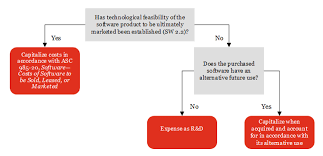
Software development costs can be classified into two main categories: research and development (R&D) costs and production or capitalization costs. R&D costs are typically expensed as incurred since they are related to activities aimed at creating new software products or improving existing ones. On the other hand, production costs that meet specific criteria, such as technological feasibility, can be capitalized and amortized over the useful life of the software.

PwC emphasizes the importance of determining the stage at which software development costs should be capitalized. Understanding the criteria for capitalization, such as the presence of a detailed project plan, technical feasibility, and future economic benefits, is essential in making informed accounting decisions.

Moreover, PwC advises companies to regularly assess and review their accounting policies for software development costs to ensure compliance with relevant accounting standards, such as ASC 350-40 (intangibles – internal-use software) and ASC 985-20 (software – cost of sales).

By following PwC’s guidance on accounting for software development costs, companies can enhance transparency in financial reporting, mitigate risks of misstatement or non-compliance with regulations, and make informed business decisions based on accurate financial information.

In conclusion, accounting for software development costs is a complex yet critical aspect of financial management for tech companies. Leveraging PwC’s expertise and best practices in this area can help organizations navigate the complexities of software development cost accounting effectively and optimize their financial performance.


7 Essential Tips for Accounting Software Development Costs

  1. 1. Capitalize costs directly related to developing or obtaining software for internal use.
  2. 2. Expense costs related to preliminary project stages and post-implementation activities.
  3. 3. Allocate costs between capitalized and expensed based on the development stage.
  4. 4. Consider costs such as employee compensation, third-party services, and software tools.
  5. 5. Review and update capitalization criteria regularly to ensure compliance with accounting standards.
  6. 6. Document the rationale behind capitalization decisions for audit trail purposes.
  7. 7. Consult with accounting professionals or refer to PwC guidance for complex scenarios.

When following PwC’s tip to capitalize costs directly related to developing or obtaining software for internal use, companies can enhance their financial reporting accuracy and efficiency. By recognizing and capitalizing costs that meet specific criteria, such as those directly tied to software development activities with future economic benefits, organizations can better align their accounting practices with industry standards. This approach not only ensures proper allocation of expenses but also enables companies to reflect the true value of their software assets on their balance sheets, ultimately improving transparency and decision-making processes.

2. Expense costs related to preliminary project stages and post-implementation activities.

When following PwC’s tip on accounting for software development costs, it is essential to expense costs related to preliminary project stages and post-implementation activities. By recognizing and expensing these costs as they occur, companies can accurately reflect the true financial impact of software development projects in their financial statements. This approach ensures transparency and compliance with accounting standards while providing a clear picture of the overall expenses associated with software development initiatives.

3. Allocate costs between capitalized and expensed based on the development stage.

When it comes to accounting for software development costs, PwC’s tip to allocate costs between capitalized and expensed based on the development stage is crucial. By determining the specific stage of development, companies can make informed decisions on whether to capitalize or expense costs effectively. This approach ensures that expenses related to research and development activities are recognized appropriately while also identifying costs that meet the criteria for capitalization. Proper allocation based on the development stage enhances financial reporting accuracy and transparency, enabling companies to comply with accounting standards and optimize their financial performance in the software development process.

4. Consider costs such as employee compensation, third-party services, and software tools.

When accounting for software development costs, it is essential to consider various expenses, including employee compensation, third-party services, and software tools. These costs play a significant role in the overall budget of a software development project and should be carefully tracked and allocated accordingly. Employee compensation covers salaries, benefits, and other related expenses for the team members involved in the development process. Third-party services may include outsourcing certain tasks or hiring external consultants to support the project. Additionally, investments in software tools and technologies are crucial for enhancing productivity and efficiency during development. By carefully considering these costs, companies can ensure accurate financial reporting and better decision-making regarding their software development initiatives.

5. Review and update capitalization criteria regularly to ensure compliance with accounting standards.

It is essential for companies to review and update their capitalization criteria regularly to ensure compliance with accounting standards, as advised by PwC. By periodically reassessing the criteria for capitalizing software development costs, organizations can stay aligned with relevant accounting standards, such as ASC 350-40 and ASC 985-20. This proactive approach not only helps companies maintain accurate financial reporting but also reduces the risk of non-compliance and potential errors in accounting for software development costs. Keeping capitalization criteria up-to-date allows companies to make informed decisions regarding the treatment of software development expenses, ultimately contributing to transparent and reliable financial statements.

6. Document the rationale behind capitalization decisions for audit trail purposes.

To ensure transparency and accountability in accounting for software development costs, PwC recommends documenting the rationale behind capitalization decisions. By clearly outlining the reasons for choosing to capitalize certain costs, companies create a robust audit trail that can be reviewed and verified by internal and external auditors. This documentation not only enhances the credibility of financial statements but also provides valuable insights into the thought process behind capitalization choices, helping stakeholders understand the financial impact of software development activities.

7. Consult with accounting professionals or refer to PwC guidance for complex scenarios.

When facing complex scenarios related to accounting for software development costs, it is advisable to seek guidance from accounting professionals or refer to PwC’s expert advice. Consulting with experienced professionals can provide valuable insights and ensure that companies navigate intricate accounting issues effectively. By leveraging PwC’s guidance, organizations can make informed decisions, adhere to accounting standards, and optimize their financial reporting processes in the context of software development costs.

medical software development

Advancing Healthcare Through Innovative Medical Software Development

Article: Medical Software Development

The Importance of Medical Software Development in Healthcare

Medical software development plays a crucial role in modern healthcare systems, revolutionizing the way medical professionals manage patient data, streamline processes, and improve overall patient care. With advancements in technology, the development of specialized software tailored to the healthcare industry has become essential for efficient and effective healthcare delivery.

Enhancing Patient Care

Medical software applications enable healthcare providers to access and analyze patient information quickly and accurately. Electronic Health Records (EHR) systems, for example, centralize patient data, making it easily accessible to authorized personnel across different departments and locations. This streamlined access to patient information enhances collaboration among healthcare teams, leading to better-coordinated care and improved patient outcomes.

Improving Efficiency and Accuracy

By automating routine tasks such as appointment scheduling, billing processes, and prescription management, medical software helps reduce administrative burdens on healthcare staff. This automation not only improves efficiency but also minimizes the risk of errors that can occur with manual data entry. Additionally, decision support tools integrated into medical software assist clinicians in making informed treatment decisions based on evidence-based guidelines and real-time data.

Ensuring Data Security and Compliance

Medical software developers prioritize data security and compliance with regulations such as HIPAA (Health Insurance Portability and Accountability Act) to safeguard sensitive patient information. Encryption protocols, user authentication mechanisms, and regular security audits are implemented to protect against unauthorized access or data breaches. Compliance with regulatory requirements ensures that patient confidentiality is maintained at all times.

Facilitating Telemedicine and Remote Care

In recent years, the development of telemedicine platforms has expanded access to healthcare services beyond traditional clinical settings. Through secure video conferencing tools and remote monitoring capabilities integrated into medical software applications, patients can consult with healthcare providers remotely for diagnosis, treatment recommendations, and ongoing care management. This advancement in telehealth technology has proven particularly valuable during public health crises when in-person visits may not be feasible.

The Future of Medical Software Development

As technology continues to evolve rapidly, the future of medical software development holds immense potential for further innovation in healthcare delivery. Artificial intelligence (AI), machine learning algorithms, Internet of Things (IoT) devices, and blockchain technology are among the emerging technologies expected to shape the next generation of medical software solutions. These advancements aim to enhance personalized medicine approaches, optimize clinical workflows, and empower patients to take a more active role in managing their health.

In conclusion, medical software development is driving positive transformation within the healthcare industry by improving patient care quality, operational efficiency, data security measures…


Frequently Asked Questions About Medical Software Development: A Comprehensive Guide

  1. What software is used in healthcare industry?
  2. What does a healthcare software developer do?
  3. What type of software is used in healthcare?
  4. How to develop medical software?
  5. What are the examples of medical software?
  6. What does a medical software developer do?
  7. How to create a medical software?
  8. How to become a medical software engineer?

What software is used in healthcare industry?

In the healthcare industry, a variety of software applications are utilized to streamline operations, enhance patient care, and improve overall efficiency. Common types of software used in healthcare include Electronic Health Records (EHR) systems for managing patient data, Practice Management Software for scheduling appointments and billing, Picture Archiving and Communication Systems (PACS) for storing and sharing medical images, Telemedicine platforms for remote consultations, and Clinical Decision Support Systems to aid healthcare providers in making informed treatment decisions. These software solutions play a vital role in modern healthcare delivery by facilitating communication among healthcare professionals, ensuring accurate record-keeping, and supporting evidence-based clinical practices.

What does a healthcare software developer do?

A healthcare software developer specializes in designing, creating, and maintaining software applications tailored to the unique needs of the healthcare industry. These professionals collaborate with healthcare providers, IT experts, and other stakeholders to develop innovative solutions that streamline processes, enhance patient care, and improve overall efficiency within healthcare settings. Healthcare software developers are responsible for coding, testing, and implementing software systems such as Electronic Health Records (EHR), telemedicine platforms, medical imaging software, and clinical decision support tools. They ensure that these applications comply with industry regulations, prioritize data security, and integrate seamlessly into existing healthcare workflows to meet the evolving demands of modern healthcare delivery.

What type of software is used in healthcare?

In healthcare, a variety of software applications are utilized to support different aspects of medical practice and patient care. Electronic Health Records (EHR) systems are commonly used to store and manage patient information, treatment plans, and medical histories in a digital format accessible to healthcare providers. Practice Management Software helps streamline administrative tasks such as appointment scheduling, billing, and insurance claims processing. Clinical Decision Support Systems (CDSS) provide clinicians with evidence-based guidelines and real-time data analysis to assist in making informed treatment decisions. Telemedicine platforms enable remote consultations and monitoring of patients through secure video conferencing tools. Overall, the software used in healthcare encompasses a wide range of functionalities designed to enhance efficiency, accuracy, and quality of care delivery.

How to develop medical software?

Developing medical software requires a strategic approach that prioritizes regulatory compliance, data security, and user experience tailored to the healthcare industry’s unique needs. The process typically involves thorough research to understand the specific requirements of healthcare professionals and patients, followed by designing a user-friendly interface and robust functionality that supports clinical workflows. Collaboration with medical experts, adherence to industry standards such as HL7 and DICOM, rigorous testing for accuracy and reliability, and ongoing maintenance to ensure compliance with evolving regulations are essential steps in the development of effective medical software solutions.

What are the examples of medical software?

Medical software encompasses a wide range of applications designed to support various aspects of healthcare delivery. Examples of medical software include Electronic Health Records (EHR) systems, which centralize patient data for easy access and management by healthcare providers. Picture Archiving and Communication Systems (PACS) facilitate the storage and retrieval of medical images such as X-rays and MRIs. Practice Management Software helps healthcare facilities streamline administrative tasks like billing and scheduling. Telemedicine platforms enable remote consultations between patients and healthcare professionals. Clinical Decision Support Systems (CDSS) provide evidence-based recommendations to aid clinicians in treatment decisions. These examples highlight the diverse functionalities of medical software in enhancing patient care, operational efficiency, and overall healthcare outcomes.

What does a medical software developer do?

A medical software developer is responsible for designing, creating, and maintaining software applications specifically tailored to the healthcare industry. These professionals collaborate with healthcare providers, IT specialists, and other stakeholders to understand the unique requirements of medical settings and develop solutions that address those needs. Medical software developers utilize their expertise in programming languages, database management, and healthcare regulations to build user-friendly applications that streamline processes, improve patient care delivery, ensure data security and compliance, and facilitate innovations such as telemedicine and electronic health records systems. Their role is pivotal in advancing the use of technology to enhance healthcare services and optimize clinical workflows for better patient outcomes.

How to create a medical software?

Creating medical software involves a systematic approach that begins with identifying the specific needs and requirements of healthcare professionals and patients. The first step is to conduct thorough research to understand the workflow processes, data management protocols, and regulatory standards relevant to the healthcare domain. Collaborating with medical experts and IT professionals is essential in designing a user-friendly interface, implementing robust security measures, and integrating features such as electronic health records (EHR), telemedicine capabilities, and decision support tools. Developing a scalable architecture, rigorous testing procedures, and continuous updates are critical to ensuring the software’s reliability, performance, and compliance with industry regulations. Effective communication, feedback loops, and user training programs are key elements in successfully deploying and maintaining a medical software solution that meets the evolving needs of healthcare providers and enhances patient care outcomes.

How to become a medical software engineer?

To become a medical software engineer, individuals typically pursue a relevant educational background in computer science, software engineering, or a related field. Acquiring knowledge of programming languages commonly used in healthcare technology, such as Python, Java, or C++, is essential. Gaining experience through internships or projects in the healthcare industry can provide valuable insights into the specific requirements and challenges of medical software development. Continuous learning and staying updated on industry trends, regulations, and best practices are crucial for aspiring medical software engineers to excel in this specialized field. Strong problem-solving skills, attention to detail, and a passion for leveraging technology to improve patient care are key attributes for success in this rewarding career path.

safe software development

Ensuring Security Through Safe Software Development Practices

The Importance of Safe Software Development

The Importance of Safe Software Development

Software development plays a crucial role in today’s digital world, powering everything from mobile applications to complex enterprise systems. However, amidst the rush to deliver innovative solutions, the importance of safe software development practices should not be overlooked.

Protecting Data and Privacy

Safe software development is essential for protecting sensitive data and maintaining user privacy. By implementing robust security measures throughout the development process, developers can prevent data breaches, unauthorized access, and other cyber threats that could compromise the integrity of the software and harm users.

Ensuring Reliability and Stability

Safe software development also focuses on ensuring the reliability and stability of the software. By conducting thorough testing, code reviews, and quality assurance checks, developers can identify and address potential vulnerabilities and bugs before they impact end-users. This proactive approach not only enhances user experience but also builds trust in the software’s performance.

Compliance with Regulations

In an increasingly regulated environment, safe software development is critical for ensuring compliance with industry standards and legal requirements. Developers must adhere to data protection regulations, industry-specific guidelines, and best practices to avoid penalties, lawsuits, or reputational damage resulting from non-compliance.

Building Trust with Users

By prioritizing safe software development practices, developers demonstrate their commitment to building secure and reliable products that prioritize user safety. This focus on security not only protects users from potential harm but also fosters trust and loyalty among customers who rely on the software for their daily tasks.

Conclusion

In conclusion, safe software development is a fundamental aspect of creating high-quality products that meet user expectations while safeguarding data privacy and security. By integrating security measures into every stage of the development process, developers can build robust software solutions that inspire confidence in users and contribute to a safer digital ecosystem.


9 Essential Tips for Ensuring Safe Software Development Practices

  1. Use secure coding practices
  2. Regularly update software and libraries
  3. Implement access controls and authentication mechanisms
  4. Encrypt sensitive data in storage and transit
  5. Perform regular security assessments and testing
  6. Follow the principle of least privilege for user access
  7. Keep logs for monitoring and incident response
  8. Establish a secure software development lifecycle (SDLC)
  9. Educate developers on security best practices

Use secure coding practices

Utilizing secure coding practices is a fundamental tip in ensuring safe software development. By following established guidelines and standards for writing secure code, developers can proactively mitigate potential vulnerabilities and reduce the risk of cyber threats such as hacking or data breaches. Secure coding practices involve techniques like input validation, proper error handling, and encryption to fortify the software against malicious attacks. By prioritizing secure coding practices, developers can enhance the overall security posture of their software and instill confidence in users regarding the integrity of the application.

Regularly update software and libraries

Regularly updating software and libraries is a crucial tip for safe software development. By staying current with the latest updates and patches, developers can address known vulnerabilities and enhance the security of their applications. Outdated software and libraries are often targeted by cyber attackers, making them potential entry points for malicious activities. Therefore, maintaining a proactive approach to software updates not only ensures the stability and performance of the application but also reduces the risk of security breaches and data compromises.

Implement access controls and authentication mechanisms

Implementing access controls and authentication mechanisms is a crucial tip in safe software development. By setting up proper access controls, developers can restrict unauthorized users from accessing sensitive data or functionalities within the software. Authentication mechanisms, such as passwords, biometrics, or multi-factor authentication, verify the identity of users and ensure that only legitimate individuals have access to the system. These security measures not only protect user data but also prevent malicious actors from exploiting vulnerabilities and compromising the integrity of the software.

Encrypt sensitive data in storage and transit

To enhance the security of software applications, it is crucial to encrypt sensitive data both in storage and during transit. Encryption serves as a protective barrier, ensuring that even if unauthorized access occurs, the data remains unreadable and secure. By implementing encryption mechanisms, developers can mitigate the risk of data breaches and unauthorized interception, safeguarding sensitive information from potential threats throughout its lifecycle.

Perform regular security assessments and testing

Performing regular security assessments and testing is a crucial tip in safe software development. By conducting thorough assessments and tests at various stages of the development process, developers can identify vulnerabilities, weaknesses, and potential security threats early on. This proactive approach allows for timely mitigation of risks, ensuring that the software remains secure and resilient against cyber attacks. Regular security assessments and testing not only help in maintaining the integrity of the software but also demonstrate a commitment to prioritizing user safety and data protection.

Follow the principle of least privilege for user access

Following the principle of least privilege for user access is a key tip in safe software development. By granting users only the minimum level of access required to perform their tasks, developers can minimize the risk of unauthorized actions and potential security breaches. This practice ensures that users have access only to the resources and functionalities necessary for their roles, reducing the attack surface and enhancing overall system security. Embracing the principle of least privilege not only strengthens data protection but also promotes a more secure and controlled software environment.

Keep logs for monitoring and incident response

Keeping logs for monitoring and incident response is a crucial tip in safe software development. By maintaining detailed logs of system activities, developers can track and analyze events to identify potential security threats, monitor performance metrics, and quickly respond to incidents. These logs serve as valuable resources for troubleshooting issues, conducting forensic investigations, and improving overall system reliability. Implementing a robust logging strategy not only enhances the visibility of system operations but also strengthens the organization’s ability to detect and mitigate security breaches effectively.

Establish a secure software development lifecycle (SDLC)

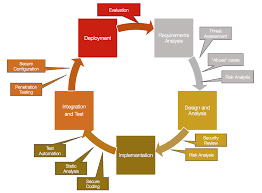
Establishing a secure software development lifecycle (SDLC) is a critical tip in ensuring safe software development practices. By integrating security measures at every stage of the SDLC, from planning and design to testing and deployment, developers can proactively identify and address potential vulnerabilities, reducing the risk of security breaches and ensuring the overall integrity of the software. A well-defined and secure SDLC not only enhances the security posture of the software but also instills confidence in users regarding the reliability and safety of the final product.

Educate developers on security best practices

Educating developers on security best practices is a crucial tip for ensuring safe software development. By providing training and resources on the latest security vulnerabilities, threat mitigation techniques, and secure coding practices, developers can enhance their awareness and skills in safeguarding software from potential cyber threats. This proactive approach not only strengthens the overall security posture of the software but also empowers developers to make informed decisions that prioritize security throughout the development lifecycle.

soft development

Mastering the Art of Software Development: A Guide to Success

The Importance of Software Development

The Importance of Software Development

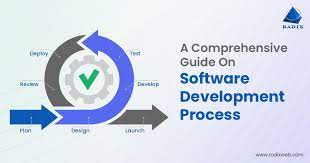
Software development plays a crucial role in today’s digital world. It involves designing, coding, testing, and maintaining applications and systems that help businesses and individuals perform various tasks efficiently. Here are some key reasons why software development is essential:

Innovation and Efficiency

Software development drives innovation by creating new solutions to address complex problems. Custom software can streamline processes, automate tasks, and improve overall efficiency within an organization.

Competitive Advantage

Businesses that invest in custom software development gain a competitive edge. Tailored applications can meet specific needs and adapt to changing market conditions quickly, giving companies an advantage over their competitors.

Enhanced User Experience

User experience is vital in today’s digital landscape. Well-designed software not only functions effectively but also provides a seamless and intuitive user interface, enhancing customer satisfaction and loyalty.

Scalability and Flexibility

Scalability is crucial for growing businesses. Custom software can be easily scaled to accommodate increased workload or user base without compromising performance. It also offers flexibility to adapt to evolving business requirements.

Security and Compliance

Data security is a top priority for organizations handling sensitive information. Custom-built software allows for robust security measures to protect data from cyber threats while ensuring compliance with industry regulations.

Cost-Effectiveness

While initial investment in software development may seem significant, tailored solutions can result in long-term cost savings by improving operational efficiency, reducing manual errors, and minimizing the need for multiple off-the-shelf applications.

In conclusion, software development is a cornerstone of modern business operations, driving innovation, efficiency, and growth. By investing in custom software solutions tailored to their unique needs, organizations can stay ahead of the curve in a rapidly evolving digital landscape.


9 Essential Tips for Effective Software Development

  1. Write clean and well-organized code.
  2. Use version control systems like Git to track changes.
  3. Document your code to make it easier for others to understand.
  4. Test your code thoroughly to catch bugs early on.
  5. Follow coding standards and best practices in the industry.
  6. Stay updated with the latest technologies and trends in software development.
  7. Collaborate with team members through effective communication.
  8. Prioritize security measures in your code to prevent vulnerabilities.
  9. Practice continuous learning and improvement in your development skills.

Write clean and well-organized code.

When it comes to software development, a crucial tip is to write clean and well-organized code. Clean code is not only easier to understand and maintain but also reduces the likelihood of errors and bugs. Well-organized code follows a logical structure, making it simpler for developers to collaborate on projects and for future modifications to be implemented smoothly. By adhering to this best practice, developers can enhance the efficiency, readability, and overall quality of their software solutions.

Use version control systems like Git to track changes.

Utilizing version control systems like Git is essential in software development to track changes efficiently. By leveraging Git, developers can maintain a complete history of modifications made to the codebase, allowing for easy collaboration, error detection, and seamless integration of new features. Version control systems also enable teams to work concurrently on different parts of the project without the risk of conflicting changes, ensuring a smooth and organized development process.

Document your code to make it easier for others to understand.

Documenting your code is a crucial practice in software development as it enhances the understandability of the codebase for other developers. By adding clear and concise comments, explanations, and documentation within the code, you not only make it easier for others to grasp the logic and functionality of the software but also facilitate collaboration and maintenance tasks. Documented code serves as a roadmap for future modifications or troubleshooting, ensuring smoother development processes and overall project success.

Test your code thoroughly to catch bugs early on.

Testing your code thoroughly is a critical step in software development to catch bugs early on. By conducting comprehensive testing, developers can identify and rectify issues before they escalate, ensuring the stability and reliability of the software. Early bug detection not only saves time and resources but also enhances the overall quality of the product, leading to a more seamless user experience. Prioritizing thorough testing as part of the development process is key to delivering robust and error-free software solutions.

Follow coding standards and best practices in the industry.

Following coding standards and best practices in the industry is crucial in software development. Adhering to established guidelines ensures consistency, readability, and maintainability of code. By following these standards, developers can write cleaner code that is easier to understand and debug. Consistent coding practices also promote collaboration among team members and facilitate smoother integration of code modules. Ultimately, following coding standards helps improve the overall quality of the software product and enhances its long-term sustainability.

Staying updated with the latest technologies and trends in software development is crucial for professionals in the field. By keeping abreast of advancements, developers can enhance their skills, stay competitive, and deliver cutting-edge solutions to clients. Continuous learning and exploration of new tools and methodologies enable software developers to adapt to industry changes, improve efficiency, and create innovative products that meet the evolving needs of users. Embracing ongoing education and staying informed about emerging technologies are key factors in achieving success and staying relevant in the dynamic landscape of software development.

Collaborate with team members through effective communication.

Collaborating with team members through effective communication is a fundamental tip in software development. Clear and open communication among team members ensures that everyone is on the same page regarding project goals, timelines, and tasks. By sharing ideas, discussing challenges, and providing regular updates, team members can work together seamlessly to achieve project success. Effective communication fosters collaboration, enhances problem-solving abilities, and promotes a supportive team environment where each member’s contributions are valued.

Prioritize security measures in your code to prevent vulnerabilities.

When engaging in software development, it is crucial to prioritize security measures in your code to prevent vulnerabilities. By implementing robust security protocols and practices during the development process, you can significantly reduce the risk of cyber threats and safeguard sensitive data. Proactively addressing security concerns not only protects your software from potential breaches but also instills trust among users and enhances the overall reliability of your applications. Prioritizing security measures is a fundamental aspect of responsible software development that ensures the integrity and confidentiality of information within your systems.

Practice continuous learning and improvement in your development skills.

To excel in software development, it is crucial to embrace a mindset of continuous learning and improvement in your development skills. By staying updated on the latest technologies, tools, and best practices, you can enhance your proficiency and adaptability in this fast-evolving field. Engaging in ongoing learning not only expands your knowledge base but also hones your problem-solving abilities and creativity, enabling you to tackle complex challenges with confidence and innovation. Embracing a culture of continuous improvement empowers you to stay at the forefront of software development trends and deliver high-quality solutions that meet the dynamic needs of today’s digital landscape.

banking software development

Revolutionizing the Future: Banking Software Development Innovations

The Importance of Banking Software Development

The Importance of Banking Software Development

Banking software development plays a crucial role in the modern financial industry. With the advancement of technology, banks and financial institutions are constantly looking for innovative ways to improve their services, enhance security measures, and provide a seamless customer experience.

Enhanced Security

One of the primary reasons for investing in banking software development is to enhance security measures. With the rise of cyber threats and fraudulent activities, banks need robust software solutions to protect sensitive customer data and prevent unauthorized access to accounts.

Improved Customer Experience

Banking software development also focuses on improving the overall customer experience. By developing user-friendly interfaces, mobile banking apps, and online banking platforms, customers can easily manage their accounts, make transactions, and access financial services anytime, anywhere.

Efficient Operations

Customized banking software helps streamline internal operations within financial institutions. From automating routine tasks to optimizing back-end processes, efficient software solutions enable banks to operate more smoothly and cost-effectively.

Compliance and Regulation

In the highly regulated banking industry, compliance with laws and regulations is paramount. Banking software development includes features that ensure adherence to legal requirements, data privacy laws, and industry standards to avoid penalties and maintain trust with customers.

Innovative Technologies

Banks are embracing innovative technologies such as artificial intelligence (AI), blockchain, and machine learning in their software development initiatives. These technologies enable banks to offer personalized services, detect fraud patterns, and make data-driven decisions for better risk management.

Conclusion

In conclusion, banking software development is essential for modern financial institutions to stay competitive, secure customer trust, and adapt to evolving market trends. By investing in tailored software solutions, banks can revolutionize their operations, provide exceptional services to customers, and pave the way for a digital future in banking.


9 Essential Tips for Successful Banking Software Development

  1. Understand the specific requirements and regulations of the banking industry.
  2. Prioritize security measures to protect sensitive financial data.
  3. Implement multi-factor authentication for user login and transactions.
  4. Regularly conduct thorough testing to ensure the software is reliable and error-free.
  5. Optimize performance to handle large volumes of transactions efficiently.
  6. Incorporate features for easy integration with other banking systems or third-party services.
  7. Provide a user-friendly interface for customers and bank staff to navigate easily.
  8. Maintain scalability to accommodate future growth and technological advancements.
  9. Stay updated on industry trends and technologies to continuously improve the software.

Understand the specific requirements and regulations of the banking industry.

To succeed in banking software development, it is crucial to understand the specific requirements and regulations of the banking industry. The financial sector is highly regulated, with strict guidelines governing data security, privacy, and compliance. By familiarizing oneself with these industry-specific requirements, developers can create software solutions that not only meet the needs of financial institutions but also adhere to legal standards and ensure the protection of sensitive customer information. Prioritizing a deep understanding of banking regulations is key to developing effective and compliant software for the industry.

Prioritize security measures to protect sensitive financial data.

It is crucial for banking software development to prioritize security measures to safeguard sensitive financial data. With the constant threat of cyber attacks and data breaches, ensuring robust security protocols in place is essential to maintain the trust of customers and uphold the integrity of the financial institution. By implementing strong encryption methods, multi-factor authentication, and regular security audits, banks can effectively protect valuable information from unauthorized access and potential threats, demonstrating a commitment to data privacy and security in the digital age.

Implement multi-factor authentication for user login and transactions.

Implementing multi-factor authentication for user login and transactions is a crucial security measure in banking software development. By requiring users to provide multiple forms of verification, such as passwords, SMS codes, fingerprint scans, or security questions, the risk of unauthorized access to accounts is significantly reduced. This added layer of security not only protects sensitive financial information but also instills trust and confidence in customers regarding the safety of their transactions. Multi-factor authentication is an effective way to enhance security protocols and safeguard against potential cyber threats in the ever-evolving digital banking landscape.

Regularly conduct thorough testing to ensure the software is reliable and error-free.

Regularly conducting thorough testing is a critical aspect of banking software development to ensure the reliability and error-free performance of the software. By systematically testing the software for various scenarios, functionalities, and potential vulnerabilities, developers can identify and address any issues before they impact users or compromise security. Rigorous testing helps maintain the integrity of the banking software, instilling confidence in both financial institutions and their customers that the technology operates smoothly and securely.

Optimize performance to handle large volumes of transactions efficiently.

To ensure efficient handling of large volumes of transactions, optimizing performance is crucial in banking software development. By fine-tuning the software architecture, database management, and processing algorithms, banks can enhance scalability and responsiveness to meet the demands of a high transaction workload. Implementing optimization techniques such as caching mechanisms, parallel processing, and efficient data retrieval strategies can significantly improve the system’s performance, enabling seamless transaction processing and ensuring a smooth banking experience for customers.

Incorporate features for easy integration with other banking systems or third-party services.

Incorporating features for easy integration with other banking systems or third-party services is a crucial tip in banking software development. By designing software that seamlessly connects with external systems and services, financial institutions can enhance operational efficiency, expand service offerings, and provide a more comprehensive experience for customers. Easy integration capabilities allow banks to leverage the latest technologies, collaborate with external partners, and adapt to evolving market demands effectively. This approach not only streamlines processes within the organization but also fosters innovation and agility in the rapidly changing landscape of the banking industry.

Provide a user-friendly interface for customers and bank staff to navigate easily.

To enhance the user experience in banking software development, it is crucial to provide a user-friendly interface that allows both customers and bank staff to navigate effortlessly. A well-designed interface not only simplifies tasks such as account management and transactions but also improves overall efficiency and satisfaction. By prioritizing ease of use and intuitive design, banks can ensure that users can interact with the software seamlessly, leading to a more positive experience for all stakeholders involved.

Maintain scalability to accommodate future growth and technological advancements.

It is crucial for banking software development to maintain scalability to accommodate future growth and technological advancements. By designing software systems that can easily scale up or down based on changing demands, banks can ensure that their infrastructure remains flexible and capable of handling increased transaction volumes, new features, and emerging technologies. Scalability allows financial institutions to adapt to market changes, expand their services, and stay ahead of the curve in a rapidly evolving digital landscape.

To ensure the success of banking software development, it is crucial to stay updated on industry trends and emerging technologies. By keeping abreast of the latest advancements in the financial technology sector, developers can continuously enhance their software solutions to meet the evolving needs of banks and customers. This proactive approach not only fosters innovation but also ensures that the software remains competitive, secure, and aligned with industry best practices.

healthcare software development services

Revolutionizing Healthcare Through Innovative Software Development Services

Healthcare Software Development Services

The Importance of Healthcare Software Development Services

In today’s digital age, healthcare software development services play a crucial role in transforming the healthcare industry. These services encompass the design, development, implementation, and maintenance of software solutions tailored to meet the specific needs of healthcare providers, patients, and administrators.

Enhancing Patient Care

Healthcare software development services enable healthcare providers to streamline their operations and enhance patient care. Customized software solutions can automate routine tasks, improve communication between healthcare professionals, and provide secure access to patient records.

Improving Efficiency and Accuracy

By leveraging healthcare software development services, organizations can improve efficiency and accuracy in various aspects of their operations. Electronic health records (EHR) systems, telemedicine platforms, medical billing software, and other solutions help reduce paperwork, minimize errors, and ensure compliance with regulatory requirements.

Empowering Patients

Healthcare software development services also empower patients by providing them with tools to manage their health more effectively. Patient portals, mobile health apps, remote monitoring devices, and other technologies enable patients to access their medical information, communicate with healthcare providers, schedule appointments, and monitor their health status from anywhere.

Ensuring Data Security and Compliance

Data security and compliance are top priorities in the healthcare sector. Healthcare software development services focus on implementing robust security measures to protect sensitive patient data from unauthorized access or breaches. Additionally, these services ensure compliance with regulations such as HIPAA (Health Insurance Portability and Accountability Act) to maintain patient confidentiality.

The Future of Healthcare Technology

As technology continues to advance rapidly, the future of healthcare lies in innovative software solutions that enhance patient outcomes, optimize workflows, and drive operational efficiencies. Healthcare software development services will play a pivotal role in shaping the future of healthcare delivery by enabling organizations to adapt to evolving trends and meet the changing needs of patients.


Understanding Healthcare Software Development: Key Questions and Insights

  1. What is healthcare software development?
  2. Why is healthcare software development important in the healthcare industry?
  3. What are the key benefits of using healthcare software development services?
  4. How can healthcare software development services improve patient care?
  5. What security measures are implemented in healthcare software development?
  6. How do healthcare software development services ensure compliance with regulations such as HIPAA?

What is healthcare software development?

Healthcare software development refers to the process of creating custom software solutions specifically designed for the healthcare industry. This specialized type of software is tailored to meet the unique needs and challenges faced by healthcare providers, patients, and administrators. Healthcare software development encompasses designing, developing, implementing, and maintaining applications such as electronic health records (EHR) systems, telemedicine platforms, medical billing software, patient portals, and more. These solutions aim to streamline healthcare operations, improve patient care outcomes, enhance communication among healthcare professionals, empower patients to take an active role in managing their health, ensure data security and compliance with regulations like HIPAA, and ultimately drive efficiency and innovation in the delivery of healthcare services.

Why is healthcare software development important in the healthcare industry?

Healthcare software development is crucial in the healthcare industry for several reasons. Firstly, it enables healthcare providers to streamline their operations, improve efficiency, and enhance patient care by automating tasks, facilitating communication between healthcare professionals, and ensuring secure access to patient records. Additionally, healthcare software solutions help organizations comply with regulatory requirements such as HIPAA while safeguarding sensitive patient data through robust security measures. Furthermore, healthcare software development empowers patients by providing them with tools to manage their health effectively and engage with their healthcare providers. Overall, healthcare software development plays a vital role in driving innovation, improving outcomes, and transforming the delivery of healthcare services.

What are the key benefits of using healthcare software development services?

When considering healthcare software development services, it is important to recognize the key benefits they offer. These services provide tailored solutions that enhance patient care by streamlining operations, improving efficiency, and ensuring accuracy in healthcare processes. By leveraging custom software solutions, healthcare organizations can empower patients with tools to manage their health effectively and securely access their medical information. Moreover, healthcare software development services prioritize data security and compliance, safeguarding sensitive patient data and ensuring adherence to regulatory requirements such as HIPAA. Overall, the utilization of healthcare software development services not only drives operational efficiencies but also paves the way for innovative advancements in healthcare technology to improve patient outcomes and optimize workflows.

How can healthcare software development services improve patient care?

Healthcare software development services play a vital role in improving patient care by streamlining processes, enhancing communication, and providing access to critical information. Customized software solutions can automate administrative tasks, allowing healthcare providers to focus more on patient care. Electronic health records (EHR) systems enable quick and secure access to patient data, ensuring that healthcare professionals have up-to-date information at their fingertips. Telemedicine platforms facilitate remote consultations and monitoring, expanding access to care for patients in remote or underserved areas. Overall, healthcare software development services optimize workflows, reduce errors, and empower healthcare providers to deliver more personalized and efficient care to their patients.

What security measures are implemented in healthcare software development?

In healthcare software development, robust security measures are implemented to safeguard sensitive patient data and ensure compliance with industry regulations. Common security measures include data encryption to protect information in transit and at rest, access controls to limit system access to authorized personnel only, regular security audits and vulnerability assessments to identify and address potential risks, secure authentication mechanisms such as multi-factor authentication, and adherence to standards like HIPAA (Health Insurance Portability and Accountability Act) to maintain patient confidentiality. By implementing these security measures, healthcare software developers strive to create a secure environment that prioritizes the protection of patient information against unauthorized access or breaches.

How do healthcare software development services ensure compliance with regulations such as HIPAA?

Healthcare software development services ensure compliance with regulations such as HIPAA by implementing stringent security measures and privacy protocols throughout the software development process. This includes incorporating encryption techniques to safeguard sensitive patient data, implementing access controls to restrict unauthorized users from accessing confidential information, and conducting regular security audits to identify and address potential vulnerabilities. Additionally, healthcare software developers adhere to HIPAA guidelines by providing training to healthcare professionals on proper data handling practices and ensuring that the software meets all regulatory requirements for protecting patient privacy and confidentiality. By prioritizing compliance with regulations like HIPAA, healthcare software development services help healthcare organizations maintain data security and uphold patient trust in the digital age.

financial software development company

Empowering Financial Institutions with Cutting-Edge Solutions: The Role of a Financial Software Development Company

Financial Software Development Company

The Role of Financial Software Development Companies in the Modern Business Landscape

In today’s fast-paced and data-driven business environment, the role of financial software development companies has become increasingly crucial. These companies specialize in creating tailored software solutions that streamline financial processes, enhance data security, and improve overall operational efficiency for businesses across various industries.

Customized Solutions for Financial Institutions

Financial software development companies work closely with banks, investment firms, insurance companies, and other financial institutions to develop customized software applications that meet their specific needs. These solutions range from customer relationship management (CRM) systems and accounting software to risk management tools and trading platforms.

Embracing Innovation and Compliance

With the rapid advancements in technology and changing regulatory requirements, financial software developers play a key role in helping businesses stay ahead of the curve. They leverage cutting-edge technologies such as artificial intelligence, blockchain, and machine learning to create innovative solutions that drive growth and ensure compliance with industry standards.

Data Security and Risk Management

One of the top priorities for financial software development companies is ensuring the security of sensitive financial data. They implement robust security measures such as encryption protocols, multi-factor authentication, and regular security audits to protect against cyber threats and data breaches. Additionally, these companies develop risk management tools that help businesses identify and mitigate potential risks proactively.

Enhancing Customer Experience

By developing user-friendly interfaces and intuitive features, financial software developers enhance the overall customer experience for both businesses and their clients. From mobile banking apps to online trading platforms, these solutions empower users with convenient access to financial services while ensuring a seamless user experience.

Driving Business Growth

Financial software development companies play a vital role in driving business growth by enabling organizations to optimize their operations, make informed decisions based on real-time data insights, and adapt to market trends quickly. By partnering with these specialized firms, businesses can gain a competitive edge in today’s dynamic marketplace.

© 2023 Financial Software Development Company. All rights reserved.


Essential Tips for Success in Financial Software Development: Ensuring Compliance, Security, and User Satisfaction

  1. 1. Stay updated on the latest financial regulations to ensure compliance in your software.
  2. 2. Implement strong security measures to protect sensitive financial data.
  3. 3. Prioritize user experience to make your software intuitive and easy to use for clients.
  4. 4. Conduct thorough testing to ensure the accuracy and reliability of your financial software.
  5. 5. Develop scalable solutions that can accommodate growth and changing market demands.
  6. 6. Foster partnerships with financial institutions to enhance credibility and expand your reach.
  7. 7. Provide regular updates and support services to address any issues or improve functionality.
  8. 8. Invest in ongoing training for your development team to keep their skills sharp and up-to-date.

1. Stay updated on the latest financial regulations to ensure compliance in your software.

Staying updated on the latest financial regulations is essential for a financial software development company to ensure compliance in the software they create. By keeping abreast of regulatory changes and requirements, developers can incorporate necessary features and security measures into their software solutions to align with industry standards and mitigate potential risks for their clients. This proactive approach not only demonstrates a commitment to regulatory compliance but also helps build trust with financial institutions and businesses relying on their software for efficient and secure operations.

2. Implement strong security measures to protect sensitive financial data.

Implementing strong security measures is paramount for any financial software development company to safeguard sensitive financial data. By incorporating encryption protocols, multi-factor authentication, and regular security audits, these companies can mitigate the risk of cyber threats and data breaches. Prioritizing data security not only ensures compliance with industry regulations but also builds trust with clients and enhances the overall reputation of the company in the competitive financial technology landscape.

3. Prioritize user experience to make your software intuitive and easy to use for clients.

To enhance the effectiveness of your financial software development company, prioritize user experience to ensure that your software is intuitive and easy to use for clients. By focusing on creating a seamless and user-friendly interface, you can improve client satisfaction, increase adoption rates, and ultimately drive the success of your software solutions in the competitive financial industry. Investing in a user-centric design approach will not only make your software more appealing to clients but also contribute to building long-lasting relationships based on trust and efficiency.

4. Conduct thorough testing to ensure the accuracy and reliability of your financial software.

To ensure the accuracy and reliability of your financial software, it is essential to conduct thorough testing. Testing helps identify and rectify any potential errors or bugs in the software that could impact its performance. By rigorously testing the software, you can ensure that it functions as intended, provides accurate financial data, and operates reliably under various conditions. This step is crucial in maintaining the integrity of your financial systems and instilling confidence in both your team and clients regarding the software’s capabilities.

5. Develop scalable solutions that can accommodate growth and changing market demands.

To thrive in the ever-evolving financial landscape, it is imperative for a financial software development company to prioritize the development of scalable solutions that can adapt to growth and changing market demands. By creating software that can easily expand and evolve alongside a client’s business, these companies ensure long-term success and competitiveness. Scalable solutions not only accommodate increasing data volumes and user demands but also provide flexibility to integrate new features and technologies as needed, enabling businesses to stay agile and responsive in a dynamic market environment.

6. Foster partnerships with financial institutions to enhance credibility and expand your reach.

To enhance credibility and broaden their reach, financial software development companies should prioritize fostering partnerships with financial institutions. By collaborating with banks, investment firms, and other financial entities, these companies can gain valuable insights into industry trends, regulatory requirements, and customer needs. Establishing strong partnerships not only enhances credibility but also opens up new opportunities for growth and innovation. Through strategic alliances with financial institutions, software developers can access a larger client base, build trust within the industry, and develop tailored solutions that address specific market demands effectively.

7. Provide regular updates and support services to address any issues or improve functionality.

To ensure the optimal performance of financial software solutions, it is essential for a financial software development company to provide regular updates and support services. By offering timely updates, the company can address any issues, enhance security measures, and introduce new features to improve functionality based on user feedback. Additionally, ongoing support services play a crucial role in assisting clients with technical issues, troubleshooting, and ensuring that the software continues to meet their evolving needs effectively. This commitment to continuous improvement and customer satisfaction helps establish trust and long-term partnerships with clients in the financial industry.

8. Invest in ongoing training for your development team to keep their skills sharp and up-to-date.

Investing in ongoing training for your development team is crucial for a financial software development company. By keeping their skills sharp and up-to-date, you ensure that your team stays abreast of the latest technologies, trends, and best practices in the industry. Continuous training not only enhances the expertise of your developers but also boosts their motivation and productivity, leading to the creation of innovative and high-quality software solutions that meet the evolving needs of your clients.