


Enhancing Security with Cisco Cybersecurity Solutions
The Importance of Cisco Cybersecurity Solutions
In today’s digital age, cybersecurity has become a critical concern for businesses of all sizes. With the increasing frequency and sophistication of cyber threats, organizations need robust solutions to protect their sensitive data and systems. This is where Cisco’s cybersecurity offerings come into play.
Comprehensive Protection
Cisco is a global leader in networking and cybersecurity solutions. Their cybersecurity products and services are designed to provide comprehensive protection against a wide range of cyber threats, including malware, ransomware, phishing attacks, and data breaches.
Advanced Threat Detection
Cisco’s cybersecurity solutions leverage advanced technologies such as artificial intelligence and machine learning to detect and respond to threats in real-time. By analyzing vast amounts of data and identifying patterns indicative of malicious activity, Cisco helps organizations stay one step ahead of cybercriminals.
Secure Access Control
With Cisco’s secure access control solutions, organizations can ensure that only authorized users have access to their networks and resources. By implementing robust authentication mechanisms and granular access controls, Cisco helps prevent unauthorized access and data exfiltration.
Continuous Monitoring and Compliance
Cisco offers tools for continuous monitoring of network traffic, system logs, and user activities to detect any anomalies that may indicate a security breach. Additionally, Cisco’s cybersecurity solutions help organizations achieve compliance with industry regulations and standards by providing detailed reporting and auditing capabilities.
Conclusion
In conclusion, Cisco cybersecurity solutions play a vital role in helping organizations protect their digital assets from evolving cyber threats. By investing in Cisco’s comprehensive security offerings, businesses can enhance their resilience against cyber attacks and safeguard their reputation and bottom line.
Top 9 FAQs About Cisco Cybersecurity: Solutions, Benefits, and Integration
- What is Cisco cybersecurity?
- Why is cybersecurity important for businesses?
- What are the key features of Cisco cybersecurity solutions?
- How does Cisco protect against cyber threats?
- What industries can benefit from Cisco cybersecurity solutions?
- Are Cisco cybersecurity products scalable for small to large enterprises?
- Does Cisco offer training and support for implementing their cybersecurity solutions?
- How does Cisco stay ahead of emerging cyber threats?
- Can Cisco cybersecurity solutions integrate with existing IT infrastructure?
What is Cisco cybersecurity?
Cisco cybersecurity refers to the range of products and services offered by Cisco Systems to help organizations protect their digital assets from cyber threats. Cisco’s cybersecurity solutions encompass a comprehensive set of tools and technologies designed to detect, prevent, and respond to various types of cyber attacks, including malware, ransomware, phishing attempts, and data breaches. By leveraging advanced technologies like artificial intelligence and machine learning, Cisco helps organizations strengthen their security posture and mitigate risks associated with the ever-evolving threat landscape. With a focus on continuous monitoring, secure access control, and compliance management, Cisco cybersecurity aims to provide robust protection for businesses of all sizes against cyber threats in today’s interconnected world.
Why is cybersecurity important for businesses?
Cybersecurity is crucial for businesses due to the increasing frequency and sophistication of cyber threats in today’s digital landscape. Protecting sensitive data, intellectual property, and customer information is paramount for maintaining trust and credibility with stakeholders. A successful cyber attack can have devastating consequences, including financial losses, reputational damage, legal implications, and operational disruptions. By investing in robust cybersecurity measures, businesses can mitigate risks, safeguard their assets, comply with regulations, and demonstrate a commitment to safeguarding their customers’ privacy and security. Ultimately, cybersecurity is essential for ensuring business continuity and resilience in the face of evolving cyber threats.
What are the key features of Cisco cybersecurity solutions?
Cisco cybersecurity solutions offer a comprehensive suite of key features that empower organizations to enhance their security posture. Some of the key features include advanced threat detection using cutting-edge technologies like artificial intelligence and machine learning, secure access control mechanisms to prevent unauthorized access, continuous monitoring for detecting anomalies and potential security breaches in real-time, robust data encryption to protect sensitive information, and compliance management tools to ensure adherence to industry regulations and standards. By leveraging these features, Cisco cybersecurity solutions provide organizations with the necessary tools to defend against a wide range of cyber threats and safeguard their critical assets effectively.
How does Cisco protect against cyber threats?
Cisco employs a multi-layered approach to protect against cyber threats. Through a combination of advanced technologies such as artificial intelligence, machine learning, and behavioral analytics, Cisco can detect and respond to threats in real-time. Cisco’s security solutions encompass network security, endpoint security, cloud security, and more, providing comprehensive protection across the entire IT infrastructure. By continuously monitoring network traffic and user activities, Cisco can identify and mitigate potential threats before they cause harm. Additionally, Cisco offers secure access control mechanisms to ensure that only authorized users can access sensitive data and resources, enhancing overall cybersecurity posture for organizations of all sizes.
What industries can benefit from Cisco cybersecurity solutions?
Various industries can benefit significantly from implementing Cisco cybersecurity solutions. Industries such as finance, healthcare, government, education, and retail rely heavily on secure and reliable networks to protect sensitive data and maintain regulatory compliance. Cisco’s robust cybersecurity offerings cater to the specific needs of each industry, providing advanced threat detection, secure access controls, continuous monitoring, and compliance reporting. By leveraging Cisco’s expertise in cybersecurity, organizations across diverse sectors can enhance their security posture, mitigate risks, and safeguard their critical assets from cyber threats.
Are Cisco cybersecurity products scalable for small to large enterprises?
When considering the scalability of Cisco cybersecurity products for small to large enterprises, it’s important to note that Cisco offers a range of solutions tailored to meet the diverse needs of businesses of varying sizes. Whether you are a small startup or a large corporation, Cisco provides cybersecurity products that can scale effectively to accommodate your organization’s growth and evolving security requirements. With flexible deployment options and customizable features, Cisco’s cybersecurity offerings are designed to adapt to the changing threat landscape and the expanding digital footprint of enterprises, making them suitable for both small businesses looking to establish a strong security foundation and large enterprises seeking robust protection at scale.
Does Cisco offer training and support for implementing their cybersecurity solutions?
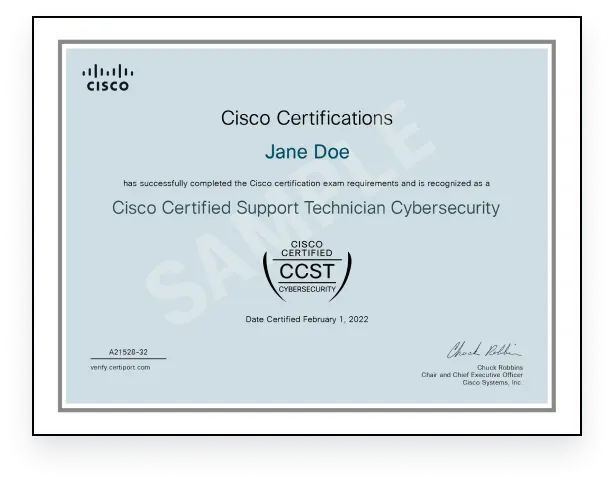
Many individuals and organizations frequently inquire about whether Cisco provides training and support for implementing their cybersecurity solutions. The answer is a resounding yes. Cisco offers a wide range of training programs, certifications, and support services specifically tailored to help users effectively deploy and manage their cybersecurity solutions. Whether it’s through online courses, instructor-led training, or on-site workshops, Cisco ensures that users have access to the knowledge and resources needed to successfully implement and optimize their cybersecurity infrastructure. Additionally, Cisco’s dedicated support teams are available to provide guidance, troubleshooting assistance, and best practices to ensure a smooth and secure deployment of their cybersecurity solutions.
How does Cisco stay ahead of emerging cyber threats?
Cisco stays ahead of emerging cyber threats by continuously investing in research and development to innovate new cybersecurity technologies and solutions. By leveraging cutting-edge tools such as artificial intelligence, machine learning, and behavioral analytics, Cisco can proactively identify and mitigate potential threats before they can cause harm. Additionally, Cisco collaborates with industry experts, partners, and customers to gather insights on emerging cyber threats and trends, allowing them to adapt their security strategies accordingly. This proactive approach enables Cisco to stay one step ahead of cybercriminals and provide robust cybersecurity solutions that effectively protect organizations against evolving threats in today’s dynamic threat landscape.
Can Cisco cybersecurity solutions integrate with existing IT infrastructure?
When considering Cisco cybersecurity solutions, a commonly asked question is whether they can seamlessly integrate with existing IT infrastructure. The answer is yes. Cisco offers a range of cybersecurity products and services that are designed to be interoperable with various systems and technologies already in place within an organization. Whether it’s network devices, cloud services, or endpoint security solutions, Cisco provides integration capabilities to ensure a smooth transition and effective collaboration with existing IT infrastructure. This interoperability not only simplifies the implementation process but also enhances the overall security posture by leveraging the strengths of both Cisco’s cybersecurity solutions and the organization’s current technology environment.
