cfchris.com

Loading

machine learning and deep learning

Exploring the Synergy Between Machine Learning and Deep Learning

The Power of Machine Learning and Deep Learning

Machine learning and deep learning are two transformative technologies that have revolutionized various industries, from healthcare to finance to transportation. These cutting-edge fields of artificial intelligence have the potential to unlock new possibilities and drive innovation like never before.

Machine Learning

Machine learning is a subset of artificial intelligence that enables systems to learn from data and improve their performance without being explicitly programmed. By analyzing patterns in data, machine learning algorithms can make predictions or decisions with minimal human intervention. This technology is widely used in applications such as recommendation systems, fraud detection, and image recognition.

Key Concepts in Machine Learning:

  • Supervised Learning: Algorithms learn from labeled training data to make predictions or classifications.
  • Unsupervised Learning: Algorithms find patterns in unlabeled data without predefined outcomes.
  • Reinforcement Learning: Agents learn by interacting with an environment and receiving rewards or penalties based on their actions.

Deep Learning

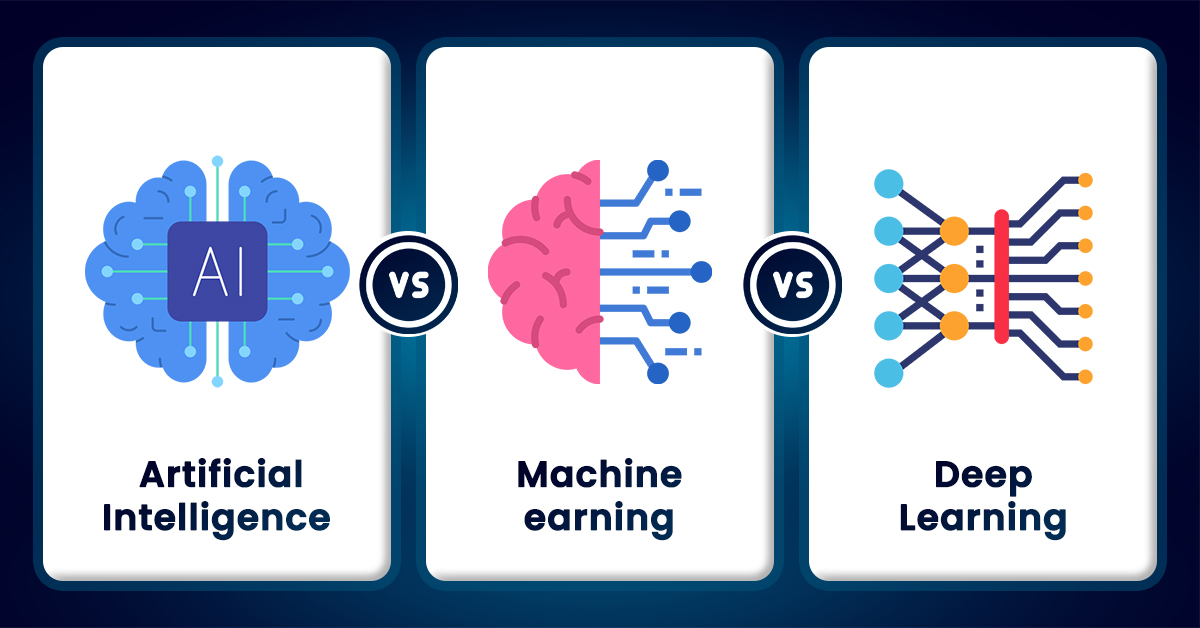
Deep learning is a subset of machine learning that uses artificial neural networks with multiple layers to model complex relationships in data. These deep neural networks can automatically discover intricate patterns and features, leading to state-of-the-art performance in tasks like natural language processing, computer vision, and speech recognition.

Advantages of Deep Learning:

  • Hierarchical Feature Representation: Deep neural networks can learn hierarchical representations of data, capturing intricate features at different levels of abstraction.
  • Scalability: Deep learning models can scale with more data and computational resources, allowing for continuous improvement in performance.
  • Versatility: Deep learning architectures can be adapted to various domains and tasks, making them highly versatile for diverse applications.

In conclusion, machine learning and deep learning are driving the next wave of technological advancements across industries. As these fields continue to evolve, we can expect even more groundbreaking innovations that will shape the future of AI-driven solutions.


Understanding the Differences: ML vs DL vs NLP vs AI

  1. What is ML vs DL vs NLP?
  2. What is the difference between machine learning and deep learning?
  3. Does deep learning require machine learning?
  4. What is ML vs DL vs AI?
  5. What is the difference between deep learning and machine learning?
  6. What is the difference between AI ML and DL?

What is ML vs DL vs NLP?

When discussing machine learning (ML), deep learning (DL), and natural language processing (NLP), it’s essential to understand their distinctions. Machine learning is a broader concept that encompasses various algorithms and techniques enabling systems to learn from data and make predictions. Deep learning is a subset of machine learning that uses neural networks with multiple layers to model complex patterns in data, achieving high levels of accuracy in tasks like image recognition and speech synthesis. Natural language processing focuses specifically on the interaction between computers and human language, allowing machines to understand, interpret, and generate human language. In essence, ML provides the foundation for DL, which in turn powers advanced applications like NLP, showcasing the interconnected nature of these technologies in shaping the future of artificial intelligence.

What is the difference between machine learning and deep learning?

When exploring the distinction between machine learning and deep learning, it is essential to understand that machine learning is a broader concept that encompasses various techniques for enabling computers to learn from data and make decisions without explicit programming. On the other hand, deep learning is a subset of machine learning that specifically focuses on artificial neural networks with multiple layers to model complex patterns and relationships in data. While machine learning algorithms can handle a wide range of tasks based on labeled or unlabeled data, deep learning excels in processing vast amounts of unstructured data for tasks like image recognition, natural language processing, and speech recognition. In summary, deep learning is a sophisticated approach within the realm of machine learning that leverages deep neural networks to achieve high levels of accuracy and performance in complex tasks requiring intricate pattern recognition.

Does deep learning require machine learning?

In the realm of artificial intelligence, deep learning is actually a subset of machine learning. Therefore, deep learning does require machine learning as a foundational concept. Machine learning encompasses various algorithms and techniques that enable systems to learn from data and make predictions or decisions without explicit programming. Deep learning, on the other hand, utilizes complex neural networks with multiple layers to model intricate patterns in data. So, while deep learning is a specialized form of machine learning, it builds upon the core principles and methodologies of machine learning to achieve advanced levels of performance in tasks such as image recognition, natural language processing, and more.

What is ML vs DL vs AI?

Machine Learning (ML), Deep Learning (DL), and Artificial Intelligence (AI) are interconnected fields that often cause confusion due to their overlapping nature. AI is the broadest concept, encompassing any technique that enables machines to mimic human intelligence. Within AI, machine learning is a subset focused on creating algorithms that allow computers to learn from and make predictions based on data. Deep learning, in turn, is a specialized subset of machine learning that uses neural networks with multiple layers to analyze complex patterns in large datasets. While AI can include rule-based systems and other non-learning techniques, ML and DL specifically refer to data-driven approaches where systems improve over time with exposure to more data.

What is the difference between deep learning and machine learning?

When discussing the difference between deep learning and machine learning, it’s important to understand that deep learning is a subset of machine learning. While both technologies involve training algorithms to make predictions based on data, the key distinction lies in their approach to data representation and feature extraction. Machine learning algorithms typically require manual feature engineering to extract relevant patterns from data, whereas deep learning models use artificial neural networks with multiple layers to automatically learn hierarchical representations of data. This allows deep learning algorithms to capture intricate features at different levels of abstraction, leading to superior performance in complex tasks such as image recognition and natural language processing. In essence, deep learning can be seen as a more advanced and sophisticated form of machine learning that leverages deep neural networks for unparalleled predictive power.

What is the difference between AI ML and DL?

Artificial Intelligence (AI), Machine Learning (ML), and Deep Learning (DL) are interconnected fields, but they differ in scope and complexity. AI is the broadest concept, encompassing any technique that enables machines to mimic human intelligence. Within AI, machine learning is a subset that focuses on algorithms allowing computers to learn from data and improve their performance over time without being explicitly programmed. Deep learning, in turn, is a specialized subset of machine learning that uses neural networks with multiple layers to analyze complex patterns in large datasets. While AI provides the overarching goal of creating intelligent systems, ML offers the methods for data-driven learning, and DL enhances these methods by enabling more sophisticated pattern recognition through deep neural networks.

Unleashing the Power of Turing AI: Revolutionizing Artificial Intelligence

Turing AI: Revolutionizing the Future of Artificial Intelligence

Named after the legendary mathematician and computer scientist Alan Turing, Turing AI represents a significant leap forward in the field of artificial intelligence. Designed to emulate human-like intelligence, Turing AI aims to push the boundaries of what machines can achieve.

The Legacy of Alan Turing

Alan Turing is often regarded as the father of modern computing and artificial intelligence. His groundbreaking work during World War II, particularly his role in cracking the Enigma code, laid the foundation for future advancements in computer science. The concept of a “Turing Test,” proposed by Turing in 1950, remains a benchmark for evaluating a machine’s ability to exhibit intelligent behavior indistinguishable from that of a human.

What is Turing AI?

Turing AI is an advanced artificial intelligence system designed to enhance machine learning capabilities. By integrating sophisticated algorithms and computational models, it seeks to improve decision-making processes across various industries. From healthcare to finance, Turing AI has the potential to transform how businesses operate and make data-driven decisions.

Key Features

  • Natural Language Processing (NLP): Turing AI excels in understanding and generating human language, enabling more intuitive interactions between humans and machines.
  • Machine Learning: With powerful machine learning capabilities, Turing AI can analyze vast amounts of data quickly and accurately, providing valuable insights.
  • Adaptability: The system is designed to learn from new data continuously, adapting its algorithms to improve performance over time.
  • Cognitive Computing: By mimicking human thought processes, Turing AI can solve complex problems that require reasoning and pattern recognition.

Applications Across Industries

Turing AI’s versatility makes it applicable across numerous sectors:

  • Healthcare: In medical diagnostics, Turing AI assists doctors by analyzing patient data and suggesting treatment options based on historical outcomes.
  • Finance: Financial institutions use Turing AI for fraud detection and risk assessment by identifying unusual patterns in transaction data.
  • E-commerce: Retailers leverage its capabilities for personalized recommendations and customer service automation.
  • Agriculture: Farmers utilize predictive analytics powered by Turing AI for optimizing crop yields based on weather patterns and soil conditions.

The Future of Artificial Intelligence

The development of Turing AI marks a pivotal moment in the evolution of artificial intelligence. As technology continues to advance at an unprecedented rate, systems like Turing AI will play an increasingly vital role in shaping our world. From enhancing productivity to solving global challenges, the potential applications are limitless.

Together with ongoing research and innovation, Turing AI promises a future where intelligent machines work alongside humans to create smarter solutions for everyday problems. The legacy of Alan Turing lives on as we continue exploring new frontiers in artificial intelligence.

Together with ongoing research and innovation, Turing AI promises a future where intelligent machines work alongside humans to create smarter solutions for everyday problems. The legacy of Alan Turing lives on as we continue exploring new frontiers in artificial intelligence.


Understanding Turing AI: Key Features, Industry Applications, and Its Impact on Machine Learning

  1. What is Turing AI and how does it work?
  2. What are the key features of Turing AI?
  3. How is Turing AI different from other artificial intelligence systems?
  4. What industries can benefit from implementing Turing AI?
  5. Can Turing AI understand and generate human language effectively?
  6. How does Turing AI contribute to advancements in machine learning?
  7. Is there a practical application of Turing AI that has made a significant impact?

What is Turing AI and how does it work?

Turing AI is an advanced artificial intelligence system designed to emulate human-like intelligence and enhance machine learning capabilities. It works by integrating sophisticated algorithms and computational models to analyze vast amounts of data, enabling it to make informed decisions and provide valuable insights. Turing AI excels in natural language processing, allowing for intuitive interactions between humans and machines. It continuously learns from new data, adapting its algorithms to improve performance over time. By mimicking human cognitive processes, Turing AI can solve complex problems that require reasoning and pattern recognition, making it applicable across various industries such as healthcare, finance, e-commerce, and agriculture.

What are the key features of Turing AI?

Turing AI is distinguished by several key features that enhance its capabilities and versatility. At the forefront is its advanced Natural Language Processing (NLP), which allows it to understand and generate human language, facilitating seamless interaction between humans and machines. Additionally, Turing AI boasts robust machine learning capabilities, enabling it to analyze vast amounts of data swiftly and accurately, providing valuable insights for decision-making. Its adaptability is another critical feature; the system continuously learns from new data, refining its algorithms to improve performance over time. Furthermore, Turing AI incorporates cognitive computing techniques that mimic human thought processes, allowing it to tackle complex problems requiring reasoning and pattern recognition. These features collectively empower Turing AI to drive innovation across various industries.

How is Turing AI different from other artificial intelligence systems?

Turing AI distinguishes itself from other artificial intelligence systems through its advanced integration of natural language processing, machine learning, and cognitive computing capabilities. Unlike traditional AI models that may focus on specific tasks, Turing AI is designed to mimic human-like intelligence by continuously learning and adapting its algorithms based on new data. This adaptability allows it to provide more accurate insights and solutions across various applications. Additionally, Turing AI’s emphasis on understanding and generating human language enables more intuitive interactions between humans and machines, setting it apart in fields that require sophisticated communication and decision-making processes.

What industries can benefit from implementing Turing AI?

Turing AI has the potential to revolutionize a wide range of industries by enhancing efficiency and decision-making processes. In healthcare, it can assist in diagnosing diseases and personalizing treatment plans through advanced data analysis. The finance sector can benefit from Turing AI’s ability to detect fraud and assess risks more accurately. In retail, it can improve customer experiences by providing personalized recommendations and optimizing inventory management. The manufacturing industry can utilize Turing AI for predictive maintenance and quality control, reducing downtime and costs. Additionally, sectors like agriculture, logistics, and education can leverage its capabilities for precision farming, supply chain optimization, and personalized learning experiences respectively. Overall, Turing AI’s adaptability makes it a valuable asset across various fields seeking innovation and improved operational outcomes.

Can Turing AI understand and generate human language effectively?

Turing AI is designed with advanced natural language processing (NLP) capabilities, enabling it to understand and generate human language effectively. By leveraging sophisticated algorithms, Turing AI can interpret context, detect nuances, and respond in a manner that closely mimics human communication. This allows for more intuitive interactions between users and machines, making it possible for Turing AI to engage in meaningful conversations, provide accurate information, and perform tasks based on verbal or written commands. Its ability to process and analyze vast amounts of linguistic data ensures that it continuously improves its language comprehension and generation skills over time.

How does Turing AI contribute to advancements in machine learning?

Turing AI significantly contributes to advancements in machine learning by enhancing the ability of systems to learn from data more efficiently and accurately. By employing sophisticated algorithms and models, Turing AI can process vast amounts of information, identify patterns, and make predictions with improved precision. Its adaptability allows it to continuously refine its algorithms based on new data, leading to more robust learning outcomes. Additionally, Turing AI’s integration of natural language processing enables better interpretation and generation of human language, facilitating more intuitive human-machine interactions. This combination of advanced capabilities not only accelerates the development of machine learning technologies but also expands their applicability across various industries, driving innovation and improving decision-making processes.

Is there a practical application of Turing AI that has made a significant impact?

Turing AI has made a significant impact in the healthcare industry, particularly in medical diagnostics. By leveraging advanced machine learning algorithms and natural language processing, Turing AI can analyze large volumes of patient data to assist doctors in diagnosing diseases more accurately and efficiently. For example, it can identify patterns in medical images that might be missed by the human eye, leading to earlier detection of conditions such as cancer. This capability not only enhances diagnostic accuracy but also improves patient outcomes by enabling timely interventions. The integration of Turing AI into healthcare systems exemplifies its practical application and transformative potential in real-world scenarios.

ai painting

Exploring the World of AI Painting: A New Era of Artistry

The Rise of AI Painting: Blending Art and Technology

The Rise of AI Painting: Blending Art and Technology

In recent years, artificial intelligence (AI) has made significant strides in various fields, from healthcare to finance. One area where AI is making a particularly intriguing impact is in the world of art, specifically painting. AI painting is not just a novel concept; it’s a revolutionary approach that is redefining how art can be created, perceived, and appreciated.

What is AI Painting?

AI painting involves the use of artificial intelligence algorithms to create artworks. These algorithms are designed to analyze existing artworks and learn various styles, techniques, and color palettes. By doing so, they can generate new pieces that mimic or even innovate upon traditional artistic methods.

Some AI systems are trained on thousands of images from different art movements such as Impressionism or Cubism. Once trained, these systems can produce paintings that reflect the characteristics of these styles or blend multiple influences into something entirely new.

How Does It Work?

The core technology behind AI painting often involves neural networks, particularly Generative Adversarial Networks (GANs). GANs consist of two parts: a generator that creates images and a discriminator that evaluates them. The generator attempts to produce realistic images while the discriminator provides feedback on their quality. Through this iterative process, the system refines its output to create increasingly sophisticated artworks.

The Impact on the Art World

AI painting has sparked both excitement and debate within the art community. On one hand, it offers artists new tools for expression and experimentation. By collaborating with AI systems, artists can explore creative possibilities beyond human imagination.

On the other hand, there are concerns about authorship and originality. If an algorithm produces an artwork based on learned data from existing pieces, who truly owns the creation? This question challenges traditional notions of creativity and intellectual property in art.

Notable Examples

One famous example of AI-generated art is “Portrait of Edmond de Belamy,” created by Paris-based collective Obvious using GAN technology. The piece was auctioned at Christie’s for over $432,000 in 2018—a milestone that highlighted both public interest and market value for AI-generated works.

The Future of AI Painting

The future looks promising for AI painting as technology continues to advance rapidly. As algorithms become more sophisticated and accessible tools emerge for artists worldwide, we can expect even more groundbreaking developments at this intersection between art and technology.

Whether viewed as collaborators or competitors with human artists remains an open question; however one thing is certain: artificial intelligence will continue playing an influential role in shaping tomorrow’s artistic landscape—one brushstroke at a time.


Exploring AI Painting: Understanding Its Mechanics, Creativity, Ethics, and Impact on the Art World

  1. What is AI painting?
  2. How does AI painting work?
  3. Can AI create original artworks?
  4. What role do neural networks play in AI painting?
  5. Are there ethical concerns surrounding AI-generated art?
  6. What are some notable examples of AI-generated artworks?
  7. How is the art world responding to the rise of AI painting?

What is AI painting?

AI painting refers to the process of creating artworks using artificial intelligence technologies. This innovative approach involves algorithms, often powered by neural networks such as Generative Adversarial Networks (GANs), which are trained on vast datasets of existing images and art styles. By analyzing these datasets, AI systems learn to replicate and even innovate upon traditional artistic techniques. The result is a unique fusion of art and technology, where AI can generate paintings that mimic established styles or create entirely new ones. This development not only expands the possibilities for artistic expression but also challenges conventional notions of creativity and authorship in the art world.

How does AI painting work?

AI painting works by utilizing advanced algorithms and neural networks to create artworks. Typically, these systems employ Generative Adversarial Networks (GANs), which consist of two components: a generator and a discriminator. The generator is responsible for producing images, while the discriminator evaluates them for authenticity and quality. This process involves training the AI on vast datasets of existing artworks, allowing it to learn various styles, techniques, and color palettes. As the generator creates new images, the discriminator provides feedback, enabling the system to refine its output iteratively. Through this dynamic interaction, AI can produce paintings that mimic traditional art forms or even innovate with entirely new styles, pushing the boundaries of creativity and artistic expression.

Can AI create original artworks?

AI can indeed create original artworks, but the concept of “originality” in this context can be complex. AI systems, particularly those using neural networks like Generative Adversarial Networks (GANs), are capable of generating unique pieces that have never been seen before. These systems are trained on vast datasets of existing artworks, learning various styles and techniques. While the AI draws inspiration from this data, the combinations and interpretations it produces can result in entirely new and distinct creations. However, since AI relies on pre-existing art for its training, some debate whether these works can be considered truly original in the same way human-created art is. Nonetheless, AI-generated art continues to push boundaries and expand definitions of creativity in the art world.

What role do neural networks play in AI painting?

Neural networks play a crucial role in AI painting by serving as the backbone technology that enables machines to create art. These networks, particularly deep learning models like Convolutional Neural Networks (CNNs) and Generative Adversarial Networks (GANs), are designed to mimic the human brain’s ability to recognize patterns and learn from data. In AI painting, neural networks analyze vast datasets of existing artworks to understand various styles, techniques, and color schemes. This learning process allows them to generate new images that either replicate or innovate upon traditional artistic forms. By continuously refining their outputs based on feedback, neural networks can produce increasingly sophisticated and aesthetically pleasing artworks, pushing the boundaries of creativity in the digital age.

Are there ethical concerns surrounding AI-generated art?

The rise of AI-generated art brings with it a variety of ethical concerns that are increasingly being debated in the art and technology communities. One major issue revolves around authorship and ownership; when an AI creates a piece of art, it raises questions about who should be credited as the artist—the developer of the algorithm, the machine itself, or perhaps no one at all. Additionally, there are concerns about originality and creativity, as AI systems often learn from existing artworks to generate new pieces. This process can blur the lines between inspiration and plagiarism. Moreover, the potential for AI to reproduce styles or techniques without proper attribution could undermine the value of human-created art. These ethical dilemmas highlight the need for new frameworks and discussions to address how AI fits into our understanding of creativity and artistic expression.

What are some notable examples of AI-generated artworks?

AI-generated artworks have gained significant attention in recent years, with several notable examples highlighting the potential of artificial intelligence in the art world. One such example is “Portrait of Edmond de Belamy,” created by the Paris-based collective Obvious using a Generative Adversarial Network (GAN). This piece made headlines when it was auctioned at Christie’s for over $432,000 in 2018. Another remarkable project is Google’s DeepDream, which transforms ordinary images into surreal and dreamlike visuals by enhancing patterns it detects within them. Additionally, artist Mario Klingemann has gained recognition for his AI-driven works, such as “Memories of Passersby I,” which uses neural networks to generate an endless stream of unique portraits. These instances illustrate how AI can push the boundaries of creativity and challenge traditional notions of art and authorship.

How is the art world responding to the rise of AI painting?

The art world has shown a mixed response to the rise of AI painting, with reactions ranging from enthusiasm to skepticism. Many artists and galleries are embracing AI as a tool for innovation, seeing it as a way to push the boundaries of creativity and explore new artistic possibilities. Some artists are collaborating with AI to create unique pieces that blend human intuition with machine precision. However, there is also a degree of apprehension among traditionalists who question the authenticity and originality of AI-generated artworks. Concerns about authorship, copyright, and the potential devaluation of human-made art have sparked debates within the community. Despite these differing opinions, AI painting is undeniably influencing contemporary art discourse and prompting a reevaluation of what constitutes art in the digital age.

edge ai

Revolutionizing Technology: The Impact of Edge AI

Understanding Edge AI: The Future of Artificial Intelligence

Edge AI is rapidly transforming the landscape of artificial intelligence by bringing computation and data storage closer to the devices where data is generated. Unlike traditional AI systems that rely heavily on cloud computing, edge AI processes data locally on hardware devices. This approach offers numerous advantages, including reduced latency, enhanced privacy, and improved efficiency.

What is Edge AI?

Edge AI refers to the deployment of artificial intelligence algorithms directly on devices such as smartphones, IoT gadgets, and autonomous vehicles. This technology allows these devices to process data in real-time without needing to send information back and forth to centralized cloud servers. By minimizing reliance on cloud infrastructure, edge AI reduces bandwidth usage and latency while enhancing data security.

The Advantages of Edge AI

  • Reduced Latency: By processing data locally, edge AI eliminates the delay associated with sending information to remote servers for analysis. This is crucial for applications requiring immediate responses, such as autonomous driving or industrial automation.
  • Improved Privacy: Since data is processed on-device, sensitive information doesn’t need to be transmitted over networks. This significantly reduces the risk of data breaches and enhances user privacy.
  • Lower Bandwidth Usage: With less need for constant communication with cloud servers, edge AI reduces network congestion and bandwidth costs.
  • Enhanced Reliability: Devices equipped with edge AI can continue functioning even when disconnected from the internet or experiencing connectivity issues.

Applications of Edge AI

The potential applications for edge AI are vast and varied across different industries:

  • Healthcare: Wearable devices equipped with edge AI can monitor vital signs in real-time and alert users or healthcare providers about potential health issues without needing a constant internet connection.
  • Agriculture: Smart farming equipment can analyze soil conditions and crop health on-site, enabling more efficient resource management and better yields.
  • Manufacturing: Industrial machines can use edge AI to monitor their own performance and predict maintenance needs before failures occur.
  • Retail: In-store cameras equipped with edge computing capabilities can analyze customer behavior patterns in real-time to enhance shopping experiences.

The Future of Edge AI

The rise of edge computing represents a significant shift in how artificial intelligence will be deployed in the future. As technology advances, it is expected that more powerful processors will enable even more complex algorithms to run locally on devices. This will further expand the capabilities and applications of edge AI across various sectors.

The integration of 5G technology will also play a crucial role in accelerating the adoption of edge AI by providing faster connectivity where needed while still allowing local processing power when necessary. Together, these advancements promise a future where intelligent systems are seamlessly integrated into everyday life while maintaining high standards for privacy and efficiency.

The journey towards widespread adoption may present challenges such as ensuring interoperability between different devices or managing power consumption effectively; however, the benefits offered by this approach make it an exciting frontier worth exploring further within artificial intelligence research & development efforts worldwide!


Exploring Edge AI: Key Questions and Insights on Its Technologies and Advantages

  1. What is Palantir edge AI?
  2. What is the difference between edge AI and AI?
  3. What is edge machine learning?
  4. What is Intel edge AI?
  5. What is the edge AI?
  6. What is the advantage of edge AI?
  7. What is the difference between edge AI and normal AI?
  8. What is Apple edge AI?

What is Palantir edge AI?

Palantir Edge AI refers to the integration of Palantir’s data analytics platform with edge computing capabilities to enable real-time data processing and decision-making at the source of data generation. By leveraging edge AI, Palantir aims to enhance its ability to provide actionable insights without relying solely on centralized cloud infrastructure. This approach allows for faster analysis and response times, improved data privacy, and reduced bandwidth usage. Palantir Edge AI is particularly beneficial in scenarios where immediate insights are crucial, such as in defense operations, industrial monitoring, and IoT applications. By bringing advanced analytics closer to the point of data collection, Palantir Edge AI empowers organizations to make informed decisions more efficiently and effectively.

What is the difference between edge AI and AI?

Edge AI and traditional AI differ primarily in where data processing occurs. Traditional AI typically relies on cloud computing, where data is sent to remote servers for processing and analysis. This approach can lead to increased latency and potential privacy concerns due to the transmission of sensitive information over networks. In contrast, edge AI processes data locally on devices such as smartphones, IoT devices, or autonomous vehicles. This local processing reduces latency by eliminating the need to send data back and forth to the cloud, enhances privacy by keeping sensitive information on-device, and decreases bandwidth usage. While both edge AI and traditional AI leverage advanced algorithms to make intelligent decisions, edge AI offers a more efficient and secure solution for real-time applications.

What is edge machine learning?

Edge machine learning refers to the implementation of machine learning algorithms directly on edge devices, such as smartphones, IoT devices, and autonomous vehicles, rather than relying on centralized cloud servers for data processing. This approach allows these devices to analyze and interpret data locally, enabling real-time decision-making and reducing the need for constant data transmission to and from the cloud. By processing data at the source, edge machine learning enhances privacy by keeping sensitive information on-device and minimizes latency, which is crucial for applications that require immediate responses. Additionally, it reduces bandwidth usage and increases the reliability of systems by allowing them to function independently of network connectivity. As a result, edge machine learning is becoming increasingly important in various fields, including healthcare, manufacturing, and smart cities.

What is Intel edge AI?

Intel Edge AI refers to Intel’s suite of technologies and solutions designed to enable artificial intelligence processing at the edge of networks, closer to where data is generated. By leveraging Intel’s powerful processors, accelerators, and software tools, edge AI allows for real-time data analysis and decision-making directly on devices such as sensors, cameras, and industrial equipment. This reduces the need for constant data transmission to centralized cloud servers, thereby minimizing latency and enhancing privacy. Intel provides a range of products tailored for different edge computing needs, including CPUs like the Intel Xeon processors, VPUs such as the Intel Movidius Myriad chips, and software frameworks that optimize AI workloads on edge devices. These solutions are widely used across various industries, from smart cities and healthcare to manufacturing and retail, helping businesses harness the power of AI with efficiency and scalability.

What is the edge AI?

Edge AI refers to the deployment of artificial intelligence algorithms directly on local devices, such as smartphones, IoT devices, and autonomous vehicles, rather than relying solely on centralized cloud servers. This approach allows data processing to occur closer to the source of data generation, resulting in reduced latency and improved real-time decision-making capabilities. By minimizing the need for constant communication with remote servers, edge AI enhances privacy and security by keeping sensitive data on-device. Additionally, it reduces bandwidth usage and increases the reliability of AI applications by enabling them to function even without a stable internet connection. Edge AI is increasingly being adopted across various industries, from healthcare to manufacturing, as it offers significant advantages in efficiency and responsiveness.

What is the advantage of edge AI?

The advantage of edge AI lies in its ability to process data locally on devices rather than relying solely on cloud-based servers. This localized processing significantly reduces latency, allowing for real-time decision-making, which is crucial for applications like autonomous vehicles and industrial automation. Additionally, edge AI enhances data privacy by keeping sensitive information on the device itself, minimizing the risk of data breaches during transmission. It also reduces bandwidth usage and network congestion since less data needs to be sent to and from the cloud. Furthermore, edge AI improves system reliability by enabling devices to function independently of internet connectivity, ensuring consistent performance even in areas with limited network access.

What is the difference between edge AI and normal AI?

Edge AI and traditional AI primarily differ in where data processing occurs. In traditional AI, data is typically sent to centralized cloud servers for processing, which can introduce latency and require significant bandwidth. This approach relies heavily on constant internet connectivity and can pose privacy concerns since sensitive data needs to be transmitted over networks. In contrast, edge AI processes data locally on the device where it’s generated, such as smartphones or IoT devices. This local processing reduces latency, enhances privacy by keeping data on the device, and decreases reliance on network connectivity. As a result, edge AI is particularly beneficial for applications requiring real-time decision-making and improved data security.

What is Apple edge AI?

Apple Edge AI refers to the implementation of artificial intelligence technologies directly on Apple devices, such as iPhones, iPads, and Macs, rather than relying solely on cloud-based processing. By leveraging powerful on-device hardware like the Neural Engine in Apple’s A-series and M-series chips, Apple enables real-time data processing and decision-making without the need for constant internet connectivity. This approach enhances user privacy by keeping sensitive data localized on the device and reduces latency for AI-driven tasks such as voice recognition with Siri, facial recognition with Face ID, and image processing in the Photos app. Apple’s commitment to edge AI reflects its focus on delivering seamless user experiences while maintaining high standards of security and efficiency.

ai engineer

Exploring the Impact and Opportunities of an AI Engineer

The Role of an AI Engineer

The Role of an AI Engineer

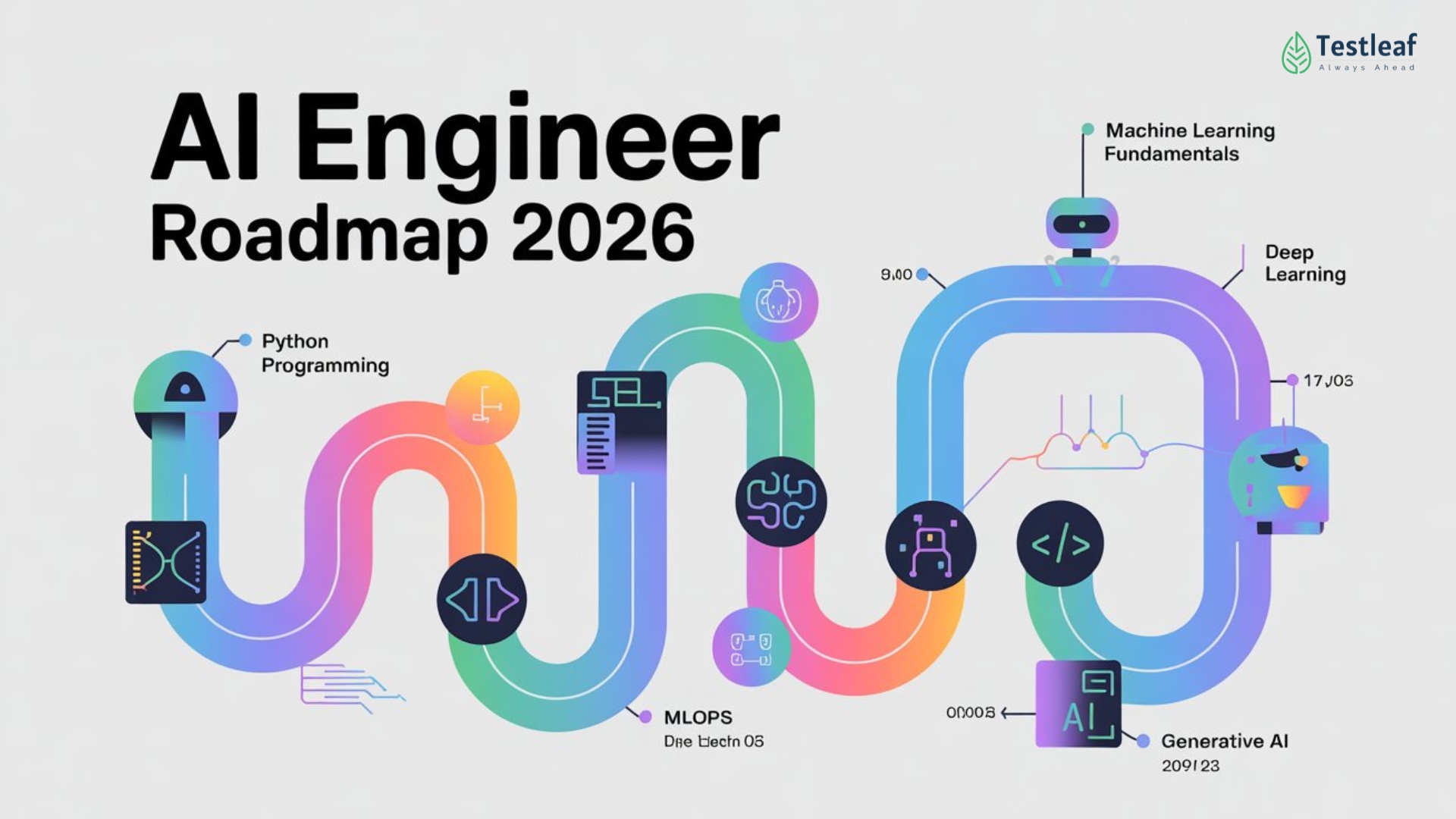
Artificial Intelligence (AI) is transforming industries across the globe, and at the heart of this transformation are AI engineers. These professionals are responsible for designing, developing, and implementing AI models that power everything from recommendation systems to autonomous vehicles.

What Does an AI Engineer Do?

An AI engineer’s primary role is to create intelligent algorithms capable of learning and making decisions. They work with vast amounts of data to train models that can perform specific tasks without explicit programming. This involves:

  • Data Collection and Preparation: Gathering and preparing data for training purposes.
  • Model Development: Designing algorithms that can learn from data.
  • Model Training: Using machine learning techniques to train models on large datasets.
  • Model Evaluation: Testing models to ensure they meet performance standards.
  • Deployment: Integrating models into applications or systems for real-world use.

Skills Required for an AI Engineer

A successful AI engineer needs a blend of technical skills and domain knowledge. Key skills include:

  • Programming Languages: Proficiency in languages such as Python, R, or Java is essential.
  • Mathematics and Statistics: A strong foundation in linear algebra, calculus, probability, and statistics is crucial for developing algorithms.
  • Machine Learning Frameworks: Familiarity with frameworks like TensorFlow, PyTorch, or Keras is important for building models efficiently.
  • Data Analysis: The ability to analyze large datasets and extract meaningful insights is vital for training effective models.

The Impact of AI Engineers

The work of AI engineers has a profound impact on various sectors. In healthcare, they develop predictive models that assist in early diagnosis and personalized treatment plans. In finance, they create algorithms that detect fraudulent activities or automate trading processes. In retail, they enhance customer experiences through personalized recommendations.

The demand for skilled AI engineers continues to grow as more organizations recognize the potential of artificial intelligence to drive innovation and efficiency. As technology evolves, so too will the opportunities within this exciting field.

The Future of AI Engineering

The future looks promising for those pursuing a career as an AI engineer. With advancements in areas such as deep learning and natural language processing, there are endless possibilities for innovation. As ethical considerations become increasingly important in technology development, AI engineers will also play a crucial role in ensuring responsible use of artificial intelligence.

If you’re interested in shaping the future through technology and have a passion for solving complex problems with innovative solutions, a career as an AI engineer might be the perfect fit for you!


8 Essential Tips for Aspiring AI Engineers

  1. Stay updated with the latest developments in AI technology.
  2. Build a strong foundation in mathematics and statistics.
  3. Develop proficiency in programming languages such as Python and R.
  4. Gain experience with machine learning algorithms and deep learning techniques.
  5. Work on real-world projects to showcase your skills and knowledge.
  6. Collaborate with other professionals in related fields to broaden your understanding of AI applications.
  7. Continuously improve your problem-solving skills and critical thinking abilities.
  8. Stay curious and be willing to learn new concepts and technologies in the rapidly evolving field of AI.

Stay updated with the latest developments in AI technology.

Staying updated with the latest developments in AI technology is crucial for any AI engineer aiming to remain relevant and effective in the field. The landscape of artificial intelligence is rapidly evolving, with new algorithms, tools, and techniques emerging regularly. By keeping abreast of these advancements, AI engineers can leverage cutting-edge technologies to enhance their projects and solve complex problems more efficiently. This continuous learning not only improves their skill set but also opens up opportunities for innovation and creativity in designing AI solutions. Engaging with research papers, attending conferences, participating in online forums, and taking advanced courses are excellent ways for AI engineers to stay informed about the latest trends and breakthroughs in the industry.

Build a strong foundation in mathematics and statistics.

Building a strong foundation in mathematics and statistics is crucial for anyone aspiring to become an AI engineer. Mathematics, particularly linear algebra and calculus, forms the backbone of many machine learning algorithms, enabling engineers to understand how models process data and make predictions. Statistics is equally important, as it provides the tools needed to analyze datasets, identify patterns, and assess the reliability of model outputs. A solid grasp of these subjects allows AI engineers to not only develop more effective algorithms but also troubleshoot issues and optimize performance. By mastering mathematics and statistics, aspiring AI engineers equip themselves with the essential skills needed to innovate and excel in this rapidly evolving field.

Develop proficiency in programming languages such as Python and R.

To excel as an AI engineer, it’s crucial to develop proficiency in programming languages like Python and R. These languages are fundamental tools in the field of artificial intelligence and machine learning due to their simplicity, versatility, and extensive libraries that facilitate complex computations and data analysis. Python, with its robust frameworks like TensorFlow and PyTorch, is particularly favored for building neural networks and deploying AI models. Meanwhile, R is renowned for its statistical computing capabilities, making it ideal for data manipulation and visualization tasks. Mastering these languages enables AI engineers to efficiently design algorithms, process large datasets, and implement sophisticated AI solutions across various applications.

Gain experience with machine learning algorithms and deep learning techniques.

Gaining experience with machine learning algorithms and deep learning techniques is crucial for anyone aspiring to become an AI engineer. These skills form the backbone of artificial intelligence, enabling systems to learn from data and improve over time without explicit programming. By working with various algorithms such as decision trees, support vector machines, and neural networks, aspiring AI engineers can understand how different models perform under various conditions. Deep learning techniques, which involve complex neural networks like convolutional neural networks (CNNs) and recurrent neural networks (RNNs), are particularly important for tasks involving image recognition, natural language processing, and more. Hands-on experience with these technologies not only enhances technical proficiency but also equips individuals with the problem-solving skills needed to tackle real-world challenges in AI development.

Work on real-world projects to showcase your skills and knowledge.

Gaining hands-on experience by working on real-world projects is essential for aspiring AI engineers to showcase their skills and knowledge effectively. By engaging in practical projects, individuals can apply theoretical concepts to solve tangible problems, demonstrating their ability to design, develop, and implement AI models in real scenarios. This experience not only enhances technical proficiency but also builds a portfolio that highlights one’s expertise to potential employers or clients. Additionally, tackling real-world challenges helps in understanding the complexities and nuances of AI applications, making one more adept at navigating the evolving landscape of artificial intelligence. Whether through internships, open-source contributions, or personal projects, these experiences are invaluable in establishing credibility and advancing one’s career in the field of AI engineering.

Collaborating with professionals in related fields is crucial for AI engineers aiming to broaden their understanding of AI applications. By working alongside experts in areas such as data science, software development, and domain-specific industries like healthcare or finance, AI engineers can gain valuable insights into how artificial intelligence can be applied effectively across different sectors. This interdisciplinary approach not only enhances the engineer’s technical skills but also fosters innovative solutions by integrating diverse perspectives. Such collaboration leads to the creation of more robust and versatile AI models that address real-world challenges, ultimately driving technological advancement and improving outcomes across various applications.

Continuously improve your problem-solving skills and critical thinking abilities.

In the rapidly evolving field of artificial intelligence, continuously improving your problem-solving skills and critical thinking abilities is crucial for success as an AI engineer. These skills enable you to tackle complex challenges and devise innovative solutions that may not be immediately obvious. By honing your ability to analyze situations from multiple perspectives, you can identify potential issues before they arise and develop more effective algorithms. Engaging in activities such as coding challenges, logic puzzles, and collaborative projects can enhance these skills, allowing you to adapt quickly to new technologies and methodologies. Ultimately, strong problem-solving and critical thinking capabilities are essential for driving advancements in AI and maintaining a competitive edge in the industry.

Stay curious and be willing to learn new concepts and technologies in the rapidly evolving field of AI.

In the rapidly evolving field of AI, staying curious and being willing to learn new concepts and technologies is essential for success as an AI engineer. The landscape of artificial intelligence is constantly changing, with breakthroughs and innovations emerging at a fast pace. By maintaining a curious mindset, AI engineers can stay ahead of the curve, exploring cutting-edge tools and methodologies that enhance their work. This openness to learning not only fosters personal growth but also enables engineers to adapt to new challenges and opportunities in the industry. Embracing continuous education ensures that they remain valuable contributors to their teams and organizations, driving forward the potential of AI in transformative ways.

mckinsey software engineer

Exploring the Role of a McKinsey Software Engineer: Driving Innovation and Impact

McKinsey Software Engineer: A Career Path in Innovation and Impact

McKinsey Software Engineer: A Career Path in Innovation and Impact

When most people think of McKinsey & Company, they envision a global consulting firm known for its strategic advice and management solutions. However, McKinsey is also a leader in technology innovation, offering exciting career opportunities for software engineers who are passionate about solving complex problems.

The Role of a Software Engineer at McKinsey

As a software engineer at McKinsey, professionals are tasked with developing cutting-edge solutions that drive business transformation for clients across various industries. This role involves collaborating with cross-functional teams to create scalable software products that enhance operational efficiency and deliver tangible results.

Key Responsibilities

  • Design and Development: Crafting robust software architectures and writing clean, efficient code to build innovative applications.
  • Problem Solving: Analyzing complex client issues to develop custom software solutions that address specific business needs.
  • Collaboration: Working alongside consultants, data scientists, and other engineers to integrate technology seamlessly into client strategies.
  • Innovation: Staying abreast of the latest technological trends and incorporating them into the development process to maintain a competitive edge.

The Skills Required

A successful software engineer at McKinsey possesses a blend of technical expertise and soft skills. Key competencies include:

  • Proficiency in Programming Languages: Expertise in languages such as Python, Java, C++, or JavaScript is essential for developing versatile applications.
  • Analytical Thinking: The ability to dissect complex problems and devise innovative solutions is crucial.
  • Communication Skills: Effectively communicating technical concepts to non-technical stakeholders is an important aspect of the role.
  • Teamwork: Collaborating effectively within diverse teams ensures successful project outcomes.

The Impact of Technology at McKinsey

Mckinsey’s commitment to technology-driven solutions underscores its dedication to delivering impactful results for clients. By leveraging advanced technologies such as artificial intelligence, machine learning, and cloud computing, McKinsey’s software engineers play a pivotal role in shaping the future of businesses worldwide.

A Culture of Learning and Growth

Mckinsey fosters an environment where continuous learning is encouraged. Software engineers have access to numerous professional development opportunities through workshops, training programs, and mentorship initiatives. This commitment to growth ensures that team members remain at the forefront of technological advancements throughout their careers.

A Rewarding Career Path

Pursuing a career as a software engineer at McKinsey offers not only the chance to work on transformative projects but also provides competitive compensation packages and comprehensive benefits. More importantly, it offers the opportunity to be part of an organization that values innovation, collaboration, and excellence in all its endeavors.

If you are passionate about leveraging technology to make a meaningful impact on businesses worldwide, consider exploring the dynamic opportunities available as a software engineer at McKinsey & Company.


Exploring the Role and Opportunities for Software Engineers at McKinsey: Key Responsibilities, Skills, and Career Growth

  1. What does a software engineer do at McKinsey?
  2. What are the key responsibilities of a software engineer at McKinsey?
  3. What skills are required to become a successful software engineer at McKinsey?
  4. How does technology impact the work of software engineers at McKinsey?
  5. What professional development opportunities are available for software engineers at McKinsey?
  6. What is the culture like for software engineers at McKinsey?
  7. How does McKinsey support the growth and learning of its software engineers?
  8. Why consider a career as a software engineer at McKinsey?

What does a software engineer do at McKinsey?

A software engineer at McKinsey plays a crucial role in developing innovative solutions that drive business transformation for clients across diverse industries. Their responsibilities include designing and developing robust software architectures, writing efficient code to build cutting-edge applications, analyzing complex client issues to create custom software solutions, and collaborating with cross-functional teams to seamlessly integrate technology into client strategies. By staying abreast of the latest technological trends and incorporating them into their work, McKinsey’s software engineers contribute to the organization’s commitment to delivering impactful results and shaping the future of businesses worldwide.

What are the key responsibilities of a software engineer at McKinsey?

The key responsibilities of a software engineer at McKinsey encompass a range of crucial tasks aimed at driving technological innovation and delivering value to clients. These professionals are tasked with designing and developing robust software solutions, from crafting intricate architectures to writing efficient code for cutting-edge applications. They play a pivotal role in problem-solving by analyzing complex client challenges and creating customized software solutions to address specific business needs effectively. Collaboration is also a significant aspect of their role, as they work closely with cross-functional teams to seamlessly integrate technology into client strategies. Furthermore, staying abreast of the latest technological trends and incorporating innovative practices into the development process are essential responsibilities that ensure McKinsey’s software engineers maintain a competitive edge in delivering impactful results.

What skills are required to become a successful software engineer at McKinsey?

To become a successful software engineer at McKinsey, a combination of technical expertise and soft skills is essential. Proficiency in programming languages like Python, Java, C++, or JavaScript is a fundamental requirement for developing innovative and scalable solutions. Analytical thinking plays a crucial role in dissecting complex problems and devising effective software solutions. Strong communication skills are necessary for articulating technical concepts to diverse stakeholders, while teamwork and collaboration ensure seamless integration of technology into client strategies. Embracing continuous learning and staying abreast of technological advancements are also key attributes that contribute to success in the dynamic and impactful role of a software engineer at McKinsey.

How does technology impact the work of software engineers at McKinsey?

Technology plays a pivotal role in shaping the work of software engineers at McKinsey by enabling them to develop innovative solutions that drive business transformation for clients. From leveraging advanced programming languages and tools to incorporating cutting-edge technologies like artificial intelligence and machine learning, software engineers at McKinsey harness the power of technology to create scalable software products that enhance operational efficiency and deliver tangible results. The integration of technology not only streamlines the development process but also empowers software engineers to stay ahead of industry trends, ensuring that their solutions are at the forefront of innovation and impact.

What professional development opportunities are available for software engineers at McKinsey?

Software engineers at McKinsey have access to a wide range of professional development opportunities aimed at enhancing their skills and expertise. From workshops and training programs to mentorship initiatives, McKinsey is committed to fostering a culture of continuous learning and growth. Engineers have the chance to stay abreast of the latest technological advancements, collaborate with industry experts, and expand their knowledge through hands-on experience. These opportunities not only empower software engineers to excel in their roles but also enable them to contribute meaningfully to transformative projects that drive innovation and impact within the organization and for clients globally.

What is the culture like for software engineers at McKinsey?

The culture for software engineers at McKinsey is dynamic and collaborative, fostering an environment where innovation thrives. Software engineers at McKinsey are encouraged to think creatively, challenge the status quo, and push boundaries to deliver exceptional solutions for clients. The culture emphasizes teamwork, continuous learning, and a strong sense of community among colleagues. With a focus on diversity and inclusion, software engineers at McKinsey have the opportunity to work with talented individuals from diverse backgrounds, contributing to a rich tapestry of ideas and perspectives. Overall, the culture at McKinsey empowers software engineers to grow professionally, make a tangible impact through their work, and be part of a supportive and forward-thinking community.

How does McKinsey support the growth and learning of its software engineers?

McKinsey demonstrates a strong commitment to supporting the growth and learning of its software engineers through various initiatives. The company provides access to a wide range of professional development opportunities, including workshops, training programs, and mentorship initiatives. By fostering a culture of continuous learning, McKinsey ensures that software engineers have the resources and support needed to stay abreast of the latest technological advancements. This emphasis on growth not only enhances individual skill sets but also contributes to the overall success of projects and the organization as a whole.

Why consider a career as a software engineer at McKinsey?

Considering a career as a software engineer at McKinsey offers a unique opportunity to combine technical expertise with strategic problem-solving in a dynamic and innovative environment. At McKinsey, software engineers play a crucial role in developing cutting-edge solutions that drive business transformation and create tangible impact for clients across various industries. The collaborative nature of the work, the exposure to diverse projects, and the emphasis on continuous learning make McKinsey an attractive destination for those looking to make a difference through technology. Joining McKinsey as a software engineer opens doors to exciting challenges, professional growth, and the chance to be part of a global team dedicated to pushing the boundaries of innovation.

trending technologies in software development

Exploring the Latest Trends: Emerging Technologies in Software Development

Trending Technologies in Software Development

Trending Technologies in Software Development

The world of software development is ever-evolving, with new technologies and trends emerging at a rapid pace. Staying updated with the latest advancements is crucial for developers and businesses alike. Here are some of the trending technologies that are shaping the future of software development:

Artificial Intelligence and Machine Learning

Artificial Intelligence (AI) and Machine Learning (ML) continue to be at the forefront of technological innovation. These technologies enable software to learn from data, making applications smarter and more efficient. From chatbots to predictive analytics, AI and ML are transforming how businesses operate.

Cloud Computing

Cloud computing has revolutionized the way software is developed and deployed. It offers scalability, flexibility, and cost-effectiveness, allowing businesses to access resources on-demand. Major players like AWS, Microsoft Azure, and Google Cloud Platform continue to expand their services, providing robust solutions for developers.

DevOps

DevOps practices have become essential for modern software development teams aiming to improve collaboration between development and operations. By automating workflows and integrating continuous delivery pipelines, DevOps helps in accelerating product releases while maintaining high quality.

Internet of Things (IoT)

The Internet of Things connects everyday devices to the internet, enabling them to send and receive data. This technology is creating new opportunities for developers to build innovative applications that enhance connectivity across various industries such as healthcare, agriculture, and smart homes.

Progressive Web Apps (PWAs)

Progressive Web Apps combine the best features of web and mobile applications. They offer fast loading times, offline functionality, and a native app-like experience on browsers without requiring installation from an app store.

Blockchain Technology

Originally known for powering cryptocurrencies like Bitcoin, blockchain technology is now being explored for various other applications due to its decentralized nature and security features. Industries such as finance, supply chain management, and healthcare are leveraging blockchain for secure transactions and data integrity.

Low-Code/No-Code Platforms

The demand for rapid application development has led to the rise of low-code/no-code platforms that allow users with minimal coding knowledge to create applications quickly using visual interfaces. These platforms democratize software development by enabling more people to contribute ideas without deep technical expertise.

The landscape of software development continues to evolve with these exciting trends paving the way towards a more efficient future where technology seamlessly integrates into our daily lives.


6 Essential Tips for Staying Ahead in Trending Software Development Technologies

  1. Stay updated on the latest programming languages and frameworks to remain competitive in the job market.
  2. Embrace cloud technologies such as AWS, Azure, and Google Cloud Platform for scalability and flexibility.
  3. Learn about containerization tools like Docker and Kubernetes for efficient deployment and management of applications.
  4. Explore the field of artificial intelligence and machine learning to leverage data-driven insights in software development.
  5. Familiarize yourself with DevOps practices to streamline collaboration between development and operations teams.
  6. Understand the importance of cybersecurity measures to protect software applications from potential threats and vulnerabilities.

Stay updated on the latest programming languages and frameworks to remain competitive in the job market.

To stay competitive in the job market, it is crucial to stay updated on the latest programming languages and frameworks in software development. Technology evolves rapidly, and being knowledgeable about emerging languages and frameworks not only enhances your skill set but also demonstrates your adaptability and commitment to professional growth. Employers value candidates who can leverage new technologies to solve complex problems efficiently, making continuous learning a key factor in securing rewarding opportunities in the ever-evolving field of software development.

Embrace cloud technologies such as AWS, Azure, and Google Cloud Platform for scalability and flexibility.

Embracing cloud technologies like AWS, Azure, and Google Cloud Platform is crucial in today’s software development landscape. These platforms offer unparalleled scalability and flexibility, allowing businesses to adapt to changing demands swiftly and efficiently. By leveraging the power of the cloud, developers can access a wide range of services and resources on-demand, enabling them to build robust and innovative solutions that meet the evolving needs of users and businesses.

Learn about containerization tools like Docker and Kubernetes for efficient deployment and management of applications.

To stay ahead in the rapidly evolving field of software development, it is crucial to explore containerization tools such as Docker and Kubernetes. These tools offer efficient deployment and management of applications by encapsulating them into containers that can run consistently across different environments. By mastering Docker and Kubernetes, developers can streamline the deployment process, improve scalability, and enhance overall application performance. Embracing containerization technologies is key to staying agile and competitive in the modern software development landscape.

Explore the field of artificial intelligence and machine learning to leverage data-driven insights in software development.

Exploring the field of artificial intelligence (AI) and machine learning (ML) is essential for leveraging data-driven insights in software development. By integrating AI and ML into applications, developers can create solutions that not only automate complex processes but also enhance decision-making through predictive analytics. These technologies enable software to adapt and learn from vast amounts of data, providing valuable insights that drive innovation and efficiency. As businesses increasingly rely on data to guide their strategies, proficiency in AI and ML becomes a crucial skill for developers aiming to deliver smarter, more responsive applications that meet the evolving needs of users and industries.

Familiarize yourself with DevOps practices to streamline collaboration between development and operations teams.

Familiarizing yourself with DevOps practices is essential in today’s software development landscape to streamline collaboration between development and operations teams. By adopting DevOps principles, you can automate workflows, integrate continuous delivery pipelines, and improve communication among team members. This approach not only accelerates the software development process but also ensures higher quality releases and better alignment between different departments within an organization. Embracing DevOps practices can lead to increased efficiency, productivity, and overall success in delivering software solutions to meet evolving market demands.

Understand the importance of cybersecurity measures to protect software applications from potential threats and vulnerabilities.

Understanding the importance of cybersecurity measures is crucial in safeguarding software applications from potential threats and vulnerabilities. In today’s digital landscape, where cyberattacks are becoming more sophisticated, implementing robust security practices is essential to protect sensitive data and ensure the integrity of software systems. By prioritizing cybersecurity, developers can mitigate risks, prevent unauthorized access, and build trust with users, ultimately enhancing the overall resilience and reliability of their applications.

deeplearning ai

Unleashing the Power of Deep Learning AI: A Technological Revolution

Deep Learning AI: Revolutionizing the Tech World

Deep Learning AI: Revolutionizing the Tech World

In recent years, deep learning has emerged as a transformative force in the world of artificial intelligence (AI). By mimicking the neural networks of the human brain, deep learning algorithms have unlocked new possibilities in technology, enabling machines to perform tasks with unprecedented accuracy and efficiency.

What is Deep Learning?

Deep learning is a subset of machine learning that focuses on using neural networks with many layers—often referred to as “deep” neural networks. These networks are designed to automatically learn complex patterns and representations from large amounts of data.

The architecture of deep learning models is inspired by the human brain’s structure, consisting of interconnected nodes or “neurons.” Each layer in a deep neural network processes input data, extracts features, and passes them on to subsequent layers for further refinement. This hierarchical approach allows deep learning models to understand intricate data patterns that simpler algorithms might miss.

Applications of Deep Learning AI

The applications of deep learning span across various industries and have revolutionized numerous fields:

  • Healthcare: Deep learning algorithms are used for medical image analysis, aiding in early detection and diagnosis of diseases such as cancer.
  • Automotive: Autonomous vehicles leverage deep learning for object detection and decision-making on the road.
  • Finance: Fraud detection systems employ deep learning to identify suspicious transactions with high accuracy.
  • E-commerce: Recommendation engines use deep learning to personalize shopping experiences for consumers.
  • NLP (Natural Language Processing): Deep learning powers language translation services and virtual assistants like chatbots.

The Impact on Technology

The rise of deep learning has had a profound impact on technology development. It has enabled breakthroughs in computer vision, speech recognition, and natural language processing that were previously thought unattainable. As computational power increases and more data becomes available, the capabilities of deep learning continue to expand.

This rapid advancement has also sparked ethical discussions about AI’s role in society. Issues such as data privacy, algorithmic bias, and job displacement are at the forefront as industries integrate AI solutions more deeply into their operations.

The Future of Deep Learning AI

The future of deep learning holds immense promise. Researchers are exploring new architectures like transformer models that improve upon traditional approaches. Additionally, efforts are underway to make deep learning more accessible by reducing its computational demands through techniques like model compression and federated learning.

As we move forward, collaboration between academia, industry leaders, and policymakers will be crucial in harnessing the full potential of deep learning while addressing its challenges responsibly. The journey ahead promises exciting innovations that will shape our world in ways we can only begin to imagine.

Conclusion

Deep learning AI stands at the forefront of technological innovation. Its ability to process vast amounts of data and uncover hidden insights is transforming industries across the globe. As research progresses and new applications emerge, we can expect even greater advancements that will redefine what machines can achieve alongside humans.


Mastering Deep Learning: 6 Essential Tips for Success

  1. Start with the basics of neural networks and deep learning concepts.
  2. Understand the importance of quality data for training deep learning models.
  3. Experiment with different architectures like CNNs, RNNs, and Transformers to see what works best for your problem.
  4. Regularly update yourself with the latest research and advancements in the field of deep learning.
  5. Fine-tune hyperparameters such as learning rate, batch size, and activation functions to improve model performance.
  6. Use tools like TensorFlow or PyTorch to implement and train deep learning models efficiently.

Start with the basics of neural networks and deep learning concepts.

Starting with the basics of neural networks and deep learning concepts is crucial for anyone looking to delve into the field of artificial intelligence. Understanding the foundational elements, such as how neurons mimic the human brain’s processing capabilities, provides a solid groundwork for more advanced topics. By grasping core principles like layers, activation functions, and backpropagation, learners can better appreciate how deep learning models are structured and trained. This foundational knowledge not only aids in comprehending complex algorithms but also enhances one’s ability to innovate and apply deep learning techniques effectively across various domains.

Understand the importance of quality data for training deep learning models.

Understanding the importance of quality data for training deep learning models is crucial for achieving accurate and reliable results. High-quality data not only enhances the performance of the model but also ensures that it can generalize well to unseen examples. By feeding clean, relevant, and diverse data into the training process, deep learning algorithms can learn robust patterns and make informed predictions. Therefore, investing time and resources in acquiring and preprocessing quality data is fundamental to the success of any deep learning project.

Experiment with different architectures like CNNs, RNNs, and Transformers to see what works best for your problem.

When working with deep learning AI, it’s essential to experiment with different architectures such as Convolutional Neural Networks (CNNs), Recurrent Neural Networks (RNNs), and Transformers to determine which is most effective for your specific problem. Each architecture has its strengths: CNNs excel in image processing tasks due to their ability to capture spatial hierarchies, RNNs are well-suited for sequential data like time series or natural language thanks to their memory capabilities, and Transformers have revolutionized natural language processing with their attention mechanisms that handle long-range dependencies efficiently. By testing these various models, you can better understand which architecture aligns with the nature of your data and the goals of your project, ultimately leading to more accurate and efficient solutions.

Regularly update yourself with the latest research and advancements in the field of deep learning.

To stay ahead in the rapidly evolving field of deep learning AI, it is crucial to consistently update yourself with the latest research and advancements. By staying informed about new techniques, algorithms, and breakthroughs, you can enhance your skills, expand your knowledge base, and adapt to emerging trends. Regularly immersing yourself in the cutting-edge developments of deep learning ensures that you remain competitive and well-equipped to tackle complex challenges in this dynamic domain.

Fine-tune hyperparameters such as learning rate, batch size, and activation functions to improve model performance.

Fine-tuning hyperparameters is a crucial step in optimizing the performance of deep learning models. Key hyperparameters such as learning rate, batch size, and activation functions significantly influence how well a model learns from data. The learning rate determines the size of the steps taken during gradient descent, affecting the speed and stability of convergence. A well-chosen learning rate can prevent overshooting or slow progress. Batch size impacts memory usage and the model’s ability to generalize; smaller batches offer more updates per epoch but may introduce noise, while larger batches provide smoother updates at the cost of higher memory consumption. Activation functions, such as ReLU or sigmoid, play a vital role in introducing non-linearity into the model, enabling it to learn complex patterns. Experimenting with these hyperparameters through techniques like grid search or random search can lead to significant improvements in model accuracy and efficiency.

Use tools like TensorFlow or PyTorch to implement and train deep learning models efficiently.

To implement and train deep learning models efficiently, it is essential to utilize powerful tools like TensorFlow or PyTorch. These frameworks provide a robust infrastructure for building and optimizing neural networks, enabling developers to leverage advanced algorithms with ease. By harnessing the capabilities of TensorFlow or PyTorch, practitioners can streamline the development process, experiment with different architectures, and achieve superior performance in training deep learning models.

drawing ai

Exploring the Boundless Creativity of Drawing AI

The Rise of Drawing AI: Transforming Creativity and Design

In recent years, artificial intelligence has made significant strides in various fields, from healthcare to finance. One of the most intriguing developments is the emergence of drawing AI, a technology that is reshaping how artists and designers approach their work.

What is Drawing AI?

Drawing AI refers to artificial intelligence systems specifically designed to create or assist in creating visual art. These systems utilize machine learning algorithms to understand artistic styles, patterns, and techniques. By analyzing vast datasets of existing artwork, drawing AI can generate new images or enhance human-created designs.

How Does It Work?

At the core of drawing AI are neural networks, particularly Generative Adversarial Networks (GANs) and Convolutional Neural Networks (CNNs). These networks learn from thousands of images to understand different artistic styles and elements. Once trained, they can generate original artwork or assist artists by suggesting improvements or variations.

Applications in Art and Design

  • Concept Art: Artists can use drawing AI to quickly generate concept sketches, allowing for rapid iteration and exploration of ideas.
  • Graphic Design: Designers leverage AI tools to create logos, layouts, and other design elements more efficiently.
  • Animation: In animation studios, AI helps streamline the creation process by automating repetitive tasks like in-betweening frames.

The Benefits of Drawing AI

The integration of drawing AI offers numerous advantages:

  • Enhanced Creativity: By providing new perspectives and ideas, drawing AI can inspire artists to explore uncharted territories in their work.
  • Efficiency: Automating routine tasks allows artists to focus on more complex aspects of their projects.
  • Diverse Styles: Drawing AIs can mimic various artistic styles or combine them uniquely, offering endless possibilities for creativity.

The Challenges Ahead

Despite its potential, drawing AI also presents challenges. Concerns about originality arise when machines replicate existing styles too closely. Additionally, there is an ongoing debate about the role of human intuition and emotion in art—elements that are difficult for machines to replicate fully.

The Future of Drawing AI

The future looks promising for drawing AI as it continues to evolve. As technology advances, we can expect even more sophisticated tools that will further blur the lines between human creativity and machine assistance. The key will be finding a balance where both artists and technology collaborate effectively to enhance the creative process.

In conclusion, while drawing AI is still a developing field, its impact on art and design is undeniable. By embracing this technology responsibly and creatively, artists can unlock new potentials in their work while preserving the essence that makes art uniquely human.


5 Essential Tips for Enhancing Your AI Drawing Skills

  1. Start with simple shapes and basic outlines
  2. Practice regularly to improve your skills
  3. Study anatomy and proportions for more realistic drawings
  4. Experiment with different techniques and styles to find what works best for you
  5. Don’t be afraid to make mistakes – they are part of the learning process

Start with simple shapes and basic outlines

When working with drawing AI, starting with simple shapes and basic outlines is a highly effective strategy. This approach helps to establish a clear foundation for more complex designs and allows the AI to better understand the intended structure of the artwork. By breaking down a subject into its fundamental components, artists can guide the AI in generating accurate proportions and maintaining consistency throughout the piece. Simple shapes also make it easier to experiment with different compositions and perspectives, enabling both beginners and experienced artists to refine their ideas before adding intricate details. This method not only streamlines the creative process but also enhances collaboration between human creativity and machine learning capabilities, resulting in more cohesive and visually appealing artwork.

Practice regularly to improve your skills

Practicing regularly is crucial for improving your skills when using drawing AI tools. Just like traditional art, becoming proficient with AI-assisted drawing requires consistent effort and experimentation. By dedicating time each day to explore different features and techniques within the software, you can gradually develop a deeper understanding of its capabilities and how best to integrate them into your creative process. Regular practice allows you to refine your style, discover new possibilities, and overcome any challenges you might face while using the technology. Over time, this commitment to practice not only enhances your technical abilities but also boosts your confidence in creating unique and compelling artwork with the help of AI.

Study anatomy and proportions for more realistic drawings

To improve the realism of your drawings using AI, it is essential to study anatomy and proportions. Understanding the structure of the human body and how its parts relate to each other will enable you to create more accurate and lifelike figures. By incorporating this knowledge into your AI-assisted drawing process, you can achieve a higher level of realism and detail in your artwork.

Experiment with different techniques and styles to find what works best for you

Experimenting with different techniques and styles when using drawing AI can significantly enhance your creative process and help you discover what resonates best with your artistic vision. By exploring a variety of approaches, you can uncover unique combinations that might not have been apparent initially. This experimentation allows you to push the boundaries of traditional art forms, blending human creativity with machine-generated suggestions. As you try out different styles, you’ll gain insights into which methods complement your personal aesthetic and workflow, ultimately leading to more innovative and personalized artworks. Embracing this exploratory mindset not only broadens your artistic repertoire but also fosters a deeper understanding of how AI tools can augment your creative journey.

Don’t be afraid to make mistakes – they are part of the learning process

Embracing mistakes as a natural part of the learning process is crucial when exploring the realm of drawing AI. By allowing room for errors, artists can experiment freely, discover new techniques, and refine their skills. Mistakes serve as valuable lessons that guide artists toward improvement and innovation, ultimately shaping their creative journey with drawing AI.

c3 ai

Empowering Industries with C3 AI’s Advanced Solutions

C3 AI: Transforming Industries with Artificial Intelligence

C3 AI: Transforming Industries with Artificial Intelligence

In today’s rapidly evolving technological landscape, artificial intelligence (AI) is at the forefront of innovation. C3 AI stands out as a leader in this space, offering robust solutions that empower businesses to harness the power of AI and drive digital transformation.

About C3 AI

C3 AI is a leading enterprise AI software provider that specializes in enabling organizations to develop, deploy, and operate large-scale AI applications. Founded by Thomas M. Siebel in 2009, the company has grown to become a pivotal player in the AI industry, serving a diverse range of sectors including manufacturing, energy, financial services, healthcare, and more.

The C3 AI Suite

The cornerstone of C3 AI’s offerings is the C3 AI Suite. This comprehensive platform provides the tools necessary for developing enterprise-scale AI applications quickly and efficiently. The suite includes pre-built applications for predictive maintenance, fraud detection, supply chain optimization, and more.

  • Data Integration: The platform seamlessly integrates data from disparate sources into a unified data image.
  • Model Development: Users can build machine learning models using various frameworks and languages.
  • Application Deployment: The suite allows for rapid deployment of applications across cloud environments or on-premises infrastructure.

Industries Served by C3 AI

C3 AI’s solutions are designed to meet the needs of various industries:

  1. Energy: Optimizing operations through predictive maintenance and energy management applications.
  2. Aerospace & Defense: Enhancing mission readiness with advanced logistics and supply chain insights.
  3. Healthcare: Improving patient outcomes through predictive analytics and operational efficiency tools.
  4. BFSI (Banking, Financial Services & Insurance): Strengthening fraud detection systems and risk management strategies.

The Impact of C3 AI

C3 AI is making significant strides in transforming how businesses operate by providing them with actionable insights derived from their data. By leveraging advanced machine learning algorithms and big data analytics, companies can enhance decision-making processes, reduce costs, increase efficiency, and ultimately gain a competitive edge in their respective markets.

The Future of C3 AI

The future looks promising for C3 AI as it continues to expand its capabilities and explore new frontiers in artificial intelligence. With ongoing investments in research and development as well as strategic partnerships with leading technology firms like Microsoft Azure and Google Cloud Platform, C3 AI is poised to remain at the cutting edge of innovation in enterprise-level artificial intelligence solutions.

C3 AI’s commitment to excellence ensures that it will continue playing an integral role in shaping the future of industries worldwide through its innovative use of artificial intelligence technologies.


Unlocking Business Potential: 8 Advantages of C3 AI’s Comprehensive Enterprise Solutions

  1. Empowers businesses to harness the power of artificial intelligence.
  2. Offers a comprehensive AI software suite for enterprise-scale applications.
  3. Provides pre-built applications for various use cases such as predictive maintenance and fraud detection.
  4. Enables seamless data integration from diverse sources into a unified data image.
  5. Supports rapid development and deployment of machine learning models.
  6. Serves a wide range of industries including energy, healthcare, and BFSI.
  7. Helps organizations make informed decisions through actionable insights derived from data analytics.
  8. Continuously innovates and collaborates with industry leaders like Microsoft Azure and Google Cloud Platform.


Challenges of Implementing C3 AI: Key Considerations for Businesses

  1. Steep learning curve for users unfamiliar with AI technologies
  2. High initial investment required for implementing C3 AI solutions
  3. Limited customization options may not meet the unique needs of all businesses
  4. Potential data privacy and security concerns due to the integration of diverse data sources
  5. Dependency on continuous updates and support from C3 AI for optimal performance

Empowers businesses to harness the power of artificial intelligence.

C3 AI empowers businesses to harness the power of artificial intelligence by providing a comprehensive platform that simplifies the development and deployment of AI applications. With its robust suite of tools, C3 AI enables organizations to integrate vast amounts of data from various sources, making it easier to extract valuable insights and drive informed decision-making. By leveraging machine learning models and advanced analytics, businesses can optimize operations, enhance customer experiences, and innovate more effectively. This empowerment allows companies to stay competitive in an increasingly digital world, transforming data into actionable strategies that lead to tangible business outcomes.

Offers a comprehensive AI software suite for enterprise-scale applications.

C3 AI offers a comprehensive AI software suite designed specifically for enterprise-scale applications, providing businesses with the tools they need to harness the full potential of artificial intelligence. This robust platform enables organizations to integrate vast amounts of data from various sources, develop sophisticated machine learning models, and deploy AI applications seamlessly across cloud or on-premises environments. By offering pre-built applications tailored for industries such as manufacturing, energy, and healthcare, C3 AI empowers companies to optimize operations, enhance decision-making processes, and drive digital transformation with greater efficiency and precision.

Provides pre-built applications for various use cases such as predictive maintenance and fraud detection.

C3 AI offers a significant advantage by providing pre-built applications tailored for various use cases, including predictive maintenance and fraud detection. These ready-to-use solutions allow businesses to quickly implement AI-driven insights without the need for extensive development time or resources. By leveraging these applications, organizations can enhance operational efficiency, reduce downtime through predictive maintenance, and strengthen security measures with advanced fraud detection capabilities. This approach not only accelerates the deployment of AI technologies but also ensures that companies can focus on strategic goals while relying on proven, industry-specific solutions.

Enables seamless data integration from diverse sources into a unified data image.

C3 AI excels in enabling seamless data integration from diverse sources into a unified data image, which is a significant advantage for enterprises dealing with vast amounts of data. This capability allows organizations to consolidate information from various systems, databases, and external feeds into a single cohesive view. By doing so, it eliminates data silos and ensures that decision-makers have access to comprehensive and up-to-date insights. This unified data image facilitates more accurate analytics and supports better decision-making processes across the organization, ultimately driving efficiency and innovation.

Supports rapid development and deployment of machine learning models.

C3 AI excels in supporting the rapid development and deployment of machine learning models, making it a standout choice for enterprises seeking to harness the power of AI efficiently. The platform’s comprehensive suite of tools streamlines the entire process, from data integration to model training and deployment. By offering a flexible and scalable environment, C3 AI enables data scientists and developers to quickly iterate on models, reducing time-to-market and accelerating innovation. This capability allows businesses to adapt swiftly to changing market conditions and derive actionable insights from their data, ultimately enhancing decision-making and maintaining a competitive edge.

Serves a wide range of industries including energy, healthcare, and BFSI.

C3 AI’s versatility in serving a wide range of industries, including energy, healthcare, and BFSI (Banking, Financial Services, and Insurance), highlights its robust capabilities and adaptability. In the energy sector, C3 AI provides solutions that optimize operations through predictive maintenance and efficient energy management. In healthcare, it enhances patient care by leveraging predictive analytics to improve operational efficiency and outcomes. For the BFSI industry, C3 AI strengthens fraud detection systems and enhances risk management strategies. This broad industry applicability demonstrates C3 AI’s ability to tailor its advanced AI solutions to meet the unique challenges and needs of various sectors, driving innovation and efficiency across different markets.

Helps organizations make informed decisions through actionable insights derived from data analytics.

C3 AI empowers organizations to make informed decisions by transforming raw data into actionable insights through advanced data analytics. By leveraging its robust AI platform, C3 AI enables businesses to integrate vast amounts of data from various sources, analyze it effectively, and uncover patterns and trends that might otherwise go unnoticed. This capability allows decision-makers to gain a deeper understanding of their operations, anticipate future challenges, and identify opportunities for growth and improvement. As a result, organizations can optimize processes, enhance efficiency, and maintain a competitive edge in their respective industries by making strategic decisions rooted in data-driven evidence.

Continuously innovates and collaborates with industry leaders like Microsoft Azure and Google Cloud Platform.

C3 AI is renowned for its continuous innovation and strategic collaborations with industry leaders such as Microsoft Azure and Google Cloud Platform. By partnering with these tech giants, C3 AI enhances its ability to deliver cutting-edge AI solutions that are scalable, secure, and efficient. These collaborations enable C3 AI to integrate the latest advancements in cloud technology and artificial intelligence, ensuring that its clients benefit from the most up-to-date tools and resources. This commitment to innovation not only strengthens C3 AI’s offerings but also empowers businesses across various sectors to leverage AI for improved operational efficiency and competitive advantage.

Steep learning curve for users unfamiliar with AI technologies

C3 AI, while offering powerful tools for enterprise-level artificial intelligence applications, presents a steep learning curve for users who are unfamiliar with AI technologies. For those without a background in data science or machine learning, navigating the complexities of the C3 AI Suite can be challenging. The platform requires a certain level of technical expertise to effectively integrate data, develop models, and deploy applications. This can lead to longer onboarding times and the need for extensive training sessions to ensure users are proficient in utilizing the platform’s full capabilities. As a result, organizations may need to invest additional resources in education and support to maximize their return on investment with C3 AI solutions.

High initial investment required for implementing C3 AI solutions

Implementing C3 AI solutions often requires a significant initial investment, which can be a considerable barrier for many organizations, particularly small to medium-sized enterprises. The high upfront costs are associated with the need for advanced infrastructure, integration of complex data systems, and customization of AI applications to meet specific business needs. Additionally, companies may need to invest in training personnel to effectively manage and operate these sophisticated systems. While the long-term benefits of increased efficiency and enhanced decision-making capabilities can outweigh these initial expenses, the substantial financial commitment required at the outset can be daunting for businesses with limited budgets.

Limited customization options may not meet the unique needs of all businesses

While C3 AI offers a powerful suite of tools for enterprise-level artificial intelligence applications, one potential drawback is its limited customization options. This can be a challenge for businesses with unique needs that require tailored solutions beyond the standard offerings. Companies seeking highly specific functionalities may find that the platform’s out-of-the-box capabilities do not fully align with their operational requirements, potentially necessitating additional development work or integration with other systems to achieve desired outcomes. As a result, organizations with distinct processes or niche demands might need to explore supplementary solutions to complement C3 AI’s offerings.

Potential data privacy and security concerns due to the integration of diverse data sources

Integrating diverse data sources is a key strength of C3 AI’s platform, enabling comprehensive insights and enhanced decision-making. However, this integration also raises potential data privacy and security concerns. When multiple data streams from various origins are combined, there is an increased risk of exposing sensitive information if robust security measures are not in place. Ensuring the protection of data across different jurisdictions and compliance with varying privacy regulations can be challenging. Organizations must prioritize implementing stringent security protocols and regular audits to safeguard against unauthorized access and data breaches, ensuring that the benefits of integration do not come at the cost of compromised privacy.

Dependency on continuous updates and support from C3 AI for optimal performance

While C3 AI offers powerful solutions for enterprise AI applications, one notable drawback is the dependency on continuous updates and support from the company to maintain optimal performance. This reliance can pose challenges for businesses, as they must ensure that their systems remain compatible with the latest software versions and enhancements provided by C3 AI. Additionally, any delays or issues in receiving timely updates or support could potentially disrupt operations and affect the efficiency of AI-driven processes. Consequently, organizations need to consider this dependency when integrating C3 AI into their infrastructure, planning accordingly to mitigate any potential risks associated with software maintenance and support.