cfchris.com

Loading

object oriented software engineering

Mastering Object-Oriented Software Engineering Principles

Object-Oriented Software Engineering

Object-Oriented Software Engineering

Object-oriented software engineering is a methodology that focuses on designing and developing software systems based on the concept of objects. In this approach, software components are modeled as objects that have attributes (data) and behaviors (methods).

Key Concepts of Object-Oriented Software Engineering:

  • Classes and Objects: Classes are blueprints for creating objects. Objects are instances of classes that encapsulate data and behavior.
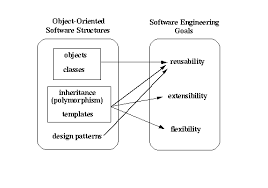
  • Inheritance: Inheritance allows classes to inherit attributes and behaviors from other classes, promoting code reusability and modularity.
  • Polymorphism: Polymorphism enables objects of different classes to be treated as objects of a common superclass, allowing for flexibility in design and implementation.
  • Encapsulation: Encapsulation hides the internal state of an object and only exposes necessary interfaces for interacting with the object, promoting data security and abstraction.
  • Abstraction: Abstraction focuses on modeling real-world entities as simplified representations in software systems, emphasizing essential characteristics while hiding unnecessary details.

Benefits of Object-Oriented Software Engineering:

The object-oriented approach offers several advantages, including:

  • Modularity: Objects can be developed independently, promoting code organization and maintenance.
  • Reusability: Objects can be reused in different contexts, reducing development time and effort.
  • Maintainability: Changes to one part of the system have minimal impact on other parts, enhancing system scalability and adaptability.
  • Simplicity: Object-oriented design simplifies complex systems by breaking them down into manageable components with well-defined interactions.

In conclusion, object-oriented software engineering provides a structured approach to software development that emphasizes flexibility, scalability, and maintainability. By leveraging key concepts such as classes, inheritance, polymorphism, encapsulation, and abstraction, developers can create robust and efficient software systems that meet the evolving needs of users and businesses.


8 Essential Tips for Mastering Object-Oriented Software Engineering

  1. Encapsulate data to restrict direct access and enforce data integrity.
  2. Use inheritance to promote code reuse and establish relationships between classes.
  3. Favor composition over inheritance to maintain flexibility and avoid deep class hierarchies.
  4. Implement polymorphism to allow objects of different classes to be treated as objects of a common superclass.
  5. Follow the SOLID principles (Single Responsibility, Open/Closed, Liskov Substitution, Interface Segregation, Dependency Inversion) for better design and maintainability.
  6. Apply design patterns like Factory, Singleton, Observer, Strategy, etc., to solve common design problems efficiently.
  7. Use interfaces or abstract classes to define contracts that classes must adhere to.
  8. Practice good naming conventions and create clear documentation for your classes and methods.

Encapsulate data to restrict direct access and enforce data integrity.

Encapsulating data in object-oriented software engineering is a crucial practice that restricts direct access to data and enforces data integrity within a system. By encapsulating data, developers can control how data is accessed and modified, reducing the risk of unintended errors or unauthorized changes. This approach promotes security and robustness by ensuring that data manipulation occurs through defined interfaces and methods, enhancing the overall reliability and maintainability of the software system.

Use inheritance to promote code reuse and establish relationships between classes.

Using inheritance in object-oriented software engineering is a powerful technique to promote code reuse and establish relationships between classes. By creating a hierarchy of classes where subclasses inherit attributes and behaviors from their superclasses, developers can avoid redundant code and build upon existing functionality. This approach not only streamlines development but also enhances the maintainability and scalability of the software system by fostering a modular and structured design. Inheritance allows for the creation of specialized classes that inherit common characteristics from more general classes, enabling developers to efficiently model real-world relationships and dependencies within the software architecture.

Favor composition over inheritance to maintain flexibility and avoid deep class hierarchies.

When practicing object-oriented software engineering, it is advisable to prioritize composition over inheritance to uphold flexibility and prevent the creation of complex class hierarchies. By favoring composition, developers can construct classes by combining existing functionalities rather than relying solely on inheritance. This approach promotes code reusability, simplifies maintenance, and allows for greater adaptability in the system design. Emphasizing composition over inheritance helps avoid the pitfalls of deep class hierarchies, leading to more modular and scalable software solutions that are easier to manage and extend over time.

Implement polymorphism to allow objects of different classes to be treated as objects of a common superclass.

Implementing polymorphism in object-oriented software engineering is a powerful technique that enables objects of different classes to be treated as objects of a common superclass. By utilizing polymorphism, developers can write code that is more flexible and adaptable, allowing for seamless interaction between diverse objects while promoting code reusability and simplifying system design. This approach not only enhances the modularity and scalability of software systems but also facilitates the creation of more maintainable and extensible codebases.

Follow the SOLID principles (Single Responsibility, Open/Closed, Liskov Substitution, Interface Segregation, Dependency Inversion) for better design and maintainability.

Adhering to the SOLID principles—Single Responsibility, Open/Closed, Liskov Substitution, Interface Segregation, and Dependency Inversion—can significantly enhance the design and maintainability of object-oriented software engineering projects. By following these principles, developers ensure that each class has a single responsibility, making the codebase easier to understand and modify. The Open/Closed principle encourages extending functionality without modifying existing code, promoting scalability and reducing the risk of introducing bugs. Liskov Substitution emphasizes substitutability of objects derived from a base class, enhancing code reusability and flexibility. Interface Segregation advocates for specific client interfaces rather than one general-purpose interface, leading to more cohesive and manageable code structures. Finally, Dependency Inversion promotes decoupling between modules by depending on abstractions rather than concrete implementations, facilitating easier testing and maintenance of software systems. By incorporating these SOLID principles into software design practices, developers can achieve more robust, adaptable, and maintainable solutions.

Apply design patterns like Factory, Singleton, Observer, Strategy, etc., to solve common design problems efficiently.

In object-oriented software engineering, applying design patterns such as Factory, Singleton, Observer, Strategy, and others is a valuable practice to efficiently solve common design problems. These design patterns provide proven solutions to recurring challenges in software development, offering structured approaches that enhance code reusability, maintainability, and scalability. By incorporating these design patterns into the development process, developers can streamline their workflow, improve system architecture, and create more robust and flexible software solutions that align with best practices in the industry.

Use interfaces or abstract classes to define contracts that classes must adhere to.

In object-oriented software engineering, it is advisable to utilize interfaces or abstract classes to establish contracts that classes must follow. By defining these contracts, developers can enforce consistency and ensure that implementing classes adhere to specific guidelines and behaviors. Interfaces and abstract classes serve as blueprints for defining common methods and properties that participating classes must implement or inherit, promoting code reusability, modularity, and maintainability in software systems. This practice not only enhances the structure and organization of the codebase but also facilitates easier integration of new components while maintaining a clear separation of concerns.

Practice good naming conventions and create clear documentation for your classes and methods.

When practicing object-oriented software engineering, it is crucial to adhere to good naming conventions and maintain clear documentation for your classes and methods. By choosing descriptive and meaningful names for classes and methods, you enhance code readability and maintainability. Clear documentation provides insights into the purpose, functionality, and usage of each component, aiding developers in understanding and utilizing them effectively. These practices not only facilitate collaboration among team members but also contribute to the overall quality of the software system by promoting consistency and clarity in its design and implementation.

learn java programming online

Master Java Programming Skills Online: Learn Java Programming Online with Ease

Learn Java Programming Online

The Benefits of Learning Java Programming Online

In today’s digital age, learning to code has become an essential skill. Java programming, in particular, is widely used in various applications, from web development to mobile app creation. If you’re looking to learn Java programming online, you’re making a smart choice.

Convenience and Flexibility

One of the key advantages of learning Java programming online is the convenience and flexibility it offers. You can access course materials and tutorials from anywhere with an internet connection, allowing you to study at your own pace and schedule.

Interactive Learning Experience

Many online Java programming courses provide interactive learning experiences through coding exercises, quizzes, and projects. This hands-on approach helps reinforce your understanding of Java concepts and allows you to practice your skills in real-world scenarios.

Access to Expert Instructors

Online Java programming courses often feature experienced instructors who are experts in the field. You can benefit from their knowledge and guidance as they walk you through complex topics and provide valuable insights into best practices in Java programming.

Cost-Effective Learning

Compared to traditional classroom-based courses, online Java programming courses are often more cost-effective. You can find a variety of free or affordable options that offer high-quality instruction and resources to help you master Java programming without breaking the bank.

Join the Online Java Programming Community

By learning Java programming online, you also have the opportunity to connect with a vibrant community of fellow learners and professionals. Online forums, discussion boards, and coding challenges allow you to collaborate with others, seek help when needed, and share your accomplishments as you progress in your Java programming journey.

In conclusion, learning Java programming online is a convenient, interactive, and cost-effective way to acquire valuable coding skills. Whether you’re a beginner looking to start your coding journey or an experienced developer seeking to expand your knowledge base, online Java programming courses offer a wealth of resources and support to help you succeed.


Top 7 FAQs About Learning Java Programming Online

  1. Is Java harder than Python?
  2. What are the 4 rules of Java?
  3. Is Java still in demand in 2026?
  4. Can I learn Java online for free?
  5. What is the best website to learn Java?
  6. Can I learn Java programming on my own?
  7. How can I learn Java by myself?

Is Java harder than Python?

When it comes to comparing Java and Python in terms of difficulty, it ultimately depends on individual preferences and prior experience. Java is known for its strict syntax and explicit type declarations, which can make it seem more complex to beginners. On the other hand, Python’s readability and simplicity often make it more beginner-friendly. However, both languages have their strengths and weaknesses, and choosing between them should be based on your specific goals and the type of projects you intend to work on. With dedication and practice, mastering either Java or Python is achievable for aspiring programmers.

What are the 4 rules of Java?

When learning Java programming online, one frequently asked question is about the four rules of Java. The four rules of Java, also known as the “four pillars of object-oriented programming,” are encapsulation, inheritance, polymorphism, and abstraction. These fundamental principles form the backbone of Java programming and are essential for creating well-structured and efficient code. Understanding and applying these rules not only helps developers write better Java programs but also enables them to design scalable and maintainable software solutions.

Is Java still in demand in 2026?

As of 2026, Java continues to be a highly sought-after programming language in the tech industry. Despite the emergence of new languages and technologies, Java’s versatility, performance, and extensive use in various applications ensure its ongoing relevance. Many companies rely on Java for web development, mobile app creation, enterprise software solutions, and more. Learning Java programming online remains a valuable investment for individuals looking to build a solid foundation in coding and pursue rewarding career opportunities in the ever-evolving tech landscape.

Can I learn Java online for free?

For those wondering if they can learn Java online for free, the answer is a resounding yes. There are numerous resources available on the internet that offer free Java programming courses, tutorials, and exercises to help you master this popular programming language without any cost. Whether you’re a beginner looking to start your coding journey or an experienced developer seeking to enhance your Java skills, the wealth of free online resources makes it accessible for anyone interested in learning Java programming at their own pace and convenience.

What is the best website to learn Java?

When it comes to learning Java programming online, one frequently asked question is, “What is the best website to learn Java?” There are several reputable websites that offer comprehensive Java programming courses tailored to different skill levels. Some popular choices include Codecademy, Udemy, Coursera, and Oracle’s official Java tutorials. Each of these platforms provides a range of resources, such as interactive lessons, coding exercises, and community support, to help learners master Java programming effectively. Ultimately, the best website to learn Java may vary depending on individual preferences and learning styles. It’s recommended to explore different options and choose the platform that aligns best with your goals and requirements.

Can I learn Java programming on my own?

Many individuals wonder if they can learn Java programming on their own. The answer is yes! With the abundance of online resources, tutorials, and courses available, aspiring Java programmers have the opportunity to acquire the necessary skills independently. Self-learning allows individuals to progress at their own pace, tailor their learning experience to suit their needs, and delve into Java programming concepts deeply. While guidance from experienced instructors can be beneficial, self-motivated learners can certainly achieve proficiency in Java programming through self-study and practice.

How can I learn Java by myself?

Learning Java by yourself is a rewarding journey that offers flexibility and autonomy in mastering this popular programming language. To learn Java independently, you can leverage a variety of online resources such as tutorials, coding exercises, and interactive platforms that cater to self-paced learning. Setting clear goals, practicing regularly, and seeking guidance from online communities or forums can enhance your understanding of Java concepts and help you build practical skills. By taking initiative and staying committed to self-study, you can successfully navigate the process of learning Java on your own terms.

unit 6 software design and development

Exploring Unit 6: Software Design and Development Essentials

Unit 6: Software Design and Development

Unit 6: Software Design and Development

Software design and development are crucial stages in the creation of any software application. Unit 6 of a software development course typically focuses on these key aspects to ensure that students have a solid understanding of how to design and build effective software solutions.

Key Topics Covered in Unit 6:

Software Design Principles: Students learn about fundamental principles of software design, such as modularity, abstraction, and encapsulation. They understand how to create well-structured and maintainable software systems.

Design Patterns: This section introduces students to common design patterns used in software development. They learn how to apply these patterns to solve recurring design problems effectively.

User Interface Design: Understanding user interface design is essential for creating user-friendly applications. Students explore principles of UI/UX design to ensure that their software interfaces are intuitive and visually appealing.

Software Development Life Cycle: Unit 6 covers the various phases of the software development life cycle, including requirements analysis, design, implementation, testing, and maintenance. Students gain insights into each stage’s importance in delivering successful software projects.

The Importance of Unit 6 in Software Development Education:

A thorough understanding of software design and development is critical for aspiring developers as it forms the foundation of creating robust and efficient software applications. Unit 6 equips students with the necessary knowledge and skills to tackle real-world development challenges confidently.

By mastering the concepts covered in this unit, students can enhance their problem-solving abilities, collaborate effectively with team members, and deliver high-quality software solutions that meet user requirements.

In Conclusion

Unit 6: Software Design and Development plays a vital role in shaping students into competent software engineers who can architect innovative solutions that drive technological advancements across various industries.


Exploring Key Concepts and Benefits of Unit 6 in Software Design and Development

  1. What are the key principles of software design covered in Unit 6?
  2. How do design patterns contribute to software development, as discussed in Unit 6?
  3. What is the significance of user interface design in software development, according to Unit 6?
  4. Can you explain the different phases of the software development life cycle taught in Unit 6?
  5. How does Unit 6 help students improve their problem-solving skills in software design and development?
  6. What role does collaboration play in successfully completing projects related to software design and development, as emphasized in Unit 6?
  7. In what ways does mastering Unit 6 concepts benefit aspiring developers in creating efficient software applications?
  8. How does understanding the principles covered in Unit 6 enable students to meet user requirements effectively?

What are the key principles of software design covered in Unit 6?

In Unit 6 of software design and development, students delve into the key principles that form the foundation of effective software design. These principles include modularity, abstraction, and encapsulation. Modularity emphasizes breaking down a system into independent components for easier maintenance and scalability. Abstraction focuses on hiding complex implementation details to simplify the understanding of a system’s functionality. Encapsulation involves bundling data and methods within a class to control access and ensure data integrity. Understanding and applying these principles are essential for creating well-structured, maintainable software systems that meet user needs efficiently.

How do design patterns contribute to software development, as discussed in Unit 6?

Design patterns play a significant role in software development, as emphasized in Unit 6 of the course. These patterns provide proven solutions to common design problems that developers encounter during the software development process. By understanding and applying design patterns effectively, developers can enhance the structure, scalability, and maintainability of their software systems. Design patterns promote code reusability, reduce development time, and improve overall code quality. They serve as a guide for developers to make informed design decisions and create robust software solutions that align with best practices in the industry. Mastering design patterns equips developers with valuable tools to streamline the development process and produce high-quality software applications.

What is the significance of user interface design in software development, according to Unit 6?

In Unit 6 of software design and development, the significance of user interface design in software development is emphasized as a crucial aspect that directly impacts the usability and user experience of an application. User interface design plays a pivotal role in ensuring that software interfaces are intuitive, visually appealing, and user-friendly. By focusing on user interface design principles, students learn how to create interfaces that enhance user interaction, improve accessibility, and ultimately contribute to the overall success of a software application.

Can you explain the different phases of the software development life cycle taught in Unit 6?

One frequently asked question in Unit 6 of software design and development courses is, “Can you explain the different phases of the software development life cycle taught in this unit?” In response, students delve into understanding the sequential stages of the software development life cycle, which typically include requirements analysis, design, implementation, testing, and maintenance. Each phase plays a crucial role in ensuring the successful delivery of a software project. Requirements analysis involves gathering and documenting user needs and system requirements. Design focuses on creating a blueprint for the software solution based on the gathered requirements. Implementation involves coding and building the actual software product. Testing verifies that the software functions correctly and meets user expectations. Maintenance ensures ongoing support, updates, and enhancements to keep the software relevant and efficient over time. Mastering these phases equips students with a comprehensive approach to developing high-quality software applications.

How does Unit 6 help students improve their problem-solving skills in software design and development?

In Unit 6 of software design and development, students can enhance their problem-solving skills through a structured approach to understanding and applying software design principles. By learning about design patterns, user interface design, and the software development life cycle, students are equipped with the knowledge and tools necessary to analyze complex problems and devise effective solutions. Unit 6 encourages students to think critically, break down problems into manageable components, and apply best practices in software design to address challenges systematically. Through hands-on projects and practical exercises, students have the opportunity to practice problem-solving techniques in a real-world context, preparing them to tackle diverse software development scenarios with confidence and creativity.

Collaboration plays a pivotal role in successfully completing projects related to software design and development, as emphasized in Unit 6. In this unit, students learn that effective collaboration among team members fosters creativity, enhances problem-solving capabilities, and ensures the seamless integration of diverse skill sets. By working together, individuals can leverage their unique strengths to overcome challenges, share insights, and collectively contribute to the project’s success. Collaboration not only promotes a cohesive workflow but also encourages communication, feedback exchange, and mutual support, ultimately leading to the delivery of high-quality software solutions that meet user requirements and industry standards.

In what ways does mastering Unit 6 concepts benefit aspiring developers in creating efficient software applications?

Understanding and mastering the concepts covered in Unit 6 of software design and development is highly beneficial for aspiring developers in creating efficient software applications. By gaining proficiency in software design principles, design patterns, user interface design, and the software development life cycle, developers can enhance their ability to create well-structured, maintainable, and user-friendly applications. This mastery enables developers to approach development challenges with a systematic and strategic mindset, leading to the delivery of high-quality software solutions that meet user requirements effectively. Ultimately, mastering Unit 6 concepts equips aspiring developers with the knowledge and skills necessary to excel in the ever-evolving field of software development.

How does understanding the principles covered in Unit 6 enable students to meet user requirements effectively?

Understanding the principles covered in Unit 6 of software design and development is crucial for enabling students to meet user requirements effectively. By grasping concepts such as software design principles, design patterns, user interface design, and the software development life cycle, students gain the necessary knowledge to create software solutions that align closely with user needs. Applying these principles allows students to design systems that are modular, maintainable, and user-friendly, ensuring that the final product not only meets but exceeds user expectations. Through a comprehensive understanding of these key principles, students can develop software applications that are intuitive, efficient, and tailored to address specific user requirements with precision.

software design and development

Mastering the Art of Software Design and Development

Article: Software Design and Development

The Art of Software Design and Development

Software design and development are crucial processes in creating efficient, reliable, and user-friendly applications. Whether it’s a simple mobile app or a complex enterprise system, the principles of software design and development remain consistent.

Software Design

Software design involves planning how a software system will be structured and how its components will interact with each other. It encompasses architectural decisions, interface design, data structures, and algorithms. A well-thought-out design lays the foundation for a successful software project.

Key Aspects of Software Design:

  • Modularity: Breaking down the system into manageable modules that can be developed and tested independently.
  • Abstraction: Hiding complex implementation details behind simple interfaces to improve clarity and maintainability.
  • Scalability: Designing the software to accommodate growth in data volume or user traffic without compromising performance.
  • Flexibility: Building the software in a way that allows for easy modifications or additions in the future.

Software Development

Software development is the process of turning a software design into a functioning product. It involves writing code, testing it, debugging issues, and optimizing performance. Effective collaboration among developers, testers, designers, and project managers is essential for successful software development.

Phases of Software Development:

  1. Requirements Analysis: Understanding the needs of users and defining the features that the software should have.
  2. Design: Translating requirements into a detailed plan for how the software will be implemented.
  3. Coding: Writing code according to the design specifications while following best practices and coding standards.
  4. Testing: Verifying that the software functions correctly and meets all requirements through various testing methods.
  5. Deployment: Releasing the software to users after thorough testing and ensuring compatibility with different environments.
  6. Maintenance: Providing ongoing support, updates, and enhancements to keep the software relevant and secure.

In conclusion, software design and development are intricate processes that require careful planning, expertise, and collaboration. By following best practices in both areas, developers can create robust applications that meet user needs effectively. Continuous learning and adaptation to new technologies are essential for staying competitive in today’s fast-paced digital landscape.


Top 5 FAQs About Software Design and Development: Principles, Impact, Challenges, and Agile Solutions

  1. What is software design and development?
  2. What are the key principles of software design?
  3. How does software design impact the overall quality of a product?
  4. What are the common challenges faced during software development?
  5. How can agile methodologies improve the efficiency of software design and development?

What is software design and development?

Software design and development refer to the systematic processes involved in creating software applications. Software design focuses on planning the structure, components, and interactions of a software system, while software development involves implementing the design through coding, testing, and deployment. It encompasses various stages such as requirements analysis, design, coding, testing, deployment, and maintenance. Effective software design and development are essential for producing high-quality, reliable, and user-friendly applications that meet the needs of users and businesses.

What are the key principles of software design?

One frequently asked question in the realm of software design and development is, “What are the key principles of software design?” The key principles of software design revolve around modularity, abstraction, scalability, and flexibility. Modularity involves breaking down a system into manageable modules for independent development and testing. Abstraction focuses on concealing complex implementation details behind simple interfaces to enhance clarity and maintainability. Scalability ensures that the software can handle growth in data volume or user traffic without sacrificing performance. Lastly, flexibility entails designing the software to accommodate future modifications or additions seamlessly. These principles form the foundation for creating well-structured, efficient, and adaptable software systems.

How does software design impact the overall quality of a product?

The impact of software design on the overall quality of a product cannot be overstated. A well-thought-out and meticulously executed software design lays the groundwork for a product that is not only functional but also reliable, scalable, and maintainable. By focusing on aspects such as modularity, abstraction, scalability, and flexibility during the design phase, developers can create a system that is easier to understand, test, and enhance. A robust design reduces the likelihood of bugs and errors, improves performance, and enhances user experience. Ultimately, investing time and effort in software design leads to a higher-quality product that meets user expectations and stands the test of time.

What are the common challenges faced during software development?

During software development, several common challenges often arise that can impact the success of a project. One prevalent challenge is managing changing requirements, as stakeholders may introduce new features or modifications during the development process, leading to scope creep and potential delays. Another challenge is ensuring effective communication among team members, as miscommunication can result in misunderstandings, errors, and inefficiencies. Additionally, maintaining code quality and scalability while meeting deadlines poses a significant challenge for developers. Addressing these challenges requires proactive planning, clear communication, agile methodologies, and continuous collaboration to navigate the complexities of software design and development successfully.

How can agile methodologies improve the efficiency of software design and development?

Agile methodologies can significantly enhance the efficiency of software design and development by promoting iterative and collaborative approaches. Unlike traditional waterfall methods, agile frameworks like Scrum or Kanban allow for continuous feedback, adaptation, and prioritization of tasks throughout the development process. This iterative nature enables teams to respond quickly to changing requirements, identify issues early on, and deliver incremental value to users. By fostering close collaboration among team members and stakeholders, agile methodologies encourage transparency, communication, and shared ownership of the project goals. Ultimately, embracing agile practices can lead to faster delivery of high-quality software that better aligns with user needs and market demands.