cfchris.com

Loading

Category software development

Unlocking Efficiency with RAD: Rapid Application Development at Its Best

Rapid Application Development (RAD)

The Power of Rapid Application Development (RAD)

Rapid Application Development (RAD) is a software development methodology that prioritizes speed and flexibility in the creation of applications. Unlike traditional methods that follow a linear approach, RAD emphasizes iterative development and quick prototyping to deliver functional software in a shorter timeframe.

Key Principles of RAD:

  • Iterative Development: RAD breaks the development process into smaller iterations, allowing for continuous feedback and improvement.
  • Prototyping: Prototypes are quickly developed and refined based on user feedback, enabling stakeholders to visualize the final product early in the process.
  • Collaboration: RAD encourages close collaboration between developers, users, and stakeholders to ensure that the application meets all requirements.
  • Flexibility: Changes can be easily accommodated throughout the development cycle, promoting adaptability to evolving needs.
  • Rapid Delivery: By focusing on speed and efficiency, RAD aims to deliver working software within a compressed timeline.

The Benefits of RAD:

RAD offers several advantages for organizations looking to streamline their development processes:

  • Quicker Time-to-Market: Rapid prototyping and iterative development reduce time spent on planning and design phases, accelerating product delivery.
  • Better User Involvement: Early and frequent user feedback ensures that the final product aligns with user expectations and needs.
  • Cost-Efficiency: The iterative nature of RAD minimizes rework and allows for changes to be implemented early in the process, reducing overall project costs.
  • Faster Adaptation to Changes: RAD’s flexibility enables teams to respond quickly to changing requirements or market conditions without derailing the entire project.

Challenges of RAD Implementation:

While RAD offers numerous benefits, its implementation may pose challenges for some organizations:

  • User Availability: Active user involvement is crucial in RAD projects, requiring dedicated time and resources from stakeholders.
  • Risk Management: Rapid iterations can lead to potential oversights or quality issues if not managed effectively.
  • Skill Requirements: RAD demands skilled professionals who are adept at rapid prototyping, collaboration, and quick decision-making.


    8 Essential Tips for Effective Rapid Application Development

    1. 1. Focus on quick iterations to deliver functional software rapidly.
    2. 2. Involve stakeholders early and frequently for feedback and validation.
    3. 3. Prioritize simplicity in design and functionality to speed up development.
    4. 4. Reuse existing components and libraries to accelerate the development process.
    5. 5. Emphasize collaboration among team members to enhance productivity and innovation.
    6. 6. Conduct regular testing to ensure quality while maintaining a fast pace of development.
    7. 7. Be prepared for changes and adapt quickly to evolving requirements during the development cycle.
    8. 8. Use RAD tools and frameworks that support rapid prototyping and development.

    1. Focus on quick iterations to deliver functional software rapidly.

    In rapid application development (RAD), focusing on quick iterations is key to delivering functional software rapidly. By breaking down the development process into smaller, manageable iterations, teams can continuously build and refine the application based on feedback, allowing for rapid progress and timely delivery of working software. This iterative approach not only accelerates the development timeline but also ensures that the final product meets user requirements effectively through constant evaluation and improvement.

    2. Involve stakeholders early and frequently for feedback and validation.

    In RAD (Rapid Application Development), involving stakeholders early and frequently for feedback and validation is a critical tip to ensure the success of the project. By engaging stakeholders from the outset, developers can gain valuable insights into user requirements and expectations, allowing for quick adjustments and refinements throughout the development process. This iterative approach not only fosters collaboration and transparency but also helps in delivering a final product that aligns closely with stakeholder needs and business objectives.

    3. Prioritize simplicity in design and functionality to speed up development.

    To accelerate development in RAD (Rapid Application Development), it is essential to prioritize simplicity in both design and functionality. By keeping the design straightforward and focusing on essential features, developers can streamline the development process and deliver functional software more quickly. Simplifying the design not only speeds up development but also enhances usability, making the application more intuitive for end-users. Embracing simplicity in both design and functionality is a key strategy to optimize efficiency and achieve rapid results in RAD projects.

    4. Reuse existing components and libraries to accelerate the development process.

    To accelerate the development process in RAD (Rapid Application Development), a valuable tip is to leverage existing components and libraries for reuse. By utilizing pre-built components and libraries, developers can save time and effort in creating functionalities from scratch. This approach not only speeds up development but also ensures consistency and reliability across the application. Reusing existing resources promotes efficiency, enhances productivity, and allows teams to focus on customizing solutions to meet specific requirements, ultimately leading to faster delivery of high-quality software products.

    5. Emphasize collaboration among team members to enhance productivity and innovation.

    In RAD (Rapid Application Development), emphasizing collaboration among team members is a key tip to enhance productivity and foster innovation. By promoting open communication and teamwork, team members can leverage their diverse skills and perspectives to solve challenges more effectively and generate innovative ideas. Collaborative efforts not only streamline the development process but also create a conducive environment for creativity and continuous improvement, ultimately leading to the successful delivery of high-quality applications in a shorter timeframe.

    6. Conduct regular testing to ensure quality while maintaining a fast pace of development.

    To ensure the quality of your rapid application development process, it is essential to conduct regular testing while maintaining a fast pace of development. By incorporating testing at every stage of the development cycle, you can identify and address potential issues early on, preventing costly rework later. This proactive approach not only helps maintain a high level of quality but also ensures that your application meets user expectations and performs reliably. Prioritizing testing in tandem with rapid development allows for efficient problem-solving and continuous improvement, resulting in a robust and successful application.

    7. Be prepared for changes and adapt quickly to evolving requirements during the development cycle.

    In the realm of RAD (Rapid Application Development), tip number 7 underscores the importance of readiness for changes and the ability to swiftly adapt to evolving requirements throughout the development cycle. By embracing a flexible mindset and remaining agile in response to shifting needs, teams can effectively navigate uncertainties and ensure that their applications align closely with user expectations. This proactive approach not only enhances the quality of the final product but also fosters a culture of continuous improvement and innovation within the development process.

    8. Use RAD tools and frameworks that support rapid prototyping and development.

    When implementing Rapid Application Development (RAD), it is essential to leverage RAD tools and frameworks that facilitate rapid prototyping and development. By utilizing specialized tools designed for RAD methodologies, such as visual development environments and pre-built components, developers can streamline the creation process and iterate quickly on prototypes. These tools enable teams to focus on functionality rather than low-level coding, accelerating the delivery of functional software while maintaining flexibility to accommodate changing requirements.

custom mobile application development company

Empowering Your Business: Custom Mobile Application Development Company Tailored for Success

Custom Mobile Application Development Company

The Importance of Choosing a Custom Mobile Application Development Company

In today’s digital age, mobile applications have become essential tools for businesses looking to enhance their online presence and engage with customers on a more personal level. With the increasing demand for mobile apps, the need for custom solutions tailored to specific business requirements has also grown significantly.

When it comes to developing a mobile application that stands out from the competition and meets the unique needs of your business, partnering with a custom mobile application development company is crucial. These companies specialize in creating bespoke mobile apps that are designed to address your specific goals and objectives.

Benefits of Working with a Custom Mobile App Development Company:

  • Personalized Solutions: Custom app development companies take the time to understand your business requirements and create tailored solutions that align with your brand identity and objectives.
  • Enhanced User Experience: By focusing on user-centric design and functionality, custom mobile apps provide a seamless and intuitive experience for your customers, leading to higher engagement and retention rates.
  • Scalability and Flexibility: Custom apps are built to scale as your business grows, allowing for future enhancements and updates to meet evolving market demands.
  • Technical Expertise: Custom app development companies have a team of experienced developers who are well-versed in the latest technologies and trends, ensuring that your app is built using best practices and industry standards.
  • Support and Maintenance: After launching your custom mobile app, these companies provide ongoing support and maintenance services to ensure optimal performance and functionality.

Whether you are looking to create an e-commerce app, a productivity tool, or a customer relationship management system, partnering with a custom mobile application development company can help you bring your vision to life effectively. By investing in a custom solution, you can differentiate your brand in the competitive app market and deliver value to your target audience.

If you’re ready to take your business to the next level with a customized mobile app, consider working with a reputable custom mobile application development company that can turn your ideas into reality.


Top 6 FAQs About Partnering with a Custom Mobile App Development Company

  1. 1. What is the process of developing a custom mobile application?
  2. 2. How long does it take to develop a custom mobile app?
  3. 3. What factors determine the cost of custom mobile app development?
  4. 4. Can you provide examples of custom mobile apps you have developed in the past?
  5. 5. Do you offer post-launch support and maintenance for custom mobile apps?
  6. 6. How do you ensure that the custom mobile app aligns with our business goals and requirements?

1. What is the process of developing a custom mobile application?

The process of developing a custom mobile application typically involves several key stages. It begins with a thorough discovery phase, where the development team collaborates closely with the client to gather requirements, define objectives, and outline the app’s features and functionality. Following this, the design phase focuses on creating wireframes and prototypes to visualize the app’s user interface and user experience. Development then takes center stage, where coding and programming bring the app to life according to the agreed-upon specifications. Testing is a critical step to ensure the app functions seamlessly across various devices and platforms. Finally, deployment involves launching the app on app stores and providing ongoing support and maintenance post-launch to address any issues or implement updates as needed.

2. How long does it take to develop a custom mobile app?

When considering the development timeline for a custom mobile app, it is essential to understand that the duration can vary significantly based on various factors. The complexity of the app, features and functionalities required, design intricacies, integration with backend systems, testing phases, and client feedback loops all play a role in determining the timeframe. On average, a custom mobile app development process can take anywhere from a few weeks to several months to complete. It is crucial for businesses to work closely with their chosen custom mobile application development company to establish clear project milestones and timelines to ensure a successful and timely delivery of the app.

3. What factors determine the cost of custom mobile app development?

When considering the cost of custom mobile app development, several key factors come into play. These factors include the complexity of the app’s features and functionality, the platform(s) it will be built for (iOS, Android, or both), the design requirements, integration with third-party services, backend infrastructure needs, ongoing maintenance and support, as well as the location and expertise of the development team. Each of these elements contributes to the overall cost estimation for creating a custom mobile application that meets your specific business goals and user needs.

4. Can you provide examples of custom mobile apps you have developed in the past?

When considering a custom mobile application development company, a frequently asked question is, “Can you provide examples of custom mobile apps you have developed in the past?” This question is crucial as it allows potential clients to assess the company’s expertise and experience in creating tailored solutions. By reviewing past projects and case studies, clients can gain insight into the company’s capabilities, design aesthetics, functionality, and overall success in delivering customized mobile applications that meet specific business needs. Providing examples of previous work not only showcases the company’s proficiency but also helps clients envision the possibilities for their own custom mobile app development project.

5. Do you offer post-launch support and maintenance for custom mobile apps?

Ensuring the success and longevity of your custom mobile application is a top priority for us. We understand the importance of post-launch support and maintenance in keeping your app running smoothly and meeting evolving user needs. Our custom mobile application development company is dedicated to providing comprehensive post-launch support services, including regular maintenance, updates, bug fixes, and technical assistance. You can rely on our team to be there every step of the way to ensure that your custom mobile app continues to deliver optimal performance and user satisfaction long after its launch.

6. How do you ensure that the custom mobile app aligns with our business goals and requirements?

When selecting a custom mobile application development company, ensuring that the app aligns with your business goals and requirements is crucial. A reputable company will begin by conducting a thorough analysis of your business objectives, target audience, and market landscape. They will collaborate closely with you to gather detailed requirements and preferences for the app’s features, design, and functionality. Through effective communication, regular feedback sessions, and prototyping, the development team will work diligently to tailor the mobile app to meet your specific needs while aligning it with your overarching business goals. By following a structured development process that prioritizes your input and vision, the custom mobile app will be crafted to reflect your brand identity and deliver tangible value to your users.

Mastering Web App Programming: Building Dynamic and Responsive Applications

The World of Web App Programming

The World of Web App Programming

Web application programming is a dynamic and exciting field that continues to evolve rapidly in today’s digital age. Web applications are software programs that run on web servers and are accessed through web browsers, making them accessible across different devices and platforms.

Developing web applications requires a combination of programming languages, frameworks, and tools to create interactive and engaging user experiences. Some popular programming languages used in web app development include HTML, CSS, JavaScript, Python, Ruby, PHP, and more.

The Role of Frontend Development

Frontend development focuses on creating the user interface and user experience of a web application. It involves using HTML for content structure, CSS for styling elements, and JavaScript for interactivity. Frontend developers work closely with designers to bring the visual aspects of a web app to life.

The Importance of Backend Development

Backend development involves building the server-side logic that powers the functionality of a web application. This includes handling data storage, user authentication, server communication, and more. Popular backend technologies include Node.js, Ruby on Rails, Django, and Laravel.

Frameworks and Libraries

Frameworks and libraries play a crucial role in simplifying web app development by providing pre-written code snippets and tools for developers to use. Popular frontend frameworks like React.js, AngularJS, and Vue.js help streamline frontend development tasks.

Responsive Design

In today’s mobile-first world, responsive design is essential for ensuring that web applications look great and function smoothly on various devices such as smartphones, tablets, and desktops. CSS frameworks like Bootstrap make it easier to create responsive layouts.

Continuous Learning

Web app programming is a constantly evolving field with new technologies emerging regularly. Developers need to stay updated with the latest trends, tools, and best practices to build modern and efficient web applications that meet user expectations.

Overall, web app programming offers endless possibilities for creating innovative solutions that cater to diverse user needs. Whether you’re a frontend developer focusing on user interfaces or a backend developer handling server-side logic, mastering web application programming opens up exciting opportunities in the digital realm.


9 Advantages of Web App Programming: From Accessibility to Community Support

  1. 1. Accessibility
  2. 2. Cross-Platform Compatibility
  3. 3. Easy Updates
  4. 4. Cost-Effective Development
  5. 5. Scalability
  6. 6. Search Engine Optimization (SEO)
  7. 7. Integration Capabilities
  8. 8. Real-Time Updates
  9. 9. Community Support


Top 5 Challenges in Web App Development: Navigating Complexity, Compatibility, and More

  1. Complexity
  2. Browser Compatibility
  3. Security Vulnerabilities
  4. Performance Issues
  5. Maintenance Overhead

1. Accessibility

One significant advantage of web app programming is its accessibility. Web applications can be accessed from anywhere as long as there is an internet connection available, providing users with unparalleled convenience and flexibility. This means that users can interact with web apps on various devices, such as smartphones, tablets, and computers, without being limited by location or operating system. The ability to access web apps seamlessly from different environments enhances user experience and ensures that information and services are readily available whenever needed.

2. Cross-Platform Compatibility

One significant advantage of web app programming is its cross-platform compatibility. By running on web browsers, web applications can seamlessly operate on a wide range of devices and operating systems. This versatility eliminates the need for separate versions tailored to specific platforms, making it easier for users to access and use the app regardless of the device they are using. This flexibility not only enhances user experience but also simplifies maintenance and updates for developers, ultimately resulting in a more efficient and accessible solution for all users.

3. Easy Updates

One significant advantage of web app programming is the ease of updates. With updates deployed centrally on the server, all users can access the latest version instantly. This streamlined process ensures that users always have access to the most up-to-date features and improvements without the need for manual installations or individual updates on each device.

4. Cost-Effective Development

One significant advantage of web app programming is its cost-effective development process. Creating web applications typically involves lower investment costs in comparison to developing native mobile apps or desktop applications. This cost efficiency makes web app development an attractive option for businesses looking to establish a strong online presence without breaking the bank. By leveraging web technologies, companies can reach a broader audience while keeping development expenses in check, making it a smart choice for budget-conscious projects.

5. Scalability

One significant advantage of web app programming is scalability. Web applications have the flexibility to expand and adapt to a growing user base without the need for major infrastructure modifications. This means that as the demand for the application increases, developers can easily scale up the resources to ensure optimal performance and user experience without disrupting the existing functionality. This scalability feature allows web apps to handle increased traffic efficiently, making them a practical choice for businesses and organizations looking to grow their online presence seamlessly.

6. Search Engine Optimization (SEO)

One significant advantage of web app programming is the ability to enhance Search Engine Optimization (SEO) capabilities. By optimizing web applications for search engines, businesses can improve their online visibility and attract a higher volume of organic traffic. This proactive approach to SEO not only helps in reaching a broader audience but also contributes to better search engine rankings, ultimately leading to increased brand exposure and potential customer engagement.

7. Integration Capabilities

Integration capabilities are a significant advantage of web app programming. Web applications have the ability to seamlessly integrate with various services and APIs, allowing for enhanced functionality and a more cohesive user experience. By leveraging integration capabilities, web apps can tap into external resources, share data across platforms, and offer users a more comprehensive and interconnected experience. This flexibility in integration empowers developers to create versatile and feature-rich web applications that meet the evolving needs of users in today’s interconnected digital landscape.

8. Real-Time Updates

One significant advantage of web app programming is the ability to provide real-time updates to users effortlessly. Web applications can push notifications and updates instantly to users without the need for manual refreshes, enhancing user engagement and keeping them informed with the latest information in a dynamic and interactive manner. This feature not only improves user experience but also ensures that users stay up-to-date with relevant content or changes without any delay.

9. Community Support

The pro of web app programming lies in the extensive community support available to developers. The web development community is vast and active, providing a wealth of resources, tutorials, and support for individuals working on web applications. This collaborative environment allows developers to learn from each other, share knowledge, and troubleshoot challenges effectively, fostering continuous growth and innovation in the field of web app development.

Complexity

The complexity of web app programming poses a significant challenge for developers, as it demands a deep understanding of various programming languages, frameworks, and tools. Juggling multiple technologies can lead to intricacies in code implementation, debugging, and maintenance. This complexity can also result in longer development times and increased likelihood of errors if not managed effectively. As a result, developers need to invest time and effort in continuous learning to stay abreast of the ever-evolving web development landscape and ensure the successful execution of web applications.

Browser Compatibility

Browser compatibility is a significant challenge in web app programming, as ensuring that web applications work seamlessly across various browsers can be both challenging and time-consuming. Different browsers interpret code differently, leading to inconsistencies in how a web app functions or appears. Developers must thoroughly test their web apps on multiple browsers and versions to identify and address compatibility issues, adding complexity to the development process and potentially delaying project timelines. Failure to prioritize browser compatibility can result in a poor user experience and hinder the overall success of the web application.

Security Vulnerabilities

One significant drawback of web app programming is the prevalence of security vulnerabilities. Web applications are often targeted by malicious actors, leading to potential risks such as data breaches, cross-site scripting (XSS) attacks, and SQL injection vulnerabilities. These security threats can compromise sensitive user information, undermine the integrity of the application, and pose a significant risk to both users and the organization hosting the web app. Mitigating these security vulnerabilities requires diligent coding practices, regular security audits, and staying informed about the latest cybersecurity trends to protect against potential exploits.

Performance Issues

Performance issues are a significant drawback of web app programming, as optimizing web app performance for speed and responsiveness on various devices can be a constant struggle. Ensuring that a web application loads quickly and functions smoothly across different platforms and network conditions requires careful attention to detail and continuous monitoring. Performance tuning, minimizing resource-intensive processes, and optimizing code are essential steps to address these challenges and provide users with a seamless experience. Failure to prioritize performance optimization can lead to frustrated users, high bounce rates, and ultimately impact the success of the web application.

Maintenance Overhead

One significant con of web app programming is the maintenance overhead involved in keeping web applications up-to-date with evolving technologies and addressing bugs. This process can be time-consuming and demanding, requiring continuous effort to ensure that the web app remains functional and secure. Developers need to stay vigilant in monitoring for updates, implementing necessary changes, and troubleshooting issues to maintain the overall performance and user experience of the web application.

agile application development

Unlocking Success Through Agile Application Development Strategies

Agile Application Development

The Benefits of Agile Application Development

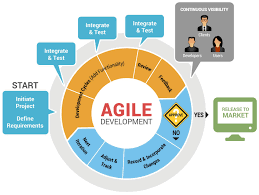
Agile application development is a methodology that emphasizes flexibility, collaboration, and iterative progress in software development projects. Unlike traditional waterfall approaches, agile development focuses on delivering working software in small, incremental releases. This approach allows teams to respond quickly to changing requirements and deliver value to customers faster.

Key Principles of Agile Development

Agile development is guided by several key principles:

  • Iterative Development: Projects are broken down into small iterations or sprints, typically lasting 1-4 weeks. Each iteration results in a working piece of software that can be reviewed and tested.
  • Collaboration: Cross-functional teams work closely together, including developers, testers, designers, and product owners. Collaboration is essential for rapid decision-making and problem-solving.
  • Adaptability: Agile teams embrace change and welcome new requirements even late in the development process. This flexibility allows for continuous improvement based on feedback.
  • Customer Focus: Agile development prioritizes customer satisfaction by delivering valuable features early and frequently. Customer feedback drives the direction of the project.

The Benefits of Agile Development

There are several benefits to adopting agile application development:

  • Rapid Delivery: By breaking projects into smaller increments, teams can deliver working software more frequently, providing value to customers sooner.
  • Flexibility: Agile methodologies allow for changes to be incorporated at any stage of the project, enabling teams to adapt to evolving requirements.
  • Better Quality: Continuous testing and feedback loops help identify issues early in the development process, leading to higher-quality software.
  • Improved Collaboration: Cross-functional teams collaborate closely throughout the project, fostering communication and teamwork.
  • Increased Customer Satisfaction: By involving customers in the development process and delivering features incrementally, agile development ensures that customer needs are met effectively.

In conclusion, agile application development offers a flexible and collaborative approach to software development that prioritizes customer satisfaction and rapid delivery. By embracing agile methodologies, organizations can adapt quickly to changing requirements and deliver high-quality software that meets customer needs effectively.


9 Key Benefits of Agile Application Development: Speed, Flexibility, and Collaboration

  1. Faster time-to-market for software releases
  2. Increased adaptability to changing requirements
  3. Enhanced collaboration among cross-functional teams
  4. Improved transparency and visibility into project progress
  5. Higher customer satisfaction through frequent feature delivery
  6. Better quality control with continuous testing and feedback loops
  7. Reduced risks through early issue identification and mitigation
  8. Greater flexibility in responding to market demands and trends
  9. Empowerment of team members to make decisions and drive innovation


Challenges in Agile Application Development: Navigating Complexity, Scope Creep, and Customer Dependency

  1. Increased complexity
  2. Potential for scope creep
  3. Dependency on customer availability

Faster time-to-market for software releases

Agile application development offers the advantage of faster time-to-market for software releases. By breaking down projects into smaller iterations and focusing on delivering working software in incremental releases, agile teams can bring new features and updates to market more quickly compared to traditional development approaches. This accelerated pace allows businesses to stay competitive, respond promptly to market demands, and gather valuable feedback from users early in the development process, ultimately leading to improved customer satisfaction and business outcomes.

Increased adaptability to changing requirements

Agile application development’s increased adaptability to changing requirements is a significant advantage that allows teams to respond effectively to evolving project needs. Unlike traditional development methods that may struggle with late-stage changes, agile methodologies enable seamless integration of new requirements at any point in the project timeline. This flexibility ensures that the final product aligns closely with the client’s vision and market demands, leading to higher customer satisfaction and a more successful end result.

Enhanced collaboration among cross-functional teams

Enhanced collaboration among cross-functional teams is a key advantage of agile application development. By bringing together individuals with diverse skills and expertise, agile methodologies promote communication, sharing of ideas, and collective problem-solving. This collaborative environment fosters a sense of teamwork and unity, allowing team members to work together seamlessly towards a common goal. As a result, cross-functional teams in agile development can leverage each other’s strengths, contribute unique perspectives, and deliver high-quality software solutions efficiently.

Improved transparency and visibility into project progress

Improved transparency and visibility into project progress is a significant benefit of agile application development. By breaking down projects into small iterations and holding regular meetings like daily stand-ups and sprint reviews, agile teams ensure that all stakeholders have a clear understanding of the project’s status. This transparency allows for better decision-making, early issue detection, and effective communication among team members, leading to increased accountability and alignment towards achieving project goals.

Higher customer satisfaction through frequent feature delivery

Agile application development excels in delivering higher customer satisfaction through frequent feature delivery. By breaking down projects into manageable increments and providing working software at regular intervals, agile teams ensure that customers receive value early and continuously throughout the development process. This approach allows for quick feedback loops, enabling teams to incorporate customer input promptly and adjust the product to meet evolving needs effectively. Ultimately, the emphasis on frequent feature delivery in agile development leads to increased customer satisfaction as customers see their requirements being addressed in a timely manner, resulting in a product that aligns closely with their expectations.

Better quality control with continuous testing and feedback loops

One of the key advantages of agile application development is the emphasis on better quality control through continuous testing and feedback loops. By conducting regular testing throughout the development process and incorporating feedback from stakeholders, agile teams can identify and address issues early on, ensuring that the final product meets high-quality standards. This proactive approach to quality assurance not only helps in detecting and resolving defects promptly but also results in delivering a more reliable and robust software solution to end-users.

Reduced risks through early issue identification and mitigation

One significant advantage of agile application development is the reduced risks through early issue identification and mitigation. By breaking down projects into smaller iterations and conducting continuous testing and feedback loops, agile teams can quickly identify and address potential issues before they escalate. This proactive approach not only helps in ensuring the quality of the software but also minimizes risks associated with project delays or budget overruns, ultimately leading to a more successful and efficient development process.

Agile application development provides organizations with greater flexibility in responding to market demands and trends. By breaking down projects into small iterations and incorporating changes easily throughout the development process, agile teams can quickly adapt to shifting market requirements and emerging trends. This agility allows businesses to stay competitive by delivering software that aligns with current market needs and customer preferences, ensuring that they can respond promptly to changes in the industry landscape.

Empowerment of team members to make decisions and drive innovation

Agile application development empowers team members by granting them the autonomy to make decisions and drive innovation within the project. This pro of agile methodology enables team members to take ownership of their work, fostering a sense of responsibility and creativity. By encouraging individuals to contribute ideas and solutions, agile development promotes a culture of innovation where team members feel motivated to explore new approaches and technologies that can enhance the project’s success. This empowerment not only boosts morale but also leads to more efficient problem-solving and continuous improvement throughout the development process.

Increased complexity

Increased complexity is a notable con of agile application development. The methodology’s emphasis on frequent communication and collaboration among team members, while beneficial for many aspects of the project, can also introduce challenges in project management. The need for constant coordination and decision-making may result in added layers of complexity that require careful navigation to ensure the project stays on track and meets its objectives efficiently. Balancing the benefits of collaboration with managing increased complexity is essential for successful implementation of agile development practices.

Potential for scope creep

The potential for scope creep is a significant con of agile application development. While the flexibility of agile methodologies allows for changes and adaptations, it can also lead to scope creep. This occurs when additional features are continuously introduced to the project without proper prioritization or consideration of the project’s original goals. Scope creep can result in project delays, increased costs, and a loss of focus on essential deliverables, ultimately impacting the overall success of the development process.

Dependency on customer availability

A significant drawback of agile application development is its dependency on customer availability. Agile methodologies require consistent feedback and active involvement from customers to ensure that the project aligns with their needs. However, this can pose a challenge when customers are not readily available or engaged in the development process. Delays in customer feedback can hinder progress and decision-making, potentially leading to inefficiencies and misunderstandings between the development team and the customer. This dependency on customer availability highlights a key limitation of agile development in scenarios where customer engagement is lacking or inconsistent.

saas application development services

Empowering Businesses with Cutting-Edge SaaS Application Development Services

SaaS Application Development Services

The Power of SaaS Application Development Services

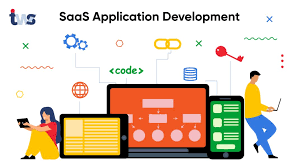
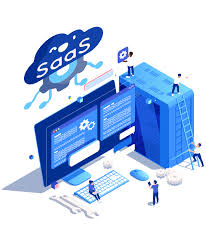
In today’s digital age, Software as a Service (SaaS) has revolutionized the way businesses operate and deliver services to their customers. SaaS applications offer a cost-effective and efficient solution for companies looking to streamline their operations and enhance user experience.

Benefits of SaaS Application Development Services

Scalability: SaaS applications are highly scalable, allowing businesses to easily adjust resources and features based on their needs.

Cost-Effectiveness: With no need for upfront hardware investments and lower maintenance costs, SaaS applications provide a budget-friendly option for businesses of all sizes.

Accessibility: SaaS applications can be accessed from any device with an internet connection, enabling remote work capabilities and improving collaboration among teams.

Key Features of SaaS Applications

SaaS application development services focus on creating software solutions that offer the following key features:

  • Multi-Tenancy: Ability to serve multiple customers from a single instance of the software.
  • Automatic Updates: Regular updates and maintenance are handled by the service provider, ensuring users always have access to the latest features.
  • Data Security: Robust security measures are implemented to protect user data and maintain compliance with industry regulations.
  • Customization: Tailoring the application to meet specific business requirements and preferences.

Harnessing the Potential of SaaS Application Development

To leverage the full potential of SaaS application development services, businesses should partner with experienced software development companies that specialize in building scalable and secure cloud-based solutions. These experts can help businesses conceptualize, design, develop, and deploy custom SaaS applications that align with their strategic goals and drive growth.

In conclusion, investing in SaaS application development services can propel your business forward by enhancing operational efficiency, improving customer satisfaction, and staying ahead of the competition in today’s dynamic market landscape.


Top 8 FAQs About SaaS Application Development Services

  1. How much does it cost to build a SaaS application?
  2. Who develops SaaS software?
  3. What does a SaaS developer do?
  4. What is the SaaS process of software development?
  5. Which is the best technology for SaaS app development?
  6. What is SaaS application development?
  7. What is SaaS development services?
  8. Which is an example of a SaaS application?

How much does it cost to build a SaaS application?

When considering the cost of building a SaaS application, it is important to understand that the pricing can vary significantly depending on various factors such as the complexity of the application, desired features, scalability requirements, and development time. Custom SaaS applications are tailored to meet specific business needs, which can impact the overall cost. Additionally, factors like integration with third-party services, security measures, ongoing maintenance, and support services need to be taken into account when estimating the total cost of developing a SaaS application. It is recommended to consult with experienced software development professionals to get a detailed assessment and quote based on your unique requirements and objectives.

Who develops SaaS software?

SaaS software is typically developed by skilled software engineers, developers, and IT professionals who specialize in cloud-based technologies. These experts have the knowledge and expertise to design, build, and maintain SaaS applications that meet the specific needs and requirements of businesses and end-users. Collaboration between development teams, product managers, designers, and quality assurance specialists is essential in creating high-quality SaaS software that delivers a seamless user experience and provides value to customers. By entrusting the development of SaaS software to experienced professionals, businesses can ensure that their applications are robust, secure, scalable, and tailored to their unique business objectives.

What does a SaaS developer do?

A SaaS developer is responsible for designing, developing, and maintaining Software as a Service (SaaS) applications that are accessible to users over the internet. These developers work on creating cloud-based software solutions that offer scalability, security, and flexibility to meet the evolving needs of businesses and end-users. They collaborate with cross-functional teams to translate requirements into functional software, implement best practices in coding and testing, and ensure that the SaaS applications are user-friendly and efficient. Overall, a SaaS developer plays a crucial role in building innovative and reliable cloud-based solutions that drive digital transformation and enhance user experiences.

What is the SaaS process of software development?

The SaaS process of software development involves a systematic approach to creating cloud-based applications that are accessible to users over the internet. It typically begins with defining the requirements and objectives of the SaaS application, followed by designing the user interface and architecture. Development teams then proceed with coding, testing, and deploying the software on a cloud infrastructure. Continuous monitoring, updates, and maintenance are essential parts of the SaaS development process to ensure optimal performance and security. Collaboration between developers, designers, and stakeholders is key to delivering a high-quality SaaS solution that meets the evolving needs of businesses and users.

Which is the best technology for SaaS app development?

When it comes to choosing the best technology for SaaS app development, there is no one-size-fits-all answer. The ideal technology stack for SaaS application development depends on various factors such as the specific requirements of the project, scalability needs, security considerations, and the expertise of the development team. Popular technologies often used for SaaS app development include JavaScript frameworks like React and Angular for front-end development, Node.js for backend services, and cloud platforms like AWS or Azure for hosting. Ultimately, selecting the best technology involves careful evaluation of your project goals and collaborating with experienced developers to determine the most suitable tools and technologies that align with your business objectives.

What is SaaS application development?

SaaS application development refers to the process of creating software applications that are delivered to users as a service through the cloud. In SaaS (Software as a Service) model, users can access the application over the internet without the need to install or maintain it on their local devices. SaaS application development involves designing, building, and deploying software solutions that offer scalability, accessibility, and cost-effectiveness to businesses. By outsourcing software development and maintenance to service providers, organizations can focus on their core operations while enjoying the benefits of innovative and customizable applications that enhance productivity and streamline processes.

What is SaaS development services?

SaaS development services refer to the process of creating and implementing Software as a Service applications that are hosted and maintained by a service provider. In SaaS development, software applications are accessed over the internet on a subscription basis, eliminating the need for users to install or manage the software locally. SaaS development services encompass designing, developing, and deploying cloud-based applications that offer scalability, accessibility, and cost-effectiveness to businesses seeking efficient solutions for their operational needs. By leveraging SaaS development services, organizations can streamline their workflows, enhance collaboration, and benefit from regular updates and maintenance provided by the service provider.

Which is an example of a SaaS application?

A prime example of a SaaS application is Salesforce, a popular customer relationship management (CRM) platform that is widely used by businesses of all sizes. Salesforce offers a comprehensive suite of tools and features accessible through a web browser, allowing users to manage customer interactions, sales processes, marketing campaigns, and more in a centralized cloud-based environment. By leveraging Salesforce as a SaaS application, businesses can enhance their productivity, streamline operations, and improve customer relationships without the need for complex on-premises infrastructure.

python web programming

Mastering Python Web Programming: Building Dynamic and Interactive Websites

Python Web Programming

The Power of Python in Web Programming

Python has established itself as a versatile and powerful programming language, not only in software development but also in web programming. With its simplicity, readability, and vast array of libraries and frameworks, Python has become a popular choice for building dynamic and interactive websites.

Benefits of Using Python in Web Development

One of the key advantages of using Python for web programming is its ease of use. The clean and concise syntax of Python makes it easy to learn and understand, even for beginners. This results in faster development cycles and efficient code maintenance.

Python’s extensive collection of libraries and frameworks further enhances its capabilities in web development. Frameworks like Django and Flask provide developers with powerful tools to create robust web applications with minimal effort. These frameworks handle many common tasks, such as URL routing, database integration, and form processing, allowing developers to focus on building the core functionality of their websites.

Scalability and Performance

Python’s scalability is another reason why it is a preferred choice for web development. Whether you are building a simple blog or a complex web application, Python can scale to meet your needs. Its flexibility allows developers to start small and expand their projects as they grow.

In terms of performance, Python may not be as fast as some other languages like C++ or Java, but its performance is more than adequate for most web applications. Additionally, advancements in technologies like Just-In-Time (JIT) compilation have improved Python’s performance significantly.

Community Support and Resources

The Python community is vibrant and active, providing developers with access to a wealth of resources, tutorials, forums, and documentation. Whether you are a seasoned developer or just starting out, you can find support and guidance from the vast community of Python enthusiasts.

Conclusion

In conclusion, Python’s versatility, readability, extensive libraries, scalability, performance improvements, and strong community support make it an excellent choice for web programming. Whether you are developing a personal blog or a complex web application, Python provides the tools you need to bring your ideas to life on the web.


5 Essential Tips for Mastering Python Web Development

  1. Use a web framework like Flask or Django to simplify web development in Python.
  2. Utilize virtual environments to manage dependencies and isolate project environments.
  3. Understand and use RESTful APIs for creating robust and scalable web applications.
  4. Implement proper security measures such as input validation, sanitization, and protection against common vulnerabilities.
  5. Optimize performance by caching data, minimizing database queries, and employing asynchronous programming when necessary.

Use a web framework like Flask or Django to simplify web development in Python.

Using a web framework such as Flask or Django can significantly simplify web development in Python. These frameworks provide a structured way to handle common web development tasks, such as routing, templating, and database integration, allowing developers to focus on building the core features of their web applications. By leveraging the capabilities of Flask or Django, developers can expedite the development process, improve code organization, and create robust and scalable web applications with ease.

Utilize virtual environments to manage dependencies and isolate project environments.

Utilizing virtual environments in Python web programming is a crucial tip to manage dependencies and isolate project environments effectively. By creating separate virtual environments for each project, developers can ensure that the dependencies required by one project do not interfere with those of another. This practice helps maintain a clean and organized development environment, prevents version conflicts, and simplifies the process of sharing projects with collaborators. Virtual environments offer a controlled space where specific packages and versions can be installed, making it easier to replicate the project’s environment across different machines or at various stages of development.

Understand and use RESTful APIs for creating robust and scalable web applications.

Understanding and utilizing RESTful APIs is crucial for developing robust and scalable web applications in Python. By adhering to REST principles, developers can design APIs that are intuitive, efficient, and easy to maintain. RESTful APIs enable seamless communication between different components of a web application, allowing for flexibility and scalability as the project grows. By leveraging RESTful architecture in Python web programming, developers can ensure that their applications are well-structured, performant, and capable of handling complex interactions with ease.

Implement proper security measures such as input validation, sanitization, and protection against common vulnerabilities.

When engaging in Python web programming, it is crucial to implement proper security measures to safeguard your application. This includes incorporating practices such as thorough input validation, sanitization of user inputs, and protection against common vulnerabilities like SQL injection and cross-site scripting. By prioritizing security in your development process, you can mitigate the risk of potential threats and ensure the integrity and confidentiality of your web application’s data.

Optimize performance by caching data, minimizing database queries, and employing asynchronous programming when necessary.

To optimize performance in Python web programming, it is crucial to implement efficient strategies such as caching data, reducing database queries, and utilizing asynchronous programming when appropriate. By caching frequently accessed data, we can minimize the need to fetch information from the database repeatedly, thus improving response times. Additionally, minimizing database queries helps reduce the load on the database server and enhances overall application speed. Employing asynchronous programming allows for non-blocking operations, enabling concurrent tasks to run efficiently and boosting performance where parallel processing is beneficial. By incorporating these techniques thoughtfully, developers can enhance the speed and responsiveness of their web applications effectively.

Exploring the World of Java App Development: Building Powerful Applications with Java

The Power of Java App Development

The Power of Java App Development

Java is a versatile and powerful programming language that has been widely used for developing various types of applications, including web, mobile, and enterprise applications. With its platform independence, robustness, and scalability, Java has become a popular choice among developers for building reliable and secure software solutions.

Benefits of Java App Development

Platform Independence: One of the key advantages of Java is its platform independence. Java applications can run on any device or operating system that has a Java Virtual Machine (JVM) installed, making them highly portable.

Robustness: Java’s strong type system and exception handling mechanisms make it a robust programming language that can handle errors effectively, ensuring the stability and reliability of applications.

Scalability: Java’s scalability allows developers to build applications that can easily accommodate growing user bases and increasing workloads without compromising performance.

Use Cases of Java App Development

Java is commonly used in various industries for developing different types of applications:

  • Enterprise Applications: Many large organizations use Java for building enterprise-level software solutions such as customer relationship management (CRM) systems, enterprise resource planning (ERP) software, and more.
  • Web Applications: Java is widely used for creating dynamic and interactive web applications using frameworks like Spring and Hibernate.
  • Mobile Applications: With technologies like Android Studio and Kotlin, developers can build cross-platform mobile apps using Java.
  • Data Processing Applications: Java is also popular for developing data processing applications due to its performance and scalability features.

The Future of Java App Development

As technology continues to evolve, the future of Java app development looks promising. With the introduction of new features in the latest versions of Java, such as modularity with Project Jigsaw and enhanced performance with GraalVM, developers can expect even greater capabilities and efficiencies in building innovative software solutions.


Top 8 FAQs About Java App Development

  1. Can I create an app with Java?
  2. Is Java good for application development?
  3. Is Java good for iOS app development?
  4. Can Java build iOS apps?
  5. Is Java or Python better for app development?
  6. Do people still use Java for Android?
  7. Can I develop an app using Java?
  8. Can I still build Android apps in Java?

Can I create an app with Java?

Yes, you can create a wide range of applications using Java. Java is a versatile programming language that allows developers to build various types of software, including web, mobile, and enterprise applications. With its platform independence and robust features, Java is well-suited for developing reliable and scalable apps. Whether you are looking to create a web application, a mobile app for Android devices, or an enterprise-level software solution, Java provides the tools and capabilities needed to bring your ideas to life.

Is Java good for application development?

Java is widely regarded as an excellent choice for application development due to its numerous advantages. With its platform independence, robustness, and scalability, Java offers developers a versatile and reliable environment for building a wide range of applications. Its platform independence allows Java applications to run on various devices and operating systems with ease. The language’s strong type system and exception handling mechanisms contribute to the robustness of Java applications, ensuring stability and error management. Additionally, Java’s scalability enables developers to create applications that can grow with user demand without sacrificing performance. Overall, Java’s versatility and capabilities make it a strong contender for application development across different industries and use cases.

Is Java good for iOS app development?

Java is not typically used for iOS app development. While Java is a popular programming language for building Android apps, iOS development primarily relies on languages like Swift or Objective-C. Apple’s iOS ecosystem has its own set of development tools and frameworks that are specifically designed for creating applications that run on iOS devices. Therefore, if you are looking to develop apps for the iOS platform, it is recommended to use Swift or Objective-C to leverage the native capabilities and features of iOS devices effectively.

Can Java build iOS apps?

In the realm of Java app development, a common inquiry revolves around the possibility of using Java to build iOS apps. While Java is a versatile and powerful programming language, it is not typically used for directly creating iOS applications. iOS apps are primarily developed using Apple’s official programming language, Swift, or Objective-C. However, developers can explore cross-platform development tools like Xamarin or React Native to write code in Java and deploy it on multiple platforms, including iOS. By leveraging these frameworks, developers can achieve some level of code reusability across different operating systems while still catering to the specific requirements of iOS app development.

Is Java or Python better for app development?

When it comes to app development, the choice between Java and Python often depends on the specific requirements of the project. Java is known for its platform independence, robustness, and scalability, making it a popular choice for building enterprise-level applications and web services. On the other hand, Python is favored for its simplicity, readability, and versatility, particularly in data science, machine learning, and rapid prototyping. Ultimately, the decision between Java and Python for app development should consider factors such as project complexity, performance needs, existing codebase compatibility, and developer expertise in each language. Both Java and Python have their strengths and can be valuable tools depending on the context of the application being developed.

Do people still use Java for Android?

Yes, Java is still widely used for Android app development. Despite the introduction of Kotlin as an official language for Android development by Google, many developers continue to rely on Java due to its familiarity, robustness, and extensive ecosystem of libraries and tools. Java remains a popular choice for building Android apps, especially for developers who have already invested time and effort in mastering the language. Additionally, Java’s platform independence and compatibility with various devices make it a versatile option for creating high-quality mobile applications on the Android platform.

Can I develop an app using Java?

Yes, you can develop an app using Java. Java is a versatile and widely-used programming language that is well-suited for building various types of applications, including web, mobile, and enterprise applications. With its platform independence and robust features, Java provides developers with the tools they need to create reliable and scalable software solutions. Whether you are looking to develop a web application, a mobile app, or an enterprise-level system, Java offers the flexibility and power to bring your ideas to life.

Can I still build Android apps in Java?

Yes, developers can still build Android apps in Java. While Google introduced Kotlin as an official language for Android app development, Java remains a supported and widely used language for creating Android applications. Many developers are already familiar with Java and have existing codebases written in Java, making it a practical choice for building Android apps. Additionally, the Android SDK fully supports Java, allowing developers to leverage its features and libraries to create robust and feature-rich applications for the Android platform.

python software engineer

Exploring the Role of a Python Software Engineer in Modern Technology

Python Software Engineer

The Role of a Python Software Engineer

A Python software engineer is a professional who specializes in developing software applications using the Python programming language. Python is a versatile and powerful language that is widely used in various fields such as web development, data science, artificial intelligence, and more.

Responsibilities of a Python Software Engineer

Python software engineers are responsible for:

  • Writing clean, efficient, and maintainable code using Python
  • Collaborating with other team members to design and implement software solutions
  • Testing and debugging code to ensure quality and reliability
  • Integrating data storage solutions and third-party libraries
  • Optimizing application performance and scalability
  • Maintaining existing software applications and making enhancements as needed

Skills Required for Python Software Engineers

To excel in this role, a Python software engineer should possess the following skills:

  • Proficiency in Python programming language
  • Understanding of object-oriented programming principles
  • Knowledge of web frameworks such as Django or Flask for web development projects
  • Familiarity with data manipulation and analysis libraries like NumPy and Pandas for data science applications
  • Experience with version control systems like Git for collaborative development
  • Strong problem-solving skills and attention to detail

Career Outlook for Python Software Engineers

The demand for skilled Python software engineers is on the rise due to the increasing adoption of Python across various industries. With its simplicity, readability, and vast ecosystem of libraries, Python has become a popular choice for developing complex software solutions.


7 Reasons Why Becoming a Python Software Engineer is a Smart Career Move

  1. Versatile language used in various fields like web development, data science, and AI
  2. Large community support for troubleshooting and knowledge sharing
  3. Simple syntax that promotes readability and reduces development time
  4. Abundance of third-party libraries and frameworks for quick application development
  5. High demand for Python skills in the job market with competitive salaries
  6. Strong compatibility with other languages and systems for seamless integration
  7. Great choice for beginners due to its gentle learning curve and beginner-friendly documentation


Challenges Faced by Python Software Engineers: Performance, Multi-threading, and More

  1. Limited speed compared to lower-level languages like C or C++ for performance-critical applications.
  2. Global Interpreter Lock (GIL) in Python can limit multi-threading performance in certain scenarios.
  3. Python’s dynamic typing can lead to potential runtime errors that may not be caught until execution.
  4. Dependency management can be challenging due to compatibility issues between different Python libraries and versions.
  5. Debugging complex applications in Python may require more effort and time compared to statically typed languages.
  6. Python’s design limitations may make it less suitable for high-performance computing or real-time systems.

Versatile language used in various fields like web development, data science, and AI

Python is a versatile language that finds widespread use across diverse fields such as web development, data science, and artificial intelligence. Its flexibility and extensive library support make it a top choice for software engineers working on a wide range of projects. In web development, Python frameworks like Django and Flask enable the creation of dynamic and scalable web applications. In data science, Python’s rich ecosystem of libraries such as NumPy and Pandas empower engineers to analyze and visualize complex datasets efficiently. Moreover, in the realm of artificial intelligence, Python serves as a foundational tool for developing machine learning algorithms and neural networks due to its simplicity and readability. The adaptability of Python makes it an invaluable asset for software engineers seeking to innovate in these cutting-edge fields.

Large community support for troubleshooting and knowledge sharing

Python software engineers benefit greatly from the large community support available for troubleshooting and knowledge sharing. With a vast network of experienced developers, online forums, and resources, Python enthusiasts can easily find solutions to coding challenges, seek advice on best practices, and stay updated on the latest trends in the Python ecosystem. This collaborative environment fosters continuous learning and innovation, enabling Python software engineers to enhance their skills and tackle complex projects with confidence. The sense of community within the Python programming world promotes a culture of sharing expertise and helping fellow developers succeed in their endeavors.

Simple syntax that promotes readability and reduces development time

Python software engineers benefit from the language’s simple syntax, which promotes readability and significantly reduces development time. The clean and straightforward structure of Python code makes it easier for developers to write and understand complex algorithms, resulting in more efficient and error-free programming. By minimizing the time spent on deciphering code intricacies, Python software engineers can focus on solving problems and creating innovative solutions, ultimately enhancing productivity and accelerating the development process.

Abundance of third-party libraries and frameworks for quick application development

Python software engineers benefit greatly from the abundance of third-party libraries and frameworks available, enabling them to expedite application development. With a rich ecosystem of pre-built modules and tools, Python developers can leverage existing solutions to streamline the coding process and focus on implementing core functionalities rather than reinventing the wheel. These libraries cover a wide range of functionalities, from web development frameworks like Django and Flask to data processing libraries such as NumPy and Pandas, empowering engineers to deliver efficient and robust software applications in a more time-effective manner.

High demand for Python skills in the job market with competitive salaries

In today’s job market, the demand for Python software engineers is exceptionally high, leading to lucrative career opportunities with competitive salaries. Employers across various industries seek professionals with strong Python skills to develop innovative software solutions, analyze data, build web applications, and more. As Python continues to gain popularity for its versatility and ease of use, individuals proficient in this programming language are well-positioned to secure well-paid positions and advance their careers in the ever-evolving tech industry.

Strong compatibility with other languages and systems for seamless integration

Python software engineers benefit from the strong compatibility of Python with other languages and systems, enabling seamless integration of Python-based solutions into existing software environments. Whether it’s interfacing with C/C++ code for performance-critical tasks, integrating with Java applications in enterprise settings, or leveraging Python’s versatility in web development frameworks like JavaScript, this interoperability allows Python developers to work effectively across a wide range of technologies and platforms. This flexibility not only enhances the scalability and functionality of software projects but also streamlines collaboration between diverse teams working on interconnected systems.

Great choice for beginners due to its gentle learning curve and beginner-friendly documentation

Python is a great choice for beginners entering the field of software engineering due to its gentle learning curve and beginner-friendly documentation. The language’s simple and readable syntax makes it easy for newcomers to grasp fundamental programming concepts without feeling overwhelmed. Additionally, Python’s extensive documentation provides clear explanations and examples, aiding beginners in understanding how to write code effectively. This combination of approachability and support makes Python an excellent starting point for aspiring software engineers looking to build a solid foundation in programming.

Limited speed compared to lower-level languages like C or C++ for performance-critical applications.

One significant drawback of being a Python software engineer is the limited speed of Python compared to lower-level languages like C or C++ when it comes to performance-critical applications. Due to its dynamic typing and interpreted nature, Python may not be as efficient in handling tasks that require high performance and low-level control over hardware resources. This limitation can pose challenges when developing applications that demand optimal speed and responsiveness, especially in scenarios where milliseconds matter, making it crucial for Python developers to carefully consider the trade-offs between development speed and runtime performance.

Global Interpreter Lock (GIL) in Python can limit multi-threading performance in certain scenarios.

The Global Interpreter Lock (GIL) in Python poses a significant challenge for Python software engineers as it can restrict the performance of multi-threading in certain situations. The GIL is a mutex that allows only one thread to execute Python bytecode at a time, limiting the effectiveness of multi-threading for CPU-bound tasks. This constraint can hinder the scalability and efficiency of applications that heavily rely on parallel processing and can lead to suboptimal performance in scenarios where concurrency is crucial. Python developers need to carefully consider alternative approaches such as multiprocessing or utilizing external libraries to overcome the limitations imposed by the GIL and optimize performance in such cases.

Python’s dynamic typing can lead to potential runtime errors that may not be caught until execution.

Python’s dynamic typing, while offering flexibility and ease of use, can be a double-edged sword for Python software engineers. One significant drawback is that the dynamic nature of Python can lead to potential runtime errors that may not be detected until the code is executed. Unlike statically-typed languages that catch type-related errors at compile time, Python’s dynamic typing allows for more implicit conversions and may result in unexpected behavior during runtime, making it challenging to identify and resolve issues proactively. This aspect of Python can increase the risk of bugs slipping through the cracks and require thorough testing and debugging to ensure the reliability and stability of software applications developed in Python.

Dependency management can be challenging due to compatibility issues between different Python libraries and versions.

Managing dependencies can be a significant challenge for Python software engineers, primarily due to compatibility issues that may arise between different Python libraries and versions. Ensuring that all required libraries work seamlessly together and are compatible with the specific version of Python being used can be a time-consuming task. This can lead to potential conflicts, errors, and issues during the development process, requiring careful attention to detail and thorough testing to mitigate any compatibility-related problems that may arise.

Debugging complex applications in Python may require more effort and time compared to statically typed languages.

Debugging complex applications in Python can be a challenging task, especially when compared to statically typed languages. The dynamic nature of Python, where data types are determined at runtime, can sometimes lead to subtle bugs that are harder to detect during the development process. Due to the lack of compile-time type checking, Python software engineers may need to invest more time and effort in tracing and resolving issues related to data type mismatches or unexpected behaviors. This increased debugging complexity in Python underscores the importance of thorough testing and meticulous code review practices to ensure the reliability and stability of software applications.

Python’s design limitations may make it less suitable for high-performance computing or real-time systems.

Python’s design limitations, such as its interpreted nature and dynamic typing, may render it less suitable for high-performance computing or real-time systems. In scenarios where speed and efficiency are critical, Python’s inherent overhead and slower execution compared to lower-level languages like C or C++ could pose challenges. Real-time systems require precise timing and responsiveness, which may be hindered by Python’s garbage collection mechanisms and lack of strict control over memory management. As a result, developers working on performance-critical applications may need to consider alternative languages better suited for these specific requirements.

backend software engineer

Unlocking the Potential: The Journey of a Backend Software Engineer

Article: Backend Software Engineer

The Role of a Backend Software Engineer

Backend software engineers play a crucial role in the development of web applications and software systems. While frontend developers focus on the user interface and client-side interactions, backend engineers work behind the scenes to ensure that the application runs smoothly and efficiently.

Responsibilities of a Backend Software Engineer

Backend engineers are responsible for designing, implementing, and maintaining the server-side logic of an application. This includes:

  • Developing scalable and secure APIs
  • Optimizing database queries for performance
  • Integrating third-party services and external APIs
  • Implementing authentication and authorization mechanisms
  • Monitoring system performance and troubleshooting issues

Skills Required

To excel as a backend software engineer, one needs a strong foundation in programming languages such as Java, Python, Ruby, or Node.js. Additionally, knowledge of databases (SQL or NoSQL), web servers, and cloud services is essential.

Problem-solving skills, attention to detail, and the ability to work collaboratively with frontend developers, designers, and other team members are also important for success in this role.

Career Outlook

The demand for backend software engineers continues to grow as more businesses rely on digital solutions to streamline their operations. With experience and expertise in backend development, professionals in this field can pursue various career paths, including becoming technical leads, architects, or even starting their own tech companies.

In conclusion, backend software engineers play a vital role in building robust and efficient web applications. Their expertise ensures that the systems function seamlessly while providing a secure and reliable user experience.


6 Essential Tips for Excelling as a Backend Software Engineer

  1. Understand the fundamentals of computer science and software engineering
  2. Master at least one programming language commonly used in backend development, such as Java, Python, or Node.js
  3. Learn about databases and how to design efficient data storage solutions
  4. Practice writing clean and maintainable code to ensure scalability and ease of maintenance
  5. Familiarize yourself with various backend frameworks and tools like Spring Boot, Django, or Express.js
  6. Stay updated on industry trends and best practices to continuously improve your skills

Understand the fundamentals of computer science and software engineering

To excel as a backend software engineer, it is crucial to have a deep understanding of the fundamentals of computer science and software engineering. Proficiency in areas such as data structures, algorithms, and software design principles lays a strong foundation for developing efficient and scalable backend systems. By mastering these core concepts, backend engineers can tackle complex problems with confidence, optimize performance, and create robust solutions that meet the needs of modern web applications.

Master at least one programming language commonly used in backend development, such as Java, Python, or Node.js

To excel as a backend software engineer, it is essential to master at least one programming language commonly used in backend development, such as Java, Python, or Node.js. Proficiency in a specific language allows engineers to effectively design and implement server-side logic, develop scalable APIs, optimize database queries, and integrate various services seamlessly. By mastering a backend programming language, engineers can streamline development processes, enhance system performance, and contribute significantly to the success of web applications and software systems.

Learn about databases and how to design efficient data storage solutions

Understanding databases and mastering the art of designing efficient data storage solutions are essential skills for any backend software engineer. A solid grasp of database concepts, such as normalization, indexing, and query optimization, enables engineers to create scalable and performant applications. By learning how to structure data effectively and choose the right database technologies for different use cases, backend engineers can ensure that their applications are not only reliable but also capable of handling large volumes of data efficiently.

Practice writing clean and maintainable code to ensure scalability and ease of maintenance

Practicing the habit of writing clean and maintainable code is essential for backend software engineers to ensure scalability and ease of maintenance in their projects. By adhering to coding best practices, such as proper documentation, modularization, and following design patterns, engineers can create code that is easier to understand, debug, and enhance over time. Clean code not only improves the overall quality of the software but also simplifies collaboration with team members and reduces the risk of introducing bugs during updates or modifications. Investing time in writing clean code upfront pays off in the long run by making it easier to scale the application and maintain it efficiently throughout its lifecycle.

Familiarize yourself with various backend frameworks and tools like Spring Boot, Django, or Express.js

To excel as a backend software engineer, it is crucial to familiarize yourself with various backend frameworks and tools such as Spring Boot, Django, or Express.js. These frameworks offer pre-built modules and functionalities that can significantly speed up the development process and help you build robust, scalable applications. By mastering these tools, you can enhance your efficiency, stay updated with industry trends, and create high-quality backend solutions that meet the demands of modern web development.

It is essential for backend software engineers to stay updated on industry trends and best practices to continuously enhance their skills. By keeping abreast of the latest developments in technology, tools, and methodologies, engineers can adapt to changing requirements and deliver more efficient and innovative solutions. Continuous learning and improvement not only benefit the individual engineer but also contribute to the overall success of the projects they work on.

scrum development

Maximizing Efficiency Through Scrum Development Practices

The Benefits of Scrum Development

The Benefits of Scrum Development

Scrum is a popular agile framework used in software development to manage complex projects. It emphasizes collaboration, flexibility, and continuous improvement. Here are some key benefits of implementing Scrum:

Improved Transparency

Scrum promotes transparency by providing a clear view of the project’s progress through regular meetings such as daily stand-ups, sprint planning, and sprint reviews. This transparency helps teams identify issues early and make necessary adjustments to stay on track.

Increased Flexibility

Scrum allows for flexibility in project requirements and priorities. The iterative nature of Scrum enables teams to adapt to changes quickly, making it easier to respond to customer feedback and market demands.

Enhanced Collaboration

Collaboration is at the core of Scrum. Cross-functional teams work together towards a common goal, fostering communication and teamwork. This collaborative environment encourages knowledge sharing and innovation.

Faster Delivery of Value

Scrum focuses on delivering working software in short iterations called sprints. By breaking down the project into manageable tasks and delivering incremental value at the end of each sprint, teams can quickly respond to stakeholder needs and deliver products faster.

Continuous Improvement

Scrum encourages continuous improvement through regular retrospectives at the end of each sprint. Teams reflect on their performance, identify areas for improvement, and implement changes to enhance their processes and deliver better results in future sprints.

In conclusion, Scrum development offers numerous benefits that can help teams build high-quality software efficiently while adapting to changing requirements and delivering value to customers consistently.


7 Essential Tips for Effective Scrum Development

  1. Ensure clear communication among team members
  2. Prioritize tasks based on importance and urgency
  3. Hold regular stand-up meetings to track progress
  4. Embrace changes in requirements throughout the project
  5. Encourage collaboration and teamwork within the team
  6. Deliver working increments of product at the end of each sprint
  7. Reflect on past sprints to identify areas for improvement

Ensure clear communication among team members

Clear communication among team members is essential in Scrum development to ensure that everyone is aligned on project goals, tasks, and progress. By fostering open and transparent communication channels, team members can collaborate effectively, share information, address challenges promptly, and make informed decisions. Clear communication helps prevent misunderstandings, reduces the risk of errors, and promotes a cohesive team dynamic where everyone feels valued and understood. Ultimately, when team members communicate clearly and openly in a Scrum environment, it leads to improved productivity, better problem-solving capabilities, and successful project outcomes.

Prioritize tasks based on importance and urgency

In Scrum development, it is essential to prioritize tasks based on their importance and urgency. By focusing on important and urgent tasks first, teams can ensure that they are addressing critical issues and delivering value to stakeholders in a timely manner. This approach helps teams stay focused on what matters most, manage their time effectively, and make informed decisions about how to allocate resources for maximum impact. Prioritizing tasks based on importance and urgency is a key principle of successful project management in the Scrum framework.

Hold regular stand-up meetings to track progress

Regular stand-up meetings are a crucial aspect of Scrum development. These brief daily meetings provide teams with the opportunity to track progress, discuss any roadblocks, and align on tasks for the day. By fostering open communication and transparency, stand-up meetings help teams stay focused, identify potential issues early on, and ensure that everyone is on the same page regarding project status. This practice promotes collaboration and accountability among team members, ultimately leading to more efficient and effective project delivery.

Embrace changes in requirements throughout the project

Embracing changes in requirements throughout a project is a fundamental principle of Scrum development. By remaining flexible and open to adjustments, teams can respond effectively to evolving stakeholder needs and market demands. This approach allows for continuous improvement and ensures that the final product meets the most current requirements and expectations. Adapting to changes in requirements also fosters collaboration within the team, as members work together to find innovative solutions and deliver value to customers efficiently.

Encourage collaboration and teamwork within the team

Encouraging collaboration and teamwork within the team is a fundamental principle in Scrum development. By fostering a culture of open communication and shared goals, team members can leverage their diverse skills and perspectives to solve complex problems more effectively. Collaboration promotes knowledge sharing, enhances creativity, and strengthens trust among team members, leading to increased productivity and better outcomes for the project. Emphasizing teamwork in Scrum not only boosts morale but also ensures that everyone works together towards achieving the project’s objectives efficiently.

Deliver working increments of product at the end of each sprint

In Scrum development, delivering working increments of the product at the end of each sprint is a crucial practice that ensures continuous progress and feedback. By breaking down the project into manageable tasks and completing a functional piece of the product within a short time frame, teams can demonstrate tangible results to stakeholders and gather valuable input for further refinement. This iterative approach not only accelerates the development process but also allows for early validation of features, enabling teams to make necessary adjustments and deliver a high-quality product incrementally.

Reflect on past sprints to identify areas for improvement

Reflecting on past sprints to identify areas for improvement is a crucial practice in Scrum development. By taking the time to review what went well and what could have been done better in previous iterations, teams can learn from their experiences and make necessary adjustments to enhance their performance in future sprints. This continuous feedback loop allows teams to address issues, refine processes, and optimize their workflow, ultimately leading to increased efficiency and better outcomes.