


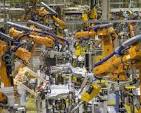
Revolutionizing Production: The Impact of AI in Manufacturing
AI in Manufacturing: Transforming the Industry
The manufacturing industry is undergoing a significant transformation with the integration of Artificial Intelligence (AI). This technology is reshaping how manufacturers operate, leading to increased efficiency, reduced costs, and improved product quality.
The Role of AI in Manufacturing
AI technologies are being leveraged in various aspects of manufacturing processes. From predictive maintenance to quality control, AI is enabling manufacturers to optimize operations and make data-driven decisions.
Predictive Maintenance
One of the most impactful applications of AI in manufacturing is predictive maintenance. By analyzing data from sensors and machines, AI systems can predict when equipment is likely to fail or require maintenance. This allows manufacturers to address issues before they lead to costly downtime.
Quality Control
AI-powered systems are enhancing quality control processes by using computer vision and machine learning algorithms to detect defects in products. These systems can analyze images or videos of products on the assembly line and identify flaws that may be missed by human inspectors.
Benefits of AI in Manufacturing
- Increased Efficiency: AI automates repetitive tasks and optimizes production schedules, leading to faster production times.
- Cost Reduction: By reducing downtime and minimizing waste, AI helps lower operational costs.
- Improved Product Quality: Enhanced quality control ensures that only high-quality products reach the market.
- Enhanced Decision-Making: Data-driven insights provided by AI empower manufacturers to make informed strategic decisions.
The Future of AI in Manufacturing
The future looks promising for AI in manufacturing. As technology continues to advance, we can expect even more sophisticated applications that will further revolutionize the industry. From fully autonomous factories to personalized production lines, the possibilities are vast.
The integration of AI not only boosts productivity but also creates new opportunities for innovation. Manufacturers who embrace these technologies will be better positioned to compete in an increasingly digital world.
Conclusion
AI is undeniably transforming the manufacturing landscape. By embracing this technology, manufacturers can achieve unprecedented levels of efficiency and quality while paving the way for future advancements. As we move forward, it will be exciting to see how AI continues to shape the industry for years to come.
Exploring AI in Manufacturing: Key Questions and Insights
- How is AI being used in production?
- How long has AI been used in manufacturing?
- How AI will impact the manufacturing industry?
- How is AI taking over manufacturing?
- What are some job roles specific to AI in the manufacturing sector?
- What is the future of AI in manufacturing?
- How is generative AI used in manufacturing?
How is AI being used in production?
AI is revolutionizing production processes in manufacturing by enhancing efficiency and precision. It is being used to automate routine tasks, reducing the need for human intervention and minimizing errors. AI-driven systems analyze vast amounts of data from production lines to optimize workflows, predict equipment malfunctions, and schedule maintenance proactively, thus preventing costly downtime. Additionally, AI is employed in quality control through advanced image recognition technologies that detect defects in products with greater accuracy than human inspectors. This integration of AI not only accelerates production times but also ensures consistent product quality, enabling manufacturers to meet high standards while reducing operational costs.
How long has AI been used in manufacturing?
AI has been used in manufacturing for several decades, but its adoption has significantly accelerated in recent years. The initial applications of AI in manufacturing can be traced back to the late 20th century when basic automation and robotics began to incorporate rudimentary AI techniques. However, it wasn’t until the advancement of machine learning algorithms and the increase in computational power in the early 21st century that AI started to play a more prominent role. Today, AI is integral to many manufacturing processes, from predictive maintenance and quality control to supply chain optimization and autonomous robotics, marking a new era of innovation and efficiency in the industry.
How AI will impact the manufacturing industry?
AI is set to have a profound impact on the manufacturing industry by revolutionizing how operations are conducted. By integrating AI technologies, manufacturers can achieve greater efficiency and precision in their processes. AI-powered predictive maintenance systems can anticipate equipment failures before they occur, reducing downtime and maintenance costs. Additionally, AI enhances quality control through advanced machine vision systems that detect defects more accurately than human inspectors. This results in higher-quality products and reduced waste. Furthermore, AI-driven data analytics provide manufacturers with valuable insights into their operations, enabling smarter decision-making and strategic planning. As AI continues to evolve, it will drive innovation in manufacturing, leading to more flexible production lines and customized products tailored to specific consumer demands. Overall, AI is poised to transform the manufacturing landscape by delivering increased productivity, cost savings, and improved product quality.
How is AI taking over manufacturing?
AI is significantly transforming the manufacturing industry by automating and optimizing various processes, leading to increased efficiency and productivity. Through the use of machine learning algorithms and advanced data analytics, AI systems can predict equipment failures, streamline supply chain operations, and enhance quality control measures. This technology allows for real-time monitoring and decision-making, reducing downtime and minimizing human error. Additionally, AI-driven robotics are taking over repetitive tasks on the assembly line, freeing up human workers to focus on more complex duties that require critical thinking and creativity. As a result, manufacturers are experiencing cost savings, improved product quality, and faster production times. The integration of AI is not about replacing human workers but augmenting their capabilities to create a more efficient manufacturing environment.
What are some job roles specific to AI in the manufacturing sector?
In the manufacturing sector, AI has given rise to a variety of specialized job roles that focus on integrating and optimizing artificial intelligence technologies within production processes. Some key roles include AI Specialists, who develop and implement machine learning models tailored to manufacturing needs; Data Scientists, responsible for analyzing large datasets to extract actionable insights that drive efficiency improvements; and Robotics Engineers, who design and maintain robotic systems that automate tasks on the factory floor. Additionally, there are roles like Predictive Maintenance Analysts, who use AI tools to monitor equipment health and predict failures before they occur, and Quality Assurance Engineers, who employ AI-driven systems to enhance product inspection and ensure high standards. These positions are crucial as they help manufacturers leverage AI to increase productivity, reduce costs, and improve overall operational effectiveness.
What is the future of AI in manufacturing?
The future of AI in manufacturing is poised to be transformative, driving the industry towards greater automation, efficiency, and customization. As AI technologies continue to advance, manufacturers can expect the development of fully autonomous factories where machines not only perform tasks but also make real-time decisions based on data analysis. This will lead to more efficient production processes with minimal human intervention. Additionally, AI will enable mass customization, allowing manufacturers to tailor products to individual customer preferences without sacrificing efficiency. The integration of AI with other emerging technologies such as the Internet of Things (IoT) and advanced robotics will further enhance predictive maintenance and quality control, reducing downtime and improving product quality. Overall, AI is set to revolutionize manufacturing by optimizing operations and fostering innovation across the industry.
How is generative AI used in manufacturing?
Generative AI is revolutionizing the manufacturing industry by enabling the design and optimization of products and processes in innovative ways. This technology uses algorithms to generate new designs and solutions based on specific parameters and constraints, allowing manufacturers to explore a wider range of possibilities than traditional methods. In product design, generative AI can create complex geometries that maximize performance while minimizing material use, leading to cost savings and more sustainable production practices. Additionally, it can be used to simulate various manufacturing scenarios, optimizing production schedules and workflows for greater efficiency. By leveraging generative AI, manufacturers can accelerate innovation cycles, reduce time-to-market, and enhance their competitive edge in the industry.