cfchris.com

Loading

applied artificial intelligence

Unlocking Potential: The Power of Applied Artificial Intelligence

Applied Artificial Intelligence: Transforming Industries

Applied Artificial Intelligence: Transforming Industries

Artificial Intelligence (AI) has moved from the realm of science fiction into real-world applications that are transforming industries across the globe. Applied AI refers to the practical implementation of AI technologies to solve specific problems and enhance efficiency in various sectors.

What is Applied Artificial Intelligence?

Applied AI involves using machine learning algorithms, neural networks, and other AI techniques to create systems that can perform tasks traditionally requiring human intelligence. This includes visual perception, speech recognition, decision-making, and language translation.

Key Areas of Application

The impact of applied AI is vast and spans multiple industries:

  • Healthcare: In healthcare, AI is used for predictive analytics, personalized medicine, and robotic surgery. It helps in diagnosing diseases more accurately and developing treatment plans tailored to individual patients.
  • Finance: Financial institutions use AI for fraud detection, algorithmic trading, and risk management. These applications help in identifying suspicious activities and making informed investment decisions.
  • Manufacturing: In manufacturing, AI enhances production processes through predictive maintenance and quality control. It helps reduce downtime by predicting equipment failures before they occur.
  • Retail: Retailers leverage AI for inventory management, customer service chatbots, and personalized shopping experiences. This improves customer satisfaction and optimizes supply chain operations.
  • Agriculture: Farmers use AI-driven tools for precision agriculture, which involves analyzing data from drones or sensors to optimize crop yields while minimizing resource usage.

The Benefits of Applied AI

The application of AI provides numerous benefits:

  1. Increased Efficiency: Automation of repetitive tasks leads to faster processing times and reduces human error.
  2. Improved Decision-Making: Data-driven insights enable better decision-making processes across various sectors.
  3. Cost Reduction: By optimizing processes and reducing waste, businesses can achieve significant cost savings.
  4. Enhanced Customer Experience: Personalized services improve customer engagement and satisfaction levels.

The Future of Applied Artificial Intelligence

The future of applied AI holds immense potential as advancements continue at a rapid pace. As technology evolves, we can expect even more sophisticated applications that will further revolutionize industries worldwide. However, it is essential to address ethical considerations such as data privacy and bias in algorithms to ensure responsible deployment of these technologies.

The ongoing integration of applied artificial intelligence into everyday operations signifies a transformative shift towards more intelligent systems capable of augmenting human capabilities like never before. As we embrace this technological evolution responsibly, the possibilities are limitless for creating a smarter world driven by innovation.


6 Essential Tips for Successfully Applying Artificial Intelligence in Real-World Scenarios

  1. Understand the problem you are trying to solve before applying AI.
  2. Collect and prepare high-quality data for training AI models.
  3. Choose the right AI algorithm or model based on the nature of the problem.
  4. Regularly evaluate and fine-tune your AI models to improve performance.
  5. Consider ethical implications and biases when deploying AI in real-world applications.
  6. Stay updated with the latest advancements in AI technology and research.

Understand the problem you are trying to solve before applying AI.

Before diving into the implementation of artificial intelligence solutions, it’s crucial to have a clear understanding of the problem at hand. This preliminary step ensures that AI is applied effectively and efficiently, tailored to address specific challenges rather than being a one-size-fits-all solution. By thoroughly analyzing the problem, stakeholders can identify the most relevant data, determine appropriate AI models, and set realistic goals for what the technology should achieve. This approach not only maximizes the potential benefits of AI but also minimizes wasted resources and time by avoiding unnecessary complexity. In essence, a well-defined problem statement lays the groundwork for successful AI application, ensuring that technological efforts align closely with business objectives and deliver tangible results.

Collect and prepare high-quality data for training AI models.

In the realm of applied artificial intelligence, one of the most crucial steps is collecting and preparing high-quality data for training AI models. The performance and accuracy of an AI system are heavily dependent on the quality of the data it learns from. High-quality data ensures that the model can recognize patterns effectively and make accurate predictions or decisions. This involves not only gathering a large volume of relevant data but also ensuring that it is clean, well-labeled, and representative of real-world scenarios. Proper data preparation includes handling missing values, eliminating duplicates, and normalizing formats to ensure consistency. By investing time and resources in this foundational step, organizations can significantly enhance the effectiveness of their AI applications, leading to more reliable outcomes and insights.

Choose the right AI algorithm or model based on the nature of the problem.

When applying artificial intelligence, selecting the appropriate algorithm or model is crucial to effectively addressing the specific problem at hand. Different AI algorithms are designed to tackle various types of tasks, such as classification, regression, clustering, or natural language processing. For instance, if the goal is to categorize images into different groups, a convolutional neural network (CNN) might be suitable due to its strength in image recognition tasks. On the other hand, for predicting future sales based on historical data, a time series forecasting model could be more appropriate. Understanding the nature of the problem allows for choosing an AI approach that maximizes accuracy and efficiency while minimizing computational resources. This strategic selection not only enhances performance but also ensures that AI solutions are tailored to meet specific business needs and objectives.

Regularly evaluate and fine-tune your AI models to improve performance.

Regularly evaluating and fine-tuning AI models is crucial for maintaining and enhancing their performance. As data evolves and business environments change, AI models can become less effective if not periodically updated. By continuously assessing model accuracy and relevance, organizations can identify areas for improvement and make necessary adjustments. Fine-tuning involves recalibrating the model’s parameters or incorporating new data to ensure it adapts to current conditions. This proactive approach not only helps in achieving more accurate predictions but also enhances the overall efficiency of AI systems, ensuring they deliver optimal results aligned with organizational goals.

Consider ethical implications and biases when deploying AI in real-world applications.

When deploying AI in real-world applications, it is crucial to consider the ethical implications and potential biases that may arise. AI systems are often trained on large datasets, which can inadvertently contain biases reflecting historical or societal prejudices. If not addressed, these biases can lead to unfair outcomes or reinforce existing inequalities. Ethical considerations should be at the forefront of AI development, ensuring transparency, accountability, and fairness in decision-making processes. By actively identifying and mitigating biases, developers and organizations can build trust with users and create AI systems that promote equitable treatment across diverse populations. Balancing innovation with ethical responsibility is essential for harnessing the full potential of applied artificial intelligence while safeguarding human rights and values.

Stay updated with the latest advancements in AI technology and research.

Staying updated with the latest advancements in AI technology and research is crucial for anyone involved in the field, as it ensures that individuals and organizations remain competitive and innovative. By keeping abreast of new developments, one can leverage cutting-edge techniques and tools to improve existing systems or create groundbreaking applications. This continuous learning process allows for the identification of emerging trends, such as novel machine learning algorithms or breakthroughs in neural network architectures, which can be pivotal in solving complex problems more efficiently. Additionally, understanding the latest research helps in anticipating future challenges and opportunities, enabling proactive strategies that align with technological progress. Engaging with academic publications, attending conferences, and participating in professional networks are effective ways to stay informed and inspired by the rapidly evolving landscape of artificial intelligence.

ai in manufacturing

Revolutionizing Production: The Impact of AI in Manufacturing

AI in Manufacturing: Transforming the Industry

AI in Manufacturing: Transforming the Industry

The manufacturing industry is undergoing a significant transformation with the integration of Artificial Intelligence (AI). This technology is reshaping how manufacturers operate, leading to increased efficiency, reduced costs, and improved product quality.

The Role of AI in Manufacturing

AI technologies are being leveraged in various aspects of manufacturing processes. From predictive maintenance to quality control, AI is enabling manufacturers to optimize operations and make data-driven decisions.

Predictive Maintenance

One of the most impactful applications of AI in manufacturing is predictive maintenance. By analyzing data from sensors and machines, AI systems can predict when equipment is likely to fail or require maintenance. This allows manufacturers to address issues before they lead to costly downtime.

Quality Control

AI-powered systems are enhancing quality control processes by using computer vision and machine learning algorithms to detect defects in products. These systems can analyze images or videos of products on the assembly line and identify flaws that may be missed by human inspectors.

Benefits of AI in Manufacturing

  • Increased Efficiency: AI automates repetitive tasks and optimizes production schedules, leading to faster production times.
  • Cost Reduction: By reducing downtime and minimizing waste, AI helps lower operational costs.
  • Improved Product Quality: Enhanced quality control ensures that only high-quality products reach the market.
  • Enhanced Decision-Making: Data-driven insights provided by AI empower manufacturers to make informed strategic decisions.

The Future of AI in Manufacturing

The future looks promising for AI in manufacturing. As technology continues to advance, we can expect even more sophisticated applications that will further revolutionize the industry. From fully autonomous factories to personalized production lines, the possibilities are vast.

The integration of AI not only boosts productivity but also creates new opportunities for innovation. Manufacturers who embrace these technologies will be better positioned to compete in an increasingly digital world.

Conclusion

AI is undeniably transforming the manufacturing landscape. By embracing this technology, manufacturers can achieve unprecedented levels of efficiency and quality while paving the way for future advancements. As we move forward, it will be exciting to see how AI continues to shape the industry for years to come.


Exploring AI in Manufacturing: Key Questions and Insights

  1. How is AI being used in production?
  2. How long has AI been used in manufacturing?
  3. How AI will impact the manufacturing industry?
  4. How is AI taking over manufacturing?
  5. What are some job roles specific to AI in the manufacturing sector?
  6. What is the future of AI in manufacturing?
  7. How is generative AI used in manufacturing?

How is AI being used in production?

AI is revolutionizing production processes in manufacturing by enhancing efficiency and precision. It is being used to automate routine tasks, reducing the need for human intervention and minimizing errors. AI-driven systems analyze vast amounts of data from production lines to optimize workflows, predict equipment malfunctions, and schedule maintenance proactively, thus preventing costly downtime. Additionally, AI is employed in quality control through advanced image recognition technologies that detect defects in products with greater accuracy than human inspectors. This integration of AI not only accelerates production times but also ensures consistent product quality, enabling manufacturers to meet high standards while reducing operational costs.

How long has AI been used in manufacturing?

AI has been used in manufacturing for several decades, but its adoption has significantly accelerated in recent years. The initial applications of AI in manufacturing can be traced back to the late 20th century when basic automation and robotics began to incorporate rudimentary AI techniques. However, it wasn’t until the advancement of machine learning algorithms and the increase in computational power in the early 21st century that AI started to play a more prominent role. Today, AI is integral to many manufacturing processes, from predictive maintenance and quality control to supply chain optimization and autonomous robotics, marking a new era of innovation and efficiency in the industry.

How AI will impact the manufacturing industry?

AI is set to have a profound impact on the manufacturing industry by revolutionizing how operations are conducted. By integrating AI technologies, manufacturers can achieve greater efficiency and precision in their processes. AI-powered predictive maintenance systems can anticipate equipment failures before they occur, reducing downtime and maintenance costs. Additionally, AI enhances quality control through advanced machine vision systems that detect defects more accurately than human inspectors. This results in higher-quality products and reduced waste. Furthermore, AI-driven data analytics provide manufacturers with valuable insights into their operations, enabling smarter decision-making and strategic planning. As AI continues to evolve, it will drive innovation in manufacturing, leading to more flexible production lines and customized products tailored to specific consumer demands. Overall, AI is poised to transform the manufacturing landscape by delivering increased productivity, cost savings, and improved product quality.

How is AI taking over manufacturing?

AI is significantly transforming the manufacturing industry by automating and optimizing various processes, leading to increased efficiency and productivity. Through the use of machine learning algorithms and advanced data analytics, AI systems can predict equipment failures, streamline supply chain operations, and enhance quality control measures. This technology allows for real-time monitoring and decision-making, reducing downtime and minimizing human error. Additionally, AI-driven robotics are taking over repetitive tasks on the assembly line, freeing up human workers to focus on more complex duties that require critical thinking and creativity. As a result, manufacturers are experiencing cost savings, improved product quality, and faster production times. The integration of AI is not about replacing human workers but augmenting their capabilities to create a more efficient manufacturing environment.

What are some job roles specific to AI in the manufacturing sector?

In the manufacturing sector, AI has given rise to a variety of specialized job roles that focus on integrating and optimizing artificial intelligence technologies within production processes. Some key roles include AI Specialists, who develop and implement machine learning models tailored to manufacturing needs; Data Scientists, responsible for analyzing large datasets to extract actionable insights that drive efficiency improvements; and Robotics Engineers, who design and maintain robotic systems that automate tasks on the factory floor. Additionally, there are roles like Predictive Maintenance Analysts, who use AI tools to monitor equipment health and predict failures before they occur, and Quality Assurance Engineers, who employ AI-driven systems to enhance product inspection and ensure high standards. These positions are crucial as they help manufacturers leverage AI to increase productivity, reduce costs, and improve overall operational effectiveness.

What is the future of AI in manufacturing?

The future of AI in manufacturing is poised to be transformative, driving the industry towards greater automation, efficiency, and customization. As AI technologies continue to advance, manufacturers can expect the development of fully autonomous factories where machines not only perform tasks but also make real-time decisions based on data analysis. This will lead to more efficient production processes with minimal human intervention. Additionally, AI will enable mass customization, allowing manufacturers to tailor products to individual customer preferences without sacrificing efficiency. The integration of AI with other emerging technologies such as the Internet of Things (IoT) and advanced robotics will further enhance predictive maintenance and quality control, reducing downtime and improving product quality. Overall, AI is set to revolutionize manufacturing by optimizing operations and fostering innovation across the industry.

How is generative AI used in manufacturing?

Generative AI is revolutionizing the manufacturing industry by enabling the design and optimization of products and processes in innovative ways. This technology uses algorithms to generate new designs and solutions based on specific parameters and constraints, allowing manufacturers to explore a wider range of possibilities than traditional methods. In product design, generative AI can create complex geometries that maximize performance while minimizing material use, leading to cost savings and more sustainable production practices. Additionally, it can be used to simulate various manufacturing scenarios, optimizing production schedules and workflows for greater efficiency. By leveraging generative AI, manufacturers can accelerate innovation cycles, reduce time-to-market, and enhance their competitive edge in the industry.

artificial intelligence companies

Exploring the Innovations of Artificial Intelligence Companies

Artificial Intelligence Companies: Shaping the Future

Artificial Intelligence Companies: Shaping the Future

The landscape of technology is rapidly evolving, and at the forefront of this transformation are artificial intelligence (AI) companies. These organizations are pioneering advancements that are not only reshaping industries but also redefining how we interact with technology in our daily lives.

Leading AI Companies Making an Impact

Several key players in the AI industry are pushing boundaries and setting new standards. Here are a few notable companies:

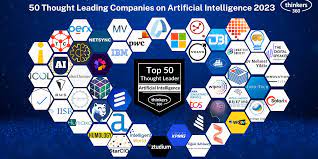
  • Google DeepMind: Known for its cutting-edge research, Google DeepMind has made significant strides in machine learning and neural networks. Their work on AlphaGo, which defeated a world champion Go player, demonstrated the potential of AI in mastering complex tasks.
  • OpenAI: OpenAI aims to ensure that artificial general intelligence benefits all of humanity. With projects like GPT-3, they have showcased remarkable capabilities in natural language processing and generation.
  • IBM Watson: IBM’s Watson has been instrumental in applying AI to healthcare, finance, and customer service. Its ability to analyze vast amounts of data quickly makes it a valuable tool for businesses seeking insights.
  • NVIDIA: While primarily known for its graphics processing units (GPUs), NVIDIA has become a leader in AI hardware. Their technology accelerates machine learning processes, making it possible to train complex models faster than ever before.

The Role of Startups in AI Innovation

Apart from established giants, numerous startups are contributing significantly to AI innovation. These smaller companies often bring fresh perspectives and agile methodologies that drive progress:

  • CognitiveScale: Specializing in augmented intelligence solutions for various sectors including healthcare and financial services, CognitiveScale leverages machine learning to deliver personalized experiences.
  • Sensetime: As one of the world’s most valuable AI startups, Sensetime focuses on facial recognition technology and computer vision applications used across security systems and smart cities.

The Impact on Industries

The influence of AI companies extends across multiple industries:

  1. Healthcare: From predictive diagnostics to personalized medicine, AI is enhancing patient care and operational efficiency.
  2. Finance: Algorithms can analyze market trends faster than humans ever could, leading to smarter investment strategies and fraud detection systems.
  3. Retail: Personalized recommendations powered by AI improve customer satisfaction while optimizing inventory management for retailers.

The Future of Artificial Intelligence Companies

The future looks promising as artificial intelligence continues its rapid advancement. As these companies develop more sophisticated algorithms and technologies become increasingly integrated into our lives; ethical considerations will play a crucial role ensuring responsible development practices prevail over time.

The collaboration between industry leaders academia governments will be essential harnessing full potential safely securely ultimately benefiting society whole paving way smarter more connected world tomorrow today!


9 Ways Artificial Intelligence Companies Are Transforming Industries and Enhancing Lives

  1. 1. Innovate industries with cutting-edge technology.
  2. 2. Enhance efficiency and productivity in various sectors.
  3. 3. Enable personalized user experiences through data analysis.
  4. 4. Improve decision-making processes with advanced algorithms.
  5. 5. Drive automation of repetitive tasks, saving time and resources.
  6. 6. Enhance customer service with chatbots and virtual assistants.
  7. 7. Revolutionize healthcare with predictive analytics and diagnostics.
  8. 8. Boost cybersecurity measures through AI-powered threat detection systems.
  9. 9. Foster continuous learning and adaptation for ongoing improvement.


Addressing the Challenges: Privacy, Employment, and Bias in AI Companies

  1. Privacy Concerns
  2. Job Displacement
  3. Bias in Algorithms

1. Innovate industries with cutting-edge technology.

Artificial intelligence companies are at the forefront of innovation, leveraging cutting-edge technology to revolutionize various industries. By developing advanced algorithms and machine learning models, these companies enable unprecedented levels of automation and efficiency. In healthcare, AI is transforming diagnostics and personalized medicine, allowing for more accurate predictions and tailored treatments. In finance, AI-driven analytics provide insights that lead to smarter investment decisions and improved risk management. Additionally, in manufacturing, AI optimizes production processes through predictive maintenance and quality control. By continuously pushing the boundaries of what’s possible, artificial intelligence companies are not only enhancing existing sectors but also paving the way for entirely new markets and opportunities.

2. Enhance efficiency and productivity in various sectors.

Artificial intelligence companies have proven to enhance efficiency and productivity across various sectors through the automation of tasks, data analysis, and predictive capabilities. By implementing AI-driven solutions, businesses can streamline operations, optimize resource allocation, and make data-driven decisions faster and more accurately. This increased efficiency not only saves time and reduces costs but also allows organizations to focus on innovation and strategic initiatives, ultimately leading to improved performance and competitiveness in the market.

3. Enable personalized user experiences through data analysis.

Artificial intelligence companies excel in enabling personalized user experiences by leveraging advanced data analysis techniques. By collecting and analyzing vast amounts of user data, AI systems can identify patterns and preferences that allow for tailored recommendations and interactions. This capability is particularly beneficial in industries like retail, entertainment, and online services, where understanding individual user behavior can significantly enhance customer satisfaction and engagement. For instance, streaming platforms use AI to suggest content based on viewing history, while e-commerce sites recommend products that align with past purchases or browsing habits. Through these personalized experiences, AI companies not only improve user satisfaction but also foster brand loyalty and drive business growth.

4. Improve decision-making processes with advanced algorithms.

Artificial intelligence companies are revolutionizing decision-making processes by leveraging advanced algorithms that can analyze vast amounts of data with unprecedented speed and accuracy. These algorithms enable businesses to identify patterns, predict outcomes, and make informed decisions more efficiently than ever before. By processing complex datasets and generating actionable insights, AI technology helps organizations optimize operations, reduce risks, and capitalize on opportunities. This enhanced decision-making capability not only drives business growth but also fosters innovation across various sectors, as companies can now rely on data-driven strategies to navigate an increasingly competitive landscape.

5. Drive automation of repetitive tasks, saving time and resources.

Artificial intelligence companies play a pivotal role in driving the automation of repetitive tasks, which significantly saves time and resources for businesses across various industries. By utilizing advanced algorithms and machine learning techniques, AI systems can efficiently handle tasks that were traditionally performed by humans, such as data entry, customer service inquiries, and routine maintenance operations. This automation not only boosts productivity by freeing up employees to focus on more strategic and creative endeavors but also reduces the likelihood of human error. As a result, companies can allocate their resources more effectively, leading to cost savings and improved operational efficiency. In essence, AI-driven automation empowers organizations to operate smarter and faster in an increasingly competitive landscape.

6. Enhance customer service with chatbots and virtual assistants.

Artificial intelligence companies are revolutionizing customer service by deploying chatbots and virtual assistants, which significantly enhance the customer experience. These AI-driven tools are available 24/7, providing immediate responses to customer inquiries and handling a wide range of tasks, from answering frequently asked questions to assisting with transactions. By automating routine interactions, chatbots free up human agents to focus on more complex issues that require a personal touch. This not only increases efficiency but also ensures that customers receive timely and accurate information. Additionally, AI-powered virtual assistants can learn from each interaction, continuously improving their ability to understand and respond to customer needs more effectively over time. As a result, businesses can offer a seamless and personalized service experience that boosts customer satisfaction and loyalty.

7. Revolutionize healthcare with predictive analytics and diagnostics.

Artificial intelligence companies are revolutionizing healthcare by leveraging predictive analytics and diagnostics. Through advanced algorithms and machine learning, these companies can analyze vast amounts of patient data to predict potential health issues, identify patterns, and provide early detection of diseases. This proactive approach not only improves patient outcomes but also enhances the efficiency of healthcare systems by enabling more accurate diagnoses and personalized treatment plans. By harnessing the power of AI, healthcare providers can deliver better care, save lives, and ultimately transform the way we approach healthcare.

8. Boost cybersecurity measures through AI-powered threat detection systems.

Artificial intelligence companies are revolutionizing cybersecurity by developing AI-powered threat detection systems that significantly enhance protective measures. These advanced systems can analyze vast amounts of data in real-time, identifying potential threats and vulnerabilities much faster than traditional methods. By leveraging machine learning algorithms, these systems continuously learn and adapt to new attack patterns, making them highly effective at detecting both known and emerging threats. This proactive approach not only helps in mitigating risks before they cause harm but also reduces the burden on human cybersecurity teams, allowing them to focus on more complex tasks. As cyber threats become increasingly sophisticated, AI-driven solutions provide a robust defense mechanism that is crucial for safeguarding sensitive information and maintaining the integrity of digital infrastructures.

9. Foster continuous learning and adaptation for ongoing improvement.

Artificial intelligence companies play a crucial role in fostering continuous learning and adaptation, which is essential for ongoing improvement. By leveraging machine learning algorithms and data analytics, these companies enable systems to learn from new data and experiences, leading to enhanced performance over time. This iterative process allows AI technologies to adapt to changing environments and user needs, ensuring they remain effective and relevant. As a result, businesses that integrate AI solutions can benefit from more efficient operations, improved decision-making processes, and the ability to stay ahead in competitive markets. This capacity for continuous learning not only drives innovation but also empowers organizations to respond swiftly to emerging challenges and opportunities.

Privacy Concerns

The rapid advancement of artificial intelligence technologies has brought about significant privacy concerns, as AI companies often collect and analyze vast amounts of data to enhance their algorithms and services. This data collection can include sensitive personal information, leading to potential risks of unauthorized access, misuse, or data breaches. As these companies gather more data to improve their AI models, questions arise about how securely this information is stored and who has access to it. Additionally, the lack of transparency in how data is used and shared can erode trust among consumers. As a result, there is growing pressure on AI companies to implement robust privacy measures and adhere to strict data protection regulations to safeguard user information and maintain public confidence.

Job Displacement

The rise of artificial intelligence technologies has brought about significant advancements in efficiency and productivity, but it also presents the challenge of job displacement. As AI systems become increasingly capable of automating tasks traditionally performed by humans, certain roles across various industries are at risk of becoming obsolete. This shift can lead to a reduction in employment opportunities for workers whose skills are replaced by machines, creating economic and social challenges. While AI has the potential to create new jobs in emerging fields, the transition may not be seamless for everyone, especially for those without access to retraining or upskilling programs. Addressing this issue requires proactive measures from both companies and policymakers to ensure that affected workers are supported and prepared for new opportunities in the evolving job market.

Bias in Algorithms

Artificial intelligence companies face a significant challenge in addressing bias in algorithms, which arises when AI systems are trained on data that reflects existing prejudices or inequalities. This bias can lead to discriminatory outcomes, particularly if the data used is not representative of diverse populations. For instance, facial recognition technology may perform poorly on certain demographic groups if the training data lacks sufficient diversity. As AI becomes increasingly integrated into decision-making processes across various sectors, such as hiring, law enforcement, and lending, biased algorithms can perpetuate and even exacerbate societal inequalities. It is crucial for AI companies to implement rigorous checks and balances during the development phase to ensure fairness and accuracy, actively seeking diverse datasets and continuously monitoring algorithmic performance to mitigate potential biases.

freelance software

Unlocking the Potential of Freelance Software Development

The World of Freelance Software Development

The World of Freelance Software Development

In today’s digital age, freelance software development has become a popular choice for both developers and businesses. Freelancers offer flexibility, specialized skills, and cost-effectiveness that traditional employment models may not provide.

Freelance software developers are independent professionals who work on a project basis for various clients. They have the freedom to choose their projects, set their rates, and work remotely from anywhere in the world.

Benefits of Hiring Freelance Software Developers:

  • Flexibility: Businesses can hire freelancers for short-term projects or ongoing support without the commitment of a full-time employee.
  • Specialized Skills: Freelancers often have expertise in niche areas of software development, allowing businesses to access specialized knowledge they may not have in-house.
  • Cost-Effectiveness: Hiring freelancers can be more cost-effective than maintaining a full-time team, as businesses only pay for the work completed on a project-by-project basis.
  • Global Talent Pool: Businesses can tap into a global talent pool by hiring freelance developers from different countries with diverse backgrounds and experiences.
  • Rapid Scaling: Freelancers can help businesses scale their development resources up or down quickly based on project requirements.

Challenges of Freelance Software Development:

While freelance software development offers many benefits, there are also challenges to consider:

  • Communication: Remote communication can sometimes be challenging, leading to misunderstandings or delays in project delivery.
  • Quality Control: Ensuring consistent quality across multiple freelancers working on different aspects of a project can be a concern for some businesses.
  • Project Management: Coordinating tasks and timelines among multiple freelancers requires effective project management skills to ensure smooth collaboration.
  • Data Security: Protecting sensitive data when working with external freelancers requires robust security measures and confidentiality agreements.

In conclusion, freelance software development offers a wealth of opportunities for both developers seeking independence and businesses looking for flexible solutions. By understanding the benefits and challenges associated with freelance work, stakeholders can make informed decisions that lead to successful collaborations in the dynamic world of software development.


7 Benefits of Freelance Software Work: Flexibility, Independence, and Enhanced Earnings

  1. Flexibility in choosing projects and working hours
  2. Ability to set your own rates and negotiate with clients
  3. Opportunity to work with diverse clients from around the world
  4. Independence and autonomy in managing your workload
  5. Potential for higher earnings compared to traditional employment
  6. Enhanced skill development through exposure to varied projects
  7. Work-life balance by creating a schedule that suits your lifestyle


Overcoming Freelance Software Hurdles: Communication, Quality Control, and Project Management Challenges

  1. Communication challenges due to remote work
  2. Quality control issues with multiple freelancers working on different aspects of a project
  3. Difficulty in project management and coordination among freelancers

Flexibility in choosing projects and working hours

One of the key advantages of freelance software development is the unparalleled flexibility it offers in selecting projects and determining working hours. Freelancers have the autonomy to choose projects that align with their interests, expertise, and schedule preferences. This freedom empowers them to create a work-life balance that suits their individual needs, leading to increased job satisfaction and productivity. Additionally, clients benefit from this flexibility as they can engage with freelancers who are fully committed and motivated to deliver high-quality results on their own terms.

Ability to set your own rates and negotiate with clients

The ability to set your own rates and negotiate with clients is a significant advantage of freelance software development. Freelancers have the flexibility to determine their worth based on their skills, experience, and the complexity of the project. This autonomy empowers freelancers to establish fair pricing that reflects the value they bring to clients, leading to more transparent and mutually beneficial negotiations. By setting competitive rates and engaging in constructive discussions with clients, freelancers can build strong professional relationships while ensuring they are appropriately compensated for their expertise and services.

Opportunity to work with diverse clients from around the world

One significant advantage of freelance software development is the opportunity it provides to work with diverse clients from around the world. Freelancers have the chance to collaborate with individuals and businesses across different cultures, industries, and geographical locations. This exposure not only broadens their professional network but also allows them to gain valuable insights, perspectives, and experiences that can enhance their skills and creativity. Working with diverse clients fosters a dynamic and enriching work environment, promoting continuous learning and growth in the ever-evolving field of software development.

Independence and autonomy in managing your workload

Independence and autonomy in managing your workload are significant advantages of freelance software development. As a freelance developer, you have the freedom to choose the projects that align with your interests and expertise, set your own schedule, and determine how you allocate your time and resources. This level of control allows you to maintain a healthy work-life balance, take on projects that inspire you, and tailor your workload to suit your personal preferences and professional goals. Ultimately, the independence and autonomy inherent in freelance software work empower you to create a fulfilling and sustainable career path that aligns with your unique strengths and aspirations.

Potential for higher earnings compared to traditional employment

Freelance software developers have the potential for higher earnings compared to traditional employment due to their ability to set their own rates, take on multiple projects simultaneously, and cater to a global client base. By leveraging their specialized skills and expertise, freelancers can command competitive rates for their services, leading to increased income opportunities. Additionally, freelancers have the flexibility to negotiate project fees based on the complexity and scope of work, allowing them to maximize their earning potential in a way that may not be possible in a traditional employment setting.

Enhanced skill development through exposure to varied projects

Freelance software developers benefit from enhanced skill development through exposure to varied projects. Working on diverse assignments for different clients allows freelancers to expand their expertise, adapt to new technologies, and solve unique challenges. This exposure not only broadens their skill set but also fosters creativity and innovation as they navigate a range of project requirements. By engaging in a variety of projects, freelance developers continuously refine their abilities, stay current with industry trends, and cultivate a versatile skill set that sets them apart in the competitive software development landscape.

Work-life balance by creating a schedule that suits your lifestyle

Freelance software development allows professionals to achieve better work-life balance by creating a schedule that aligns with their lifestyle. Unlike traditional office jobs with fixed hours, freelancers have the flexibility to choose when and where they work. This freedom enables them to prioritize personal commitments, hobbies, and downtime while still meeting project deadlines. By tailoring their work schedule to suit their individual needs, freelance software developers can strike a harmonious balance between work responsibilities and personal well-being, leading to increased productivity and job satisfaction.

Communication challenges due to remote work

Communication challenges due to remote work can be a significant drawback of freelance software development. Without the benefit of face-to-face interaction, misunderstandings can arise more easily, leading to delays in project progress and potential misalignment of expectations between freelancers and clients. Clear and effective communication becomes crucial in overcoming this con, requiring both parties to utilize various digital tools and establish structured communication channels to ensure smooth collaboration and project success.

Quality control issues with multiple freelancers working on different aspects of a project

Quality control can be a significant challenge in freelance software development when multiple freelancers are working on different aspects of a project. Ensuring consistency in coding standards, design elements, and overall project quality becomes complex when each freelancer brings their unique style and approach to the table. Coordinating efforts to maintain a cohesive end product requires meticulous oversight and clear communication among team members to address any discrepancies and uphold the desired quality standards throughout the project lifecycle.

Difficulty in project management and coordination among freelancers

One significant challenge of freelance software development is the difficulty in project management and coordination among freelancers. When multiple freelancers are involved in a project, ensuring seamless collaboration, aligning tasks and timelines, and maintaining consistent communication can be complex. Coordinating the efforts of freelancers who work remotely and have varying schedules and priorities requires strong project management skills and effective communication strategies to overcome potential obstacles and ensure the successful delivery of projects within deadlines.

rapid application development

Accelerating Innovation: The Power of Rapid Application Development

Rapid Application Development: Accelerating Software Development Processes

In today’s fast-paced digital world, businesses are constantly seeking ways to streamline their software development processes to meet the ever-changing demands of the market. One approach that has gained significant traction in recent years is Rapid Application Development (RAD).

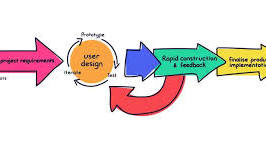
Rapid Application Development is a software development methodology that prioritizes rapid prototyping and iterative development over traditional planning and extensive upfront design. The primary goal of RAD is to accelerate the development process and deliver working software quickly.

One of the key principles of RAD is active user involvement throughout the development cycle. By involving end-users early on in the process, developers can gather feedback, iterate on designs, and ensure that the final product meets user expectations.

RAD emphasizes collaboration between cross-functional teams, including developers, designers, and business stakeholders. This collaborative approach helps identify potential issues early in the development cycle and allows for quick adjustments to be made.

Another hallmark of RAD is the use of rapid prototyping tools and techniques to create functional prototypes quickly. These prototypes serve as a visual representation of the final product and help stakeholders visualize the end result early in the process.

By focusing on delivering working software in short iterations, RAD enables businesses to respond swiftly to changing requirements and market dynamics. This agility is crucial in today’s competitive landscape where speed-to-market can often make or break a product’s success.

While RAD offers many benefits in terms of speed and flexibility, it also comes with its challenges. Managing scope creep, ensuring quality control, and maintaining documentation can be more challenging in a rapid development environment. However, with proper planning and effective communication, these challenges can be mitigated.

In conclusion, Rapid Application Development has emerged as a valuable methodology for accelerating software development processes in response to today’s fast-paced business environment. By embracing RAD principles and practices, businesses can deliver innovative solutions quickly while remaining responsive to evolving market needs.


Understanding Rapid Application Development: Key Differences, Uses, Stages, Examples, and Applications

  1. What is the difference between RAD and agile?
  2. What is RAD used for?
  3. What are the 5 stages of rapid application development?
  4. What is a real life example of rapid application development?
  5. What are the 4 phases of rapid application development?
  6. Where is rapid application development used?

What is the difference between RAD and agile?

When comparing Rapid Application Development (RAD) and Agile methodologies, it’s essential to understand that while both approaches emphasize iterative development and collaboration, they differ in their focus and implementation. RAD typically places more emphasis on rapid prototyping and quick delivery of working software, aiming to accelerate the development process through intensive user involvement and feedback. On the other hand, Agile is a broader methodology that encompasses various frameworks like Scrum and Kanban, emphasizing adaptability, continuous improvement, and incremental delivery. While RAD is known for its speed and efficiency in delivering prototypes, Agile offers a more structured approach to project management with defined roles, ceremonies, and iterative planning. Ultimately, the choice between RAD and Agile depends on the specific needs of the project and the desired balance between speed and structure in the development process.

What is RAD used for?

One frequently asked question about Rapid Application Development (RAD) is, “What is RAD used for?” RAD is commonly used to accelerate the software development process by focusing on rapid prototyping, iterative development, and active user involvement. This methodology is employed to quickly deliver working software that meets user requirements and adapts to changing market needs. RAD is particularly beneficial for projects where speed-to-market and flexibility are critical, allowing businesses to respond swiftly to evolving demands and gain a competitive edge in today’s fast-paced digital landscape.

What are the 5 stages of rapid application development?

In Rapid Application Development (RAD), the development process typically consists of five key stages. The first stage is Requirements Planning, where project goals and user requirements are defined. This is followed by User Design, where prototypes and mock-ups are created based on user feedback. The third stage is Rapid Construction, where the actual coding and development of the application take place in short iterations. Next is Cutover, where the application is deployed and tested in a live environment. Finally, the fifth stage is Post-Implementation Support, where ongoing maintenance and support ensure the application’s continued success. These five stages form a structured framework that allows for rapid development and iterative improvements based on user input and feedback throughout the process.

What is a real life example of rapid application development?

In a real-life scenario, a prime example of Rapid Application Development (RAD) can be seen in the development of mobile applications. Mobile app development often follows RAD principles to meet the fast-paced demands of the market. Companies aiming to launch a new app quickly may opt for RAD methodologies to prototype, iterate, and release features rapidly based on user feedback. By involving stakeholders and end-users early in the process, developers can create user-centric mobile apps that are both functional and responsive to changing requirements. This iterative approach allows for quick adjustments and enhancements, ensuring that the final product aligns with user expectations and market trends.

What are the 4 phases of rapid application development?

In Rapid Application Development (RAD), the development process typically consists of four main phases: Requirements Planning, User Design, Rapid Construction, and Cutover. In the Requirements Planning phase, project requirements are gathered and analyzed in collaboration with stakeholders to define the scope of the project. The User Design phase focuses on creating prototypes and mockups based on user feedback to visualize the final product. Rapid Construction involves iterative development cycles where software features are built and refined quickly. Finally, the Cutover phase involves deploying the application and transitioning it into production. These four phases of RAD emphasize speed, flexibility, and user involvement throughout the software development lifecycle to deliver high-quality solutions efficiently.

Where is rapid application development used?

Rapid Application Development (RAD) is commonly used in various industries and scenarios where there is a need for quick development and deployment of software solutions. It is often employed in projects with tight deadlines, prototyping new ideas, building proof-of-concept applications, and addressing rapidly evolving business requirements. RAD is particularly beneficial in industries such as software development, IT consulting, finance, healthcare, and e-commerce where agility and speed-to-market are critical factors for success. By leveraging RAD methodologies, organizations can accelerate the software development process, reduce time-to-market, and stay competitive in today’s fast-paced digital landscape.

end to end software development

Mastering End-to-End Software Development: A Comprehensive Guide

The Importance of End-to-End Software Development

The Importance of End-to-End Software Development

In the world of software development, the concept of end-to-end development plays a crucial role in ensuring the successful delivery of high-quality applications. End-to-end software development refers to the process of creating a software product from concept to deployment, encompassing all stages of development.

Key Phases of End-to-End Software Development:

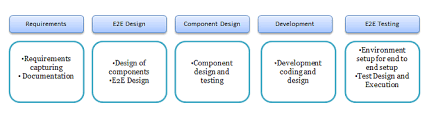
  1. Planning and Analysis: This phase involves gathering requirements, defining project scope, and creating a roadmap for development.
  2. Design: During this stage, the architecture, user interface, and overall design of the software are conceptualized and documented.
  3. Development: The actual coding and implementation of the software take place in this phase, where developers bring the design to life.
  4. Testing: Quality assurance is essential in end-to-end development to identify and fix bugs or issues before deployment.
  5. Deployment and Maintenance: Once testing is complete, the software is deployed to production environments, followed by ongoing maintenance and support.

The Benefits of End-to-End Software Development:

  • Streamlined Process: By following a structured end-to-end approach, teams can ensure smoother collaboration and communication throughout the project lifecycle.
  • Better Quality Control: Comprehensive testing at every stage helps identify and rectify issues early on, leading to a more robust final product.
  • Faster Time to Market: Efficient planning and execution result in quicker delivery times, allowing businesses to stay competitive in rapidly evolving markets.
  • Cohesive User Experience: A holistic approach ensures that all components of the software work seamlessly together, providing users with a consistent experience.
  • Improved Customer Satisfaction: Delivering a well-designed and fully functional product enhances customer satisfaction and loyalty.

In conclusion, end-to-end software development is essential for creating successful applications that meet user needs while adhering to quality standards. By embracing this comprehensive approach, organizations can drive innovation, increase efficiency, and achieve their business objectives effectively.


Understanding End-to-End Software Development: 9 Key Questions Answered

  1. What is end-to-end software development?
  2. Why is end-to-end software development important?
  3. What are the key phases of end-to-end software development?
  4. How does planning and analysis contribute to end-to-end software development?
  5. What role does design play in the process of end-to-end software development?
  6. Why is testing crucial in end-to-end software development?
  7. How is deployment and maintenance managed in the context of end-to-end software development?
  8. What are the benefits of following an end-to-end approach in software development?
  9. How can organizations ensure successful implementation of end-to-end software development?

What is end-to-end software development?

End-to-end software development refers to the comprehensive process of creating a software product from its initial concept to its final deployment and ongoing maintenance. This approach encompasses all stages of development, including planning, design, coding, testing, deployment, and support. By following an end-to-end software development methodology, teams ensure that every aspect of the software is carefully crafted and integrated to deliver a high-quality product that meets user requirements effectively. This holistic approach aims to streamline the development process, enhance quality control, and ultimately deliver successful software solutions that drive business value and user satisfaction.

Why is end-to-end software development important?

Understanding the importance of end-to-end software development is crucial for achieving successful outcomes in software projects. End-to-end development ensures a comprehensive approach from initial planning and design to deployment and maintenance. By encompassing all stages of the development lifecycle, teams can streamline processes, maintain quality control, accelerate time to market, enhance user experience, and ultimately boost customer satisfaction. Embracing end-to-end software development is key to delivering robust, reliable, and user-friendly applications that meet the evolving needs of businesses and users alike.

What are the key phases of end-to-end software development?

One of the frequently asked questions regarding end-to-end software development is, “What are the key phases of end-to-end software development?” The key phases of end-to-end software development typically include planning and analysis, design, development, testing, and deployment/maintenance. Each phase plays a crucial role in the overall success of a software project, starting from gathering requirements and defining project scope to coding, testing for quality assurance, and finally deploying the software to production environments with ongoing maintenance. Following these structured phases ensures a systematic approach to creating high-quality software products that meet user needs effectively.

How does planning and analysis contribute to end-to-end software development?

Planning and analysis play a crucial role in contributing to end-to-end software development by setting the foundation for a successful project. During the planning and analysis phase, requirements are gathered, project scope is defined, and a roadmap for development is established. This initial stage allows stakeholders to align on project goals, identify potential challenges, and create a clear vision for the software product. Effective planning and analysis help in laying out the groundwork for design, development, testing, deployment, and maintenance phases, ensuring that the software meets user needs, quality standards, and business objectives throughout the entire development lifecycle.

What role does design play in the process of end-to-end software development?

In the process of end-to-end software development, design plays a pivotal role in shaping the user experience and functionality of the final product. Design encompasses not only the visual aesthetics but also the overall architecture, usability, and interaction flow of the software. A well-thought-out design phase ensures that user needs are met, and the software is intuitive and easy to navigate. By considering design early in the development process, teams can align on a cohesive vision for the product and avoid costly rework later on. Ultimately, design acts as a guiding force that influences every aspect of software development, contributing to a successful end-to-end delivery that resonates with users and meets business objectives.

Why is testing crucial in end-to-end software development?

Testing plays a crucial role in end-to-end software development as it helps ensure the quality, reliability, and functionality of the final product. By conducting thorough testing at each stage of the development process, developers can identify and address issues early on, preventing costly errors from reaching production environments. Testing also helps validate that all components of the software work together seamlessly, providing a smooth user experience. Ultimately, robust testing practices in end-to-end software development contribute to delivering a high-quality product that meets user expectations and business requirements.

How is deployment and maintenance managed in the context of end-to-end software development?

In the context of end-to-end software development, deployment and maintenance are crucial stages that require careful planning and management. Deployment involves the process of releasing the software to production environments, ensuring that it functions correctly and efficiently for end-users. This phase typically involves coordination between development teams, system administrators, and stakeholders to minimize downtime and ensure a smooth transition. On the other hand, maintenance involves ongoing support, updates, and bug fixes to keep the software running smoothly post-deployment. Effective deployment and maintenance strategies in end-to-end development require continuous monitoring, feedback loops, automation tools, and collaboration among cross-functional teams to address issues promptly and optimize performance for long-term success.

What are the benefits of following an end-to-end approach in software development?

Following an end-to-end approach in software development offers a multitude of benefits. By encompassing all stages of the development process from planning and analysis to deployment and maintenance, teams can ensure a streamlined and cohesive workflow. This comprehensive method allows for better quality control through thorough testing, leading to the identification and resolution of issues early on. Additionally, an end-to-end approach results in faster time to market, enabling businesses to stay competitive and meet evolving market demands promptly. A holistic focus on user experience ensures that all components of the software work seamlessly together, ultimately enhancing customer satisfaction and loyalty. Overall, embracing an end-to-end approach in software development promotes efficiency, innovation, and successful project outcomes.

How can organizations ensure successful implementation of end-to-end software development?

To ensure successful implementation of end-to-end software development, organizations should focus on several key aspects. Firstly, clear communication and collaboration among all stakeholders are essential to align goals and expectations throughout the project lifecycle. Additionally, thorough planning and requirement gathering at the initial stages help in defining the scope and objectives of the software development process. Adequate resource allocation, including skilled team members and necessary tools, is crucial for efficient execution. Regular testing and quality assurance practices should be integrated into each phase to identify and address any issues promptly. Lastly, continuous monitoring, feedback collection, and adaptation to changing requirements play a vital role in achieving a successful end result in software development projects.