
cfchris.com

Loading

Archives August 2026

for java

A Beginner’s Guide to Programming for Java Apps

Getting Started with Java Programming

Java is a popular, general-purpose programming language used to build everything from web applications and business software to Android apps and large-scale systems. Its combination of readability, portability, and extensive tooling makes it a strong choice for both new programmers and experienced developers.

What Is Java?

Java is a class-based, object-oriented language. Developers write Java source code, which is compiled into bytecode. The Java Virtual Machine (JVM) runs that bytecode on compatible devices and operating systems. This approach helps Java programs run across different platforms without requiring a separate version of the source code for each one.

Why Learn Java?

  • Portability: Java applications can run on many platforms with a compatible JVM.
  • Versatility: Java is used in web services, enterprise applications, desktop software, and other fields.
  • Strong ecosystem: A wide range of libraries, frameworks, development tools, and learning resources is available.
  • Useful fundamentals: Learning Java introduces concepts such as classes, objects, types, and exception handling that apply to many programming languages.
  • Ongoing use: Organizations continue to use Java for applications that need to be maintained and expanded over time.

Your First Java Program

A simple Java program can display a message in the console:

public class Main {

public static void main(String[] args) {

System.out.println("Hello, Java!");

}

}

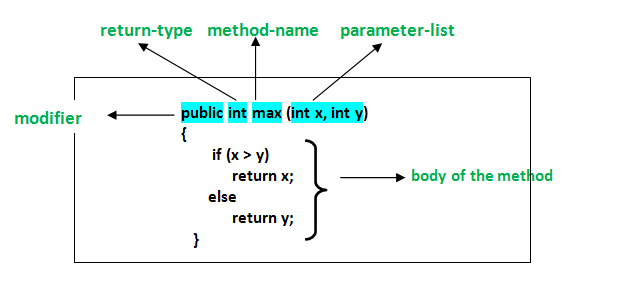
The main method is the entry point for this program. The System.out.println statement prints a line of text. Java’s syntax may look formal at first, but its structure encourages code that is organized and explicit.

Core Concepts to Explore

As you learn Java, start with variables and data types, conditional statements, loops, and methods. Then move on to object-oriented programming, including classes, objects, inheritance, and interfaces. Exceptions and collections are also important topics for writing practical programs.

Small projects are a useful way to practice. Try building a calculator, a to-do list, or a program that reads and summarizes information. Working through real examples helps connect language features to the problems they solve.

Tools for Java Development

To begin, install a Java Development Kit (JDK), which includes tools for compiling and running Java programs. You can write code in a basic text editor, but an integrated development environment (IDE) can make development easier with features such as code completion, debugging, and project management.

Keep Building Your Skills

Java is a substantial language, so there is no need to learn everything at once. Focus on the fundamentals, write code regularly, and read errors carefully when something does not work. With steady practice, you can use Java to create reliable applications and build a solid foundation for further software development.


8 Essential Tips for Writing Clean and Effective Java Code

  1. Use meaningful names for classes, methods, and variables.
  2. Keep methods small and focused on one task.
  3. Prefer interfaces when designing flexible APIs.
  4. Use try-with-resources to close files and streams.
  5. Handle exceptions specifically instead of catching everything.
  6. Use `equals()` to compare objects, not `==`.
  7. Choose collections based on how they’ll be used.
  8. Write unit tests for important behavior.

Use meaningful names for classes, methods, and variables.

Use meaningful names for Java classes, methods, and variables to make your code easier to understand and maintain. Choose names that clearly describe what each element represents or does, such as CustomerAccount, calculateTotal(), or orderCount. Clear, consistent naming helps you and other developers follow the logic, spot mistakes, and update the code with confidence.

Keep methods small and focused on one task.

Keep Java methods small and focused on one task. A method that does one thing is easier to understand, test, debug, and reuse. If a method starts handling several responsibilities—such as validating input, updating data, and formatting output—consider splitting those steps into separate methods with clear names. This keeps your code organized and makes future changes less likely to cause unexpected problems.

Prefer interfaces when designing flexible APIs.

When designing a flexible Java API, prefer accepting or returning interfaces rather than specific implementation classes. For example, use `List` instead of `ArrayList` when a method only needs list behavior. This keeps the API focused on what callers can do, lets implementations change without affecting users, and makes it easier to substitute alternatives such as `LinkedList` or custom implementations. Use a concrete class only when its specific behavior is essential.

Use try-with-resources to close files and streams.

Use Java’s try-with-resources statement to manage files and streams safely. It automatically closes any resource that implements `AutoCloseable` when the statement finishes, even if an exception occurs, helping prevent resource leaks and keeping your code concise. Declare resources in the parentheses after `try`, such as a `BufferedReader` or `InputStream`, and handle any exceptions that may be thrown while using them.

Handle exceptions specifically instead of catching everything.

In Java, handle exceptions as specifically as possible instead of catching every error with a broad catch (Exception e) block. Catching the expected exception types lets you respond appropriately—for example, by retrying a failed operation or showing a helpful message—while allowing unexpected problems to surface during testing and debugging. Avoid swallowing exceptions silently; log or otherwise handle them meaningfully so issues are easier to diagnose.

Use `equals()` to compare objects, not `==`.

When comparing Java objects, use `equals()` to check whether they have the same value, rather than `==`, which checks whether two references point to the exact same object. For example, two separate `String` objects can contain the same text but still evaluate as different with `==`. Calling `equals()` makes the comparison based on content, as long as the object’s class implements the method appropriately.

Choose collections based on how they’ll be used.

Choose Java collections based on how your data will be used. Use a List when order matters or you need to access items by index, a Set when you want to prevent duplicates, and a Map when you need to look up values by key. Also consider whether you need fast lookups, predictable iteration order, or thread safety, since different implementations—such as ArrayList, HashSet, and HashMap—make different tradeoffs. Matching the collection to the task can make your code clearer and more efficient.

Write unit tests for important behavior.

Write unit tests for the most important behavior in your Java applications. Tests help verify that methods produce the expected results, catch regressions when code changes, and make it easier to refactor with confidence. Focus first on core logic and edge cases, such as empty inputs, invalid values, or boundary conditions. Frameworks like JUnit make it straightforward to organize and run tests as part of your development workflow.
best java course

Mastering Java Programming: Discover the Best Java Course for Your Success

Best Java Course: Mastering Java Programming

The Best Java Course for Mastering Java Programming

Java is one of the most popular programming languages used in software development. Whether you are a beginner looking to start your coding journey or an experienced programmer aiming to enhance your skills, finding the best Java course is essential.

Why Learn Java?

Java is versatile, platform-independent, and widely used in various applications, from mobile apps to enterprise systems. Mastering Java can open up numerous opportunities in the tech industry and boost your career prospects.

Key Features of the Best Java Course

When choosing a Java course, consider the following key features:

  • Comprehensive Curriculum: Look for a course that covers core Java concepts, object-oriented programming principles, data structures, algorithms, and advanced topics like multithreading and GUI programming.
  • Hands-On Projects: Practical experience is crucial in learning programming. A good course should provide hands-on projects that allow you to apply your knowledge and skills in real-world scenarios.
  • Interactive Learning: Engaging lectures, quizzes, coding challenges, and interactive exercises can enhance your learning experience and retention of concepts.
  • Experienced Instructors: Learn from instructors with industry experience and expertise in Java programming. Their guidance and insights can help you grasp complex concepts more effectively.
  • Certification: Consider courses that offer certification upon completion. A recognized certification can validate your skills and knowledge to potential employers.

Top Recommendations for the Best Java Courses

If you are looking for recommendations on the best Java courses available online, here are some top picks:

  1. Java Programming Masterclass for Software Developers (Udemy)
  2. Java Programming and Software Engineering Fundamentals (Coursera)
  3. Learn Java (Codecademy)

Each of these courses offers a unique learning experience tailored to different levels of expertise. Choose the one that aligns with your goals and preferences to embark on your journey towards mastering Java programming.

In Conclusion

Selecting the best Java course is a significant step towards enhancing your programming skills and advancing your career in software development. Invest time and effort in exploring different courses to find the one that suits your learning style and objectives best. With dedication and practice, you can become proficient in Java programming and unlock exciting opportunities in the tech industry.


Top 5 FAQs About Choosing the Best Java Course and Career Path

  1. Which certification is best for a Java developer?
  2. What is Java salary?
  3. Which is best source to learn Java?
  4. Which is the best course in Java?
  5. Is C++ or Java harder?

Which certification is best for a Java developer?

When considering which certification is best for a Java developer, the Oracle Certified Professional, Java SE 11 Developer certification is often highly recommended. This certification validates a developer’s proficiency in Java programming and demonstrates their understanding of key concepts and skills required for Java development. Additionally, certifications from reputable platforms such as Coursera, Udemy, or Codecademy can also enhance a Java developer’s credentials and showcase their expertise to potential employers. Ultimately, the best certification for a Java developer may vary depending on individual career goals and the specific areas of Java development they wish to specialize in.

What is Java salary?

When individuals inquire about the average Java salary, they are often seeking insights into the earning potential within the field of Java programming. Salaries for Java developers can vary based on factors such as experience, location, company size, and specific job responsibilities. Generally, Java developers command competitive salaries due to the high demand for their skills in various industries, including software development, finance, and technology. Researching current market trends and consulting reputable sources can provide a more accurate understanding of typical Java salaries in different regions.

Which is best source to learn Java?

When seeking the best source to learn Java, it is essential to consider a variety of factors, including the comprehensiveness of the course content, the quality of instruction, hands-on learning opportunities, interactive elements such as quizzes and exercises, and the availability of certification upon completion. Online platforms like Udemy, Coursera, and Codecademy offer popular Java courses that cater to different learning styles and levels of expertise. Ultimately, the best source to learn Java is one that aligns with your learning goals and provides a structured yet engaging learning experience to help you master Java programming effectively.

Which is the best course in Java?

When seeking the best Java course, it is essential to consider various factors such as the course curriculum, hands-on learning opportunities, quality of instructors, interactivity of the course materials, and the availability of certification upon completion. Different individuals may have varying preferences and learning styles, so exploring multiple options and reading reviews from past learners can help in determining which Java course aligns best with one’s goals and skill level. Ultimately, the best Java course is subjective and depends on individual needs and preferences in terms of content delivery and learning outcomes.

Is C++ or Java harder?

When comparing the difficulty of C++ and Java, it ultimately depends on individual preferences and prior experience with programming languages. Both C++ and Java have their own unique features and complexities. C++ is known for its low-level programming capabilities and memory management, which can be challenging for beginners. On the other hand, Java is designed to be more user-friendly with automatic memory management and a simpler syntax. Some may find Java easier to learn due to its object-oriented approach, while others may prefer the control and performance optimization offered by C++. In the end, the perceived difficulty of C++ versus Java is subjective and varies based on personal learning styles and goals in programming.

java react

Mastering the Art of Java and React Integration for Modern Web Development

Java and React: A Powerful Combination for Modern Web Development

Java and React: A Powerful Combination for Modern Web Development

In the world of web development, Java and React have emerged as two powerful technologies that, when combined, offer a robust solution for building modern web applications. Let’s explore how Java and React work together seamlessly to create dynamic and interactive web experiences.

The Strengths of Java

Java is a versatile programming language known for its reliability, scalability, and performance. It is commonly used for backend development due to its strong typing system, extensive libraries, and platform independence. Java’s object-oriented approach makes it ideal for building complex applications that can handle high traffic and large datasets efficiently.

The Power of React

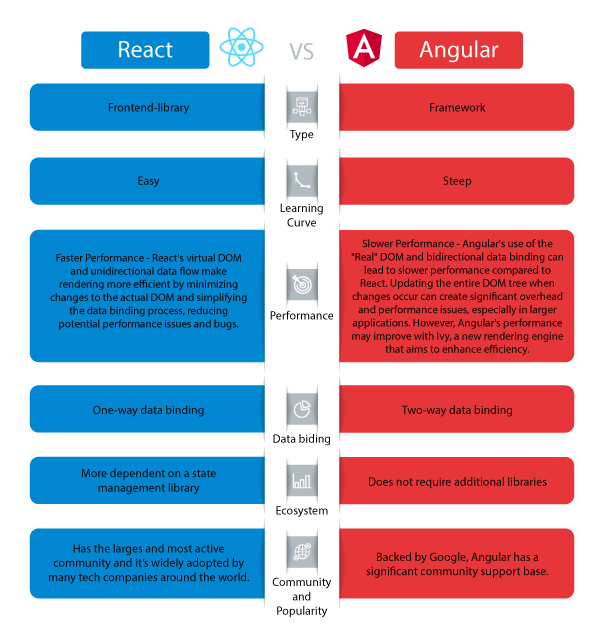
React is a popular JavaScript library developed by Facebook for building user interfaces. It allows developers to create interactive and responsive UI components that can be easily reused across different parts of an application. React’s virtual DOM (Document Object Model) enables efficient rendering of changes, resulting in faster performance and improved user experience.

Integration of Java with React

By combining Java on the backend with React on the frontend, developers can leverage the strengths of both technologies to create full-stack web applications. Java provides a robust server-side infrastructure for handling business logic, data processing, and database operations, while React handles the presentation layer with its declarative component-based architecture.

Through RESTful APIs or GraphQL endpoints, Java communicates with the React frontend to exchange data seamlessly between the client and server. This decoupled architecture enables developers to maintain clean code separation between the frontend and backend layers, making it easier to scale and maintain the application over time.

Benefits of Using Java and React Together

  • Scalability: Java’s scalability combined with React’s component-based architecture allows developers to build scalable web applications that can grow with user demand.
  • Performance: The efficient rendering mechanism of React paired with Java’s optimized backend processing results in high-performance web applications.
  • Maintainability: Separation of concerns between frontend and backend codebases simplifies maintenance tasks and facilitates code reusability.
  • User Experience: The interactive user interfaces created with React enhance the overall user experience of the application.

In Conclusion

The combination of Java and React offers a winning formula for developing modern web applications that are scalable, performant, maintainable, and user-friendly. By harnessing the strengths of these two technologies together, developers can deliver cutting-edge solutions that meet the demands of today’s dynamic digital landscape.


Exploring Java and React: Key FAQs for Web Development Integration

  1. What is Java?
  2. What is React?
  3. How can Java and React be used together?
  4. What are the advantages of using Java and React in web development?
  5. Are there any limitations or challenges when integrating Java with React?
  6. Can you provide examples of popular websites or applications built using Java and React?

What is Java?

Java is a versatile and robust programming language known for its reliability, scalability, and platform independence. It is widely used in backend development to build complex applications that can handle high traffic and large datasets efficiently. Java’s object-oriented approach, extensive libraries, and strong typing system make it a popular choice for developers looking to create secure and high-performance software solutions.

What is React?

React is a popular JavaScript library developed by Facebook for building user interfaces. It allows developers to create interactive and responsive UI components that can be easily reused across different parts of an application. React’s virtual DOM (Document Object Model) enables efficient rendering of changes, resulting in faster performance and improved user experience. With its declarative component-based architecture, React simplifies the process of building dynamic web interfaces and has become a go-to choice for frontend development in modern web applications.

How can Java and React be used together?

When it comes to integrating Java and React, developers can harness the strengths of both technologies to create powerful web applications. Java, with its robust backend capabilities, can handle business logic, data processing, and database operations effectively. On the other hand, React excels in building interactive and responsive user interfaces on the frontend. By establishing communication between Java backend services and React frontend components through APIs or other means, developers can achieve a seamless integration that ensures efficient data exchange and clean code separation. This collaborative approach allows for the development of scalable, high-performance web applications that deliver a superior user experience.

What are the advantages of using Java and React in web development?

When it comes to web development, leveraging Java and React offers a multitude of advantages. The combination of Java’s robust backend capabilities and React’s interactive frontend features results in a powerful synergy that enhances the development process. Java provides reliability, scalability, and performance on the server-side, while React simplifies the creation of dynamic user interfaces on the client-side. This integration allows for seamless communication between the frontend and backend components, enabling developers to build scalable, high-performance web applications with improved maintainability and enhanced user experience. By harnessing the strengths of both Java and React, developers can create modern web solutions that excel in functionality and performance.

Are there any limitations or challenges when integrating Java with React?

When integrating Java with React, developers may encounter certain limitations and challenges that need to be addressed. One common challenge is managing the communication between the frontend React components and the backend Java services effectively. Ensuring seamless data exchange through APIs and handling asynchronous operations can require careful coordination to maintain a smooth interaction between the two layers. Additionally, differences in programming paradigms between Java and React, such as object-oriented versus component-based approaches, may require developers to adapt their mindset and code structure to ensure compatibility and maintainability. Overall, while integrating Java with React offers numerous benefits, understanding and overcoming these limitations and challenges is crucial for a successful integration process.

Certainly! Several popular websites and applications have been built using the powerful combination of Java and React. One notable example is Facebook, which utilizes React for its frontend interface to deliver a seamless and interactive user experience, while Java powers its backend infrastructure to handle complex data processing and server-side operations. Another well-known platform that leverages Java and React is Airbnb, where Java manages the backend logic and data management, while React creates dynamic and responsive user interfaces for browsing listings and making bookings. These successful implementations showcase how Java and React work together harmoniously to create high-performance web applications that cater to millions of users worldwide.