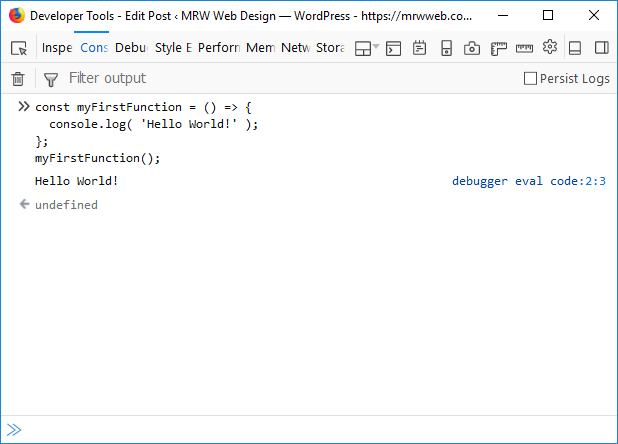
Unleashing the Power of JS Code: Transforming the Web Experience
The Power of JavaScript Code: Transforming the Web
JavaScript, often abbreviated as JS, is a powerful programming language that has revolutionized the way websites and web applications are developed. Originally created to add interactivity to web pages, JavaScript has evolved into a versatile language that can handle complex tasks and create dynamic user experiences.
One of the key strengths of JavaScript is its ability to manipulate HTML elements and CSS styles on a webpage. With just a few lines of code, developers can change the content of a webpage, animate elements, validate forms, and much more. This dynamic nature of JavaScript makes websites more engaging and interactive for users.
Another important feature of JavaScript is its support for asynchronous programming through AJAX (Asynchronous JavaScript and XML). This allows web pages to fetch data from servers in the background without reloading the entire page. As a result, users experience faster and more responsive websites.
JavaScript is also widely used in building web applications. Frameworks like React, Angular, and Vue.js leverage the power of JavaScript to create single-page applications that provide a seamless user experience similar to desktop applications. These frameworks simplify complex tasks like state management, routing, and data binding, enabling developers to build robust applications efficiently.
Furthermore, JavaScript has expanded beyond the web browser with the introduction of Node.js. Node.js allows developers to run JavaScript on the server-side, opening up new possibilities for building scalable and high-performance web applications. With Node.js, developers can use JavaScript throughout the entire web development stack.
In conclusion, JavaScript code plays a crucial role in transforming the web by enabling dynamic interactions, asynchronous communication, and sophisticated web applications. Its versatility and widespread adoption make it an essential tool for modern web development.
7 Essential Tips for Writing Clean and Efficient JavaScript Code
- Use meaningful variable and function names for better code readability.
- Follow consistent coding style and indentation to improve code maintainability.
- Comment your code to explain complex logic or functionality.
- Avoid global variables to prevent variable conflicts and unexpected behavior.
- Use built-in methods and libraries whenever possible to write efficient code.
- Regularly test your code for bugs and errors using debugging tools or testing frameworks.
- Keep your code modular by breaking it into smaller functions or modules for easier troubleshooting.
Use meaningful variable and function names for better code readability.
When writing JavaScript code, it is essential to use meaningful variable and function names to enhance code readability. By choosing descriptive names that accurately reflect the purpose of each variable or function, developers can easily understand the logic of the code without needing to decipher cryptic abbreviations or unclear identifiers. This practice not only improves the readability of the code but also makes it more maintainable and easier for other developers to collaborate on the project effectively.
Follow consistent coding style and indentation to improve code maintainability.
Following a consistent coding style and indentation practices in JavaScript code is essential for improving code maintainability. By adhering to a set of guidelines for formatting and structuring code, developers can enhance readability, facilitate collaboration, and reduce the likelihood of errors. Consistent coding style ensures that all team members follow the same conventions, making it easier to understand and modify code in the future. Proper indentation also helps in visually organizing the code, making it more accessible and manageable. Overall, maintaining a uniform coding style and indentation standard leads to more maintainable and sustainable JavaScript codebases.
Comment your code to explain complex logic or functionality.
Commenting your JavaScript code is essential, especially when dealing with complex logic or functionality. By adding comments to your code, you provide valuable insights into the purpose of each section, making it easier for other developers (or even your future self) to understand how the code works. Clear and concise comments can clarify the reasoning behind specific decisions, outline the expected behavior of functions, and highlight any potential pitfalls. In addition, well-documented code fosters collaboration among team members and ensures that the codebase remains maintainable and scalable over time. Remember, commenting your code is not just a good practice—it’s a necessity for effective communication and efficient development.
Avoid global variables to prevent variable conflicts and unexpected behavior.
To ensure smooth functioning and prevent unexpected behavior in JavaScript code, it is advisable to avoid using global variables. Global variables can lead to variable conflicts and unintended consequences, especially in larger codebases or when collaborating with other developers. By encapsulating variables within functions or modules, developers can limit the scope of variables and reduce the risk of conflicts, ultimately improving code maintainability and reliability.
Use built-in methods and libraries whenever possible to write efficient code.
When writing JavaScript code, it is advisable to utilize built-in methods and libraries whenever feasible to ensure the efficiency of your code. By leveraging the existing functionality provided by JavaScript’s built-in methods and popular libraries, developers can streamline their coding process, improve performance, and reduce the likelihood of errors. These resources are often optimized for speed and reliability, allowing developers to focus on implementing solutions rather than reinventing the wheel. Embracing built-in methods and libraries in JavaScript coding not only enhances productivity but also promotes best practices in software development.
Regularly test your code for bugs and errors using debugging tools or testing frameworks.
Regularly testing your JavaScript code for bugs and errors using debugging tools or testing frameworks is essential to ensure the reliability and performance of your applications. By identifying and fixing issues early in the development process, you can prevent potential problems from impacting the user experience. Debugging tools like Chrome DevTools provide valuable insights into code execution, variable values, and network activity, helping you pinpoint and resolve issues efficiently. Testing frameworks such as Jest or Mocha enable you to automate the testing process, ensuring that your code functions as intended across different scenarios. Prioritizing thorough testing practices not only improves the quality of your code but also enhances overall software stability and user satisfaction.
Keep your code modular by breaking it into smaller functions or modules for easier troubleshooting.
To improve the maintainability and troubleshooting of your JavaScript code, it is essential to keep it modular by breaking it into smaller functions or modules. By dividing your code into smaller, self-contained units, you can isolate specific functionalities and make it easier to identify and fix issues when they arise. Modular code also promotes reusability, as individual functions or modules can be used in different parts of your application without duplicating code. This approach not only enhances the readability of your code but also streamlines the debugging process, ultimately leading to more efficient development and better-performing applications.