cfchris.com

Loading

java course

Mastering Java: Unlock Your Potential with a Comprehensive Java Course

The Benefits of Taking a Java Course

The Benefits of Taking a Java Course

Java is a versatile and widely-used programming language that powers many applications and systems across various industries. Whether you are a beginner looking to start your programming journey or an experienced developer aiming to enhance your skills, taking a Java course can offer numerous benefits.

In-Demand Skill

Java is one of the most in-demand programming languages in the job market. By learning Java, you increase your employability and open up opportunities for career advancement.

Versatility

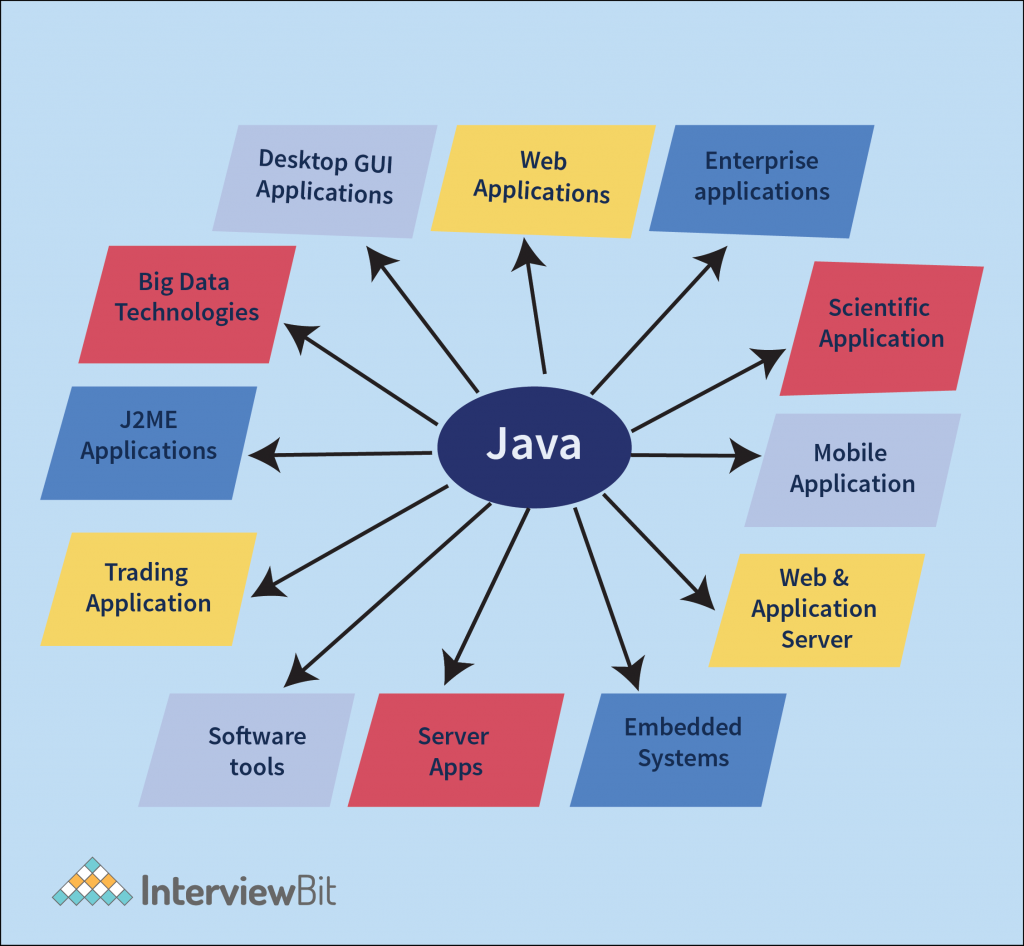
Java is known for its versatility and compatibility with different platforms. With Java skills, you can develop a wide range of applications, from web and mobile apps to enterprise systems.

Strong Foundation

Studying Java provides a solid foundation in object-oriented programming principles, which are fundamental concepts applicable to many other languages. This knowledge can help you grasp other programming languages more easily in the future.

Community Support

The Java community is vast and active, offering support, resources, and networking opportunities for learners and professionals alike. Engaging with the Java community can enhance your learning experience and provide valuable insights.

Continuous Learning

Java is constantly evolving with new updates and features being introduced regularly. By taking a Java course, you stay updated with the latest trends and best practices in the industry, ensuring that your skills remain relevant.

Conclusion

Whether you are interested in pursuing a career in software development or simply want to expand your programming skills, enrolling in a Java course can be a rewarding investment in your future. With its widespread use, versatility, and strong community support, mastering Java can open doors to exciting opportunities in the tech world.


Mastering Java: 9 Essential Tips for Success in Your Course

  1. Start with the basics
  2. Practice regularly
  3. Utilize online resources
  4. Work on projects
  5. Understand object-oriented programming
  6. Debugging skills are crucial
  7. Stay updated
  8. Collaborate with others
  9. Be patient and persistent

Start with the basics

Starting with the basics is crucial when embarking on a Java course. By laying a strong foundation in fundamental concepts such as syntax, data types, and control structures, learners can build a solid understanding of Java programming principles. Mastering the basics not only sets the stage for more advanced topics but also ensures that students develop a clear and comprehensive knowledge base to tackle complex programming challenges effectively.

Practice regularly

Regular practice is a crucial aspect of mastering Java programming. By consistently practicing coding exercises, implementing projects, and solving problems, learners can reinforce their understanding of Java concepts, improve their problem-solving skills, and build confidence in their programming abilities. Practice not only helps solidify theoretical knowledge but also allows individuals to apply what they have learned in real-world scenarios, ultimately enhancing their proficiency in Java development.

Utilize online resources

Utilizing online resources is a valuable tip when taking a Java course. The internet is filled with a wealth of information, tutorials, forums, and coding platforms that can supplement your learning experience. By leveraging online resources, you can access additional practice exercises, real-world projects, and community support to enhance your understanding of Java programming concepts. Engaging with online resources not only reinforces your knowledge but also allows you to stay updated on the latest trends and advancements in the Java programming language.

Work on projects

Working on projects is a crucial tip for anyone taking a Java course. Applying theoretical knowledge to practical, real-world projects helps reinforce learning and deepen understanding of Java concepts. By working on projects, students can gain hands-on experience, troubleshoot issues, and enhance their problem-solving skills. Additionally, completing projects allows individuals to showcase their Java proficiency to potential employers or clients, making them stand out in the competitive job market.

Understand object-oriented programming

Understanding object-oriented programming is essential when taking a Java course. Object-oriented programming (OOP) is a paradigm that allows developers to model real-world entities as objects, making code more organized, reusable, and easier to maintain. By grasping OOP concepts such as classes, objects, inheritance, and polymorphism, students can effectively design and implement Java applications. A solid understanding of OOP not only enhances one’s proficiency in Java but also lays a strong foundation for mastering other programming languages in the future.

Debugging skills are crucial

Developing strong debugging skills is crucial for anyone learning Java or any programming language. Debugging is the process of identifying and fixing errors in code, and it plays a vital role in software development. By honing your debugging skills, you not only become more efficient at troubleshooting issues but also gain a deeper understanding of how code works. Effective debugging can save you time and frustration, helping you write cleaner and more reliable programs.

Stay updated

Staying updated with the latest trends and advancements in Java is crucial for anyone looking to excel in their programming skills. By keeping abreast of new features, updates, and best practices in the Java ecosystem, you ensure that your knowledge remains current and relevant. Continuous learning not only enhances your expertise but also demonstrates your commitment to professional growth and adaptability in the ever-evolving field of software development.

Collaborate with others

Collaborating with others while taking a Java course can greatly enhance your learning experience. By working with peers, you can gain different perspectives, share knowledge, and solve problems collectively. Collaborative projects allow you to apply your Java skills in real-world scenarios and improve your teamwork and communication skills. Additionally, engaging in group discussions and code reviews can help you identify areas for improvement and learn new techniques from your peers. Overall, teamwork not only enriches your understanding of Java but also fosters a supportive learning environment that encourages growth and creativity.

Be patient and persistent

In a Java course, it is essential to remember the value of patience and persistence. Learning a programming language like Java can be challenging, and mastering it takes time and dedication. By staying patient and persistent, students can overcome obstacles, grasp complex concepts, and ultimately become proficient Java developers. Consistent practice and a willingness to persevere through difficulties are key to achieving success in mastering Java programming skills.

java app

Mastering Java App Development: Building Powerful Applications with Java

The Power of Java Applications

The Power of Java Applications

Java is a versatile programming language that has gained immense popularity for its ability to create robust and scalable applications. Java applications are used in a wide range of industries, from web development to mobile apps and enterprise software solutions.

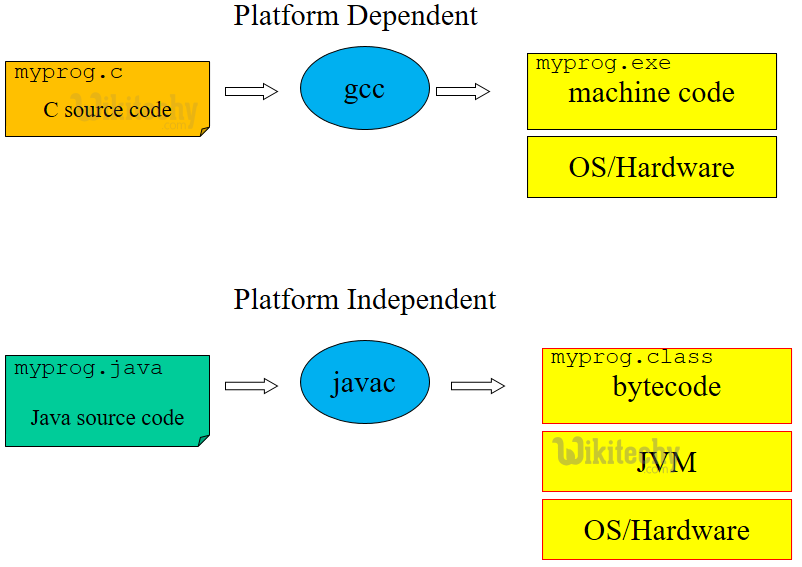
One of the key strengths of Java applications is their platform independence. This means that a Java application can run on any device or operating system that has a Java Virtual Machine (JVM) installed. This portability makes Java an ideal choice for developing cross-platform applications that reach a larger audience.

Java’s rich set of libraries and frameworks provide developers with the tools they need to build complex and feature-rich applications efficiently. Whether you are developing a simple desktop application or a sophisticated web-based system, Java offers the flexibility and scalability required to meet your project’s demands.

Furthermore, Java’s strong emphasis on security makes it a popular choice for developing secure applications. With built-in features like automatic memory management and strong type checking, Java helps developers write code that is less prone to common vulnerabilities such as buffer overflows or memory leaks.

Java’s community support is another factor that contributes to its popularity. The vast community of Java developers worldwide ensures that there are plenty of resources, tutorials, and forums available for developers looking to enhance their skills or troubleshoot issues they encounter during development.

In conclusion, Java applications offer unparalleled versatility, portability, security, and community support. Whether you are a seasoned developer or just starting your programming journey, exploring the world of Java applications can open up a world of possibilities for creating innovative and powerful software solutions.


9 Essential Tips for Building Robust and Maintainable Java Applications

  1. 1. Write clean and readable code to improve maintainability.
  2. 2. Follow naming conventions to enhance code consistency.
  3. 3. Use meaningful comments to explain complex logic or algorithms.
  4. 4. Break down large functions into smaller, reusable methods for better organization.
  5. 5. Implement error handling to gracefully manage exceptions and prevent crashes.
  6. 6. Optimize performance by avoiding unnecessary loops or operations.
  7. 7. Utilize design patterns to solve common problems effectively.
  8. 8. Test your application thoroughly with unit tests and integration tests.
  9. 9. Keep learning and stay updated with the latest Java features and best practices.

1. Write clean and readable code to improve maintainability.

Writing clean and readable code is crucial when developing Java applications to enhance maintainability. By following best practices and adhering to coding standards, developers can ensure that their code is easy to understand and modify in the future. Clean code not only makes it simpler for other team members to collaborate on the project but also reduces the chances of introducing bugs during maintenance. Prioritizing readability in code can lead to more efficient debugging, faster updates, and overall smoother development processes for Java applications.

2. Follow naming conventions to enhance code consistency.

Following naming conventions is a crucial practice in Java application development as it enhances code consistency and readability. By adhering to established naming conventions, developers can create code that is easier to understand and maintain. Consistent naming of classes, methods, variables, and other elements not only improves the overall quality of the codebase but also promotes collaboration among team members. When everyone follows the same naming conventions, it becomes simpler to navigate through the code, identify functionalities, and make modifications without confusion. This simple tip can have a significant impact on the efficiency and effectiveness of Java application development projects.

3. Use meaningful comments to explain complex logic or algorithms.

When developing a Java application, it is crucial to utilize meaningful comments to elucidate intricate logic or algorithms. By incorporating clear and concise comments within the codebase, developers can enhance the readability and maintainability of the application. These comments serve as valuable documentation for understanding the purpose behind complex logic, facilitating collaboration among team members, and aiding in future troubleshooting and modifications. Embracing this practice not only promotes code clarity but also contributes to the overall efficiency and effectiveness of the Java application development process.

4. Break down large functions into smaller, reusable methods for better organization.

Breaking down large functions into smaller, reusable methods is a valuable tip in Java application development. By dividing complex tasks into smaller, more manageable chunks, developers can improve the organization and maintainability of their code. This practice not only enhances readability but also promotes code reusability, making it easier to maintain and update the application in the future. Additionally, breaking down functions into smaller methods allows for better testing and debugging, as issues can be isolated and addressed more effectively. Overall, adopting this approach leads to more efficient and structured Java applications.

5. Implement error handling to gracefully manage exceptions and prevent crashes.

Implementing error handling is a crucial aspect of developing Java applications to ensure smooth operation and prevent unexpected crashes. By gracefully managing exceptions, developers can anticipate potential errors and handle them appropriately, maintaining the application’s stability and enhancing the user experience. Proper error handling not only helps in identifying issues promptly but also allows for effective troubleshooting and debugging, leading to more robust and reliable Java applications.

6. Optimize performance by avoiding unnecessary loops or operations.

To optimize the performance of a Java application, it is crucial to avoid unnecessary loops or operations. By minimizing the number of loops and streamlining operations within the code, developers can significantly improve the efficiency and speed of their application. Unnecessary loops can lead to increased processing time and resource consumption, impacting the overall performance of the software. Therefore, by carefully assessing and optimizing the logic within loops and operations, developers can enhance the performance of their Java application and deliver a more responsive user experience.

7. Utilize design patterns to solve common problems effectively.

Utilizing design patterns in Java applications is a valuable strategy to solve common problems effectively. By leveraging established design patterns such as Singleton, Factory, or Observer, developers can streamline their code structure, improve maintainability, and enhance scalability. Design patterns provide proven solutions to recurring design challenges, allowing developers to write cleaner and more efficient code while promoting best practices in software development. Incorporating design patterns in Java applications not only enhances code quality but also fosters a deeper understanding of software architecture principles among developers.

8. Test your application thoroughly with unit tests and integration tests.

Testing your Java application thoroughly with unit tests and integration tests is crucial for ensuring its reliability and functionality. Unit tests allow you to test individual components of your code in isolation, verifying that each part works as intended. On the other hand, integration tests help you assess how different parts of your application work together as a whole. By conducting both types of tests diligently, you can identify and address any issues early in the development process, leading to a more robust and stable Java application in the end.

9. Keep learning and stay updated with the latest Java features and best practices.

To ensure the success of your Java applications, it is crucial to continuously expand your knowledge and stay informed about the latest Java features and best practices. By keeping up with advancements in the Java ecosystem, you can leverage new tools, techniques, and optimizations to enhance the performance, security, and scalability of your applications. Embracing a mindset of lifelong learning in Java development not only sharpens your skills but also empowers you to adapt to industry trends and deliver cutting-edge solutions that meet evolving user needs.

java language basics

Mastering Java Language Basics: A Comprehensive Guide

Java Language Basics

The Basics of Java Programming Language

Java is a widely-used programming language known for its versatility and platform independence. It was developed by Sun Microsystems in the mid-1990s and has since become one of the most popular languages in the world.

Key Features of Java:

  • Simplicity: Java was designed to be easy to learn and use, making it a great choice for beginners.
  • Object-Oriented: Java is an object-oriented language, which means it focuses on creating objects that interact with each other to perform tasks.
  • Platform-Independent: Java programs can run on any device that has a Java Virtual Machine (JVM), making it highly portable.
  • Security: Java has built-in security features to protect against viruses and other malicious attacks.
  • Multithreading: Java supports multithreading, allowing programs to execute multiple tasks simultaneously.

Hello World Program in Java:

To get started with Java, let’s look at a simple “Hello World” program:

“`java

public class HelloWorld {

public static void main(String[] args) {

System.out.println(“Hello, World!”);

}

}

“`

In this program, we define a class called `HelloWorld` with a `main` method that prints “Hello, World!” to the console. This is often the first program beginners write when learning a new language.

Data Types in Java:

Java supports various data types, including:

  • int: for integer values
  • double: for floating-point numbers
  • boolean: for true/false values
  • String: for text strings


Java Basics: Answers to 8 Frequently Asked Questions

  1. What is Java?
  2. Why is Java popular?
  3. What are the key features of Java?
  4. How do I write a simple ‘Hello World’ program in Java?
  5. What are data types in Java?
  6. How does Java handle memory management?
  7. What is object-oriented programming in Java?
  8. Can you explain the concept of inheritance in Java?

What is Java?

Java is a versatile and widely-used programming language that was developed by Sun Microsystems in the mid-1990s. Known for its simplicity, object-oriented approach, and platform independence, Java allows developers to create applications that can run on any device with a Java Virtual Machine (JVM). With built-in security features, support for multithreading, and a rich set of libraries, Java has become a popular choice for building a wide range of software applications across different industries.

Java is popular for several reasons. One key factor is its platform independence, allowing Java programs to run on any device with a Java Virtual Machine (JVM). This portability makes it an attractive choice for developers looking to reach a wide audience. Additionally, Java’s robust security features help protect against vulnerabilities and ensure safer programming practices. Its object-oriented nature promotes code reusability and maintainability, making it easier for developers to create scalable and efficient applications. Overall, Java’s simplicity, versatility, and strong community support contribute to its enduring popularity in the programming world.

What are the key features of Java?

Java, a widely-used programming language, boasts several key features that contribute to its popularity and versatility. One of its standout characteristics is its simplicity, designed to be beginner-friendly and easy to learn. Java’s object-oriented nature emphasizes the creation of objects that interact to perform tasks efficiently. Additionally, Java’s platform independence allows programs to run on any device with a Java Virtual Machine (JVM), ensuring high portability. Security is another crucial feature of Java, with built-in measures to safeguard against malicious attacks. Furthermore, Java supports multithreading, enabling programs to execute multiple tasks concurrently for enhanced performance. These key features collectively make Java a robust and reliable choice for developers across various domains.

How do I write a simple ‘Hello World’ program in Java?

To write a simple “Hello World” program in Java, you can start by creating a class named HelloWorld. Inside this class, include a main method with the following code: System.out.println(“Hello, World!”); This line of code will print “Hello, World!” to the console when the program is executed. It is a common first program for beginners learning Java as it introduces the basic structure of a Java program and how to output text to the screen.

What are data types in Java?

In Java, data types define the type of data that a variable can hold. There are several built-in data types in Java, including integer (int), floating-point (double), character (char), boolean, and more. Each data type has specific rules for storing and manipulating data. Understanding data types in Java is essential for writing efficient and error-free programs, as it helps ensure that variables are used appropriately and consistently throughout the code.

How does Java handle memory management?

Java utilizes an automatic memory management system known as garbage collection to handle memory management efficiently. When a Java program runs, the Java Virtual Machine (JVM) automatically allocates and deallocates memory for objects. The garbage collector periodically identifies and removes objects that are no longer needed, freeing up memory space for new objects. This process helps developers avoid memory leaks and manual memory management errors, making Java a reliable and robust programming language for handling memory allocation and deallocation seamlessly.

What is object-oriented programming in Java?

Object-oriented programming in Java is a fundamental concept that revolves around creating objects that interact with each other to accomplish tasks. In Java, everything is treated as an object, which allows for the organization of code into reusable components. This approach emphasizes concepts such as encapsulation, inheritance, and polymorphism. Encapsulation ensures data security by hiding implementation details, while inheritance enables the creation of new classes based on existing ones. Polymorphism allows objects to take on multiple forms, enhancing flexibility and code reusability in Java programming. Overall, object-oriented programming in Java provides a structured and efficient way to design and develop software applications.

Can you explain the concept of inheritance in Java?

In Java programming, inheritance is a fundamental concept that allows a class to inherit attributes and methods from another class. This promotes code reusability and helps in creating a hierarchical relationship between classes. Inheritance in Java is implemented using the “extends” keyword, where a subclass (child class) can inherit properties and behaviors from a superclass (parent class). The subclass can then add its own unique features or override existing methods from the superclass. This concept enables developers to build upon existing code structures, making their programs more efficient and easier to maintain.

Unlocking the Potential of Python in AI Development

Exploring Python in the World of Artificial Intelligence

Python has rapidly become one of the most popular programming languages in the field of artificial intelligence (AI). Its simplicity, versatility, and extensive library support make it an ideal choice for both beginners and experienced developers working on AI projects. This article delves into why Python is favored for AI development and explores some of its key features and libraries.

Why Choose Python for AI?

There are several reasons why Python stands out as a preferred language for AI development:

  • Ease of Learning: Python’s syntax is clear and concise, making it accessible to newcomers. This allows developers to focus more on solving complex AI problems rather than getting bogged down by intricate syntax.
  • Extensive Libraries: Python boasts a rich ecosystem of libraries that significantly speed up the development process. Libraries like NumPy, Pandas, TensorFlow, Keras, and PyTorch provide pre-built functions and tools for data manipulation, machine learning, deep learning, and more.
  • Community Support: Python has a large and active community that continuously contributes to its growth. This means that developers can easily find resources, tutorials, and forums to aid their learning and problem-solving processes.
  • Integration Capabilities: Python can easily integrate with other languages such as C++ or Java through APIs or wrappers. This makes it flexible for use in various environments.

Key Libraries for AI Development in Python

The following are some essential libraries that make Python a powerhouse for AI applications:

NumPy

NumPy is a fundamental library for numerical computations in Python. It provides support for arrays, matrices, and many mathematical functions that are crucial for scientific computing.

Pandas

Pandas is widely used for data manipulation and analysis. It offers data structures like DataFrames that simplify handling structured data efficiently.

SciPy

SciPy builds on NumPy by adding functionality specific to scientific computing such as optimization algorithms, integration routines, interpolation methods, eigenvalue solvers, etc.

Torch (PyTorch)

PyTorch, developed by Facebook’s AI Research lab (FAIR), is known for its flexibility and ease-of-use when building neural networks. It allows dynamic computation graphs which enable users to change network behavior at runtime.

Keras & TensorFlow

Keras, running on top of TensorFlow, simplifies building complex neural networks with minimal code requirements while leveraging TensorFlow’s powerful backend engine capabilities like distributed training across GPUs/TPUs clusters efficiently!

The Future of AI with Python

The future looks promising as advancements continue at an unprecedented pace within artificial intelligence domains powered largely due its adoption among researchers worldwide utilizing languages such as python! As new breakthroughs occur regularly alongside improvements being made existing technologies – expect see even greater innovations emerge harnessing potential offered through this versatile language!

If you’re looking into starting your journey towards developing intelligent systems using state-of-the-art techniques – consider exploring what possibilities await when leveraging power simplicity offered by python today!

© 2023 Tech Insights. All rights reserved.


9 Essential Tips to Master Python for AI Development

  1. Understand the basics of Python programming.
  2. Learn popular AI libraries in Python such as TensorFlow, Keras, and scikit-learn.
  3. Practice coding AI algorithms like neural networks and machine learning models.
  4. Stay updated with the latest trends and advancements in AI technology.
  5. Join online communities and forums to discuss AI projects and seek help.
  6. Experiment with different datasets to improve your AI model’s performance.
  7. Document your code properly for future reference and collaboration.
  8. Optimize your code for better efficiency and faster computation.
  9. Continuously enhance your skills through online courses, tutorials, and workshops.

Understand the basics of Python programming.

Understanding the basics of Python programming is crucial for anyone looking to delve into the world of artificial intelligence. Python’s straightforward syntax and readability make it an ideal starting point for beginners in AI. By mastering fundamental concepts such as variables, data types, loops, and functions, developers can build a solid foundation that will enable them to tackle more complex AI tasks with confidence. Additionally, having a good grasp of Python basics allows developers to efficiently utilize its extensive libraries and frameworks tailored for AI development. This foundational knowledge not only enhances problem-solving skills but also facilitates the creation of robust and scalable AI models.

Learning popular AI libraries in Python, such as TensorFlow, Keras, and scikit-learn, is essential for anyone looking to excel in the field of artificial intelligence. These libraries provide powerful tools and frameworks that simplify the process of building and deploying machine learning models. TensorFlow, developed by Google, offers robust capabilities for deep learning applications and is widely used for both research and production environments. Keras, which acts as an easy-to-use interface for TensorFlow, allows developers to quickly prototype complex neural networks with minimal code. Scikit-learn, on the other hand, is ideal for traditional machine learning tasks like classification and regression due to its comprehensive suite of algorithms and easy integration with other data science tools. By mastering these libraries, developers can efficiently tackle a wide range of AI challenges and stay ahead in this rapidly evolving field.

Practice coding AI algorithms like neural networks and machine learning models.

Practicing coding AI algorithms, such as neural networks and machine learning models, is essential for anyone looking to deepen their understanding and proficiency in artificial intelligence. By actively implementing these algorithms, developers can gain hands-on experience that theoretical study alone cannot provide. This practice not only helps in grasping the underlying mathematical concepts but also familiarizes one with the nuances of different frameworks and libraries, such as TensorFlow or PyTorch. Additionally, regular coding practice allows for experimentation with various model architectures and hyperparameters, leading to improved problem-solving skills and innovative solutions. Ultimately, consistent practice is key to mastering the complexities of AI development and staying current in this rapidly evolving field.

Staying updated with the latest trends and advancements in AI technology is crucial for anyone working with Python in the AI field. The landscape of artificial intelligence is rapidly evolving, with new algorithms, tools, and techniques emerging regularly. By keeping abreast of these developments, developers can leverage cutting-edge methods to enhance their projects, optimize performance, and solve complex problems more efficiently. Engaging with online communities, attending conferences, participating in webinars, and following leading AI research publications are excellent ways to stay informed. This proactive approach not only broadens one’s knowledge but also provides a competitive edge in the fast-paced world of AI development.

Join online communities and forums to discuss AI projects and seek help.

Joining online communities and forums dedicated to Python and AI can be incredibly beneficial for both beginners and seasoned developers. These platforms offer a wealth of knowledge, as they are populated by a diverse group of enthusiasts and experts who are eager to share their insights and experiences. By participating in discussions, you can gain new perspectives on tackling complex AI problems, discover best practices, and stay updated on the latest trends and advancements in the field. Additionally, these communities provide an excellent opportunity to seek help when facing challenges in your projects. Whether you’re debugging code or exploring new algorithms, the collaborative nature of these forums fosters an environment where you can learn from others’ experiences and contribute your own knowledge to help fellow developers.

Experiment with different datasets to improve your AI model’s performance.

Experimenting with different datasets is a crucial step in enhancing the performance of your AI model. Each dataset offers unique characteristics and challenges that can help uncover the strengths and weaknesses of your model. By exposing your AI to diverse data, you can improve its ability to generalize and adapt to new, unseen scenarios. This practice not only aids in fine-tuning the model’s parameters but also helps identify any biases or limitations inherent in the initial dataset. Moreover, working with various datasets encourages a deeper understanding of data preprocessing techniques and feature engineering, which are vital for optimizing model accuracy and efficiency.

Document your code properly for future reference and collaboration.

Properly documenting your Python AI code is crucial for both future reference and effective collaboration. Clear documentation helps you and others understand the purpose and functionality of the code, making it easier to maintain and update as needed. It also facilitates collaboration by providing team members with insights into the logic and structure of the code, enabling them to contribute more effectively. Good documentation includes comments within the code, as well as separate files that explain how to set up, run, and modify the program. This practice not only saves time but also ensures that your AI projects remain organized and accessible over time.

Optimize your code for better efficiency and faster computation.

Optimizing Python code is crucial for enhancing efficiency and achieving faster computation, especially in AI projects that often involve processing large datasets and complex algorithms. By refining your code, you can significantly reduce execution time and resource consumption. Key strategies include using efficient data structures, minimizing the use of global variables, and leveraging built-in functions and libraries that are optimized for performance. Additionally, profiling tools can help identify bottlenecks in your code, allowing you to focus on areas that need improvement. Writing clean, modular code not only boosts performance but also enhances readability and maintainability, making it easier to update and scale your AI applications as needed.

Continuously enhance your skills through online courses, tutorials, and workshops.

To excel in the dynamic field of Python AI, it is crucial to continually improve your skills by engaging in online courses, tutorials, and workshops. These resources provide valuable insights into the latest trends, techniques, and best practices in artificial intelligence development. By staying updated and actively learning from industry experts, you can sharpen your expertise, expand your knowledge base, and stay ahead of the curve in this rapidly evolving domain. Investing time and effort in continuous learning will not only enhance your proficiency but also open up new opportunities for growth and innovation in Python AI.

learn java programming

Master Java Programming: Learn the Language of Versatility and Opportunity

Learn Java Programming

The Benefits of Learning Java Programming

Java is a widely-used programming language known for its versatility and robustness. Learning Java can open up a world of opportunities for aspiring programmers and professionals looking to enhance their skills. Here are some key benefits of learning Java programming:

Versatility

Java is used in a variety of applications, from web development to mobile app development and enterprise software. By learning Java, you can work on a wide range of projects and industries, making you a versatile and in-demand developer.

Object-Oriented Programming

Java is an object-oriented programming language, which means that it focuses on creating reusable code components called objects. This approach promotes code organization, reusability, and scalability, making it easier to manage complex projects.

Platform Independence

One of the key features of Java is its platform independence. Java programs can run on any device that has a Java Virtual Machine (JVM) installed, regardless of the underlying operating system. This makes Java applications highly portable and accessible across different platforms.

Strong Community Support

Java has a large and active community of developers who contribute to open-source projects, provide support through forums and tutorials, and collaborate on improving the language. By learning Java, you can tap into this vast knowledge base and network with like-minded professionals.

Career Opportunities

Proficiency in Java programming opens up numerous career opportunities in the tech industry. Many companies look for Java developers to work on their projects, offering competitive salaries and benefits to skilled professionals. Whether you are interested in software development, web design, or data analysis, knowing Java can give your career a significant boost.

In conclusion,

Learning Java programming is a valuable investment in your future as a programmer. With its versatility, object-oriented approach, platform independence, community support, and career prospects, mastering Java can set you on the path to success in the ever-evolving world of technology.


6 Essential Tips for Mastering Java Programming

  1. Start with the basics
  2. Practice regularly
  3. Utilize online resources
  4. Work on projects
  5. Collaborate with others
  6. Stay updated

Start with the basics

When embarking on the journey to learn Java programming, it is essential to start with the basics. Building a strong foundation in fundamental concepts such as variables, data types, control structures, and object-oriented programming principles is crucial for mastering Java effectively. By understanding the core concepts from the beginning, learners can progress confidently and tackle more complex topics with ease as they advance in their Java programming skills.

Practice regularly

Regular practice is essential when learning Java programming. By consistently working on coding exercises, projects, and challenges, you can reinforce your understanding of Java concepts, improve your problem-solving skills, and build confidence in your programming abilities. Practice helps solidify your knowledge and allows you to apply what you’ve learned in a practical setting, ultimately leading to mastery of Java programming. Make practice a routine part of your learning process to see significant progress and growth in your Java skills.

Utilize online resources

Utilizing online resources is a valuable tip for learning Java programming. The internet is a treasure trove of tutorials, forums, coding challenges, and courses that can provide you with additional support and guidance as you navigate the intricacies of Java. Online resources offer the flexibility to learn at your own pace, access a diverse range of learning materials, and engage with a global community of fellow learners and experienced developers. By taking advantage of these resources, you can enhance your understanding of Java concepts, stay updated on industry trends, and practice your coding skills in a dynamic and interactive environment.

Work on projects

Working on projects is a crucial tip for learning Java programming effectively. By applying your knowledge to real-world projects, you can gain hands-on experience, troubleshoot issues, and solidify your understanding of Java concepts. Projects allow you to practice problem-solving skills, enhance your creativity, and build a portfolio that showcases your skills to potential employers. Whether it’s developing a simple application or working on a complex software project, the practical experience gained from project work is invaluable in mastering Java programming.

Collaborate with others

Collaborating with others while learning Java programming can greatly enhance your understanding and skills. By working with peers, mentors, or online communities, you can gain valuable insights, receive feedback on your code, and learn new techniques and best practices. Collaboration not only fosters a sense of teamwork but also exposes you to different perspectives and approaches to problem-solving, ultimately helping you become a more well-rounded Java programmer.

Stay updated

To excel in learning Java programming, it is essential to stay updated with the latest developments and updates in the language. Java is a dynamic programming language that continuously evolves with new features, enhancements, and best practices. By staying informed about the latest trends, updates, and tools in Java programming, you can enhance your skills, adapt to industry changes, and ensure that your knowledge remains relevant and up-to-date. Embracing a mindset of continuous learning and staying updated will help you become a proficient Java programmer equipped to tackle new challenges and opportunities in the field.

full stack software

Unleashing the Potential of Full Stack Software Development

The Power of Full Stack Software Development

The Power of Full Stack Software Development

In the ever-evolving world of technology, full stack software development has emerged as a powerful and versatile approach to building applications. A full stack developer is proficient in both front-end and back-end technologies, allowing them to handle all aspects of software development.

What is Full Stack Software Development?

Full stack software development involves working on both the client-side (front end) and server-side (back end) of an application. A full stack developer is skilled in a wide range of technologies and can take a project from conception to completion.

Benefits of Full Stack Software Development

Versatility: Full stack developers have a broad skill set that enables them to work on all parts of an application. This versatility allows for greater efficiency and flexibility in project development.

Faster Development: With expertise in both front-end and back-end technologies, full stack developers can streamline the development process and quickly troubleshoot issues that may arise.

Cost-Effective: Hiring a full stack developer who can handle multiple aspects of a project can be more cost-effective than hiring separate specialists for each role.

Skills Required for Full Stack Software Development

To excel in full stack software development, a developer should have proficiency in:

  • HTML, CSS, JavaScript for front-end development
  • Server-side languages like Node.js, Python, or Ruby for back-end development
  • Databases such as MySQL or MongoDB
  • Version control systems like Git
  • Frameworks like React, Angular, or Vue.js

In Conclusion

Full stack software development offers numerous advantages in terms of efficiency, flexibility, and cost-effectiveness. By mastering both front-end and back-end technologies, full stack developers play a crucial role in creating robust and dynamic applications that meet the demands of today’s digital landscape.


9 Essential Tips for Excelling in Full Stack Software Development

  1. Understand both front-end and back-end technologies
  2. Practice building projects that integrate both sides of the stack
  3. Stay updated with the latest trends and technologies in full stack development
  4. Learn to work with databases and server-side languages for back-end development
  5. Improve your problem-solving skills to tackle complex issues in full stack development
  6. Collaborate with other developers to gain different perspectives and insights
  7. Master version control systems like Git for efficient collaboration and code management
  8. Focus on creating responsive and user-friendly interfaces for front-end development
  9. Strive for continuous learning and improvement to stay competitive in the field

Understand both front-end and back-end technologies

Understanding both front-end and back-end technologies is essential for full stack software developers. By having proficiency in areas such as HTML, CSS, JavaScript for front-end development, and server-side languages like Node.js or Python for back-end development, developers can create cohesive and efficient applications. This comprehensive knowledge allows them to bridge the gap between the user interface and the server-side logic, resulting in well-rounded solutions that meet both user experience and functionality requirements.

Practice building projects that integrate both sides of the stack

To enhance your skills in full stack software development, it is highly beneficial to practice building projects that seamlessly integrate both the front-end and back-end components of the stack. By working on projects that involve the complete software development cycle, you can gain a deeper understanding of how different technologies interact and collaborate to create functional applications. This hands-on experience not only sharpens your technical proficiency but also hones your problem-solving abilities in real-world scenarios, making you a more versatile and competent full stack developer.

Staying updated with the latest trends and technologies in full stack development is crucial for any aspiring or seasoned full stack developer. By keeping abreast of new tools, frameworks, and best practices, developers can enhance their skills, stay competitive in the job market, and deliver innovative solutions to clients. Continuous learning and adaptation to emerging technologies ensure that full stack developers remain versatile and well-equipped to tackle the ever-changing landscape of software development effectively.

Learn to work with databases and server-side languages for back-end development

Understanding how to work with databases and server-side languages is a crucial aspect of mastering full stack software development. Proficiency in these areas enables developers to create dynamic and interactive applications that can store and retrieve data efficiently. By gaining expertise in back-end technologies, such as databases like MySQL or server-side languages like Node.js, developers can build robust systems that power the functionality of their applications seamlessly.

Improve your problem-solving skills to tackle complex issues in full stack development

Improving your problem-solving skills is essential for tackling complex issues in full stack development. As a full stack developer, you will encounter various challenges that require creative and efficient solutions. By honing your problem-solving abilities, you can approach issues systematically, analyze them effectively, and come up with innovative ways to address them. Strong problem-solving skills not only enhance your technical proficiency but also enable you to navigate the complexities of full stack development with confidence and expertise.

Collaborate with other developers to gain different perspectives and insights

Collaborating with other developers is a valuable tip in full stack software development. By working with peers who bring diverse perspectives and insights to the table, you can enhance your problem-solving abilities, learn new techniques, and discover innovative approaches to building applications. This collaborative environment fosters creativity and encourages continuous learning, ultimately leading to the development of more robust and efficient software solutions.

Master version control systems like Git for efficient collaboration and code management

To excel in full stack software development, mastering version control systems like Git is essential for efficient collaboration and code management. Git allows developers to track changes, collaborate seamlessly with team members, and manage code versions effectively. By understanding Git’s functionalities and best practices, full stack developers can ensure smooth workflow, easy project integration, and streamlined development processes.

Focus on creating responsive and user-friendly interfaces for front-end development

When working on full stack software development, it is crucial to prioritize the creation of responsive and user-friendly interfaces for front-end development. By focusing on designing interfaces that adapt seamlessly to different devices and screen sizes, developers can enhance the user experience and ensure accessibility across various platforms. A user-friendly interface not only improves usability but also contributes to higher user engagement and satisfaction, ultimately leading to the success of the application or website.

Strive for continuous learning and improvement to stay competitive in the field

To stay competitive in the field of full stack software development, it is crucial to strive for continuous learning and improvement. Technology is constantly evolving, and by staying updated with the latest trends, tools, and techniques, developers can enhance their skills and adapt to changing industry demands. Embracing a mindset of lifelong learning not only keeps developers relevant but also empowers them to deliver innovative solutions that meet the ever-growing needs of the digital landscape.

python web programming

Mastering Python Web Programming: Building Dynamic and Interactive Websites

Python Web Programming

The Power of Python in Web Programming

Python has established itself as a versatile and powerful programming language, not only in software development but also in web programming. With its simplicity, readability, and vast array of libraries and frameworks, Python has become a popular choice for building dynamic and interactive websites.

Benefits of Using Python in Web Development

One of the key advantages of using Python for web programming is its ease of use. The clean and concise syntax of Python makes it easy to learn and understand, even for beginners. This results in faster development cycles and efficient code maintenance.

Python’s extensive collection of libraries and frameworks further enhances its capabilities in web development. Frameworks like Django and Flask provide developers with powerful tools to create robust web applications with minimal effort. These frameworks handle many common tasks, such as URL routing, database integration, and form processing, allowing developers to focus on building the core functionality of their websites.

Scalability and Performance

Python’s scalability is another reason why it is a preferred choice for web development. Whether you are building a simple blog or a complex web application, Python can scale to meet your needs. Its flexibility allows developers to start small and expand their projects as they grow.

In terms of performance, Python may not be as fast as some other languages like C++ or Java, but its performance is more than adequate for most web applications. Additionally, advancements in technologies like Just-In-Time (JIT) compilation have improved Python’s performance significantly.

Community Support and Resources

The Python community is vibrant and active, providing developers with access to a wealth of resources, tutorials, forums, and documentation. Whether you are a seasoned developer or just starting out, you can find support and guidance from the vast community of Python enthusiasts.

Conclusion

In conclusion, Python’s versatility, readability, extensive libraries, scalability, performance improvements, and strong community support make it an excellent choice for web programming. Whether you are developing a personal blog or a complex web application, Python provides the tools you need to bring your ideas to life on the web.


5 Essential Tips for Mastering Python Web Development

  1. Use a web framework like Flask or Django to simplify web development in Python.
  2. Utilize virtual environments to manage dependencies and isolate project environments.
  3. Understand and use RESTful APIs for creating robust and scalable web applications.
  4. Implement proper security measures such as input validation, sanitization, and protection against common vulnerabilities.
  5. Optimize performance by caching data, minimizing database queries, and employing asynchronous programming when necessary.

Use a web framework like Flask or Django to simplify web development in Python.

Using a web framework such as Flask or Django can significantly simplify web development in Python. These frameworks provide a structured way to handle common web development tasks, such as routing, templating, and database integration, allowing developers to focus on building the core features of their web applications. By leveraging the capabilities of Flask or Django, developers can expedite the development process, improve code organization, and create robust and scalable web applications with ease.

Utilize virtual environments to manage dependencies and isolate project environments.

Utilizing virtual environments in Python web programming is a crucial tip to manage dependencies and isolate project environments effectively. By creating separate virtual environments for each project, developers can ensure that the dependencies required by one project do not interfere with those of another. This practice helps maintain a clean and organized development environment, prevents version conflicts, and simplifies the process of sharing projects with collaborators. Virtual environments offer a controlled space where specific packages and versions can be installed, making it easier to replicate the project’s environment across different machines or at various stages of development.

Understand and use RESTful APIs for creating robust and scalable web applications.

Understanding and utilizing RESTful APIs is crucial for developing robust and scalable web applications in Python. By adhering to REST principles, developers can design APIs that are intuitive, efficient, and easy to maintain. RESTful APIs enable seamless communication between different components of a web application, allowing for flexibility and scalability as the project grows. By leveraging RESTful architecture in Python web programming, developers can ensure that their applications are well-structured, performant, and capable of handling complex interactions with ease.

Implement proper security measures such as input validation, sanitization, and protection against common vulnerabilities.

When engaging in Python web programming, it is crucial to implement proper security measures to safeguard your application. This includes incorporating practices such as thorough input validation, sanitization of user inputs, and protection against common vulnerabilities like SQL injection and cross-site scripting. By prioritizing security in your development process, you can mitigate the risk of potential threats and ensure the integrity and confidentiality of your web application’s data.

Optimize performance by caching data, minimizing database queries, and employing asynchronous programming when necessary.

To optimize performance in Python web programming, it is crucial to implement efficient strategies such as caching data, reducing database queries, and utilizing asynchronous programming when appropriate. By caching frequently accessed data, we can minimize the need to fetch information from the database repeatedly, thus improving response times. Additionally, minimizing database queries helps reduce the load on the database server and enhances overall application speed. Employing asynchronous programming allows for non-blocking operations, enabling concurrent tasks to run efficiently and boosting performance where parallel processing is beneficial. By incorporating these techniques thoughtfully, developers can enhance the speed and responsiveness of their web applications effectively.

python android app development

Harnessing the Power of Python in Android App Development

Python Android App Development

The Power of Python in Android App Development

Python, known for its simplicity and readability, has gained popularity not only in web development but also in mobile app development. When it comes to creating Android applications, Python offers a versatile and efficient solution.

Advantages of Using Python for Android App Development

**Ease of Learning**: Python’s syntax is clear and concise, making it easy for developers to grasp the language quickly.

**Versatility**: Python supports various platforms, including Android, allowing developers to write code that can be easily integrated across different systems.

**Large Community Support**: The Python community is vast and active, providing developers with access to libraries, frameworks, and resources that can streamline the app development process.

Popular Tools for Python Android App Development

**Kivy**: A popular open-source Python library for developing multitouch applications on various platforms, including Android.

**PyQt**: Another powerful library that enables developers to create desktop and mobile applications using Python.

Challenges of Using Python for Android Development

While Python offers numerous benefits for Android app development, there are some challenges to consider:

  • Limited performance compared to native languages like Java or Kotlin.
  • Dependency on third-party tools or frameworks for certain functionalities.
  • Potential compatibility issues with specific Android features or APIs.

Conclusion

In conclusion, Python’s flexibility and simplicity make it a valuable tool for developing Android applications. By leveraging the strengths of Python and utilizing the right tools and resources, developers can create efficient and feature-rich apps for the Android platform.


Exploring Python for Android App Development: Answering Common Questions

  1. Can we use Python for Android app development?
  2. Can I develop android game using Python?
  3. Can I use Python to develop Android apps?
  4. Can I automate Android app using Python?
  5. Is Python good for mobile app development?
  6. Can we use Python for mobile app development?

Can we use Python for Android app development?

Many developers frequently ask, “Can we use Python for Android app development?” The answer is yes, Python can be used for Android app development. With its ease of learning, versatility, and strong community support, Python offers a viable option for creating mobile applications on the Android platform. While there may be some challenges such as performance limitations and dependency on third-party tools, leveraging Python’s strengths and utilizing appropriate libraries can help developers overcome these obstacles and build successful Android apps using Python.

Can I develop android game using Python?

Developing an Android game using Python is indeed possible and has gained popularity among developers. Python offers a range of libraries and frameworks that can facilitate game development, such as Pygame and Kivy. While Python may not be as performant as languages like Java or C++ for game development, it provides a user-friendly environment for creating games with its clear syntax and ease of learning. By leveraging the capabilities of Python along with the right tools and resources, developers can certainly create engaging and interactive Android games efficiently.

Can I use Python to develop Android apps?

Many developers often wonder, “Can I use Python to develop Android apps?” The answer is yes, Python can indeed be used for Android app development. With the availability of libraries and frameworks like Kivy and PyQt, developers can leverage the power of Python to create versatile and functional applications for the Android platform. While there may be some challenges such as performance limitations compared to native languages and potential compatibility issues with certain features, Python’s ease of learning and vast community support make it a viable choice for building innovative Android applications.

Can I automate Android app using Python?

Automating Android apps using Python is indeed possible and increasingly popular among developers. By utilizing tools like Appium, which is an open-source automation framework, developers can write Python scripts to interact with Android applications for testing, debugging, or other automation tasks. This approach allows for efficient and effective testing of Android apps while leveraging the simplicity and versatility of Python programming. With the right knowledge and resources, developers can streamline their app development process and enhance the overall quality of their Android applications through automation with Python.

Is Python good for mobile app development?

When considering Python for mobile app development, the question of whether Python is suitable for this purpose frequently arises. Python’s versatility and ease of use make it a viable option for building mobile applications, including those for the Android platform. While Python may not offer the same performance capabilities as native languages like Java or Kotlin, its large community support, extensive libraries, and cross-platform compatibility contribute to its appeal. Developers can leverage Python’s strengths to create innovative and functional mobile apps, making it a good choice for those looking to streamline the development process and reach a broader audience across different platforms.

Can we use Python for mobile app development?

When it comes to mobile app development, a frequently asked question is whether Python can be used for this purpose. The answer is yes, Python can indeed be used for mobile app development, including creating applications for the Android platform. With its ease of learning, versatility, and strong community support, Python offers developers a viable option for building mobile apps that are efficient and user-friendly. By utilizing Python libraries and frameworks specifically designed for mobile development, developers can harness the power of Python to create innovative and feature-rich applications for various mobile platforms.

python software development

Exploring the World of Python Software Development

Python Software Development: A Comprehensive Guide

Python Software Development: A Comprehensive Guide

Python has emerged as one of the most popular programming languages in the world, thanks to its simplicity, versatility, and powerful libraries. Whether you are a beginner or an experienced developer, Python offers a wide range of tools and frameworks to help you build robust software applications.

Why Choose Python for Software Development?

There are several reasons why developers choose Python for software development:

  • Easy to Learn: Python’s syntax is clear and intuitive, making it an excellent choice for beginners.
  • Versatile: From web development to data analysis, machine learning to automation, Python can be used in various domains.
  • Rich Libraries: Python boasts a vast ecosystem of libraries and frameworks that accelerate development.
  • Community Support: A large and active community means plenty of resources and support are available.

The Role of Python in Different Industries

Python’s versatility makes it suitable for numerous industries:

Web Development

Django and Flask are two popular web frameworks that enable developers to create scalable web applications quickly. These frameworks offer built-in features like authentication, database integration, and URL routing.

Data Science and Machine Learning

Pandas, NumPy, and SciPy are essential libraries for data manipulation and analysis. For machine learning projects, TensorFlow and PyTorch provide powerful tools for building complex models.

Scripting and Automation

Python is often used for writing scripts to automate repetitive tasks. Its simplicity makes it ideal for developing scripts that interact with other software applications or manage system operations.

The Development Process in Python

The Python software development process typically involves several key stages:

  1. Requirements Gathering: Understanding the project’s objectives and gathering necessary requirements from stakeholders.
  2. Design: Planning the architecture of the application, including data structures and user interfaces.
  3. Coding: Writing clean, efficient code using Python’s syntax and libraries.
  4. Testing: Running tests to ensure the application functions correctly across different scenarios.
  5. Deployment: Deploying the application on servers or cloud platforms for users to access.
  6. Mainenance:: Regularly updating the application with new features or bug fixes as needed.

The Future of Python Software Development

The future looks bright for Python developers. As technology continues to evolve rapidly, new opportunities arise in fields such as artificial intelligence (AI), Internet of Things (IoT), blockchain technology among others where python will play significant roles due its adaptability & extensive support from community members worldwide . With ongoing improvements being made by contributors around globe , we can expect even greater advancements within this programming language itself over time which would further enhance capabilities offered by python based solutions making them more reliable & efficient than ever before!

Conclusion

In conclusion , whether you’re just starting out your journey into world programming or already have years experience under belt – there’s no denying fact that choosing python could be one best decisions make when comes developing cutting edge applications capable transforming ideas into reality ! So why wait any longer ? Start exploring possibilities today see what amazing things await those willing embrace power simplicity offered through use this incredible toolset known simply as ‘python’ !


Top 7 FAQs About Python in Software Development

  1. Which softwares are developed in Python?
  2. Is Python developer a software developer?
  3. What does a Python software developer do?
  4. Can I learn Python in 3 months?
  5. Can I become a software developer with Python?
  6. Is C++ or Python better for software development?
  7. Can Python be used for software development?

Which softwares are developed in Python?

Python is a versatile programming language that is used to develop a wide range of software applications across various industries. Some common types of software developed in Python include web applications, data analysis tools, scientific computing software, automation scripts, machine learning algorithms, and more. Popular software products built using Python include platforms like Instagram, Spotify, Dropbox, and YouTube. The flexibility and extensive library support of Python make it an ideal choice for developing innovative and efficient software solutions tailored to specific needs and requirements.

Is Python developer a software developer?

In the realm of software development, the question of whether a Python developer is considered a software developer often arises. The answer to this question is a resounding yes. Python developers are indeed software developers. Python is a powerful and versatile programming language used to create various types of software applications, ranging from web development to data analysis and machine learning. Python developers possess the skills and knowledge required to design, build, and maintain software solutions using Python’s syntax and libraries. Their expertise in utilizing Python for coding, testing, and deploying applications solidifies their position as integral members of the broader software development community.

What does a Python software developer do?

A Python software developer plays a crucial role in designing, coding, testing, and maintaining software applications using the Python programming language. Their responsibilities include understanding project requirements, creating efficient and scalable code, debugging and troubleshooting issues, collaborating with team members, and continuously updating and improving software functionalities. Python developers leverage the language’s rich libraries and frameworks to build web applications, data analysis tools, machine learning models, automation scripts, and more. Their expertise in Python allows them to tackle diverse projects across various industries while ensuring that the software meets performance standards and user requirements.

Can I learn Python in 3 months?

The question “Can I learn Python in 3 months?” is a common one among individuals looking to acquire programming skills. While the timeframe of 3 months can be a good starting point for learning Python, the extent of proficiency achieved within that period may vary depending on factors such as prior programming experience, dedication to learning, and the complexity of projects undertaken. With consistent practice, focused study, and hands-on coding exercises, it is certainly possible to grasp the fundamentals of Python within 3 months and start building simple applications. However, mastering Python and becoming proficient in its advanced concepts may require continuous learning and practical application beyond the initial 3-month period. Ultimately, the key lies in setting realistic goals, staying motivated, and embracing a growth mindset throughout the learning journey.

Can I become a software developer with Python?

The frequently asked question, “Can I become a software developer with Python?” is a common query among aspiring developers. The answer is a resounding yes! Python is an excellent language for beginners due to its simplicity and readability. It offers a gentle learning curve, making it easier to grasp fundamental programming concepts. With Python, you can develop a wide range of software applications, from web development to data analysis and machine learning. By mastering Python and exploring its vast ecosystem of libraries and frameworks, individuals can certainly embark on a successful career as a software developer.

Is C++ or Python better for software development?

When it comes to choosing between C++ and Python for software development, the decision often depends on the specific requirements of the project. C++ is known for its speed and efficiency, making it a preferred choice for performance-critical applications like system software, game development, or high-frequency trading. On the other hand, Python’s simplicity and readability make it an excellent option for rapid prototyping, web development, data analysis, and machine learning. Ultimately, the best language choice will be influenced by factors such as project complexity, performance needs, development time constraints, and the expertise of the development team. Both C++ and Python have their strengths and weaknesses, so it’s essential to evaluate your project’s needs carefully before deciding which language to use for software development.

Can Python be used for software development?

Certainly! Python is widely recognized as a versatile and powerful programming language that can indeed be used for software development. Its simple and clean syntax, along with a vast array of libraries and frameworks, make it an excellent choice for building a wide range of applications. From web development to data science, machine learning to automation, Python has proven itself as a go-to language for developers looking to create robust and efficient software solutions. Its popularity and ease of use have made it a top choice for both beginners and experienced developers alike. Whether you’re working on a small project or a large-scale application, Python’s flexibility and scalability make it a valuable tool in the world of software development.

java software development

Mastering Java Software Development: Building Robust Applications with Java

Article: Java Software Development

The Power of Java Software Development

Java is a versatile and powerful programming language that has been a cornerstone in software development for decades. Known for its portability, reliability, and scalability, Java is widely used in a variety of applications, from enterprise systems to mobile apps.

One of the key strengths of Java is its platform independence. Developers can write code once and run it on any platform that supports Java without the need for recompilation. This “write once, run anywhere” capability has made Java a popular choice for building cross-platform applications.

Java’s robust standard library provides developers with a wide range of tools and functionalities to streamline development processes. From data structures to networking capabilities, Java offers built-in support for many common tasks, reducing the need for developers to reinvent the wheel.

Furthermore, Java’s strong emphasis on object-oriented programming principles promotes code reusability and maintainability. By organizing code into classes and objects, developers can create modular and scalable applications that are easier to manage and extend over time.

In addition to its core features, Java has a vibrant ecosystem of frameworks and libraries that further enhance its capabilities. Frameworks like Spring and Hibernate provide developers with powerful tools for building web applications and interacting with databases efficiently.

With its wide adoption in both enterprise and open-source projects, Java continues to be a top choice for software development across various industries. Whether you’re building an enterprise application or a mobile game, Java’s versatility and reliability make it an excellent choice for bringing your ideas to life.


Top 6 Frequently Asked Questions About Java Software Development

  1. What is Java and why is it used in software development?
  2. What are the key features of Java that make it popular for software development?
  3. How does Java support platform independence in software development?
  4. What are some common tools and libraries used in Java software development?
  5. Can you explain the concept of object-oriented programming in relation to Java?
  6. Which industries or applications commonly use Java for software development?

What is Java and why is it used in software development?

Java is a popular programming language renowned for its versatility and robustness in software development. It is widely used due to its platform independence, allowing developers to write code once and run it on any platform that supports Java without the need for recompilation. Java’s rich standard library provides developers with a plethora of tools and functionalities, simplifying the development process. Its strong emphasis on object-oriented programming promotes code reusability and maintainability, making it easier to create scalable applications. With a vibrant ecosystem of frameworks and libraries, Java empowers developers to build a wide range of applications efficiently, from enterprise systems to mobile apps.

Java is a popular choice for software development due to its key features that set it apart from other programming languages. One of the main reasons for Java’s popularity is its platform independence, allowing developers to write code once and run it on any platform without recompilation. Additionally, Java’s robust standard library provides a wide range of tools and functionalities that streamline development processes. The language’s emphasis on object-oriented programming principles promotes code reusability and maintainability, making it easier for developers to create modular and scalable applications. Furthermore, Java’s vibrant ecosystem of frameworks and libraries enhances its capabilities, making it a versatile and reliable option for building a wide range of applications.

How does Java support platform independence in software development?

Java achieves platform independence in software development through its unique approach to compilation and execution. When a Java program is compiled, it is converted into an intermediate bytecode format instead of machine code specific to a particular platform. This bytecode can then be executed on any system with a Java Virtual Machine (JVM), which acts as a platform-specific interpreter for the bytecode. By decoupling the compiled code from the underlying hardware and operating system, Java allows developers to write code once and run it on any platform that supports the JVM, making it truly platform-independent and enabling the famous “write once, run anywhere” capability that simplifies cross-platform development in software projects.

What are some common tools and libraries used in Java software development?

In Java software development, developers often rely on a variety of tools and libraries to streamline their workflow and enhance the functionality of their applications. Some common tools include Integrated Development Environments (IDEs) such as Eclipse, IntelliJ IDEA, and NetBeans, which provide powerful features like code editing, debugging, and project management. Additionally, build automation tools like Apache Maven and Gradle help automate the build process and manage dependencies efficiently. When it comes to libraries, popular choices include Apache Commons for reusable Java components, Guava for utility classes and collections enhancements, and Log4j for logging capabilities. These tools and libraries play a crucial role in Java development by simplifying complex tasks and accelerating the development process.

Can you explain the concept of object-oriented programming in relation to Java?

In Java software development, understanding the concept of object-oriented programming is crucial. Object-oriented programming (OOP) is a programming paradigm that revolves around the concept of objects, which are instances of classes. In Java, everything is treated as an object, and OOP principles like encapsulation, inheritance, and polymorphism play a vital role in designing and structuring code. Encapsulation allows data hiding and protects the internal state of objects, ensuring data integrity. Inheritance enables the creation of new classes based on existing ones, promoting code reuse and hierarchy. Polymorphism allows objects to take on different forms or behaviors based on their context, enhancing flexibility and extensibility in Java applications. By embracing OOP concepts in Java development, programmers can create modular, maintainable, and scalable software solutions efficiently.

Which industries or applications commonly use Java for software development?

In the realm of software development, Java finds widespread application across a multitude of industries and sectors. From financial institutions and healthcare providers to e-commerce platforms and telecommunications companies, Java serves as a versatile and reliable tool for building robust and scalable applications. Its platform independence and extensive library support make it a popular choice for developing enterprise systems, web applications, mobile apps, and more. Java’s flexibility and performance have made it a go-to language for industries that prioritize stability, security, and cross-platform compatibility in their software solutions.