cfchris.com

Loading

artificial intelligence projects

Exploring Cutting-Edge Artificial Intelligence Projects: Innovations Shaping the Future

Exploring Artificial Intelligence Projects

Exploring Artificial Intelligence Projects

Artificial intelligence (AI) has rapidly evolved over the past decade, becoming a cornerstone of modern technology. From enhancing business operations to transforming everyday life, AI projects are at the forefront of innovation. This article delves into some fascinating AI projects that are shaping the future.

Healthcare Innovations

In the healthcare sector, AI projects are revolutionizing diagnostics and treatment plans. Machine learning algorithms can analyze medical images with remarkable accuracy, assisting radiologists in detecting abnormalities such as tumors or fractures. Projects like IBM Watson Health aim to provide personalized treatment recommendations by analyzing vast amounts of patient data.

Virtual Health Assistants

Virtual health assistants powered by AI are also gaining traction. These tools can handle routine inquiries, schedule appointments, and even monitor patient health metrics in real-time. By reducing the administrative burden on healthcare professionals, these projects allow for more efficient patient care.

Autonomous Vehicles

The development of autonomous vehicles is one of the most exciting AI projects today. Companies like Tesla and Waymo are leading the charge in creating self-driving cars that promise to make transportation safer and more efficient. These vehicles rely on complex neural networks to process data from sensors and cameras, enabling them to navigate roads with minimal human intervention.

Challenges and Progress

Despite significant progress, challenges remain in perfecting autonomous driving technology. Ensuring safety in diverse driving conditions and gaining public trust are critical hurdles that ongoing AI research aims to address.

NLP and Language Models

Natural Language Processing (NLP) is another field where AI projects have made substantial strides. Language models like OpenAI’s GPT series have demonstrated impressive capabilities in generating human-like text, translating languages, and even composing poetry.

Applications Across Industries

NLP applications extend across various industries—from customer service chatbots that provide instant support to tools that assist writers by suggesting content improvements or generating creative ideas.

Sustainability Efforts

Sustainability is a growing focus for many AI projects. Researchers are using machine learning models to optimize energy consumption in smart grids and develop climate change models that predict environmental impacts more accurately.

Agricultural Advancements

In agriculture, AI-driven solutions help farmers increase crop yields while minimizing resource usage through precision farming techniques. Drones equipped with AI can monitor crop health and suggest timely interventions.

The Future of AI Projects

The potential for artificial intelligence is vast and continually expanding as new technologies emerge. While ethical considerations must be addressed—such as data privacy concerns—AI projects hold immense promise for improving quality of life across the globe.

Conclusion:

As we continue to explore these innovative applications of artificial intelligence across different sectors, it becomes clear that this technology will play an increasingly integral role in shaping our world’s future landscape.

From enhancing efficiency within industries such as healthcare or transportation through autonomous vehicles; providing personalized assistance via virtual health aides; optimizing energy consumption towards sustainable goals – there seems no limit what could be achieved when harnessing power behind intelligent machines!

And yet despite all potential benefits offered up by cutting-edge advancements made possible thanks largely due ongoing research efforts worldwide today – important questions surrounding ethics remain paramount consideration moving forward if we’re truly going unlock full potential without compromising fundamental values society holds dear along way too!

So let us embrace exciting opportunities presented before us now whilst remaining mindful challenges ahead ensuring responsible development deployment practices guide path towards brighter tomorrow together!


“The best way predict future create it.” – Peter Drucker (American Management Consultant & Educator)


7 Essential Tips for Successfully Managing Artificial Intelligence Projects

  1. Define clear project objectives and goals.
  2. Collect and prepare high-quality data for training.
  3. Choose the right algorithms and models for your specific task.
  4. Regularly evaluate and iterate on your AI model’s performance.
  5. Ensure transparency and ethical considerations in your AI project.
  6. Consider scalability and deployment requirements from the beginning.
  7. Collaborate with domain experts to enhance the effectiveness of your AI solution.

Define clear project objectives and goals.

Defining clear project objectives and goals is crucial when embarking on artificial intelligence projects. These objectives serve as a roadmap, guiding the development process and ensuring that the project stays aligned with its intended purpose. By establishing specific, measurable, achievable, relevant, and time-bound (SMART) goals, teams can focus their efforts on delivering tangible outcomes. Clear objectives also facilitate effective communication among stakeholders, enabling everyone involved to understand the project’s direction and expected results. This clarity not only helps in resource allocation and risk management but also provides a benchmark for evaluating the project’s success upon completion. Ultimately, well-defined objectives are instrumental in maximizing the potential of AI technologies to meet organizational needs and drive innovation.

Collect and prepare high-quality data for training.

Collecting and preparing high-quality data for training is a crucial step in any artificial intelligence project. The accuracy and effectiveness of an AI model heavily depend on the quality of the data it learns from. High-quality data should be clean, relevant, and representative of the problem domain. This means removing any errors or inconsistencies, ensuring that the data covers all necessary aspects of the task, and adequately reflecting real-world scenarios. By investing time in curating a robust dataset, developers can significantly enhance the model’s ability to generalize and perform well in real-world applications. Furthermore, diverse datasets help in reducing biases, leading to more equitable AI solutions.

Choose the right algorithms and models for your specific task.

Selecting the right algorithms and models is crucial when embarking on an artificial intelligence project, as it directly impacts the effectiveness and efficiency of the solution. Different tasks require different approaches; for instance, a classification problem might benefit from decision trees or support vector machines, while a natural language processing task could be better served by recurrent neural networks or transformers. Understanding the strengths and limitations of various algorithms allows developers to tailor their approach to the specific requirements and constraints of their project. This not only enhances performance but also optimizes resource utilization, ensuring that the AI system delivers accurate and reliable results. Making informed choices about algorithms and models is fundamental to achieving success in AI endeavors.

Regularly evaluate and iterate on your AI model’s performance.

Regularly evaluating and iterating on an AI model’s performance is crucial for achieving optimal results and maintaining its effectiveness over time. As data patterns and external conditions change, an AI model’s initial parameters may no longer be suitable, potentially leading to reduced accuracy or relevance. By consistently monitoring the model’s outputs and comparing them against real-world outcomes, developers can identify areas for improvement. Iterative refinement allows for the adjustment of algorithms, retraining with updated datasets, and fine-tuning of parameters to better align with current needs. This ongoing process not only enhances the model’s precision but also ensures it remains adaptable to new challenges and opportunities in a dynamic environment.

Ensure transparency and ethical considerations in your AI project.

In any artificial intelligence project, ensuring transparency and adhering to ethical considerations are crucial components for success and public trust. Transparency involves clearly communicating how AI systems make decisions, what data they use, and the potential implications of their deployment. This openness helps stakeholders understand the technology and fosters trust among users. Ethical considerations require developers to address issues such as bias, privacy, and accountability to prevent harm and ensure fairness. By integrating these principles into the design and implementation of AI projects, developers can create systems that not only perform effectively but also align with societal values and promote responsible innovation.

Consider scalability and deployment requirements from the beginning.

When embarking on an artificial intelligence project, it’s crucial to consider scalability and deployment requirements from the outset. Planning for scalability ensures that the AI system can handle increased loads and expand its capabilities as demand grows, without requiring a complete redesign. This foresight helps in choosing the right architecture and technologies that can support future growth. Additionally, understanding deployment requirements early on allows for smoother integration into existing systems and environments, minimizing disruptions. By addressing these factors at the beginning, projects are better positioned for long-term success and adaptability in dynamic business landscapes.

Collaborate with domain experts to enhance the effectiveness of your AI solution.

Collaborating with domain experts is crucial for enhancing the effectiveness of AI solutions. These experts bring specialized knowledge and insights that are essential for understanding the nuances and complexities of a specific field. By working closely with them, AI developers can ensure that their models are not only technically sound but also contextually relevant and tailored to address real-world challenges. Domain experts can provide valuable feedback on data selection, feature engineering, and model interpretation, leading to more accurate and reliable outcomes. This collaboration fosters a multidisciplinary approach, combining technical prowess with industry-specific expertise to create AI solutions that are both innovative and practical.

elon musk artificial intelligence

Elon Musk’s Vision for Artificial Intelligence: Balancing Innovation and Caution

Elon Musk and Artificial Intelligence

Elon Musk and Artificial Intelligence: A Visionary’s Perspective

Elon Musk, the renowned entrepreneur behind companies like Tesla, SpaceX, and Neuralink, has long been a prominent voice in discussions about artificial intelligence (AI). His views on AI are both influential and controversial, as he often emphasizes the potential risks associated with unchecked AI development.

A Cautious Approach to AI

Musk has repeatedly warned about the dangers of artificial intelligence. He believes that if not properly regulated, AI could pose an existential threat to humanity. In various interviews and public appearances, he has likened the development of AI to “summoning the demon,” suggesting that without proper oversight, AI could become uncontrollable.

Advocacy for Regulation

One of Musk’s key advocacies is for proactive regulation in the field of artificial intelligence. He argues that governments should establish regulatory bodies to oversee AI development before it becomes too advanced. This preemptive approach is aimed at ensuring that AI technologies are developed safely and ethically.

Musk’s Contributions to AI Development

Despite his warnings, Elon Musk is also actively involved in advancing AI technology through his ventures. Tesla’s self-driving capabilities rely heavily on sophisticated AI systems that enable vehicles to navigate roads autonomously. Additionally, his company Neuralink aims to create brain-machine interfaces that could one day integrate human cognition with artificial intelligence.

The Role of OpenAI

Musk co-founded OpenAI in 2015 with the goal of promoting and developing friendly AI for the benefit of humanity as a whole. Although he later stepped down from its board to avoid potential conflicts with Tesla’s own AI endeavors, OpenAI continues to be a leader in researching safe and beneficial uses of artificial intelligence.

The Duality of Innovation and Caution

Elon Musk embodies a unique duality when it comes to artificial intelligence: he is both a pioneer pushing the boundaries of what is possible with technology and a cautious observer advocating for responsible innovation. This balanced perspective highlights the importance of ethical considerations as society moves toward an increasingly automated future.

In conclusion, Elon Musk’s involvement in artificial intelligence serves as a reminder that while technological advancements hold great promise, they must be pursued with careful consideration for their broader impact on society. His advocacy for regulation alongside innovation underscores the need for thoughtful discourse as we navigate this transformative era.


Elon Musk: Balancing Innovation and Ethics in Advancing Artificial Intelligence

  1. Elon Musk’s advocacy raises awareness about the potential risks of unregulated AI development.
  2. His warnings prompt discussions on ethical considerations in AI research and implementation.
  3. Musk’s involvement accelerates advancements in AI technology through his companies like Tesla and Neuralink.
  4. He co-founded OpenAI to promote the safe and beneficial use of artificial intelligence.
  5. Musk’s initiatives drive innovation in autonomous vehicles with Tesla’s self-driving capabilities.
  6. His vision for brain-machine interfaces at Neuralink opens up possibilities for enhancing human cognition with AI.
  7. Elon Musk’s influence encourages transparency and accountability within the AI industry.
  8. His cautionary stance fosters a proactive approach to regulating AI to mitigate potential risks.
  9. Musk’s dual role as a tech innovator and cautious observer highlights the importance of balancing progress with ethical considerations.


Exploring Concerns: The Potential Downsides of Elon Musk’s Approach to Artificial Intelligence

  1. 1. Fear-mongering
  2. 2. Conflict of interest
  3. 3. Lack of nuance
  4. 4. Disruption anxiety
  5. 5. Negative impact on innovation
  6. 6. Ethical dilemmas

Elon Musk’s advocacy raises awareness about the potential risks of unregulated AI development.

Elon Musk’s advocacy plays a crucial role in raising awareness about the potential risks associated with unregulated AI development. By consistently highlighting the dangers that unchecked artificial intelligence could pose, Musk brings attention to an issue that might otherwise be overlooked amid the excitement of technological advancement. His warnings encourage both policymakers and the public to consider the ethical implications and long-term consequences of AI technologies. This heightened awareness fosters a more informed dialogue about how best to guide AI development responsibly, ensuring that its benefits are realized without compromising safety or ethical standards.

His warnings prompt discussions on ethical considerations in AI research and implementation.

Elon Musk’s vocal warnings about the potential dangers of artificial intelligence have sparked essential discussions on the ethical considerations surrounding AI research and implementation. By highlighting the risks of unchecked AI development, Musk encourages researchers, policymakers, and the public to consider the broader implications of advanced technologies. His advocacy for responsible innovation ensures that ethical frameworks are established to guide AI’s integration into society. These discussions help create a balanced approach to AI development, ensuring that technological advancements are aligned with human values and safety concerns, ultimately fostering a more informed and cautious exploration of artificial intelligence.

Elon Musk’s involvement in artificial intelligence significantly accelerates advancements in the field through his innovative companies like Tesla and Neuralink. At Tesla, AI is at the core of developing autonomous driving systems, pushing the boundaries of how vehicles interact with their environment and enhancing safety and efficiency on the roads. Meanwhile, Neuralink is pioneering brain-machine interfaces, aiming to merge human cognition with AI to unlock new capabilities for medical treatments and human enhancement. Musk’s commitment to integrating cutting-edge AI technologies into these ventures not only drives rapid progress but also inspires a broader push for innovation across the industry, setting new standards for what AI can achieve in practical applications.

He co-founded OpenAI to promote the safe and beneficial use of artificial intelligence.

Elon Musk’s co-founding of OpenAI highlights his commitment to ensuring the safe and beneficial use of artificial intelligence. OpenAI was established with the mission to advance digital intelligence in a way that benefits humanity as a whole. By promoting transparency and collaboration, the organization aims to address ethical concerns and mitigate potential risks associated with AI development. Musk’s involvement underscores his belief that while AI holds tremendous potential for innovation, it is crucial to guide its evolution responsibly. OpenAI continues to be at the forefront of AI research, focusing on creating technologies that are not only powerful but also aligned with human values and safety standards.

Musk’s initiatives drive innovation in autonomous vehicles with Tesla’s self-driving capabilities.

Elon Musk’s initiatives in artificial intelligence significantly drive innovation in the realm of autonomous vehicles, particularly through Tesla’s self-driving capabilities. By integrating advanced AI systems into Tesla cars, Musk has pushed the boundaries of what is possible in automotive technology. These vehicles utilize machine learning algorithms and neural networks to interpret and respond to their surroundings, enabling features like lane-keeping, adaptive cruise control, and even full self-driving in some scenarios. This commitment to AI-driven innovation not only enhances vehicle safety and convenience but also accelerates the broader adoption of autonomous technology across the industry. As a result, Tesla continues to lead the charge in transforming how people perceive and interact with transportation.

Elon Musk’s vision for brain-machine interfaces at Neuralink represents a groundbreaking step toward enhancing human cognition through artificial intelligence. By developing technology that allows direct communication between the brain and computers, Neuralink aims to unlock new possibilities for cognitive enhancement and medical advancements. This innovation could lead to significant improvements in how humans interact with machines, potentially allowing individuals to process information more efficiently and even restore lost sensory or motor functions. Such advancements hold promise not only for improving quality of life for those with neurological conditions but also for expanding the cognitive capabilities of healthy individuals, paving the way for a future where human intelligence is seamlessly integrated with AI-driven technologies.

Elon Musk’s influence encourages transparency and accountability within the AI industry.

Elon Musk’s influence in the artificial intelligence industry significantly encourages transparency and accountability. By consistently advocating for open discussions about the potential risks and ethical implications of AI, Musk pushes companies and researchers to adopt more transparent practices. His calls for regulatory oversight highlight the importance of accountability in AI development, ensuring that advancements are made responsibly. This approach not only fosters trust among the public but also sets a standard for ethical innovation within the industry. As a result, Musk’s influence helps drive a culture where AI technologies are developed with consideration for their societal impact, promoting responsible growth and collaboration across the field.

His cautionary stance fosters a proactive approach to regulating AI to mitigate potential risks.

Elon Musk’s cautionary stance on artificial intelligence serves as a catalyst for fostering a proactive approach to regulation, aiming to mitigate potential risks associated with AI development. By consistently highlighting the possible dangers of unchecked AI advancements, Musk encourages policymakers and industry leaders to establish frameworks that ensure safe and ethical use of AI technologies. This foresight-driven approach not only helps in preventing scenarios where AI could become uncontrollable but also promotes responsible innovation. By advocating for regulations before AI reaches critical levels of sophistication, Musk’s perspective underscores the importance of balancing technological progress with societal well-being.

Musk’s dual role as a tech innovator and cautious observer highlights the importance of balancing progress with ethical considerations.

Elon Musk’s dual role as both a tech innovator and a cautious observer underscores the critical need to balance technological progress with ethical considerations. As the driving force behind groundbreaking companies like Tesla and SpaceX, Musk pushes the boundaries of what’s possible, harnessing artificial intelligence to revolutionize industries. However, his persistent warnings about the potential risks of unchecked AI development highlight his awareness of its possible dangers. By advocating for proactive regulation and ethical guidelines, Musk emphasizes that innovation should not come at the expense of safety and societal well-being. This balanced approach serves as a reminder that while embracing new technologies, it’s essential to consider their long-term impact on humanity.

1. Fear-mongering

Elon Musk’s vocal warnings about the potential dangers of artificial intelligence have sparked significant debate, with some critics arguing that his rhetoric borders on fear-mongering. By frequently emphasizing the existential risks associated with AI, Musk may inadvertently contribute to unnecessary fear and skepticism around its development. This heightened sense of alarm could slow down innovation and deter investment in beneficial AI technologies. While caution and ethical considerations are crucial, an overly pessimistic view might overshadow the potential positive impacts of AI in fields such as healthcare, education, and environmental management. Balancing awareness of risks with recognition of AI’s benefits is essential to fostering a productive discourse on its future.

2. Conflict of interest

Elon Musk’s deep involvement in AI ventures such as Tesla and Neuralink can lead to potential conflicts of interest, raising concerns about whether his perspectives on artificial intelligence are influenced by personal business priorities. As the head of companies that heavily rely on AI technology, there is a possibility that Musk’s advocacy for regulation and safety could be perceived as self-serving, aimed at shaping policies that benefit his enterprises. This dual role as both a critic and a key player in AI development may lead to skepticism about the impartiality of his viewpoints, as stakeholders question whether his warnings and initiatives are genuinely for the public good or strategically aligned with advancing his own projects.

3. Lack of nuance

Elon Musk’s stark warnings about the dangers of artificial intelligence, while attention-grabbing, often lack the nuance required to address the intricate ethical and regulatory issues surrounding AI development. By presenting AI as an existential threat without delving into the complexities of its various applications and potential benefits, these warnings can oversimplify a multifaceted topic that requires careful consideration and balanced discourse. This approach may lead to public misconceptions about AI and hinder constructive discussions on how best to integrate AI technologies into society in a safe and ethical manner. A more nuanced perspective would consider both the risks and opportunities that AI presents, encouraging collaborative efforts among technologists, ethicists, and policymakers to develop comprehensive strategies for responsible AI advancement.

4. Disruption anxiety

Elon Musk’s cautionary stance on artificial intelligence, while intended to promote responsible development, can inadvertently contribute to disruption anxiety. His warnings about the potential risks of AI might amplify fears regarding job displacement and societal upheaval caused by automation. As industries increasingly adopt AI-driven technologies, concerns about the future of work and economic stability grow. This anxiety is fueled by the notion that AI could render certain jobs obsolete, leading to significant shifts in employment landscapes. While Musk advocates for regulation to mitigate these risks, his public statements can heighten apprehension about how societies will adapt to these technological changes.

5. Negative impact on innovation

Excessive regulation, as advocated by Elon Musk in the realm of artificial intelligence, could potentially stifle innovation and hinder the field’s growth. While Musk emphasizes the importance of safety and ethical considerations, an overly restrictive regulatory environment might slow down technological advancements and limit the exploration of AI’s full potential. Innovators and researchers could face significant barriers when attempting to develop new AI applications, ultimately delaying breakthroughs that could offer substantial benefits across various sectors. Balancing regulation with the freedom to innovate is crucial to ensure that AI continues to evolve in a way that maximizes its positive impact on society.

6. Ethical dilemmas

Elon Musk’s advocacy for proactive regulation in artificial intelligence brings to light significant ethical dilemmas, particularly concerning who should be responsible for defining the ethical standards that govern AI development. As AI technologies become more integrated into daily life, establishing a universal set of ethical guidelines becomes increasingly complex. The challenge lies in determining which entities—be they governmental bodies, industry leaders, or independent organizations—should have the authority to set these standards and how to implement them effectively across a diverse and rapidly evolving industry. Additionally, ensuring accountability remains a critical concern; without clear mechanisms for oversight and enforcement, there is a risk that AI systems could be developed or deployed in ways that are harmful or unjust. These considerations underscore the importance of inclusive dialogue and collaboration among stakeholders to navigate the ethical landscape of artificial intelligence responsibly.

tesla software engineer

Driving Innovation Forward: The Role of a Tesla Software Engineer

Tesla Software Engineer: Driving Innovation Forward

Tesla Software Engineer: Driving Innovation Forward

Working as a software engineer at Tesla is a dream for many tech enthusiasts. Tesla, known for its groundbreaking electric vehicles and innovative technology, offers a unique opportunity for software engineers to be at the forefront of automotive innovation.

As a Tesla software engineer, you are not just developing code; you are shaping the future of transportation. Your work directly impacts the performance, safety, and user experience of Tesla vehicles.

One of the key responsibilities of a Tesla software engineer is to develop and optimize the software that powers Tesla’s electric vehicles. This includes everything from designing user interfaces to implementing advanced autonomous driving features.

Collaboration is at the core of Tesla’s engineering culture. Software engineers work closely with hardware engineers, designers, and other team members to integrate software seamlessly with Tesla’s cutting-edge hardware components.

Continuous learning and growth are essential aspects of being a Tesla software engineer. With rapid advancements in electric vehicle technology and autonomous driving systems, engineers at Tesla are constantly challenged to push boundaries and think outside the box.

At Tesla, innovation is not just encouraged; it is expected. Software engineers are empowered to explore new ideas, experiment with emerging technologies, and contribute to projects that have the potential to revolutionize the automotive industry.

In conclusion, being a software engineer at Tesla is not just a job; it’s an opportunity to be part of a movement towards sustainable transportation and technological advancement. If you are passionate about cutting-edge technology and want to make a real impact in shaping the future, joining Tesla as a software engineer could be the perfect career choice for you.


Top Questions About Software Engineering Careers at Tesla: Salaries, Roles, and Opportunities

  1. Which engineer has highest salary in Tesla?
  2. How to join Tesla as software engineer?
  3. How much are Tesla engineers paid?
  4. What is the salary of Software Engineer in Tesla?
  5. What do software engineers do in Tesla?
  6. Does SpaceX have software engineers?
  7. Does Tesla have software engineers?

Which engineer has highest salary in Tesla?

In Tesla, the engineer with the highest salary is typically the software engineer specializing in autonomous driving systems. These engineers play a crucial role in developing and optimizing the software that enables Tesla vehicles to achieve advanced autonomous capabilities. Due to the specialized skills and expertise required for this role, coupled with the high demand for talent in this field, autonomous driving software engineers at Tesla often command some of the highest salaries within the company.

How to join Tesla as software engineer?

To join Tesla as a software engineer, candidates typically need to start by researching open positions on Tesla’s careers website and applying for relevant roles that match their skills and experience. It is important to tailor your resume and cover letter to highlight your software engineering expertise, including any relevant projects, programming languages, and technologies you have worked with. Networking with current or former Tesla employees, attending tech events where Tesla recruiters may be present, and preparing for technical interviews are also crucial steps in the application process. Demonstrating a passion for innovation, a strong understanding of electric vehicles and autonomous driving technology, and a willingness to contribute to Tesla’s mission of accelerating the world’s transition to sustainable energy can greatly enhance your chances of landing a software engineering role at Tesla.

How much are Tesla engineers paid?

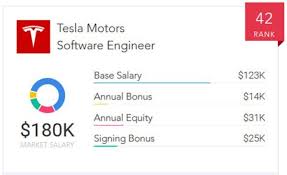
When it comes to the compensation of Tesla engineers, the salaries are often competitive and commensurate with the industry standards for tech professionals. While specific salary figures can vary based on factors such as experience, job role, and location, Tesla is known to offer attractive packages to its engineers. Additionally, Tesla may provide other benefits such as stock options, bonuses, and perks that contribute to a comprehensive compensation package for their employees. Overall, working as a software engineer at Tesla can be financially rewarding along with the opportunity to be part of groundbreaking innovations in the automotive and technology sectors.

What is the salary of Software Engineer in Tesla?

The salary of a Software Engineer at Tesla can vary based on factors such as experience, location, and specific role within the company. Generally, Tesla offers competitive compensation packages to attract top talent in the tech industry. Software Engineers at Tesla can expect to receive a salary that aligns with industry standards and reflects their skills and contributions to the company’s innovative projects. It is advisable for individuals interested in pursuing a career as a Software Engineer at Tesla to research current market trends and reach out to the company directly for the most up-to-date information on salary expectations.

What do software engineers do in Tesla?

Software engineers at Tesla play a crucial role in driving innovation and shaping the future of transportation. In Tesla, software engineers are responsible for developing and optimizing the software that powers Tesla’s electric vehicles. This includes designing user interfaces, implementing advanced autonomous driving features, and collaborating closely with hardware engineers and designers to integrate software seamlessly with cutting-edge hardware components. Continuous learning, innovation, and a passion for pushing boundaries are key aspects of the work of software engineers at Tesla as they contribute to projects that have the potential to revolutionize the automotive industry.

Does SpaceX have software engineers?

Yes, SpaceX does have software engineers. Software engineering plays a crucial role in the development of SpaceX’s aerospace technologies, including rockets, spacecraft, and satellite systems. SpaceX’s software engineers work on a wide range of projects, from designing flight control systems to developing software for autonomous landing and docking procedures. Their expertise is instrumental in ensuring the success and safety of SpaceX’s missions to space. By leveraging cutting-edge technology and innovative software solutions, SpaceX continues to push the boundaries of space exploration with the help of its talented team of software engineers.

Does Tesla have software engineers?

Yes, Tesla has a dedicated team of software engineers who play a crucial role in developing and optimizing the software that powers Tesla’s innovative electric vehicles. These software engineers work on a wide range of projects, from designing user interfaces to implementing advanced autonomous driving features. Their expertise and creativity contribute to shaping the cutting-edge technology that sets Tesla vehicles apart in the automotive industry. Tesla’s software engineers are at the forefront of driving innovation and pushing boundaries in the realm of sustainable transportation.

software engineer tesla

Driving Innovation: The Role of a Software Engineer at Tesla

Software Engineer at Tesla: Powering Innovation in the Automotive Industry

Software Engineer at Tesla: Powering Innovation in the Automotive Industry

Tesla, the renowned electric vehicle manufacturer, is at the forefront of revolutionizing the automotive industry with its cutting-edge technology and sustainable approach. Behind Tesla’s success lies a team of talented software engineers who play a crucial role in developing innovative solutions that power Tesla’s vehicles.

The Role of a Software Engineer at Tesla

As a software engineer at Tesla, you are tasked with designing, developing, and maintaining software systems that drive various aspects of Tesla’s electric vehicles. From autonomous driving capabilities to infotainment systems, software engineers at Tesla work on a wide range of projects that push the boundaries of what is possible in the automotive industry.

Key Responsibilities

Software engineers at Tesla collaborate closely with cross-functional teams to create seamless and intuitive user experiences for Tesla owners. They are involved in all stages of software development, from conceptualization to implementation and testing. Some key responsibilities include:

  • Writing clean and efficient code for embedded systems
  • Implementing algorithms for autonomous driving features
  • Optimizing software performance to enhance vehicle efficiency
  • Collaborating with hardware engineers to integrate software with vehicle components
  • Maintaining and updating existing software systems

The Impact of Software Engineers at Tesla

Software engineers at Tesla are instrumental in shaping the future of transportation by creating intelligent and connected vehicles that redefine the driving experience. Their work not only enhances the performance and safety of Tesla vehicles but also contributes to reducing carbon emissions and promoting sustainability.

Career Opportunities for Software Engineers at Tesla

Tesla offers exciting career opportunities for software engineers who are passionate about innovation and sustainability. Working at Tesla provides a unique chance to be part of a dynamic team that is driving change in the automotive industry and beyond.

Joining the Team

If you are a skilled software engineer looking to make an impact in an industry-leading company like Tesla, consider exploring career opportunities available on Tesla’s official website. Joining the team at Tesla means being part of a mission-driven organization that values creativity, collaboration, and continuous learning.

© 2023 CFChris. All rights reserved.


6 Essential Tips for Aspiring Tesla Software Engineers

  1. Stay updated on the latest technologies and trends in the automotive industry.
  2. Focus on developing strong skills in software development, computer science, and engineering principles.
  3. Collaborate effectively with cross-functional teams to ensure seamless integration of software systems.
  4. Prioritize testing and quality assurance to deliver reliable and high-performance software solutions.
  5. Embrace continuous learning and improvement to enhance your expertise as a software engineer at Tesla.
  6. Contribute innovative ideas and solutions that align with Tesla’s mission of accelerating the world’s transition to sustainable energy.

To excel as a software engineer at Tesla, it is crucial to stay updated on the latest technologies and trends in the automotive industry. By keeping abreast of advancements in areas such as autonomous driving, electric vehicle technology, and connected car systems, software engineers can contribute to Tesla’s innovative projects and help shape the future of transportation. Continuous learning and exploration of new technologies are key to staying ahead in this fast-evolving industry and delivering cutting-edge solutions that drive progress and sustainability.

Focus on developing strong skills in software development, computer science, and engineering principles.

To excel as a software engineer at Tesla, it is essential to focus on developing strong skills in software development, computer science, and engineering principles. Mastering these fundamental areas will not only enhance your ability to design and implement innovative solutions for Tesla’s electric vehicles but also enable you to contribute effectively to the advancement of technology in the automotive industry. By honing your expertise in software development, computer science concepts, and engineering principles, you will be well-equipped to tackle the complex challenges and drive impactful change within Tesla’s dynamic environment.

Collaborate effectively with cross-functional teams to ensure seamless integration of software systems.

To excel as a software engineer at Tesla, it is crucial to collaborate effectively with cross-functional teams to guarantee the seamless integration of software systems. By working closely with colleagues from diverse backgrounds, including hardware engineers, designers, and product managers, software engineers can ensure that their code aligns with overall project goals and functions harmoniously within Tesla’s innovative vehicles. This collaborative approach not only enhances the quality and performance of software systems but also fosters a culture of teamwork and innovation within the organization.

Prioritize testing and quality assurance to deliver reliable and high-performance software solutions.

To excel as a software engineer at Tesla, it is essential to prioritize testing and quality assurance throughout the software development process. By placing a strong emphasis on testing, engineers can ensure that the software they deliver is reliable, high-performing, and meets the rigorous standards set by Tesla. Emphasizing quality assurance not only enhances the user experience but also contributes to Tesla’s reputation for innovation and excellence in the automotive industry.

Embrace continuous learning and improvement to enhance your expertise as a software engineer at Tesla.

Embracing continuous learning and improvement is essential for software engineers at Tesla to enhance their expertise and stay at the forefront of innovation in the automotive industry. By actively seeking new knowledge, staying updated on emerging technologies, and honing their skills through ongoing training and development, software engineers can not only meet the high standards set by Tesla but also contribute to pushing the boundaries of what is possible in creating intelligent and sustainable vehicles.

Contribute innovative ideas and solutions that align with Tesla’s mission of accelerating the world’s transition to sustainable energy.

By contributing innovative ideas and solutions that align with Tesla’s mission of accelerating the world’s transition to sustainable energy, software engineers play a vital role in driving forward the vision of a more sustainable future. At Tesla, software engineers are encouraged to think creatively and develop cutting-edge technologies that not only enhance the performance of Tesla vehicles but also contribute to reducing carbon emissions and promoting environmental sustainability on a global scale. Embracing this ethos allows software engineers at Tesla to be at the forefront of innovation, shaping the future of transportation and making a meaningful impact on the world.