cfchris.com

Loading

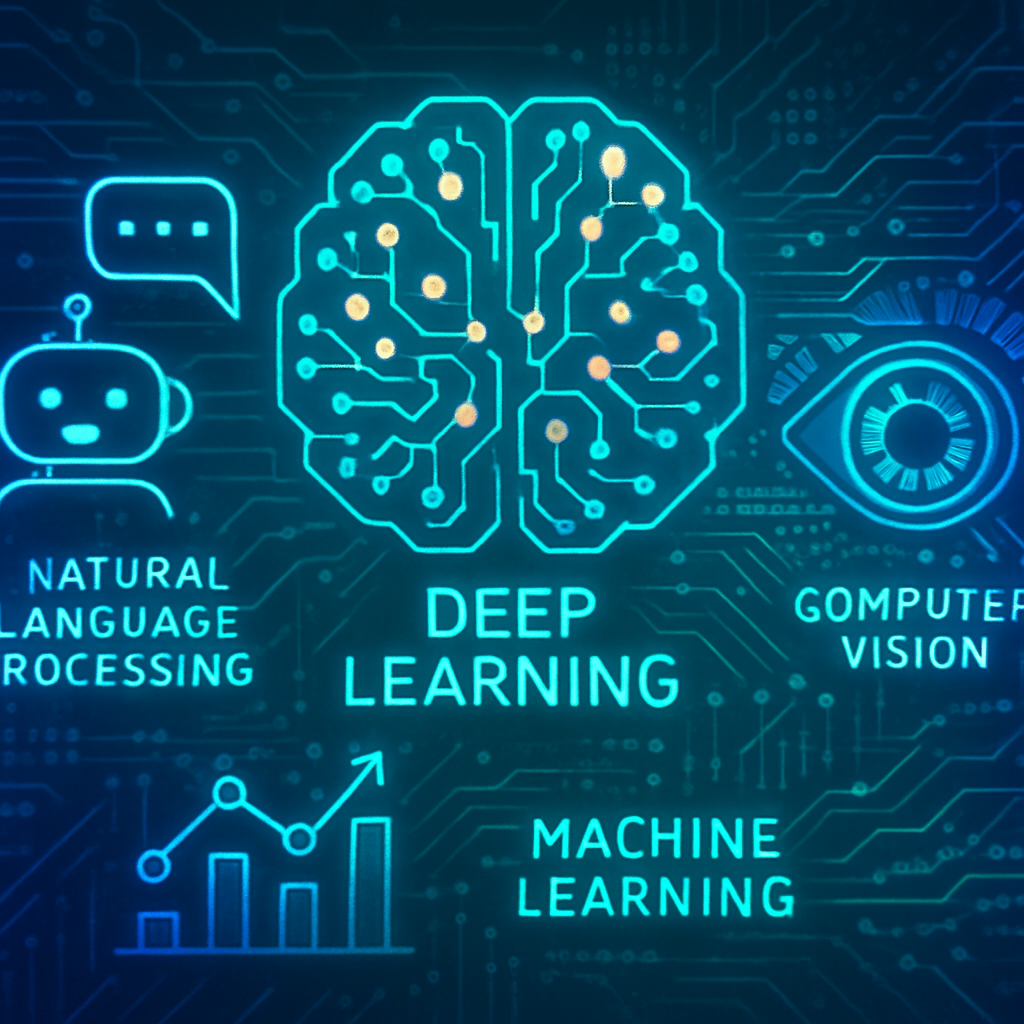
artificial intelligence and machine learning

Exploring the Synergy of Artificial Intelligence and Machine Learning

Artificial Intelligence and Machine Learning

Understanding Artificial Intelligence and Machine Learning

Artificial Intelligence (AI) and Machine Learning (ML) are two of the most transformative technologies in today’s digital age. They are reshaping industries, enhancing efficiencies, and paving the way for innovations that were once considered science fiction.

What is Artificial Intelligence?

Artificial Intelligence refers to the simulation of human intelligence processes by machines, especially computer systems. These processes include learning (the acquisition of information and rules for using it), reasoning (using rules to reach approximate or definite conclusions), and self-correction. AI can be categorized into two types:

  • Narrow AI: Also known as weak AI, this type is designed to perform a narrow task (like facial recognition or internet searches) and operates under a limited set of constraints.
  • General AI: Also known as strong AI, this type possesses the ability to perform any intellectual task that a human can do. It remains largely theoretical at this point.

The Role of Machine Learning

Machine Learning is a subset of AI that involves the use of algorithms and statistical models to enable computers to improve their performance on tasks through experience. Instead of being explicitly programmed to carry out a specific task, ML systems use data-driven approaches to learn patterns from data.

Types of Machine Learning

  1. Supervised Learning: The algorithm is trained on labeled data. It’s like teaching a child with examples. For instance, teaching an algorithm to recognize cats by showing it thousands of labeled cat images.
  2. Unsupervised Learning: The algorithm works with unlabeled data and tries to identify patterns or groupings without any guidance. Clustering algorithms fall under this category.
  3. Semi-supervised Learning: This approach uses both labeled and unlabeled data for training. It’s useful when acquiring a fully labeled dataset is expensive or time-consuming.
  4. Reinforcement Learning: Here, an agent learns how to achieve a goal in an uncertain environment by taking actions and receiving feedback from those actions in terms of rewards or penalties.

The Impact on Industries

The implications of AI and ML are vast across various sectors:

  • Healthcare: From predictive analytics for patient care to advanced imaging techniques, AI helps in diagnosing diseases faster and more accurately.
  • Finance: Algorithms detect fraudulent transactions in real-time while personalized banking experiences enhance customer satisfaction.
  • Agriculture: Precision farming powered by AI optimizes crop yield predictions based on weather conditions, soil health, etc.
  • E-commerce: Personalized recommendations improve user experience while inventory management becomes more efficient through demand forecasting.

The Future Ahead

The future holds immense potential for further advancements in artificial intelligence and machine learning. As these technologies evolve, ethical considerations around privacy, security, bias, and employment must be addressed responsibly. Collaboration between policymakers, technologists, businesses, and society will be crucial in harnessing these powerful tools for the greater good.

The journey ahead is exciting as we continue exploring the possibilities that artificial intelligence and machine learning offer in transforming our world into a smarter place.


Understanding AI and Machine Learning: Key Questions Answered

  1. What is artificial intelligence?
  2. How does machine learning differ from artificial intelligence?
  3. What are the real-world applications of artificial intelligence and machine learning?
  4. What are the different types of machine learning algorithms?
  5. How do artificial intelligence and machine learning impact job roles and industries?
  6. What ethical considerations are associated with the use of AI and ML technologies?
  7. How can businesses leverage artificial intelligence and machine learning to gain a competitive advantage?

What is artificial intelligence?

Artificial Intelligence (AI) is a branch of computer science focused on creating systems capable of performing tasks that typically require human intelligence. These tasks include understanding natural language, recognizing patterns, solving problems, and making decisions. AI systems are designed to simulate human cognitive processes by learning from data and adapting to new inputs. They can be categorized into narrow AI, which is specialized for specific tasks like facial recognition or voice assistants, and general AI, which remains largely theoretical and would possess the ability to perform any intellectual task a human can do. The development of AI has profound implications across various sectors, from healthcare to finance, as it enhances efficiency and opens up new possibilities for innovation.

How does machine learning differ from artificial intelligence?

Machine learning is a subset of artificial intelligence that focuses on enabling machines to learn from data without being explicitly programmed. While artificial intelligence encompasses a broader concept of simulating human intelligence in machines, machine learning specifically deals with algorithms that improve their performance over time through experience. In essence, artificial intelligence represents the overarching goal of creating intelligent machines, whereas machine learning serves as a key technique within the field of AI, emphasizing the ability of systems to learn and adapt autonomously.

What are the real-world applications of artificial intelligence and machine learning?

Artificial intelligence and machine learning have numerous real-world applications that are transforming industries and enhancing everyday life. In healthcare, AI is used for predictive analytics, improving diagnostic accuracy, and personalizing patient care plans. In finance, algorithms help detect fraudulent activities and automate trading processes. The automotive industry benefits from AI through the development of autonomous vehicles and advanced driver-assistance systems. In retail, machine learning enhances customer experience by enabling personalized recommendations and optimizing inventory management. Additionally, AI-powered chatbots are revolutionizing customer service across various sectors by providing instant support and handling routine inquiries efficiently. These technologies are also making significant strides in agriculture with precision farming techniques that increase crop yields while minimizing resource usage. Overall, AI and machine learning are driving innovation across multiple domains, making processes more efficient and opening up new possibilities for growth and development.

What are the different types of machine learning algorithms?

Machine learning algorithms can be broadly categorized into several types, each serving different purposes depending on the nature of the task and the data available. The main types include supervised learning, where algorithms are trained on labeled data to make predictions or classifications; unsupervised learning, which involves finding patterns or groupings in data without predefined labels; and reinforcement learning, where an agent learns to make decisions by receiving feedback in the form of rewards or penalties from its environment. Additionally, there is semi-supervised learning that combines both labeled and unlabeled data to improve learning accuracy, and deep learning, a subset of machine learning that utilizes neural networks with many layers to model complex patterns in large datasets. Each type has its own strengths and is selected based on the specific problem being addressed.

How do artificial intelligence and machine learning impact job roles and industries?

Artificial intelligence and machine learning are significantly transforming job roles and industries by automating routine tasks, enhancing decision-making processes, and creating new opportunities. In many sectors, AI and ML technologies streamline operations, allowing employees to focus on more strategic and creative tasks rather than repetitive ones. For instance, in manufacturing, AI-driven robots handle assembly lines with precision, reducing the need for manual labor while increasing productivity. In finance, algorithms analyze vast datasets to detect fraud or predict market trends faster than human analysts could. While some fear that automation might lead to job displacement, these technologies also generate demand for new roles in AI development, data analysis, and system maintenance. Industries are evolving as they integrate AI and ML into their workflows, fostering innovation and requiring a workforce skilled in digital literacy to adapt to these technological advancements.

What ethical considerations are associated with the use of AI and ML technologies?

The ethical considerations associated with the use of AI and ML technologies are multifaceted and crucial to address as these technologies become more integrated into daily life. One major concern is privacy, as AI systems often rely on large datasets that include personal information, raising questions about data security and consent. Additionally, there is the potential for bias in AI algorithms, which can lead to unfair or discriminatory outcomes if the data used to train these systems is not representative or contains inherent biases. Transparency is another significant issue, as the decision-making processes of complex AI models can be opaque, making it difficult for users to understand how conclusions are reached. Moreover, the impact of AI on employment must be considered, as automation could displace jobs without adequate measures for workforce transition. Finally, ensuring accountability in AI systems is essential to determine who is responsible when these technologies fail or cause harm. Addressing these ethical challenges requires a collaborative effort among technologists, policymakers, and society to develop frameworks that promote fair and responsible use of AI and ML.

How can businesses leverage artificial intelligence and machine learning to gain a competitive advantage?

Businesses can leverage artificial intelligence (AI) and machine learning (ML) to gain a competitive advantage by optimizing operations, enhancing customer experiences, and driving innovation. AI and ML can automate routine tasks, freeing up valuable human resources for more strategic activities. By analyzing vast amounts of data, these technologies provide insights into consumer behavior, allowing companies to tailor products and services to meet customer needs more effectively. Predictive analytics powered by AI can improve decision-making processes, enabling businesses to anticipate market trends and adjust strategies proactively. Additionally, AI-driven tools can enhance product development cycles by identifying inefficiencies and suggesting improvements. By integrating AI and ML into their operations, businesses not only increase efficiency but also foster innovation that sets them apart in the marketplace.

managed security services

Maximizing Security with Managed Security Services: Protecting Your Digital Assets

Article: Managed Security Services

The Importance of Managed Security Services

Managed Security Services (MSS) have become essential in today’s digital landscape where cyber threats are constantly evolving and becoming more sophisticated. Organizations, both large and small, are increasingly turning to MSS providers to protect their sensitive data and ensure the security of their IT infrastructure.

What are Managed Security Services?

Managed Security Services involve outsourcing the monitoring and management of security devices and systems to a third-party provider. These services typically include round-the-clock monitoring, threat detection, incident response, vulnerability assessments, and security updates.

The Benefits of Managed Security Services

Enhanced Security: MSS providers utilize advanced tools and technologies to detect and respond to security incidents in real-time, reducing the risk of data breaches.

Cost-Effectiveness: Outsourcing security operations to an MSS provider can be more cost-effective than maintaining an in-house security team, especially for small and medium-sized businesses.

Expertise: MSS providers employ cybersecurity experts who stay up-to-date with the latest threats and best practices in the industry, ensuring that your organization receives top-notch security services.

Choosing the Right MSS Provider

When selecting an MSS provider, consider factors such as their experience, reputation, range of services offered, compliance with industry standards, and scalability to accommodate your organization’s growth.

In Conclusion

Managed Security Services play a crucial role in safeguarding organizations against cyber threats and ensuring compliance with data protection regulations. By partnering with a reputable MSS provider, organizations can focus on their core business activities with the peace of mind that their digital assets are secure.


7 Benefits of Managed Security Services: Boosting Protection and Efficiency for Your Business

  1. Enhanced security through 24/7 monitoring
  2. Access to advanced cybersecurity tools and technologies
  3. Cost-effective compared to maintaining an in-house security team
  4. Expertise of cybersecurity professionals
  5. Quick incident response and threat detection
  6. Scalability to accommodate business growth
  7. Compliance with industry standards and regulations


7 Drawbacks of Managed Security Services: Cost, Dependency, and More

  1. Cost
  2. Dependency
  3. Integration Challenges
  4. Limited Customization
  5. Response Time
  6. Data Privacy Concerns
  7. Regulatory Compliance Risks

Enhanced security through 24/7 monitoring

Enhanced security through 24/7 monitoring is a key advantage of managed security services. With round-the-clock monitoring by dedicated cybersecurity experts, organizations can have peace of mind knowing that their IT infrastructure is continuously being monitored for any potential threats or vulnerabilities. This proactive approach allows for real-time threat detection and immediate response to security incidents, minimizing the risk of data breaches and ensuring that critical systems remain protected at all times.

Access to advanced cybersecurity tools and technologies

Access to advanced cybersecurity tools and technologies is a significant advantage of managed security services. By partnering with an MSS provider, organizations can leverage state-of-the-art security solutions that may be costly to acquire and maintain in-house. These advanced tools enable proactive threat detection, rapid incident response, and continuous monitoring of IT systems, enhancing overall cybersecurity posture and reducing the risk of data breaches. With access to cutting-edge technologies through managed security services, businesses can stay ahead of evolving cyber threats and better protect their sensitive information.

Cost-effective compared to maintaining an in-house security team

One significant advantage of opting for Managed Security Services is their cost-effectiveness when compared to the expenses involved in maintaining an in-house security team. By outsourcing security operations to a specialized provider, organizations can benefit from expert cybersecurity services without the overhead costs associated with hiring and training dedicated security personnel. This approach proves particularly advantageous for small and medium-sized businesses seeking robust security solutions within a budget-friendly framework.

Expertise of cybersecurity professionals

The expertise of cybersecurity professionals is a significant advantage of managed security services. These professionals are highly trained and experienced in identifying, mitigating, and responding to a wide range of cyber threats. By leveraging the knowledge and skills of these experts, organizations can enhance their security posture and stay ahead of evolving cyber risks. The specialized expertise of cybersecurity professionals within managed security services ensures that organizations receive proactive and effective protection against potential security breaches, ultimately safeguarding their sensitive data and IT infrastructure.

Quick incident response and threat detection

Quick incident response and threat detection are key benefits of managed security services. By outsourcing these functions to a specialized provider, organizations can leverage advanced tools and expertise to swiftly identify and address security incidents. This proactive approach helps minimize the impact of potential threats, reducing the risk of data breaches and downtime. With round-the-clock monitoring and real-time alerts, managed security services enable organizations to respond promptly to emerging threats, enhancing their overall cybersecurity posture.

Scalability to accommodate business growth

Managed Security Services offer the significant advantage of scalability to accommodate business growth. As organizations expand and evolve, their security needs also change. MSS providers can adjust their services and resources to meet the increasing demands of a growing business, ensuring that security measures remain effective and aligned with the organization’s evolving IT infrastructure. This flexibility allows businesses to scale up their security solutions seamlessly without compromising on protection or performance, providing peace of mind as they navigate through periods of expansion and transformation.

Compliance with industry standards and regulations

Ensuring compliance with industry standards and regulations is a significant advantage of managed security services. MSS providers have the expertise and resources to help organizations navigate the complex landscape of regulatory requirements, such as GDPR, HIPAA, or PCI DSS. By partnering with an MSS provider that is well-versed in these standards, businesses can mitigate the risk of non-compliance penalties, protect sensitive data, and maintain trust with their customers and stakeholders.

Cost

Managed security services can present a significant con in terms of cost, particularly for small businesses operating on limited budgets. The expense associated with outsourcing security operations to a managed service provider can sometimes be prohibitive for smaller organizations. This financial burden may pose a challenge for businesses looking to enhance their cybersecurity posture but facing constraints in allocating resources to manage security effectively. As a result, small businesses may need to carefully weigh the costs and benefits of engaging managed security services to ensure that their investment aligns with their overall security needs and financial capabilities.

Dependency

Relying on an external provider for security, as is the case with Managed Security Services, can introduce a significant con in the form of dependency. Organizations may feel a loss of control over their security measures and operations, as they are entrusting a third-party provider to safeguard their sensitive data and IT infrastructure. This dependency on an external entity can lead to concerns about responsiveness, customization, and decision-making autonomy in addressing security incidents and implementing tailored security solutions that align closely with the organization’s specific needs and risk profile.

Integration Challenges

Integrating managed security services with existing IT systems and processes can pose a significant challenge for organizations. The complexity and time-consuming nature of this integration process can disrupt operations and require careful planning and coordination. Ensuring seamless compatibility between the managed security services and the existing infrastructure is crucial to avoid potential conflicts or gaps in security coverage. Organizations must allocate resources and expertise to effectively navigate these integration challenges to fully leverage the benefits of managed security services while minimizing disruptions to their IT environment.

Limited Customization

Some MSS providers present a con in the form of limited customization, as they may provide standardized solutions that do not entirely align with the specific security requirements of an organization. This lack of customization can result in gaps in security coverage and leave certain aspects of an organization’s IT infrastructure vulnerable to potential threats. Organizations seeking tailored security measures may find themselves constrained by the off-the-shelf nature of some managed security services, necessitating a careful evaluation of provider capabilities to ensure comprehensive protection against evolving cyber risks.

Response Time

Delays in response time from Managed Security Services (MSS) providers can pose a significant challenge for organizations relying on swift incident response and threat mitigation. When incidents occur, every moment is crucial in containing the potential damage and minimizing risks. A delayed response can allow threats to escalate, leading to more severe consequences for the organization’s security posture. It is essential for organizations to carefully evaluate the responsiveness and service level agreements of MSS providers to ensure timely and effective incident management.

Data Privacy Concerns

Entrusting sensitive data to a third-party provider raises concerns about data privacy and confidentiality. Organizations may worry about the security measures implemented by the managed security services provider to safeguard their data from unauthorized access or breaches. The potential risk of data exposure or misuse can be a significant deterrent for businesses, especially those operating in highly regulated industries where compliance with strict data protection laws is paramount. Data privacy concerns highlight the importance of thorough vetting and due diligence when selecting a managed security services provider to ensure that data remains secure and protected at all times.

Regulatory Compliance Risks

One significant con of managed security services is the regulatory compliance risks associated with them. Organizations need to meticulously verify that their MSS provider adheres to all relevant regulations and standards to mitigate the potential compliance risks and penalties. Failure to ensure compliance with data protection laws and industry regulations could lead to severe consequences, including legal actions, fines, and reputational damage for the organization. It is crucial for businesses to thoroughly assess the regulatory compliance practices of their MSS provider before entrusting them with the security of sensitive data and IT infrastructure.

java ee

Mastering Java EE: Building Enterprise Applications with Confidence

Exploring Java EE

The World of Java EE

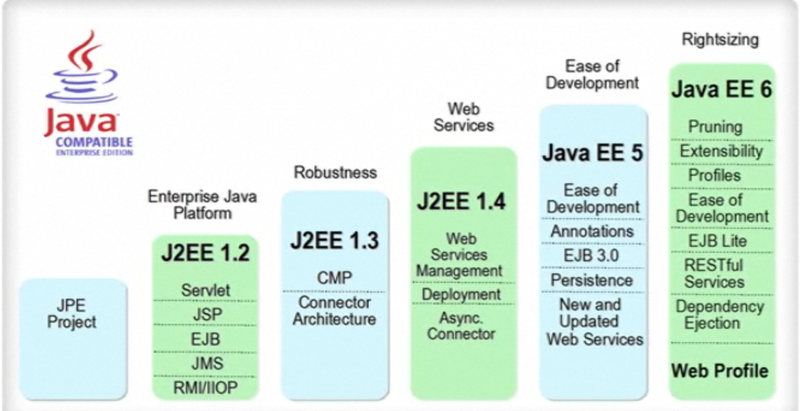
Java Platform, Enterprise Edition (Java EE), formerly known as J2EE, is a powerful platform for building enterprise-level applications. It provides a comprehensive set of APIs and services that simplify the development process and enable developers to create scalable, secure, and robust applications.

Key Features of Java EE

Java EE offers a range of features that make it a popular choice for developing enterprise applications:

  • Component-based architecture: Java EE applications are built using components such as EJBs (Enterprise JavaBeans) and servlets, making it easier to manage and maintain large-scale projects.
  • Enterprise services: Java EE provides essential services like transaction management, security, messaging, and more out of the box, saving developers time and effort in implementing these functionalities.
  • Scalability: Java EE applications can be easily scaled to accommodate increased load by leveraging features like clustering and load balancing.
  • Security: With built-in security mechanisms such as authentication and authorization, Java EE helps developers create secure applications that protect sensitive data.
  • JPA (Java Persistence API): Java EE includes JPA for simplifying database operations by providing an object-relational mapping framework.

Popular Technologies in Java EE

Some of the well-known technologies within the Java EE ecosystem include:

  • Servlets: Used for handling HTTP requests and responses in web applications.
  • JSP (JavaServer Pages): Enables the creation of dynamic web content using Java code embedded in HTML pages.
  • EJBs (Enterprise JavaBeans): Components that encapsulate business logic in enterprise applications.
  • JMS (Java Message Service): Facilitates messaging between distributed components in an application.

The Future of Java EE

In recent years, there has been a shift towards microservices architecture and cloud-native development. As a response to these trends, Jakarta EE has emerged as the successor to Java EE. Jakarta EE continues to evolve with new features and enhancements to meet the demands of modern enterprise application development.

In conclusion, Java EE remains a robust platform for building enterprise-grade applications. Its rich set of features, scalability options, and security mechanisms make it a preferred choice for developers working on complex projects. By staying updated with the latest advancements in the ecosystem, developers can leverage the power of Java EE to create innovative solutions for businesses worldwide.


9 Key Advantages of Java EE for Enterprise Application Development

  1. Comprehensive set of APIs for building enterprise applications
  2. Built-in support for essential services like transaction management and security
  3. Scalability features such as clustering and load balancing
  4. Component-based architecture simplifies application development
  5. JPA simplifies database operations with object-relational mapping
  6. Robust security mechanisms for protecting sensitive data
  7. Support for messaging services through JMS (Java Message Service)
  8. Enables creation of dynamic web content with JSP (JavaServer Pages)
  9. Continuously evolving to meet the demands of modern enterprise application development


Challenges of Java EE: Navigating Complexity, Resource Demands, and Overhead

  1. Steep learning curve
  2. Resource-intensive
  3. Overhead

Comprehensive set of APIs for building enterprise applications

Java EE’s comprehensive set of APIs for building enterprise applications is a significant advantage that simplifies and accelerates the development process. By providing a wide range of pre-built functionalities and services, developers can focus on implementing business logic rather than reinventing the wheel. These APIs cover essential aspects such as security, transaction management, messaging, and more, enabling developers to create robust and scalable enterprise solutions efficiently. The availability of these APIs in Java EE streamlines development efforts, enhances code quality, and ultimately contributes to the successful delivery of complex enterprise applications.

Built-in support for essential services like transaction management and security

Java EE’s built-in support for essential services, such as transaction management and security, significantly simplifies the development process for enterprise applications. By providing robust mechanisms for handling transactions and ensuring data security, Java EE empowers developers to focus on building core functionalities without having to implement these critical features from scratch. This inherent support enhances the reliability and integrity of applications, making them more resilient to potential risks and ensuring a smoother user experience.

Scalability features such as clustering and load balancing

One of the key advantages of Java EE is its robust scalability features, including clustering and load balancing. By utilizing clustering, Java EE applications can be distributed across multiple servers, allowing for increased performance and fault tolerance. Load balancing ensures that incoming requests are evenly distributed among servers, optimizing resource utilization and enhancing system reliability. These scalability features in Java EE empower developers to build applications that can seamlessly handle growing workloads and provide a consistent user experience even under high traffic conditions.

Component-based architecture simplifies application development

The component-based architecture of Java EE simplifies application development by breaking down complex systems into smaller, reusable components. Developers can focus on building individual components with specific functionalities, making it easier to manage and maintain the codebase. This approach promotes code reusability, modularity, and scalability, allowing developers to create robust enterprise applications efficiently. By leveraging the component-based architecture of Java EE, developers can streamline the development process and enhance the overall quality of their applications.

JPA simplifies database operations with object-relational mapping

Java EE’s Java Persistence API (JPA) stands out as a valuable asset by simplifying database operations through object-relational mapping. This feature streamlines the interaction between Java objects and relational databases, eliminating the need for developers to write complex SQL queries manually. By providing a straightforward way to map Java classes to database tables and manage data persistence, JPA enhances productivity and efficiency in application development, ultimately saving time and effort for developers.

Robust security mechanisms for protecting sensitive data

Java EE offers robust security mechanisms designed to safeguard sensitive data within enterprise applications. By incorporating features such as authentication, authorization, encryption, and secure communication protocols, Java EE empowers developers to create secure environments that protect critical information from unauthorized access or breaches. These built-in security capabilities not only ensure compliance with industry standards and regulations but also instill trust in users by maintaining the confidentiality and integrity of data throughout the application lifecycle.

Support for messaging services through JMS (Java Message Service)

Java EE’s support for messaging services through JMS (Java Message Service) is a significant advantage for developers building enterprise applications. JMS provides a reliable and asynchronous communication mechanism that allows different components of an application to exchange messages seamlessly. By leveraging JMS in Java EE, developers can design robust and scalable systems that facilitate efficient communication between distributed components, enhancing the overall performance and reliability of the application.

Enables creation of dynamic web content with JSP (JavaServer Pages)

One of the key advantages of Java EE is its ability to enable the creation of dynamic web content through JavaServer Pages (JSP). JSP allows developers to seamlessly integrate Java code within HTML pages, making it easier to generate dynamic content based on user input or system data. This feature not only enhances the user experience by providing interactive web applications but also simplifies the development process by allowing for efficient and flexible content generation.

Continuously evolving to meet the demands of modern enterprise application development

Java EE’s ability to continuously evolve to meet the demands of modern enterprise application development sets it apart as a dynamic and forward-thinking platform. By adapting to emerging technologies and trends, Java EE ensures that developers have access to the latest tools and features needed to create innovative solutions for complex business requirements. This proactive approach not only enhances the platform’s capabilities but also enables developers to stay ahead in a rapidly changing technological landscape, making Java EE a reliable choice for building scalable and future-proof enterprise applications.

Steep learning curve

One significant drawback of Java EE is its steep learning curve. The platform encompasses a complex ecosystem with a plethora of APIs and technologies, creating a daunting challenge for newcomers to fully comprehend all the intricate concepts. Navigating through the vast array of components and understanding how they interact can be overwhelming, requiring a considerable investment of time and effort to become proficient in Java EE development.

Resource-intensive

Java EE applications can pose a challenge in terms of resource consumption as they can be resource-intensive. This is primarily attributed to the overhead involved in managing components such as EJBs (Enterprise JavaBeans) and the complexities of the application server environment. The need for robust infrastructure and adequate resources to support these components may result in higher hardware requirements and operational costs, making it essential for developers to carefully optimize their Java EE applications to ensure efficient performance while balancing resource utilization.

Overhead

The comprehensive features and services offered by Java EE, while beneficial for complex enterprise applications, can introduce overhead that may be excessive for smaller or simpler projects. This additional complexity could potentially lead to performance issues as the system may be burdened with functionalities that are not essential for the project’s requirements. Careful consideration and optimization are necessary to strike a balance between leveraging the capabilities of Java EE and avoiding unnecessary overhead in order to ensure optimal performance in all types of projects.

Exploring the Transformative Power of AI and ML in Today’s World

The Impact of AI and ML on Modern Technology

The Impact of AI and ML on Modern Technology

Artificial Intelligence (AI) and Machine Learning (ML) are two of the most transformative technologies in today’s digital landscape. They are driving innovation across various sectors, from healthcare to finance, and are reshaping how businesses operate and make decisions.

Understanding AI and ML

Artificial Intelligence refers to the simulation of human intelligence processes by machines, particularly computer systems. These processes include learning, reasoning, problem-solving, perception, and language understanding.

Machine Learning, a subset of AI, involves the use of algorithms that enable computers to learn from data and improve their performance over time without being explicitly programmed. ML is about making predictions or decisions based on data inputs.

Applications in Various Industries

The applications of AI and ML are vast and varied:

  • Healthcare: AI is being used to analyze complex medical data for diagnostics, personalize treatment plans, and even predict patient outcomes.
  • Finance: Financial institutions use ML algorithms for fraud detection, risk management, algorithmic trading, and personalized banking services.
  • Retail: Retailers leverage AI for inventory management, customer service through chatbots, personalized marketing strategies, and demand forecasting.
  • Automotive: Autonomous vehicles rely heavily on AI for navigation systems that can interpret sensor data to make driving decisions.

The Benefits of AI and ML

The integration of AI and ML into business operations offers several benefits:

  • Efficiency: Automation of routine tasks reduces human error and frees up resources for more strategic activities.
  • Insights: Advanced analytics provide deeper insights into customer behavior, market trends, and operational efficiencies.
  • Innovation: Companies can develop new products or services faster by leveraging predictive analytics to understand market needs better.

The Challenges Ahead

Despite their advantages, implementing AI and ML comes with challenges. These include concerns about data privacy, the need for large datasets to train models effectively, potential biases in algorithms leading to unfair outcomes, and the ethical implications of autonomous decision-making systems.

The Future Outlook

The future looks promising as advancements in computing power continue to drive innovation in AI and ML. As these technologies evolve further, they will become even more integral to our daily lives—enhancing productivity while opening up new possibilities across different fields.

A continued focus on ethical practices will be essential as society navigates this technological evolution. By addressing these concerns proactively while fostering innovation responsibly—AI’s potential can be harnessed fully for global benefit.


Exploring AI and ML: Key Differences, Applications, Ethics, Bias Mitigation, and Business Challenges

  1. What is the difference between Artificial Intelligence (AI) and Machine Learning (ML)?
  2. How are Artificial Intelligence and Machine Learning being used in healthcare?
  3. What are the ethical implications of using AI and ML in decision-making processes?
  4. Can AI algorithms be biased, and how can bias be mitigated in Machine Learning models?
  5. What are some common challenges faced when implementing AI and ML solutions in businesses?

What is the difference between Artificial Intelligence (AI) and Machine Learning (ML)?

Artificial Intelligence (AI) and Machine Learning (ML) are often used interchangeably, but they represent distinct concepts within the realm of computer science. AI is a broad field that encompasses the development of systems capable of performing tasks that typically require human intelligence, such as reasoning, problem-solving, and understanding language. It aims to create machines that can mimic cognitive functions like learning and adaptation. On the other hand, Machine Learning is a subset of AI focused on the idea that machines can learn from data. ML involves algorithms that allow computers to identify patterns and make decisions with minimal human intervention. Essentially, while all machine learning is AI, not all AI involves machine learning. ML is one approach to achieving AI by enabling systems to improve their performance over time through experience and data analysis.

How are Artificial Intelligence and Machine Learning being used in healthcare?

Artificial Intelligence (AI) and Machine Learning (ML) are revolutionizing healthcare by enhancing diagnostic accuracy, personalizing treatment, and improving patient outcomes. AI systems can analyze complex medical data, such as imaging scans and electronic health records, to assist doctors in diagnosing diseases more accurately and swiftly. Machine learning algorithms are being used to develop predictive models that identify patients at risk of certain conditions, enabling early intervention. Additionally, AI-driven tools help in drug discovery by analyzing vast datasets to identify potential new treatments. In personalized medicine, ML algorithms tailor treatment plans based on an individual’s genetic makeup and lifestyle factors, ensuring more effective care. These technologies are also streamlining administrative tasks within healthcare facilities, allowing professionals to focus more on patient care.

What are the ethical implications of using AI and ML in decision-making processes?

The ethical implications of using AI and ML in decision-making processes are significant and multifaceted. As these technologies become more integrated into various sectors, they raise concerns about bias, transparency, and accountability. AI systems can inadvertently perpetuate or even amplify existing biases present in the data they are trained on, leading to unfair or discriminatory outcomes. Transparency is another critical issue, as the decision-making processes of complex algorithms can be opaque, making it difficult for users to understand how decisions are reached. This lack of clarity can undermine trust and accountability, especially in high-stakes areas like criminal justice or hiring. Additionally, there are concerns about privacy and the extent to which personal data is used responsibly. Ensuring ethical use of AI and ML requires ongoing efforts to develop fair algorithms, implement robust oversight mechanisms, and engage in open dialogue about their societal impacts.

Can AI algorithms be biased, and how can bias be mitigated in Machine Learning models?

AI algorithms can indeed be biased, primarily because they learn from data that may contain existing biases. These biases can stem from unrepresentative datasets, historical prejudices, or flawed data collection methods. When AI models are trained on such data, they can inadvertently perpetuate or even amplify these biases in their predictions and decisions. To mitigate bias in Machine Learning models, it’s crucial to use diverse and representative datasets during the training phase. Additionally, implementing fairness-aware algorithms and regularly auditing models for biased outcomes are essential steps. Transparency in the development process and involving interdisciplinary teams to evaluate model outputs can further help identify and address potential biases, ensuring that AI systems operate more equitably across different user groups.

What are some common challenges faced when implementing AI and ML solutions in businesses?

Implementing AI and ML solutions in businesses often presents several challenges. One of the primary hurdles is data quality and availability; AI and ML models require large volumes of high-quality data to function effectively, yet many organizations struggle with data silos or incomplete datasets. Additionally, integrating these technologies into existing systems can be complex and resource-intensive, requiring significant investment in infrastructure and skilled personnel. There is also the challenge of algorithmic bias, where models may inadvertently perpetuate existing biases present in the training data, leading to unfair outcomes. Furthermore, ensuring data privacy and security is crucial, as AI systems often handle sensitive information. Lastly, businesses must navigate the cultural shift within the organization as employees adapt to new workflows and processes driven by AI technologies.

best software development companies

The Best Software Development Companies: Leading Innovation and Excellence

Article: Best Software Development Companies

The Top Software Development Companies Leading Innovation

In today’s digital age, software development companies play a crucial role in driving innovation and shaping the technological landscape. With a myriad of companies offering software development services, it can be challenging to identify the best ones that stand out for their excellence in the field. Here are some of the top software development companies renowned for their exceptional work:

Microsoft

Microsoft is a global leader in software development, known for its cutting-edge technologies and innovative solutions. With a wide range of products and services, Microsoft continues to set industry standards and push boundaries.

Google

Google is synonymous with innovation and creativity in the tech world. As a leading software development company, Google has developed groundbreaking products such as Android, Chrome, and Google Cloud Platform.

IBM

IBM has a long-standing reputation for its expertise in software development and enterprise solutions. With a focus on AI, cloud computing, and cybersecurity, IBM continues to deliver high-quality software services to businesses worldwide.

Oracle

Oracle is a trusted name in database management systems and enterprise software solutions. With a strong emphasis on cloud technologies and data analytics, Oracle remains a top choice for organizations looking for robust software solutions.

SAP

SAP specializes in enterprise resource planning (ERP) software and business applications that help streamline operations and drive business growth. Known for its reliability and scalability, SAP is a preferred choice for many large corporations.

These are just a few examples of the best software development companies that continue to shape the digital landscape with their innovative solutions and forward-thinking approach. Whether you are looking for custom software development or off-the-shelf solutions, partnering with one of these industry leaders can help take your business to new heights.


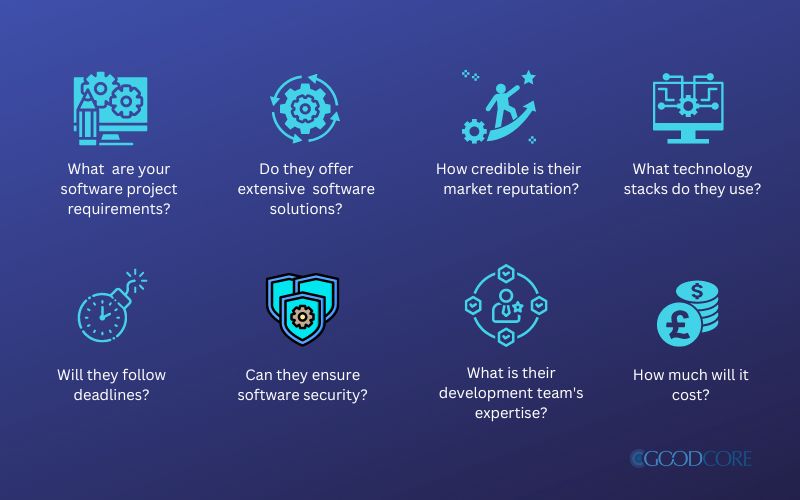
7 Essential Tips for Choosing the Best Software Development Company

  1. Look for companies with a strong portfolio showcasing diverse projects.
  2. Check for client testimonials and reviews to gauge customer satisfaction.
  3. Research the company’s expertise in relevant technologies and programming languages.
  4. Consider the company’s experience in delivering projects on time and within budget.
  5. Evaluate the company’s communication channels and responsiveness to client inquiries.
  6. Assess the company’s scalability and ability to accommodate future project growth.
  7. Verify if the company follows industry best practices and standards in software development.

Look for companies with a strong portfolio showcasing diverse projects.

When searching for the best software development companies, it is essential to look for firms with a robust portfolio that demonstrates a variety of projects. A diverse portfolio indicates the company’s versatility and expertise in handling different types of software development challenges. By examining past projects, potential clients can gain insight into the company’s capabilities, creativity, and problem-solving skills, helping them make an informed decision about which company aligns best with their specific needs and requirements.

Check for client testimonials and reviews to gauge customer satisfaction.

When searching for the best software development companies, it is essential to check for client testimonials and reviews to gauge customer satisfaction. Client testimonials provide valuable insights into the quality of services offered by a company and the overall satisfaction level of previous clients. By reviewing feedback from past customers, you can gain a better understanding of the company’s reputation, reliability, and expertise in delivering software solutions. Taking the time to assess client testimonials can help you make an informed decision when selecting a software development partner for your business needs.

Research the company’s expertise in relevant technologies and programming languages.

When exploring the top software development companies, it is crucial to delve into their expertise in relevant technologies and programming languages. Understanding the company’s proficiency in the tools and languages that align with your project requirements can significantly impact the success of your software development endeavor. By researching this aspect, you can ensure that you partner with a company that possesses the necessary skills and knowledge to deliver high-quality and tailored solutions that meet your specific needs effectively.

Consider the company’s experience in delivering projects on time and within budget.

When evaluating the best software development companies, it is crucial to consider the company’s experience in delivering projects on time and within budget. A company’s track record of meeting project deadlines and staying within budgetary constraints speaks volumes about its reliability and professionalism. By choosing a software development company with a proven history of timely and cost-effective project delivery, clients can have confidence in the company’s ability to execute their software development initiatives efficiently and effectively.

Evaluate the company’s communication channels and responsiveness to client inquiries.

When assessing the best software development companies, it is essential to evaluate the company’s communication channels and responsiveness to client inquiries. Effective communication plays a crucial role in ensuring that project requirements are clearly understood and executed accurately. A company that is responsive to client inquiries demonstrates a commitment to customer satisfaction and project success. By prioritizing open communication channels and prompt responses, software development companies can build trust with clients and foster strong partnerships that lead to successful project outcomes.

Assess the company’s scalability and ability to accommodate future project growth.

When considering the best software development companies, it is essential to assess the company’s scalability and ability to accommodate future project growth. A company’s capacity to scale up its operations and resources in line with the evolving needs of a project is crucial for long-term success. By evaluating a software development company’s scalability, you can ensure that they have the flexibility and expertise to handle the growth of your project effectively, delivering sustainable solutions that align with your business objectives.

Verify if the company follows industry best practices and standards in software development.

It is crucial to verify if a software development company follows industry best practices and standards in their development processes. Adhering to established guidelines ensures that the software is built with quality, security, and scalability in mind. Companies that prioritize industry standards demonstrate a commitment to delivering reliable and efficient solutions that meet the needs of their clients while maintaining high levels of professionalism and expertise throughout the development lifecycle. By choosing a company that follows best practices, you can have confidence in the quality and integrity of the software they deliver.

frontend software engineer

Crafting User-Friendly Experiences: The Role of a Frontend Software Engineer

Frontend Software Engineer: Crafting User-Friendly Experiences

Frontend Software Engineer: Crafting User-Friendly Experiences

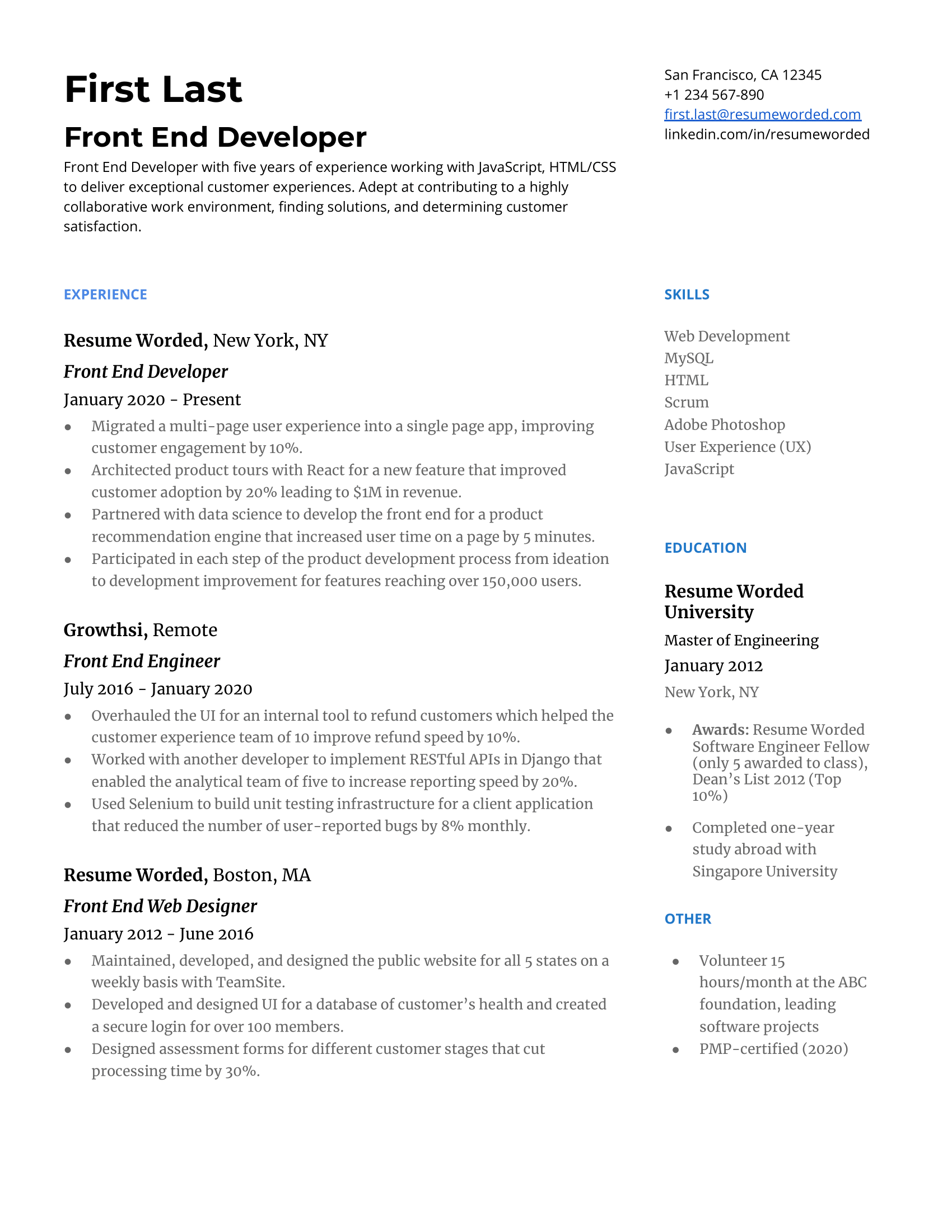
Frontend software engineers play a crucial role in the development of websites and applications. They are responsible for creating the user interface and ensuring that the end product is not only visually appealing but also functional and user-friendly.

These professionals are skilled in languages such as HTML, CSS, and JavaScript, which are essential for building interactive and responsive web pages. They work closely with designers and backend developers to bring a project to life, translating mockups and wireframes into code that users can interact with.

Frontend software engineers need to have a keen eye for design, as well as a solid understanding of user experience principles. They strive to create interfaces that are intuitive and easy to navigate, enhancing the overall user experience.

Continuous learning is key in this field, as technologies and trends evolve rapidly. Frontend software engineers stay up-to-date with the latest tools and frameworks to ensure they are using the most efficient solutions for their projects.

In addition to technical skills, effective communication is essential for frontend software engineers. They often collaborate with various team members, including designers, project managers, and backend developers, to ensure that the final product meets both technical requirements and user expectations.

Overall, frontend software engineers play a vital role in shaping how users interact with websites and applications. Their expertise in creating engaging and accessible interfaces helps businesses connect with their audience effectively in today’s digital world.


5 Key Advantages of Being a Frontend Software Engineer: Enhancing User Experience and Collaboration

  1. Frontend software engineers create visually appealing user interfaces.
  2. They ensure websites and applications are user-friendly and easy to navigate.
  3. Frontend software engineers collaborate with designers and backend developers to bring projects to life.
  4. Continuous learning is essential in this field, keeping frontend software engineers up-to-date with the latest technologies and trends.
  5. Their expertise in design and user experience principles helps enhance overall user satisfaction.


Challenges of Being a Frontend Software Engineer: Navigating Competition, Constant Learning, and Balancing Design with Functionality

  1. Highly competitive field with a large number of professionals vying for job opportunities.
  2. Continuous need to stay updated with rapidly evolving technologies and frameworks.
  3. May face challenges in balancing design aesthetics with technical functionality requirements.

Frontend software engineers create visually appealing user interfaces.

Frontend software engineers excel in creating visually appealing user interfaces that captivate and engage users. By leveraging their design skills and expertise in languages like HTML, CSS, and JavaScript, they craft interfaces that are not only aesthetically pleasing but also intuitive to navigate. Their keen attention to detail and understanding of user experience principles enable them to create interfaces that leave a lasting impression on users, enhancing the overall usability and enjoyment of websites and applications.

They ensure websites and applications are user-friendly and easy to navigate.

Frontend software engineers excel in ensuring that websites and applications are user-friendly and easy to navigate. By leveraging their expertise in design principles and interactive technologies, they craft interfaces that enhance the overall user experience. Their attention to detail and focus on usability result in intuitive layouts, seamless navigation, and engaging interactions, ultimately making digital platforms more accessible and enjoyable for users.

Frontend software engineers collaborate with designers and backend developers to bring projects to life.

Frontend software engineers play a pivotal role in project development by collaborating closely with designers and backend developers to bring projects to life. By working together, they ensure that the user interface not only meets design specifications but also functions seamlessly with the backend systems. This collaboration results in cohesive and user-friendly applications that deliver a seamless experience for end users.

Continuous learning is a fundamental aspect of being a frontend software engineer, as it ensures that professionals in this field remain current with the ever-evolving landscape of technologies and trends. By staying informed about the latest advancements, frontend software engineers can leverage new tools and frameworks to enhance their skills and deliver cutting-edge solutions to create engaging and user-friendly interfaces for websites and applications. This commitment to ongoing education allows frontend software engineers to adapt to industry changes swiftly and effectively, ultimately contributing to the success of their projects and ensuring they meet the demands of modern digital experiences.

Their expertise in design and user experience principles helps enhance overall user satisfaction.

Frontend software engineers bring a valuable skill set to the table, as their expertise in design and user experience principles plays a significant role in enhancing overall user satisfaction. By creating visually appealing interfaces and ensuring intuitive navigation, frontend software engineers improve the usability of websites and applications, ultimately leading to a more positive user experience. Their attention to detail and focus on user-centric design contribute to increased engagement and customer satisfaction, making them indispensable members of any development team.

Highly competitive field with a large number of professionals vying for job opportunities.

In the realm of frontend software engineering, one significant challenge is the highly competitive nature of the field, where a vast number of professionals compete for job opportunities. With the increasing demand for skilled frontend developers, the job market can be fiercely competitive, making it challenging for individuals to stand out among their peers and secure desired positions. This intense competition underscores the importance of continuous skill development and staying abreast of emerging technologies to remain competitive in this dynamic industry.

Continuous need to stay updated with rapidly evolving technologies and frameworks.

One significant challenge for frontend software engineers is the constant demand to stay abreast of rapidly evolving technologies and frameworks. With the tech industry constantly introducing new tools and updates, keeping up-to-date can be a daunting task. This continuous learning requirement adds pressure to professionals in this field, as they must invest time and effort to master new skills and adapt to changing trends to remain competitive and deliver cutting-edge solutions.

May face challenges in balancing design aesthetics with technical functionality requirements.

Frontend software engineers may encounter challenges in balancing design aesthetics with technical functionality requirements. While striving to create visually appealing interfaces that enhance user experience, they must also ensure that the design aligns with the technical specifications and performance goals of the project. This delicate balance requires careful consideration and collaboration with designers and backend developers to find solutions that meet both the aesthetic and functional needs of the software or website being developed. Failure to strike this balance can result in a disconnect between the visual design and technical implementation, ultimately impacting the overall usability and success of the final product.

full stack software

Unleashing the Potential of Full Stack Software Development

The Power of Full Stack Software Development

The Power of Full Stack Software Development

In the ever-evolving world of technology, full stack software development has emerged as a powerful and versatile approach to building applications. A full stack developer is proficient in both front-end and back-end technologies, allowing them to handle all aspects of software development.

What is Full Stack Software Development?

Full stack software development involves working on both the client-side (front end) and server-side (back end) of an application. A full stack developer is skilled in a wide range of technologies and can take a project from conception to completion.

Benefits of Full Stack Software Development

Versatility: Full stack developers have a broad skill set that enables them to work on all parts of an application. This versatility allows for greater efficiency and flexibility in project development.

Faster Development: With expertise in both front-end and back-end technologies, full stack developers can streamline the development process and quickly troubleshoot issues that may arise.

Cost-Effective: Hiring a full stack developer who can handle multiple aspects of a project can be more cost-effective than hiring separate specialists for each role.

Skills Required for Full Stack Software Development

To excel in full stack software development, a developer should have proficiency in:

  • HTML, CSS, JavaScript for front-end development
  • Server-side languages like Node.js, Python, or Ruby for back-end development
  • Databases such as MySQL or MongoDB
  • Version control systems like Git
  • Frameworks like React, Angular, or Vue.js

In Conclusion

Full stack software development offers numerous advantages in terms of efficiency, flexibility, and cost-effectiveness. By mastering both front-end and back-end technologies, full stack developers play a crucial role in creating robust and dynamic applications that meet the demands of today’s digital landscape.


9 Essential Tips for Excelling in Full Stack Software Development

  1. Understand both front-end and back-end technologies
  2. Practice building projects that integrate both sides of the stack
  3. Stay updated with the latest trends and technologies in full stack development
  4. Learn to work with databases and server-side languages for back-end development
  5. Improve your problem-solving skills to tackle complex issues in full stack development
  6. Collaborate with other developers to gain different perspectives and insights
  7. Master version control systems like Git for efficient collaboration and code management
  8. Focus on creating responsive and user-friendly interfaces for front-end development
  9. Strive for continuous learning and improvement to stay competitive in the field

Understand both front-end and back-end technologies

Understanding both front-end and back-end technologies is essential for full stack software developers. By having proficiency in areas such as HTML, CSS, JavaScript for front-end development, and server-side languages like Node.js or Python for back-end development, developers can create cohesive and efficient applications. This comprehensive knowledge allows them to bridge the gap between the user interface and the server-side logic, resulting in well-rounded solutions that meet both user experience and functionality requirements.

Practice building projects that integrate both sides of the stack

To enhance your skills in full stack software development, it is highly beneficial to practice building projects that seamlessly integrate both the front-end and back-end components of the stack. By working on projects that involve the complete software development cycle, you can gain a deeper understanding of how different technologies interact and collaborate to create functional applications. This hands-on experience not only sharpens your technical proficiency but also hones your problem-solving abilities in real-world scenarios, making you a more versatile and competent full stack developer.

Staying updated with the latest trends and technologies in full stack development is crucial for any aspiring or seasoned full stack developer. By keeping abreast of new tools, frameworks, and best practices, developers can enhance their skills, stay competitive in the job market, and deliver innovative solutions to clients. Continuous learning and adaptation to emerging technologies ensure that full stack developers remain versatile and well-equipped to tackle the ever-changing landscape of software development effectively.

Learn to work with databases and server-side languages for back-end development

Understanding how to work with databases and server-side languages is a crucial aspect of mastering full stack software development. Proficiency in these areas enables developers to create dynamic and interactive applications that can store and retrieve data efficiently. By gaining expertise in back-end technologies, such as databases like MySQL or server-side languages like Node.js, developers can build robust systems that power the functionality of their applications seamlessly.

Improve your problem-solving skills to tackle complex issues in full stack development

Improving your problem-solving skills is essential for tackling complex issues in full stack development. As a full stack developer, you will encounter various challenges that require creative and efficient solutions. By honing your problem-solving abilities, you can approach issues systematically, analyze them effectively, and come up with innovative ways to address them. Strong problem-solving skills not only enhance your technical proficiency but also enable you to navigate the complexities of full stack development with confidence and expertise.

Collaborate with other developers to gain different perspectives and insights

Collaborating with other developers is a valuable tip in full stack software development. By working with peers who bring diverse perspectives and insights to the table, you can enhance your problem-solving abilities, learn new techniques, and discover innovative approaches to building applications. This collaborative environment fosters creativity and encourages continuous learning, ultimately leading to the development of more robust and efficient software solutions.

Master version control systems like Git for efficient collaboration and code management

To excel in full stack software development, mastering version control systems like Git is essential for efficient collaboration and code management. Git allows developers to track changes, collaborate seamlessly with team members, and manage code versions effectively. By understanding Git’s functionalities and best practices, full stack developers can ensure smooth workflow, easy project integration, and streamlined development processes.

Focus on creating responsive and user-friendly interfaces for front-end development

When working on full stack software development, it is crucial to prioritize the creation of responsive and user-friendly interfaces for front-end development. By focusing on designing interfaces that adapt seamlessly to different devices and screen sizes, developers can enhance the user experience and ensure accessibility across various platforms. A user-friendly interface not only improves usability but also contributes to higher user engagement and satisfaction, ultimately leading to the success of the application or website.

Strive for continuous learning and improvement to stay competitive in the field

To stay competitive in the field of full stack software development, it is crucial to strive for continuous learning and improvement. Technology is constantly evolving, and by staying updated with the latest trends, tools, and techniques, developers can enhance their skills and adapt to changing industry demands. Embracing a mindset of lifelong learning not only keeps developers relevant but also empowers them to deliver innovative solutions that meet the ever-growing needs of the digital landscape.

Ensuring Robust Cloud Network Security: Safeguarding Your Digital Assets

In today’s digital age, cloud network security plays a crucial role in safeguarding sensitive data and ensuring the integrity of online operations. As businesses increasingly rely on cloud services to store and process information, the need for robust security measures has never been greater.

The Importance of Cloud Network Security

Cloud network security encompasses a range of practices and technologies designed to protect cloud-based systems, applications, and data from cyber threats. These threats can include malware, unauthorized access, data breaches, and other malicious activities that can compromise the confidentiality, integrity, and availability of critical information.

Key Components of Cloud Network Security

Effective cloud network security involves implementing multiple layers of defense to mitigate risks and vulnerabilities. Some key components include:

  • Encryption: Encrypting data both in transit and at rest helps prevent unauthorized access to sensitive information.
  • Access Control: Implementing strict access controls and authentication mechanisms ensures that only authorized users can access resources within the cloud network.
  • Firewalls: Firewalls help monitor and control incoming and outgoing network traffic to prevent unauthorized access and detect suspicious activities.
  • Intrusion Detection Systems (IDS) and Intrusion Prevention Systems (IPS): IDS and IPS tools help identify and respond to potential security incidents in real-time.
  • Vulnerability Management: Regularly scanning for vulnerabilities and applying patches helps address security weaknesses before they can be exploited by attackers.

Challenges in Cloud Network Security

Despite advancements in cloud security technologies, organizations face several challenges when it comes to securing their cloud networks. These challenges include:

  • Data Privacy Concerns: Ensuring compliance with data privacy regulations while storing data in the cloud can be complex.
  • Shared Responsibility Model: Understanding the shared responsibility model between cloud service providers and customers is essential for effective security implementation.
  • Evolving Threat Landscape: Cyber threats are constantly evolving, requiring organizations to stay vigilant and adapt their security strategies accordingly.

The Future of Cloud Network Security

As technology continues to advance, the future of cloud network security will likely see increased emphasis on automation, artificial intelligence, and machine learning capabilities to enhance threat detection and response. Organizations will need to adopt a proactive approach to cybersecurity by continuously monitoring their cloud environments, educating employees on best practices, and investing in cutting-edge security solutions.

In conclusion, maintaining strong cloud network security is essential for protecting valuable assets, maintaining customer trust, and ensuring business continuity in an increasingly interconnected world. By prioritizing cybersecurity measures and staying informed about emerging threats, organizations can effectively mitigate risks associated with operating in the cloud.


Top 5 Advantages of Cloud Network Security: Protecting Data, Scaling Efficiently, and More

  1. Enhanced Data Protection
  2. Scalability
  3. Cost-Effectiveness
  4. Centralized Management
  5. Improved Compliance


Top 6 Challenges in Cloud Network Security: Breaches, Privacy, and Cost Concerns

  1. Potential for data breaches if security measures are not properly implemented
  2. Dependency on internet connectivity may impact accessibility to cloud resources
  3. Concerns about data privacy and compliance with regulations when storing sensitive information in the cloud
  4. Shared responsibility model between cloud service providers and customers can lead to confusion over security responsibilities
  5. Risk of unauthorized access or insider threats compromising cloud network security
  6. Cost implications of investing in robust security solutions and ongoing maintenance to protect cloud environments

Enhanced Data Protection

Enhanced data protection is a significant advantage of cloud network security. By utilizing robust security measures like encryption and access controls, sensitive data stored in the cloud is shielded from unauthorized access. Encryption ensures that information remains confidential both during transmission and while at rest, making it significantly more challenging for cybercriminals to intercept and exploit valuable data. Access controls further enhance data protection by restricting system entry to authorized users only, reducing the risk of breaches and ensuring that sensitive information remains secure within the cloud environment.

Scalability

Scalability is a significant advantage of cloud network security as it allows security solutions to seamlessly expand and adapt to meet the evolving requirements of a growing business. Cloud security services can effortlessly scale up or down based on the organization’s needs, ensuring that protection remains robust and effective even as operations expand. This flexibility in scalability not only enhances the efficiency of security measures but also provides peace of mind knowing that the level of protection can readily adjust to accommodate changes in business size and complexity without sacrificing the integrity of the security infrastructure.

Cost-Effectiveness

Cloud network security’s cost-effectiveness is a significant advantage, as cloud-based security services frequently present a more economical option compared to traditional on-premises security infrastructure. By leveraging cloud-based solutions, businesses can lower their initial investment costs and ongoing maintenance expenses, making robust security measures more accessible and affordable. This cost-saving benefit allows organizations to allocate resources more efficiently while still ensuring the protection of their valuable data and assets in the cloud environment.

Centralized Management

Cloud network security offers the significant advantage of centralized management, enabling organizations to efficiently oversee security policies and updates across various devices and locations. With this capability, administrators can implement consistent security measures, enforce compliance standards, and deploy updates seamlessly throughout the cloud network infrastructure. This centralized approach not only streamlines security management but also enhances visibility and control over the entire network, ensuring a more robust defense against potential cyber threats.

Improved Compliance

One significant benefit of cloud network security is the improved compliance it offers. Many cloud security solutions are specifically designed to assist organizations in meeting regulatory compliance requirements by implementing industry-standard security practices. By leveraging these solutions, businesses can ensure that their cloud environments adhere to relevant regulations and standards, reducing the risk of non-compliance penalties and safeguarding sensitive data from potential breaches.

Potential for data breaches if security measures are not properly implemented

The potential for data breaches looms as a significant con of cloud network security when security measures are not adequately implemented. Inadequate encryption, weak access controls, and lack of regular vulnerability assessments can create vulnerabilities that cybercriminals may exploit to gain unauthorized access to sensitive data stored in the cloud. A single breach can have far-reaching consequences, including financial losses, reputational damage, and legal liabilities for organizations that fail to prioritize robust security practices in their cloud environments. It underscores the critical importance of proactively addressing security gaps to mitigate the risk of data breaches and safeguard valuable information from malicious actors.

Dependency on internet connectivity may impact accessibility to cloud resources

One significant con of cloud network security is the dependency on internet connectivity, which can impact the accessibility of cloud resources. In situations where internet connectivity is unstable or unavailable, users may face challenges accessing critical data and applications stored in the cloud. This dependency on an external network connection introduces a potential point of failure that can disrupt business operations and productivity, highlighting the importance of implementing contingency plans and redundancies to mitigate the risks associated with reliance on internet connectivity for accessing cloud resources.

Concerns about data privacy and compliance with regulations when storing sensitive information in the cloud

One significant con of cloud network security is the heightened concerns about data privacy and compliance with regulations when storing sensitive information in the cloud. Organizations face challenges in ensuring that their data is adequately protected and that they meet the stringent requirements outlined by various data privacy laws and industry regulations. The shared responsibility model between cloud service providers and customers adds complexity to this issue, as organizations must navigate the intricacies of data governance while relying on third-party vendors for cloud infrastructure. Failure to address these concerns effectively can result in regulatory fines, reputational damage, and potential breaches of customer trust.

Shared responsibility model between cloud service providers and customers can lead to confusion over security responsibilities

The shared responsibility model between cloud service providers and customers can pose a significant con in cloud network security, as it may lead to confusion and ambiguity regarding security responsibilities. In this model, while the cloud service provider is responsible for securing the infrastructure and underlying services, customers are typically accountable for securing their data and applications. This division of responsibilities can create gaps in understanding, potentially resulting in misconfigurations, oversight of critical security measures, or assumptions about who is responsible for addressing specific security threats. As a result, the lack of clarity in security roles and responsibilities within the shared model can introduce vulnerabilities and increase the risk of security breaches within cloud environments.

Risk of unauthorized access or insider threats compromising cloud network security

The risk of unauthorized access or insider threats compromising cloud network security poses a significant concern for organizations utilizing cloud services. Unauthorized access by malicious actors or even well-intentioned insiders with access to sensitive data can lead to data breaches, intellectual property theft, and disruption of critical operations. Such incidents can have far-reaching consequences, including financial losses, damage to reputation, and regulatory penalties. Mitigating this con of cloud network security requires implementing robust access controls, regular monitoring of user activities, and comprehensive employee training on cybersecurity best practices to minimize the likelihood of unauthorized access or insider threats jeopardizing the integrity of cloud environments.

Cost implications of investing in robust security solutions and ongoing maintenance to protect cloud environments

The cost implications of investing in robust security solutions and ongoing maintenance to protect cloud environments can be a significant con for businesses. Implementing effective cloud network security measures often requires a substantial financial investment in acquiring advanced security tools, hiring skilled cybersecurity professionals, and conducting regular security audits. Additionally, the ongoing maintenance and monitoring of these security solutions can incur additional expenses over time. For organizations with limited budgets or competing priorities, the high costs associated with maintaining strong cloud network security may pose a challenge in achieving comprehensive protection against evolving cyber threats.

technologies

Emerging Technologies Shaping the Future

The Ever-Evolving World of Technology

The Ever-Evolving World of Technology

Technology has become an integral part of our daily lives, shaping the way we communicate, work, and entertain ourselves. From the invention of the wheel to the rise of artificial intelligence, technological advancements have continuously transformed societies across the globe.

The Impact of Technology on Communication

One of the most significant impacts of technology is in the realm of communication. The advent of the internet and mobile devices has revolutionized how people connect with one another. Social media platforms like Facebook, Twitter, and Instagram allow individuals to share experiences and ideas instantly with a global audience. Video conferencing tools such as Zoom and Microsoft Teams have made remote work more feasible than ever before.

Technological Advancements in Healthcare

In healthcare, technology has led to groundbreaking innovations that improve patient care and outcomes. Telemedicine enables patients to consult with healthcare professionals from the comfort of their homes. Wearable devices like smartwatches monitor vital signs in real-time, providing valuable data for both users and doctors.

The Role of Artificial Intelligence

Artificial intelligence (AI) is at the forefront of modern technological advancements. AI algorithms are used in various applications, from autonomous vehicles to personalized recommendations on streaming services. Machine learning techniques help businesses analyze vast amounts of data to make informed decisions.

The Future of Technology

Looking ahead, technologies such as quantum computing and blockchain hold promise for further transformation across industries. Quantum computers have the potential to solve complex problems beyond the capability of classical computers, while blockchain technology offers secure solutions for transactions and data management.

Challenges Ahead

Despite its many benefits, technology also presents challenges such as privacy concerns and cybersecurity threats. As technology continues to evolve, it is crucial for society to address these issues responsibly.

Conclusion

The world of technology is ever-changing, offering both opportunities and challenges. By embracing innovation while addressing its implications thoughtfully, society can harness technology’s potential to improve quality of life globally.


8 Essential Tech Tips for Security, Privacy, and Well-being

  1. Regularly update your devices and software to ensure security.
  2. Backup your important data regularly to prevent data loss.
  3. Use strong, unique passwords for all your accounts and enable two-factor authentication when possible.
  4. Be cautious about clicking on links or downloading attachments from unknown sources to avoid malware.
  5. Protect your privacy by reviewing and adjusting the privacy settings on your devices and online accounts.
  6. Learn basic troubleshooting techniques to solve common tech issues on your own.
  7. Stay informed about the latest tech trends and developments to keep up with advancements.
  8. Practice digital detox by taking breaks from technology to reduce screen time and improve well-being.

Regularly update your devices and software to ensure security.

Regularly updating your devices and software is crucial to maintaining security in today’s digital landscape. Software updates often include patches for vulnerabilities that hackers may exploit to gain unauthorized access to your data or device. By staying current with updates, you not only ensure that your technology operates smoothly but also protect yourself against potential cyber threats. Prioritizing regular updates is a proactive step in safeguarding your digital assets and maintaining a secure online environment.

Backup your important data regularly to prevent data loss.

It is crucial to backup your important data regularly to safeguard against potential data loss. By creating backups of your files and documents, you can protect valuable information from unforeseen events such as hardware failures, accidental deletions, or cyberattacks. Regularly backing up your data ensures that you can restore critical information quickly and minimize disruptions in case of an unexpected loss. Embracing this simple yet essential practice can provide peace of mind and ensure that your important data remains secure and accessible when you need it most.

Use strong, unique passwords for all your accounts and enable two-factor authentication when possible.

It is crucial to prioritize cybersecurity by using strong, unique passwords for all your accounts and enabling two-factor authentication whenever possible. Strong passwords that combine letters, numbers, and special characters help enhance the security of your online accounts, making them less vulnerable to hacking attempts. Two-factor authentication adds an extra layer of protection by requiring a secondary verification step, such as a code sent to your phone, further safeguarding your sensitive information from unauthorized access. By implementing these security measures, you can significantly reduce the risk of falling victim to cyber threats and protect your digital identity effectively.

To safeguard your digital security, it is essential to exercise caution when encountering links or attachments from unfamiliar sources. Clicking on suspicious links or downloading unknown attachments can expose your device to malware, potentially compromising your data and privacy. By staying vigilant and refraining from engaging with such content, you can minimize the risk of falling victim to cyber threats and protect your digital assets effectively.

Protect your privacy by reviewing and adjusting the privacy settings on your devices and online accounts.

To safeguard your privacy in the digital age, it is essential to regularly review and adjust the privacy settings on your devices and online accounts. By taking proactive steps to control the information you share and who can access it, you can better protect your personal data from unauthorized use or exposure. Stay informed about the latest privacy features offered by technology companies and make use of them to maintain a secure online presence.

Learn basic troubleshooting techniques to solve common tech issues on your own.

Learning basic troubleshooting techniques is essential for anyone who uses technology regularly. By equipping yourself with these skills, you can save time and frustration when faced with common tech issues. Whether it’s a computer glitch, a network problem, or a software malfunction, being able to diagnose and resolve the issue on your own can be empowering. Not only does it help you become more self-sufficient, but it also allows you to get back to being productive or enjoying your devices without having to wait for external help.

Staying informed about the latest tech trends and developments is essential to keeping up with advancements in the ever-evolving world of technology. By staying updated on emerging technologies, you can remain competitive, adapt to changes in your industry, and explore new opportunities for growth and innovation. Whether it’s through following tech news websites, attending industry conferences, or engaging with online communities, staying informed allows you to make informed decisions and leverage the power of technology to drive success in your personal and professional endeavors.

Practice digital detox by taking breaks from technology to reduce screen time and improve well-being.

In today’s digital age, practicing a digital detox by consciously taking breaks from technology can have a profound impact on our well-being. By reducing screen time and disconnecting from the constant influx of information, we give ourselves the opportunity to recharge and refocus. Stepping away from screens allows us to engage in activities that promote mindfulness, creativity, and human connection, ultimately leading to a healthier balance between our online and offline lives.

security

Enhancing Cybersecurity Measures for Maximum Security Protection

The Importance of Security in Today’s Digital World

The Importance of Security in Today’s Digital World

In today’s interconnected world, where information is constantly being shared and transactions are conducted online, security has become more crucial than ever. The rise of cyber threats and data breaches has highlighted the importance of implementing robust security measures to protect sensitive information.

Why Security Matters

Security is essential to safeguarding not only personal data but also financial assets, intellectual property, and critical infrastructure. Without adequate security measures in place, individuals and organizations are vulnerable to various cyber threats, including malware, phishing attacks, ransomware, and identity theft.

The Role of Encryption

Encryption plays a vital role in ensuring the confidentiality and integrity of data. By encrypting sensitive information, such as passwords, financial details, and communications, organizations can prevent unauthorized access and mitigate the risk of data breaches.

Best Practices for Enhancing Security

To enhance security in today’s digital landscape, it is essential to follow best practices such as:

  • Implementing strong passwords and multi-factor authentication
  • Keeping software up to date with the latest security patches
  • Regularly backing up data to prevent loss in case of a breach
  • Educating employees about cybersecurity awareness and best practices
  • Monitoring network traffic for suspicious activities

The Future of Security

As technology continues to evolve rapidly, so do cyber threats. The future of security lies in adopting advanced technologies such as artificial intelligence (AI) and machine learning to detect and respond to threats proactively. By staying vigilant and investing in cutting-edge security solutions, individuals and organizations can stay ahead of cybercriminals and protect their digital assets.

© 2022 The Importance of Security in Today’s Digital World – All Rights Reserved.


Top Security FAQs: Understanding Cybersecurity, Protecting Personal Information, and Responding to Threats

  1. What is cybersecurity and why is it important?
  2. How can I protect my personal information online?
  3. What are common types of cyber threats to be aware of?
  4. Why is it essential to use strong passwords for online accounts?
  5. How can businesses improve their data security measures?
  6. What should individuals do in case of a data breach or identity theft?

What is cybersecurity and why is it important?

Cybersecurity is the practice of protecting computer systems, networks, and data from digital attacks. It encompasses various technologies, processes, and practices designed to safeguard against unauthorized access, data breaches, and other cyber threats. In today’s interconnected world where sensitive information is constantly being shared online, cybersecurity plays a crucial role in ensuring the confidentiality, integrity, and availability of data. It is important because cyber attacks can have severe consequences, including financial losses, reputational damage, and even legal implications. By investing in robust cybersecurity measures, individuals and organizations can mitigate risks and protect themselves from evolving cyber threats.

How can I protect my personal information online?

To protect your personal information online, it is essential to follow best practices for cybersecurity. Start by creating strong, unique passwords for each online account and consider using a password manager to securely store and manage them. Enable two-factor authentication whenever possible to add an extra layer of security. Be cautious about sharing sensitive information on social media and avoid clicking on suspicious links or attachments in emails. Regularly update your devices and software to patch vulnerabilities that cybercriminals could exploit. Lastly, educate yourself about common online threats and stay informed about the latest cybersecurity trends to safeguard your personal information effectively.

What are common types of cyber threats to be aware of?

When it comes to cybersecurity, being aware of common types of cyber threats is essential for safeguarding sensitive information. Some of the most prevalent cyber threats include malware, phishing attacks, ransomware, and social engineering. Malware refers to malicious software designed to infiltrate systems and steal data, while phishing attacks involve fraudulent emails or messages aimed at tricking individuals into revealing personal information. Ransomware encrypts files and demands a ransom for decryption, posing a significant threat to organizations. Social engineering tactics manipulate individuals into divulging confidential information or performing actions that compromise security. Understanding these common cyber threats is key to implementing effective security measures and protecting against potential vulnerabilities.

Why is it essential to use strong passwords for online accounts?

Using strong passwords for online accounts is essential to enhance security and protect sensitive information from unauthorized access. Weak passwords are easily compromised by cybercriminals through brute force attacks or automated password-cracking tools. Strong passwords, consisting of a combination of letters, numbers, and special characters, significantly increase the complexity and make it harder for hackers to guess or crack them. By using strong passwords, individuals can reduce the risk of identity theft, data breaches, and unauthorized account access, thereby safeguarding their online privacy and digital assets.

How can businesses improve their data security measures?

Businesses can improve their data security measures by implementing a comprehensive approach that addresses both technical and human factors. This includes investing in robust encryption protocols, regularly updating security software, conducting thorough risk assessments, and implementing multi-factor authentication. Additionally, educating employees about cybersecurity best practices and fostering a culture of security awareness can help mitigate the risk of insider threats. By staying proactive, vigilant, and continuously adapting to emerging threats, businesses can strengthen their data security posture and protect sensitive information from unauthorized access or breaches.

What should individuals do in case of a data breach or identity theft?

In the event of a data breach or identity theft, individuals should take immediate action to mitigate potential damage and protect their sensitive information. First and foremost, it is crucial to report the incident to the relevant authorities, such as the Federal Trade Commission (FTC) or local law enforcement. Additionally, individuals should contact their financial institutions to freeze accounts, change passwords, and monitor for any fraudulent activity. It is advisable to review credit reports regularly and consider placing a fraud alert or security freeze on credit files. Seeking assistance from identity theft protection services can also provide additional support in recovering from such incidents. Overall, prompt and proactive steps are essential in addressing data breaches and identity theft effectively.