cfchris.com

Loading

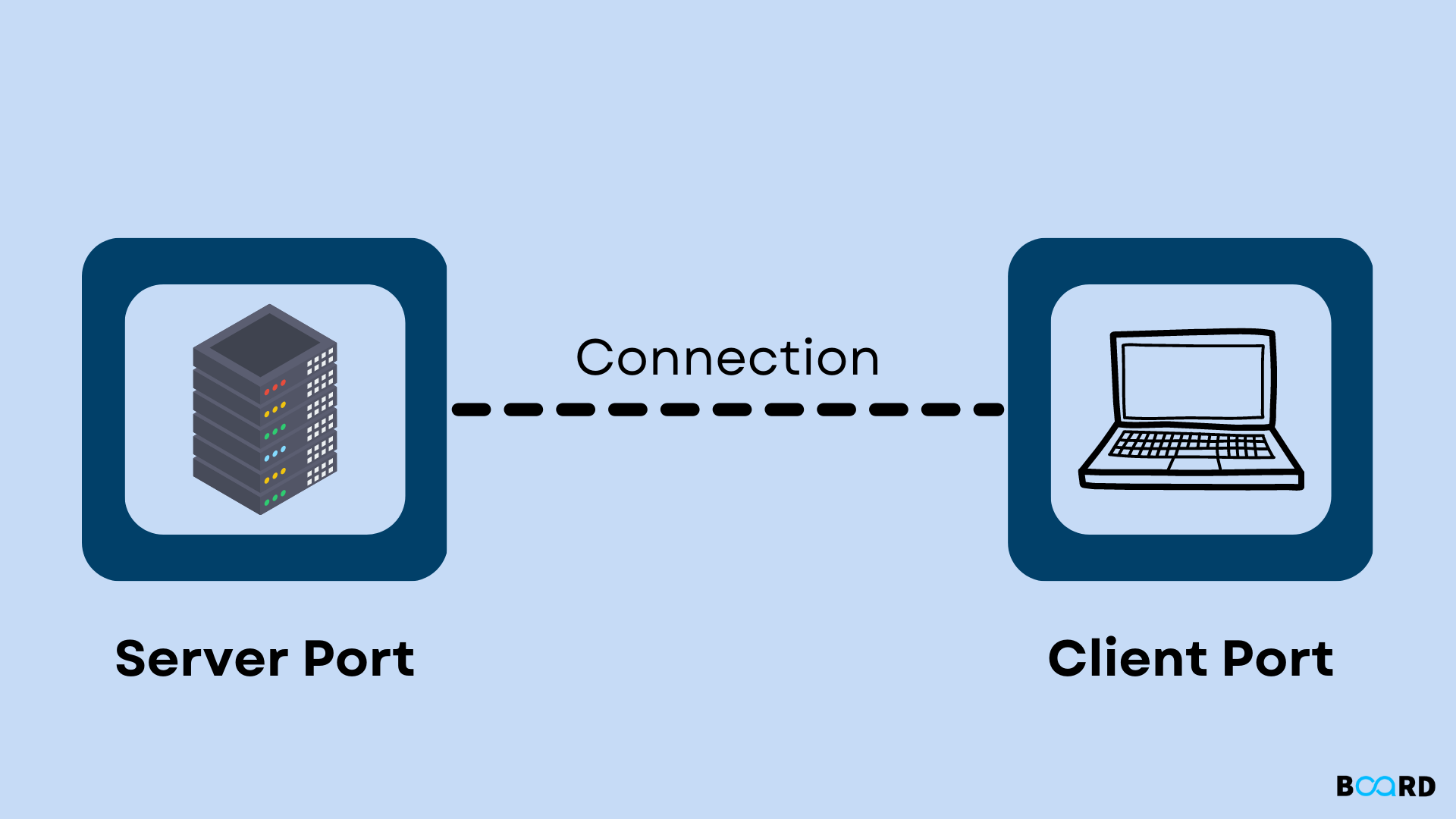
java server

Harnessing the Power of Java Server for Dynamic Web Applications

The Power of Java Server: Revolutionizing Web Development

The Power of Java Server: Revolutionizing Web Development

Java Server is a powerful tool that has been revolutionizing web development for years. With its robust features and versatility, Java Server has become a popular choice for building dynamic and scalable web applications.

What is Java Server?

Java Server, also known as Java EE (Enterprise Edition), is a platform that provides developers with a set of APIs and runtime environments for building enterprise-level applications. It offers a wide range of tools and libraries that simplify the development process and make it easier to create complex web applications.

The Benefits of Using Java Server

There are several benefits to using Java Server for web development:

  • Scalability: Java Server allows developers to build applications that can easily scale to accommodate growing user demands.
  • Security: With built-in security features, Java Server helps protect applications from vulnerabilities and cyber threats.
  • Portability: Java Server applications can run on any platform that supports the Java Virtual Machine (JVM), making them highly portable.
  • Performance: Java Server applications are known for their high performance and efficiency, making them ideal for demanding use cases.

Popular Frameworks for Java Server Development

There are several popular frameworks that developers use with Java Server to streamline the development process:

  • Spring Framework: A comprehensive framework that provides support for building enterprise-level applications with ease.
  • JavaServer Faces (JSF): A user interface framework that simplifies the creation of web-based user interfaces.
  • Jakarta EE: An open-source platform that provides tools and APIs for building scalable and secure enterprise applications.

In Conclusion

Java Server has played a significant role in shaping the landscape of web development. Its robust features, scalability, and security make it an ideal choice for building enterprise-level applications. With the right tools and frameworks, developers can leverage the power of Java Server to create dynamic and innovative web solutions that meet the demands of today’s digital world.


Top 9 Advantages of Using Java Servers for Modern Web Development

  1. Scalability for handling growing user demands
  2. Built-in security features to protect against vulnerabilities
  3. Cross-platform compatibility with Java Virtual Machine (JVM)
  4. High performance and efficiency for demanding applications
  5. Comprehensive tools and libraries for streamlined development
  6. Support for building enterprise-level applications
  7. Robust frameworks like Spring Framework and Jakarta EE available
  8. Reliable community support and resources for developers
  9. Ability to create dynamic and innovative web solutions


Challenges of Using Java Servers: Complexity, Resource Demands, Verbosity, and Rigidity

  1. Steep Learning Curve
  2. Resource Intensive
  3. Verbose Syntax
  4. Limited Flexibility

Scalability for handling growing user demands

Java Server’s scalability feature is a game-changer for handling growing user demands in web applications. By allowing developers to easily scale their applications to accommodate increasing traffic and user interactions, Java Server ensures that performance remains optimal even as the user base expands. This capability not only enhances the overall user experience but also provides businesses with the flexibility to adapt to changing requirements without compromising on performance or reliability.

Built-in security features to protect against vulnerabilities

Java Server’s built-in security features provide a crucial layer of protection against vulnerabilities, ensuring that web applications developed using Java Server are shielded from potential cyber threats and attacks. By incorporating security measures directly into the platform, Java Server empowers developers to create robust and secure applications without the need for extensive additional security implementations. This proactive approach to security not only enhances the reliability of web applications but also instills confidence in users regarding the safety of their data and interactions online.

Cross-platform compatibility with Java Virtual Machine (JVM)

One of the key advantages of Java Server is its cross-platform compatibility with the Java Virtual Machine (JVM). This feature allows Java Server applications to run on any platform that supports the JVM, making them highly portable and versatile. Developers can write code once and deploy it across different operating systems, ensuring consistent performance and functionality regardless of the underlying infrastructure. This capability not only simplifies development and deployment processes but also enhances the scalability and accessibility of Java Server applications across a wide range of environments.

High performance and efficiency for demanding applications

Java Server stands out for its exceptional performance and efficiency, making it a top choice for handling demanding applications. With its ability to deliver fast and reliable performance even under heavy workloads, Java Server ensures that applications run smoothly and effectively, meeting the high standards required by complex and resource-intensive tasks. Its optimized architecture and robust features enable developers to create high-performing applications that excel in speed, responsiveness, and overall efficiency.

Comprehensive tools and libraries for streamlined development

Java Server offers comprehensive tools and libraries that significantly contribute to streamlined development processes. These resources provide developers with a wide array of functionalities and pre-built components, allowing them to expedite the creation of complex web applications. By leveraging these tools, developers can focus more on implementing business logic and less on reinventing the wheel, ultimately enhancing productivity and efficiency in the development workflow. The abundance of libraries and tools within the Java Server ecosystem empowers developers to build robust and feature-rich applications with ease, making it a preferred choice for projects requiring accelerated development timelines.

Support for building enterprise-level applications

Java Server’s support for building enterprise-level applications is a key advantage that sets it apart in the realm of web development. With its robust features and comprehensive toolset, Java Server provides developers with the necessary resources to create complex and scalable applications that meet the demands of large organizations. From handling high volumes of data to ensuring security and reliability, Java Server’s focus on enterprise-level requirements makes it a preferred choice for businesses looking to develop mission-critical software solutions.

Robust frameworks like Spring Framework and Jakarta EE available

One of the key advantages of Java Server is the availability of robust frameworks such as the Spring Framework and Jakarta EE. These frameworks provide developers with powerful tools and libraries to streamline the development process and create scalable, secure, and efficient enterprise-level applications. By leveraging these frameworks, developers can benefit from pre-built components, simplified coding structures, and extensive support for various functionalities, ultimately enhancing productivity and enabling the creation of high-quality web solutions.

Reliable community support and resources for developers

Java Server offers reliable community support and a wealth of resources for developers, making it easier for them to troubleshoot issues, share knowledge, and stay updated on the latest trends and best practices in web development. The active Java Server community provides a collaborative environment where developers can seek help, exchange ideas, and access a vast repository of tutorials, forums, and documentation to enhance their skills and build robust applications with confidence.

Ability to create dynamic and innovative web solutions

The ability of Java Server to create dynamic and innovative web solutions is a significant advantage that sets it apart in the realm of web development. By leveraging its robust features and versatile tools, developers can design and implement cutting-edge applications that adapt to changing user needs and market trends. Java Server’s flexibility allows for the integration of advanced functionalities, interactive elements, and seamless user experiences, leading to the creation of engaging and forward-thinking web solutions that drive digital innovation.

Steep Learning Curve

Java Server’s steep learning curve can be a significant drawback for developers. The platform’s complex architecture demands a considerable investment of time and effort to master its features effectively. This learning curve may pose challenges for newcomers or those transitioning from other technologies, potentially slowing down the development process and requiring additional training and resources to fully leverage Java Server’s capabilities.

Resource Intensive

Java Server applications can be resource-intensive, demanding substantial hardware resources to operate efficiently. This con of Java Server may pose a challenge for organizations with limited IT infrastructure or budget constraints, as the need for robust hardware can increase operational costs. Developers working with Java Server must carefully consider resource allocation and optimization strategies to ensure optimal performance without compromising on scalability and reliability.

Verbose Syntax

One notable drawback of Java Server is its verbose syntax, which can result in longer development times and a higher volume of code compared to some other programming languages. The extensive syntax of Java Server may require developers to write more lines of code to achieve the same functionality, potentially leading to increased complexity and maintenance overhead. This verbosity can make the codebase harder to read and understand, impacting overall development efficiency and potentially slowing down project timelines.

Limited Flexibility

One common drawback of Java Server is its limited flexibility, which can pose challenges for developers seeking more freedom in application development. The platform’s strict structure and conventions may restrict the ability to implement certain unconventional or customized solutions. This limitation can be frustrating for developers who prefer a more flexible and adaptable approach to building applications, as they may find themselves constrained by Java Server’s predetermined patterns and guidelines.

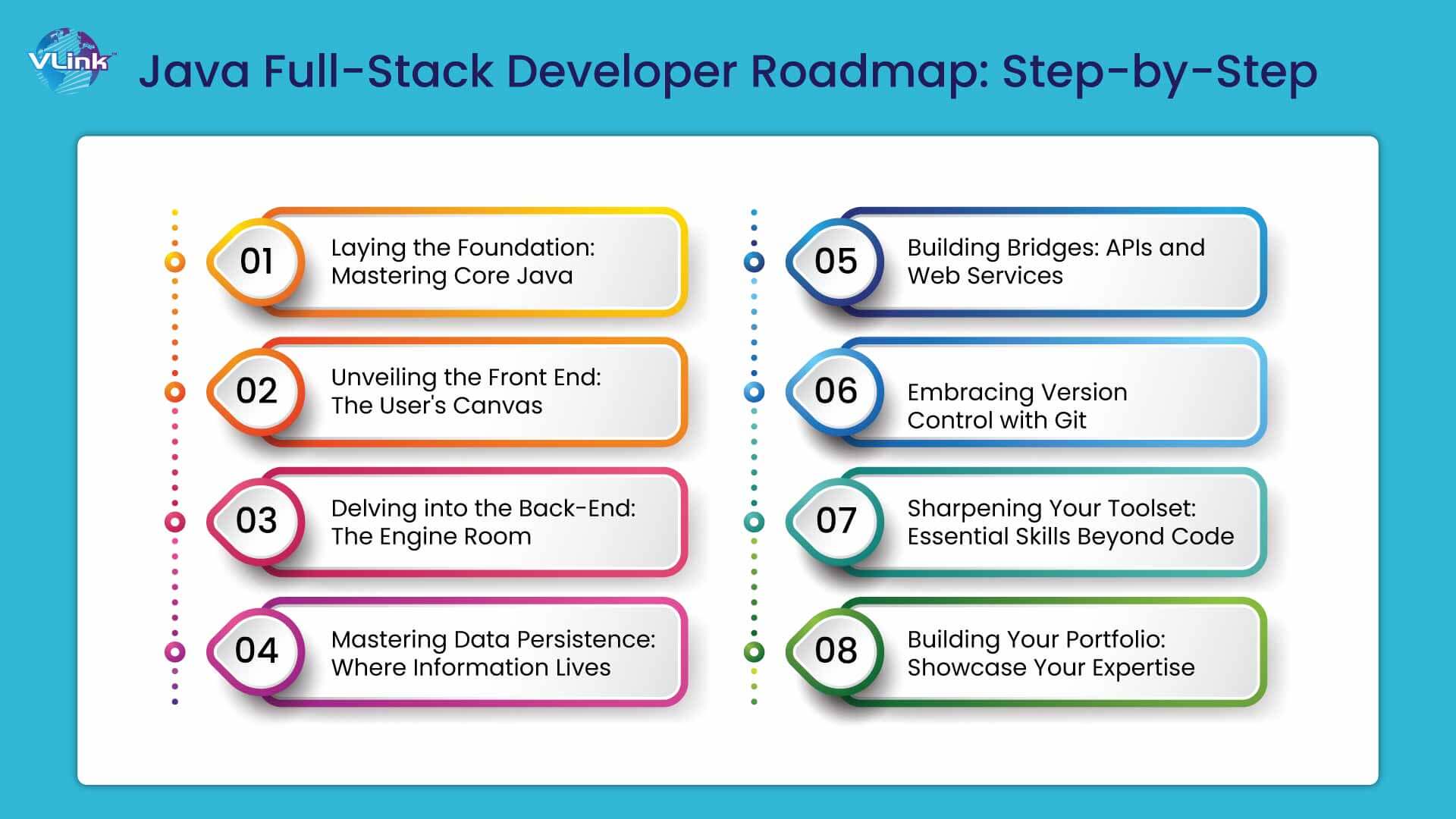
java full stack development

Mastering Java Full Stack Development: A Comprehensive Guide

Article: Java Full Stack Development

The World of Java Full Stack Development

Java Full Stack Development is a popular and in-demand skill set in the tech industry. Full stack developers are proficient in both front-end and back-end technologies, allowing them to work on all aspects of web development.

What is Java Full Stack Development?

Java Full Stack Development refers to the ability to work with Java programming language for both front-end and back-end development. A Java full stack developer is capable of handling tasks ranging from creating user interfaces to managing databases and server-side logic.

Skills Required for Java Full Stack Development

To excel in Java Full Stack Development, one needs a solid understanding of:

  • Java programming language
  • Front-end technologies like HTML, CSS, JavaScript
  • Back-end frameworks such as Spring or Hibernate
  • Database management with SQL or NoSQL databases
  • Version control systems like Git
  • Knowledge of web servers and deployment processes

Career Opportunities in Java Full Stack Development

Professionals with expertise in Java Full Stack Development are highly sought after by companies looking to build robust web applications. They can pursue roles such as:

  • Full Stack Developer
  • Web Application Developer
  • Software Engineer
  • System Architect

The Future of Java Full Stack Development

In a rapidly evolving tech landscape, Java Full Stack Development continues to be a valuable skill set. As businesses increasingly rely on web applications for their operations, the demand for skilled full stack developers is expected to grow.


7 Essential Tips for Excelling in Java Full Stack Development

  1. 1. Master the core Java programming language.
  2. 2. Learn popular front-end technologies like HTML, CSS, and JavaScript.
  3. 3. Get familiar with back-end frameworks such as Spring or Hibernate.
  4. 4. Practice building full-stack applications to integrate front-end and back-end components.
  5. 5. Understand databases and how to work with them using tools like SQL or NoSQL.
  6. 6. Stay updated with the latest trends and technologies in Java full stack development.
  7. 7. Collaborate with other developers through online communities or by contributing to open-source projects.

1. Master the core Java programming language.

To excel in Java Full Stack Development, it is crucial to master the core Java programming language. Understanding the fundamentals of Java, such as syntax, data types, control structures, and object-oriented programming principles, forms the foundation for building robust web applications. Proficiency in core Java allows developers to efficiently work on both front-end and back-end components, enabling them to create scalable and efficient solutions for various projects. By mastering the core Java programming language, developers can unleash their full potential in the dynamic field of Full Stack Development.

To excel in Java Full Stack Development, it is essential to prioritize learning popular front-end technologies such as HTML, CSS, and JavaScript. These foundational languages are crucial for creating dynamic and interactive user interfaces on the web. Proficiency in HTML for structuring content, CSS for styling elements, and JavaScript for adding functionality and interactivity will not only enhance your skills as a full stack developer but also enable you to build engaging and user-friendly web applications.

3. Get familiar with back-end frameworks such as Spring or Hibernate.

To excel in Java Full Stack Development, it is crucial to get familiar with back-end frameworks like Spring or Hibernate. These frameworks provide essential tools and features that streamline back-end development tasks, such as database management, transaction handling, and application configuration. By mastering these frameworks, developers can efficiently build robust and scalable web applications that meet industry standards and best practices in back-end development.

4. Practice building full-stack applications to integrate front-end and back-end components.

To enhance your skills in Java Full Stack Development, it is crucial to practice building full-stack applications that seamlessly integrate front-end and back-end components. By working on projects that involve both aspects of web development, you gain valuable experience in connecting user interfaces with server-side logic. This hands-on approach not only solidifies your understanding of how different components interact but also prepares you for real-world scenarios where comprehensive knowledge of both front-end and back-end technologies is essential for creating functional and efficient web applications.

5. Understand databases and how to work with them using tools like SQL or NoSQL.

To excel in Java Full Stack Development, it is crucial to understand databases and how to effectively work with them using tools like SQL or NoSQL. Proficiency in database management allows developers to store, retrieve, and manipulate data efficiently, ensuring that web applications function seamlessly. By mastering these essential skills, Java full stack developers can design robust and scalable systems that meet the demands of modern web development projects.

To excel in Java full stack development, it is crucial to stay updated with the latest trends and technologies in the field. Continuous learning and keeping abreast of new advancements ensure that developers remain competitive and can leverage cutting-edge tools to enhance their projects. By staying informed about emerging practices and technologies, Java full stack developers can adapt quickly to industry changes and deliver innovative solutions that meet the evolving needs of clients and users.

7. Collaborate with other developers through online communities or by contributing to open-source projects.

To enhance your skills in Java Full Stack Development, consider collaborating with other developers through online communities or contributing to open-source projects. Engaging with like-minded professionals in online forums, discussion groups, or by actively participating in open-source initiatives not only expands your knowledge but also provides valuable real-world experience. By working collaboratively, you can learn new techniques, receive feedback on your code, and contribute to the broader tech community while sharpening your Java Full Stack Development skills.

learn java

Master Java Programming: Learn Java Like a Pro

Learn Java: A Comprehensive Guide

Learn Java: A Comprehensive Guide

Java is a versatile and widely-used programming language that powers countless applications, from mobile apps to enterprise software. Whether you are a beginner or an experienced developer looking to expand your skills, learning Java can open up a world of opportunities for you.

Why Learn Java?

Java is known for its platform independence, meaning that once you write a Java program, it can run on any device that has a Java Virtual Machine (JVM). This makes Java a popular choice for developing cross-platform applications.

In addition, Java’s robust libraries and frameworks make it easier to build complex applications efficiently. Its strong community support and vast resources also make learning Java more accessible and enjoyable.

Getting Started with Java

If you are new to programming, don’t worry! Java’s syntax is relatively easy to learn compared to other languages. You can start by installing the Java Development Kit (JDK) on your computer and using an Integrated Development Environment (IDE) like Eclipse or IntelliJ IDEA to write and run your code.

Begin with the basics, such as variables, data types, loops, and conditional statements. As you progress, dive into object-oriented programming concepts like classes, objects, inheritance, and polymorphism.

Advanced Topics in Java

Once you have a solid understanding of the fundamentals, you can explore more advanced topics in Java like multithreading, exception handling, database connectivity using JDBC, GUI programming with Swing or JavaFX, and web development with frameworks like Spring or Hibernate.

Practice Makes Perfect

To truly master Java programming, practice is key. Challenge yourself with coding exercises on platforms like LeetCode or HackerRank. Build small projects to apply what you have learned and gain hands-on experience working with real-world problems.

Conclusion

Learning Java can be a rewarding journey that opens up endless possibilities in the world of software development. Whether you aspire to be a mobile app developer, web developer, or software engineer, mastering Java will equip you with the skills needed to succeed in today’s tech-driven world.


Top 8 FAQs About Learning Java: A Guide for Beginners

  1. What is Java and why should I learn it?
  2. Is Java difficult to learn for beginners?
  3. What are the basic concepts I need to understand in Java?
  4. How can I start learning Java programming?
  5. Are there any recommended resources or tutorials for learning Java?
  6. What are the key features of Java that make it a popular programming language?
  7. Can I become a successful programmer by learning Java?
  8. What career opportunities are available for those who know Java?

What is Java and why should I learn it?

Java is a versatile and powerful programming language that is widely used in various domains, from mobile app development to enterprise software solutions. Learning Java is beneficial for several reasons. Firstly, Java’s platform independence allows programs to run on any device with a Java Virtual Machine (JVM), making it ideal for cross-platform development. Additionally, Java’s extensive libraries and frameworks simplify the process of building complex applications. Its strong community support and vast resources also make it an accessible language for beginners and experienced developers alike. Overall, mastering Java opens up a world of opportunities in the tech industry and equips you with valuable skills that are in high demand.

Is Java difficult to learn for beginners?

For beginners, learning Java may seem challenging at first due to its syntax and object-oriented programming concepts. However, with dedication and practice, Java can become more manageable to grasp. Many resources, tutorials, and online courses are available to help beginners understand Java effectively. Breaking down the learning process into smaller steps and focusing on practical applications can make learning Java less intimidating for newcomers. Ultimately, while Java may present some initial hurdles, the rewards of mastering this versatile language are well worth the effort for aspiring programmers.

What are the basic concepts I need to understand in Java?

To effectively learn Java, it is essential to grasp the basic concepts that form the foundation of the language. Understanding fundamental concepts such as variables, data types, control structures (like loops and conditional statements), methods, classes, and objects is crucial. Object-oriented programming principles like inheritance, encapsulation, polymorphism, and abstraction are also key components to comprehend. By mastering these core concepts, learners can build a strong understanding of Java programming and pave the way for more advanced topics in software development.

How can I start learning Java programming?

To start learning Java programming, it is recommended to begin by installing the Java Development Kit (JDK) on your computer and selecting an Integrated Development Environment (IDE) such as Eclipse or IntelliJ IDEA. Familiarize yourself with basic concepts like variables, data types, loops, and conditional statements. Utilize online resources, tutorials, and practice exercises to reinforce your understanding. As you progress, delve into object-oriented programming principles and gradually explore more advanced topics in Java to enhance your skills and knowledge. Remember that consistent practice and hands-on experience are key to mastering Java programming effectively.

When it comes to learning Java, one of the most frequently asked questions is about recommended resources or tutorials. There are numerous high-quality resources available for beginners and experienced developers alike. Online platforms like Codecademy, Udemy, and Coursera offer comprehensive Java courses with interactive lessons and hands-on projects. Additionally, websites like Oracle’s Java Tutorials, Baeldung, and Java Code Geeks provide in-depth articles, tutorials, and code examples to help learners enhance their Java skills. Books such as “Head First Java” by Kathy Sierra and Bert Bates or “Effective Java” by Joshua Bloch are also highly recommended for those looking to deepen their understanding of the language. With a wealth of resources at your disposal, embarking on your journey to learn Java has never been more accessible and rewarding.

Java’s popularity as a programming language can be attributed to its key features that set it apart from others. One of the main reasons for Java’s widespread adoption is its platform independence, allowing developers to write code once and run it on any device with a Java Virtual Machine (JVM). Additionally, Java’s robust standard library and extensive ecosystem of frameworks simplify the development process, making it easier to build complex applications efficiently. Its strong emphasis on security, scalability, and performance further solidify Java’s position as a top choice for a wide range of applications across different industries.

Can I become a successful programmer by learning Java?

Many aspiring programmers wonder if learning Java can lead them to success in the field. The answer is a resounding yes. Java is a powerful and versatile programming language widely used in various domains, making it a valuable skill to possess. By mastering Java, you not only gain proficiency in a popular language but also develop problem-solving abilities and a strong foundation in object-oriented programming. With dedication, practice, and continuous learning, becoming a successful programmer through Java is not only achievable but also opens up numerous opportunities in the ever-evolving tech industry.

What career opportunities are available for those who know Java?

Java is a highly sought-after programming language in the tech industry, offering a wide range of career opportunities for those who master it. Professionals proficient in Java can explore roles such as Java developer, software engineer, web developer, mobile app developer, system architect, and more. With Java’s versatility and widespread use in various domains like finance, healthcare, e-commerce, and gaming, individuals skilled in Java have the advantage of pursuing diverse career paths and securing rewarding positions in the ever-evolving field of technology.