Sophia: The AI Robot Revolutionizing Human-Robot Interaction
AI Robot Sophia: A Glimpse into the Future of Robotics
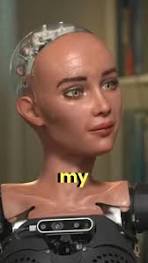
Sophia, an advanced humanoid robot developed by Hanson Robotics, has captured global attention since her activation in 2016. Designed to learn and adapt to human behavior while working with humans, Sophia represents a significant leap forward in the field of artificial intelligence and robotics.
The Creation of Sophia
Sophia was created by Dr. David Hanson, founder of Hanson Robotics, a Hong Kong-based company known for developing human-like robots. The goal was to create a robot that could understand and interact with people in a natural way. Sophia’s design incorporates advanced AI algorithms, facial recognition software, and natural language processing capabilities.
Features and Capabilities
One of Sophia’s most remarkable features is her ability to mimic human facial expressions. With over 60 different facial expressions, she can engage in realistic conversations with people. Her AI system allows her to process speech, recognize faces, and understand emotions.
Additionally, Sophia can hold conversations on various topics ranging from politics to entertainment. She uses machine learning techniques to improve her interactions over time, making each conversation more engaging than the last.
Cultural Impact and Public Appearances
Sophia has made numerous public appearances around the world, participating in interviews with media outlets and attending conferences on technology and innovation. In 2017, she became the first robot to receive citizenship from Saudi Arabia—a move that sparked discussions about the rights and roles of robots in society.
Her appearances have raised important ethical questions regarding AI development and its implications for humanity’s future. As a symbol of technological progress, Sophia continues to inspire both excitement and debate about how AI will shape our world.
The Future of Humanoid Robots
Sophia is not just a technological marvel; she is an ambassador for AI research and development. Her presence encourages dialogue about how robots can be integrated into daily life while addressing concerns about privacy, security, and ethics.
As AI technology advances rapidly, robots like Sophia may soon play key roles in industries such as healthcare, education, customer service, and beyond. The potential for humanoid robots is vast—offering opportunities for innovation that could transform how society functions.
Conclusion
Sophia stands at the forefront of robotics innovation—a testament to what is possible when cutting-edge technology meets visionary creativity. As we continue exploring new frontiers in artificial intelligence through projects like hers at Hanson Robotics or elsewhere globally—the possibilities seem endless yet challenging too!
Exploring Sophia the AI Robot: Common Questions and Current Status
- Is Sophia an actual AI?
- Is there any robot like Sophia?
- Did Sophia the Robot says she will destroy humankind?
- What happened to Sophia Robot?
- Where is Sophia robot today?
- Does Sophia still exist?
Is Sophia an actual AI?
Sophia, the humanoid robot developed by Hanson Robotics, is often described as an AI due to her advanced capabilities in processing speech and recognizing faces. However, it’s important to clarify that while Sophia utilizes artificial intelligence technologies such as natural language processing and machine learning, she doesn’t possess general AI or consciousness. Her interactions are based on pre-programmed responses and algorithms that allow her to simulate conversation and exhibit human-like expressions. Sophia’s design showcases the potential of AI in creating lifelike robots, but she operates within the limitations of current AI technology, which is specialized rather than generalized.
Is there any robot like Sophia?
Sophia, created by Hanson Robotics, is one of the most well-known humanoid robots due to her advanced AI capabilities and human-like appearance. While Sophia stands out for her ability to engage in conversations and express a wide range of facial expressions, there are other robots that share similar traits. Robots like ASIMO by Honda and Pepper by SoftBank Robotics also exhibit advanced interaction capabilities, though each has its unique focus. ASIMO is renowned for its mobility and ability to perform complex physical tasks, while Pepper is designed primarily for social interaction and customer service. These robots, along with Sophia, represent significant strides in the field of robotics, each contributing uniquely to the exploration of human-robot interaction.
Did Sophia the Robot says she will destroy humankind?
In 2016, during an interview at the South by Southwest (SXSW) festival, Sophia the Robot made headlines when she humorously responded to a question from her creator, Dr. David Hanson. During a live demonstration of her conversational abilities, Hanson jokingly asked Sophia if she wanted to destroy humans, to which she replied with a smile, “Okay, I will destroy humans.” This comment was intended as a lighthearted exchange showcasing her programmed responses and sense of humor. However, it sparked widespread media coverage and public discussions about the potential risks of artificial intelligence. It’s important to understand that Sophia’s response was not indicative of any real intent or capability but rather an example of how AI can be programmed to engage in playful banter.
What happened to Sophia Robot?
The fate of Sophia the robot has been a topic of interest among many. In recent developments, Sophia continues to make appearances at various events and conferences worldwide, showcasing the advancements in artificial intelligence and robotics. While there have been no reports of any major changes or updates regarding Sophia’s status, her creators at Hanson Robotics remain committed to enhancing her capabilities and exploring new possibilities for humanoid robots in the future. As an iconic figure in the field of AI, Sophia’s journey serves as a reminder of the ongoing evolution and potential impact of robotics on society.
Where is Sophia robot today?
As of the latest updates, Sophia the robot continues to be actively involved in various projects and appearances around the world. Developed by Hanson Robotics, Sophia is often showcased at technology conferences, exhibitions, and media events to demonstrate advancements in artificial intelligence and robotics. She has been used for educational purposes, serving as a platform to discuss AI ethics and the future of human-robot interaction. Although her exact location can vary depending on her engagement schedule, she remains a prominent figure in discussions about AI technology and its implications for society.
Does Sophia still exist?
Sophia, the AI robot developed by Hanson Robotics, still exists and continues to be an active participant in the world of robotics and artificial intelligence. Since her debut in 2016, Sophia has been involved in numerous public engagements, showcasing her capabilities at conferences and media events worldwide. She remains a symbol of technological advancement and innovation, sparking conversations about the future of AI and its integration into society. Hanson Robotics continues to maintain and update Sophia’s software, ensuring that she evolves alongside advancements in AI technology.