Exploring the World of Coursera Software Engineering: Empowering Your Tech Journey
The Power of Coursera in Software Engineering Education
Software engineering is a rapidly evolving field that requires continuous learning and upskilling. Coursera, a leading online learning platform, offers a wide range of courses and specializations in software engineering to help professionals stay ahead in this dynamic industry.
Whether you are a beginner looking to kickstart your career in software development or an experienced engineer aiming to deepen your expertise, Coursera has something for everyone. The platform collaborates with top universities and industry experts to deliver high-quality, up-to-date content that is relevant to the demands of the industry.
Key Features of Coursera Software Engineering Courses:
- Comprehensive Curriculum: Coursera offers courses covering various aspects of software engineering, including programming languages, software design, algorithms, data structures, and more.
- Hands-On Projects: Many courses include hands-on projects that allow learners to apply their knowledge in real-world scenarios, enhancing practical skills.
- Flexible Learning: Coursera’s online format enables learners to study at their own pace, making it convenient for working professionals or students with busy schedules.
- Certificates: Upon successful completion of a course or specialization, learners receive certificates that can be showcased on resumes and LinkedIn profiles.
- Community Support: Coursera provides opportunities for networking with peers and interacting with instructors to enhance the learning experience.
By enrolling in Coursera’s software engineering courses, individuals can acquire new skills, stay updated on industry trends, and advance their careers in this competitive field. The platform’s commitment to quality education and accessibility makes it a valuable resource for anyone passionate about software development.
Take the next step in your software engineering journey with Coursera and unlock new opportunities for growth and success!
Top 9 FAQs About Coursera’s Software Engineering Courses
- What is Coursera?
- Why choose Coursera for software engineering courses?
- How do I enroll in a software engineering course on Coursera?
- Are Coursera software engineering courses accredited?
- Can I earn a certificate upon completing a software engineering course on Coursera?
- What programming languages are covered in Coursera’s software engineering courses?
- Are there any prerequisites for enrolling in Coursera’s software engineering courses?
- How much time should I dedicate to studying for a software engineering course on Coursera?
- Is there any financial aid available for Coursera’s software engineering courses?
What is Coursera?
Coursera is a renowned online learning platform that offers a vast array of courses, including specialized programs in software engineering. It serves as a bridge between learners and top universities, institutions, and industry experts worldwide. Coursera provides accessible and high-quality education to individuals seeking to enhance their skills or pursue new career paths. With its user-friendly interface and flexible learning options, Coursera empowers students to engage with cutting-edge content, collaborate with peers, and receive guidance from experienced instructors—all from the comfort of their own homes. Whether you are a novice looking to enter the software engineering field or an experienced professional aiming to advance your expertise, Coursera is a valuable resource for acquiring knowledge and staying abreast of industry trends.
Why choose Coursera for software engineering courses?
When considering software engineering courses, choosing Coursera offers a multitude of benefits that set it apart from other platforms. Coursera stands out for its comprehensive curriculum developed in collaboration with top universities and industry experts, ensuring that learners receive high-quality and up-to-date content. The platform’s flexibility allows individuals to study at their own pace, making it ideal for busy professionals or students. Additionally, Coursera’s emphasis on hands-on projects, certificates of completion, and community support creates a dynamic learning environment that fosters skill development and career advancement in the field of software engineering.
How do I enroll in a software engineering course on Coursera?
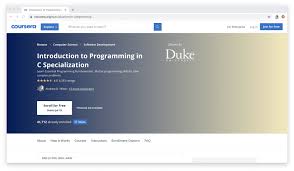
To enroll in a software engineering course on Coursera, simply follow these steps. First, create an account on the Coursera platform if you don’t already have one. Then, browse through the available software engineering courses and select the one that aligns with your learning goals. Click on the course you’re interested in and review the course details, syllabus, and instructor information to ensure it meets your requirements. Finally, click on the “Enroll” or “Join for Free” button to enroll in the course. You may have the option to audit the course for free or choose a paid enrollment to access additional features and receive a certificate upon completion. Start your software engineering journey on Coursera today and enhance your skills in this dynamic field!
Are Coursera software engineering courses accredited?
Many learners frequently ask whether Coursera software engineering courses are accredited. It’s important to note that Coursera itself does not provide accreditation for its courses. However, many of the courses and specializations offered on Coursera are created by top universities and industry experts, ensuring high-quality content and relevance to industry standards. While these courses may not offer traditional academic accreditation, they do provide valuable knowledge and skills that can enhance your expertise in software engineering and boost your career prospects. It’s always recommended to check with your employer or educational institution regarding recognition of online learning certificates from platforms like Coursera.
Can I earn a certificate upon completing a software engineering course on Coursera?
Yes, you can earn a certificate upon completing a software engineering course on Coursera. Coursera offers certificates of completion for many of its courses, including those in the field of software engineering. These certificates serve as proof of your achievement and can be a valuable addition to your resume or LinkedIn profile. By successfully finishing a course, you demonstrate your commitment to learning and enhancing your skills in software engineering, which can help you stand out to potential employers or advance in your current career.
What programming languages are covered in Coursera’s software engineering courses?
Coursera’s software engineering courses cover a wide range of programming languages to cater to the diverse needs of learners. Some of the commonly covered programming languages include Java, Python, C++, JavaScript, and more. These courses provide in-depth knowledge and practical experience in using these languages for software development, ensuring that learners acquire versatile skills that are relevant in today’s tech industry. Whether you are a beginner or an experienced professional, Coursera’s software engineering courses offer opportunities to master various programming languages and enhance your expertise in the field.
Are there any prerequisites for enrolling in Coursera’s software engineering courses?
One frequently asked question regarding Coursera’s software engineering courses is whether there are any prerequisites for enrollment. While specific requirements may vary depending on the course or specialization, Coursera generally offers a range of software engineering programs suitable for learners at different levels of expertise. Some courses may recommend prior knowledge of programming languages such as Python, Java, or C++, while others cater to beginners with no prior experience in software development. By carefully reviewing the course descriptions and prerequisites provided on Coursera’s platform, prospective students can select the program that aligns best with their current skill level and learning goals.
How much time should I dedicate to studying for a software engineering course on Coursera?
Determining the amount of time to dedicate to studying for a software engineering course on Coursera depends on various factors, including the course’s complexity, your prior knowledge in the subject, and your personal schedule. As a general guideline, it is recommended to allocate a few hours each week to engage with the course materials, complete assignments, and participate in any interactive elements. Setting aside consistent study sessions can help you grasp concepts effectively and stay on track with the course timeline. Remember that quality learning often requires a balance between focused study time and practical application of the knowledge gained.
Is there any financial aid available for Coursera’s software engineering courses?
Many learners often inquire about the availability of financial aid for Coursera’s software engineering courses. Coursera understands the importance of making education accessible to all and offers financial aid options for eligible learners. By applying for financial aid, individuals can receive assistance in covering the costs of course fees, enabling them to pursue their educational goals without financial barriers. Coursera’s commitment to inclusivity and affordability ensures that learners from diverse backgrounds have the opportunity to benefit from high-quality software engineering education.