
cfchris.com

Loading

java code compiler

Understanding the Role of a Java Code Compiler in Software Development

The Role of a Java Code Compiler

The Role of a Java Code Compiler

Java, a popular programming language used for developing a wide range of applications, relies on a crucial component known as the Java code compiler. This tool plays a vital role in the software development process by translating human-readable Java code into machine-readable instructions that can be executed by the Java Virtual Machine (JVM).

How Does a Java Code Compiler Work?

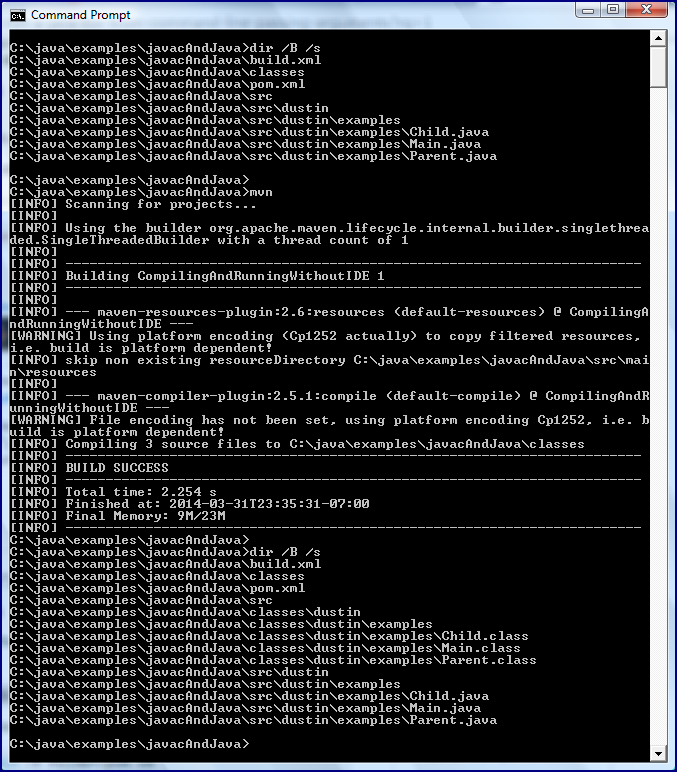
When a developer writes Java code, they use a text editor to create files with the “.java” extension. These files contain the source code that defines the logic and behavior of the application. However, computers cannot directly understand this source code; it needs to be converted into bytecode, which is a set of instructions that the JVM can interpret.

This is where the Java code compiler comes into play. The compiler reads the source code written by the developer and checks it for syntax errors and other issues. If no errors are found, the compiler translates the source code into bytecode files with a “.class” extension.

Benefits of Using a Java Code Compiler

Using a Java code compiler offers several advantages to developers:

  • Error Detection: The compiler helps identify syntax errors and other issues in the code before it is executed.
  • Efficient Execution: By converting source code into bytecode, the compiler optimizes performance and ensures efficient execution on different platforms.
  • Platform Independence: The bytecode generated by the compiler can run on any system with a JVM installed, making Java applications platform-independent.
  • Enhanced Security: Compiling code adds an extra layer of security by preventing direct access to the source code.

In Conclusion

The Java code compiler is an essential tool in the development of Java applications. It simplifies the process of converting human-readable source code into machine-readable bytecode, enabling developers to create robust and efficient software solutions. By leveraging the capabilities of a reliable compiler, developers can streamline their development workflow and build high-quality applications that meet user requirements.


Understanding Java Code Compilers: FAQs and Resources

  1. What is a Java code compiler?
  2. How does a Java code compiler work?
  3. What are the benefits of using a Java code compiler?
  4. Which tools are commonly used as Java code compilers?
  5. Can you recommend any resources for learning more about Java code compilation?

What is a Java code compiler?

A Java code compiler is a fundamental component in the Java programming language that translates human-readable Java source code into machine-readable bytecode. It plays a crucial role in the software development process by checking the syntax of the code, detecting errors, and converting it into executable instructions for the Java Virtual Machine (JVM). The compiler ensures that the code is correctly structured and free of mistakes before it is executed, ultimately facilitating the creation of robust and efficient Java applications across different platforms.

How does a Java code compiler work?

When exploring the question “How does a Java code compiler work?” it’s important to understand that the Java code compiler plays a crucial role in software development. Essentially, the Java compiler reads the human-readable Java source code written by developers and translates it into bytecode, which is a set of instructions that the Java Virtual Machine (JVM) can execute. This process involves checking the syntax of the code for errors and converting it into a format that can be understood and executed by computers. By performing this translation, the Java code compiler facilitates efficient execution of Java applications on various platforms while also providing error detection and optimization benefits to developers.

What are the benefits of using a Java code compiler?

When considering the benefits of using a Java code compiler, developers can appreciate its crucial role in the software development process. The compiler aids in error detection by identifying syntax issues and other errors before execution, ensuring a smoother coding experience. Additionally, it optimizes performance by converting source code into bytecode, making Java applications efficient and platform-independent. The enhanced security provided by compiling code adds an extra layer of protection to intellectual property, making it a valuable tool for developers seeking reliable and secure software solutions.

Which tools are commonly used as Java code compilers?

In the realm of Java programming, several tools are commonly utilized as Java code compilers to translate source code into bytecode for execution by the Java Virtual Machine (JVM). Some popular choices among developers include the official Java Compiler (javac), Eclipse Compiler for Java (ECJ) integrated within the Eclipse IDE, Apache Ant with its built-in compiler tasks, and JetBrains’ IntelliJ IDEA compiler. These tools offer various features and functionalities to aid in error detection, optimization, and platform independence, empowering developers to efficiently compile their Java code and build robust applications.

Can you recommend any resources for learning more about Java code compilation?

For individuals seeking to deepen their understanding of Java code compilation, there are numerous valuable resources available that can enhance their knowledge and skills in this area. Online platforms like Java documentation, tutorials on reputable websites such as Oracle, JetBrains Academy, or Codecademy, and books like “Effective Java” by Joshua Bloch provide comprehensive insights into the intricacies of Java code compilation. Additionally, participating in online forums and communities dedicated to Java programming can offer practical advice and real-world experiences from seasoned developers. By exploring these resources, aspiring programmers can gain a solid foundation in Java code compilation and advance their proficiency in software development.
open source software development

Exploring the Impact of Open Source Software Development

Article: Open Source Software Development

The Power of Open Source Software Development

Open source software development has revolutionized the way we create and use technology. Unlike proprietary software, open source software is built collaboratively by a community of developers who openly share their code and contribute to its improvement.

One of the key benefits of open source software is its transparency. Anyone can access the source code, modify it, and distribute it freely. This fosters innovation and allows for rapid development cycles as developers around the world can collectively work on enhancing the software.

Moreover, open source software promotes inclusivity and diversity in the tech industry. Developers from different backgrounds and skill levels can participate in projects, learn from each other, and build a more inclusive community.

Key Principles of Open Source Software Development:

  • Collaboration: Developers work together to create and improve software.
  • Transparency: The source code is accessible to all, promoting trust and accountability.
  • Innovation: Rapid iteration and feedback lead to innovative solutions.
  • Inclusivity: Open source projects welcome contributions from diverse communities.
  • Community: A sense of belonging and shared purpose drives open source development.

In recent years, many successful projects have emerged from the open source community, including popular web browsers like Mozilla Firefox, operating systems like Linux, and programming languages like Python. These projects have not only gained widespread adoption but have also influenced proprietary software development practices.

As we look to the future of technology, open source software development continues to play a crucial role in driving innovation, collaboration, and accessibility in the digital landscape. By embracing the principles of openness and community-driven development, we can create a more sustainable and inclusive tech ecosystem for generations to come.


Understanding Open Source Software Development: Key FAQs

  1. What is meant by open source development?
  2. What are examples of open source software?
  3. What are open source development tools?
  4. How is open source software developed?
  5. How do I become an open source software developer?
  6. Does open source software have a developer?
  7. What software is built on open source?

What is meant by open source development?

Open source development refers to the collaborative process of creating software where the source code is made freely available to the public. In open source development, programmers from around the world can view, modify, and distribute the code, fostering a community-driven approach to software creation. This model promotes transparency, innovation, and inclusivity by allowing developers of varying backgrounds to contribute to projects and improve the software collectively. Open source development has revolutionized the tech industry by democratizing access to technology and encouraging a culture of sharing and collaboration among developers.

What are examples of open source software?

Open source software encompasses a wide range of applications across various domains. Some prominent examples of open source software include the Linux operating system, which powers a significant portion of servers and embedded devices worldwide. Additionally, popular web browsers like Mozilla Firefox and Chromium are open source projects that prioritize user privacy and customization. Development tools such as the Apache web server, MySQL database management system, and the programming language Python are also well-known examples of open source software that have gained widespread adoption in the tech industry. These examples highlight the diversity and impact of open source software in enabling innovation and collaboration within the global developer community.

What are open source development tools?

Open source development tools are software applications specifically designed to support and streamline the process of creating open source projects. These tools encompass a wide range of functionalities, including code editors, version control systems, build automation tools, testing frameworks, and project management platforms. By utilizing open source development tools, developers can collaborate more efficiently, track changes in the codebase, automate repetitive tasks, ensure code quality through testing, and manage project timelines effectively. These tools not only enhance productivity but also promote transparency and accessibility in the development process by enabling contributors to work together seamlessly on open source projects.

How is open source software developed?

Open source software development follows a collaborative and transparent process where developers from around the world contribute to creating and improving software. Typically, an open source project starts with an idea or a need identified by an individual or a group of developers. The source code is made available to the public, allowing anyone to view, modify, and enhance it. Developers can collaborate through online platforms like GitHub, where they can submit code changes, report issues, and discuss improvements with the community. This iterative process of feedback, contribution, and review results in the continuous development of open source software that is accessible to all and benefits from diverse perspectives and expertise.

How do I become an open source software developer?

To become an open source software developer, one can start by selecting a project that aligns with their interests and skills. Engaging with the open source community through forums, mailing lists, and code repositories can provide valuable insights and networking opportunities. Contributing to projects by fixing bugs, adding new features, or improving documentation is a great way to gain experience and build a reputation within the community. Continuous learning and collaboration with other developers are key aspects of becoming a successful open source software developer.

Does open source software have a developer?

In the realm of open source software development, the question of whether open source software has a developer is a common inquiry. Unlike proprietary software where a single entity typically owns and controls the development process, open source software projects often have multiple developers contributing to the codebase. These developers can come from diverse backgrounds and may collaborate on the project voluntarily or as part of a community effort. The decentralized nature of open source development allows for greater innovation, transparency, and inclusivity as developers work together to enhance and maintain the software for the benefit of all users.

What software is built on open source?

Many popular software applications are built on open source technologies. Examples include web browsers like Mozilla Firefox and Google Chrome, operating systems such as Linux distributions like Ubuntu and Fedora, content management systems like WordPress and Joomla, programming languages like Python and PHP, and development tools like Git and Apache. These software products leverage the collaborative efforts of the open source community to deliver reliable, secure, and innovative solutions to users worldwide. By utilizing open source components, developers can benefit from a wealth of resources and expertise while contributing to the advancement of technology in a transparent and inclusive manner.