
cfchris.com

Loading

offshore development company

How to Choose the Right Offshore Development Company

How to Choose the Right Offshore Development Company

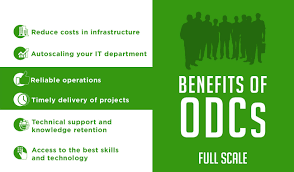
Hiring an offshore development company can help a business build software, expand its technical capabilities, and manage development costs. By working with a team in another country, companies can access specialized skills and additional engineering capacity without limiting their search to local talent.

Offshore development can be a strong fit, but success depends on more than price. Clear goals, reliable communication, sound security practices, and a well-defined working relationship all matter. Here’s what to consider when evaluating an offshore development partner.

What Is an Offshore Development Company?

An offshore development company provides software development services from a country different from the client’s. Its team may handle a complete project or contribute to specific tasks, such as building an application, maintaining existing software, testing, or providing technical expertise.

Offshore arrangements can take several forms. A company might hire a partner to deliver a project from start to finish, add dedicated developers to its existing team, or establish a longer-term development relationship. The right model depends on the project’s scope, schedule, and in-house capabilities.

Potential Benefits of Offshore Development

Access to a Broader Talent Pool

Working with an offshore company can make it easier to find developers with experience in particular technologies or industries. This can be helpful when local hiring is challenging or a project requires skills that are not available on the existing team.

Flexible Team Capacity

An external development team can provide additional capacity for a product launch, modernization effort, or ongoing backlog. Depending on the agreement, the team can scale up or down as priorities change.

Potential Cost Efficiency

Offshore development may reduce some labor and operational costs. However, the lowest hourly rate does not always produce the lowest total cost. Project management, onboarding, rework, communication, and maintenance should all be part of the budget.

More Time for Core Priorities

Delegating well-defined development work can free an internal team to focus on product strategy, customer needs, or other business priorities. This works best when responsibilities and decision-making authority are clearly established.

What to Look for in a Development Partner

Relevant Experience

Ask whether the company has worked on projects similar to yours in terms of technology, scale, and business requirements. Request examples, references, or case studies that explain the partner’s role and the results delivered. Look for evidence of sound engineering practices, not just an impressive list of tools.

Clear Communication

Confirm how the team handles meetings, written updates, documentation, and urgent questions. Differences in time zones can be manageable when both sides agree on overlapping work hours and response expectations.

A Compatible Development Process

Discuss how work is planned, reviewed, tested, and released. The company should be able to explain its approach to project management, code reviews, quality assurance, and handling changes in scope. A transparent process makes it easier to identify problems early.

Security and Intellectual Property Practices

Before sharing sensitive information or granting access to systems, understand how the company protects data and manages permissions. Review confidentiality terms, intellectual property ownership, access controls, backup practices, and any relevant compliance requirements with your legal and security teams.

Team Stability and Oversight

Ask who will work on the project, who will lead the team, and how staffing changes are handled. A dependable partner should provide a clear point of contact and explain how knowledge is documented and transferred if a team member leaves.

Questions to Ask Before Signing

  • What experience do you have with projects like this?
  • Who will be assigned to the project, and what are their roles?
  • How will progress, risks, and blockers be reported?
  • What development and testing tools do you use?
  • How do you handle changing requirements?
  • Who owns the source code and other project deliverables?
  • How do you protect confidential data and system access?
  • What support is available after launch?
  • How are pricing, expenses, and additional work handled?

How to Set Up the Relationship for Success

Begin with a clear project brief. Describe the business problem, intended users, required features, technical constraints, and measures of success. Separate essential requirements from items that can be considered later.

Agree on practical ways of working before development begins. Establish communication channels, meeting schedules, approval processes, documentation expectations, and responsibility for final decisions. Make sure both teams understand how work will be tracked and accepted.

For a larger engagement, consider starting with a small, well-defined project or discovery phase. This gives both sides a chance to test communication and collaboration before making a long-term commitment. Review progress regularly and address concerns while they are still manageable.

Common Challenges to Plan For

Offshore development can bring challenges, including time-zone differences, unclear requirements, language or communication gaps, and limited visibility into day-to-day work. These issues are not inevitable, but they should be addressed through planning.

Use shared documentation, short feedback cycles, regular demonstrations, and clearly assigned points of contact. Keep product decisions close to the people who understand the business, and make sure the development team can ask questions promptly. A strong partnership depends on active collaboration from both sides.

Conclusion

An offshore development company can give a business access to new skills and flexible development capacity. The best results come from choosing a partner based on expertise, communication, security, and working practices—not price alone. With clear expectations and regular collaboration, an offshore team can become a valuable extension of an organization’s technology capabilities.


8 Essential Tips for Choosing an Offshore Development Company

  1. Define clear goals and requirements before hiring.
  2. Check the company’s portfolio and client references.
  3. Compare expertise, not just hourly rates.
  4. Confirm time-zone overlap and communication plans.
  5. Agree on milestones, deliverables, and payment terms.
  6. Protect your data with clear security requirements.
  7. Start with a small project or trial phase.
  8. Review progress regularly and share feedback early.

Define clear goals and requirements before hiring.

Before hiring an offshore development company, define what you want the project to achieve and document its key requirements. Outline the problem to solve, essential features, target users, technical constraints, timeline, budget, and measures of success. Clear expectations help potential partners provide accurate estimates, identify risks, and recommend an appropriate approach. They also reduce misunderstandings, limit costly rework, and give both teams a shared basis for tracking progress once development begins.

Check the company’s portfolio and client references.

Before choosing an offshore development company, review its portfolio and ask for client references. Look for projects similar to yours in complexity, industry, or technology, and check whether the company can explain its role and results clearly. Speaking with former or current clients can offer useful insight into communication, reliability, work quality, and how the team handles challenges—details that a portfolio alone may not reveal.

Compare expertise, not just hourly rates.

When choosing an offshore development company, compare expertise—not just hourly rates. A lower rate may seem appealing, but experience with your industry, technology stack, and project type can help a team deliver better results with less rework. Ask about relevant projects, engineering practices, and the skills of the people who will work on your project. Evaluating the overall value, including quality, communication, and long-term support, can help you find a partner that fits your needs and budget.

Confirm time-zone overlap and communication plans.

Before choosing an offshore development company, confirm how much your teams’ working hours overlap and agree on a communication plan. Set expectations for response times, recurring meetings, progress updates, and how urgent issues will be handled. Shared tools and clear documentation can keep work moving smoothly, even when your teams are in different time zones.

Agree on milestones, deliverables, and payment terms.

Before work begins, agree on clear milestones, specific deliverables, and payment terms with your offshore development company. Define what each phase should produce, how and when the work will be reviewed and approved, and what happens if requirements or timelines change. Tie payments to agreed milestones where appropriate, and document any fees, expenses, or additional-work rates. Clear terms help both teams track progress, manage expectations, and avoid misunderstandings.

Protect your data with clear security requirements.

Protect your data by setting clear security requirements before work begins with an offshore development company. Specify how sensitive information must be stored, accessed, shared, and deleted, and define requirements for encryption, access controls, security testing, and incident reporting. Use written agreements to clarify confidentiality and data ownership, and grant the development team only the permissions it needs. Regularly review the company’s security practices to help ensure your data remains protected throughout the project.

Start with a small project or trial phase.

Starting with a small project or trial phase is a practical way to evaluate an offshore development company before making a larger commitment. Choose a clearly defined task with measurable goals, then observe how the team communicates, manages deadlines, handles feedback, and delivers quality work. This initial collaboration can reveal whether the company’s process and working style fit your needs, while giving both sides a chance to build trust and address issues early.

Review progress regularly and share feedback early.

Review progress regularly and share feedback early to keep your offshore development project aligned with your goals. Schedule consistent check-ins, review completed work, and raise questions or concerns as soon as they come up. Timely feedback helps the team address misunderstandings before they grow into costly delays or rework, while regular progress updates give everyone a clearer view of what’s on track and what needs attention.

software engineering services

Software Engineering Services: Building Reliable, Scalable Solutions

Software Engineering Services: Building Reliable, Scalable Software

Software is central to how modern businesses serve customers, manage operations, and adapt to change. But successful software takes more than writing code. It requires thoughtful planning, sound engineering, and ongoing support. Software engineering services bring these disciplines together to help organizations create and improve digital products that meet real-world needs.

What Are Software Engineering Services?

Software engineering services cover the full lifecycle of a software solution, from defining an idea to maintaining it after launch. Depending on a project’s goals, services may include product discovery, technical consulting, custom software development, integrations, testing, deployment, and ongoing improvements.

These services can support a range of projects, including internal business tools, customer-facing applications, cloud platforms, e-commerce systems, and modernization of older software.

Core Software Engineering Services

Planning and Technical Consulting

Strong projects begin with a clear understanding of the problem to solve. Engineers and stakeholders can define requirements, review existing systems, assess technical options, and establish a practical roadmap. Early planning helps teams make informed decisions about scope, architecture, cost, and timelines.

Custom Software Development

When off-the-shelf products do not meet a business’s needs, custom software can provide a closer fit. Development teams design and build applications around specific workflows, users, and goals. This may involve web applications, mobile apps, APIs, or backend systems.

Software Integration

Businesses often rely on multiple systems that need to share information. Integration services connect applications, databases, and third-party platforms so that data can move reliably between them. Well-designed integrations can reduce manual work and make processes more consistent.

Quality Assurance and Testing

Testing helps confirm that software works as expected and continues to work as it changes. Quality assurance may include automated tests, manual testing, performance checks, accessibility reviews, and security testing. Finding issues early can reduce the cost and disruption of fixing them later.

Cloud Engineering and Deployment

Cloud engineering helps organizations build, move, or operate software in cloud environments. Services may include selecting a cloud architecture, automating deployment, improving system reliability, and managing performance. The right approach depends on the application’s requirements, risks, and expected workload.

Maintenance and Modernization

Software needs attention after launch. Maintenance can include fixing defects, applying security updates, improving performance, and adding features. Modernization services help organizations improve older applications, update outdated technologies, and make systems easier to maintain without disrupting essential operations.

Why Invest in Professional Software Engineering?

  • Solutions built around real needs: A clear understanding of users and business processes helps ensure that the software addresses the right problems.
  • Better reliability: Established engineering practices support stable, tested applications.
  • Room to grow: Scalable architecture can make it easier to handle new users, features, or workloads.
  • Improved security: Security considerations can be included throughout design, development, and maintenance.
  • More efficient operations: Well-designed software can reduce repetitive tasks and connect disconnected systems.
  • Long-term maintainability: Clear documentation, testing, and thoughtful design make future changes easier.

Choosing the Right Software Engineering Partner

Choosing a partner is about more than comparing programming languages or project estimates. Look for a team that asks thoughtful questions, communicates clearly, and explains tradeoffs in terms your organization can understand. A good partner should also be transparent about project risks, testing practices, security, ownership, and ongoing support.

Before starting, clarify the problem the software should solve, who will use it, and how success will be measured. Agree on priorities and decision-making responsibilities, and plan for maintenance from the beginning. These steps help keep the project focused and make it easier to evaluate the results.

Build Software for the Long Term

Effective software engineering combines technical skill with careful planning and collaboration. Whether an organization is launching a new product, connecting existing systems, or improving a legacy application, the right engineering approach can turn complex requirements into dependable software. With clear goals and ongoing care, software can continue to support changing needs well beyond its initial release.


Top FAQs About Software Engineering Services: Companies, Examples, Roles, and Salaries

  1. What are the big 5 software companies?
  2. What are examples of engineering services?
  3. What are software engineering services?
  4. What are the 4 types of maintenance in software engineering?
  5. Do software engineers make 100k?
  6. What does software engineering do?
  7. What is a service in software engineering?

What are the big 5 software companies?

The “Big Five” software and technology companies typically refers to Amazon, Apple, Google (under parent company Alphabet), Meta, and Microsoft. They’re known for their large global reach and influential products and services, including cloud computing, operating systems, mobile devices, social media, and online platforms. The term is informal, and the companies included can vary depending on the context.

What are examples of engineering services?

Examples of engineering services include custom software development, system architecture and technical consulting, application integration, quality assurance and testing, cloud engineering, cybersecurity, and software maintenance. These services can help businesses build new applications, connect existing tools, improve performance, strengthen security, and keep software reliable as needs change.

What are software engineering services?

Software engineering services cover the planning, design, development, testing, deployment, and maintenance of software. They can include building custom applications, integrating existing systems, improving performance and security, and updating older software. The goal is to create reliable, maintainable solutions that meet users’ needs and support business objectives.

What are the 4 types of maintenance in software engineering?

The four types of software maintenance are corrective, adaptive, perfective, and preventive. Corrective maintenance fixes defects discovered after software is released. Adaptive maintenance updates software to work with changes in its environment, such as new operating systems, hardware, or regulations. Perfective maintenance improves performance, usability, or functionality in response to user needs. Preventive maintenance addresses potential problems before they cause failures—for example, by refactoring code, updating dependencies, or improving documentation. Together, these practices help keep software reliable, useful, and easier to maintain over time.

Do software engineers make 100k?

Yes, many software engineers earn $100,000 or more per year in the United States, but salaries vary based on experience, location, specialty, industry, and employer. Engineers with in-demand skills or senior-level responsibilities may earn more, while entry-level roles and positions in lower-cost areas may pay less. Total compensation can also include bonuses, stock, and benefits, so salary figures are only part of the picture.

What does software engineering do?

Software engineering applies systematic methods to designing, building, testing, deploying, and maintaining software. It turns user and business needs into reliable, secure, and efficient applications, while helping ensure the software can be updated and scaled over time. Depending on the project, software engineers may also troubleshoot issues, connect systems, improve performance, and document how a solution works.

What is a service in software engineering?

In software engineering, a service is a distinct, reusable component of software that performs a specific function and communicates with other components through a defined interface. For example, an application might use separate services for processing payments, managing user accounts, or sending notifications. Services can run within one application or independently across a network, making it easier to maintain, update, and scale software. The term can also refer to professional software engineering services—such as consulting, development, testing, and maintenance—provided to help plan, build, or improve software.

it software engineer

IT Software Engineer: Roles, Skills, and Career Opportunities

What Does an IT Software Engineer Do?

An IT software engineer designs, builds, tests, and maintains software that helps people and organizations solve problems. The role combines programming skills with engineering practices, such as planning, documentation, testing, and ongoing improvement. IT software engineers may create business applications, websites, mobile apps, cloud services, or tools that support an organization’s technology systems.

Key Responsibilities

A software engineer’s daily work depends on the team and project, but common responsibilities include:

  • Understanding user and business requirements
  • Designing software systems and choosing suitable technologies
  • Writing, reviewing, and improving code
  • Testing software to find and fix defects
  • Maintaining existing applications and resolving technical issues
  • Documenting code, systems, and development processes
  • Working with designers, project managers, IT teams, and other engineers

Skills and Tools

Programming is an important part of the job, but successful software engineering involves more than writing code. Engineers need problem-solving skills, attention to detail, clear communication, and the ability to collaborate. They also need to understand how software fits into a larger IT environment, including networks, databases, operating systems, and security practices.

Depending on their work, software engineers may use languages such as Java, Python, C#, JavaScript, or SQL. Common tools include version-control systems, code editors, cloud platforms, automated testing frameworks, and project-management software. The specific tools vary by employer and project.

Education and Career Paths

Many software engineers have a degree in computer science, software engineering, or a related field. Others enter the profession through technical programs, independent study, internships, or practical experience. A portfolio of projects can help demonstrate skills, especially for candidates who are building experience.

With experience, an engineer may specialize in areas such as cloud computing, cybersecurity, mobile development, data engineering, or artificial intelligence. Other career paths include senior engineer, technical lead, software architect, engineering manager, or IT consultant.

Why Software Engineering Matters

Software supports many aspects of modern life, from online services and business operations to healthcare, transportation, and communication. IT software engineers help make these systems useful, reliable, and secure. Their work often continues after a product launches, as software must be updated to fix issues, meet changing needs, and work with new technologies.

Is This Career a Good Fit?

Software engineering may suit people who enjoy solving puzzles, learning new technologies, and turning ideas into practical tools. The work can involve complex challenges and changing priorities, so curiosity, patience, and a willingness to keep learning are valuable. For those who enjoy building and improving technology, it can offer a wide range of opportunities across industries.


8 Essential Tips for Success as an IT Software Engineer

  1. Master core programming concepts.
  2. Practice problem-solving every day.
  3. Write clean, readable code.
  4. Use version control consistently.
  5. Learn to test your software.
  6. Communicate clearly with your team.
  7. Keep learning new tools and technologies.
  8. Ask for feedback and improve.

Master core programming concepts.

Mastering core programming concepts is essential for becoming a successful IT software engineer. Build a strong understanding of variables, data types, control flow, functions, data structures, algorithms, and object-oriented programming before focusing too heavily on specific tools or frameworks. These fundamentals make it easier to learn new languages, write clear and efficient code, troubleshoot problems, and design software that can grow and adapt over time. Practice regularly by building small projects and explaining how your code works.

Practice problem-solving every day.

Practice problem-solving every day to strengthen the skills you’ll use as an IT software engineer. Try a coding challenge, debug a small program, or break a real-world task into manageable steps. Focus on understanding why a solution works, not just getting the right answer. Over time, regular practice can help you think more logically, write clearer code, and tackle unfamiliar technical challenges with greater confidence.

Write clean, readable code.

Writing clean, readable code is an essential skill for an IT software engineer. Clear names, consistent formatting, and simple structure make code easier to understand, test, and maintain—not just for its author, but for teammates who may work on it later. Keep functions focused, avoid unnecessary complexity, and add comments when they clarify the reasoning behind a decision. Well-organized code helps teams find bugs faster and adapt software as requirements change.

Use version control consistently.

Use version control consistently to track changes, collaborate safely, and make it easier to recover from mistakes. Commit small, focused updates with clear messages so teammates can understand what changed and why. Whether working alone or on a team, a consistent version-control workflow helps keep code organized and makes software development more reliable.

Learn to test your software.

Learn to test your software so you can catch problems early and make your applications more reliable. Practice writing tests that check individual functions, how different parts of a system work together, and whether the finished product behaves as users expect. Automated tests can save time as your code changes, while hands-on testing can reveal usability issues that scripts may miss. Building testing into your workflow helps prevent regressions, makes debugging easier, and gives you greater confidence when releasing updates.

Communicate clearly with your team.

Clear communication helps IT software engineers collaborate effectively and keep projects moving. Share updates on your progress, explain technical issues in plain language, and ask questions when requirements are unclear. When discussing a problem, include relevant details and suggest possible next steps. Clear, respectful communication helps teammates coordinate their work, catch misunderstandings early, and build better software together.

Keep learning new tools and technologies.

IT software engineers should make continuous learning part of their routine because tools, programming languages, and best practices evolve quickly. Exploring new technologies through online courses, documentation, personal projects, or professional communities can help engineers work more efficiently and adapt to changing project needs. It’s not necessary to learn every new tool; focus on technologies that support your goals and solve real problems.

Ask for feedback and improve.

Ask for feedback regularly from teammates, mentors, and users, and treat their input as an opportunity to grow. Constructive feedback can reveal bugs, improve code quality, and help make software easier to use and maintain. Consider each suggestion thoughtfully, ask questions when something is unclear, and apply what you learn to your next project. Over time, this habit can strengthen both your technical skills and your ability to collaborate.

software development agency

Empowering Businesses: The Role of a Software Development Agency in Driving Innovation

Article: Software Development Agency

The Role of a Software Development Agency in Today’s Digital World

In the fast-paced and ever-evolving digital landscape, software development agencies play a crucial role in helping businesses thrive and stay competitive. These agencies are at the forefront of technological innovation, creating custom software solutions that meet the unique needs of their clients.

What Does a Software Development Agency Do?

A software development agency is responsible for designing, developing, and maintaining software applications tailored to specific requirements. These agencies work closely with clients to understand their business goals and challenges, translating them into functional and user-friendly software solutions.

Software development agencies employ skilled professionals with expertise in various programming languages, frameworks, and technologies. They utilize industry best practices to ensure that the software they deliver is secure, scalable, and efficient.

The Benefits of Hiring a Software Development Agency

There are several benefits to partnering with a software development agency:

  • Custom Solutions: Software development agencies create bespoke solutions that address the unique needs of each client.
  • Expertise: Agencies have a team of experienced developers who stay current with the latest technologies and trends in the industry.
  • Cost-Effectiveness: Outsourcing software development can be more cost-effective than hiring an in-house team.
  • Time-Saving: Agencies can deliver projects efficiently, allowing businesses to focus on their core activities.
  • Ongoing Support: Many agencies offer maintenance and support services to ensure that the software remains functional and up-to-date.

The Future of Software Development Agencies

As technology continues to advance rapidly, the role of software development agencies will become even more critical. These agencies will need to adapt to emerging technologies such as artificial intelligence, blockchain, and Internet of Things (IoT) to meet the evolving needs of businesses across industries.

In conclusion, software development agencies are instrumental in driving digital transformation and innovation. By leveraging their expertise and capabilities, businesses can harness the power of technology to achieve their strategic objectives in today’s competitive market.


Top 5 Frequently Asked Questions About Software Development Agencies

  1. What services does a software development agency offer?
  2. How can a software development agency help my business?
  3. What is the typical process of working with a software development agency?
  4. How do I choose the right software development agency for my project?
  5. What technologies and programming languages do software development agencies specialize in?

What services does a software development agency offer?

A software development agency typically offers a wide range of services tailored to meet the diverse needs of businesses and individuals. These services may include custom software development, mobile application development, web application development, software testing and quality assurance, software maintenance and support, IT consultancy, UI/UX design, cloud solutions, database management, and integration services. By leveraging their expertise in various programming languages and technologies, software development agencies help clients bring their ideas to life and optimize their digital presence through innovative and tailored software solutions.

How can a software development agency help my business?

A software development agency can significantly benefit your business by providing tailored solutions to meet your specific needs and challenges. These agencies have a team of skilled professionals who possess expertise in various programming languages and technologies. By understanding your business goals, the agency can develop custom software applications that streamline processes, enhance efficiency, and improve overall productivity. Additionally, partnering with a software development agency can save you time and resources, as they handle the entire development process from planning to implementation, allowing you to focus on core business activities while ensuring that you have a competitive edge in today’s digital landscape.

What is the typical process of working with a software development agency?

When working with a software development agency, the typical process involves several key steps. Initially, the client discusses their requirements and objectives with the agency to ensure a clear understanding of the project scope. The agency then conducts a thorough analysis to determine the feasibility and technical requirements of the project. Once the project is approved, the agency’s team of developers and designers collaborate to create a detailed plan and timeline for development. Regular communication and feedback sessions are held throughout the development process to keep the client informed and involved. After testing and quality assurance procedures are completed, the final product is delivered to the client, followed by ongoing support and maintenance as needed. This structured approach ensures that projects are completed efficiently, meeting both client expectations and industry standards.

How do I choose the right software development agency for my project?

When selecting the ideal software development agency for your project, it is crucial to consider several factors to ensure a successful collaboration. Begin by evaluating the agency’s portfolio to gauge their expertise and experience in developing similar projects. Assess their technical skills, industry knowledge, and proficiency in relevant programming languages and technologies. Additionally, seek client testimonials or case studies to understand their track record of delivering quality solutions on time and within budget. Communication is key, so prioritize agencies that demonstrate clear and effective communication throughout the project lifecycle. Lastly, discuss your project requirements in detail with potential agencies to ensure they align with your vision and can provide a tailored solution that meets your specific needs. By carefully considering these aspects, you can confidently choose the right software development agency to bring your project to fruition.

What technologies and programming languages do software development agencies specialize in?

Software development agencies specialize in a wide range of technologies and programming languages to meet the diverse needs of their clients. These agencies often have expertise in popular languages such as Java, Python, C#, JavaScript, and Ruby on Rails. Additionally, they are proficient in various frameworks and tools like React, Angular, Node.js, and Django. With a focus on staying abreast of the latest industry trends, software development agencies continuously expand their knowledge and skills to deliver cutting-edge solutions that align with the evolving technological landscape.