

cfchris.com

Loading

java runtime

Exploring the Significance of Java Runtime Environment in Application Development

The Importance of Java Runtime Environment (JRE)

The Importance of Java Runtime Environment (JRE)

Java Runtime Environment (JRE) is a crucial component for running Java applications on your computer. It provides the necessary environment for executing Java programs by including the Java Virtual Machine (JVM), class libraries, and other supporting files.

One of the key benefits of JRE is its platform independence. Java programs compiled into bytecode can run on any device with a compatible JRE installed, regardless of the underlying operating system. This makes Java a popular choice for developing cross-platform applications.

Furthermore, JRE ensures that Java applications are executed securely within a controlled environment. The JVM manages memory allocation, garbage collection, and other important tasks to prevent unauthorized access or malicious activities.

Updating your JRE is essential to maintain compatibility with the latest Java applications and security patches. By keeping your JRE up-to-date, you can ensure optimal performance and protection against potential vulnerabilities.

In conclusion, Java Runtime Environment plays a vital role in enabling the seamless execution of Java applications across different platforms while ensuring security and reliability. It is an indispensable component for anyone using Java-based software.


Understanding Java Runtime: Answers to 8 Frequently Asked Questions

  1. Is Java runtime still relevant today?
  2. What is the difference between Java Runtime and JDK?
  3. What is JRE vs JDK?
  4. How to install a Java Runtime?
  5. How do I get Java runtime?
  6. Is Java Runtime still needed?
  7. What does Java Runtime do?
  8. What is the Java runtime?

Is Java runtime still relevant today?

In today’s rapidly evolving technological landscape, the relevance of Java runtime remains significant. Despite the emergence of new programming languages and frameworks, Java continues to be a popular choice for developing robust and scalable applications. Its platform independence, strong community support, and extensive libraries make it a versatile tool for a wide range of projects. Many enterprise-level systems and critical applications still rely on Java runtime for their functionality, highlighting its enduring importance in the software development industry. As long as there is a need for reliable, cross-platform solutions, Java runtime will continue to play a vital role in modern software development practices.

What is the difference between Java Runtime and JDK?

When discussing the difference between Java Runtime and JDK, it is important to understand their distinct roles in Java development. The Java Runtime Environment (JRE) is responsible for running Java applications by providing the necessary environment, including the Java Virtual Machine (JVM) and class libraries. On the other hand, the Java Development Kit (JDK) is a comprehensive package that includes tools for developing, debugging, and monitoring Java applications in addition to the components of JRE. While JRE is essential for executing Java programs, JDK is required for developing and compiling them. In summary, JRE enables running Java applications, while JDK encompasses the entire development process from coding to deployment.

What is JRE vs JDK?

In the realm of Java development, a common question that arises is the distinction between Java Runtime Environment (JRE) and Java Development Kit (JDK). The JRE is essential for running Java applications as it includes the Java Virtual Machine (JVM) and class libraries needed for execution. On the other hand, the JDK is a comprehensive package that not only contains the JRE components but also includes development tools such as compilers and debuggers for creating Java applications. While JRE is sufficient for end-users who only need to run Java programs, developers require the JDK to write, compile, and debug their own Java code. Understanding the differences between JRE and JDK is fundamental for anyone involved in Java software development.

How to install a Java Runtime?

To install Java Runtime Environment (JRE) on your system, you can follow these simple steps. First, visit the official Oracle website and navigate to the Java SE Downloads page. Choose the appropriate JRE version for your operating system (Windows, macOS, or Linux) and click on the download link. Once the download is complete, run the installer and follow the on-screen instructions to complete the installation process. After successful installation, you may need to set up environment variables to ensure that Java is properly configured on your system. Finally, verify the installation by opening a command prompt or terminal window and typing “java -version” to check if Java Runtime has been installed correctly.

How do I get Java runtime?

To obtain the Java Runtime Environment (JRE), you can easily download it from the official website of Oracle, the company that develops Java. Simply visit the Oracle website, navigate to the Java downloads section, and select the appropriate JRE version for your operating system. Follow the on-screen instructions to complete the download and installation process. It is important to regularly update your JRE to ensure compatibility with new Java applications and to benefit from the latest security enhancements provided by Oracle.

Is Java Runtime still needed?

In today’s digital landscape, the question of whether Java Runtime is still necessary remains a common inquiry among users. Despite advancements in technology and the emergence of alternative programming languages, Java Runtime continues to be a fundamental component for running Java applications efficiently. Many software programs and web applications still rely on Java, making the presence of Java Runtime essential for seamless execution. Moreover, Java’s platform independence and robust security features reinforce the importance of having a functional Java Runtime Environment to support various applications across different operating systems. Thus, while the relevance of Java Runtime may vary depending on individual needs, its significance in facilitating the operation of Java-based software remains undeniable in many contexts.

What does Java Runtime do?

Java Runtime Environment (JRE) is responsible for executing Java applications on a computer system. It includes the Java Virtual Machine (JVM), class libraries, and other necessary components to run Java programs smoothly. Essentially, Java Runtime creates a controlled environment where Java applications can be executed securely and efficiently. It ensures that the bytecode generated by Java compilers can be interpreted and run on various platforms without the need for recompilation, making Java a versatile and widely used programming language for developing cross-platform applications.

What is the Java runtime?

The Java runtime, also known as Java Runtime Environment (JRE), is a crucial component necessary for running Java applications on a computer system. It consists of the Java Virtual Machine (JVM), class libraries, and other essential files that provide the environment needed to execute Java programs. The JRE ensures that Java applications can run smoothly and securely by handling tasks such as memory management and garbage collection. It plays a key role in enabling the platform independence of Java, allowing programs to be executed on various devices with different operating systems as long as they have a compatible JRE installed.

10x programmer

Debunking the Myth of the 10x Programmer: The Truth Behind Software Development Productivity

The Myth of the 10x Programmer

The Myth of the 10x Programmer

There’s a popular concept in the software development industry that some programmers are “10x programmers” – individuals who are ten times more productive than their peers. This idea has sparked debates and discussions among developers and tech enthusiasts.

While it’s tempting to believe in the existence of such superhuman programmers, the reality is often more nuanced. Productivity in software development is influenced by a variety of factors, including experience, collaboration, tools, and project complexity.

Research has shown that individual productivity variations among programmers are not as extreme as the 10x myth suggests. Instead, high-performing teams with diverse skill sets tend to deliver better results collectively than relying on a single “rockstar” developer.

Furthermore, the emphasis on individual productivity can overshadow the importance of teamwork, communication, and shared goals in software projects. Collaboration and knowledge sharing within a team often lead to more sustainable and successful outcomes.

It’s essential for organizations to foster environments that promote teamwork, continuous learning, and mutual support among team members. Building a culture of collaboration and inclusivity can enhance overall productivity and innovation within a development team.

In conclusion, while the idea of a 10x programmer may be appealing, it’s crucial to recognize that successful software development is a team effort. By valuing collaboration, diversity of thought, and continuous improvement, organizations can achieve greater success in delivering quality software products.


Understanding the 10x Programmer: Existence, Traits, and Impact on Software Development Teams

  1. What is a 10x programmer?
  2. Do 10x programmers really exist?
  3. How can I become a 10x programmer?
  4. What are the characteristics of a 10x programmer?
  5. Is the concept of a 10x programmer beneficial for software development teams?

What is a 10x programmer?

A 10x programmer is a term used to describe an individual who is believed to be exceptionally more productive than the average programmer, potentially delivering ten times the output. This concept suggests that certain developers possess unique skills, efficiency, and expertise that enable them to work significantly faster and produce higher-quality code compared to their peers. While the idea of a 10x programmer has gained attention in the software development industry, there is ongoing debate about the validity and practical implications of such a designation.

Do 10x programmers really exist?

The question of whether 10x programmers truly exist is a common topic of discussion in the software development community. While the concept of individuals who are ten times more productive than their peers is intriguing, empirical evidence suggests that such extreme productivity differences are rare. Productivity in programming is influenced by various factors, including experience, collaboration, and project complexity. Rather than focusing on individual performance metrics, emphasizing teamwork, knowledge sharing, and a supportive work environment can lead to more sustainable and successful outcomes in software development projects. Ultimately, while exceptional programmers certainly exist, the collective effort of a high-performing team often yields the best results in the long run.

How can I become a 10x programmer?

Becoming a “10x programmer” is a common aspiration among many in the software development community. While the idea of achieving exceptional productivity and efficiency is appealing, it’s important to remember that there is no one-size-fits-all formula for becoming a 10x programmer. Instead of focusing solely on individual performance metrics, aspiring developers can benefit from honing their technical skills, cultivating a growth mindset, and actively seeking opportunities for learning and collaboration. Embracing continuous improvement, staying curious, and staying open to feedback are key attributes that can contribute to personal and professional growth in the field of software development. Ultimately, becoming a highly effective programmer involves dedication, persistence, and a willingness to adapt to new challenges and technologies as they arise.

What are the characteristics of a 10x programmer?

When discussing the characteristics of a 10x programmer, several traits are often highlighted. These individuals are known for their exceptional problem-solving skills, deep technical expertise, efficiency in coding, and ability to quickly grasp complex concepts. They are proactive in seeking out solutions, highly motivated, and continuously strive to improve their skills. Communication skills are also crucial for a 10x programmer, as they need to effectively collaborate with team members and stakeholders. Additionally, a strong work ethic, creativity in finding innovative solutions, and a passion for learning and staying updated with the latest technologies are commonly associated with these high-performing developers.

Is the concept of a 10x programmer beneficial for software development teams?

The concept of a 10x programmer, referring to individuals who are exceptionally more productive than their peers, is a topic of debate within the software development community. While the idea of having such high-performing individuals on a team may seem beneficial at first glance, it is important to consider the potential drawbacks. Focusing solely on individual productivity can undermine the value of teamwork, collaboration, and shared responsibility in software development projects. Emphasizing team dynamics and creating an environment that encourages knowledge sharing and collective problem-solving often leads to more sustainable and successful outcomes for software development teams. Ultimately, striking a balance between recognizing individual contributions and fostering a collaborative team culture is key to achieving long-term success in software development.

software development industry

The Ever-Evolving Landscape of the Software Development Industry

The Software Development Industry: A Comprehensive Overview

The Software Development Industry: A Comprehensive Overview

The software development industry plays a vital role in shaping the modern world. From mobile applications to enterprise systems, software developers are the architects behind the digital revolution.

Evolution of Software Development

Software development has come a long way since its inception. What started as simple programs has now evolved into sophisticated applications that power businesses and drive innovation across industries.

Trends and Technologies

The software development industry is constantly evolving, with new trends and technologies emerging at a rapid pace. From artificial intelligence and machine learning to blockchain and cloud computing, developers are always exploring new frontiers to create cutting-edge solutions.

Challenges Faced by Developers

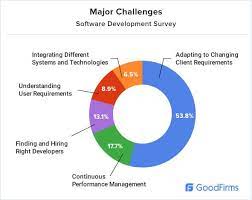
Despite the exciting opportunities in the software development industry, developers also face challenges. Tight deadlines, changing requirements, and technical debt are just a few of the hurdles that developers must navigate to deliver high-quality software products.

The Future of Software Development

Looking ahead, the future of software development is promising. With advancements in automation, DevOps practices, and agile methodologies, developers are poised to streamline their workflows and deliver value to clients more efficiently than ever before.

Conclusion

The software development industry is a dynamic and ever-changing field that continues to shape our digital landscape. As technology continues to advance, developers will play a crucial role in driving innovation and transforming the way we interact with technology.


8 Reasons to Pursue a Career in Software Development: Opportunities, Growth, and Innovation

  1. High demand for skilled professionals
  2. Opportunities for creativity and innovation
  3. Potential for high salaries and career growth
  4. Diverse range of job roles and specializations
  5. Ability to work remotely or freelance
  6. Continuous learning and skill development
  7. Contribution to shaping the future of technology
  8. Collaborative work environment with like-minded individuals


Challenges in the Software Development Industry: Managing Stress, Scope Creep, Technical Debt, Competition, and Continuous Learning

  1. Tight deadlines often lead to increased stress and burnout among developers.
  2. Changing requirements can result in scope creep, leading to project delays and budget overruns.
  3. Technical debt accumulates over time, making it challenging to maintain and update existing software systems.
  4. High levels of competition in the industry can make it difficult for individual developers or small firms to stand out.
  5. Keeping up with rapidly evolving technologies requires continuous learning and professional development, which can be time-consuming.

High demand for skilled professionals

The software development industry boasts a high demand for skilled professionals, making it a lucrative field for those with the right expertise. As technology continues to advance and businesses rely more on digital solutions, the need for talented software developers only continues to grow. This demand not only offers ample job opportunities but also provides developers with the chance to work on diverse projects and stay at the forefront of innovation in the ever-evolving tech landscape.

Opportunities for creativity and innovation

The software development industry offers abundant opportunities for creativity and innovation, allowing developers to push the boundaries of technology and bring imaginative ideas to life. From designing user-friendly interfaces to developing cutting-edge algorithms, software developers have the freedom to explore new solutions and create innovative products that can revolutionize how we interact with technology. This creative freedom not only fuels individual growth but also drives industry-wide advancements, leading to groundbreaking developments that shape the future of digital innovation.

Potential for high salaries and career growth

In the software development industry, professionals have the potential for high salaries and significant career growth opportunities. As technology continues to advance and businesses increasingly rely on software solutions, skilled developers are in high demand. With specialized skills and experience, software developers can command competitive salaries and access a wide range of career paths, from senior developer roles to project management positions. Continuous learning and staying updated with the latest technologies can further enhance one’s earning potential and open doors to exciting career advancements in this dynamic industry.

Diverse range of job roles and specializations

The software development industry offers a diverse range of job roles and specializations, providing professionals with ample opportunities to pursue careers tailored to their interests and skills. From software engineers and web developers to data scientists and cybersecurity experts, individuals can choose from a wide array of roles that cater to various aspects of software development. This diversity not only allows for personal growth and specialization but also fosters collaboration and innovation within the industry as different experts come together to create cutting-edge solutions.

Ability to work remotely or freelance

The software development industry offers the unique advantage of allowing professionals to work remotely or freelance. This flexibility enables developers to take on projects from anywhere in the world, providing a greater work-life balance and the freedom to choose their own schedules. Remote work and freelancing opportunities in software development also promote diversity and inclusion by breaking down geographical barriers and opening up access to a global talent pool. Developers can collaborate with teams across different time zones, fostering creativity and innovation in a dynamic virtual environment.

Continuous learning and skill development

Continuous learning and skill development are inherent pros of the software development industry. In this fast-paced field, technology evolves rapidly, driving developers to constantly update their knowledge and expertise. By staying abreast of the latest tools, languages, and frameworks, software developers enhance their problem-solving abilities and adapt to industry trends. This commitment to ongoing learning not only ensures that developers remain competitive in the market but also fosters a culture of innovation and excellence within the industry.

Contribution to shaping the future of technology

The software development industry plays a crucial role in shaping the future of technology by driving innovation and pushing the boundaries of what is possible. Through the creation of cutting-edge applications, platforms, and systems, software developers pave the way for technological advancements that impact every aspect of our lives. By continuously exploring new ideas and embracing emerging technologies, the industry not only adapts to change but also drives it, ensuring that we are always at the forefront of innovation and progress.

Collaborative work environment with like-minded individuals

The software development industry offers a unique pro of fostering a collaborative work environment with like-minded individuals. Developers have the opportunity to work alongside peers who share their passion for technology and innovation. This shared enthusiasm creates a supportive atmosphere where ideas are freely exchanged, knowledge is shared, and teamwork thrives. Collaboration in the software development industry not only enhances creativity and problem-solving but also cultivates a sense of camaraderie among professionals working towards common goals.

Tight deadlines often lead to increased stress and burnout among developers.

Tight deadlines in the software development industry can have detrimental effects on developers, often resulting in heightened stress levels and increased risk of burnout. The pressure to deliver projects within constrained timeframes can lead to long working hours, compromised work-life balance, and decreased job satisfaction. As developers strive to meet unrealistic deadlines, their mental and physical well-being may suffer, impacting their productivity and creativity. It is essential for organizations to prioritize realistic timelines and support their developers’ well-being to prevent burnout and promote a sustainable work environment in the software development industry.

Changing requirements can result in scope creep, leading to project delays and budget overruns.

In the software development industry, one significant con is the challenge posed by changing requirements that can result in scope creep. When project requirements evolve or expand beyond the initial scope, developers may face difficulties in managing these changes effectively. Scope creep can lead to project delays as developers scramble to accommodate new features or functionalities, ultimately impacting timelines and causing budget overruns. This issue underscores the importance of effective project management and clear communication between stakeholders to mitigate the risks associated with changing requirements during software development projects.

Technical debt accumulates over time, making it challenging to maintain and update existing software systems.

One significant drawback in the software development industry is the accumulation of technical debt over time. This phenomenon occurs when shortcuts or quick fixes are implemented during the development process, leading to suboptimal code quality and system architecture. As technical debt mounts, it becomes increasingly challenging for developers to maintain and update existing software systems efficiently. The presence of technical debt can hinder productivity, increase the risk of errors, and impede the scalability of software applications, ultimately posing a significant challenge for software development teams striving to deliver high-quality products within tight deadlines.

High levels of competition in the industry can make it difficult for individual developers or small firms to stand out.

In the software development industry, one significant challenge is the high levels of competition that can make it challenging for individual developers or small firms to differentiate themselves. With a crowded marketplace and numerous established companies vying for clients’ attention, standing out and gaining recognition can be an uphill battle. This intense competition often leads to pricing pressures, limited opportunities for growth, and difficulties in securing projects that align with the unique strengths of individual developers or small firms. As a result, navigating through this competitive landscape requires strategic positioning, innovation, and a strong focus on delivering exceptional value to clients to carve out a niche in the industry.

Keeping up with rapidly evolving technologies requires continuous learning and professional development, which can be time-consuming.

In the software development industry, one significant challenge is the need to keep pace with rapidly evolving technologies, which demands continuous learning and professional development. This constant need for upskilling and staying current with the latest trends can be time-consuming for developers. Balancing project deadlines and client expectations with investing time in learning new technologies poses a conundrum for professionals in this field, as they strive to maintain their expertise while delivering high-quality software solutions.