
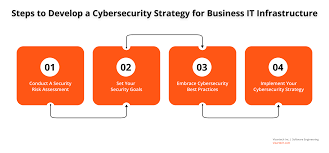
cfchris.com

Loading

cyber security infrastructure

Enhancing Your Organization’s Cyber Security Infrastructure: A Comprehensive Guide

The Importance of Cyber Security Infrastructure in Today’s Digital World

In today’s interconnected world, where businesses and individuals rely heavily on digital technologies, the need for robust cyber security infrastructure has never been more critical. Cyber threats continue to evolve and become more sophisticated, posing significant risks to sensitive data, financial assets, and even national security. Establishing a strong cyber security infrastructure is essential to safeguarding against these threats and ensuring the integrity and confidentiality of information.

Key Components of Cyber Security Infrastructure

A comprehensive cyber security infrastructure encompasses various components that work together to protect systems, networks, and data from cyber attacks. Some key components include:

  • Firewalls: Firewalls act as a barrier between internal networks and external threats, monitoring and filtering incoming and outgoing network traffic based on predefined security rules.
  • Intrusion Detection Systems (IDS) and Intrusion Prevention Systems (IPS): IDS and IPS are designed to detect and prevent unauthorized access or malicious activities within a network by analyzing network traffic patterns.
  • Antivirus Software: Antivirus software helps detect and remove malware, viruses, and other malicious software that can compromise system security.
  • Data Encryption: Encrypting sensitive data ensures that even if it is intercepted by unauthorized parties, they cannot decipher its contents without the decryption key.
  • Security Information and Event Management (SIEM): SIEM solutions collect and analyze log data from various sources to identify potential security incidents in real-time.

The Role of Cyber Security Infrastructure in Business Operations

For businesses, a robust cyber security infrastructure is not just about protecting data—it is also about safeguarding their reputation, maintaining customer trust, and ensuring uninterrupted operations. A successful cyber attack can have devastating consequences for a company, leading to financial losses, legal liabilities, and long-term damage to its brand image.

By investing in cyber security infrastructure, businesses can mitigate these risks by proactively identifying vulnerabilities, implementing effective security measures, conducting regular risk assessments, and providing employee training on cybersecurity best practices. This proactive approach helps organizations stay ahead of potential threats and respond swiftly in the event of a breach.

The Future of Cyber Security Infrastructure

As cyber threats continue to evolve in complexity and scale, the need for advanced cyber security infrastructure will only grow. Technologies such as artificial intelligence (AI), machine learning, blockchain, and quantum cryptography are being leveraged to enhance cybersecurity capabilities and stay one step ahead of cybercriminals.

Furthermore, with the rise of remote workforces and cloud-based services, organizations must adapt their cyber security infrastructure to address new challenges related to securing distributed environments and protecting sensitive data across multiple platforms.

In Conclusion

Cyber security infrastructure plays a crucial role in safeguarding our digital assets against ever-evolving threats. By prioritizing cybersecurity measures, staying informed about emerging risks, investing in advanced technologies, and fostering a culture of vigilance within organizations, we can collectively build a more secure digital ecosystem for the future.


Top 5 Essential Tips for Strengthening Your Cybersecurity Infrastructure

  1. Regularly update software and security patches to protect against known vulnerabilities.
  2. Implement strong password policies and consider multi-factor authentication for added security.
  3. Encrypt sensitive data both in transit and at rest to prevent unauthorized access.
  4. Conduct regular security audits and risk assessments to identify potential weaknesses in the infrastructure.
  5. Train employees on cybersecurity best practices to build a culture of security awareness within the organization.

Regularly update software and security patches to protect against known vulnerabilities.

Regularly updating software and security patches is a fundamental practice in maintaining a robust cyber security infrastructure. By staying current with the latest updates, organizations can effectively protect their systems and networks against known vulnerabilities that cybercriminals may exploit. These updates often contain critical security patches that address weaknesses identified by software developers or security researchers. Failing to apply these updates in a timely manner can leave systems exposed to potential attacks, making it essential for businesses to prioritize regular software maintenance as part of their overall cybersecurity strategy.

Implement strong password policies and consider multi-factor authentication for added security.

To enhance cyber security infrastructure, it is crucial to implement strong password policies and consider multi-factor authentication for added security. Strong passwords that are complex and unique help prevent unauthorized access to sensitive data and systems. By requiring users to follow password guidelines such as using a combination of letters, numbers, and special characters, organizations can significantly reduce the risk of password-related breaches. Additionally, implementing multi-factor authentication adds an extra layer of protection by requiring users to provide multiple forms of verification before accessing accounts or systems, making it harder for cyber attackers to compromise security. By incorporating these measures into their cyber security strategy, organizations can bolster their defenses against potential threats and better safeguard their digital assets.

Encrypt sensitive data both in transit and at rest to prevent unauthorized access.

To enhance the security of sensitive data, it is crucial to encrypt it both in transit and at rest. Encrypting data in transit ensures that information remains secure while being transferred between systems or over networks, protecting it from interception by unauthorized parties. Similarly, encrypting data at rest involves securing stored data on devices or servers, making it unreadable to anyone without the appropriate decryption key. By implementing robust encryption measures, organizations can significantly reduce the risk of unauthorized access and safeguard the confidentiality and integrity of their valuable information.

Conduct regular security audits and risk assessments to identify potential weaknesses in the infrastructure.

Conducting regular security audits and risk assessments is a fundamental practice in maintaining a strong cyber security infrastructure. By systematically evaluating the effectiveness of existing security measures and identifying potential vulnerabilities, organizations can proactively address weaknesses before they are exploited by malicious actors. These assessments provide valuable insights into the overall security posture of the infrastructure, enabling informed decisions on implementing additional safeguards and mitigating risks effectively. Regular audits and risk assessments are essential components of a comprehensive cyber security strategy, helping to ensure the resilience and integrity of digital assets in an ever-evolving threat landscape.

Train employees on cybersecurity best practices to build a culture of security awareness within the organization.

Training employees on cybersecurity best practices is a fundamental step in establishing a culture of security awareness within an organization. By educating staff members on how to identify and respond to potential cyber threats, companies can empower their workforce to become active participants in safeguarding sensitive data and protecting against malicious activities. Through ongoing training sessions, employees can learn about the latest cybersecurity trends, understand the importance of following security protocols, and contribute to creating a secure environment where everyone plays a role in maintaining the integrity of the organization’s cyber security infrastructure.
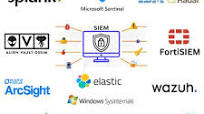
siem cyber security

Enhancing Cyber Security with SIEM: The Key to Effective Threat Detection

The Importance of SIEM in Cyber Security

The Importance of SIEM in Cyber Security

In today’s digital age, cyber security is a critical concern for businesses and individuals alike. With the increasing frequency and sophistication of cyber attacks, organizations need robust tools to protect their sensitive data and systems. One such tool that plays a crucial role in enhancing cyber security is Security Information and Event Management (SIEM).

What is SIEM?

SIEM is a comprehensive approach to security management that combines the capabilities of Security Information Management (SIM) and Security Event Management (SEM). It provides real-time analysis of security alerts generated by applications and network hardware.

Key Benefits of SIEM:

  • Threat Detection: SIEM helps organizations detect potential threats by analyzing log data in real-time. It can identify patterns that indicate malicious activity.
  • Incident Response: In the event of a security incident, SIEM enables quick response by providing detailed information about the attack, allowing organizations to mitigate the damage promptly.
  • Compliance: Many industries have regulatory requirements for data protection. SIEM helps organizations meet compliance standards by providing audit trails and reports.
  • Centralized Monitoring: SIEM centralizes security monitoring across an organization’s network, making it easier to manage and respond to security events efficiently.

Challenges of Implementing SIEM:

While SIEM offers significant benefits, its implementation can pose challenges for organizations. Some common challenges include:

  • Data Overload: The sheer volume of data generated by various systems can overwhelm SIEM tools, making it challenging to separate legitimate threats from false positives.
  • Skill Requirements: Effective use of SIEM requires skilled personnel who can configure and manage the system effectively. Training staff or hiring experts may be necessary.
  • Cost: Implementing and maintaining a robust SIEM solution can be costly, especially for smaller organizations with limited budgets.

In Conclusion

In conclusion, SIEM plays a vital role in enhancing cyber security by providing real-time threat detection, incident response capabilities, compliance support, and centralized monitoring. While implementing SIEM may come with challenges, the benefits it offers in terms of improved security posture make it a valuable investment for organizations looking to protect their assets from cyber threats.


8 Advantages of SIEM in Cybersecurity: Enhancing Threat Detection, Response, and Compliance

  1. Real-time threat detection
  2. Improved incident response capabilities
  3. Enhanced compliance support
  4. Centralized monitoring of security events
  5. Identification of patterns indicating malicious activity
  6. Ability to prioritize and respond to security alerts efficiently
  7. Creation of audit trails for forensic analysis
  8. Streamlining of security management processes


Challenges of Implementing SIEM Cybersecurity: Costs, Complexity, and Continuous Management

  1. High implementation costs can be prohibitive for small organizations.
  2. Requires skilled personnel to configure and manage the SIEM system effectively.
  3. May generate a high volume of alerts, leading to alert fatigue among security analysts.
  4. Integration with existing IT systems and applications can be complex and time-consuming.
  5. False positives and false negatives are common, requiring manual intervention to fine-tune the system.
  6. Continuous monitoring and maintenance are necessary to ensure the SIEM system remains effective against evolving threats.

Real-time threat detection

Real-time threat detection is a key advantage of Security Information and Event Management (SIEM) in cyber security. By analyzing log data and security alerts in real-time, SIEM can swiftly identify suspicious patterns and potential threats within an organization’s network. This proactive approach allows for immediate response to security incidents, enabling organizations to mitigate risks and prevent potential breaches before they escalate. Real-time threat detection provided by SIEM enhances overall security posture by providing timely insights into emerging threats, ultimately helping organizations stay one step ahead of cyber adversaries.

Improved incident response capabilities

Improved incident response capabilities are a key advantage of utilizing Security Information and Event Management (SIEM) in cyber security. SIEM enables organizations to quickly detect and respond to security incidents by providing real-time analysis of security alerts and detailed information about potential threats. This proactive approach allows businesses to mitigate the impact of cyber attacks promptly, minimizing damage and reducing downtime. By enhancing incident response capabilities, SIEM helps organizations strengthen their overall security posture and better protect their sensitive data and systems from malicious actors.

Enhanced compliance support

Enhanced compliance support is a significant advantage of SIEM in cyber security. SIEM solutions help organizations meet regulatory requirements by providing detailed audit trails, real-time monitoring, and customizable reporting capabilities. By centralizing security data and events, SIEM enables organizations to demonstrate compliance with industry standards and regulations effectively. This proactive approach not only ensures adherence to legal requirements but also helps in maintaining a strong security posture against potential threats.

Centralized monitoring of security events

Centralized monitoring of security events is a key advantage of SIEM in cyber security. By consolidating security data from various sources across an organization’s network into a single platform, SIEM enables comprehensive and real-time monitoring of potential threats. This centralized approach allows security teams to quickly identify and respond to security incidents, streamline incident management processes, and gain a holistic view of the organization’s overall security posture. Ultimately, centralized monitoring through SIEM enhances operational efficiency and helps organizations proactively protect their critical assets from cyber threats.

Identification of patterns indicating malicious activity

The ability of SIEM to identify patterns indicating malicious activity is a crucial advantage in cyber security. By analyzing log data in real-time, SIEM can detect suspicious behaviors and anomalies that may signal a potential security threat. This proactive approach allows organizations to swiftly respond to and mitigate potential attacks before they escalate, enhancing their overall security posture. The early identification of malicious patterns helps prevent data breaches, system compromises, and other cyber threats, ultimately safeguarding sensitive information and preserving the integrity of the organization’s digital assets.

Ability to prioritize and respond to security alerts efficiently

The ability of SIEM to prioritize and respond to security alerts efficiently is a significant advantage in enhancing cyber security. By analyzing and correlating security events in real-time, SIEM can identify and prioritize threats based on their severity, allowing organizations to focus on addressing the most critical issues first. This proactive approach enables swift incident response, minimizing potential damage and reducing the impact of cyber attacks on the organization’s systems and data. Additionally, by streamlining the alert management process, SIEM helps improve operational efficiency and ensures that security teams can effectively allocate resources to mitigate threats in a timely manner.

Creation of audit trails for forensic analysis

One significant advantage of Security Information and Event Management (SIEM) in cyber security is the creation of audit trails for forensic analysis. SIEM systems capture and store detailed logs of all security events, providing a comprehensive record of activities within an organization’s network. These audit trails are invaluable for conducting forensic investigations after a security incident, enabling organizations to analyze the sequence of events, identify the root cause of the breach, and take necessary measures to prevent future occurrences. By facilitating thorough forensic analysis, SIEM enhances an organization’s ability to respond effectively to cyber threats and strengthen its overall security posture.

Streamlining of security management processes

Streamlining of security management processes is a significant benefit of SIEM in cyber security. By centralizing security monitoring and analysis, SIEM allows organizations to efficiently manage and respond to security events from a single platform. This centralized approach not only saves time but also improves the overall effectiveness of security operations. With SIEM, security teams can easily identify and prioritize threats, leading to quicker incident response times and enhanced protection against cyber attacks.

High implementation costs can be prohibitive for small organizations.

High implementation costs associated with SIEM cyber security solutions can pose a significant challenge for small organizations. The financial burden of deploying and maintaining a robust SIEM system may be prohibitive, limiting the ability of smaller businesses to invest in comprehensive security measures. This cost barrier can prevent these organizations from effectively leveraging the benefits of SIEM technology, potentially leaving them more vulnerable to cyber threats. As a result, finding cost-effective alternatives or seeking out managed security services may be necessary for small businesses to enhance their cybersecurity posture without breaking the bank.

Requires skilled personnel to configure and manage the SIEM system effectively.

One significant drawback of Security Information and Event Management (SIEM) in cyber security is the requirement for skilled personnel to configure and manage the system effectively. Setting up and maintaining a SIEM solution demands expertise in understanding complex security configurations, data analysis, and threat detection mechanisms. Organizations may face challenges in finding or training staff with the necessary skills to operate the SIEM system efficiently, leading to potential gaps in security monitoring and response capabilities. The need for specialized personnel adds to the operational costs and resource allocation for implementing a robust SIEM solution.

May generate a high volume of alerts, leading to alert fatigue among security analysts.

One significant drawback of SIEM cyber security is that it may generate a high volume of alerts, which can result in alert fatigue among security analysts. The sheer number of alerts produced by SIEM systems can overwhelm analysts, making it challenging for them to distinguish between critical security incidents and false alarms. This alert fatigue can lead to important threats being overlooked or ignored, ultimately compromising the effectiveness of the organization’s overall security posture.

Integration with existing IT systems and applications can be complex and time-consuming.

One significant drawback of SIEM cyber security is the complexity and time-consuming nature of integrating it with existing IT systems and applications. This process often requires careful planning, configuration, and testing to ensure seamless compatibility and functionality. The intricacies involved in aligning SIEM with diverse technologies within an organization can lead to delays in implementation and potential disruptions to daily operations. Organizations must allocate sufficient resources and expertise to navigate the integration challenges effectively while minimizing any negative impact on their IT infrastructure.

False positives and false negatives are common, requiring manual intervention to fine-tune the system.

False positives and false negatives are common drawbacks of SIEM cyber security systems, often necessitating manual intervention to fine-tune the system. False positives occur when the system incorrectly identifies normal activities as security threats, leading to unnecessary alerts and potential distractions for security teams. On the other hand, false negatives occur when actual threats go undetected by the system, leaving organizations vulnerable to potential cyber attacks. Addressing these issues requires ongoing monitoring and adjustment of SIEM configurations to minimize false alerts and ensure accurate threat detection.

Continuous monitoring and maintenance are necessary to ensure the SIEM system remains effective against evolving threats.

Continuous monitoring and maintenance are essential but challenging aspects of SIEM cyber security. The need for ongoing vigilance stems from the dynamic nature of cyber threats, which constantly evolve in sophistication and tactics. Without regular updates and adjustments to the SIEM system, its effectiveness in detecting and mitigating these evolving threats may diminish over time. This con highlights the resource-intensive nature of maintaining a robust SIEM infrastructure to stay ahead of cyber adversaries and protect sensitive data and systems effectively.