cfchris.com

Loading

google cloud platform

Unlocking Business Potential with Google Cloud Platform: A Gateway to Innovation and Efficiency

The Power of Google Cloud Platform: Empowering Businesses with Cutting-Edge Cloud Solutions

In today’s digital age, businesses are constantly seeking innovative ways to streamline their operations, enhance scalability, and improve overall efficiency. This is where cloud computing comes into play, offering a myriad of benefits for organizations looking to leverage the power of the cloud. One prominent player in the cloud computing space is Google Cloud Platform (GCP).

What is Google Cloud Platform?

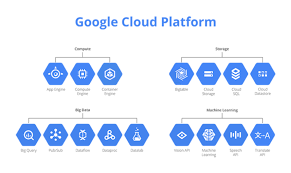
Google Cloud Platform is a suite of cloud computing services offered by Google that runs on the same infrastructure that Google uses internally for its end-user products, such as Google Search and YouTube. GCP provides a wide range of cloud services, including computing power, storage solutions, database management, machine learning capabilities, and more.

Key Features and Benefits of Google Cloud Platform

Google Cloud Platform offers several key features and benefits that make it a popular choice among businesses:

  • Scalability: GCP allows businesses to easily scale their resources up or down based on demand, providing flexibility and cost-effectiveness.
  • Security: With robust security measures in place, including encryption at rest and in transit, GCP ensures that data remains secure and protected.
  • Machine Learning and AI: GCP offers powerful machine learning tools that enable businesses to extract valuable insights from their data and drive innovation.
  • Data Analytics: With tools like BigQuery, businesses can analyze large datasets quickly and derive actionable insights to make informed decisions.
  • Global Infrastructure: GCP has a vast network of data centers around the world, allowing businesses to deploy applications closer to their users for improved performance.

Real-World Applications of Google Cloud Platform

Businesses across various industries are leveraging Google Cloud Platform to drive digital transformation and achieve their goals. Some common use cases include:

  • E-commerce: Retailers use GCP for seamless online shopping experiences and personalized recommendations based on customer behavior.
  • Healthcare: Healthcare providers utilize GCP for secure storage of patient records and advanced analytics for medical research.
  • Finance: Financial institutions rely on GCP for real-time fraud detection, risk analysis, and compliance with regulatory requirements.
  • Media & Entertainment: Media companies leverage GCP for content delivery, video streaming services, and data analytics to understand viewer preferences.

In Conclusion

In conclusion, Google Cloud Platform stands out as a leading cloud computing solution that empowers businesses with cutting-edge technologies and tools to drive innovation, enhance efficiency, and stay competitive in today’s fast-paced digital landscape. With its comprehensive suite of services and global infrastructure, GCP continues to be a top choice for organizations looking to harness the full potential of the cloud.


Top 8 Frequently Asked Questions About Google Cloud Platform (GCP)

  1. What is Google Cloud Platform (GCP) and what services does it offer?
  2. How does Google Cloud Platform ensure data security and compliance?
  3. What are the pricing options for using Google Cloud Platform services?
  4. How can businesses benefit from using Google Cloud Platform for their operations?
  5. What is the difference between Google Cloud Platform and other cloud providers like AWS and Azure?
  6. Does Google Cloud Platform offer support and training resources for users?
  7. Can existing applications be migrated to Google Cloud Platform, and how seamless is the process?
  8. What are some successful use cases of businesses leveraging Google Cloud Platform?

What is Google Cloud Platform (GCP) and what services does it offer?

Google Cloud Platform (GCP) is a comprehensive suite of cloud computing services provided by Google, designed to help businesses and developers build, deploy, and scale applications with ease. GCP runs on the same robust infrastructure that powers Google’s own products, such as Google Search and YouTube. It offers a wide array of services including computing power through virtual machines and containers, scalable storage solutions like Cloud Storage and databases such as Cloud SQL and Firestore. Additionally, GCP provides advanced tools for data analytics with BigQuery, machine learning capabilities via AI Platform, and serverless computing options like Cloud Functions. Its extensive network of global data centers ensures high availability and low latency for users around the world.

How does Google Cloud Platform ensure data security and compliance?

Google Cloud Platform prioritizes data security and compliance through a combination of robust measures and industry-leading practices. To ensure data security, GCP implements encryption at rest and in transit, protecting data both when it is stored and when it is transmitted between servers. GCP also offers advanced identity and access management controls, allowing organizations to manage who has access to their data and resources. In terms of compliance, Google Cloud Platform adheres to various industry standards and certifications, such as ISO 27001, SOC 2, GDPR, HIPAA, and more. Regular audits and assessments are conducted to verify compliance with these standards, providing customers with the assurance that their data is handled in a secure and compliant manner.

What are the pricing options for using Google Cloud Platform services?

When exploring Google Cloud Platform services, understanding the pricing options is a common query for many users. Google Cloud Platform offers flexible pricing models tailored to meet the diverse needs of businesses and individuals. Users can choose from various pricing options, including pay-as-you-go, committed use discounts, sustained use discounts, and custom pricing plans based on specific requirements. This versatility allows users to optimize costs based on their usage patterns and budget constraints, making Google Cloud Platform an attractive choice for those seeking cost-effective cloud solutions without compromising on performance or scalability.

How can businesses benefit from using Google Cloud Platform for their operations?

Businesses can significantly benefit from using Google Cloud Platform (GCP) for their operations in numerous ways. GCP offers unparalleled scalability, allowing companies to adjust their computing resources on demand, which is especially useful during peak times or unexpected surges in activity. The platform’s robust security measures, including encryption and compliance certifications, ensure that sensitive data is well-protected. Additionally, GCP’s advanced analytics and machine learning tools enable businesses to extract valuable insights from their data, driving informed decision-making and innovation. With a global network of data centers, GCP also ensures optimal performance and reliability, making it easier for businesses to deliver seamless experiences to their customers worldwide. Overall, leveraging GCP can lead to reduced operational costs, enhanced efficiency, and greater agility in responding to market changes.

What is the difference between Google Cloud Platform and other cloud providers like AWS and Azure?

When comparing Google Cloud Platform to other major cloud providers like AWS and Azure, several key differences come to light. Google Cloud Platform is known for its strong focus on data analytics and machine learning capabilities, leveraging Google’s expertise in these areas. Additionally, GCP offers a global network of data centers that enables businesses to deploy applications closer to their users for improved performance. On the other hand, AWS boasts a vast array of services and a long-standing presence in the cloud market, while Azure stands out for its seamless integration with Microsoft products and services. Each cloud provider has its unique strengths and offerings, catering to different business needs and preferences in the ever-evolving cloud computing landscape.

Does Google Cloud Platform offer support and training resources for users?

Yes, Google Cloud Platform provides extensive support and training resources for its users. From documentation and tutorials to online courses and certifications, GCP offers a wealth of resources to help users navigate the platform effectively. Additionally, users can access technical support through various channels, including community forums, email support, and premium support options for enterprise customers. Whether you are a beginner looking to learn the basics or an experienced user seeking advanced training, Google Cloud Platform ensures that users have the necessary tools and assistance to make the most out of their cloud computing experience.

Can existing applications be migrated to Google Cloud Platform, and how seamless is the process?

Migrating existing applications to Google Cloud Platform is a common consideration for businesses looking to leverage the benefits of cloud computing. The process of migrating applications to GCP can vary depending on factors such as the complexity of the application, its dependencies, and the chosen migration strategy. Google Cloud Platform offers a range of tools and services to facilitate application migration, making the process as seamless as possible. With proper planning, assessment, and execution, businesses can successfully migrate their existing applications to GCP while minimizing disruptions and maximizing the benefits of cloud infrastructure.

What are some successful use cases of businesses leveraging Google Cloud Platform?

Businesses across various industries have successfully leveraged Google Cloud Platform (GCP) to achieve their strategic goals and drive digital transformation. One notable use case is in the e-commerce sector, where retailers utilize GCP to enhance online shopping experiences, personalize recommendations based on customer behavior, and optimize inventory management. In the healthcare industry, organizations leverage GCP for secure storage of patient records, advanced analytics for medical research, and telemedicine services. Financial institutions rely on GCP for real-time fraud detection, risk analysis, and compliance with regulatory requirements. Additionally, media and entertainment companies use GCP for content delivery, video streaming services, and data analytics to understand viewer preferences and optimize content offerings. These successful implementations highlight the diverse applications of Google Cloud Platform in enabling businesses to innovate, improve efficiency, and deliver value to their customers.


services

Unlocking Success: Elevating Your Business with Exceptional Services

The Importance of Quality Services in Today’s Business World

In today’s highly competitive business environment, providing quality services to customers has become more crucial than ever. Businesses that prioritize delivering exceptional services not only attract and retain loyal customers but also gain a competitive edge in the market.

Building Customer Trust and Loyalty

One of the key benefits of offering top-notch services is building trust and loyalty with customers. When customers receive reliable, efficient, and personalized services, they are more likely to develop a strong bond with the business. This trust leads to repeat business, positive word-of-mouth referrals, and long-term customer relationships.

Enhancing Customer Satisfaction

Quality services are directly linked to customer satisfaction. When businesses go above and beyond to meet customer needs and expectations, it results in satisfied customers who are more likely to return for future purchases. Happy customers are also more inclined to leave positive reviews and recommendations, further enhancing the business’s reputation.

Competitive Advantage

In a crowded marketplace, businesses that distinguish themselves through superior services gain a significant competitive advantage. Customers are willing to pay a premium for exceptional service experiences, giving businesses an opportunity to differentiate themselves from competitors and stand out in the market.

Driving Business Growth

Quality services play a vital role in driving business growth. Satisfied customers not only become repeat buyers but also act as brand ambassadors who promote the business to others. By consistently delivering high-quality services, businesses can expand their customer base, increase revenue, and achieve sustainable growth over time.

Continuous Improvement

To maintain high standards of service quality, businesses must be committed to continuous improvement. This involves gathering feedback from customers, analyzing performance metrics, and identifying areas for enhancement. By investing in employee training, adopting new technologies, and refining processes, businesses can ensure that their services remain top-notch in a rapidly evolving market.

Conclusion

In conclusion, quality services are essential for success in today’s business landscape. By prioritizing customer satisfaction, building trust and loyalty, gaining a competitive advantage, driving growth, and embracing continuous improvement, businesses can create lasting value for both their customers and themselves.


9 Essential Tips for Delivering Exceptional Services

  1. Provide excellent customer service.
  2. Be responsive to customer inquiries and feedback.
  3. Offer a variety of services to meet different needs.
  4. Ensure your services are easy to access and use.
  5. Communicate clearly about the services you offer.
  6. Train your staff to deliver high-quality services.
  7. Regularly evaluate and improve your services based on feedback.
  8. Be transparent about pricing and any potential limitations of your services.
  9. Build trust with customers by consistently delivering on your promises.

Provide excellent customer service.

Providing excellent customer service is paramount in establishing a strong rapport with clients. By offering attentive, personalized assistance and addressing customer needs promptly and effectively, businesses can enhance customer satisfaction and loyalty. Excellent customer service not only fosters positive relationships with clients but also sets businesses apart from competitors, ultimately leading to increased customer retention and advocacy. Prioritizing exceptional customer service demonstrates a commitment to meeting and exceeding customer expectations, laying a solid foundation for long-term success in any industry.

Be responsive to customer inquiries and feedback.

Being responsive to customer inquiries and feedback is a critical aspect of providing excellent services. By promptly addressing customer questions, concerns, and suggestions, businesses demonstrate their commitment to customer satisfaction and show that they value their customers’ opinions. This responsiveness not only helps build trust and loyalty but also allows businesses to identify areas for improvement and make necessary adjustments to enhance the overall service experience. Prioritizing timely and attentive responses to customer inquiries can lead to increased customer satisfaction, positive word-of-mouth referrals, and long-term success in today’s competitive business landscape.

Offer a variety of services to meet different needs.

To effectively cater to a diverse range of customer needs, businesses should consider offering a variety of services. By providing a comprehensive selection of services, businesses can ensure that they meet the unique requirements and preferences of different customers. This approach not only enhances customer satisfaction but also demonstrates flexibility and adaptability, enabling businesses to attract a broader audience and establish themselves as versatile service providers in the market.

Ensure your services are easy to access and use.

To maximize the effectiveness of your services, it is crucial to ensure that they are easily accessible and user-friendly. By streamlining the process for customers to access and utilize your services, you can enhance their overall experience and satisfaction. Simplifying navigation, providing clear instructions, and offering intuitive interfaces can make a significant difference in how customers perceive and interact with your services. Remember, convenience is key in today’s fast-paced world, so prioritizing accessibility and ease of use can set your business apart and foster long-term customer relationships.

Communicate clearly about the services you offer.

Clear communication about the services you offer is crucial for ensuring that customers understand the value and benefits they can expect. By providing detailed and transparent information about your services, you can set clear expectations, address any potential questions or concerns, and ultimately build trust with your customers. Clear communication also helps to showcase your expertise and professionalism, making it easier for customers to make informed decisions about engaging with your business.

Train your staff to deliver high-quality services.

Training your staff to deliver high-quality services is a crucial investment in the success of your business. By providing comprehensive training programs, you empower your employees with the knowledge, skills, and tools they need to exceed customer expectations. Well-trained staff members not only enhance the overall customer experience but also contribute to building a positive reputation for your business. Consistent training ensures that your team stays updated on industry best practices and remains aligned with your service standards, ultimately leading to increased customer satisfaction and loyalty.

Regularly evaluate and improve your services based on feedback.

Regularly evaluating and improving your services based on feedback is a crucial practice for any business looking to thrive in a competitive market. By actively seeking input from customers and analyzing their feedback, you can gain valuable insights into areas where your services excel and where there is room for enhancement. This proactive approach not only demonstrates your commitment to meeting customer needs but also allows you to adapt and evolve in response to changing preferences and expectations. Continuous improvement based on feedback ensures that your services remain relevant, effective, and aligned with customer satisfaction, ultimately leading to long-term success and growth for your business.

Be transparent about pricing and any potential limitations of your services.

It is crucial for businesses to be transparent about pricing and any potential limitations of their services. By clearly communicating pricing structures and outlining any constraints or restrictions, businesses establish trust with customers and avoid misunderstandings. Transparency fosters a sense of honesty and integrity, demonstrating a commitment to providing reliable and upfront information to clients. This approach not only helps manage customer expectations but also contributes to building long-lasting relationships based on mutual respect and clarity.

Build trust with customers by consistently delivering on your promises.

Building trust with customers is paramount in establishing long-lasting relationships and loyalty. One effective way to achieve this is by consistently delivering on your promises. When businesses uphold their commitments and consistently meet or exceed customer expectations, it fosters a sense of reliability and dependability. By demonstrating integrity and reliability in service delivery, businesses can instill confidence in their customers, ultimately strengthening trust and solidifying their reputation as a trustworthy partner.

it consultancy

Unlocking Business Potential: The Power of IT Consultancy in Today’s Digital Landscape

The Importance of IT Consultancy in Today’s Business Landscape

The Importance of IT Consultancy in Today’s Business Landscape

In the fast-paced and ever-evolving world of technology, businesses are constantly seeking ways to stay ahead of the curve and leverage the latest innovations to drive growth and efficiency. This is where IT consultancy plays a crucial role.

IT consultancy involves engaging with experts who provide strategic guidance, technical expertise, and practical solutions to help businesses make informed decisions regarding their IT infrastructure and systems. Whether it’s optimizing existing processes, implementing new technologies, or enhancing cybersecurity measures, IT consultants bring a wealth of knowledge and experience to the table.

Benefits of IT Consultancy

Expertise: IT consultants are specialists in their field, staying abreast of industry trends and best practices. Their expertise can help businesses navigate complex technical challenges and identify opportunities for improvement.

Cost-Effectiveness: By outsourcing IT consultancy services, businesses can access top-tier talent without the overhead costs associated with hiring full-time staff. This allows companies to benefit from specialized knowledge on a flexible basis.

Strategic Planning: IT consultants work closely with businesses to develop tailored strategies that align with their goals and objectives. From creating roadmaps for digital transformation to implementing scalable solutions, consultants play a key role in driving innovation.

Challenges Addressed by IT Consultancy

Security Concerns: With cyber threats on the rise, businesses need robust security measures in place to protect their data and systems. IT consultants can conduct security assessments, implement safeguards, and provide ongoing monitoring to mitigate risks.

Technology Integration: As new technologies emerge at a rapid pace, businesses must ensure seamless integration with existing systems. IT consultants can advise on the best tools and practices for integrating new solutions into an organization’s workflow.

In Conclusion

In conclusion, IT consultancy is an invaluable resource for businesses looking to harness the power of technology for strategic advantage. By collaborating with experienced consultants, organizations can streamline operations, enhance productivity, and future-proof their IT infrastructure in an increasingly digital world.


Top 5 Frequently Asked Questions About IT Consultancy

  1. What is IT consultancy and what services does it offer?
  2. How can IT consultancy benefit my business?
  3. What qualifications and experience should I look for in an IT consultant?
  4. How much does IT consultancy typically cost?
  5. How long does an IT consultancy engagement usually last?

What is IT consultancy and what services does it offer?

In the realm of IT consultancy, the question “What is IT consultancy and what services does it offer?” frequently arises. IT consultancy involves engaging with knowledgeable experts who provide strategic advice, technical guidance, and tailored solutions to help businesses optimize their IT operations. These consultants offer a wide range of services, including IT infrastructure assessment, cybersecurity evaluation, software development guidance, network optimization strategies, cloud solutions implementation, and overall IT strategy development. By leveraging the expertise of IT consultants, businesses can enhance their technological capabilities, address specific challenges, and align their IT initiatives with their overall business objectives for sustainable growth and success.

How can IT consultancy benefit my business?

IT consultancy can benefit your business in numerous ways. By engaging with IT consultants, you gain access to specialized expertise and strategic guidance that can help optimize your IT infrastructure, streamline processes, and enhance overall efficiency. Consultants can offer tailored solutions to address specific challenges, such as cybersecurity threats, technology integration issues, or scalability concerns. Additionally, IT consultancy can provide cost-effective access to top-tier talent without the need for full-time hires, allowing you to leverage industry best practices and stay ahead of the competition in today’s rapidly evolving technological landscape.

What qualifications and experience should I look for in an IT consultant?

When seeking an IT consultant, it is essential to consider their qualifications and experience carefully. Look for consultants with relevant certifications such as CompTIA, Cisco, or Microsoft, showcasing their expertise in specific technologies. Additionally, a consultant’s experience in working with businesses similar to yours can provide valuable insights into industry-specific challenges and solutions. A track record of successful projects, positive client testimonials, and a proactive approach to staying updated on the latest trends in IT are also key indicators of a competent IT consultant. By prioritizing qualifications and experience in your selection process, you can ensure that you partner with a consultant who can effectively meet your IT needs and drive your business forward.

How much does IT consultancy typically cost?

When it comes to the cost of IT consultancy, pricing can vary depending on several factors such as the scope of the project, the expertise of the consultants, and the duration of the engagement. Typically, IT consultancy services are priced either on a project basis or an hourly rate. Some consultants may also offer retainer options for ongoing support. It’s important for businesses to discuss their specific needs with potential consultants to receive a tailored quote that aligns with their budget and objectives. Remember, investing in quality IT consultancy can yield long-term benefits by optimizing operations and driving business growth.

How long does an IT consultancy engagement usually last?

An IT consultancy engagement duration can vary depending on the scope and complexity of the project. Typically, engagements can range from a few weeks to several months or even longer, depending on factors such as the size of the organization, the specific objectives of the consultancy, and the level of support required. IT consultancy engagements are often tailored to meet the unique needs of each client, ensuring that solutions are effectively implemented and sustained over time.

cybersecurity services

Enhancing Security: The Vital Role of Cybersecurity Services

The Importance of Cybersecurity Services

The Importance of Cybersecurity Services

In today’s digital age, cybersecurity has become a critical aspect of protecting sensitive information and maintaining the integrity of businesses and individuals online. Cyber threats are constantly evolving, making it essential for organizations to invest in robust cybersecurity services to safeguard their data and systems.

Types of Cybersecurity Services

Cybersecurity services encompass a wide range of solutions designed to detect, prevent, and respond to cyber threats. Some common cybersecurity services include:

  • Network Security: Securing networks from unauthorized access and ensuring data confidentiality.
  • Endpoint Security: Protecting individual devices such as computers, laptops, and mobile devices from malware and other cyber threats.
  • Incident Response: Developing plans to address security incidents promptly and minimize their impact.
  • Security Audits: Evaluating existing security measures to identify vulnerabilities and areas for improvement.
  • Cloud Security: Ensuring data stored in cloud environments is protected from unauthorized access.

The Benefits of Cybersecurity Services

Investing in cybersecurity services offers numerous benefits, including:

  • Data Protection: Safeguarding sensitive information from theft or unauthorized access.
  • Breach Prevention: Proactively identifying and mitigating potential security risks before they result in a breach.
  • Compliance: Ensuring that organizations comply with industry regulations and standards related to data security.
  • Reputation Management: Building trust with customers by demonstrating a commitment to protecting their data.

The Future of Cybersecurity Services

As cyber threats continue to evolve, the demand for advanced cybersecurity services will only increase. Organizations must stay vigilant and adapt their security measures to combat emerging threats effectively. By partnering with reputable cybersecurity service providers, businesses can enhance their security posture and minimize the risk of cyber attacks.

In conclusion, cybersecurity services play a crucial role in safeguarding digital assets and maintaining trust in an increasingly interconnected world. By prioritizing cybersecurity measures, organizations can protect themselves against evolving cyber threats and ensure the resilience of their operations in the face of potential security breaches.


8 Essential Cybersecurity Tips to Protect Your Digital Life

  1. Regularly update your software and operating systems to patch security vulnerabilities.
  2. Use strong, unique passwords for each online account and consider using a password manager.
  3. Enable two-factor authentication whenever possible for an added layer of security.
  4. Be cautious of phishing emails and never click on suspicious links or download attachments from unknown sources.
  5. Secure your home network with a strong password and encryption to prevent unauthorized access.
  6. Backup your data regularly to protect against data loss in case of a cyber attack or system failure.
  7. Educate yourself and your employees about cybersecurity best practices to create a security-conscious culture.
  8. Consider investing in cybersecurity services such as antivirus software, firewall protection, and intrusion detection systems.

Regularly update your software and operating systems to patch security vulnerabilities.

Regularly updating your software and operating systems is a crucial step in maintaining strong cybersecurity defenses. By installing the latest patches and updates, you can address known security vulnerabilities that cyber attackers may exploit. These updates often include important security fixes that help protect your devices and data from potential threats. Making software updates a routine practice can significantly enhance the overall security posture of your systems and reduce the risk of falling victim to cyber attacks.

Use strong, unique passwords for each online account and consider using a password manager.

In the realm of cybersecurity services, a crucial tip is to utilize strong, unique passwords for every online account and contemplate employing a password manager. By creating complex and distinct passwords for each account, individuals can significantly enhance their overall online security. A password manager offers a convenient solution for securely storing and managing multiple passwords, reducing the risk of password reuse and enhancing protection against unauthorized access to sensitive information. Embracing this practice can fortify one’s digital defenses and mitigate the potential risks associated with compromised credentials in today’s interconnected digital landscape.

Enable two-factor authentication whenever possible for an added layer of security.

Enabling two-factor authentication whenever possible is a highly recommended practice in cybersecurity services. This additional layer of security provides an extra barrier against unauthorized access by requiring users to provide a second form of verification, such as a code sent to their mobile device or a biometric scan. By implementing two-factor authentication, individuals and organizations can significantly enhance their defense against cyber threats and reduce the risk of unauthorized account access or data breaches.

It is crucial to exercise caution when it comes to cybersecurity services, particularly in dealing with phishing emails. One essential tip is to be wary of suspicious emails and refrain from clicking on any links or downloading attachments from unknown sources. Phishing attacks often disguise themselves as legitimate communications to trick individuals into revealing sensitive information or installing malware on their devices. By staying vigilant and avoiding interactions with suspicious email content, individuals can significantly reduce the risk of falling victim to cyber threats and protect their personal and organizational data from potential breaches.

Secure your home network with a strong password and encryption to prevent unauthorized access.

To enhance the security of your home network, it is crucial to secure it with a strong password and encryption. By setting up a robust password that combines letters, numbers, and special characters, you can significantly reduce the risk of unauthorized access to your network. Additionally, enabling encryption protocols such as WPA2 or WPA3 adds an extra layer of protection by encoding data transmitted over the network, making it more challenging for cybercriminals to intercept sensitive information. Taking these simple yet effective steps can go a long way in safeguarding your home network from potential security threats.

Backup your data regularly to protect against data loss in case of a cyber attack or system failure.

Regularly backing up your data is a crucial tip in cybersecurity services to mitigate the risk of data loss due to cyber attacks or system failures. By maintaining up-to-date backups of your important information, you can ensure that even if your systems are compromised, you have a secure copy of your data that can be restored quickly, minimizing the impact of potential security incidents. Backup strategies are an essential component of a comprehensive cybersecurity plan, providing an added layer of protection against unforeseen events that could jeopardize the integrity and availability of your critical data.

Educate yourself and your employees about cybersecurity best practices to create a security-conscious culture.

Creating a security-conscious culture within your organization begins with education. By taking the time to educate yourself and your employees about cybersecurity best practices, you can empower everyone to play a proactive role in protecting sensitive information and preventing cyber threats. From recognizing phishing emails to implementing strong password policies, knowledge is key to building a resilient defense against potential security breaches. By fostering a culture of awareness and vigilance, you can strengthen your overall cybersecurity posture and mitigate risks effectively.

Consider investing in cybersecurity services such as antivirus software, firewall protection, and intrusion detection systems.

When it comes to safeguarding your digital assets, it is crucial to consider investing in cybersecurity services such as antivirus software, firewall protection, and intrusion detection systems. These tools form the backbone of a robust cybersecurity strategy by providing essential layers of defense against malware, unauthorized access, and suspicious activities. Antivirus software helps detect and remove malicious programs, while firewall protection acts as a barrier against unauthorized network traffic. Intrusion detection systems monitor network activity for signs of potential threats, enabling proactive responses to mitigate risks effectively. By incorporating these cybersecurity services into your security framework, you can enhance your overall defense posture and better protect your valuable data from cyber threats.