cfchris.com

Loading

cyber services

Cyber Services: Protecting Your Business in a Connected World

Cyber Services: Protecting Your Business in a Connected World

Businesses rely on digital tools to communicate, serve customers, store information, and manage daily operations. That connectivity creates opportunity—but it also brings risks. Cyber services help organizations protect their systems, data, and people from online threats while preparing them to respond when problems occur.

What Are Cyber Services?

Cyber services are professional services designed to strengthen an organization’s cybersecurity. Depending on a business’s needs, they may include assessing security risks, monitoring networks, protecting accounts and devices, training employees, and responding to cyber incidents.

Cybersecurity is not a one-time project. Technology, business needs, and threats change over time, so effective protection requires ongoing attention and regular improvements.

Common Types of Cyber Services

Security Assessments

A security assessment reviews an organization’s systems, policies, and practices to identify weaknesses. The results can help prioritize improvements, such as updating software, tightening access controls, or creating stronger data-handling procedures.

Network and Endpoint Protection

Networks, computers, mobile devices, and servers can all be targets. Cyber services may help configure firewalls, endpoint protection, secure remote access, and other safeguards to reduce the chance that an attacker can enter or move through a system.

Identity and Access Management

Access controls help ensure that people can use only the information and systems required for their roles. Services in this area may include multi-factor authentication, account reviews, and policies for creating, changing, and removing user access.

Security Monitoring

Monitoring can help detect unusual activity, such as unexpected login attempts or suspicious changes to a system. Depending on the service, alerts may be reviewed around the clock or during specified business hours. Clear monitoring and escalation procedures help organizations respond more quickly to potential issues.

Employee Security Training

Employees play an important role in protecting an organization. Practical training can help them recognize phishing messages, use passwords safely, handle sensitive information, and report suspicious activity. Regular reminders and realistic examples can make security practices easier to apply in daily work.

Incident Response and Recovery

Even organizations with strong protections can experience a security incident. Incident response services help establish what to do, who should be involved, and how to contain and investigate an event. Recovery planning can also address backups, restoration procedures, and communication with affected parties.

Why Cyber Services Matter

A cyber incident can interrupt operations, expose private information, damage trust, and create unexpected costs. Cyber services can help reduce these risks by identifying vulnerabilities, improving defenses, and preparing teams to act. They can also support organizations that need to meet contractual, regulatory, or industry-specific security requirements.

No service can guarantee that an organization will never experience an attack. The goal is to make systems harder to compromise, detect problems sooner, and limit the impact if an incident occurs.

Choosing the Right Cyber Services

The right approach depends on an organization’s size, technology, data, budget, and risk tolerance. Before choosing a provider, consider:

  • Which systems and information need the most protection?
  • What security work is already handled internally?
  • How quickly will the provider respond to alerts or incidents?
  • What services are included, and what may cost extra?
  • How will progress and recommendations be reported?
  • Does the provider have experience with organizations of a similar size or type?

Ask for clear explanations of service scope, responsibilities, response times, and data handling. A useful provider should be able to explain risks and recommendations in plain language, not just provide technical reports.

Building a Stronger Security Program

Cyber services work best as part of a broader security program. Organizations can support that work by keeping software updated, using multi-factor authentication, limiting access to sensitive systems, maintaining reliable backups, and giving employees a clear way to report concerns. Regular reviews help ensure that protections keep pace with changes in the business.

With a thoughtful plan and the right expertise, cyber services can help an organization protect its operations, respond with confidence, and make informed decisions about technology and risk.


8 Essential Tips for Enhancing Your Cybersecurity Services

  1. Choose a trusted cybersecurity provider.
  2. Enable multifactor authentication.
  3. Keep software and services updated.
  4. Use strong, unique passwords.
  5. Back up important data regularly.
  6. Train staff to spot phishing.
  7. Review access permissions often.
  8. Check incident response plans regularly.

Choose a trusted cybersecurity provider.

Choosing a trusted cybersecurity provider is an important step in protecting your business. Look for a provider with relevant experience, clear service offerings, strong references, and a straightforward approach to explaining risks and recommendations. Before signing an agreement, ask about response times, data handling, and exactly what the services include. A reliable provider will take time to understand your needs and help you make informed security decisions.

Enable multifactor authentication.

Enable multifactor authentication (MFA) on your email, financial, cloud, and other important accounts. MFA requires a second form of verification—such as an authenticator app, security key, or one-time code—in addition to your password. This extra step can help prevent unauthorized access even if a password is stolen. For stronger protection, use an authenticator app or security key when available, and never share verification codes with anyone.

Keep software and services updated.

Keeping software and services updated is one of the simplest ways to strengthen cybersecurity. Updates often fix known security vulnerabilities that attackers could exploit, as well as improve reliability and performance. Turn on automatic updates when practical, and regularly check that operating systems, applications, plug-ins, and cloud services are current. For business-critical systems, plan updates carefully and verify that backups and recovery procedures are in place before making major changes.

Use strong, unique passwords.

Use strong, unique passwords for every account to make it harder for attackers to access your systems and sensitive information. A long passphrase made from several unrelated words can be easier to remember and tougher to guess than a short, complicated password. Avoid reusing passwords across work and personal accounts, and consider using a reputable password manager to create and store them securely. Enable multi-factor authentication whenever it’s available for an extra layer of protection.

Back up important data regularly.

Back up important data regularly to reduce the risk of losing files to hardware failure, accidental deletion, ransomware, or other disruptions. Use a reliable backup solution, keep copies separate from your main devices or network, and protect them with strong access controls. Test your backups periodically to make sure the data can be restored when you need it.

Train staff to spot phishing.

Train staff to spot phishing by teaching them to recognize common warning signs, such as unexpected attachments, urgent requests, unfamiliar sender addresses, and links that don’t match the message. Encourage employees to verify unusual requests through a separate trusted channel and report suspicious messages promptly. Regular, practical training helps make careful email habits part of everyday work and can reduce the risk of stolen credentials, malware, and data breaches.

Review access permissions often.

Review access permissions often to make sure employees and contractors can reach only the systems and information they need for their roles. Remove access promptly when someone changes jobs or leaves the organization, and disable unused accounts to reduce opportunities for unauthorized entry. Regular permission reviews can help catch outdated or excessive access before it becomes a security risk.

Check incident response plans regularly.

Check your incident response plans regularly to make sure they reflect your current systems, team members, and business needs. Review contact lists, roles, escalation steps, and recovery procedures, and update them whenever something changes. Practicing the plan with realistic scenarios can reveal gaps before an actual incident occurs, helping your team respond faster and reduce disruption.

microsoft cloud security

Microsoft Cloud Security: Essential Strategies for Protecting Your Data and Workloads

Microsoft Cloud Security: A Practical Guide

Microsoft cloud services—including Azure, Microsoft 365, and services built on the Microsoft cloud—offer organizations flexible ways to run applications, collaborate, and manage data. Protecting those environments takes more than turning on a security feature. It requires clear ownership, strong identity controls, thoughtful configuration, and ongoing monitoring.

Understand the Shared Responsibility Model

Cloud security is a shared responsibility between Microsoft and its customers. Microsoft secures the underlying cloud infrastructure, while customers remain responsible for areas such as user accounts, access permissions, data, and many service configurations. The exact division of responsibility depends on the service being used. For example, a managed software service generally requires less infrastructure management by the customer than a virtual machine running in Azure.

Before deploying a workload, identify what Microsoft manages and what your organization must secure. This helps prevent gaps in areas such as patching, backups, access control, and data protection.

Make Identity Your First Line of Defense

Compromised accounts are a common path into cloud environments, so identity protection should be a priority. Microsoft Entra ID provides identity and access management capabilities for Microsoft cloud services and other applications.

  • Require multifactor authentication, especially for administrators and remote access.
  • Use conditional access policies to evaluate factors such as user, device, location, and risk.
  • Apply least privilege: give users and applications only the access they need.
  • Use privileged identity management practices to limit standing administrator access.
  • Review inactive accounts, service principals, and access permissions regularly.

Strong identity controls can reduce the impact of stolen passwords and help limit an attacker’s ability to move through an environment.

Protect Azure Workloads and Configurations

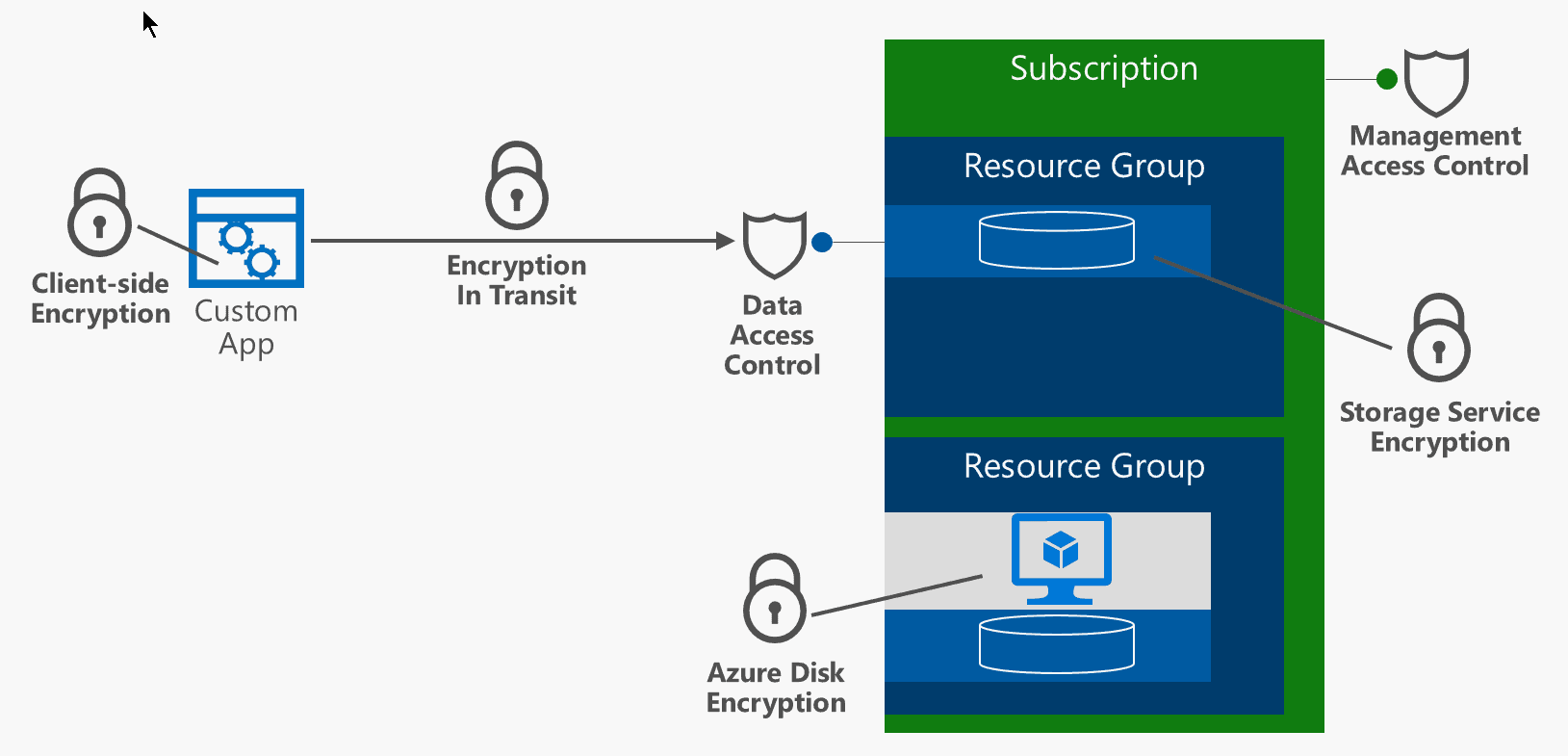
Misconfigured cloud resources can expose systems or data even when the underlying platform is secure. In Azure, organizations should establish secure configuration standards for subscriptions, networks, storage, virtual machines, and databases. Azure Policy can help enforce organizational requirements, while Microsoft Defender for Cloud can provide security recommendations and threat protection capabilities for supported resources.

Important practices include restricting public access where it is not required, using network segmentation, securing administrative connections, encrypting sensitive data, and keeping workloads patched. Backups should be protected from accidental deletion and ransomware, and recovery plans should be tested rather than assumed to work.

Secure Microsoft 365 and Collaboration

Microsoft 365 brings together email, file storage, meetings, and collaboration tools. Security settings should reflect how people actually work while limiting unnecessary exposure. Review sharing defaults in services such as SharePoint and OneDrive, manage external collaboration, and establish retention and access policies appropriate to the organization.

Microsoft Defender for Office 365 can help protect against threats such as phishing and malicious attachments, depending on the plan and configuration. Security awareness training and clear procedures for reporting suspicious messages remain important because technical controls cannot prevent every social-engineering attempt.

Protect and Govern Data

Cloud security also depends on knowing what data an organization stores and who can access it. Microsoft Purview includes data governance, information protection, and compliance capabilities, with features varying by product and license. Organizations can use classification and sensitivity labels to help identify and protect important information, and apply data loss prevention policies to reduce inappropriate sharing.

Start by identifying sensitive data, defining who should be able to access it, and deciding how long it should be retained. Policies should be tested with users and business teams to avoid disrupting legitimate work.

Monitor, Detect, and Respond

Security controls are most effective when organizations can detect suspicious activity and respond quickly. Microsoft Defender products provide security capabilities across various environments, while Microsoft Sentinel is a cloud-based security information and event management (SIEM) and security orchestration, automation, and response (SOAR) platform. The tools an organization needs depend on its environment, risk profile, and licensing.

Establish a process for reviewing alerts, investigating incidents, and escalating serious findings. Keep audit logging enabled where appropriate, define incident-response roles, and practice response scenarios such as account compromise, data exposure, and ransomware. Monitoring without a clear response process can leave important alerts unattended.

Build a Sustainable Security Program

Microsoft cloud security is not a one-time setup. Services change, employees join and leave, and business requirements evolve. A sustainable program includes regular access reviews, configuration assessments, vulnerability management, backup testing, and updates to policies and incident-response plans.

Begin with the basics: secure administrator accounts, enable strong authentication, reduce excessive permissions, protect sensitive data, and establish reliable monitoring. Then use Microsoft’s security guidance and the controls available in your specific services to improve protection over time. Because features and licensing can change, verify current capabilities and requirements in Microsoft’s official documentation before designing or purchasing a solution.


Top 9 Benefits of Microsoft Cloud Security for Your Business

  1. Scales with your business needs
  2. Offers strong identity controls
  3. Supports multifactor authentication
  4. Helps protect data with encryption
  5. Provides built-in threat detection
  6. Integrates with Microsoft 365
  7. Enables centralized security management
  8. Supports compliance and governance
  9. Offers tools for monitoring and response


5 Challenges of Microsoft Cloud Security: Complexity, Costs, and Dependence

  1. Can be complex to configure and manage.
  2. Advanced security features may require costly licenses.
  3. Misconfigurations can expose data and services.
  4. Dependence on Microsoft can limit flexibility.
  5. Requires ongoing expertise and monitoring.

Scales with your business needs

Microsoft cloud security can scale alongside your business, helping you adjust protection as your team, data, and workloads grow or change. You can add security capabilities, expand coverage across cloud services, and adapt access controls and policies as new needs arise—without having to build and maintain all the supporting infrastructure yourself. This flexibility can help keep security aligned with your business while making it easier to manage changing requirements.

Offers strong identity controls

Microsoft cloud security offers strong identity controls that help organizations protect accounts, apps, and data. With tools such as Microsoft Entra ID, teams can require multifactor authentication, apply access policies based on user and device risk, and limit permissions to only what each person needs. These safeguards make it harder for unauthorized users to gain access and help reduce the impact of compromised credentials.

Supports multifactor authentication

Microsoft cloud security supports multifactor authentication (MFA), adding an extra layer of protection beyond a password. Users may be asked to confirm their identity with an authenticator app, a security key, or another approved method. This makes it harder for someone to access an account with a stolen or guessed password and helps organizations better protect email, files, and cloud resources.

Helps protect data with encryption

Microsoft cloud security helps protect data with encryption, making information harder to read if it is accessed without authorization. Encryption can safeguard data while it is stored and while it moves between services or devices. With appropriate configuration and key-management practices, organizations can add an important layer of protection for sensitive information across their cloud environments.

Provides built-in threat detection

Microsoft cloud security includes built-in threat detection capabilities that help identify suspicious activity across supported services, users, devices, and workloads. These tools can analyze signals and surface alerts about potential risks—such as unusual sign-ins or malicious behavior—so security teams can investigate and respond more quickly. When configured to fit an organization’s environment, built-in detection can strengthen visibility without requiring every monitoring capability to be assembled from scratch.

Integrates with Microsoft 365

Microsoft cloud security integrates seamlessly with Microsoft 365, helping organizations protect email, files, meetings, and user accounts within the tools employees already use. This integration can bring security policies, identity controls, and threat protection together across services such as Outlook, Teams, SharePoint, and OneDrive. As a result, administrators can manage access more consistently, respond to potential threats with greater visibility, and help safeguard sensitive information without disrupting everyday collaboration.

Enables centralized security management

Microsoft cloud security enables centralized security management by bringing key security settings, policies, alerts, and monitoring tools together across cloud services. This gives IT and security teams a clearer view of their environment and helps them apply consistent protections, manage access, and respond to potential threats more efficiently. Centralized oversight can also make it easier to identify gaps and coordinate security practices across users, devices, and workloads.

Supports compliance and governance

Microsoft cloud security supports compliance and governance by providing tools to help organizations protect sensitive information, manage access, apply data-retention policies, and monitor activity. Services such as Microsoft Purview can help classify and govern data, while built-in security and compliance features can support an organization’s efforts to meet applicable regulatory and internal requirements. The right controls depend on the Microsoft services in use, the organization’s configuration, and its specific compliance obligations.

Offers tools for monitoring and response

Microsoft cloud security offers tools that help organizations monitor activity, detect potential threats, and respond to incidents. Services such as Microsoft Defender and Microsoft Sentinel can bring security signals together, surface suspicious behavior, and support investigation and response workflows. With appropriate configuration and ongoing oversight, these tools can help teams identify problems sooner and coordinate a more effective response.

Can be complex to configure and manage.

One drawback of Microsoft cloud security is that it can be complex to configure and manage. Services such as Azure, Microsoft 365, and Microsoft Entra ID offer many security settings, policies, and tools, and the right setup depends on an organization’s needs and licensing. Misconfigured controls or unclear responsibilities can leave gaps in protection, so teams may need specialized expertise, ongoing training, and regular reviews to manage the environment effectively.

Advanced security features may require costly licenses.

Advanced security features in Microsoft cloud services can come at a significant additional cost. Capabilities such as enhanced threat detection, identity protection, compliance tools, and advanced data protection may require higher-tier subscriptions or separate licenses. For organizations with tight budgets, these costs can make it difficult to deploy the full set of recommended safeguards, so it’s important to compare licensing options and prioritize features based on risk and business needs.

Misconfigurations can expose data and services.

One potential drawback of Microsoft cloud security is that misconfigurations can expose sensitive data and services to unauthorized access. A storage account with overly permissive access, an exposed network endpoint, or an incorrectly assigned user role can create security gaps—even when the underlying Microsoft platform is operating securely. Preventing these issues requires careful setup, regular configuration reviews, and ongoing monitoring.

Dependence on Microsoft can limit flexibility.

Relying heavily on Microsoft’s cloud security tools can limit an organization’s flexibility. Teams may find it difficult or costly to switch providers, integrate competing products, or adapt workflows built around Microsoft-specific services. This dependence can also make it harder to respond to changing business needs or negotiate terms, so organizations should consider portability and interoperability when designing their cloud security strategy.

Requires ongoing expertise and monitoring.

Microsoft cloud security requires ongoing expertise and monitoring to remain effective. Services, threats, and security settings change over time, so organizations need knowledgeable staff to review configurations, manage access, investigate alerts, and respond to incidents. Without consistent oversight, misconfigurations or suspicious activity may go unnoticed, leaving sensitive data and systems at risk.

Network Security Best Practices: Essential Steps to Protect Your Network

Network Security Best Practices

A secure network helps protect sensitive information, keep systems available, and reduce the risk of costly disruptions. Whether you manage a home network, a small business, or a large organization, network security works best as an ongoing process—not a one-time setup. The practices below can help you strengthen your defenses and respond more effectively to threats.

Keep Systems and Network Devices Updated

Install security updates for operating systems, applications, routers, firewalls, and other network equipment as soon as practical. Updates often fix vulnerabilities that attackers could otherwise exploit. Replace devices that no longer receive security support, and remove software or services that are no longer needed.

Where possible, enable automatic updates for routine security fixes. For business environments, test important updates before broad deployment and maintain a schedule for reviewing devices that may have been missed.

Use Strong Authentication

Change default usernames and passwords on routers, access points, and other equipment. Use long, unique passwords for every account, ideally stored in a reputable password manager. Avoid shared accounts when individual accounts are available, since personal accounts make it easier to track activity and revoke access when someone leaves.

Enable multifactor authentication (MFA) for administrative accounts, remote access, cloud services, and other important systems. MFA adds another verification step, making a stolen password less useful to an attacker.

Limit Access and Apply Least Privilege

Give users and devices only the access they need to do their work. Separate everyday user accounts from administrator accounts, and use elevated privileges only when necessary. Review permissions regularly, especially after job changes or departures.

Disable unused accounts, open ports, network services, and remote-access tools. Restrict administrative interfaces so they are reachable only from approved devices or trusted network locations.

Segment the Network

Network segmentation divides a network into smaller sections, limiting how far an intruder can move if one device or account is compromised. For example, organizations can separate employee computers, servers, guest Wi-Fi, and internet-connected devices such as cameras or printers.

Use firewall rules to control which sections can communicate and allow only the connections required for normal operations. Review these rules periodically to remove outdated or overly broad access.

Secure Wi-Fi and Remote Connections

Protect wireless networks with current encryption and a strong, unique passphrase. Change the access point’s default administrator credentials, keep its firmware updated, and use a separate guest network for visitors and personal devices. Avoid exposing the network’s administrative interface to the public internet.

For remote work, require secure connections through an approved VPN or other protected access method. Combine remote access with MFA, limit who can use it, and monitor for unusual sign-in activity. Do not rely on a VPN alone; remote devices should also be updated and protected.

Deploy Firewalls and Endpoint Protection

Firewalls help control traffic entering and leaving a network. Configure them to deny unnecessary connections by default, then allow only the traffic required for business or personal use. Check firewall logs and rules for unexpected changes or suspicious activity.

Install reputable endpoint protection on computers and servers, and keep it enabled and updated. Endpoint tools can help detect malicious files, suspicious behavior, and other threats that network controls may not catch.

Protect Data and Backups

Encrypt sensitive data when it is stored and when it travels across networks. Use secure protocols and avoid sending confidential information over untrusted connections without appropriate protection.

Maintain regular backups of important data and systems. Keep at least one backup isolated from the main network so malware or an intruder cannot easily alter or delete every copy. Test restores periodically; a backup is useful only if it can be recovered.

Monitor Activity and Prepare to Respond

Collect and review logs from firewalls, servers, endpoints, and important applications. Alerts can help identify unusual login attempts, unexpected data transfers, or changes to critical settings. Make sure logs are protected from unauthorized changes and retained long enough to support investigations.

Create an incident response plan that explains who to contact, how to isolate affected systems, how to preserve evidence, and how to restore operations. Practice the plan so that people know what to do under pressure.

Train Users and Review Security Regularly

People play an important role in network security. Teach users how to recognize phishing attempts, report suspicious messages, handle sensitive information, and use approved tools. Make reporting easy and respond constructively so potential problems are raised quickly.

Regularly review network diagrams, device inventories, access permissions, firewall rules, and security policies. Periodic vulnerability assessments can help identify weaknesses before they are exploited. Address findings according to their risk and verify that fixes have worked.

Make Security an Ongoing Practice

No single tool can protect every network from every threat. Strong security comes from combining updated systems, careful access controls, segmentation, monitoring, backups, and informed users. Start with the measures that address your most important risks, document your decisions, and revisit them as your network and needs change.


7 Essential Tips for Strengthening Your Network Security

  1. Use strong, unique passwords and enable multifactor authentication.
  2. Keep routers, firewalls, and devices updated.
  3. Use WPA3 or WPA2 encryption for Wi-Fi.
  4. Change default administrator usernames and passwords.
  5. Segment guest and smart-home devices from sensitive systems.
  6. Disable unused ports, services, and remote access.
  7. Monitor network logs and investigate unusual activity.

Use strong, unique passwords and enable multifactor authentication.

Use strong, unique passwords for every network account, especially administrator and remote-access accounts. Long passphrases are easier to remember and harder to guess, while a password manager can help you store them securely without reusing them. Enable multifactor authentication (MFA) wherever possible to add another layer of protection, so a stolen password alone is less likely to grant access.

Keep routers, firewalls, and devices updated.

Keep routers, firewalls, computers, and other connected devices updated with the latest security patches and firmware. Updates often fix vulnerabilities that attackers could exploit, so install them promptly and enable automatic updates when available. Replace devices that no longer receive security support, and remove outdated software or services you no longer use.

Use WPA3 or WPA2 encryption for Wi-Fi.

Use WPA3 encryption to protect your Wi-Fi network whenever your router and devices support it. If WPA3 isn’t available, choose WPA2-AES rather than outdated options such as WEP or WPA. Set a strong, unique Wi-Fi password, change the router’s default administrator credentials, and keep its firmware up to date to help prevent unauthorized access.

Change default administrator usernames and passwords.

Change the default administrator username and password on every router, access point, and network device you manage. Default credentials are often publicly documented, so attackers may try them to gain control of a device and alter its settings, intercept traffic, or access connected systems. Choose a unique, strong password for each device, change the administrator username if the device allows it, and store the credentials securely in a password manager.

Segment guest and smart-home devices from sensitive systems.

Place guest devices and smart-home equipment—such as TVs, cameras, and speakers—on a separate Wi-Fi network from computers, phones, and other systems that contain sensitive information. These devices may have weaker security or receive fewer updates, so separating them helps limit access if one is compromised. Use your router’s guest-network or network-segmentation feature, and allow only the connections each device needs.

Disable unused ports, services, and remote access.

Disable unused network ports, services, and remote-access tools to reduce the number of ways an attacker could reach your systems. Turn off features you don’t need, close unnecessary firewall ports, and limit administrative access to trusted devices or locations. Review these settings regularly, since old services and access rules can remain enabled long after they’re needed.

Monitor network logs and investigate unusual activity.

Monitor network logs regularly to spot unusual activity, such as repeated failed sign-in attempts, unexpected connections, or large transfers of data. Set alerts for suspicious patterns and investigate them promptly to determine whether they’re harmless or signs of a security issue. Keeping logs protected and retaining them long enough can also help identify what happened and support a faster response.

cyber security managed services

Cyber Security Managed Services: A Practical Guide for Businesses

Cybersecurity Managed Services: A Practical Guide for Businesses

Cybersecurity threats can affect organizations of every size. Phishing, ransomware, stolen credentials, and software vulnerabilities can disrupt operations, expose sensitive information, and damage customer trust. Keeping up with these risks takes time and specialized expertise—resources that many businesses do not have in-house. Cybersecurity managed services can help fill that gap.

What Are Cybersecurity Managed Services?

Cybersecurity managed services are ongoing security services provided by an external team. Depending on the provider and the organization’s needs, these services may include monitoring systems, identifying vulnerabilities, responding to incidents, managing security tools, and helping meet regulatory requirements.

Some providers offer a broad security program, while others focus on specific areas such as endpoint protection or cloud security. The goal is to strengthen an organization’s defenses and provide access to security expertise without requiring every capability to be built internally.

Common Services

A managed cybersecurity program may include a combination of the following:

  • 24/7 security monitoring: Reviewing alerts and system activity to help identify suspicious behavior.
  • Threat detection and response: Investigating potential incidents and coordinating actions to contain them.
  • Endpoint security: Protecting computers, servers, and mobile devices from malware and unauthorized access.
  • Vulnerability management: Finding and prioritizing weaknesses in software, systems, and configurations.
  • Security assessments: Evaluating existing controls, processes, and exposure to risk.
  • Identity and access management: Helping ensure users have appropriate access and that authentication controls are in place.
  • Cloud security: Reviewing cloud environments, permissions, and configurations for common security issues.
  • Security awareness training: Helping employees recognize phishing attempts and follow safer practices.
  • Incident response planning: Establishing roles, procedures, and communication plans before an incident occurs.

How Managed Services Can Help

Access to specialized expertise: Security providers can bring experience with current threats, technologies, and response practices. This can be valuable for organizations that do not have a large internal security team.

Consistent monitoring: Threats do not follow business hours. Depending on the service agreement, a provider may monitor systems around the clock and escalate significant alerts when they occur.

More predictable costs: Managed services often use recurring fees, which can make security spending easier to plan than building every capability from scratch. Costs and included services vary, so the contract should be reviewed carefully.

Support for internal teams: A provider can handle routine monitoring or specialized tasks, allowing in-house staff to focus on business priorities. Managed services work best when responsibilities are clearly divided rather than assumed.

Improved readiness: Regular assessments, documented procedures, and testing can help an organization prepare for security incidents and reduce confusion during a response.

Choosing a Managed Security Provider

Not every provider offers the same capabilities. Before selecting one, consider your organization’s systems, risk tolerance, compliance obligations, and internal expertise. Ask prospective providers questions such as:

  • Which services are included, and which cost extra?
  • Who monitors alerts, and what are the response hours?
  • How quickly will critical incidents be escalated?
  • What actions can the provider take without approval?
  • How will the provider protect access to your systems and data?
  • What reports, reviews, and service-level commitments are provided?
  • How does the provider support incident response and recovery?
  • Can the services scale as your organization changes?

Request clear documentation of responsibilities, escalation paths, data handling practices, and service levels. It is also useful to understand how the provider will work with your IT team, leadership, legal counsel, and other vendors during an incident.

Managed Services Do Not Transfer All Responsibility

Hiring a cybersecurity provider does not make an organization automatically secure or remove its responsibility for protecting information. Business leaders still need to set priorities, approve policies, manage user access, maintain backups, and ensure employees understand their role in security. The provider can supply tools and expertise, but effective security requires cooperation between the provider and the organization.

Organizations should also review the provider’s own security practices. A managed security provider may need access to sensitive systems, so its access controls, incident procedures, confidentiality commitments, and handling of customer data matter.

Making the Most of a Managed Security Partnership

Start by identifying critical systems and information, then define the outcomes the service should support. Set measurable expectations, such as reporting frequency, alert escalation procedures, and vulnerability remediation timelines. Review results regularly and update the scope when your technology, risks, or business needs change.

Cybersecurity managed services can help businesses strengthen monitoring, improve incident readiness, and access expertise that may be difficult to maintain internally. With a carefully selected provider, clear responsibilities, and active oversight, they can become a useful part of a broader security program—not a substitute for one.


5 Essential Tips for Choosing and Managing Cybersecurity Services

  1. Define clear security goals and service-level expectations.
  2. Verify the provider’s certifications and incident response plan.
  3. Require regular vulnerability scans and patch management.
  4. Keep access limited with multifactor authentication.
  5. Review reports and test recovery plans regularly.

Define clear security goals and service-level expectations.

Define clear security goals and service-level expectations before choosing a cybersecurity managed services provider. Identify the outcomes that matter most—such as 24/7 monitoring, faster incident response, vulnerability remediation, or compliance support—and agree on measurable targets, reporting schedules, and escalation procedures. Clear expectations help your provider prioritize the right risks, coordinate effectively with your team, and demonstrate whether the service is meeting your needs.

Verify the provider’s certifications and incident response plan.

Before choosing a cybersecurity managed services provider, verify that its certifications are current, relevant to your needs, and held by the people who will work on your account. Ask for details about its incident response plan, including how it detects and escalates threats, who will contact your team, what actions it can take, and how quickly it will respond. A clear, tested plan and qualified staff can help ensure the provider is prepared to support your organization when a security incident occurs.

Require regular vulnerability scans and patch management.

Require your cybersecurity managed services provider to run vulnerability scans on a regular schedule and promptly share findings, priorities, and remediation plans. Scans can uncover outdated software, misconfigurations, and other weaknesses before attackers exploit them. Pair scanning with a clear patch management process that prioritizes critical updates, tests patches when appropriate, and tracks completion across your systems. Regular reporting helps confirm that issues are being addressed and that your security posture keeps pace with emerging risks.

Keep access limited with multifactor authentication.

Limit access to sensitive systems and data by giving each user only the permissions needed for their role, and require multifactor authentication (MFA) wherever possible. MFA adds a verification step—such as an authenticator app prompt or security key—so a stolen password alone is less likely to grant access. A managed security provider can help configure MFA, review access regularly, and remove accounts or permissions that are no longer needed.

Review reports and test recovery plans regularly.

Review cybersecurity reports regularly to understand emerging threats, unresolved vulnerabilities, and whether your managed services are meeting agreed-upon goals. Reports are most useful when they lead to clear actions, owners, and deadlines. Also test recovery plans on a recurring basis—not just on paper—to confirm that backups can be restored, critical systems can be brought back online, and everyone knows their role during an incident. Regular reviews and realistic exercises can reveal gaps early and help your business recover more confidently when disruption occurs.

cyber security management services

Cyber Security Management Services: Protecting Your Business from Digital Threats

Cybersecurity Management Services: Protecting Your Business in a Changing Threat Landscape

Cybersecurity is an ongoing business responsibility, not a one-time technology project. New threats, changing systems, and evolving work practices can create risks for organizations of every size. Cybersecurity management services help businesses assess those risks, strengthen their defenses, and respond effectively when security issues arise.

What Are Cybersecurity Management Services?

Cybersecurity management services provide ongoing support for the people, processes, and technologies used to protect an organization’s systems and information. Depending on a business’s needs, services may include security assessments, monitoring, policy development, employee training, incident response planning, and help with regulatory requirements.

Some organizations manage cybersecurity internally, while others work with an outside provider for specialized expertise or day-to-day support. A provider may work alongside an internal IT team or take responsibility for selected security functions.

Common Cybersecurity Management Services

Security Risk Assessments

A risk assessment identifies potential weaknesses in systems, accounts, applications, and business processes. It can help an organization understand which risks are most important and decide where to focus its security investments.

Security Monitoring and Threat Detection

Monitoring tools can help identify unusual activity, suspicious logins, malware, and other potential threats. When alerts are reviewed and handled promptly, businesses may be better positioned to investigate problems before they cause wider disruption.

Vulnerability and Patch Management

Software vulnerabilities can leave systems exposed if they are not addressed. Vulnerability management involves identifying known weaknesses, prioritizing them by risk, and coordinating updates or other safeguards.

Identity and Access Management

Managing who can access business systems is a core part of cybersecurity. Services may include multifactor authentication, access reviews, stronger account controls, and processes for promptly changing or removing access when someone changes roles or leaves the organization.

Employee Security Awareness

Employees can help protect an organization when they know how to recognize phishing attempts, handle sensitive information, and report suspicious activity. Training can reinforce practical security habits and make reporting concerns easier.

Incident Response Planning

Even well-prepared organizations can experience security incidents. An incident response plan outlines who should take action, how systems and information will be protected, and how the organization will communicate and recover. Planning ahead can reduce confusion during a high-pressure situation.

Backup and Recovery Planning

Reliable backups can help a business restore important data after an outage, accidental deletion, hardware failure, or ransomware incident. A recovery plan should identify what needs to be restored first and include regular tests to check that backups can be used.

Why Ongoing Cybersecurity Management Matters

Security needs change as organizations adopt new applications, hire employees, work with vendors, or move data to cloud services. Ongoing management can help businesses keep track of these changes and maintain appropriate protections over time.

  • Reduce avoidable risk: Regular reviews can reveal weaknesses before they become larger problems.
  • Improve response readiness: Clear plans and responsibilities help teams act more effectively during an incident.
  • Support business continuity: Security and recovery planning can help limit interruptions to essential operations.
  • Make security more consistent: Documented procedures help employees and teams follow the same expectations.
  • Use expertise effectively: Outside specialists can provide skills or coverage that may be difficult to maintain in-house.

Choosing a Cybersecurity Management Provider

Cybersecurity services should fit an organization’s systems, operations, and risk profile. Before selecting a provider, consider the following:

  • Which services are included, and which require additional fees?
  • How are alerts reviewed, prioritized, and escalated?
  • Who will be responsible for responding to an incident?
  • How will the provider coordinate with internal IT staff and leadership?
  • How are access to business systems and sensitive information controlled?
  • What reports, recommendations, or service reviews will be provided?
  • Can the provider support the organization’s legal, contractual, and regulatory obligations?

It is also helpful to ask how a provider will learn about the business, document its environment, and measure progress. A useful relationship should include clear communication and practical recommendations—not just software or alerts.

Build a Security Program That Can Adapt

Effective cybersecurity management is a continuing process. It starts with understanding the organization’s most important systems and risks, then combines suitable safeguards with monitoring, training, and response planning. Regular reviews help ensure those measures remain relevant as the business changes.

Cybersecurity management services can give organizations the structure and support to take a more proactive approach. With clear priorities and consistent oversight, businesses can better protect their information, support daily operations, and prepare for security challenges.


Top FAQs About Cybersecurity Management Services: Costs, Careers, and Key Players

  1. What are the top 3 cybersecurity companies?
  2. What is the average cost of cyber security services?
  3. Can I make $200,000 a year in cyber security?
  4. What are cyber security managed services?
  5. What is cybersecurity service management?
  6. What are the examples of managed security services?
  7. What is the role of cyber security management?
  8. How much do cybersecurity services cost?

What are the top 3 cybersecurity companies?

There isn’t a universally agreed-upon top three, since the best cybersecurity company depends on an organization’s size, needs, and budget. CrowdStrike, Palo Alto Networks, and Microsoft are widely recognized for their cybersecurity products and services, including threat detection, network security, and cloud protection. For managed cybersecurity services, compare providers based on their expertise, monitoring and response capabilities, industry experience, and fit with your existing systems.

What is the average cost of cyber security services?

There’s no single average cost for cybersecurity services because pricing depends on your organization’s size, risk level, systems, and the type of support needed. Small businesses may pay a few hundred to several thousand dollars per month for ongoing managed security, while assessments, compliance projects, and incident response are often priced separately. The best way to estimate your cost is to identify your priorities and request a detailed quote that explains what’s included, how support is provided, and whether there are additional fees.

Can I make $200,000 a year in cyber security?

Yes, earning $200,000 a year in cybersecurity is possible, especially in senior or specialized roles such as security architect, director of information security, or security consultant. Reaching that level often requires substantial experience, in-demand technical or leadership skills, and working in a higher-paying market; compensation may also include bonuses or stock rather than base salary alone. Pay varies widely by location, employer, and role, so $200,000 is achievable for some professionals but is not a typical starting salary or a guaranteed outcome.

What are cyber security managed services?

Cybersecurity managed services are ongoing security solutions provided by an outside specialist to help protect an organization’s systems, data, and users. Depending on the provider and service plan, they may include security monitoring, threat detection, vulnerability and patch management, access controls, employee training, and incident response support. These services can supplement an in-house IT team or provide security expertise a business does not have internally.

What is cybersecurity service management?

Cybersecurity service management is the process of planning, coordinating, and overseeing the security services an organization uses to protect its systems, data, and users. It may include managing security monitoring, access controls, vulnerability updates, incident response, employee training, and reporting. The goal is to make these services work together, align them with business needs, and continually adapt them as threats and technology change.

What are the examples of managed security services?

Examples of managed security services include 24/7 security monitoring and threat detection, managed firewalls, endpoint protection, vulnerability scanning and patch management, email security, identity and access management, security awareness training, data backup and recovery, and incident response support. A provider may deliver these services individually or combine them into a broader program tailored to an organization’s systems, risks, and needs.

What is the role of cyber security management?

Cybersecurity management helps an organization protect its systems, networks, and sensitive information by coordinating security policies, tools, and practices. It includes identifying and reducing risks, managing access, monitoring for suspicious activity, preparing for and responding to incidents, and helping employees follow safe security practices. By regularly reviewing and improving these measures, cybersecurity management supports business continuity and helps the organization adapt to changing threats.

How much do cybersecurity services cost?

The cost of cybersecurity services depends on your organization’s size, risk level, systems, and the type of support you need. A one-time security assessment typically costs less than ongoing services such as 24/7 monitoring, vulnerability management, incident response, or compliance support. Pricing may be based on a monthly subscription, the number of users or devices, or a custom scope of work. Requesting a detailed quote can help you compare what’s included and choose services that fit your budget and security priorities.

vdi cyber security

VDI Cyber Security: Best Practices for Protecting Virtual Desktops

VDI Cybersecurity: Protecting Virtual Desktops and the Data They Access

Virtual desktop infrastructure (VDI) lets users access desktop environments hosted on centralized servers or cloud platforms. Instead of keeping an entire desktop environment on each device, an organization delivers it remotely over a network. This can make it easier to manage systems and support remote work—but VDI is not automatically secure. Its security depends on how the environment is designed, configured, monitored, and maintained.

A strong VDI cybersecurity strategy protects the virtual desktops, the infrastructure that hosts them, the connections users rely on, and the data those desktops can access.

How VDI Can Strengthen Security

VDI can reduce some risks associated with traditional desktop computing. Because applications and data can remain in a centralized environment, organizations may have more control over software, updates, access, and data storage. If a laptop is lost or stolen, sensitive files may be less exposed when they are not stored locally.

Centralized management can also help IT teams apply consistent security policies across many desktops. For example, administrators can standardize configurations, remove outdated software, and restrict access to sensitive resources. These advantages are most effective when paired with appropriate controls; centralization alone does not guarantee protection.

Common VDI Security Risks

  • Compromised accounts: Stolen or weak credentials can give attackers access to virtual desktops and connected systems.
  • Misconfigured infrastructure: Incorrect permissions, exposed management interfaces, or overly permissive network rules can create openings for attackers.
  • Unpatched systems: Virtual desktop images, hypervisors, gateways, brokers, and other components can contain vulnerabilities if updates are delayed.
  • Insecure endpoints: A virtual desktop may be centrally hosted, but users still connect from physical devices that can be infected, outdated, or shared.
  • Data leakage: Features such as clipboard sharing, printing, file transfer, and local drive mapping can allow information to move outside the controlled environment.
  • Service disruption: VDI depends on infrastructure, network connectivity, and identity services. Outages or denial-of-service attacks can prevent users from working.
  • Excessive privileges: Users and administrators with more access than they need can increase the impact of an account compromise or human error.

Best Practices for Securing VDI

Use Strong Identity and Access Controls

Require multifactor authentication, especially for remote access and privileged accounts. Apply role-based access controls so users can reach only the desktops, applications, and data required for their work. Review access regularly and promptly remove permissions when roles change or accounts are no longer needed.

Secure the Connection

Use secure, supported connection methods and protect traffic with appropriate encryption. Avoid exposing administrative interfaces directly to the public internet. Where possible, use a secure access gateway and limit connections based on identity, device health, location, or other risk signals.

Harden and Update the Environment

Maintain a clear inventory of VDI components, including desktop images, brokers, gateways, hypervisors, and management tools. Apply security updates promptly, remove unnecessary services, and use hardened baseline configurations. Test updates and image changes before broad deployment to reduce the risk of disruption.

Protect Endpoints and Manage Data Movement

Secure the devices users connect from with endpoint protection, current operating system updates, and device compliance checks. Configure clipboard access, printing, downloads, file transfers, and local drive redirection according to the sensitivity of the work. In some environments, these features may need to be restricted or disabled.

Segment Networks and Limit Privileges

Separate VDI components and user groups where practical, and restrict communication to what is necessary. Keep management networks isolated from ordinary user traffic. Use separate, tightly controlled administrative accounts, and avoid using privileged accounts for routine work.

Monitor and Test

Collect logs from identity systems, VDI platforms, endpoints, and network controls. Monitor for unusual sign-in patterns, unexpected privilege changes, suspicious data transfers, and repeated access failures. Test incident response procedures and maintain backups or recovery plans for critical systems and desktop images.

Balance Security with Usability

Security controls that are too restrictive can interfere with legitimate work, while controls that are too permissive can expose data. Organizations should assess the sensitivity of their information, the needs of their users, and the risks of each workflow. A contractor handling general business applications may require different access than an employee working with regulated or confidential information.

It is also important to distinguish between persistent and nonpersistent desktops. Nonpersistent desktops can be rebuilt from a standard image, which may simplify maintenance, but user data and configuration must be stored appropriately. Persistent desktops can preserve user-specific changes, but they require careful patching and lifecycle management. Neither model is inherently secure in every situation.

Building a Practical VDI Security Program

Start by mapping the VDI environment: identify its components, users, data flows, external connections, and dependencies. Then evaluate access controls, patching practices, endpoint requirements, data transfer settings, monitoring, and recovery plans. Prioritize improvements based on risk and verify that security measures work as intended through regular reviews and testing.

VDI can support a more controlled desktop environment, but it also concentrates important systems and access in shared infrastructure. Protecting it requires layered security across identities, servers, endpoints, networks, and data. With thoughtful configuration and ongoing oversight, organizations can make VDI a useful part of a broader cybersecurity program.


7 Key Cybersecurity Benefits of Virtual Desktop Infrastructure (VDI)

  1. Centralized security management
  2. Consistent desktop configurations
  3. Simplified patch deployment
  4. Reduced local data storage
  5. Stronger access control options
  6. Easier monitoring and auditing
  7. Faster desktop recovery


6 VDI Cybersecurity Risks and Drawbacks

  1. Centralized infrastructure can become a high-value target.
  2. Misconfigured access may expose desktops and data.
  3. Compromised credentials can grant broad access.
  4. Outages can disrupt many users at once.
  5. Endpoint devices can still introduce malware.
  6. Security tools and maintenance can be costly.

Centralized security management

Centralized security management is a key cybersecurity advantage of VDI. Because virtual desktops are managed from a central environment, IT teams can apply consistent security policies, deploy patches, update software, and adjust user permissions across many desktops more efficiently. This centralized oversight can reduce configuration differences and help teams respond faster when a vulnerability or security issue arises. Organizations should still monitor the underlying infrastructure and connected devices, since centralized management does not eliminate every security risk.

Consistent desktop configurations

Consistent desktop configurations are a key cybersecurity advantage of VDI. IT teams can create and maintain standardized desktop images with approved software, security settings, and access controls, then apply them across many users. This reduces configuration drift, limits opportunities for insecure settings or unapproved applications, and makes it easier to patch systems and verify compliance. When a desktop becomes compromised or misconfigured, it can often be restored from a trusted image, helping teams return it to a known, secure state.

Simplified patch deployment

Simplified patch deployment: VDI lets IT teams update centralized desktop images and systems instead of relying on users to patch each computer individually. This can make it easier to roll out security fixes consistently, reduce the time vulnerable software remains unpatched, and verify that virtual desktops are using approved versions. For persistent desktops and other individually managed components, updates may still require separate deployment and monitoring.

Reduced local data storage

Reduced local data storage can help lower the risk of sensitive information being exposed if a laptop or other endpoint is lost, stolen, or compromised. With VDI, files and applications can remain in a centrally managed environment rather than being stored directly on each user’s device. This gives IT teams more control over access, backups, and data protection policies. However, organizations should also secure the VDI platform and manage features such as downloads, printing, and clipboard sharing to prevent data from leaving the protected environment.

Stronger access control options

One key cybersecurity advantage of VDI is its stronger access control options. Because virtual desktops are managed centrally, IT teams can apply consistent rules for who can sign in, which applications and data they can access, and what actions they can perform. Multifactor authentication, role-based permissions, and restrictions based on device or location can add further layers of protection. These controls help limit unauthorized access and reduce the potential impact of a compromised account.

Easier monitoring and auditing

VDI can make security monitoring and auditing easier by centralizing desktops, applications, and activity logs in a managed environment. Instead of tracking activity across many individual computers, IT teams can review access, system changes, and security events from a smaller set of centralized tools. This can help organizations spot unusual behavior, investigate incidents, and demonstrate compliance with internal policies or regulatory requirements—provided logging is configured appropriately and records are retained securely.

Faster desktop recovery

Faster desktop recovery: VDI can help users get back to work quickly after a desktop issue or security incident. Because virtual desktops are centrally managed, IT teams can restore a user’s environment from a clean, standardized image instead of rebuilding a physical computer from scratch. This can reduce downtime and help limit the impact of malware or configuration problems, especially when recovery images and user data are backed up and tested regularly.

Centralized infrastructure can become a high-value target.

Centralized VDI infrastructure can become a high-value target because it may host many users’ desktops, applications, and access to sensitive data in one environment. If attackers compromise a virtual desktop management platform, connection broker, or administrator account, the impact could extend across many users and systems. Organizations can reduce this risk by limiting administrative access, requiring multifactor authentication, segmenting networks, applying security updates promptly, and monitoring for suspicious activity.

Misconfigured access may expose desktops and data.

Misconfigured access can expose virtual desktops and sensitive data to people who should not have them. For example, overly broad permissions, weak authentication requirements, or improperly secured remote connections may let an unauthorized user access company systems. Limiting access by role, requiring multifactor authentication, and regularly reviewing permissions can help reduce this risk.

Compromised credentials can grant broad access.

Compromised credentials pose a serious risk in a VDI environment because a single stolen account may give an attacker access to a virtual desktop, connected applications, and sensitive data. If the account has broad permissions or lacks multifactor authentication, the attacker may be able to move beyond the initial desktop and reach additional systems. Limit this risk with multifactor authentication, least-privilege access, strong monitoring, and prompt account lockout and recovery procedures.

Outages can disrupt many users at once.

A major drawback of VDI is that an outage can affect many users at the same time. Because virtual desktops depend on shared infrastructure, a failure in a server, network connection, or identity system may prevent entire teams from accessing their desktops and applications. This can interrupt daily operations and delay critical work, so organizations need reliable backup systems, redundancy, and tested recovery plans.

Endpoint devices can still introduce malware.

Although VDI centralizes desktops and data, endpoint devices can still introduce malware into the environment. A compromised laptop, thin client, or personal device may expose login credentials, capture sensitive information, or spread malicious activity through an active VDI session. Organizations should protect endpoints with up-to-date security software, regular patching, device health checks, and strong authentication, while limiting what users can copy, download, or transfer between the virtual desktop and local device.

Security tools and maintenance can be costly.

A potential drawback of VDI cybersecurity is the cost of security tools and ongoing maintenance. Organizations may need to invest in identity protection, endpoint monitoring, encryption, threat detection, and backup solutions, along with the infrastructure and skilled staff required to manage them. Regular updates, security assessments, and incident response planning add to the expense. For smaller organizations, these costs can make it challenging to maintain strong protection as the VDI environment grows.

siem cyber

SIEM Cybersecurity: A Guide to Security Information and Event Management

SIEM in Cybersecurity: How Security Information and Event Management Works

Cyberattacks can leave clues across an organization’s computers, applications, networks, and cloud services. The challenge is finding those clues quickly and understanding whether they point to a real threat. Security information and event management (SIEM) helps by bringing security data together, analyzing it, and alerting teams to suspicious activity.

What Is SIEM?

SIEM, pronounced “sim,” is a cybersecurity technology that collects and analyzes security-related data from across an organization’s IT environment. It can gather logs and events from sources such as servers, endpoints, firewalls, identity systems, applications, and cloud platforms.

By reviewing this information in one place, security teams can spot patterns that might be difficult to see in separate systems. For example, an unusual login may look harmless on its own. When correlated with repeated failed attempts and unexpected access to sensitive files, it may signal a compromised account.

How Does SIEM Work?

Most SIEM solutions support several core activities:

  1. Data collection: The system receives logs and security events from connected sources.
  2. Normalization: It organizes data from different tools into a consistent format so events can be compared.
  3. Correlation and analysis: Rules, analytics, and sometimes machine learning identify relationships or unusual behavior across events.
  4. Alerting: When activity matches a detection rule or risk pattern, the SIEM creates an alert for investigation.
  5. Investigation and reporting: Analysts use search tools, dashboards, and timelines to examine activity and document findings.

SIEM systems can also retain event data for a set period, helping teams investigate incidents and meet applicable audit or compliance requirements. Retention capabilities and requirements vary by product and organization.

Why SIEM Matters for Cybersecurity

A SIEM can help security teams gain a broader view of activity across their environment. Its value often includes:

  • Centralized visibility: Security events from multiple systems can be reviewed in one place.
  • Threat detection: Correlation can reveal suspicious combinations of events that individual tools may not identify together.
  • Faster investigations: Searchable logs and event timelines can help analysts understand what happened and when.
  • Incident response support: Alerts and investigative context can help teams decide what actions to take.
  • Audit and compliance support: Reports and retained logs may help organizations demonstrate how security events are monitored and reviewed.

A SIEM is not a substitute for a complete security program. It works best alongside sound security practices, capable staff, clear response procedures, and effective controls such as multifactor authentication and endpoint protection.

Common SIEM Use Cases

Organizations use SIEM tools to monitor for a range of security concerns, including:

  • Repeated or unusual login attempts
  • Unexpected access to sensitive information
  • Suspicious changes to user accounts or permissions
  • Malware alerts and unusual endpoint behavior
  • Potential data exfiltration or unusual network traffic
  • Activity involving accounts, devices, or locations that differ from normal patterns

These detections depend on which data sources are connected and how the system is configured. A SIEM cannot reliably identify activity it cannot observe, and alerts require appropriate review.

SIEM Challenges to Consider

SIEM can strengthen security monitoring, but it also requires thoughtful implementation and ongoing maintenance. Common challenges include:

  • Alert fatigue: Too many low-value alerts can make it harder to prioritize genuine risks.
  • Incomplete data: Missing or poorly configured data sources can create gaps in visibility.
  • Complex setup: Detection rules and integrations often need to be tailored to an organization’s systems and risks.
  • Storage and cost: Collecting and retaining large volumes of logs can affect licensing, infrastructure, and operational costs.
  • Staffing and expertise: Analysts need time and training to investigate alerts and improve detection quality.

Organizations can address these challenges by prioritizing important data sources, tuning detection rules, setting clear alert-handling procedures, and regularly reviewing whether the SIEM is producing useful results.

SIEM and Related Security Technologies

SIEM is often used alongside other security tools. A security orchestration, automation, and response (SOAR) platform can help coordinate or automate parts of incident response. Extended detection and response (XDR) tools focus on detecting and responding to threats across connected security products. Some modern security platforms combine capabilities from several categories, but features and terminology differ among vendors.

How to Get Started with SIEM

Before choosing or deploying a SIEM, an organization should define what it needs to monitor and why. A practical starting point includes:

  1. Identify critical systems, sensitive data, and key security risks.
  2. Select the log sources that provide meaningful visibility into those risks.
  3. Establish detection priorities and define who will review alerts.
  4. Set retention, access, and privacy requirements for collected data.
  5. Test alerts and response procedures, then adjust rules based on real results.
  6. Measure performance using relevant indicators, such as investigation time and the proportion of actionable alerts.

The Role of SIEM in a Strong Security Program

SIEM helps organizations turn activity from many systems into information that security teams can investigate. Its effectiveness depends on the quality of the data it receives, the relevance of its detections, and the organization’s ability to respond.

With clear goals, reliable integrations, and ongoing tuning, SIEM can become an important part of cybersecurity monitoring. It gives teams a more connected view of potential threats—and a stronger foundation for investigating suspicious activity.


Understanding SIEM in Cybersecurity: Key FAQs Answered

  1. What is SIEM in cybersecurity?
  2. How does a SIEM system work?
  3. What are the main benefits of using SIEM?
  4. What types of security events can SIEM detect?
  5. What is the difference between SIEM, SOAR, and XDR?
  6. How much does SIEM cost, and what affects the price?

What is SIEM in cybersecurity?

SIEM, or security information and event management, is a cybersecurity technology that collects and analyzes log and event data from systems such as networks, servers, applications, and cloud services. By bringing this information together, SIEM helps security teams identify suspicious patterns, investigate potential threats, and respond to incidents. Its effectiveness depends on having useful data sources, well-tuned alerts, and a team or process to review and act on findings.

How does a SIEM system work?

A SIEM system works by collecting security logs and events from sources such as computers, applications, firewalls, and cloud services, then organizing and analyzing that data in one place. It looks for suspicious patterns by comparing events against detection rules and expected behavior. When it identifies activity that may indicate a threat, it generates an alert so security teams can investigate, respond, and review related events.

What are the main benefits of using SIEM?

The main benefits of using SIEM (security information and event management) include centralized visibility into security activity, faster detection of suspicious behavior, and more efficient incident investigations. By collecting and correlating data from systems such as networks, servers, endpoints, and cloud services, SIEM can help security teams identify patterns they might otherwise miss. It can also support incident response, provide searchable records for audits, and help organizations meet certain compliance requirements. Its effectiveness depends on collecting the right data, tuning alerts, and having people and processes in place to respond.

What types of security events can SIEM detect?

A SIEM can detect a wide range of security events by analyzing logs and activity from systems such as networks, endpoints, applications, identity platforms, and cloud services. Depending on the data sources and detection rules in place, it may flag repeated failed logins, unusual access to accounts or sensitive files, unexpected changes to permissions, malware alerts, suspicious network traffic, and signs of possible data exfiltration. SIEM can also connect events across different systems—for example, linking an unusual login to later access to critical data—to help security teams investigate potential threats. Detection coverage depends on how the SIEM is configured and the quality of the data it receives.

What is the difference between SIEM, SOAR, and XDR?

SIEM, SOAR, and XDR support cybersecurity in different ways. A SIEM collects and analyzes security data from across an organization to identify suspicious activity and generate alerts. SOAR helps teams coordinate and automate parts of their response, such as assigning incidents or running approved investigation steps. XDR detects and responds to threats across connected security layers, such as endpoints, email, and cloud services, often bringing related activity together for investigation. These tools can complement one another, but their capabilities vary by product.

How much does SIEM cost, and what affects the price?

SIEM costs vary widely, from a few hundred dollars per month for a small or managed service to much higher amounts for large, complex deployments. Pricing may be based on daily data volume, the number of monitored devices or users, data retention, and included features. Costs can also include setup, integrations, cloud storage, staff training, ongoing tuning, and analyst support. To compare options, estimate the log data you need to collect, identify essential capabilities, and ask vendors to clarify any usage limits or add-on fees.

cybersecurity as a service

Cybersecurity as a Service: A Practical Guide for Businesses

Cybersecurity as a Service: A Practical Guide for Businesses

Cybersecurity is no longer a one-time project. Threats change constantly, software needs regular updates, and even well-prepared organizations can face new risks. For many businesses, keeping up requires more time and specialized expertise than an in-house team can provide. Cybersecurity as a Service (CSaaS) offers another approach: access to ongoing security tools and expertise through an external provider.

What Is Cybersecurity as a Service?

Cybersecurity as a Service is a model in which an organization relies on a third-party provider for some or all of its security operations. Services are typically delivered on an ongoing basis and may be tailored to the organization’s size, systems, risk profile, and regulatory requirements.

Depending on the provider and service plan, CSaaS may include security monitoring, threat detection, vulnerability assessments, incident response support, employee training, and help with security policies. Some providers focus on a specific area, while others offer a broader managed security program.

Common Cybersecurity as a Service Offerings

  • Security monitoring: Reviewing activity across networks, devices, cloud environments, and applications to identify suspicious behavior.
  • Managed detection and response: Investigating potential threats and helping contain or remediate them. The exact level of response varies by provider and contract.
  • Vulnerability management: Identifying weaknesses in systems and helping prioritize fixes based on risk.
  • Endpoint protection: Managing security for computers, mobile devices, and servers.
  • Cloud security: Helping protect cloud accounts, workloads, data, and configurations.
  • Identity and access management: Supporting controls such as multifactor authentication, role-based access, and account reviews.
  • Security awareness training: Teaching employees how to recognize phishing, handle sensitive information, and report concerns.
  • Incident response planning: Preparing procedures and providing support when a security event occurs.

Why Businesses Choose CSaaS

Access to specialized expertise: Security providers may bring experience across different technologies and threat scenarios. This can be valuable for organizations that do not have a dedicated security team.

Ongoing coverage: Security risks do not follow business hours. Some services provide continuous monitoring or on-call support, depending on the agreement.

Predictable costs: A subscription or managed-services arrangement can make security spending easier to plan than building every capability internally. Costs and included services vary, so it is important to review the full scope.

Room to scale: Services can often be adjusted as an organization adds employees, locations, applications, or cloud systems.

More focus on core work: By delegating selected security tasks, internal staff may have more time for other business priorities. Outsourcing does not remove the organization’s responsibility for managing risk, however.

What CSaaS Does Not Do

Cybersecurity as a Service is not a guarantee that an organization will never experience a breach. No provider can eliminate every risk, and technology alone cannot prevent every incident. Effective security still depends on clear policies, reliable backups, timely software updates, appropriate access controls, and informed employees.

Responsibility is also shared. The provider may operate specific tools or monitor defined systems, while the customer remains responsible for decisions such as approving access, protecting business data, and following applicable legal or regulatory requirements. Those boundaries should be documented before service begins.

How to Choose a Provider

Start by identifying the problems the service needs to solve. A business seeking help with after-hours monitoring may need a different arrangement from one preparing for a compliance review or improving cloud security.

  • Define the scope: Confirm which systems, locations, users, and data are covered—and which are not.
  • Understand response procedures: Ask who investigates alerts, who can take action, how quickly the provider responds, and when the business will be contacted.
  • Review service levels: Look for clear commitments about availability, response times, reporting, and escalation. Check how those commitments are measured.
  • Ask about data handling: Understand what information the provider collects, where it is stored, who can access it, and how it is protected.
  • Check experience and references: Look for experience with organizations of a similar size, industry, and technology environment.
  • Clarify responsibilities: Establish who manages software updates, account permissions, investigations, backups, and incident communications.
  • Plan for continuity: Ask how service handoffs, data access, and security operations will work if the contract ends.

Making the Most of the Service

Before onboarding, create an accurate inventory of devices, applications, cloud services, and important data. Share existing policies and known risks with the provider, and identify internal contacts who can make decisions during an incident. Regularly review reports and hold meetings to discuss unresolved issues, changing business needs, and recommended improvements.

It is also important to test the relationship before an emergency. Tabletop exercises and incident-response drills can reveal unclear responsibilities and communication gaps while there is still time to address them.

Conclusion

Cybersecurity as a Service can help businesses access security expertise and ongoing support without building every capability in-house. The value depends on choosing services that match actual risks, defining responsibilities clearly, and staying actively involved. With a well-scoped agreement and sound internal practices, CSaaS can become a practical part of a broader cybersecurity program.


Top 5 Advantages of Cybersecurity as a Service for Your Business

  1. Access to specialized security expertise
  2. Continuous threat monitoring
  3. Predictable subscription costs
  4. Scales with business needs
  5. Frees staff to focus on core work


7 Potential Drawbacks of Cybersecurity as a Service: Costs, Control, and More

  1. Ongoing subscription costs can add up.
  2. Less direct control over security operations.
  3. Service quality varies between providers.
  4. Sensitive data may be shared with a vendor.
  5. Response times may depend on the service agreement.
  6. Integrating tools can be complex.
  7. Outsourcing does not eliminate business risk.

Access to specialized security expertise

Cybersecurity as a Service gives businesses access to specialized security expertise without requiring them to hire and maintain a large in-house team. Providers bring experience with evolving threats, security tools, and industry practices, helping organizations identify risks, strengthen defenses, and respond to potential incidents. This expertise can be especially valuable for small and midsize businesses that need knowledgeable support but may not have the resources to build a dedicated security department.

Continuous threat monitoring

Continuous threat monitoring helps organizations spot suspicious activity as it happens, rather than discovering it after significant damage has occurred. A cybersecurity provider can monitor networks, devices, and cloud systems around the clock, investigate alerts, and notify the right people when action is needed. This ongoing visibility can help businesses respond to emerging threats more quickly, even when their internal team is unavailable.

Predictable subscription costs

Cybersecurity as a Service can make security spending more predictable through a regular subscription fee. Instead of making large upfront investments in tools, hiring, and ongoing maintenance, businesses can budget for an agreed set of services each month or year. Costs depend on the provider and scope, so reviewing what’s included—and what may incur extra charges—helps avoid surprises.

Scales with business needs

Cybersecurity as a Service can scale as your business changes. You can adjust coverage as you add employees, open new locations, adopt cloud tools, or face new security requirements—without having to build an entirely new in-house security team. This flexibility helps keep protection aligned with your needs and budget as your organization grows.

Frees staff to focus on core work

Cybersecurity as a Service can free employees from time-consuming security tasks, such as monitoring alerts, managing tools, and tracking routine updates. With a specialized provider handling agreed-upon responsibilities, your team can spend more time on the work that directly supports your business goals. Outsourcing security does not eliminate the need for internal oversight, but it can help staff focus their attention where it matters most.

Ongoing subscription costs can add up.

Ongoing subscription costs for cybersecurity as a service can add up over time, especially as a business grows or adds more users, devices, and security features. What starts as a manageable monthly expense may become a significant part of the IT budget, so it’s important to review pricing, renewal terms, and potential add-on fees regularly. Compare the total long-term cost with the value and coverage provided to make sure the service continues to fit your needs.

Less direct control over security operations.

One potential drawback of cybersecurity as a service is having less direct control over day-to-day security operations. When an outside provider manages monitoring, tools, or incident response, your team may have limited visibility into how decisions are made or how quickly actions are taken. This can create challenges if the provider’s procedures do not align with your business priorities. To reduce the risk, define responsibilities, approval requirements, reporting expectations, and escalation procedures clearly in the service agreement.

Service quality varies between providers.

Service quality can vary significantly between cybersecurity providers, making it difficult to know what level of protection you’ll receive. Providers may differ in their expertise, monitoring capabilities, response times, communication, and the tools they use. A service that sounds comprehensive may also have important limits in its contract. Before choosing a provider, review exactly what’s included, ask how incidents are handled, and check references to ensure the service meets your organization’s needs.

Sensitive data may be shared with a vendor.

One potential drawback of cybersecurity as a service is that protecting your systems may require sharing sensitive data with an outside vendor. Depending on the service, the provider could access security logs, user information, system configurations, or other confidential details. This creates additional privacy and data-protection risks, especially if the vendor’s controls or practices are inadequate. Before signing an agreement, review what data will be collected, how it will be stored and protected, who can access it, and whether it will be shared with subcontractors.

Response times may depend on the service agreement.

Response times for cybersecurity as a service can depend on the terms of the service agreement. A provider may prioritize incidents according to severity, offer different response levels for different plans, or limit support to certain hours. If those details are unclear, a business could wait longer than expected for help during a security incident. Before signing, confirm response-time commitments, after-hours coverage, escalation procedures, and what actions the provider is authorized to take.

Integrating tools can be complex.

Integrating cybersecurity tools can be complex, especially when a provider’s platforms need to work with existing networks, cloud services, and business applications. Compatibility issues, duplicated alerts, or gaps in data sharing can make it harder to get a clear view of security risks. Setup may also require changes to workflows and access controls, so businesses should clarify integration requirements, responsibilities, and ongoing support before adopting a service.

Outsourcing does not eliminate business risk.

Outsourcing cybersecurity can add valuable expertise and support, but it does not eliminate a business’s responsibility for managing risk. The provider can only protect the systems, data, and processes covered by the agreement, and gaps in scope, communication, or internal practices may leave the organization exposed. Businesses still need to make informed security decisions, maintain sound policies, train employees, and understand who is responsible for each task—especially during an incident.

azure cloud security

Enhancing Data Protection with Azure Cloud Security Measures

Azure Cloud Security

Azure Cloud Security: Safeguarding Your Data in the Cloud

Cloud computing has revolutionized the way businesses operate, offering flexibility, scalability, and cost-efficiency. However, with the benefits of cloud services come security challenges that must be addressed to protect sensitive data and ensure compliance with regulations.

Why Azure Cloud Security Matters

Microsoft Azure is a leading cloud platform that provides a wide range of security features to help organizations secure their data and applications. Here are some key aspects of Azure cloud security:

  • Data Encryption: Azure offers encryption at rest and in transit to protect data from unauthorized access.
  • Identity and Access Management: Azure Active Directory enables organizations to manage user identities and control access to resources.
  • Network Security: Azure Virtual Network allows organizations to create secure networks and control traffic flow.
  • Security Monitoring: Azure Security Center provides continuous monitoring and threat detection to identify and respond to security incidents.
  • Compliance Certifications: Azure maintains a wide range of compliance certifications to meet industry-specific regulatory requirements.

Best Practices for Securing Your Azure Environment

To enhance security in your Azure environment, consider implementing the following best practices:

  1. Multifactor Authentication: Require users to provide multiple forms of verification before accessing resources.
  2. Data Classification: Classify data based on sensitivity levels and apply appropriate security controls.
  3. Patch Management: Keep software up-to-date with the latest security patches to address vulnerabilities.
  4. Regular Auditing: Conduct regular audits of your Azure environment to identify potential security gaps.
  5. Educate Users: Provide training on security best practices to help users recognize and respond to security threats.

In Conclusion

Azure cloud security is a critical aspect of maintaining a secure and compliant cloud environment. By leveraging the robust security features offered by Microsoft Azure and following best practices for securing your environment, you can safeguard your data, applications, and infrastructure in the cloud.


Understanding Azure Cloud Security: Key Questions and Comparisons

  1. How secure is Azure cloud services?
  2. What are the 5 pillars of cloud security?
  3. What security does Microsoft Azure have?
  4. What are Azure security tools?
  5. Why Azure is more secure than AWS?
  6. What is the difference between AWS and Azure security?

How secure is Azure cloud services?

Azure cloud services are known for their robust security measures that prioritize safeguarding data and ensuring the privacy of users. Microsoft Azure implements a comprehensive range of security features, including data encryption, identity and access management, network security, and continuous monitoring for threat detection. With a wide array of compliance certifications and adherence to industry-specific regulatory requirements, Azure provides a secure cloud environment for businesses to operate in. By following best practices and leveraging the security capabilities of Azure, organizations can confidently trust in the security of their data and applications within the Azure cloud services ecosystem.

What are the 5 pillars of cloud security?

In the realm of Azure cloud security, understanding the five pillars of cloud security is essential for ensuring a robust and comprehensive security posture. These pillars encompass key aspects that organizations must address to protect their data and resources effectively. The five pillars of cloud security typically include identity and access management, data protection, network security, application security, and compliance. By focusing on these pillars, organizations can establish a strong foundation for securing their Azure environments and mitigating potential risks associated with cloud computing.

What security does Microsoft Azure have?

Microsoft Azure offers a comprehensive set of security features to protect data and applications in the cloud. Some key security measures provided by Azure include data encryption at rest and in transit, identity and access management through Azure Active Directory, network security with Azure Virtual Network, continuous monitoring and threat detection via Azure Security Center, and adherence to various compliance certifications to meet regulatory requirements. These robust security capabilities help organizations safeguard their assets and maintain a secure environment within the Microsoft Azure cloud platform.

What are Azure security tools?

Azure offers a variety of robust security tools to help organizations enhance their cloud security posture. These tools include Azure Security Center, Azure Active Directory, Azure Key Vault, Azure Information Protection, and more. Azure Security Center provides continuous monitoring, threat detection, and security recommendations to protect cloud resources. Azure Active Directory enables identity and access management, while Azure Key Vault allows secure storage and management of cryptographic keys and secrets. Azure Information Protection helps classify and protect sensitive data across devices and applications. By leveraging these Azure security tools, organizations can strengthen their overall security framework in the cloud.

Why Azure is more secure than AWS?

When comparing Azure to AWS in terms of security, Azure is often considered more secure due to its strong focus on compliance and governance. Microsoft Azure provides a comprehensive set of security features, such as advanced threat detection, encryption, identity management, and compliance certifications. Additionally, Azure’s integrated security tools and services, like Azure Security Center and Azure Active Directory, offer robust protection for data and applications. Microsoft’s commitment to security and privacy standards across its cloud services further enhances Azure’s reputation for providing a secure cloud environment for businesses and organizations.

What is the difference between AWS and Azure security?

When comparing AWS and Azure security, one key difference lies in their approach to security features and services. While both cloud platforms offer a range of security tools, AWS is known for its granular control and customization options, allowing users to fine-tune security settings to meet specific requirements. On the other hand, Azure emphasizes integration with existing Microsoft products and services, providing a seamless experience for organizations already using Microsoft technologies. Understanding these differences can help organizations choose the cloud platform that best aligns with their security needs and preferences.

Enhancing Data Protection: The Role of Cloud Web Security in Safeguarding Information

Cloud Web Security

The Importance of Cloud Web Security

In today’s digital age, the use of cloud services has become ubiquitous in both personal and business environments. Cloud computing offers numerous benefits, such as scalability, cost-efficiency, and flexibility. However, with the increasing reliance on cloud-based solutions, ensuring the security of data and applications stored in the cloud has become a top priority.

Challenges in Cloud Web Security

One of the main challenges in cloud web security is the protection of sensitive information from unauthorized access and cyber threats. As data is transferred between users and cloud servers over the internet, there is a risk of interception by malicious actors. Additionally, vulnerabilities in cloud infrastructure or misconfigurations can expose data to potential breaches.

Best Practices for Cloud Web Security

To mitigate these risks and enhance cloud web security, organizations should implement best practices such as:

  • Encryption: Encrypting data both at rest and in transit helps prevent unauthorized access.
  • Access Control: Implementing strict access control measures ensures that only authorized users can interact with sensitive data.
  • Regular Audits: Conducting regular security audits and assessments helps identify vulnerabilities and ensure compliance with security standards.
  • Multi-Factor Authentication (MFA): Enforcing MFA adds an extra layer of security by requiring multiple forms of verification for user authentication.
  • Security Monitoring: Continuous monitoring of cloud environments for suspicious activities or anomalies can help detect and respond to security incidents promptly.

The Future of Cloud Web Security

As technology continues to evolve, so do cyber threats. The future of cloud web security lies in adopting advanced technologies such as artificial intelligence (AI) and machine learning to proactively detect and mitigate security risks. Additionally, regulatory compliance requirements will drive organizations to prioritize data protection and privacy in their cloud strategies.

In conclusion, ensuring robust cloud web security is essential for safeguarding sensitive information and maintaining trust with users. By implementing best practices and staying informed about emerging threats, organizations can confidently embrace the benefits of cloud computing while mitigating potential risks.


Understanding Cloud Web Security: Key Differences, Pillars, and Examples

  1. What is the difference between cybersecurity and cloud security?
  2. What are the 4 pillars of cloud security?
  3. What is the difference between network security and cloud security?
  4. What are the four types of cloud security?
  5. What is cloud cyber security?
  6. What is web security cloud?
  7. What is an example of cloud security?

What is the difference between cybersecurity and cloud security?

When discussing cybersecurity and cloud security, it is important to understand the distinction between the two concepts. Cybersecurity encompasses the protection of all digital assets, including networks, systems, and data, from cyber threats such as malware, phishing attacks, and unauthorized access. On the other hand, cloud security specifically focuses on safeguarding data and applications stored in cloud environments from potential risks associated with cloud computing, such as data breaches, misconfigurations, and insider threats. While cybersecurity is a broader term that addresses overall digital security measures, cloud security hones in on securing specifically cloud-based resources and services to ensure confidentiality, integrity, and availability of data in the cloud.

What are the 4 pillars of cloud security?

The 4 pillars of cloud security encompass key principles that organizations should prioritize to ensure robust protection of their cloud environments. These pillars include data security, compliance, identity and access management, and security governance. Data security focuses on encrypting data, implementing access controls, and monitoring for unauthorized access. Compliance involves adhering to industry regulations and standards to protect sensitive information. Identity and access management emphasize controlling user privileges and authentication mechanisms. Security governance entails establishing policies, procedures, and controls to manage risks effectively in the cloud environment. By addressing these four pillars comprehensively, organizations can enhance their cloud security posture and mitigate potential threats effectively.

What is the difference between network security and cloud security?

When comparing network security and cloud security, it is important to understand that while both focus on protecting data and systems, they operate in different contexts. Network security primarily deals with securing the network infrastructure itself, including devices, servers, and connections within an organization’s on-premises network. On the other hand, cloud security is specifically tailored to safeguarding data and applications stored in cloud environments managed by third-party providers. Cloud security addresses unique challenges such as data encryption, access control in shared environments, and compliance with cloud-specific regulations. While network security focuses on internal threats and perimeter defenses, cloud security expands its scope to address risks associated with remote access, multi-tenancy, and data migration across cloud platforms. Ultimately, understanding the distinctions between network security and cloud security is crucial for organizations to implement comprehensive cybersecurity measures that cover both their traditional network infrastructure and their cloud-based resources effectively.

What are the four types of cloud security?

When discussing cloud web security, it is essential to understand the four main types of cloud security measures that organizations can implement to protect their data and applications. These include network security, data security, identity management, and compliance. Network security focuses on securing the network infrastructure to prevent unauthorized access and cyber attacks. Data security involves encrypting data at rest and in transit to safeguard sensitive information from breaches. Identity management ensures that only authorized users can access resources within the cloud environment. Compliance measures address regulatory requirements and industry standards to maintain data privacy and integrity in the cloud. By implementing these four types of cloud security measures effectively, organizations can enhance their overall cybersecurity posture and mitigate potential risks.

What is cloud cyber security?

Cloud cybersecurity refers to the practices and technologies implemented to protect cloud-based systems, data, and infrastructure from cyber threats. It encompasses a range of security measures designed to safeguard sensitive information stored in the cloud from unauthorized access, data breaches, and other malicious activities. Cloud cybersecurity involves encryption, access controls, threat detection, incident response protocols, and compliance with industry regulations to ensure the confidentiality, integrity, and availability of data in cloud environments. By employing robust cybersecurity measures in the cloud, organizations can enhance their overall security posture and mitigate risks associated with storing and processing data in remote servers.

What is web security cloud?

Web security cloud, also known as cloud web security, refers to the practice of protecting websites and web applications hosted in the cloud from cyber threats and unauthorized access. It involves implementing security measures such as encryption, access control, and monitoring to ensure the confidentiality, integrity, and availability of data stored in the cloud. Web security cloud solutions help organizations defend against various threats, including malware, phishing attacks, and data breaches, by leveraging advanced technologies and best practices to secure their online assets effectively. By prioritizing web security in the cloud environment, businesses can safeguard their digital presence and maintain trust with users while harnessing the benefits of cloud computing.

What is an example of cloud security?

An example of cloud security is the use of encryption to protect data stored in cloud environments. Encryption involves encoding data in a way that only authorized parties with the decryption key can access it. By encrypting sensitive information before uploading it to the cloud, organizations can ensure that even if the data is intercepted, it remains unreadable and secure. This practice enhances the overall security of cloud storage and mitigates the risk of unauthorized access to confidential data.