cfchris.com

Loading

ai and robotics

Revolutionizing Industries: The Impact of AI and Robotics

AI and Robotics: Transforming the Future

AI and Robotics: Transforming the Future

The fields of artificial intelligence (AI) and robotics are rapidly evolving, transforming industries, economies, and everyday life. As these technologies advance, they offer unprecedented opportunities for innovation and efficiency.

Understanding AI and Robotics

Artificial Intelligence (AI) refers to the simulation of human intelligence processes by machines, especially computer systems. These processes include learning (the acquisition of information and rules for using it), reasoning (using rules to reach approximate or definite conclusions), and self-correction.

Robotics, on the other hand, involves the design, construction, operation, and use of robots. Robots are machines capable of carrying out a complex series of actions automatically, especially those programmable by a computer.

The Intersection of AI and Robotics

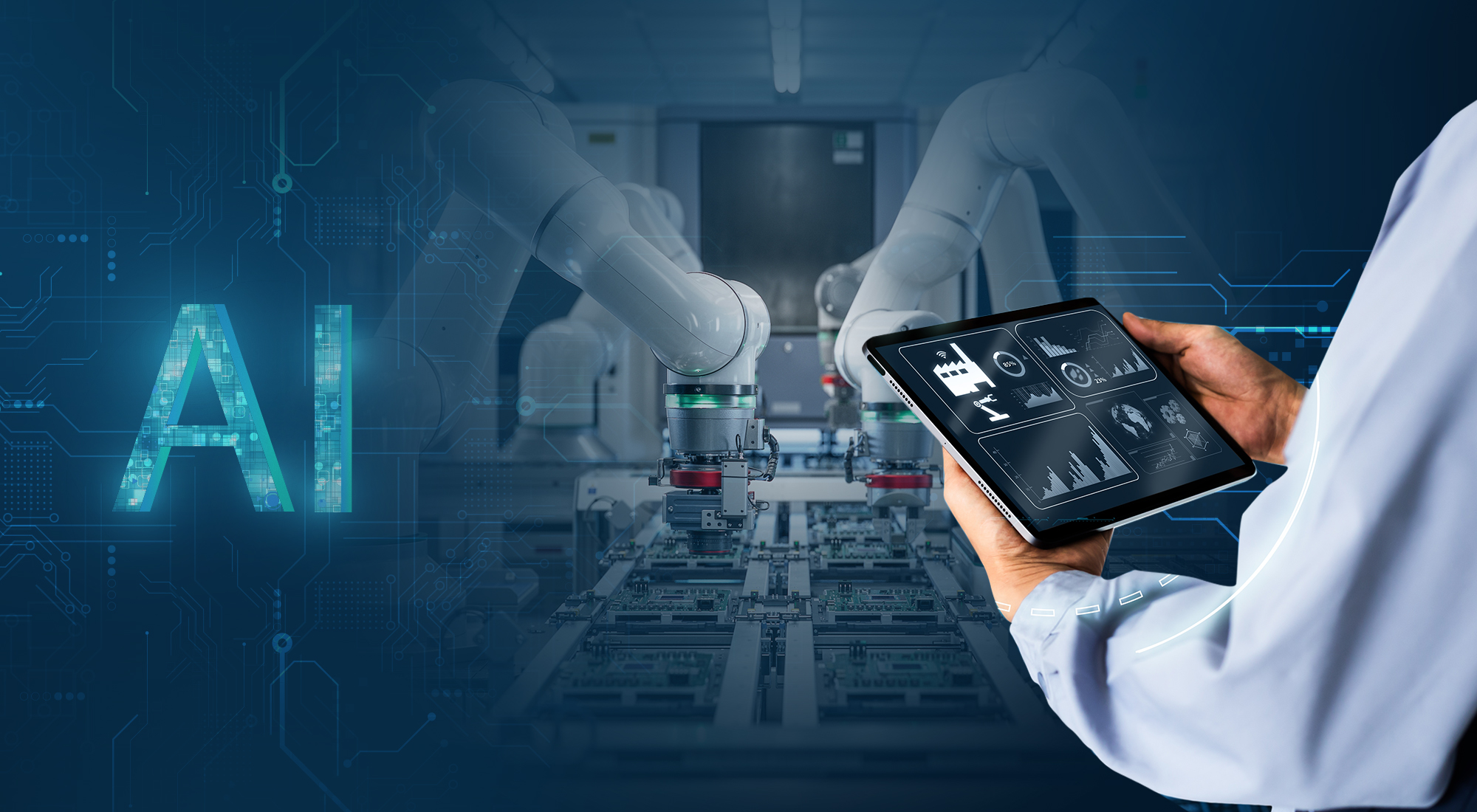
The integration of AI into robotics has led to significant advancements in how robots perceive their environment, make decisions, and perform tasks. This synergy is creating robots that can learn from experiences, adapt to new situations, and execute tasks with precision.

  • Autonomous Vehicles: Self-driving cars are one of the most visible examples of AI-powered robotics. These vehicles use sensors and AI algorithms to navigate roads safely.
  • Healthcare: Robots equipped with AI are assisting in surgeries with high precision or providing care in hospitals by delivering medications or conducting routine checks.
  • Manufacturing: In factories worldwide, robotic arms powered by AI are optimizing production lines by improving speed and reducing errors.

The Benefits of AI-Driven Robotics

The combination of AI and robotics offers numerous benefits:

  1. Increased Efficiency: Robots can work tirelessly without breaks or errors that human workers might encounter over long shifts.
  2. Enhanced Safety: In hazardous environments such as mining or deep-sea exploration, robots can perform dangerous tasks while keeping humans safe.
  3. Evolving Capabilities: As machine learning algorithms improve over time, robotic systems become more adept at handling complex tasks previously thought impossible for machines.

The Challenges Ahead

Despite their potential benefits, integrating AI with robotics also presents challenges:

  • Ethical Concerns: The rise of intelligent machines raises questions about job displacement and privacy issues. Ensuring ethical guidelines govern their deployment is crucial.
  • Sophisticated Decision-Making: Developing algorithms that allow robots to make nuanced decisions similar to humans remains a complex challenge for researchers.
  • Cultural Acceptance: Societal acceptance varies globally; therefore public education on these technologies’ benefits is essential for widespread adoption.

The Future Outlook

The future holds exciting possibilities as AI continues merging with robotics technology across various sectors. From smart homes filled with robotic assistants managing daily chores efficiently to advanced medical procedures performed autonomously – this evolution promises transformative changes ahead!

Navigating this landscape requires collaboration between technologists policymakers businesses academia ensuring responsible development deployment these powerful tools shaping tomorrow’s world today!

© 2023 CFChris – All Rights Reserved


6 Essential Tips for Navigating the World of AI and Robotics

  1. Stay updated on the latest advancements in AI and robotics.
  2. Understand the ethical implications of AI and robotics technology.
  3. Learn programming languages commonly used in AI and robotics, such as Python and C++.
  4. Collaborate with experts in the field to enhance your knowledge and skills.
  5. Experiment with building simple AI or robotic projects to gain hands-on experience.
  6. Always prioritize safety measures when working with AI and robotic systems.

Stay updated on the latest advancements in AI and robotics.

Staying updated on the latest advancements in AI and robotics is crucial for anyone interested in technology, as these fields are rapidly evolving and reshaping industries worldwide. By keeping abreast of new developments, individuals can better understand how these technologies can be applied to solve real-world problems and improve efficiency across various sectors. Continuous learning through reputable sources like academic journals, industry conferences, and online courses ensures that one remains informed about cutting-edge innovations. This knowledge not only enhances personal expertise but also provides a competitive edge in the job market, where demand for skills related to AI and robotics is increasing.

Understand the ethical implications of AI and robotics technology.

Understanding the ethical implications of AI and robotics technology is crucial as these innovations become increasingly integrated into society. As AI systems and robots gain more autonomy and decision-making power, they raise important questions about privacy, accountability, and fairness. For instance, the deployment of AI in surveillance systems can enhance security but also risks infringing on individual privacy rights. Similarly, autonomous robots in industries like healthcare or transportation must be programmed to make ethical decisions that prioritize human safety. Ensuring that these technologies are developed and used responsibly requires a collaborative effort among technologists, ethicists, policymakers, and the public to establish guidelines that protect human values while fostering innovation.

Learn programming languages commonly used in AI and robotics, such as Python and C++.

Learning programming languages like Python and C++ is essential for anyone interested in AI and robotics. Python is favored for its simplicity and readability, making it an excellent choice for beginners and experts alike. It offers extensive libraries such as TensorFlow and PyTorch, which are crucial for developing AI models. On the other hand, C++ is renowned for its performance and efficiency, making it ideal for robotics applications where speed is critical. By mastering these languages, individuals can unlock the potential to develop sophisticated algorithms, control robotic systems, and contribute to cutting-edge innovations in the field of AI and robotics.

Collaborate with experts in the field to enhance your knowledge and skills.

Collaborating with experts in the field of AI and robotics is an invaluable strategy for enhancing your knowledge and skills. By working alongside seasoned professionals, you gain access to a wealth of experience and insights that can accelerate your learning curve. Experts can provide guidance on navigating complex challenges, introduce you to cutting-edge technologies, and offer practical advice based on real-world applications. This collaboration fosters a dynamic exchange of ideas, encouraging innovation and creativity. Additionally, building a network of knowledgeable contacts in the industry can open up opportunities for further education, research partnerships, and career advancement. Engaging with experts not only deepens your understanding but also positions you at the forefront of advancements in AI and robotics.

Experiment with building simple AI or robotic projects to gain hands-on experience.

Experimenting with building simple AI or robotic projects is a fantastic way to gain hands-on experience and deepen your understanding of these cutting-edge technologies. By starting with small, manageable projects, you can learn the fundamentals of programming, electronics, and machine learning in a practical context. This approach allows you to see firsthand how AI algorithms work and how robots can be programmed to perform specific tasks. Whether it’s creating a basic chatbot or assembling a simple robotic arm, these projects provide valuable insights into the challenges and possibilities within the field. Additionally, such experimentation fosters problem-solving skills and creativity, equipping you with the knowledge needed to tackle more complex projects in the future.

Always prioritize safety measures when working with AI and robotic systems.

When working with AI and robotic systems, prioritizing safety measures is essential to ensure the well-being of both humans and machines. These advanced technologies, while offering significant benefits, can pose risks if not properly managed. Implementing robust safety protocols helps prevent accidents and malfunctions that could lead to injury or damage. This includes regular maintenance checks, employing fail-safes, and ensuring that all personnel are adequately trained to interact with these systems. By focusing on safety, organizations can mitigate potential hazards and create a secure environment where AI and robotics can thrive alongside human workers.

Unlocking the Potential of Good AI: Enhancing Lives Through Responsible Innovation

The Benefits of Good AI

The Benefits of Good AI

Artificial Intelligence (AI) has become an integral part of modern technology, transforming industries and enhancing everyday life. When implemented responsibly, good AI can offer numerous benefits that improve efficiency, productivity, and quality of life.

Enhancing Efficiency and Productivity

One of the primary advantages of good AI is its ability to automate repetitive tasks, allowing humans to focus on more complex and creative endeavors. In industries such as manufacturing, AI-powered robots can perform tasks with precision and speed that surpass human capabilities. This leads to increased productivity and reduced operational costs.

Improving Decision-Making

Good AI systems can process vast amounts of data quickly and accurately, providing valuable insights that aid in decision-making. In healthcare, for example, AI algorithms can analyze medical records to identify patterns and predict patient outcomes. This assists doctors in making informed decisions about treatment plans.

Enhancing Customer Experiences

In the realm of customer service, AI-driven chatbots provide instant support and assistance around the clock. These virtual assistants are capable of understanding customer queries and providing relevant information or solutions efficiently. This not only improves customer satisfaction but also frees up human agents to handle more complex issues.

Promoting Safety and Security

AI technologies play a vital role in enhancing safety and security across various sectors. In cybersecurity, AI systems can detect anomalies and potential threats in real-time, enabling swift responses to prevent breaches. Similarly, in autonomous vehicles, AI ensures safe navigation by processing sensor data to make split-second decisions.

Facilitating Innovation

The use of good AI fosters innovation by opening new avenues for research and development. In fields like pharmaceuticals, AI accelerates drug discovery by predicting molecular interactions much faster than traditional methods. This not only speeds up the development process but also reduces costs significantly.

The Ethical Considerations

While the benefits of good AI are substantial, it is essential to address ethical considerations surrounding its use. Ensuring transparency, accountability, and fairness in AI systems is crucial to prevent biases and maintain public trust.

Conclusion

Good AI has the potential to revolutionize various aspects of our lives positively when developed with ethical guidelines in mind. By focusing on responsible implementation, society can harness the power of artificial intelligence to drive progress while safeguarding human values.


9 Essential Tips for Developing Responsible and Effective AI Systems

  1. Ensure transparency in AI decision-making processes.
  2. Regularly update and maintain AI systems to ensure optimal performance.
  3. Respect user privacy and data protection when collecting and utilizing data for AI.
  4. Promote diversity and inclusivity in AI development teams to mitigate bias.
  5. Conduct thorough testing and validation of AI algorithms before deployment.
  6. Provide clear explanations for AI recommendations or decisions to enhance trust.
  7. Monitor AI systems for potential ethical implications and intervene if necessary.
  8. Encourage continuous learning and skill development in the field of AI.
  9. Collaborate with experts from various disciplines to leverage diverse perspectives in AI development.

Ensure transparency in AI decision-making processes.

Ensuring transparency in AI decision-making processes is crucial for building trust and accountability in technology. Transparency involves providing clear and understandable explanations of how AI systems reach their conclusions, allowing users to comprehend the factors influencing decisions. This openness not only helps demystify complex algorithms but also enables stakeholders to identify potential biases or errors in the system. By making AI processes transparent, developers and organizations can foster greater confidence among users, encourage ethical practices, and facilitate regulatory compliance. Ultimately, transparency empowers individuals to make informed decisions about their interactions with AI technologies, promoting a more equitable and trustworthy digital environment.

Regularly update and maintain AI systems to ensure optimal performance.

Regularly updating and maintaining AI systems is crucial for ensuring optimal performance and reliability. As technology evolves, new algorithms and data sets become available, which can significantly enhance the capabilities of existing AI systems. Regular updates allow these systems to incorporate the latest advancements, improving accuracy and efficiency. Maintenance also involves monitoring for any potential issues, such as biases in data or algorithmic errors, which can be addressed promptly to prevent negative outcomes. By keeping AI systems up-to-date, organizations can ensure they are making the most of their investment while maintaining high standards of performance and ethical responsibility.

Respect user privacy and data protection when collecting and utilizing data for AI.

Respecting user privacy and data protection is crucial when collecting and utilizing data for AI, as it builds trust and ensures compliance with legal standards. By implementing robust security measures and transparent data handling practices, organizations can safeguard sensitive information and prevent unauthorized access. It is essential to anonymize personal data whenever possible and provide users with clear information about how their data will be used. Additionally, obtaining explicit consent from users before collecting their information reinforces ethical practices in AI development. Prioritizing privacy not only protects individuals but also enhances the credibility of AI systems, fostering a positive relationship between technology providers and users.

Promote diversity and inclusivity in AI development teams to mitigate bias.

Promoting diversity and inclusivity in AI development teams is crucial to mitigating bias and ensuring that AI systems serve a broad spectrum of users effectively. A diverse team brings a variety of perspectives, experiences, and cultural insights that can help identify and address potential biases in AI algorithms. When developers come from different backgrounds, they are more likely to recognize blind spots that might otherwise go unnoticed in homogeneous groups. This inclusive approach not only enhances the fairness and accuracy of AI systems but also fosters innovation by encouraging creative problem-solving. By prioritizing diversity, organizations can build AI technologies that are more equitable and reflective of the diverse world they aim to serve.

Conduct thorough testing and validation of AI algorithms before deployment.

Conducting thorough testing and validation of AI algorithms before deployment is crucial to ensure their reliability, accuracy, and fairness. This process involves rigorously evaluating the algorithms under various scenarios to identify potential biases, errors, or unintended consequences. By simulating real-world conditions and analyzing the algorithm’s performance across diverse data sets, developers can fine-tune the AI to perform optimally and ethically. This step not only helps in minimizing risks associated with incorrect or biased outcomes but also builds trust among users by demonstrating a commitment to quality and accountability. Proper testing and validation are essential for deploying AI systems that are safe, effective, and aligned with ethical standards.

Provide clear explanations for AI recommendations or decisions to enhance trust.

Providing clear explanations for AI recommendations or decisions is crucial in building and maintaining trust between users and AI systems. When users understand the rationale behind an AI’s suggestion or action, they are more likely to feel confident in its reliability and effectiveness. This transparency helps demystify the decision-making process, reducing skepticism or anxiety about relying on technology. Clear explanations also empower users to make informed decisions by allowing them to assess whether the AI’s logic aligns with their own knowledge or expectations. In sectors like healthcare, finance, and law enforcement, where decisions can significantly impact individuals’ lives, such clarity is not just beneficial but essential for ethical and responsible AI deployment.

Monitor AI systems for potential ethical implications and intervene if necessary.

Monitoring AI systems for potential ethical implications is crucial to ensure that these technologies operate in a manner that aligns with societal values and norms. As AI systems become more integrated into daily life and decision-making processes, it’s important to regularly assess their impact on issues such as privacy, fairness, and bias. By keeping a vigilant eye on how AI interacts with different segments of the population, stakeholders can identify unintended consequences or discriminatory practices early on. Intervening when necessary not only helps in mitigating harm but also builds public trust in AI technologies. This proactive approach ensures that AI continues to serve as a beneficial tool while upholding ethical standards.

Encourage continuous learning and skill development in the field of AI.

Encouraging continuous learning and skill development in the field of AI is essential for staying ahead in an ever-evolving technological landscape. As AI technologies rapidly advance, professionals must regularly update their knowledge and skills to remain competitive and innovative. This involves engaging with the latest research, attending workshops and conferences, and pursuing additional training or certifications. By fostering a culture of lifelong learning, individuals can better understand emerging trends, tools, and methodologies in AI. This not only enhances personal growth but also drives organizational success by ensuring that teams are equipped with the expertise needed to implement cutting-edge solutions effectively.

Collaborate with experts from various disciplines to leverage diverse perspectives in AI development.

Collaborating with experts from various disciplines is crucial in AI development, as it brings together diverse perspectives that can enhance the overall effectiveness and fairness of AI systems. By involving professionals from fields such as ethics, sociology, psychology, and domain-specific areas like healthcare or finance, developers can gain a more comprehensive understanding of the potential impacts and applications of AI technologies. This interdisciplinary approach helps identify potential biases, ensures that AI solutions are aligned with human values, and fosters innovation by integrating different viewpoints. Ultimately, such collaboration leads to the creation of more robust and socially responsible AI systems that better serve the needs of all users.

ai robots

AI Robots: Revolutionizing the Future of Technology and Industry

The Rise of AI Robots: Transforming the Future

The Rise of AI Robots: Transforming the Future

Artificial Intelligence (AI) robots are no longer a concept confined to science fiction. They are increasingly becoming an integral part of our daily lives and industries, transforming how we work, play, and interact with the world around us.

What Are AI Robots?

AI robots are machines designed to perform tasks autonomously or semi-autonomously using artificial intelligence technologies. These technologies enable robots to perceive their environment, process data, make decisions, and execute actions with minimal human intervention.

Applications of AI Robots

The applications of AI robots span across various sectors:

  • Manufacturing: AI robots streamline production lines by performing repetitive tasks with precision and speed.
  • Healthcare: In healthcare, they assist in surgeries, patient care, and diagnostics.
  • Agriculture: Robots equipped with AI help in planting, harvesting, and monitoring crops.
  • Logistics: Autonomous drones and delivery robots optimize supply chain management.
  • Customer Service: Chatbots and humanoid robots enhance customer interaction in retail and hospitality sectors.

The Benefits of AI Robots

The integration of AI in robotics offers numerous benefits:

  • Efficiency: AI robots can operate 24/7 without fatigue, significantly increasing productivity.
  • Precision: They perform tasks with high accuracy, reducing errors and waste.
  • Safety: In hazardous environments such as mining or chemical plants, they minimize human exposure to risks.
  • Cognitive Capabilities: Advanced algorithms enable them to learn from experience and improve over time.

The Challenges Ahead

The rise of AI robots also presents challenges that need addressing:

  • Ethical Concerns: The potential for job displacement raises questions about economic impact and workforce adaptation.
  • Privacy Issues: The use of surveillance robots could infringe on personal privacy rights.
  • Lack of Regulation: As technology evolves rapidly, regulatory frameworks struggle to keep pace.

The Future of AI Robots

The future holds exciting possibilities for AI robotics. As technology advances further, we can expect more sophisticated interactions between humans and machines. Innovations such as emotion-sensing capabilities could lead to more empathetic robot companions. Moreover, collaboration between humans and robots may redefine workplace dynamics across industries.

The journey towards a future enriched by AI robotics is both thrilling and complex. It requires careful consideration of ethical implications while embracing the potential for positive change. As society navigates this transformative era, ongoing dialogue among technologists, policymakers, businesses—and indeed everyone—will be crucial in shaping a future where technology enhances human life responsibly.


8 Advantages of AI Robots: Boosting Productivity, Safety, and Efficiency

  1. Increased productivity
  2. Precision and accuracy
  3. Cost-effectiveness
  4. Improved safety
  5. 24/7 operation
  6. Adaptability
  7. Enhanced decision-making
  8. Task automation


Six Key Concerns About AI Robots: Job Displacement, Privacy, and More

  1. Job Displacement
  2. Privacy Concerns
  3. Dependency on Technology
  4. Security Risks
  5. Ethical Dilemmas
  6. Cost of Implementation

Increased productivity

AI robots significantly boost productivity by operating continuously without the need for breaks, unlike their human counterparts. This constant operation means that tasks can be completed faster and more efficiently, leading to increased output in various industries. For example, in manufacturing, AI robots can work around the clock on assembly lines, maintaining a consistent pace that enhances overall production rates. This ability to function tirelessly not only maximizes efficiency but also allows human workers to focus on more complex and creative tasks that require critical thinking and problem-solving skills. As a result, businesses can achieve higher levels of productivity and innovation by integrating AI robots into their operations.

Precision and accuracy

AI robots are renowned for their precision and accuracy, performing tasks with a level of consistency that significantly reduces the likelihood of errors. Unlike humans, who may experience fatigue or distraction, AI robots maintain a steady focus on their tasks, ensuring uniform output every time. This capability is particularly beneficial in industries where even minor errors can lead to significant consequences, such as in manufacturing or healthcare. By minimizing mistakes, AI robots not only enhance the quality of products and services but also contribute to cost savings by reducing waste and the need for rework. Their ability to operate with such exactness positions them as invaluable assets in any environment where precision is paramount.

Cost-effectiveness

AI robots offer significant cost-effectiveness by streamlining processes and minimizing waste, which can lead to substantial savings over time. By automating repetitive and labor-intensive tasks, these robots reduce the need for a large workforce, thereby cutting labor costs. Furthermore, their precision and accuracy in performing tasks minimize errors and material waste, leading to more efficient use of resources. This not only lowers operational costs but also enhances productivity and output quality. As AI robots continue to evolve and become more sophisticated, their ability to optimize workflows will increasingly contribute to cost savings across various industries.

Improved safety

AI robots significantly enhance safety by taking on dangerous tasks in hazardous environments, thereby protecting human workers from potential harm. In industries such as mining, construction, and chemical manufacturing, robots are deployed to perform high-risk activities like handling toxic substances, operating in extreme temperatures, or working in confined spaces. These machines can be designed to withstand conditions that would be perilous for humans, reducing the likelihood of accidents and injuries. By assuming roles that involve exposure to danger, AI robots not only improve workplace safety but also allow human workers to focus on tasks that require creativity and problem-solving skills. This shift not only safeguards human health but also contributes to increased efficiency and productivity across various sectors.

24/7 operation

AI robots offer the significant advantage of 24/7 operation, which is a game-changer for industries seeking to maximize efficiency and output. Unlike human workers, AI robots do not require breaks, sleep, or shift changes, allowing them to maintain continuous production without downtime. This capability optimizes production schedules by ensuring that manufacturing lines can run non-stop, meeting high demand and reducing lead times. In service industries, around-the-clock operation means enhanced availability and customer satisfaction, as tasks such as order processing or customer support can be handled at any time of day. This relentless operational capacity not only boosts productivity but also provides businesses with a competitive edge in today’s fast-paced market.

Adaptability

AI robots offer a remarkable advantage in adaptability due to their machine learning capabilities. By leveraging advanced algorithms, these robots can swiftly adjust to new situations, learn from experiences, and enhance their performance progressively. This ability not only enables them to handle diverse tasks effectively but also ensures continuous improvement in their functionality, making them invaluable assets across various industries where flexibility and efficiency are paramount.

Enhanced decision-making

AI robots significantly enhance decision-making capabilities by leveraging advanced AI algorithms to process and analyze vast amounts of data rapidly. This ability allows them to make informed decisions autonomously, without the need for constant human oversight. In industries such as manufacturing, healthcare, and logistics, AI robots can evaluate complex datasets to optimize operations, predict maintenance needs, or adjust strategies in real-time. This not only improves efficiency and productivity but also reduces the likelihood of human error. By continuously learning from new data inputs, AI robots can refine their decision-making processes over time, leading to smarter and more adaptive systems that can respond effectively to changing conditions or unexpected challenges.

Task automation

AI robots excel at task automation, which significantly enhances productivity and efficiency in various industries. By taking over repetitive and mundane tasks, these robots allow human workers to redirect their energy and skills toward more complex and creative endeavors. This shift not only boosts overall job satisfaction but also fosters innovation as employees have the opportunity to engage in strategic thinking, problem-solving, and the development of new ideas. As a result, businesses can experience increased competitiveness and growth while employees enjoy a more stimulating work environment that leverages their unique talents and insights.

Job Displacement

The advent of AI robots in various industries brings the challenge of job displacement, as automation increasingly replaces roles traditionally performed by human workers. This shift is particularly evident in sectors like manufacturing, logistics, and customer service, where tasks are repetitive and can be efficiently handled by machines. As businesses adopt AI technologies to enhance productivity and reduce costs, many workers face the risk of unemployment or the need to transition into new roles that require different skill sets. This change necessitates a focus on reskilling and upskilling programs to help the workforce adapt to an evolving job market. Additionally, it raises important discussions about economic inequality and the responsibility of companies and governments to support affected individuals during this transition.

Privacy Concerns

The deployment of AI robots equipped with surveillance capabilities has sparked significant privacy concerns. These robots, often used in public spaces and private enterprises for security and monitoring purposes, have the potential to collect vast amounts of data on individuals without their explicit consent. This raises questions about how personal information is stored, who has access to it, and how it might be used or misused. The pervasive nature of such surveillance can lead to a sense of constant monitoring, infringing on personal freedoms and autonomy. As AI technology continues to advance, it becomes increasingly important to establish robust privacy regulations and ethical guidelines to ensure that individuals’ rights are protected while balancing the benefits these technologies can offer.

Dependency on Technology

The dependency on AI robots poses a significant concern as it can lead to the erosion of human skills and decision-making abilities. As more tasks are delegated to intelligent machines, individuals may become less adept at performing these tasks themselves, leading to a decline in critical thinking and problem-solving capabilities. This overreliance on technology could result in a workforce that lacks essential skills, making it difficult for people to adapt if technological systems fail or if they need to operate without robotic assistance. Additionally, the diminished engagement with hands-on experiences and real-world challenges might hinder creativity and innovation, ultimately impacting personal growth and societal progress.

Security Risks

AI robots, while offering numerous benefits, also present significant security risks. Malicious actors may exploit vulnerabilities within AI systems to cause harm or disrupt operations. These vulnerabilities can be targeted to manipulate robots into performing unintended actions, potentially leading to physical damage, data breaches, or compromised safety protocols. As AI systems become more integrated into critical infrastructure and daily life, the potential for cyberattacks increases. Ensuring robust security measures and continuous monitoring is essential to protect against these threats and safeguard both individuals and organizations from potential exploitation by cybercriminals.

Ethical Dilemmas

AI robots, while capable of making autonomous decisions, often raise significant ethical dilemmas. One major concern is accountability: when an AI system makes a decision that leads to unintended consequences, determining who is responsible can be complex. Is it the developer, the user, or the AI itself? Additionally, AI systems can inadvertently perpetuate or even exacerbate biases present in their training data. These biases can lead to unfair treatment or discrimination in critical areas such as hiring, law enforcement, and access to services. As AI robots become more integrated into society, addressing these ethical challenges becomes imperative to ensure that their deployment aligns with societal values and fairness.

Cost of Implementation

The cost of implementing AI robots is a significant barrier for many organizations, particularly smaller businesses or those with limited budgets. The initial investment required to purchase and integrate AI robotic systems can be substantial, often involving not only the purchase of advanced hardware and software but also the need for infrastructure upgrades. Additionally, ongoing maintenance costs, including software updates, technical support, and potential repairs, add to the financial burden. These expenses can be prohibitive for companies that are unable to allocate sufficient resources or justify the return on investment in the short term. As a result, while AI robotics offer numerous benefits in terms of efficiency and productivity, their high cost remains a critical factor that organizations must carefully consider when evaluating their adoption.

plc software engineer

Unveiling the Role of a PLC Software Engineer in Industrial Automation

PLC Software Engineer: The Backbone of Industrial Automation

PLC Software Engineer: The Backbone of Industrial Automation

In the realm of industrial automation, PLC (Programmable Logic Controller) software engineers play a crucial role in designing, developing, and maintaining the software systems that control machinery and processes in various industries.

PLCs are specialized computers used to automate processes such as manufacturing, assembly lines, and robotic systems. PLC software engineers are responsible for writing code that dictates how these systems operate, ensuring efficiency, accuracy, and safety in industrial environments.

These engineers possess a unique skill set that combines knowledge of programming languages, such as ladder logic and structured text, with an understanding of electrical systems and industrial processes. They work closely with electrical engineers and automation specialists to integrate software solutions into hardware components seamlessly.

PLC software engineers are adept at troubleshooting complex issues, optimizing system performance, and implementing new functionalities to meet evolving industry demands. Their expertise is essential in ensuring that manufacturing processes run smoothly, minimizing downtime and maximizing productivity.

As technology continues to advance, PLC software engineers must stay current with the latest trends in automation and programming techniques. Continuous learning and professional development are key to thriving in this dynamic field.

In conclusion, PLC software engineers are the unsung heroes behind the scenes of industrial automation. Their innovative solutions drive efficiency, reliability, and safety in manufacturing operations worldwide. As industries evolve towards smart manufacturing and Industry 4.0 initiatives, the role of PLC software engineers will only become more critical in shaping the future of industrial automation.


Understanding the Role and Impact of PLC Software Engineers: Key FAQs

  1. What is a PLC software engineer?
  2. What does a PLC software engineer do?
  3. What skills are required to become a PLC software engineer?
  4. How do PLC software engineers contribute to industrial automation?
  5. What programming languages are commonly used by PLC software engineers?
  6. What industries typically employ PLC software engineers?
  7. How can one become a certified PLC software engineer?
  8. What are the current trends in the field of PLC software engineering?

What is a PLC software engineer?

A PLC software engineer is a specialized professional responsible for designing, developing, and maintaining the software systems that control machinery and processes in industrial automation. These engineers possess a unique skill set that combines expertise in programming languages like ladder logic and structured text with a deep understanding of electrical systems and industrial processes. They play a crucial role in ensuring the efficiency, accuracy, and safety of automated systems by writing code that dictates how these systems operate. PLC software engineers collaborate closely with other professionals in the field to integrate software solutions seamlessly into hardware components, troubleshoot issues, optimize system performance, and implement new functionalities to meet industry demands. Their work is essential in driving productivity and reliability in manufacturing operations.

What does a PLC software engineer do?

As a PLC software engineer, your primary responsibility is to design, develop, and maintain the software systems that control industrial machinery and processes. You write code in programming languages like ladder logic and structured text to create sequences of operations that automate tasks in manufacturing environments. Additionally, you collaborate with electrical engineers and automation specialists to integrate software solutions with hardware components, ensuring seamless operation of PLC systems. Your role involves troubleshooting system issues, optimizing performance, and implementing new functionalities to enhance efficiency and productivity in industrial settings.

What skills are required to become a PLC software engineer?

To become a successful PLC software engineer, a combination of technical skills and domain knowledge is essential. Proficiency in programming languages commonly used in PLC systems, such as ladder logic and structured text, is crucial. Additionally, a strong understanding of electrical systems, automation principles, and industrial processes is necessary to design effective control solutions. Problem-solving abilities, attention to detail, and the capability to work collaboratively with multidisciplinary teams are also key skills required for PLC software engineers. Continuous learning and staying updated with advancements in automation technology are vital to excel in this role.

How do PLC software engineers contribute to industrial automation?

PLC software engineers play a pivotal role in industrial automation by designing, developing, and maintaining the software systems that control machinery and processes in various industries. They write code that dictates how Programmable Logic Controllers (PLCs) operate, ensuring efficiency, accuracy, and safety in industrial environments. By integrating their expertise in programming languages and electrical systems, PLC software engineers enable seamless communication between hardware components and software solutions. Their contributions are essential in troubleshooting issues, optimizing system performance, and implementing new functionalities to enhance manufacturing processes and drive productivity in the ever-evolving landscape of industrial automation.

What programming languages are commonly used by PLC software engineers?

In the field of PLC software engineering, professionals commonly utilize programming languages such as ladder logic, structured text, function block diagram (FBD), and sequential function chart (SFC). These languages are specifically designed for programming PLCs and are tailored to the unique requirements of industrial automation. Ladder logic, resembling electrical relay diagrams, is widely used for its intuitive visual representation of control logic. Structured text offers more flexibility and resembles traditional programming languages, making it suitable for complex algorithms. Function block diagram and sequential function chart provide additional ways to organize and structure control logic in PLC programming. Mastery of these programming languages is essential for PLC software engineers to effectively design and implement automation solutions in various industrial settings.

What industries typically employ PLC software engineers?

In the realm of industrial automation, PLC software engineers are in high demand across a wide range of industries. Manufacturing industries, including automotive, aerospace, electronics, and consumer goods, heavily rely on PLC systems to streamline production processes and ensure product quality. Energy and utilities sectors utilize PLC technology for power generation, distribution, and monitoring systems. Additionally, industries such as pharmaceuticals, food and beverage, and chemical processing benefit from the expertise of PLC software engineers to enhance safety protocols and regulatory compliance in their operations. In essence, any industry that requires automated control systems to optimize efficiency and productivity is likely to employ PLC software engineers to design and maintain their critical infrastructure.

How can one become a certified PLC software engineer?

To become a certified PLC software engineer, individuals typically need to pursue formal education in fields such as electrical engineering, computer science, or automation technology. Many aspiring PLC software engineers also seek specialized training programs or certifications offered by industry organizations or educational institutions. These programs often cover topics such as PLC programming languages, industrial automation systems, and hands-on experience with PLC hardware and software. Additionally, gaining practical experience through internships or entry-level positions in the field can be invaluable for developing the necessary skills and expertise required to become a certified PLC software engineer. Continuous learning and staying updated on the latest advancements in industrial automation technologies are also essential for aspiring professionals in this field.

The field of PLC software engineering is continuously evolving, with several current trends shaping its future. One significant trend is the integration of Industry 4.0 technologies, which emphasizes the use of IoT (Internet of Things) and smart devices to create more connected and efficient manufacturing environments. This includes the adoption of advanced data analytics and machine learning to enhance predictive maintenance and optimize production processes. Additionally, there is a growing focus on cybersecurity to protect industrial systems from potential threats as connectivity increases. Engineers are also utilizing more sophisticated programming languages and development environments that support modular and scalable solutions, making it easier to adapt to changing operational needs. Moreover, the shift towards open standards and interoperability is enabling better communication between different systems and components, further enhancing automation capabilities across industries.