cfchris.com

Loading

cloud tech solutions

Cloud Tech Solutions: A Practical Guide for Modern Businesses

Cloud Tech Solutions: A Smarter Way to Work

Cloud technology has changed how businesses store information, run applications, and support their teams. Instead of relying only on equipment located in an office, organizations can use internet-based services to access computing resources when and where they need them. The result can be a more flexible, scalable approach to technology.

What Are Cloud Tech Solutions?

Cloud tech solutions are services and tools delivered over the internet. They may include data storage, software, servers, databases, networking, backup, and security tools. Businesses can use these services individually or combine them into a broader cloud environment.

Cloud services are commonly grouped into three categories:

  • Software as a Service (SaaS): Ready-to-use applications accessed online, such as email, collaboration tools, and customer management software.
  • Infrastructure as a Service (IaaS): On-demand computing resources, such as virtual servers, storage, and networking.
  • Platform as a Service (PaaS): Tools and environments developers use to build, test, and deploy applications.

Benefits of Cloud Technology

Scale as Needs Change

Cloud resources can often be increased or reduced as business demands shift. This flexibility can help organizations respond to seasonal changes, new projects, or growth without making every technology decision around a fixed set of in-house equipment.

Support Flexible Work

With the right setup, employees can securely access files and applications from different locations and devices. Cloud-based collaboration tools can also help teams share information and work together in real time.

Improve Business Continuity

Cloud backup and recovery services can help organizations restore important data and systems after an outage or other disruption. A well-designed continuity plan should define what needs protection, how often data is backed up, and how recovery will be tested.

Manage Costs More Effectively

Many cloud services use subscription or consumption-based pricing. This can reduce the need for large upfront hardware purchases, though costs should be monitored carefully. Unused resources, data transfers, and premium features can add up if they are not managed.

Security and Reliability Matter

Moving to the cloud does not automatically make systems secure. Providers typically protect their underlying infrastructure, while customers remain responsible for areas such as user access, data handling, application settings, and device security. Responsibilities vary by service, so it is important to understand the arrangement.

Good cloud security practices include using multifactor authentication, applying least-privilege access, encrypting sensitive data, keeping systems updated, and reviewing activity logs. Organizations should also consider compliance requirements and the location of their data before choosing services.

Choosing the Right Cloud Approach

There is no single cloud setup that works for every organization. Some businesses use a public cloud, where services are shared across customers. Others choose a private cloud for greater control, or a hybrid approach that combines cloud services with on-site systems.

Before selecting a solution, consider:

  • Which business problems the technology should address
  • How much storage, computing power, and availability are needed
  • Security, privacy, and compliance requirements
  • How the cloud service will connect with existing systems
  • Expected costs, including ongoing management and support
  • How data can be backed up, recovered, or moved in the future

Plan the Transition

A successful cloud transition starts with a clear plan. Begin by reviewing existing applications, data, and dependencies. Then prioritize workloads based on business value, risk, and complexity. Testing a small project first can reveal potential issues before a larger migration begins.

After migration, ongoing management is essential. Regularly review access permissions, performance, backup results, and spending. A cloud environment should evolve as the organization’s needs change.

Make Cloud Technology Work for Your Business

Cloud tech solutions can help organizations become more adaptable, support distributed teams, and access powerful tools without managing every part of the underlying infrastructure. The best results come from matching technology to real business needs and giving equal attention to planning, security, and ongoing oversight.


9 Essential Tips for Optimizing Your Cloud Technology Solutions

  1. Choose a cloud model that fits your needs.
  2. Set clear goals before migrating.
  3. Use multi-factor authentication.
  4. Encrypt data in transit and at rest.
  5. Automate backups and recovery tests.
  6. Monitor costs and set budget alerts.
  7. Scale resources to match demand.
  8. Review access permissions regularly.
  9. Plan for outages with redundancy.

Choose a cloud model that fits your needs.

Choose a cloud model that fits your needs by considering how much control, flexibility, and support your organization requires. A public cloud can be a cost-effective choice for scalable services, while a private cloud may suit businesses with strict security or compliance requirements. A hybrid cloud combines both, letting you keep sensitive workloads in a private environment while using public cloud resources for other tasks. Compare your options based on your budget, existing systems, security needs, and plans for growth.

Set clear goals before migrating.

Before moving to the cloud, define what you want the migration to achieve. Clear goals—such as improving application performance, supporting remote work, strengthening disaster recovery, or reducing infrastructure costs—help guide decisions about which services to choose and what to move first. Set measurable targets, identify potential risks, and agree on how success will be evaluated. With a well-defined plan, your team can keep the migration focused, manage costs, and confirm that the new cloud environment delivers real business value.

Use multi-factor authentication.

Use multi-factor authentication (MFA) to add an extra layer of protection to your cloud accounts. In addition to a password, MFA requires a second form of verification, such as an authenticator app, security key, or one-time code. This can help prevent unauthorized access even if a password is stolen or guessed. Enable MFA for all cloud services that support it, especially administrator and business accounts, and choose a secure verification method whenever possible.

Encrypt data in transit and at rest.

Encrypting data both in transit and at rest helps protect sensitive information from unauthorized access. Data in transit—such as information moving between a user’s device and a cloud service—should be protected with secure protocols like TLS. Data at rest, including files stored in cloud databases or backups, should also be encrypted. Use strong encryption settings, manage encryption keys carefully, and review your cloud provider’s security options to help keep information protected throughout its lifecycle.

Automate backups and recovery tests.

Automate backups and recovery tests to help protect important data and confirm it can be restored when needed. Set backups to run on a regular schedule, monitor them for failures, and test recovery procedures periodically. These checks can reveal missing files, outdated backup copies, or setup problems before an outage or cyberattack makes recovery urgent.

Monitor costs and set budget alerts.

Regularly monitoring cloud spending can help prevent small, unexpected charges from turning into a large bill. Review usage reports to spot idle resources, sudden increases, or services that are no longer needed, and set budget alerts to notify your team when spending approaches a chosen limit. Alerts won’t automatically stop charges, but they give you time to investigate and adjust before costs climb further.

Scale resources to match demand.

Scale cloud resources to match demand so your systems have the capacity they need without paying for more than necessary. During busy periods, you can add computing power or storage to maintain performance; when demand drops, scale back to reduce costs. Monitoring usage and setting clear scaling rules helps keep services responsive, efficient, and budget-friendly.

Review access permissions regularly.

Review access permissions regularly to make sure employees and vendors can access only the cloud resources they need. Remove accounts for people who have left the organization, update permissions when roles change, and check for inactive or overly privileged accounts. Routine reviews help reduce the risk of unauthorized access and keep sensitive data better protected.

Plan for outages with redundancy.

Plan for outages by building redundancy into your cloud environment. Use backups, failover systems, and resources in separate availability zones or regions so a single service disruption doesn’t bring critical operations to a halt. Test your recovery plan regularly, and make sure your team knows how to restore services and data quickly when an outage occurs.

saas cyber security

Enhancing SaaS Cyber Security: Best Practices for Data Protection

The Importance of SaaS Cyber Security

The Importance of SaaS Cyber Security

Software as a Service (SaaS) has become increasingly popular among businesses for its convenience and scalability. However, with the rise of SaaS applications comes the need for robust cyber security measures to protect sensitive data and ensure business continuity.

Why SaaS Cyber Security Matters

Securing SaaS applications is crucial to safeguarding valuable information stored in the cloud. Cyber threats such as data breaches, ransomware attacks, and phishing scams pose significant risks to organizations that rely on SaaS solutions.

Key Aspects of SaaS Cyber Security

Effective SaaS cyber security involves implementing various measures to mitigate risks and prevent unauthorized access to data. Some key aspects include:

  • Data Encryption: Encrypting data both in transit and at rest helps protect information from being intercepted or compromised.
  • Multi-Factor Authentication: Implementing multi-factor authentication adds an extra layer of security by requiring users to provide multiple forms of verification.
  • Regular Security Audits: Conducting regular security audits helps identify vulnerabilities and ensure compliance with industry standards.
  • Employee Training: Educating employees about best practices for data security and how to recognize potential threats can help prevent cyber attacks.
  • Incident Response Plan: Having a well-defined incident response plan in place enables organizations to respond quickly and effectively in the event of a security breach.

The Future of SaaS Cyber Security

As technology continues to evolve, so do cyber threats. It is essential for organizations to stay vigilant and proactive in enhancing their SaaS cyber security posture. By investing in robust security measures and staying informed about emerging threats, businesses can better protect their data and maintain the trust of their customers.


7 Key Advantages of SaaS Cybersecurity: Boosting Protection and Efficiency

  1. Enhanced Data Security
  2. Scalability
  3. Cost-Effective
  4. Automatic Updates
  5. Accessibility
  6. Compliance Assurance
  7. Disaster Recovery


Top 7 Concerns About SaaS Cybersecurity: What You Need to Know

  1. Dependency on Service Provider
  2. Data Privacy Concerns
  3. Limited Control
  4. Internet Connectivity Dependency
  5. Shared Resources
  6. Vendor Lock-in
  7. Security Incidents Impact Multiple Users

Enhanced Data Security

Enhanced data security is a significant advantage of SaaS cyber security measures. By implementing robust security protocols, SaaS applications ensure that sensitive data is safeguarded against unauthorized access. This protection is crucial in today’s digital landscape, where data breaches and cyber attacks are prevalent threats. With SaaS cyber security in place, organizations can have peace of mind knowing that their valuable information is well-protected, maintaining the trust of their customers and stakeholders.

Scalability

Scalability is a significant advantage of SaaS cyber security, allowing businesses to adapt and expand their security measures seamlessly as they grow and evolve. With SaaS solutions, organizations can easily adjust their security protocols to accommodate increased data volumes, user access levels, and changing business needs. This flexibility ensures that businesses can maintain a strong and effective security posture throughout their growth journey without significant disruptions or delays.

Cost-Effective

Implementing SaaS cyber security is a cost-effective solution that offers significant savings compared to establishing and managing in-house security infrastructure. By leveraging SaaS services, businesses can benefit from advanced security measures without the hefty upfront costs associated with building and maintaining their own security systems. This cost-efficient approach allows organizations to allocate resources more efficiently, focusing on core business activities while ensuring robust protection against cyber threats.

Automatic Updates

SaaS providers offer a significant advantage in terms of cyber security through automatic updates. By consistently updating their security features to address new threats and vulnerabilities, SaaS providers ensure that their clients’ data remains protected against evolving cyber risks. This proactive approach to security maintenance not only saves businesses time and resources but also enhances their overall resilience to potential cyber attacks. Automatic updates play a crucial role in keeping SaaS applications secure and up-to-date, providing peace of mind to users knowing that they are always equipped with the latest defense mechanisms against emerging threats.

Accessibility

The accessibility aspect of SaaS cyber security offers users the convenience of accessing secure applications from any location with an internet connection. This flexibility allows users to work remotely, collaborate seamlessly, and stay productive without being tied to a specific physical location. By enabling users to access software and data securely from anywhere, SaaS enhances efficiency and agility within organizations while maintaining robust security measures to protect sensitive information.

Compliance Assurance

Compliance assurance is a significant advantage of SaaS cyber security as many SaaS providers diligently adhere to industry regulations and standards. By following established guidelines, SaaS providers help businesses ensure compliance with data protection laws and other regulatory requirements. This proactive approach not only helps organizations avoid costly penalties but also instills trust among customers and stakeholders, demonstrating a commitment to safeguarding sensitive information and maintaining high standards of security.

Disaster Recovery

SaaS solutions offer a valuable pro in the form of disaster recovery capabilities. These platforms typically come equipped with robust backup and recovery features that play a critical role in safeguarding data during emergencies or unforeseen events. By leveraging these built-in tools, businesses can ensure that their information remains secure and accessible even in the face of disasters, helping them maintain continuity and minimize potential disruptions to their operations.

Dependency on Service Provider

Organizations face a significant con of SaaS cyber security in the form of dependency on the service provider for security measures. This reliance introduces a potential risk, especially when the provider’s security practices are insufficient or inadequate. In such cases, organizations may find themselves vulnerable to cyber threats and data breaches that could have been prevented with more robust security protocols in place. The lack of control over the security practices of the SaaS provider underscores the importance for organizations to thoroughly vet and assess the security capabilities of their service providers to mitigate this inherent risk.

Data Privacy Concerns

Storing sensitive data in the cloud raises significant data privacy concerns for organizations utilizing SaaS solutions. The potential risk of unauthorized access to confidential information stored in the cloud poses a threat to data privacy and can lead to compliance issues with regulations such as GDPR and HIPAA. Ensuring that data is securely handled and protected from cyber threats is crucial to maintaining trust with customers and meeting regulatory requirements in an increasingly data-sensitive environment. Organizations must address these data privacy concerns proactively by implementing robust security measures and encryption protocols to safeguard sensitive information stored in the cloud.

Limited Control

Organizations utilizing Software as a Service (SaaS) solutions may encounter the con of limited control over the security protocols and infrastructure provided by the SaaS provider. This lack of control can pose challenges for organizations that have specific security requirements or compliance standards to meet. Without the ability to directly manage or customize security measures, businesses may feel vulnerable to potential risks and find it difficult to address security concerns that are not within their control. It is crucial for organizations to carefully assess and negotiate security agreements with SaaS providers to ensure that their data remains protected and compliant with industry regulations.

Internet Connectivity Dependency

Access to SaaS applications is crucial for modern businesses, but one significant con of SaaS cyber security is the dependency on internet connectivity. Organizations relying on SaaS solutions are vulnerable to disruptions caused by internet outages or connectivity issues. Any interruption in internet access can hinder productivity and impact business operations, highlighting the importance of having contingency plans in place to mitigate the risks associated with this dependency.

Shared Resources

In SaaS environments, one significant con of cyber security is the concept of shared resources due to multi-tenancy. When resources are shared among multiple users, there is a higher risk of data exposure. This shared infrastructure can create vulnerabilities that may be exploited by malicious actors, leading to potential breaches and unauthorized access to sensitive information. Organizations must carefully assess and manage the risks associated with shared resources in SaaS environments to ensure the protection of their data and maintain a secure operating environment.

Vendor Lock-in

Vendor lock-in is a significant con of SaaS cyber security, as it can restrict businesses from easily switching between providers. This limitation not only hinders flexibility but also poses potential security risks when considering a change in SaaS vendors. Organizations may find themselves locked into a specific provider’s ecosystem, making it challenging to migrate data and applications to a different platform without encountering compatibility issues or data security vulnerabilities. The lack of portability and interoperability in SaaS solutions due to vendor lock-in can impede businesses from adapting to evolving security needs and exploring alternative options for better cyber security measures.

Security Incidents Impact Multiple Users

A significant drawback of SaaS cyber security is that security incidents have the potential to impact multiple users at once. When a security breach occurs in a SaaS application, the repercussions can be widespread, affecting numerous users simultaneously. This amplifies the consequences for organizations, as the compromised data or system vulnerability may have far-reaching effects on business operations and data integrity. The interconnected nature of SaaS platforms means that a single breach can have a cascading impact, underscoring the importance of robust security measures to protect both individual users and the organization as a whole.

saas application development services

Empowering Businesses with Cutting-Edge SaaS Application Development Services

SaaS Application Development Services

The Power of SaaS Application Development Services

In today’s digital age, Software as a Service (SaaS) has revolutionized the way businesses operate and deliver services to their customers. SaaS applications offer a cost-effective and efficient solution for companies looking to streamline their operations and enhance user experience.

Benefits of SaaS Application Development Services

Scalability: SaaS applications are highly scalable, allowing businesses to easily adjust resources and features based on their needs.

Cost-Effectiveness: With no need for upfront hardware investments and lower maintenance costs, SaaS applications provide a budget-friendly option for businesses of all sizes.

Accessibility: SaaS applications can be accessed from any device with an internet connection, enabling remote work capabilities and improving collaboration among teams.

Key Features of SaaS Applications

SaaS application development services focus on creating software solutions that offer the following key features:

  • Multi-Tenancy: Ability to serve multiple customers from a single instance of the software.
  • Automatic Updates: Regular updates and maintenance are handled by the service provider, ensuring users always have access to the latest features.
  • Data Security: Robust security measures are implemented to protect user data and maintain compliance with industry regulations.
  • Customization: Tailoring the application to meet specific business requirements and preferences.

Harnessing the Potential of SaaS Application Development

To leverage the full potential of SaaS application development services, businesses should partner with experienced software development companies that specialize in building scalable and secure cloud-based solutions. These experts can help businesses conceptualize, design, develop, and deploy custom SaaS applications that align with their strategic goals and drive growth.

In conclusion, investing in SaaS application development services can propel your business forward by enhancing operational efficiency, improving customer satisfaction, and staying ahead of the competition in today’s dynamic market landscape.


Top 8 FAQs About SaaS Application Development Services

  1. How much does it cost to build a SaaS application?
  2. Who develops SaaS software?
  3. What does a SaaS developer do?
  4. What is the SaaS process of software development?
  5. Which is the best technology for SaaS app development?
  6. What is SaaS application development?
  7. What is SaaS development services?
  8. Which is an example of a SaaS application?

How much does it cost to build a SaaS application?

When considering the cost of building a SaaS application, it is important to understand that the pricing can vary significantly depending on various factors such as the complexity of the application, desired features, scalability requirements, and development time. Custom SaaS applications are tailored to meet specific business needs, which can impact the overall cost. Additionally, factors like integration with third-party services, security measures, ongoing maintenance, and support services need to be taken into account when estimating the total cost of developing a SaaS application. It is recommended to consult with experienced software development professionals to get a detailed assessment and quote based on your unique requirements and objectives.

Who develops SaaS software?

SaaS software is typically developed by skilled software engineers, developers, and IT professionals who specialize in cloud-based technologies. These experts have the knowledge and expertise to design, build, and maintain SaaS applications that meet the specific needs and requirements of businesses and end-users. Collaboration between development teams, product managers, designers, and quality assurance specialists is essential in creating high-quality SaaS software that delivers a seamless user experience and provides value to customers. By entrusting the development of SaaS software to experienced professionals, businesses can ensure that their applications are robust, secure, scalable, and tailored to their unique business objectives.

What does a SaaS developer do?

A SaaS developer is responsible for designing, developing, and maintaining Software as a Service (SaaS) applications that are accessible to users over the internet. These developers work on creating cloud-based software solutions that offer scalability, security, and flexibility to meet the evolving needs of businesses and end-users. They collaborate with cross-functional teams to translate requirements into functional software, implement best practices in coding and testing, and ensure that the SaaS applications are user-friendly and efficient. Overall, a SaaS developer plays a crucial role in building innovative and reliable cloud-based solutions that drive digital transformation and enhance user experiences.

What is the SaaS process of software development?

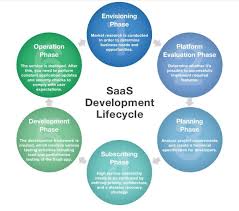
The SaaS process of software development involves a systematic approach to creating cloud-based applications that are accessible to users over the internet. It typically begins with defining the requirements and objectives of the SaaS application, followed by designing the user interface and architecture. Development teams then proceed with coding, testing, and deploying the software on a cloud infrastructure. Continuous monitoring, updates, and maintenance are essential parts of the SaaS development process to ensure optimal performance and security. Collaboration between developers, designers, and stakeholders is key to delivering a high-quality SaaS solution that meets the evolving needs of businesses and users.

Which is the best technology for SaaS app development?

When it comes to choosing the best technology for SaaS app development, there is no one-size-fits-all answer. The ideal technology stack for SaaS application development depends on various factors such as the specific requirements of the project, scalability needs, security considerations, and the expertise of the development team. Popular technologies often used for SaaS app development include JavaScript frameworks like React and Angular for front-end development, Node.js for backend services, and cloud platforms like AWS or Azure for hosting. Ultimately, selecting the best technology involves careful evaluation of your project goals and collaborating with experienced developers to determine the most suitable tools and technologies that align with your business objectives.

What is SaaS application development?

SaaS application development refers to the process of creating software applications that are delivered to users as a service through the cloud. In SaaS (Software as a Service) model, users can access the application over the internet without the need to install or maintain it on their local devices. SaaS application development involves designing, building, and deploying software solutions that offer scalability, accessibility, and cost-effectiveness to businesses. By outsourcing software development and maintenance to service providers, organizations can focus on their core operations while enjoying the benefits of innovative and customizable applications that enhance productivity and streamline processes.

What is SaaS development services?

SaaS development services refer to the process of creating and implementing Software as a Service applications that are hosted and maintained by a service provider. In SaaS development, software applications are accessed over the internet on a subscription basis, eliminating the need for users to install or manage the software locally. SaaS development services encompass designing, developing, and deploying cloud-based applications that offer scalability, accessibility, and cost-effectiveness to businesses seeking efficient solutions for their operational needs. By leveraging SaaS development services, organizations can streamline their workflows, enhance collaboration, and benefit from regular updates and maintenance provided by the service provider.

Which is an example of a SaaS application?

A prime example of a SaaS application is Salesforce, a popular customer relationship management (CRM) platform that is widely used by businesses of all sizes. Salesforce offers a comprehensive suite of tools and features accessible through a web browser, allowing users to manage customer interactions, sales processes, marketing campaigns, and more in a centralized cloud-based environment. By leveraging Salesforce as a SaaS application, businesses can enhance their productivity, streamline operations, and improve customer relationships without the need for complex on-premises infrastructure.

saas application development company

Empowering Businesses: The Role of a SaaS Application Development Company

SaaS Application Development Company

The Rise of SaaS Application Development Companies

In recent years, Software as a Service (SaaS) has gained immense popularity among businesses looking for efficient and cost-effective software solutions. As a result, the demand for SaaS application development companies has skyrocketed.

These companies specialize in creating cloud-based applications that are accessible to users over the internet. By offering software on a subscription basis, SaaS companies provide flexibility and scalability to their clients.

Key Features of SaaS Application Development Companies:

  • Customization: SaaS application development companies tailor their solutions to meet the specific needs of each client. This customization ensures that the software aligns with the client’s business goals and processes.
  • Scalability: SaaS applications can easily scale up or down based on the client’s requirements. This flexibility allows businesses to adapt to changing market conditions without significant investments in infrastructure.
  • Security: Security is a top priority for SaaS application development companies. They implement robust security measures to protect sensitive data and ensure compliance with industry regulations.
  • Continuous Updates: SaaS companies regularly update their applications to add new features, improve performance, and address any security vulnerabilities. Clients benefit from these updates without having to manage the software themselves.
  • Support and Maintenance: SaaS application development companies provide ongoing support and maintenance services to ensure that their clients’ software runs smoothly at all times. This proactive approach minimizes downtime and maximizes productivity.

The Future of SaaS Application Development:

As businesses continue to embrace digital transformation, the demand for innovative SaaS solutions will only grow. SaaS application development companies play a crucial role in helping organizations streamline their operations, improve efficiency, and stay competitive in today’s fast-paced market.


Understanding SaaS: Key Questions About Application Development and Companies

  1. Is app development a SaaS?
  2. What is a SaaS development company?
  3. What does a SaaS company do?
  4. What is a SaaS-based application?

Is app development a SaaS?

When asking whether app development is a Software as a Service (SaaS), it’s important to distinguish between the two concepts. App development refers to the process of creating software applications, which can be done using various methods, including traditional software development approaches. On the other hand, SaaS is a software delivery model where applications are hosted in the cloud and accessed by users over the internet on a subscription basis. While app development can result in the creation of SaaS applications, not all app development projects lead to SaaS offerings. SaaS application development companies specialize in creating cloud-based software solutions that follow the subscription model, providing businesses with scalable and customizable applications accessible online.

What is a SaaS development company?

A SaaS development company is a specialized firm that focuses on creating Software as a Service (SaaS) applications. These companies design, develop, and deploy cloud-based software solutions that are accessible to users over the internet. By offering their services on a subscription basis, SaaS development companies provide businesses with cost-effective and scalable software solutions that can be customized to meet specific needs. These companies play a crucial role in helping organizations leverage the benefits of cloud technology, such as flexibility, security, and continuous updates, without the need for extensive infrastructure investments or maintenance.

What does a SaaS company do?

A SaaS company specializes in developing cloud-based software applications that are accessible to users over the internet. These companies offer software solutions on a subscription basis, allowing businesses to access and use the applications without the need for on-premises installation or maintenance. SaaS companies focus on creating customizable, scalable, and secure software that meets the specific needs of their clients. They provide continuous updates, robust security measures, and ongoing support to ensure that their clients’ software runs smoothly and efficiently. By leveraging SaaS solutions, businesses can streamline their operations, improve productivity, and stay competitive in today’s digital landscape.

What is a SaaS-based application?

A SaaS-based application, short for Software as a Service, is a cloud-based software solution that is hosted and maintained by a third-party provider. Users can access the application over the internet on a subscription basis, eliminating the need for on-premises installation and maintenance. SaaS applications are designed to be scalable, customizable, and secure, offering businesses flexibility in managing their software needs. With regular updates and support provided by the SaaS application development company, users can enjoy the latest features and functionalities without the hassle of managing the underlying infrastructure.

saas software development

Unlocking Innovation: The Evolution of SaaS Software Development

The Evolution of SaaS Software Development

The Evolution of SaaS Software Development

Software as a Service (SaaS) has revolutionized the way businesses and individuals access and use software applications. SaaS software development has seen significant growth and evolution over the years, shaping the digital landscape in profound ways.

What is SaaS?

SaaS is a cloud-based software delivery model where applications are hosted by a third-party provider and made available to users over the internet. This eliminates the need for users to install and maintain software on their own devices, offering greater convenience and scalability.

The Benefits of SaaS Software Development

SaaS software development offers numerous benefits, including:

  • Accessibility: Users can access SaaS applications from any device with an internet connection, enhancing flexibility and productivity.
  • Cost-Effectiveness: SaaS eliminates the need for upfront hardware and software investments, making it a more affordable option for businesses of all sizes.
  • Scalability: SaaS applications can easily scale up or down based on user demand, allowing businesses to adapt to changing needs quickly.
  • Automatic Updates: Providers handle maintenance and updates, ensuring that users always have access to the latest features and security enhancements.

The Evolution of SaaS Development

SaaS software development has evolved significantly since its inception. Early SaaS applications were often limited in functionality and customization options. However, advancements in technology have led to more sophisticated and feature-rich SaaS solutions.

Modern SaaS development practices emphasize agile methodologies, continuous integration, and deployment to deliver high-quality software efficiently. Developers leverage cloud infrastructure, microservices architecture, and containerization to build scalable and resilient applications that meet the demands of today’s dynamic business environment.

The Future of SaaS Software Development

The future of SaaS software development looks promising, with continued innovation driving new possibilities. Emerging technologies such as artificial intelligence, machine learning, and blockchain are being integrated into SaaS applications to enhance functionality and provide more personalized user experiences.

As businesses increasingly rely on cloud-based solutions for their operations, the demand for secure, reliable, and user-friendly SaaS applications will continue to grow. Developers will play a crucial role in shaping the future of SaaS by embracing new technologies and best practices to deliver cutting-edge solutions that meet evolving customer needs.


Top 6 Benefits of SaaS Software Development: Accessibility, Cost Savings, Scalability, and More

  1. Accessibility from any device with an internet connection
  2. Cost-effectiveness by eliminating upfront hardware and software investments
  3. Scalability to easily adjust resources based on user demand
  4. Automatic updates for the latest features and security enhancements
  5. Simplified maintenance as providers handle infrastructure management
  6. Global accessibility enabling users to access applications from anywhere


7 Drawbacks of SaaS Software Development: From Internet Dependency to Vendor Lock-In

  1. Dependency on Internet Connection
  2. Data Security Concerns
  3. Limited Customization
  4. Vendor Lock-In
  5. Cost Over Time
  6. Compliance Challenges
  7. Performance Dependency

Accessibility from any device with an internet connection

One of the key advantages of SaaS software development is its unparalleled accessibility, allowing users to access applications from any device with an internet connection. This flexibility empowers individuals and businesses to work seamlessly across various platforms, enhancing productivity and collaboration. Whether in the office, at home, or on the go, users can conveniently access SaaS applications without being tied to a specific device or location, making work more efficient and convenient.

Cost-effectiveness by eliminating upfront hardware and software investments

One of the key advantages of SaaS software development is its cost-effectiveness, achieved by eliminating the need for upfront hardware and software investments. Businesses can access and use SaaS applications without the burden of purchasing and maintaining expensive infrastructure, making it a more affordable option for organizations of all sizes. This cost-saving benefit allows businesses to allocate resources more efficiently, invest in other areas of their operations, and scale their software usage based on actual needs without incurring unnecessary expenses upfront.

Scalability to easily adjust resources based on user demand

One of the key advantages of SaaS software development is its scalability, allowing businesses to adjust resources based on user demand effortlessly. This flexibility enables organizations to efficiently scale their operations up or down in response to fluctuating needs, ensuring optimal performance and cost-effectiveness. By dynamically allocating resources as needed, SaaS applications can seamlessly accommodate varying levels of user activity, providing a responsive and adaptable solution for businesses of all sizes.

Automatic updates for the latest features and security enhancements

One of the key advantages of SaaS software development is the provision of automatic updates, ensuring that users always have access to the latest features and security enhancements. This feature eliminates the need for manual updates and maintenance, saving time and effort for both users and IT teams. By automatically delivering updates, SaaS applications can continuously improve functionality, performance, and security without causing disruptions to users’ workflow. This proactive approach to software maintenance enhances user experience and helps businesses stay competitive in a rapidly evolving digital landscape.

Simplified maintenance as providers handle infrastructure management

SaaS software development offers the advantage of simplified maintenance, as providers take on the responsibility of infrastructure management. This means that users can focus on utilizing the software without having to worry about maintaining servers, updating software, or handling technical issues related to the underlying infrastructure. By offloading these tasks to the provider, organizations can streamline their operations and ensure that their SaaS applications are always running smoothly and securely.

Global accessibility enabling users to access applications from anywhere

One key advantage of SaaS software development is its global accessibility, allowing users to access applications from anywhere with an internet connection. This feature enhances flexibility and convenience for individuals and businesses, enabling seamless collaboration and productivity across different locations. Whether working from home, traveling, or in a different time zone, users can easily access SaaS applications on various devices, ensuring continuous connectivity and efficient workflow management.

Dependency on Internet Connection

One significant drawback of SaaS software development is the heavy reliance on a stable internet connection for accessing applications. This dependency can pose challenges, especially in regions with poor connectivity or unreliable network infrastructure. Users may experience disruptions in service, slower performance, or even complete inability to access critical software functions when faced with internet outages or low bandwidth. The need for consistent and robust internet connectivity can hinder productivity and create frustration for users who rely on SaaS applications for their daily tasks.

Data Security Concerns

Data Security Concerns: Storing sensitive data on third-party servers raises security and privacy risks, especially if the provider experiences breaches. When businesses entrust their valuable information to SaaS providers, they run the risk of potential data leaks or unauthorized access, which could have severe consequences such as financial loss, reputational damage, and regulatory non-compliance. Maintaining control over data security becomes challenging when it is stored off-site, making it essential for organizations to carefully assess the security measures implemented by SaaS vendors to mitigate these risks effectively.

Limited Customization

SaaS software development faces the challenge of limited customization, which can be a significant drawback for some users. Unlike on-premises software that allows extensive customization to meet specific business needs, SaaS applications may offer limited flexibility in tailoring solutions. This restriction can hinder organizations that require highly customized software to align with their unique processes and requirements. The lack of customization options in SaaS applications may force users to adapt their workflows to fit the predefined features of the software, potentially impacting efficiency and overall user satisfaction.

Vendor Lock-In

Vendor lock-in is a significant drawback of SaaS software development, as it can hinder businesses from easily switching between providers. The process of migrating data from one SaaS platform to another can be complex and time-consuming, often resulting in compatibility issues and data loss. This lack of flexibility and interoperability can trap organizations into long-term contracts with a particular vendor, limiting their ability to adapt to changing needs or explore alternative solutions. The risk of vendor lock-in underscores the importance of carefully evaluating the terms and conditions of SaaS agreements to mitigate potential challenges in the future.

Cost Over Time

One significant con of SaaS software development is the cost over time. While SaaS solutions may offer lower initial costs compared to traditional software licenses, the cumulative effect of long-term subscription fees can result in higher expenses. Over time, these recurring costs can add up and potentially surpass the total cost of purchasing and owning traditional software outright. This ongoing financial commitment may pose challenges for businesses, especially if they do not fully anticipate or budget for the long-term expenses associated with SaaS subscriptions.

Compliance Challenges

Compliance Challenges: Meeting industry-specific compliance requirements can be complex when using SaaS solutions that may not offer customizable compliance features. Organizations operating in regulated industries such as healthcare or finance face the challenge of ensuring that their SaaS applications adhere to strict data security and privacy standards. Without the ability to customize compliance features within the SaaS software, businesses may struggle to meet all necessary regulatory requirements, potentially exposing themselves to legal risks and penalties. This con highlights the importance of carefully evaluating SaaS providers’ compliance capabilities to ensure alignment with industry-specific regulations and standards.

Performance Dependency

Performance Dependency is a significant con of SaaS software development as it introduces a reliance on the provider’s infrastructure and server capabilities, directly affecting the performance of the applications. Any limitations or issues with the provider’s servers can lead to slowdowns, downtime, or other performance-related issues that impact the overall user experience. This lack of control over the underlying infrastructure can be a concern for businesses that require consistent high performance from their software applications.