

cfchris.com

Loading

backend engineer

Unveiling the Expertise of a Backend Engineer: Building the Digital Backbone

Understanding the Role of a Backend Engineer

When you visit a website, click on a button, or interact with an application, there is a complex system working behind the scenes to make it all happen. This is where the role of a backend engineer comes into play.

What Does a Backend Engineer Do?

A backend engineer is responsible for building and maintaining the server-side of web applications. They work with databases, server architecture, and APIs to ensure that the frontend of an application can communicate effectively with the backend.

Key Responsibilities

Backend engineers are tasked with:

  • Developing server-side logic
  • Optimizing applications for speed and scalability
  • Creating secure APIs for seamless data exchange
  • Collaborating with frontend developers to integrate user-facing elements
  • Maintaining and troubleshooting backend systems

Skills Required

To excel as a backend engineer, one must possess a strong foundation in programming languages such as Java, Python, Ruby, or Node.js. Additionally, knowledge of databases like MySQL, PostgreSQL, or MongoDB is crucial for managing data efficiently.

Career Outlook

The demand for skilled backend engineers continues to grow as businesses rely more on digital platforms to reach their audience. With opportunities in various industries ranging from tech startups to established corporations, backend engineers play a vital role in shaping the digital landscape.

Conclusion

In today’s interconnected world, backend engineers are essential architects behind the seamless functioning of web applications. Their expertise in building robust and efficient backend systems ensures that users have a smooth and enjoyable experience while interacting with online platforms.


5 Key Advantages of a Career as a Backend Engineer

  1. Backend engineers play a crucial role in developing and maintaining the server-side logic of web applications.
  2. They have the opportunity to work on optimizing applications for speed and scalability, contributing to enhanced user experiences.
  3. Backend engineers often collaborate closely with frontend developers, fostering teamwork and cross-functional communication.
  4. The demand for skilled backend engineers is high, offering ample job opportunities in various industries.
  5. Backend engineers get to work with cutting-edge technologies and databases, continuously expanding their skill set.


Challenges Faced by Backend Engineers: Navigating Pressure, Complexity, and Evolving Technologies

  1. High pressure to ensure server reliability and uptime
  2. Complex debugging process when issues arise in backend systems
  3. Continuous need to stay updated with evolving technologies and frameworks
  4. Limited visibility of direct user impact compared to frontend roles
  5. Potential for long hours during system maintenance or troubleshooting

Backend engineers play a crucial role in developing and maintaining the server-side logic of web applications.

Backend engineers play a crucial role in developing and maintaining the server-side logic of web applications. By focusing on the backend, these engineers ensure that the core functionality of an application runs smoothly and efficiently. They work behind the scenes to handle data processing, security protocols, and system integrations, ultimately contributing to the seamless operation of web applications. Their expertise is fundamental in creating robust and reliable server-side solutions that power the user experience on the frontend.

They have the opportunity to work on optimizing applications for speed and scalability, contributing to enhanced user experiences.

Backend engineers have the valuable opportunity to focus on optimizing applications for speed and scalability, which directly impacts the user experience. By fine-tuning the backend systems, they can ensure that applications run smoothly, respond quickly to user interactions, and handle a growing number of users without compromising performance. This dedication to enhancing speed and scalability ultimately leads to improved user experiences, making the work of backend engineers crucial in creating seamless and efficient digital platforms for users to enjoy.

Backend engineers often collaborate closely with frontend developers, fostering teamwork and cross-functional communication.

Backend engineers play a crucial role in fostering collaboration and teamwork within development teams by working closely with frontend developers. By maintaining open lines of communication and sharing insights on server-side functionalities, backend engineers ensure seamless integration between the frontend and backend of web applications. This collaborative approach not only enhances the overall development process but also results in more efficient problem-solving and innovative solutions that meet both user experience and technical requirements.

The demand for skilled backend engineers is high, offering ample job opportunities in various industries.

The high demand for skilled backend engineers presents a wealth of job opportunities across diverse industries. As businesses increasingly rely on digital solutions to drive growth and innovation, the need for talented professionals who can design and maintain robust backend systems continues to soar. This trend not only underscores the value of backend engineers in shaping the technological landscape but also opens doors for rewarding career paths in a wide range of sectors, from tech startups to established corporations.

Backend engineers get to work with cutting-edge technologies and databases, continuously expanding their skill set.

Backend engineers have the exciting opportunity to work with cutting-edge technologies and databases, allowing them to continuously expand their skill set. By staying at the forefront of technological advancements, backend engineers not only enhance their expertise but also contribute to the innovation and efficiency of backend systems. This dynamic environment challenges them to adapt to new tools and techniques, keeping their work engaging and rewarding as they shape the future of digital solutions.

High pressure to ensure server reliability and uptime

Ensuring server reliability and uptime can be a significant con for backend engineers due to the high pressure associated with maintaining these critical aspects of web applications. Any downtime or server issues can have immediate and severe consequences, impacting user experience, business operations, and potentially leading to financial losses. Backend engineers must constantly monitor, troubleshoot, and optimize server performance to minimize the risk of outages, often working under tight deadlines and in high-stress situations to ensure continuous service availability for users. This constant pressure to uphold server reliability can be mentally taxing and demanding on backend engineers, requiring them to stay vigilant and proactive in addressing potential issues before they escalate.

Complex debugging process when issues arise in backend systems

One significant challenge faced by backend engineers is the complex debugging process that arises when issues occur in backend systems. Identifying the root cause of a problem within the intricate network of servers, databases, and APIs can be time-consuming and require a deep understanding of the system architecture. Backend engineers must possess strong problem-solving skills and attention to detail to effectively troubleshoot and resolve issues, ensuring that the backend systems operate smoothly and efficiently.

Continuous need to stay updated with evolving technologies and frameworks

Staying updated with evolving technologies and frameworks can be a significant challenge for backend engineers. The fast-paced nature of the tech industry means that new tools and techniques are constantly being developed, requiring backend engineers to invest time and effort in continuous learning to remain relevant and competitive. This constant need for upskilling can be demanding and time-consuming, as mastering new technologies while balancing ongoing projects can be a delicate juggling act for backend engineers.

Limited visibility of direct user impact compared to frontend roles

One notable con of being a backend engineer is the limited visibility of direct user impact when compared to frontend roles. While frontend developers see their work manifested in the user interface, backend engineers often work behind the scenes, focusing on server-side processes that are not immediately visible to end users. This lack of direct user interaction can sometimes make it challenging for backend engineers to receive immediate feedback on their contributions and may lead to a feeling of detachment from the overall user experience.

Potential for long hours during system maintenance or troubleshooting

One significant drawback of being a backend engineer is the potential for long hours during system maintenance or troubleshooting. When issues arise with the backend systems, engineers may need to work extended hours to identify and resolve the problems promptly. This can lead to high levels of stress and burnout, impacting work-life balance and overall well-being. The unpredictable nature of system maintenance and troubleshooting can disrupt personal plans and require engineers to be on call outside regular working hours, making it challenging to maintain a healthy work-life harmony.
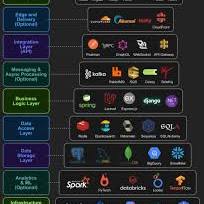

full stack software

Unleashing the Potential of Full Stack Software Development

The Power of Full Stack Software Development

The Power of Full Stack Software Development

In the ever-evolving world of technology, full stack software development has emerged as a powerful and versatile approach to building applications. A full stack developer is proficient in both front-end and back-end technologies, allowing them to handle all aspects of software development.

What is Full Stack Software Development?

Full stack software development involves working on both the client-side (front end) and server-side (back end) of an application. A full stack developer is skilled in a wide range of technologies and can take a project from conception to completion.

Benefits of Full Stack Software Development

Versatility: Full stack developers have a broad skill set that enables them to work on all parts of an application. This versatility allows for greater efficiency and flexibility in project development.

Faster Development: With expertise in both front-end and back-end technologies, full stack developers can streamline the development process and quickly troubleshoot issues that may arise.

Cost-Effective: Hiring a full stack developer who can handle multiple aspects of a project can be more cost-effective than hiring separate specialists for each role.

Skills Required for Full Stack Software Development

To excel in full stack software development, a developer should have proficiency in:

  • HTML, CSS, JavaScript for front-end development
  • Server-side languages like Node.js, Python, or Ruby for back-end development
  • Databases such as MySQL or MongoDB
  • Version control systems like Git
  • Frameworks like React, Angular, or Vue.js

In Conclusion

Full stack software development offers numerous advantages in terms of efficiency, flexibility, and cost-effectiveness. By mastering both front-end and back-end technologies, full stack developers play a crucial role in creating robust and dynamic applications that meet the demands of today’s digital landscape.


9 Essential Tips for Excelling in Full Stack Software Development

  1. Understand both front-end and back-end technologies
  2. Practice building projects that integrate both sides of the stack
  3. Stay updated with the latest trends and technologies in full stack development
  4. Learn to work with databases and server-side languages for back-end development
  5. Improve your problem-solving skills to tackle complex issues in full stack development
  6. Collaborate with other developers to gain different perspectives and insights
  7. Master version control systems like Git for efficient collaboration and code management
  8. Focus on creating responsive and user-friendly interfaces for front-end development
  9. Strive for continuous learning and improvement to stay competitive in the field

Understand both front-end and back-end technologies

Understanding both front-end and back-end technologies is essential for full stack software developers. By having proficiency in areas such as HTML, CSS, JavaScript for front-end development, and server-side languages like Node.js or Python for back-end development, developers can create cohesive and efficient applications. This comprehensive knowledge allows them to bridge the gap between the user interface and the server-side logic, resulting in well-rounded solutions that meet both user experience and functionality requirements.

Practice building projects that integrate both sides of the stack

To enhance your skills in full stack software development, it is highly beneficial to practice building projects that seamlessly integrate both the front-end and back-end components of the stack. By working on projects that involve the complete software development cycle, you can gain a deeper understanding of how different technologies interact and collaborate to create functional applications. This hands-on experience not only sharpens your technical proficiency but also hones your problem-solving abilities in real-world scenarios, making you a more versatile and competent full stack developer.

Staying updated with the latest trends and technologies in full stack development is crucial for any aspiring or seasoned full stack developer. By keeping abreast of new tools, frameworks, and best practices, developers can enhance their skills, stay competitive in the job market, and deliver innovative solutions to clients. Continuous learning and adaptation to emerging technologies ensure that full stack developers remain versatile and well-equipped to tackle the ever-changing landscape of software development effectively.

Learn to work with databases and server-side languages for back-end development

Understanding how to work with databases and server-side languages is a crucial aspect of mastering full stack software development. Proficiency in these areas enables developers to create dynamic and interactive applications that can store and retrieve data efficiently. By gaining expertise in back-end technologies, such as databases like MySQL or server-side languages like Node.js, developers can build robust systems that power the functionality of their applications seamlessly.

Improve your problem-solving skills to tackle complex issues in full stack development

Improving your problem-solving skills is essential for tackling complex issues in full stack development. As a full stack developer, you will encounter various challenges that require creative and efficient solutions. By honing your problem-solving abilities, you can approach issues systematically, analyze them effectively, and come up with innovative ways to address them. Strong problem-solving skills not only enhance your technical proficiency but also enable you to navigate the complexities of full stack development with confidence and expertise.

Collaborate with other developers to gain different perspectives and insights

Collaborating with other developers is a valuable tip in full stack software development. By working with peers who bring diverse perspectives and insights to the table, you can enhance your problem-solving abilities, learn new techniques, and discover innovative approaches to building applications. This collaborative environment fosters creativity and encourages continuous learning, ultimately leading to the development of more robust and efficient software solutions.

Master version control systems like Git for efficient collaboration and code management

To excel in full stack software development, mastering version control systems like Git is essential for efficient collaboration and code management. Git allows developers to track changes, collaborate seamlessly with team members, and manage code versions effectively. By understanding Git’s functionalities and best practices, full stack developers can ensure smooth workflow, easy project integration, and streamlined development processes.

Focus on creating responsive and user-friendly interfaces for front-end development

When working on full stack software development, it is crucial to prioritize the creation of responsive and user-friendly interfaces for front-end development. By focusing on designing interfaces that adapt seamlessly to different devices and screen sizes, developers can enhance the user experience and ensure accessibility across various platforms. A user-friendly interface not only improves usability but also contributes to higher user engagement and satisfaction, ultimately leading to the success of the application or website.

Strive for continuous learning and improvement to stay competitive in the field

To stay competitive in the field of full stack software development, it is crucial to strive for continuous learning and improvement. Technology is constantly evolving, and by staying updated with the latest trends, tools, and techniques, developers can enhance their skills and adapt to changing industry demands. Embracing a mindset of lifelong learning not only keeps developers relevant but also empowers them to deliver innovative solutions that meet the ever-growing needs of the digital landscape.

developers

Empowering Developers: Building the Future of Technology

The World of Developers

The World of Developers

Developers are the architects of the digital world we live in today. They are the creative minds behind the websites we visit, the apps we use, and the software that powers our daily lives. From coding to testing, developers play a crucial role in shaping our technological landscape.

Types of Developers

There are various types of developers, each specializing in different areas:

  • Web Developers: These developers focus on creating websites and web applications using languages like HTML, CSS, and JavaScript.
  • Mobile App Developers: They design and build applications for mobile devices such as smartphones and tablets.
  • Software Engineers: Software engineers develop desktop applications, operating systems, and other software products.
  • Data Scientists: Data scientists analyze and interpret complex data to help businesses make informed decisions.
  • Game Developers: Game developers create interactive games for various platforms, blending art and technology.

The Developer’s Toolkit

To bring their ideas to life, developers rely on a toolkit that includes programming languages, frameworks, libraries, and tools. Some popular languages among developers include:

  • JavaScript
  • Python
  • Java
  • C++
  • Ruby

The Future of Development

The field of development is constantly evolving with new technologies emerging every day. Artificial intelligence, blockchain, augmented reality – these are just a few areas where developers are making significant strides. As technology continues to advance, developers will continue to push boundaries and innovate for a better tomorrow.

In conclusion, developers are at the forefront of innovation in the digital age. Their passion for problem-solving and creativity drives progress in technology and shapes the world we live in today.


7 Essential Tips for Developers: Boost Your Skills and Thrive in the Industry

  1. Stay updated with the latest technologies and trends in the industry.
  2. Practice coding regularly to improve your skills and problem-solving abilities.
  3. Collaborate with other developers to learn from each other and work on projects together.
  4. Document your code to make it easier for yourself and others to understand and maintain in the future.
  5. Test your code thoroughly to catch bugs early on and ensure its functionality.
  6. Seek feedback on your work to identify areas for improvement and grow professionally.
  7. Take breaks when needed to avoid burnout and maintain a healthy work-life balance.

Staying updated with the latest technologies and trends in the industry is essential for developers to remain competitive and relevant in today’s fast-paced digital landscape. By keeping abreast of new tools, languages, and methodologies, developers can enhance their skills, improve their efficiency, and stay ahead of the curve. Continuous learning and adaptation to emerging trends not only broaden their knowledge but also enable them to deliver cutting-edge solutions that meet the evolving needs of clients and users. Embracing lifelong learning ensures that developers remain valuable assets in the ever-changing world of technology.

Practice coding regularly to improve your skills and problem-solving abilities.

To enhance your proficiency and problem-solving capabilities as a developer, it is crucial to engage in regular coding practice. By consistently working on coding challenges and projects, you not only sharpen your technical skills but also cultivate a strategic mindset for tackling complex problems efficiently. Practice not only hones your coding abilities but also fosters creativity and resilience in overcoming obstacles, essential qualities for success in the dynamic field of development.

Collaborate with other developers to learn from each other and work on projects together.

Collaborating with other developers is a valuable tip that can greatly enhance one’s skills and knowledge in the field. By working together on projects and sharing insights, developers have the opportunity to learn from each other, exchange ideas, and tackle challenges collectively. This collaborative approach not only fosters a sense of community within the developer community but also promotes continuous learning and growth, ultimately leading to the development of innovative solutions and stronger professional relationships.

Document your code to make it easier for yourself and others to understand and maintain in the future.

Proper documentation of code is essential for developers to enhance understanding and facilitate future maintenance. By documenting code effectively, developers not only make it easier for themselves to revisit and modify their work but also enable others to grasp the logic and functionality of the codebase. Clear and concise documentation serves as a roadmap that guides developers through the intricacies of the code, ensuring smoother collaboration and efficient troubleshooting. Embracing thorough documentation practices is a valuable habit that contributes to the longevity and sustainability of software projects.

Test your code thoroughly to catch bugs early on and ensure its functionality.

Testing your code thoroughly is a crucial step in the development process for developers. By conducting rigorous testing, developers can identify and rectify bugs early on, preventing them from causing more significant issues down the line. Thorough testing also ensures that the code functions as intended, delivering a high-quality product to users. Emphasizing testing not only enhances the reliability of the software but also saves time and resources by addressing potential issues proactively.

Seek feedback on your work to identify areas for improvement and grow professionally.

Seeking feedback on your work is a crucial step for developers to identify areas for improvement and grow professionally. Constructive feedback from peers, mentors, or clients can provide valuable insights that help developers enhance their skills, refine their techniques, and stay current with industry standards. Embracing feedback with an open mind not only fosters personal growth but also cultivates a culture of continuous learning and improvement within the development community.

Take breaks when needed to avoid burnout and maintain a healthy work-life balance.

It is crucial for developers to prioritize their well-being by taking breaks when necessary to prevent burnout and uphold a healthy work-life balance. Engaging in regular breaks not only rejuvenates the mind and body but also enhances productivity and creativity. By recognizing the importance of self-care and maintaining a balanced lifestyle, developers can sustain their passion for coding and problem-solving while ensuring long-term success in their careers.

Mastering Coding in Software Engineering: A Key to Success

The Importance of Coding in Software Engineering

The Importance of Coding in Software Engineering

Software engineering is a dynamic field that encompasses various processes involved in designing, developing, testing, and maintaining software applications. At the core of software engineering lies coding, which is the process of writing instructions for computers to execute.

Coding is essential in software engineering for several reasons:

Building Functional Software

Effective coding is crucial for building functional software that meets the requirements and expectations of users. Through coding, software engineers translate design concepts into tangible products that perform specific tasks efficiently.

Solving Complex Problems

Coding enables software engineers to solve complex problems by breaking them down into smaller, manageable components. By writing logical and structured code, engineers can create solutions that address intricate challenges in various domains.

Enhancing Efficiency and Performance

Well-written code plays a significant role in enhancing the efficiency and performance of software applications. Optimized code not only improves the speed and responsiveness of programs but also minimizes resource consumption, resulting in better user experiences.

Facilitating Collaboration

Coding serves as a common language that facilitates collaboration among software engineers working on the same project. By following coding standards and best practices, team members can understand and contribute to each other’s code effectively, leading to cohesive development efforts.

Enabling Innovation

Coding empowers software engineers to innovate and create groundbreaking solutions that push the boundaries of technology. By experimenting with new algorithms, frameworks, and methodologies, engineers can develop innovative software products that drive progress and change.

In conclusion, coding is a fundamental aspect of software engineering that underpins the creation of reliable, efficient, and innovative software applications. By mastering coding skills and adhering to best practices, software engineers can leverage the power of code to bring their ideas to life and make a positive impact on the world.


Top 5 Frequently Asked Questions About Coding in Software Engineering

  1. What programming languages are commonly used in software engineering?
  2. How important is coding in software development?
  3. What are the best practices for writing clean and efficient code?
  4. How can I improve my coding skills as a software engineer?
  5. What are some common challenges faced by software engineers when coding?

What programming languages are commonly used in software engineering?

In software engineering, several programming languages are commonly used to develop a wide range of applications and systems. Some of the popular programming languages include Java, Python, C++, C#, JavaScript, and Ruby. Each language has its strengths and is chosen based on the specific requirements of a project. Java is widely used for building enterprise-level applications, while Python is known for its simplicity and versatility in tasks like data analysis and machine learning. C++ is favored for system programming, C# for developing Windows applications, JavaScript for web development, and Ruby for rapid application development. Understanding the characteristics and capabilities of these programming languages is essential for software engineers to choose the most appropriate language for their projects.

How important is coding in software development?

Coding plays a pivotal role in software development, serving as the foundation upon which all digital solutions are built. The importance of coding in software engineering cannot be overstated, as it is the process through which developers translate design concepts into functional applications. Effective coding is essential for creating software that meets user requirements, solves complex problems, and delivers optimal performance. Without proficient coding skills, software development projects would struggle to progress and achieve their intended goals. In essence, coding is the backbone of software development, driving innovation and enabling engineers to transform ideas into tangible products that enhance our digital world.

What are the best practices for writing clean and efficient code?

When it comes to writing clean and efficient code in software engineering, adhering to best practices is essential for ensuring the quality and maintainability of the codebase. Some key recommendations include using meaningful variable names and comments to enhance code readability, following coding standards and conventions for consistency, breaking down complex tasks into smaller functions or modules for better organization, minimizing redundancy by reusing code snippets or functions, optimizing algorithms and data structures for improved performance, conducting thorough testing to identify and fix bugs early on, and continuously refactoring code to keep it concise and up-to-date. By incorporating these best practices into the coding process, software engineers can create high-quality software that is easier to understand, maintain, and scale.

How can I improve my coding skills as a software engineer?

To improve your coding skills as a software engineer, consistent practice and continuous learning are key. Engage in coding challenges, work on personal projects, and collaborate with peers to enhance your problem-solving abilities and expand your coding knowledge. Additionally, seek feedback on your code, analyze and refactor existing codebases, and stay updated on industry trends and best practices. Embrace new technologies, attend workshops or online courses, and participate in coding communities to gain insights from experienced professionals. Remember that improving coding skills is a journey that requires dedication, perseverance, and a willingness to adapt to new challenges.

What are some common challenges faced by software engineers when coding?

In the realm of software engineering, several common challenges often confront software engineers during the coding process. One prevalent issue is debugging, where identifying and fixing errors in the code can be time-consuming and complex. Additionally, managing code complexity poses a significant challenge, especially as projects grow in scale and scope. Collaboration and communication among team members can also be challenging, leading to potential conflicts or misunderstandings in code integration. Furthermore, staying updated with rapidly evolving technologies and frameworks presents a continuous challenge for software engineers striving to deliver cutting-edge solutions. Addressing these challenges requires a combination of technical expertise, problem-solving skills, effective teamwork, and a commitment to ongoing learning and improvement in the dynamic field of software engineering.