
cfchris.com

Loading

23 nycrr 500

Navigating Compliance: Understanding the Impact of 23 NYCRR 500

Article: 23 NYCRR 500

Understanding 23 NYCRR 500: New York’s Cybersecurity Regulation

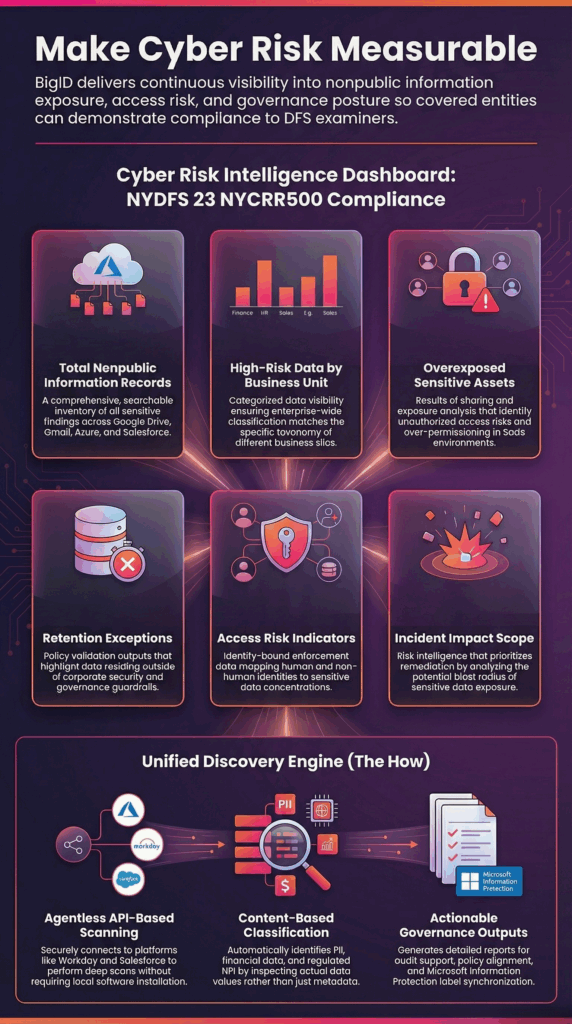
23 NYCRR 500 is a cybersecurity regulation issued by the New York State Department of Financial Services (DFS). This regulation aims to protect sensitive data and information held by financial institutions operating in New York.

Key Requirements of 23 NYCRR 500

The regulation mandates financial institutions to:

  • Establish a cybersecurity program designed to protect nonpublic information.
  • Conduct regular risk assessments and implement cybersecurity measures based on identified risks.
  • Implement multi-factor authentication for accessing internal systems and sensitive data.
  • Maintain an incident response plan to address and recover from cybersecurity events promptly.
  • Provide cybersecurity awareness training to employees to enhance overall security posture.
  • Engage third-party service providers who comply with the regulation’s requirements.

Implications for Financial Institutions

Compliance with 23 NYCRR 500 is crucial for financial institutions as non-compliance can lead to severe penalties, including fines and reputational damage. By adhering to the regulation, organizations can strengthen their cybersecurity defenses, reduce the risk of data breaches, and safeguard customer information.

Conclusion

23 NYCRR 500 sets a high standard for cybersecurity practices within the financial sector in New York. Financial institutions subject to this regulation must prioritize data protection, implement robust security measures, and continually assess and enhance their cybersecurity posture to mitigate risks effectively.

© 2022 CFChris. All rights reserved.


Strengthening Cybersecurity: 8 Key Benefits of 23 NYCRR 500 for New York Financial Institutions

  1. Enhances cybersecurity measures for financial institutions in New York
  2. Protects sensitive data and nonpublic information from cyber threats
  3. Mandates regular risk assessments to identify and address vulnerabilities
  4. Requires the implementation of multi-factor authentication for enhanced security
  5. Promotes cybersecurity awareness training among employees
  6. Establishes incident response plans to mitigate the impact of cyber incidents
  7. Encourages collaboration with compliant third-party service providers
  8. Helps organizations strengthen their overall security posture and reduce data breach risks


Challenges of 23 NYCRR 500: Compliance Costs, Complexity, and Third-Party Provider Burdens

  1. Compliance costs
  2. Complexity
  3. Burden on third-party providers

Enhances cybersecurity measures for financial institutions in New York

The implementation of 23 NYCRR 500 significantly enhances cybersecurity measures for financial institutions operating in New York. By mandating the establishment of robust cybersecurity programs, conducting regular risk assessments, and implementing multi-factor authentication, the regulation strengthens the overall security posture of these institutions. This proactive approach not only helps in safeguarding sensitive data but also aids in preventing cyber threats and potential breaches, ultimately fostering a more secure environment for both the institutions and their clients.

Protects sensitive data and nonpublic information from cyber threats

One significant advantage of 23 NYCRR 500 is its ability to safeguard sensitive data and nonpublic information from cyber threats. By requiring financial institutions to establish robust cybersecurity programs and implement protective measures, the regulation helps prevent unauthorized access, data breaches, and other cyber incidents that could compromise the security and confidentiality of valuable information. This proactive approach not only enhances data protection but also instills trust among stakeholders, demonstrating a commitment to maintaining the integrity and privacy of sensitive data in today’s digital landscape.

Mandates regular risk assessments to identify and address vulnerabilities

One significant advantage of 23 NYCRR 500 is that it mandates regular risk assessments to identify and address vulnerabilities. By requiring financial institutions to conduct these assessments, the regulation promotes proactive measures to enhance cybersecurity defenses. Identifying potential risks allows organizations to implement targeted security measures, prioritize resource allocation, and mitigate vulnerabilities before they can be exploited. This proactive approach not only strengthens the overall security posture of financial institutions but also helps in safeguarding sensitive data and information from potential cyber threats.

Requires the implementation of multi-factor authentication for enhanced security

One significant advantage of 23 NYCRR 500 is its requirement for the implementation of multi-factor authentication to enhance security measures. By mandating the use of multi-factor authentication, the regulation adds an extra layer of protection to sensitive data and internal systems within financial institutions. This additional security measure helps prevent unauthorized access and significantly reduces the risk of data breaches or cyber attacks. Overall, the emphasis on multi-factor authentication under 23 NYCRR 500 plays a crucial role in bolstering cybersecurity defenses and safeguarding confidential information effectively.

Promotes cybersecurity awareness training among employees

One significant advantage of 23 NYCRR 500 is that it promotes cybersecurity awareness training among employees. By requiring financial institutions to provide training on cybersecurity best practices, potential threats, and how to respond to security incidents, the regulation helps enhance the overall security posture of organizations. This proactive approach not only equips employees with the knowledge and skills needed to identify and mitigate cyber risks but also fosters a culture of cybersecurity consciousness within the workplace. Ultimately, promoting cybersecurity awareness training among employees can contribute to a stronger defense against cyber threats and safeguard sensitive information effectively.

Establishes incident response plans to mitigate the impact of cyber incidents

One significant advantage of 23 NYCRR 500 is that it requires financial institutions to establish incident response plans to mitigate the impact of cyber incidents. By mandating the development of structured procedures for responding to cybersecurity breaches, this regulation helps organizations effectively manage and contain threats, minimize potential damages, and swiftly recover from security incidents. Implementing robust incident response plans ensures that financial institutions can respond promptly and decisively in the event of a cyber attack, enhancing their overall resilience against evolving cyber threats.

Encourages collaboration with compliant third-party service providers

One significant benefit of 23 NYCRR 500 is that it encourages collaboration with compliant third-party service providers. By engaging with service providers who adhere to the regulation’s cybersecurity requirements, financial institutions can enhance the overall security of their operations. This collaboration ensures that sensitive data shared with third parties is adequately protected, reducing the risk of data breaches and strengthening the cybersecurity ecosystem within the financial sector. The emphasis on partnering with compliant providers fosters a culture of shared responsibility for cybersecurity and promotes a more secure environment for all stakeholders involved.

Helps organizations strengthen their overall security posture and reduce data breach risks

One of the key benefits of 23 NYCRR 500 is that it helps organizations strengthen their overall security posture and reduce the risks of data breaches. By mandating the establishment of robust cybersecurity programs, regular risk assessments, and the implementation of security measures tailored to identified risks, this regulation ensures that financial institutions operating in New York prioritize data protection and enhance their resilience against cyber threats. Compliance with 23 NYCRR 500 not only safeguards sensitive information but also contributes to a more secure and trustworthy financial ecosystem.

Compliance costs

Implementing and maintaining a cybersecurity program in accordance with 23 NYCRR 500 can pose a significant financial burden on financial institutions. The costs associated with meeting the regulation’s requirements, such as conducting regular risk assessments, implementing security measures, providing employee training, and engaging compliant third-party service providers, can add up quickly. These compliance costs may strain the resources of smaller institutions and require substantial investments in cybersecurity infrastructure and personnel to ensure ongoing adherence to the regulation.

Complexity

The complexity of the regulatory requirements outlined in 23 NYCRR 500 presents a significant challenge, particularly for smaller organizations with constrained resources. Interpreting and implementing the intricate guidelines can be daunting, leading to potential compliance issues and increased operational burdens. Smaller entities may struggle to navigate the nuanced provisions effectively, highlighting the need for additional support and guidance in meeting the stringent cybersecurity standards set forth by the regulation.

Burden on third-party providers

One significant con of 23 NYCRR 500 is the burden it places on third-party providers. Financial institutions are required to verify that their external service providers adhere to the regulation, introducing an additional layer of oversight and management. Ensuring compliance among third parties can be complex and time-consuming, as institutions must monitor and assess the cybersecurity practices of each vendor to maintain regulatory alignment. This added responsibility increases the administrative workload for financial organizations and may lead to challenges in coordinating and enforcing cybersecurity standards across multiple external entities.

computer security service

Enhancing Cyber Defense: The Vital Role of Computer Security Services

Article: Computer Security Service

The Importance of Computer Security Service

In today’s digital age, where almost every aspect of our lives is connected to the internet, ensuring the security of our computers and networks has become more critical than ever. Cyber threats continue to evolve, becoming more sophisticated and widespread, making it essential for individuals and businesses to invest in reliable computer security services.

Protecting Against Cyber Threats

Computer security services encompass a range of measures designed to protect systems, networks, and data from unauthorized access, cyber attacks, and other potential risks. These services employ advanced technologies and strategies to safeguard sensitive information and prevent security breaches that could result in data loss, financial damage, or reputational harm.

The Role of Computer Security Service Providers

Professional computer security service providers play a crucial role in helping individuals and organizations defend against cyber threats. These experts have the knowledge and experience to assess vulnerabilities, implement security protocols, monitor for suspicious activities, and respond swiftly to any security incidents that may occur.

Key Components of Computer Security Services

Effective computer security services typically include:

  • Firewall Protection: Setting up firewalls to monitor and control incoming and outgoing network traffic.
  • Antivirus Software: Installing antivirus programs to detect and remove malware infections.
  • Intrusion Detection Systems (IDS): Deploying IDS to identify potential intrusions or attacks on the network.
  • Data Encryption: Encrypting sensitive data to prevent unauthorized access in case of a breach.
  • Regular Security Updates: Ensuring that systems are up-to-date with the latest security patches and updates.

Conclusion

Investing in professional computer security services is not just a proactive measure but a necessary step in safeguarding your digital assets against cyber threats. By partnering with experienced providers who understand the complexities of cybersecurity, individuals and businesses can mitigate risks, protect their information assets, and maintain a secure online environment for themselves and their customers.


Top 8 FAQs About Computer Security Services: Costs, Options, and More

  1. What are computer security services?
  2. What is computer security service?
  3. How much should you pay for computer security?
  4. What is the best computer security service?
  5. What are the 5 security services?
  6. What is a computer security service?
  7. How much should I pay for computer security?
  8. Does CISA still exist?

What are computer security services?

Computer security services encompass a comprehensive range of measures and solutions aimed at safeguarding computer systems, networks, and data from potential cyber threats and unauthorized access. These services include implementing security protocols, monitoring for suspicious activities, conducting risk assessments, deploying firewalls and antivirus software, managing encryption mechanisms, and ensuring system updates are current. By engaging with computer security services, individuals and businesses can enhance their cybersecurity posture, mitigate risks of data breaches or cyber attacks, and maintain a secure digital environment for their operations.

What is computer security service?

Computer security service refers to a comprehensive set of measures and protocols designed to protect computers, networks, and data from unauthorized access, cyber attacks, and other potential threats. This essential service involves the implementation of advanced technologies, such as firewalls, antivirus software, intrusion detection systems, and data encryption, to ensure the confidentiality, integrity, and availability of digital assets. By employing computer security services, individuals and organizations can proactively defend against evolving cyber threats and safeguard their sensitive information from malicious actors seeking to exploit vulnerabilities in their systems.

How much should you pay for computer security?

When considering the cost of computer security services, it is essential to understand that pricing can vary depending on several factors, including the level of protection needed, the size of the network or system being secured, and the specific services included in the package. Some computer security services may offer basic protection at a lower cost, while more comprehensive solutions with advanced features and round-the-clock monitoring may come at a higher price point. It is crucial to assess your security requirements carefully and work with reputable providers to determine a budget that aligns with your needs and provides adequate protection against potential cyber threats. Remember that investing in robust computer security is an investment in safeguarding your valuable data and maintaining a secure digital environment.

What is the best computer security service?

When it comes to the best computer security service, the answer may vary depending on individual needs and preferences. The ideal computer security service should offer a comprehensive suite of features, including robust antivirus protection, firewall defense, intrusion detection systems, data encryption, and regular security updates. Additionally, the best service provider should have a proven track record of reliability, expertise in cybersecurity practices, responsive customer support, and a commitment to staying ahead of emerging threats. Ultimately, choosing the best computer security service involves evaluating specific requirements and selecting a provider that aligns with your security goals and budget constraints.

What are the 5 security services?

When it comes to computer security services, there are five essential components that form the foundation of a robust security strategy. These key security services include firewall protection, antivirus software, intrusion detection systems (IDS), data encryption, and regular security updates. Each of these services plays a crucial role in safeguarding systems, networks, and data from cyber threats and unauthorized access. By implementing these security measures effectively, individuals and organizations can enhance their overall security posture and mitigate the risks associated with potential security breaches.

What is a computer security service?

A computer security service refers to a comprehensive set of measures and protocols designed to protect computer systems, networks, and data from unauthorized access, cyber attacks, and potential security breaches. These services encompass a range of technologies and strategies aimed at safeguarding sensitive information, preventing data loss, and mitigating risks associated with evolving cyber threats. Computer security services typically include the deployment of firewalls, antivirus software, intrusion detection systems, data encryption, and regular security updates to ensure the integrity and confidentiality of digital assets. By engaging with professional computer security service providers, individuals and organizations can enhance their cyber defenses and maintain a secure online environment in the face of increasing cybersecurity challenges.

How much should I pay for computer security?

When considering the cost of computer security services, it is essential to understand that pricing can vary depending on the level of protection required, the size of the network or system being secured, and the specific services included in the package. Factors such as ongoing monitoring, threat detection, incident response, and compliance requirements can also influence pricing. It is advisable to consult with reputable computer security service providers to assess your needs and receive customized quotes that align with your budget and security objectives. Remember that investing in robust computer security is a proactive measure to safeguard against potential cyber threats and protect your valuable data and assets in the long run.

Does CISA still exist?

The Cybersecurity and Infrastructure Security Agency (CISA) continues to exist as a key federal agency responsible for enhancing the security and resilience of the nation’s critical infrastructure. Established in 2018, CISA plays a vital role in safeguarding against cyber threats and coordinating cybersecurity efforts across government and private sectors. With its focus on protecting critical infrastructure, promoting cybersecurity awareness, and responding to incidents, CISA remains an essential entity in the ongoing efforts to strengthen national cybersecurity defenses.

best cyber security consulting companies

Top Cyber Security Consulting Companies: Safeguarding Your Digital Assets

Top Cyber Security Consulting Companies

The Best Cyber Security Consulting Companies in the Industry

In today’s digital age, cyber security is more important than ever. With cyber threats on the rise, businesses and organizations need to ensure that their sensitive data and systems are protected. This is where cyber security consulting companies play a crucial role.

Accenture Security

Accenture Security is a global leader in cyber security consulting, offering a wide range of services to help businesses strengthen their security posture. With a team of experts and innovative solutions, Accenture Security is trusted by many top companies worldwide.

Deloitte Cyber Risk Services

Deloitte Cyber Risk Services provides comprehensive cyber security consulting services to help organizations identify and mitigate risks. Their team of professionals offers strategic guidance and practical solutions to enhance cyber resilience.

IBM Security Services

IBM Security Services is known for its cutting-edge technologies and deep expertise in cyber security. They offer a holistic approach to cyber defense, helping clients detect, respond to, and recover from cyber attacks effectively.

KPMG Cyber Security Services

KPMG Cyber Security Services delivers tailored solutions to address the unique security challenges faced by organizations. Their team of consultants combines industry knowledge with technical skills to provide top-notch cyber security services.

PwC Cybersecurity and Privacy

PwC’s Cybersecurity and Privacy practice offers a range of services to help clients protect their digital assets and data. With a focus on innovation and collaboration, PwC helps organizations build resilient cyber security strategies.

These are just a few of the best cyber security consulting companies that are leading the way in protecting businesses from evolving cyber threats. By partnering with these reputable firms, organizations can ensure that they have the expertise and resources needed to safeguard their digital assets.


Top FAQs About Choosing the Best Cyber Security Consulting Companies

  1. What services do cyber security consulting companies offer?
  2. How do I choose the best cyber security consulting company for my business?
  3. What are the key factors to consider when selecting a cyber security consulting firm?
  4. How can cyber security consulting companies help improve my organization’s security posture?
  5. Do cyber security consulting companies provide ongoing support and monitoring services?
  6. What sets top cyber security consulting companies apart from others in the industry?

What services do cyber security consulting companies offer?

Cyber security consulting companies offer a wide range of services to help businesses and organizations enhance their security posture and protect their sensitive data and systems. These services typically include risk assessments, vulnerability assessments, penetration testing, incident response planning, security architecture design, compliance management, security awareness training, and managed security services. By leveraging the expertise of cyber security consulting companies, clients can identify and mitigate potential risks, strengthen their defenses against cyber threats, and ensure regulatory compliance in an increasingly complex digital landscape.

How do I choose the best cyber security consulting company for my business?

When selecting the best cyber security consulting company for your business, it is crucial to consider several key factors. First and foremost, assess the company’s reputation and track record in the industry. Look for firms with a proven history of successful cyber security projects and satisfied clients. Additionally, evaluate the expertise and qualifications of their team members to ensure they have the necessary skills to address your specific needs. Consider the range of services offered by the consulting company and whether they align with your business requirements. Lastly, prioritize clear communication and transparency throughout the engagement process to establish a strong partnership built on trust and collaboration. By carefully evaluating these aspects, you can choose a cyber security consulting company that will effectively safeguard your business against potential threats.

What are the key factors to consider when selecting a cyber security consulting firm?

When selecting a cyber security consulting firm, several key factors should be considered to ensure that you choose the right partner to protect your organization’s digital assets. Firstly, expertise and experience play a crucial role – look for a firm with a proven track record in handling cyber security challenges effectively. Additionally, consider the range of services offered by the consulting firm and whether they align with your specific needs. Transparency, communication, and responsiveness are also essential factors to evaluate, as clear communication and prompt support are vital in addressing cyber threats swiftly. Lastly, assess the firm’s reputation, client testimonials, and industry certifications to gauge their reliability and credibility in the cyber security landscape. By carefully considering these factors, you can make an informed decision when selecting a cyber security consulting firm that best meets your organization’s requirements.

How can cyber security consulting companies help improve my organization’s security posture?

Cyber security consulting companies play a crucial role in enhancing an organization’s security posture by providing expert guidance, tailored solutions, and strategic advice. These companies conduct thorough assessments of the organization’s existing security measures, identify vulnerabilities and potential risks, and develop customized strategies to address them effectively. By leveraging their deep expertise and industry knowledge, cyber security consulting firms can help organizations implement robust security controls, enhance incident response capabilities, and stay ahead of emerging cyber threats. Through proactive monitoring, training programs, and continuous support, these companies empower organizations to strengthen their defenses and mitigate the impact of potential cyber attacks, ultimately safeguarding sensitive data and preserving business continuity.

Do cyber security consulting companies provide ongoing support and monitoring services?

When it comes to cyber security consulting companies, many of them offer ongoing support and monitoring services to ensure the continuous protection of their clients’ systems and data. These services often include real-time monitoring of network activities, threat detection, incident response, and regular security assessments to identify vulnerabilities. By providing ongoing support and monitoring, cyber security consulting companies help organizations stay ahead of potential threats and respond promptly to any security incidents that may arise. This proactive approach is essential in today’s dynamic cyber threat landscape to maintain a strong security posture and mitigate risks effectively.

What sets top cyber security consulting companies apart from others in the industry?

When it comes to distinguishing the top cyber security consulting companies from others in the industry, several key factors come into play. Firstly, top firms often boast a team of seasoned professionals with extensive experience and expertise in the field, allowing them to provide strategic insights and innovative solutions tailored to each client’s unique needs. Additionally, leading cyber security consulting companies stay ahead of emerging threats and trends by investing in cutting-edge technologies and continuous training for their staff. Their commitment to excellence, proactive approach to risk management, and ability to deliver measurable results set them apart as trusted partners in safeguarding organizations’ digital assets effectively.