Enhancing Data Protection with Azure Cloud Security Measures
Azure Cloud Security: Safeguarding Your Data in the Cloud
Cloud computing has revolutionized the way businesses operate, offering flexibility, scalability, and cost-efficiency. However, with the benefits of cloud services come security challenges that must be addressed to protect sensitive data and ensure compliance with regulations.
Why Azure Cloud Security Matters
Microsoft Azure is a leading cloud platform that provides a wide range of security features to help organizations secure their data and applications. Here are some key aspects of Azure cloud security:
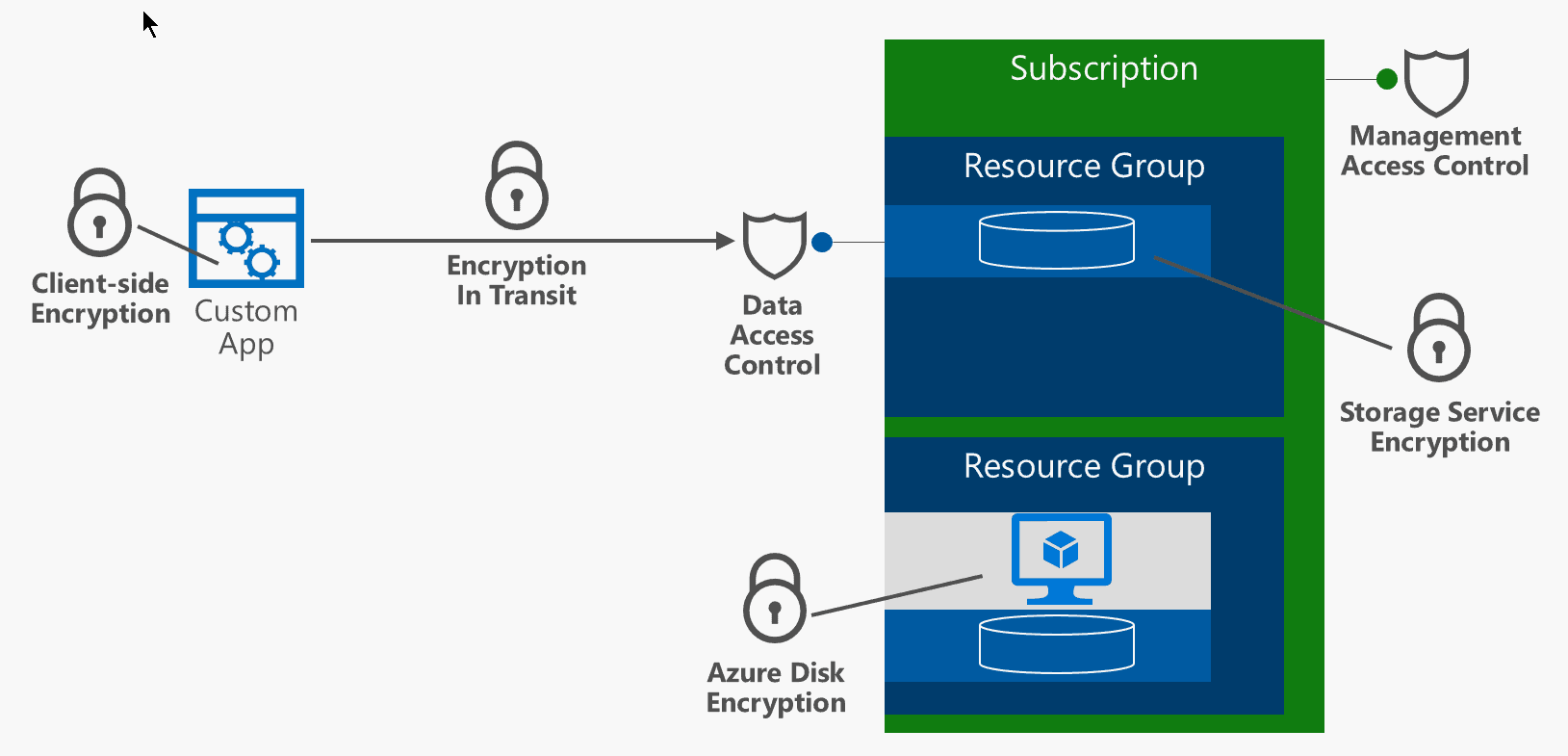
- Data Encryption: Azure offers encryption at rest and in transit to protect data from unauthorized access.
- Identity and Access Management: Azure Active Directory enables organizations to manage user identities and control access to resources.
- Network Security: Azure Virtual Network allows organizations to create secure networks and control traffic flow.
- Security Monitoring: Azure Security Center provides continuous monitoring and threat detection to identify and respond to security incidents.
- Compliance Certifications: Azure maintains a wide range of compliance certifications to meet industry-specific regulatory requirements.
Best Practices for Securing Your Azure Environment
To enhance security in your Azure environment, consider implementing the following best practices:
- Multifactor Authentication: Require users to provide multiple forms of verification before accessing resources.
- Data Classification: Classify data based on sensitivity levels and apply appropriate security controls.
- Patch Management: Keep software up-to-date with the latest security patches to address vulnerabilities.
- Regular Auditing: Conduct regular audits of your Azure environment to identify potential security gaps.
- Educate Users: Provide training on security best practices to help users recognize and respond to security threats.
In Conclusion
Azure cloud security is a critical aspect of maintaining a secure and compliant cloud environment. By leveraging the robust security features offered by Microsoft Azure and following best practices for securing your environment, you can safeguard your data, applications, and infrastructure in the cloud.
Understanding Azure Cloud Security: Key Questions and Comparisons
- How secure is Azure cloud services?
- What are the 5 pillars of cloud security?
- What security does Microsoft Azure have?
- What are Azure security tools?
- Why Azure is more secure than AWS?
- What is the difference between AWS and Azure security?
How secure is Azure cloud services?
Azure cloud services are known for their robust security measures that prioritize safeguarding data and ensuring the privacy of users. Microsoft Azure implements a comprehensive range of security features, including data encryption, identity and access management, network security, and continuous monitoring for threat detection. With a wide array of compliance certifications and adherence to industry-specific regulatory requirements, Azure provides a secure cloud environment for businesses to operate in. By following best practices and leveraging the security capabilities of Azure, organizations can confidently trust in the security of their data and applications within the Azure cloud services ecosystem.
What are the 5 pillars of cloud security?
In the realm of Azure cloud security, understanding the five pillars of cloud security is essential for ensuring a robust and comprehensive security posture. These pillars encompass key aspects that organizations must address to protect their data and resources effectively. The five pillars of cloud security typically include identity and access management, data protection, network security, application security, and compliance. By focusing on these pillars, organizations can establish a strong foundation for securing their Azure environments and mitigating potential risks associated with cloud computing.
What security does Microsoft Azure have?
Microsoft Azure offers a comprehensive set of security features to protect data and applications in the cloud. Some key security measures provided by Azure include data encryption at rest and in transit, identity and access management through Azure Active Directory, network security with Azure Virtual Network, continuous monitoring and threat detection via Azure Security Center, and adherence to various compliance certifications to meet regulatory requirements. These robust security capabilities help organizations safeguard their assets and maintain a secure environment within the Microsoft Azure cloud platform.
What are Azure security tools?
Azure offers a variety of robust security tools to help organizations enhance their cloud security posture. These tools include Azure Security Center, Azure Active Directory, Azure Key Vault, Azure Information Protection, and more. Azure Security Center provides continuous monitoring, threat detection, and security recommendations to protect cloud resources. Azure Active Directory enables identity and access management, while Azure Key Vault allows secure storage and management of cryptographic keys and secrets. Azure Information Protection helps classify and protect sensitive data across devices and applications. By leveraging these Azure security tools, organizations can strengthen their overall security framework in the cloud.
Why Azure is more secure than AWS?
When comparing Azure to AWS in terms of security, Azure is often considered more secure due to its strong focus on compliance and governance. Microsoft Azure provides a comprehensive set of security features, such as advanced threat detection, encryption, identity management, and compliance certifications. Additionally, Azure’s integrated security tools and services, like Azure Security Center and Azure Active Directory, offer robust protection for data and applications. Microsoft’s commitment to security and privacy standards across its cloud services further enhances Azure’s reputation for providing a secure cloud environment for businesses and organizations.
What is the difference between AWS and Azure security?
When comparing AWS and Azure security, one key difference lies in their approach to security features and services. While both cloud platforms offer a range of security tools, AWS is known for its granular control and customization options, allowing users to fine-tune security settings to meet specific requirements. On the other hand, Azure emphasizes integration with existing Microsoft products and services, providing a seamless experience for organizations already using Microsoft technologies. Understanding these differences can help organizations choose the cloud platform that best aligns with their security needs and preferences.