cfchris.com

Loading

cyber security services for companies

Enhancing Business Resilience: Comprehensive Cyber Security Services for Companies

Cyber Security Services for Companies

The Importance of Cyber Security Services for Companies

In today’s digital age, cyber threats are becoming more sophisticated and prevalent than ever before. Companies of all sizes are at risk of cyber attacks that can result in data breaches, financial losses, and damage to their reputation. This is why investing in robust cyber security services is crucial for the protection of sensitive information and the continuity of business operations.

Key Benefits of Cyber Security Services for Companies:

  • Protection from Cyber Attacks: Cyber security services help companies defend against various cyber threats such as malware, ransomware, phishing attacks, and more.
  • Data Protection: By implementing encryption, access controls, and data backup solutions, companies can safeguard their valuable data from unauthorized access or loss.
  • Compliance with Regulations: Many industries have strict data protection regulations that companies must comply with. Cyber security services ensure that businesses meet these requirements to avoid legal repercussions.
  • Enhanced Business Continuity: In the event of a cyber attack or system failure, having robust cyber security measures in place can minimize downtime and ensure business continuity.
  • Reputation Management: A data breach or security incident can severely damage a company’s reputation. Cyber security services help prevent such incidents and maintain customer trust.

Types of Cyber Security Services Offered to Companies:

Companies can benefit from a range of cyber security services tailored to their specific needs, including:

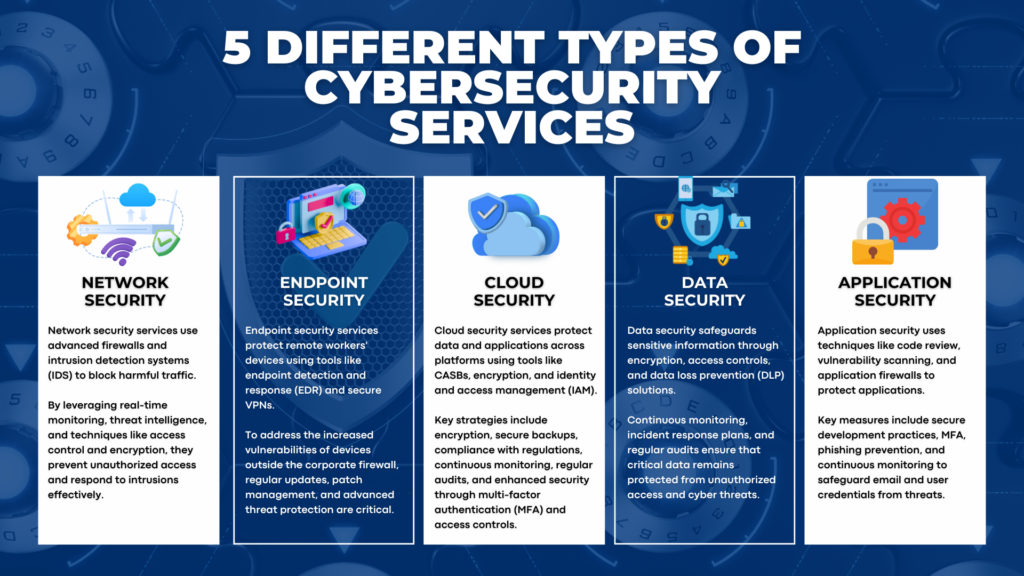
  • Network Security: Protecting networks from unauthorized access and potential intrusions.
  • Endpoint Security: Securing endpoints such as laptops, desktops, and mobile devices from malware and other threats.
  • Incident Response: Developing response plans to quickly address and mitigate cyber security incidents.
  • Vulnerability Assessment: Identifying weaknesses in systems and applications to proactively address potential security risks.
  • Security Awareness Training: Educating employees on best practices for maintaining a secure work environment.

Cyber security is not a one-time investment but an ongoing process that requires continuous monitoring, updates, and adaptation to evolving threats. By partnering with reputable cyber security service providers, companies can stay ahead of cyber criminals and protect their assets effectively.


Essential Cybersecurity Tips for Companies: Strengthen Your Defense with These 6 Strategies

  1. Regularly update software and systems to patch security vulnerabilities.
  2. Implement strong password policies and enable multi-factor authentication.
  3. Train employees on cybersecurity best practices and how to recognize phishing attempts.
  4. Secure company devices with encryption and remote wipe capabilities in case of loss or theft.
  5. Back up important data regularly to prevent data loss from ransomware attacks or hardware failures.
  6. Monitor network traffic for suspicious activity and invest in intrusion detection/prevention systems.

Regularly update software and systems to patch security vulnerabilities.

Regularly updating software and systems is a crucial aspect of maintaining strong cyber security for companies. By applying patches and updates promptly, organizations can address known security vulnerabilities and reduce the risk of exploitation by cyber attackers. Keeping software and systems up to date ensures that they have the latest security features and fixes, enhancing overall protection against potential threats. Proactive maintenance through regular updates is a simple yet effective way to bolster the resilience of a company’s cyber defenses and safeguard sensitive data from potential breaches.

Implement strong password policies and enable multi-factor authentication.

To enhance cyber security measures, companies should implement strong password policies and enable multi-factor authentication. Strong password policies require employees to create complex passwords that are difficult to guess, thereby reducing the risk of unauthorized access to sensitive information. Multi-factor authentication adds an extra layer of security by requiring users to provide additional verification beyond just a password, such as a code sent to their mobile device. These measures significantly strengthen defenses against cyber threats and help safeguard company data from potential breaches.

Train employees on cybersecurity best practices and how to recognize phishing attempts.

Training employees on cybersecurity best practices and how to recognize phishing attempts is a crucial step in enhancing a company’s overall cyber security posture. By educating staff members on the importance of strong passwords, identifying suspicious emails, and being cautious of clicking on unknown links or attachments, organizations can significantly reduce the risk of falling victim to cyber attacks. Empowering employees with the knowledge and skills to detect and report potential security threats not only helps protect sensitive data but also strengthens the company’s defense against evolving cyber threats.

Secure company devices with encryption and remote wipe capabilities in case of loss or theft.

To enhance cyber security measures for companies, it is crucial to secure company devices with encryption and remote wipe capabilities in case of loss or theft. By encrypting sensitive data stored on devices, companies can protect information from unauthorized access even if the device falls into the wrong hands. Additionally, enabling remote wipe capabilities allows companies to remotely erase data on lost or stolen devices, minimizing the risk of data breaches and ensuring that confidential information remains secure. This proactive approach helps companies mitigate potential risks and safeguard their valuable assets effectively.

Back up important data regularly to prevent data loss from ransomware attacks or hardware failures.

Regularly backing up important data is a crucial practice for companies to prevent data loss from ransomware attacks or hardware failures. By maintaining up-to-date backups of critical information, businesses can ensure that they have copies of their data available in case of a cyber incident or system malfunction. This proactive approach not only safeguards against potential data breaches but also enables quick recovery and minimal disruption to operations in the event of an unforeseen event. Implementing a robust backup strategy is an essential component of a comprehensive cyber security plan for companies looking to protect their valuable assets and maintain business continuity.

Monitor network traffic for suspicious activity and invest in intrusion detection/prevention systems.

To enhance cyber security measures, companies should prioritize monitoring network traffic for any signs of suspicious activity. Investing in intrusion detection and prevention systems can help identify and mitigate potential threats before they escalate. By proactively monitoring network traffic and deploying robust security systems, companies can strengthen their defense against cyber attacks and safeguard their sensitive data from unauthorized access.
for c

Enhancing Cybersecurity Measures for Businesses: A Vital Strategy in the Digital Age

The Importance of Cybersecurity for Businesses

The Importance of Cybersecurity for Businesses

In today’s digital age, cybersecurity has become a critical aspect for businesses of all sizes. With the increasing reliance on technology and the internet for day-to-day operations, protecting sensitive data and information has never been more important.

Cyberattacks are on the rise, with hackers constantly looking for vulnerabilities to exploit. A data breach can have devastating consequences for a business, including financial loss, damage to reputation, and legal implications. This is why implementing robust cybersecurity measures is essential.

Key Reasons Why Cybersecurity is Crucial for Businesses:

  • Data Protection: Safeguarding customer data, intellectual property, and other sensitive information from unauthorized access or theft.
  • Business Continuity: Preventing disruptions to operations caused by cyber incidents such as ransomware attacks or system breaches.
  • Compliance Requirements: Ensuring that businesses comply with data protection regulations and industry standards to avoid penalties and legal consequences.
  • Reputation Management: Building trust with customers by demonstrating a commitment to protecting their privacy and security.
  • Risk Mitigation: Identifying potential threats and vulnerabilities in advance to proactively mitigate risks before they turn into security breaches.

Investing in cybersecurity not only protects your business assets but also instills confidence in your stakeholders. By prioritizing cybersecurity, businesses can stay ahead of evolving threats and maintain a secure environment for their digital operations.


Understanding ‘For’ Loops in C: Common Questions and Examples

  1. What is the purpose of ‘for’ loop in C programming?
  2. How do you use ‘for’ loop to iterate over an array in C?
  3. Can you provide an example of a nested ‘for’ loop in C?
  4. What are the differences between ‘for’ and ‘while’ loops in C?
  5. How can I break out of a ‘for’ loop prematurely in C?

What is the purpose of ‘for’ loop in C programming?

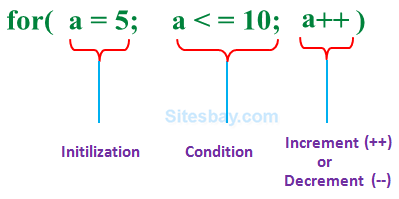
In C programming, the ‘for’ loop serves as a fundamental control structure that allows developers to execute a block of code repeatedly based on specified conditions. The primary purpose of the ‘for’ loop is to streamline repetitive tasks by defining initialization, condition, and iteration steps within a concise syntax. By using the ‘for’ loop effectively, programmers can efficiently iterate over data structures, perform calculations, and automate processes without the need for redundant code. This loop structure plays a crucial role in enhancing code readability, optimizing performance, and facilitating the implementation of iterative algorithms in C programs.

How do you use ‘for’ loop to iterate over an array in C?

In C programming, you can use a ‘for’ loop to iterate over an array by specifying the loop control variable to index through the elements of the array. The ‘for’ loop typically consists of three parts: initialization, condition, and increment/decrement. For iterating over an array, you would initialize the loop control variable to 0 (for the first element of the array), set the condition to check if the index is within the bounds of the array, and increment the index variable inside the loop to move to the next element in each iteration. By using a ‘for’ loop in this manner, you can access and process each element of the array sequentially.

Can you provide an example of a nested ‘for’ loop in C?

In C programming, a nested ‘for’ loop is a loop inside another loop. This allows for executing a set of statements multiple times in a structured manner. Here is an example of a nested ‘for’ loop in C:

“`c

#include

int main() {

int rows = 3;

int cols = 3;

for (int i = 0; i < rows; i++) {

for (int j = 0; j < cols; j++) {

printf(“(%d, %d) “, i, j);

}

printf(“\n”);

}

return 0;

}

“`

In this example, the outer ‘for’ loop iterates over the rows while the inner ‘for’ loop iterates over the columns within each row. This structure allows for efficiently handling two-dimensional arrays or performing operations on matrix-like data structures in C.

What are the differences between ‘for’ and ‘while’ loops in C?

In C programming, understanding the differences between ‘for’ and ‘while’ loops is essential for effective program flow control. The ‘for’ loop is typically used when the number of iterations is known beforehand, as it allows initializing a loop control variable, setting a condition for continuation, and updating the variable in a single line. On the other hand, the ‘while’ loop is more flexible and suitable for situations where the termination condition depends on runtime evaluation. It requires explicitly initializing the loop control variable before entering the loop and updating it within the loop body. Choosing between ‘for’ and ‘while’ loops in C depends on the specific requirements of the program and the nature of the iteration process.

How can I break out of a ‘for’ loop prematurely in C?

In C programming, you can break out of a ‘for’ loop prematurely using the ‘break’ statement. When a specific condition is met within the loop, you can use ‘break’ to immediately exit the loop and continue with the code execution following the loop. This allows for more flexibility and control over the flow of your program, especially when you need to terminate a loop before it reaches its natural end based on certain criteria.

cybersecurity services

Enhancing Security: The Vital Role of Cybersecurity Services

The Importance of Cybersecurity Services

The Importance of Cybersecurity Services

In today’s digital age, cybersecurity has become a critical aspect of protecting sensitive information and maintaining the integrity of businesses and individuals online. Cyber threats are constantly evolving, making it essential for organizations to invest in robust cybersecurity services to safeguard their data and systems.

Types of Cybersecurity Services

Cybersecurity services encompass a wide range of solutions designed to detect, prevent, and respond to cyber threats. Some common cybersecurity services include:

  • Network Security: Securing networks from unauthorized access and ensuring data confidentiality.
  • Endpoint Security: Protecting individual devices such as computers, laptops, and mobile devices from malware and other cyber threats.
  • Incident Response: Developing plans to address security incidents promptly and minimize their impact.
  • Security Audits: Evaluating existing security measures to identify vulnerabilities and areas for improvement.
  • Cloud Security: Ensuring data stored in cloud environments is protected from unauthorized access.

The Benefits of Cybersecurity Services

Investing in cybersecurity services offers numerous benefits, including:

  • Data Protection: Safeguarding sensitive information from theft or unauthorized access.
  • Breach Prevention: Proactively identifying and mitigating potential security risks before they result in a breach.
  • Compliance: Ensuring that organizations comply with industry regulations and standards related to data security.
  • Reputation Management: Building trust with customers by demonstrating a commitment to protecting their data.

The Future of Cybersecurity Services

As cyber threats continue to evolve, the demand for advanced cybersecurity services will only increase. Organizations must stay vigilant and adapt their security measures to combat emerging threats effectively. By partnering with reputable cybersecurity service providers, businesses can enhance their security posture and minimize the risk of cyber attacks.

In conclusion, cybersecurity services play a crucial role in safeguarding digital assets and maintaining trust in an increasingly interconnected world. By prioritizing cybersecurity measures, organizations can protect themselves against evolving cyber threats and ensure the resilience of their operations in the face of potential security breaches.


8 Essential Cybersecurity Tips to Protect Your Digital Life

  1. Regularly update your software and operating systems to patch security vulnerabilities.
  2. Use strong, unique passwords for each online account and consider using a password manager.
  3. Enable two-factor authentication whenever possible for an added layer of security.
  4. Be cautious of phishing emails and never click on suspicious links or download attachments from unknown sources.
  5. Secure your home network with a strong password and encryption to prevent unauthorized access.
  6. Backup your data regularly to protect against data loss in case of a cyber attack or system failure.
  7. Educate yourself and your employees about cybersecurity best practices to create a security-conscious culture.
  8. Consider investing in cybersecurity services such as antivirus software, firewall protection, and intrusion detection systems.

Regularly update your software and operating systems to patch security vulnerabilities.

Regularly updating your software and operating systems is a crucial step in maintaining strong cybersecurity defenses. By installing the latest patches and updates, you can address known security vulnerabilities that cyber attackers may exploit. These updates often include important security fixes that help protect your devices and data from potential threats. Making software updates a routine practice can significantly enhance the overall security posture of your systems and reduce the risk of falling victim to cyber attacks.

Use strong, unique passwords for each online account and consider using a password manager.

In the realm of cybersecurity services, a crucial tip is to utilize strong, unique passwords for every online account and contemplate employing a password manager. By creating complex and distinct passwords for each account, individuals can significantly enhance their overall online security. A password manager offers a convenient solution for securely storing and managing multiple passwords, reducing the risk of password reuse and enhancing protection against unauthorized access to sensitive information. Embracing this practice can fortify one’s digital defenses and mitigate the potential risks associated with compromised credentials in today’s interconnected digital landscape.

Enable two-factor authentication whenever possible for an added layer of security.

Enabling two-factor authentication whenever possible is a highly recommended practice in cybersecurity services. This additional layer of security provides an extra barrier against unauthorized access by requiring users to provide a second form of verification, such as a code sent to their mobile device or a biometric scan. By implementing two-factor authentication, individuals and organizations can significantly enhance their defense against cyber threats and reduce the risk of unauthorized account access or data breaches.

It is crucial to exercise caution when it comes to cybersecurity services, particularly in dealing with phishing emails. One essential tip is to be wary of suspicious emails and refrain from clicking on any links or downloading attachments from unknown sources. Phishing attacks often disguise themselves as legitimate communications to trick individuals into revealing sensitive information or installing malware on their devices. By staying vigilant and avoiding interactions with suspicious email content, individuals can significantly reduce the risk of falling victim to cyber threats and protect their personal and organizational data from potential breaches.

Secure your home network with a strong password and encryption to prevent unauthorized access.

To enhance the security of your home network, it is crucial to secure it with a strong password and encryption. By setting up a robust password that combines letters, numbers, and special characters, you can significantly reduce the risk of unauthorized access to your network. Additionally, enabling encryption protocols such as WPA2 or WPA3 adds an extra layer of protection by encoding data transmitted over the network, making it more challenging for cybercriminals to intercept sensitive information. Taking these simple yet effective steps can go a long way in safeguarding your home network from potential security threats.

Backup your data regularly to protect against data loss in case of a cyber attack or system failure.

Regularly backing up your data is a crucial tip in cybersecurity services to mitigate the risk of data loss due to cyber attacks or system failures. By maintaining up-to-date backups of your important information, you can ensure that even if your systems are compromised, you have a secure copy of your data that can be restored quickly, minimizing the impact of potential security incidents. Backup strategies are an essential component of a comprehensive cybersecurity plan, providing an added layer of protection against unforeseen events that could jeopardize the integrity and availability of your critical data.

Educate yourself and your employees about cybersecurity best practices to create a security-conscious culture.

Creating a security-conscious culture within your organization begins with education. By taking the time to educate yourself and your employees about cybersecurity best practices, you can empower everyone to play a proactive role in protecting sensitive information and preventing cyber threats. From recognizing phishing emails to implementing strong password policies, knowledge is key to building a resilient defense against potential security breaches. By fostering a culture of awareness and vigilance, you can strengthen your overall cybersecurity posture and mitigate risks effectively.

Consider investing in cybersecurity services such as antivirus software, firewall protection, and intrusion detection systems.

When it comes to safeguarding your digital assets, it is crucial to consider investing in cybersecurity services such as antivirus software, firewall protection, and intrusion detection systems. These tools form the backbone of a robust cybersecurity strategy by providing essential layers of defense against malware, unauthorized access, and suspicious activities. Antivirus software helps detect and remove malicious programs, while firewall protection acts as a barrier against unauthorized network traffic. Intrusion detection systems monitor network activity for signs of potential threats, enabling proactive responses to mitigate risks effectively. By incorporating these cybersecurity services into your security framework, you can enhance your overall defense posture and better protect your valuable data from cyber threats.

cybersecurity

Enhancing Business Resilience Through Advanced Cybersecurity Solutions

The Importance of Cybersecurity in Today’s Digital World

The Importance of Cybersecurity in Today’s Digital World

In today’s interconnected world, where information is exchanged at lightning speed, cybersecurity has become more critical than ever before. With the rise of cyber threats and attacks, protecting sensitive data and systems has become a top priority for individuals, businesses, and governments alike.

Why is Cybersecurity Important?

Cybersecurity is essential for several reasons:

  • Data Protection: Cybersecurity helps safeguard sensitive information such as personal data, financial records, and intellectual property from unauthorized access or theft.
  • Prevention of Cyber Attacks: Implementing robust cybersecurity measures can help prevent cyber attacks such as malware infections, phishing scams, ransomware attacks, and more.
  • Business Continuity: By securing digital assets and systems, organizations can ensure continuity of operations even in the face of potential cyber threats.
  • Reputation Management: A data breach or security incident can severely damage an organization’s reputation. Strong cybersecurity practices help maintain trust with customers and stakeholders.
  • Compliance Requirements: Many industries have regulatory requirements for data protection. Adhering to cybersecurity best practices ensures compliance with relevant laws and standards.

Cybersecurity Best Practices

To enhance cybersecurity posture, organizations and individuals should follow these best practices:

  1. Use Strong Passwords: Create unique passwords for each account and use multi-factor authentication where possible.
  2. Keep Software Updated: Regularly update operating systems, applications, and security software to patch vulnerabilities.
  3. Educate Users: Train employees on cybersecurity awareness to recognize phishing attempts and other social engineering tactics.
  4. Secure Networks: Implement firewalls, encryption protocols, and secure Wi-Fi networks to protect data in transit.
  5. Data Backup: Regularly back up important data to ensure quick recovery in case of a cyber incident.

The Future of Cybersecurity

As technology continues to advance rapidly, the landscape of cybersecurity will evolve as well. Artificial intelligence (AI), machine learning, blockchain technology, and other innovations will play a crucial role in enhancing cybersecurity defenses against sophisticated threats.

In conclusion, investing in robust cybersecurity measures is not just an option but a necessity in today’s digital age. By staying vigilant and proactive in defending against cyber threats, individuals and organizations can protect their assets and maintain trust in an increasingly interconnected world.


6 Essential Cybersecurity Tips to Protect Your Digital Life

  1. Keep your software and systems updated regularly to patch security vulnerabilities.
  2. Use strong, unique passwords for each of your accounts and enable two-factor authentication when possible.
  3. Be cautious of phishing emails and messages that may try to trick you into revealing sensitive information.
  4. Avoid connecting to public Wi-Fi networks for sensitive activities unless you use a virtual private network (VPN).
  5. Regularly back up your important data to a secure location to prevent data loss from cyber attacks.
  6. Educate yourself about cybersecurity best practices and stay informed about current threats and trends.

Keep your software and systems updated regularly to patch security vulnerabilities.

Keeping your software and systems updated regularly is a crucial tip for enhancing cybersecurity. By applying the latest patches and updates, you can effectively address known security vulnerabilities and protect your digital assets from potential cyber threats. Proactively maintaining up-to-date software not only strengthens your defense against malicious attacks but also ensures the overall integrity and resilience of your systems in today’s constantly evolving threat landscape.

Use strong, unique passwords for each of your accounts and enable two-factor authentication when possible.

It is crucial to prioritize cybersecurity by using strong, unique passwords for every account you have and enabling two-factor authentication whenever possible. By creating complex and distinct passwords for each account, you add an extra layer of protection against unauthorized access. Two-factor authentication provides an additional security measure by requiring a second form of verification, such as a code sent to your phone, further safeguarding your accounts from potential breaches. Implementing these practices significantly enhances the security of your online presence and helps prevent cyber threats.

Be cautious of phishing emails and messages that may try to trick you into revealing sensitive information.

It is crucial to exercise caution when dealing with phishing emails and messages that attempt to deceive individuals into disclosing sensitive information. These fraudulent communications often impersonate trusted entities or use urgent language to prompt recipients to click on malicious links or provide personal data. By remaining vigilant and verifying the authenticity of such communications, individuals can protect themselves from falling victim to phishing scams and safeguard their sensitive information from unauthorized access.

Avoid connecting to public Wi-Fi networks for sensitive activities unless you use a virtual private network (VPN).

When it comes to cybersecurity, it is crucial to avoid connecting to public Wi-Fi networks for sensitive activities unless you use a virtual private network (VPN). Public Wi-Fi networks are often unsecured, making them vulnerable to cyber attacks and data breaches. By using a VPN, you can encrypt your internet connection and add an extra layer of security, ensuring that your sensitive information remains protected while using public Wi-Fi. It is a simple yet effective measure to safeguard your online activities and maintain your privacy in an increasingly digital world.

Regularly back up your important data to a secure location to prevent data loss from cyber attacks.

Regularly backing up your important data to a secure location is a crucial cybersecurity tip that can help prevent data loss in the event of a cyber attack. By maintaining up-to-date backups of your critical information, you create a safety net that allows you to recover quickly and effectively in case of ransomware, malware, or other cyber threats. This proactive measure not only safeguards your valuable data but also ensures business continuity and minimizes the impact of potential security incidents.

It is crucial to educate yourself about cybersecurity best practices and stay informed about current threats and trends to protect your digital assets effectively. By understanding how to secure your online presence and being aware of the latest cybersecurity risks, you can proactively defend against potential cyber attacks. Continuous learning and staying up-to-date with evolving threats empower you to make informed decisions to enhance your overall cybersecurity posture and safeguard your sensitive information in today’s constantly evolving digital landscape.