
cfchris.com

Loading

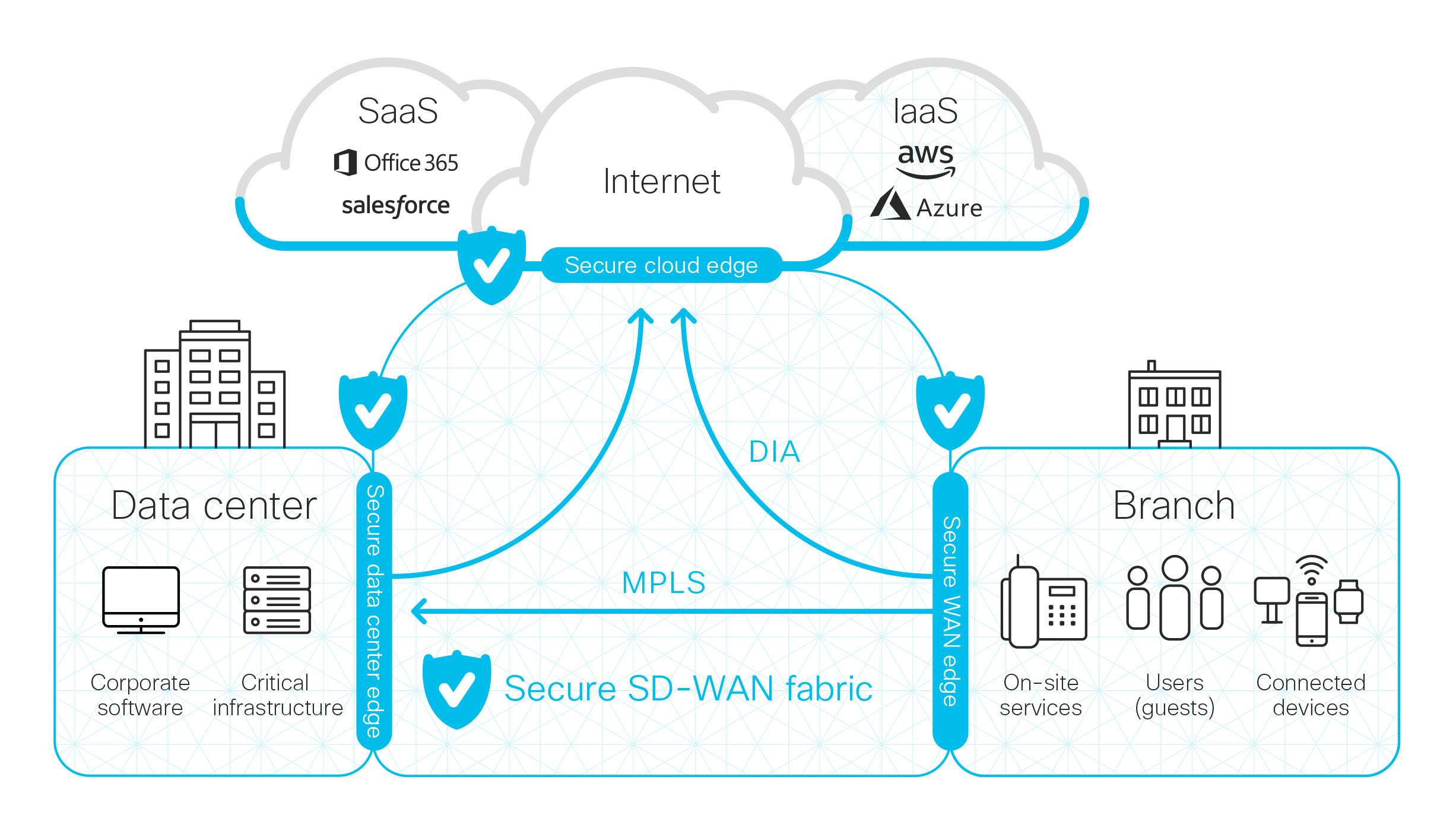
cloud security network

Ensuring Data Protection: The Crucial Role of Cloud Security Network

The Importance of Cloud Security Network

The Importance of Cloud Security Network

In today’s digital age, businesses are increasingly relying on cloud services to store and manage their data. While the cloud offers numerous benefits such as scalability, flexibility, and cost-efficiency, it also poses significant security risks. This is where a robust cloud security network comes into play.

Securing Your Data in the Cloud

Cloud security network refers to the measures and protocols put in place to protect data stored in the cloud from unauthorized access, data breaches, and other cyber threats. With sensitive information being stored off-site on remote servers, it is crucial for businesses to implement strong security practices to safeguard their data.

The Role of Encryption

Encryption is a fundamental aspect of cloud security network. By encrypting data before it is uploaded to the cloud and decrypting it only upon retrieval, businesses can ensure that their information remains secure even if it is intercepted by hackers. Strong encryption algorithms provide an additional layer of protection against unauthorized access.

Access Control and Authentication

Another key component of cloud security network is access control and authentication. Businesses should implement strict access control policies to limit who can view, edit, or delete data stored in the cloud. Multi-factor authentication adds an extra layer of security by requiring users to verify their identity through multiple means.

Regular Monitoring and Updates

Continuous monitoring of the cloud infrastructure is essential to detect any suspicious activity or potential security breaches promptly. Regular software updates and patches should be applied to ensure that vulnerabilities are addressed promptly and that the system remains secure against evolving cyber threats.

Conclusion

In conclusion, a robust cloud security network is essential for businesses leveraging cloud services to protect their valuable data from cyber threats. By implementing strong encryption measures, access control policies, regular monitoring, and updates, businesses can mitigate risks and ensure that their data remains secure in the cloud.


5 Essential Tips for Enhancing Cloud Network Security

  1. Use strong, unique passwords for cloud accounts.
  2. Enable multi-factor authentication for an added layer of security.
  3. Regularly update and patch all cloud services and applications.
  4. Encrypt data both in transit and at rest within the cloud network.
  5. Implement strict access controls to limit who can interact with sensitive data.

Use strong, unique passwords for cloud accounts.

It is crucial to use strong, unique passwords for cloud accounts to enhance the security of your data stored in the cloud. By creating complex passwords that combine letters, numbers, and special characters, you can significantly reduce the risk of unauthorized access to your sensitive information. Using different passwords for each cloud account adds an extra layer of protection, ensuring that a breach in one account does not compromise others. Regularly updating and changing these passwords further strengthens the security of your cloud network and helps safeguard your data from potential cyber threats.

Enable multi-factor authentication for an added layer of security.

Enabling multi-factor authentication is a crucial tip for enhancing cloud security network. By requiring users to verify their identity through multiple means, such as a password and a unique code sent to their mobile device, businesses can significantly reduce the risk of unauthorized access to sensitive data stored in the cloud. This additional layer of security adds an extra barrier for potential attackers and strengthens the overall security posture of the cloud infrastructure.

Regularly update and patch all cloud services and applications.

Regularly updating and patching all cloud services and applications is a crucial aspect of maintaining a secure cloud security network. By staying up-to-date with the latest software updates and patches, businesses can address vulnerabilities promptly and ensure that their cloud infrastructure remains resilient against potential cyber threats. Failure to update regularly can leave systems exposed to exploitation by malicious actors, making it essential for organizations to prioritize proactive maintenance to enhance the overall security of their cloud environment.

Encrypt data both in transit and at rest within the cloud network.

Encrypting data both in transit and at rest within the cloud network is a crucial tip for enhancing cloud security. By encrypting data while it is being transferred between devices and servers (in transit) and also when it is stored on the cloud servers (at rest), businesses can ensure that their sensitive information remains secure from potential threats. This dual-layer encryption approach adds an extra level of protection, making it significantly harder for unauthorized users to access or intercept the data, thus safeguarding the confidentiality and integrity of the information stored in the cloud network.

Implement strict access controls to limit who can interact with sensitive data.

To enhance the security of your cloud network, it is crucial to implement strict access controls that restrict access to sensitive data only to authorized individuals. By limiting who can interact with this critical information, businesses can significantly reduce the risk of unauthorized access and data breaches. Implementing robust access control measures ensures that sensitive data remains protected and only accessible to those with the necessary permissions, thereby strengthening the overall security of the cloud network.

Mastering Secure Software Engineering Practices for Robust Applications

Secure Software Engineering

The Importance of Secure Software Engineering

Secure software engineering plays a crucial role in today’s digital landscape where cyber threats are becoming increasingly sophisticated. It is essential for organizations to prioritize security throughout the software development lifecycle to protect sensitive data and maintain trust with their users.

Key Principles of Secure Software Engineering

Threat Modeling: Identifying potential security threats and vulnerabilities early in the development process allows for proactive mitigation strategies to be implemented.

Secure Coding Practices: Adhering to secure coding standards and best practices helps prevent common vulnerabilities such as injection attacks, cross-site scripting, and insecure direct object references.

Regular Security Testing: Conducting thorough security testing, including penetration testing and code reviews, helps identify and remediate security flaws before they can be exploited by malicious actors.

The Benefits of Secure Software Engineering

By incorporating secure software engineering practices into the development process, organizations can benefit in the following ways:

  • Enhanced Data Protection: Secure software reduces the risk of data breaches and unauthorized access to sensitive information.
  • Improved Reputation: Demonstrating a commitment to security builds trust with customers and stakeholders, enhancing the organization’s reputation.
  • Cost Savings: Addressing security issues early in the development lifecycle is more cost-effective than fixing them after deployment.
  • Compliance with Regulations: Adhering to secure software practices helps organizations comply with industry regulations and data protection laws.

In Conclusion

In an era where cybersecurity threats are prevalent, secure software engineering is no longer an option but a necessity. By integrating security into every phase of the software development process, organizations can mitigate risks, protect their assets, and build resilient systems that withstand evolving threats.


7 Essential Tips for Secure Software Engineering

  1. Implement proper input validation to prevent injection attacks.
  2. Use parameterized queries to avoid SQL injection vulnerabilities.
  3. Regularly update software libraries and dependencies to patch security vulnerabilities.
  4. Follow the principle of least privilege to restrict access based on user roles and permissions.
  5. Encrypt sensitive data at rest and in transit to protect it from unauthorized access.
  6. Implement secure authentication mechanisms like multi-factor authentication for enhanced security.
  7. Conduct regular security audits and penetration testing to identify and address potential vulnerabilities.

Implement proper input validation to prevent injection attacks.

Proper input validation is a critical aspect of secure software engineering to prevent injection attacks. By validating and sanitizing user inputs, developers can ensure that malicious code cannot be injected into the system to exploit vulnerabilities. Implementing robust input validation mechanisms helps safeguard the application against SQL injection, cross-site scripting, and other injection-based attacks, enhancing overall security and protecting sensitive data from unauthorized access.

Use parameterized queries to avoid SQL injection vulnerabilities.

Using parameterized queries is a fundamental practice in secure software engineering to prevent SQL injection vulnerabilities. By parameterizing queries, developers can separate SQL code from user input, reducing the risk of malicious SQL injection attacks. This approach ensures that input values are treated as data rather than executable code, enhancing the security of database interactions and safeguarding sensitive information from unauthorized access or manipulation. Implementing parameterized queries is a proactive measure that strengthens the overall security posture of software applications and helps maintain the integrity of data stored in databases.

Regularly update software libraries and dependencies to patch security vulnerabilities.

Regularly updating software libraries and dependencies is a crucial practice in secure software engineering. By staying current with the latest patches and fixes, developers can address known security vulnerabilities and protect their applications from potential exploits. Neglecting to update libraries can leave systems exposed to cyber threats, making it essential for organizations to prioritize this maintenance task to ensure the overall security of their software.

Follow the principle of least privilege to restrict access based on user roles and permissions.

Following the principle of least privilege is a fundamental aspect of secure software engineering. By restricting access based on user roles and permissions, organizations can minimize the potential impact of security breaches. This principle ensures that users only have access to the resources and functionalities necessary for their specific roles, reducing the risk of unauthorized actions and data exposure. Implementing least privilege not only enhances security but also helps maintain system integrity and confidentiality, making it a critical practice in safeguarding sensitive information within software applications.

Encrypt sensitive data at rest and in transit to protect it from unauthorized access.

To enhance the security of your software system, it is crucial to encrypt sensitive data both at rest and in transit. Encrypting data at rest ensures that information stored on servers or databases remains protected from unauthorized access, even if the physical storage medium is compromised. Similarly, encrypting data in transit safeguards it as it travels between different systems or devices, preventing interception by malicious actors. By implementing robust encryption mechanisms, you can significantly reduce the risk of data breaches and unauthorized disclosure of sensitive information, bolstering the overall security posture of your software solution.

Implement secure authentication mechanisms like multi-factor authentication for enhanced security.

Implementing secure authentication mechanisms such as multi-factor authentication is a critical step in enhancing security for software systems. By requiring users to provide multiple forms of verification before granting access, multi-factor authentication adds an extra layer of protection against unauthorized access and potential security breaches. This approach significantly reduces the risk of compromised credentials and strengthens overall system security, making it a valuable practice in secure software engineering.

Conduct regular security audits and penetration testing to identify and address potential vulnerabilities.

To ensure the robust security of software systems, it is essential to conduct regular security audits and penetration testing. By systematically assessing the system for vulnerabilities, organizations can proactively identify and address potential weaknesses before they are exploited by malicious actors. These proactive measures not only help in strengthening the overall security posture but also demonstrate a commitment to safeguarding sensitive data and maintaining trust with users.