cfchris.com

Loading

Mastering Coding in Software Engineering: A Key to Success

The Importance of Coding in Software Engineering

The Importance of Coding in Software Engineering

Software engineering is a dynamic field that encompasses various processes involved in designing, developing, testing, and maintaining software applications. At the core of software engineering lies coding, which is the process of writing instructions for computers to execute.

Coding is essential in software engineering for several reasons:

Building Functional Software

Effective coding is crucial for building functional software that meets the requirements and expectations of users. Through coding, software engineers translate design concepts into tangible products that perform specific tasks efficiently.

Solving Complex Problems

Coding enables software engineers to solve complex problems by breaking them down into smaller, manageable components. By writing logical and structured code, engineers can create solutions that address intricate challenges in various domains.

Enhancing Efficiency and Performance

Well-written code plays a significant role in enhancing the efficiency and performance of software applications. Optimized code not only improves the speed and responsiveness of programs but also minimizes resource consumption, resulting in better user experiences.

Facilitating Collaboration

Coding serves as a common language that facilitates collaboration among software engineers working on the same project. By following coding standards and best practices, team members can understand and contribute to each other’s code effectively, leading to cohesive development efforts.

Enabling Innovation

Coding empowers software engineers to innovate and create groundbreaking solutions that push the boundaries of technology. By experimenting with new algorithms, frameworks, and methodologies, engineers can develop innovative software products that drive progress and change.

In conclusion, coding is a fundamental aspect of software engineering that underpins the creation of reliable, efficient, and innovative software applications. By mastering coding skills and adhering to best practices, software engineers can leverage the power of code to bring their ideas to life and make a positive impact on the world.


Top 5 Frequently Asked Questions About Coding in Software Engineering

  1. What programming languages are commonly used in software engineering?
  2. How important is coding in software development?
  3. What are the best practices for writing clean and efficient code?
  4. How can I improve my coding skills as a software engineer?
  5. What are some common challenges faced by software engineers when coding?

What programming languages are commonly used in software engineering?

In software engineering, several programming languages are commonly used to develop a wide range of applications and systems. Some of the popular programming languages include Java, Python, C++, C#, JavaScript, and Ruby. Each language has its strengths and is chosen based on the specific requirements of a project. Java is widely used for building enterprise-level applications, while Python is known for its simplicity and versatility in tasks like data analysis and machine learning. C++ is favored for system programming, C# for developing Windows applications, JavaScript for web development, and Ruby for rapid application development. Understanding the characteristics and capabilities of these programming languages is essential for software engineers to choose the most appropriate language for their projects.

How important is coding in software development?

Coding plays a pivotal role in software development, serving as the foundation upon which all digital solutions are built. The importance of coding in software engineering cannot be overstated, as it is the process through which developers translate design concepts into functional applications. Effective coding is essential for creating software that meets user requirements, solves complex problems, and delivers optimal performance. Without proficient coding skills, software development projects would struggle to progress and achieve their intended goals. In essence, coding is the backbone of software development, driving innovation and enabling engineers to transform ideas into tangible products that enhance our digital world.

What are the best practices for writing clean and efficient code?

When it comes to writing clean and efficient code in software engineering, adhering to best practices is essential for ensuring the quality and maintainability of the codebase. Some key recommendations include using meaningful variable names and comments to enhance code readability, following coding standards and conventions for consistency, breaking down complex tasks into smaller functions or modules for better organization, minimizing redundancy by reusing code snippets or functions, optimizing algorithms and data structures for improved performance, conducting thorough testing to identify and fix bugs early on, and continuously refactoring code to keep it concise and up-to-date. By incorporating these best practices into the coding process, software engineers can create high-quality software that is easier to understand, maintain, and scale.

How can I improve my coding skills as a software engineer?

To improve your coding skills as a software engineer, consistent practice and continuous learning are key. Engage in coding challenges, work on personal projects, and collaborate with peers to enhance your problem-solving abilities and expand your coding knowledge. Additionally, seek feedback on your code, analyze and refactor existing codebases, and stay updated on industry trends and best practices. Embrace new technologies, attend workshops or online courses, and participate in coding communities to gain insights from experienced professionals. Remember that improving coding skills is a journey that requires dedication, perseverance, and a willingness to adapt to new challenges.

What are some common challenges faced by software engineers when coding?

In the realm of software engineering, several common challenges often confront software engineers during the coding process. One prevalent issue is debugging, where identifying and fixing errors in the code can be time-consuming and complex. Additionally, managing code complexity poses a significant challenge, especially as projects grow in scale and scope. Collaboration and communication among team members can also be challenging, leading to potential conflicts or misunderstandings in code integration. Furthermore, staying updated with rapidly evolving technologies and frameworks presents a continuous challenge for software engineers striving to deliver cutting-edge solutions. Addressing these challenges requires a combination of technical expertise, problem-solving skills, effective teamwork, and a commitment to ongoing learning and improvement in the dynamic field of software engineering.


Empowering Innovation: The Role of a Mobile Software Engineer in Shaping the Future of Apps

Mobile Software Engineer: Shaping the Future of Mobile Apps

Mobile Software Engineer: Shaping the Future of Mobile Apps

In today’s digital age, mobile apps have become an integral part of our daily lives. From social networking to productivity tools, mobile applications serve various purposes and cater to diverse needs. Behind the seamless functionality and user-friendly interfaces of these apps are skilled professionals known as mobile software engineers.

Who is a Mobile Software Engineer?

A mobile software engineer is a specialized developer who focuses on creating applications for mobile devices such as smartphones and tablets. These professionals possess a unique skill set that combines expertise in programming languages, mobile platforms, user experience design, and software development methodologies.

Roles and Responsibilities

Mobile software engineers play a crucial role in the development lifecycle of mobile apps. Their responsibilities include:

  • Designing and developing mobile applications that meet user requirements
  • Optimizing app performance for various devices and operating systems
  • Collaborating with designers and product managers to create intuitive user interfaces
  • Testing and debugging applications to ensure functionality and security
  • Keeping up-to-date with emerging technologies and industry trends

The Future of Mobile Apps

As technology continues to evolve, the demand for innovative mobile apps is on the rise. Mobile software engineers are at the forefront of this revolution, driving advancements in app development and pushing the boundaries of what is possible on mobile devices.

With the increasing adoption of artificial intelligence, augmented reality, and Internet of Things (IoT) technologies in mobile apps, the role of mobile software engineers is more important than ever. These professionals are instrumental in shaping the future of mobile technology and creating engaging experiences for users worldwide.

Career Opportunities

Mobile software engineers have a wide range of career opportunities in various industries, including tech companies, startups, e-commerce firms, healthcare organizations, and more. With their expertise in mobile app development, these professionals are highly sought after for their ability to create innovative solutions that drive business growth and enhance user engagement.

Conclusion

In conclusion, mobile software engineers play a vital role in shaping the future of mobile apps. Their technical skills, creativity, and passion for innovation drive them to create cutting-edge solutions that transform how we interact with technology on our smartphones and tablets. As the demand for mobile apps continues to grow, so does the need for talented mobile software engineers who can turn ideas into reality.


5 Essential Tips for Excelling as a Mobile Software Engineer

  1. Stay updated with the latest mobile development trends and technologies.
  2. Practice coding regularly to improve your skills and problem-solving abilities.
  3. Collaborate with other team members to learn from their experiences and perspectives.
  4. Test your code thoroughly to ensure the reliability and performance of mobile applications.
  5. Seek feedback on your work to continuously grow and enhance your expertise in mobile software engineering.

To excel as a mobile software engineer, it is crucial to stay updated with the latest mobile development trends and technologies. By keeping abreast of industry advancements, such as new programming languages, frameworks, and design principles, you can enhance your skills and ensure that your mobile apps remain competitive and innovative. Continuous learning and adaptation to emerging trends not only demonstrate your commitment to professional growth but also enable you to deliver high-quality solutions that meet the evolving needs of users in the dynamic world of mobile technology.

Practice coding regularly to improve your skills and problem-solving abilities.

To excel as a mobile software engineer, it is essential to practice coding regularly. By dedicating time to coding exercises and projects, you can enhance your technical skills and problem-solving abilities. Consistent practice not only helps you become more proficient in programming languages and mobile development frameworks but also sharpens your analytical thinking and creativity when tackling complex challenges in app development. Embracing regular coding practice is a key strategy for continuous improvement and staying competitive in the dynamic field of mobile software engineering.

Collaborate with other team members to learn from their experiences and perspectives.

Collaborating with other team members as a mobile software engineer is a valuable opportunity to broaden your knowledge and gain insights from diverse experiences and perspectives. By working together with designers, product managers, and fellow developers, you can learn new approaches, techniques, and best practices that can enhance your skills and contribute to the success of the project. Embracing collaboration not only fosters a culture of continuous learning but also promotes innovation and creativity in mobile app development.

Test your code thoroughly to ensure the reliability and performance of mobile applications.

To ensure the reliability and performance of mobile applications, it is crucial for mobile software engineers to test their code thoroughly. Testing plays a vital role in identifying and fixing potential issues before they impact the end-user experience. By conducting comprehensive testing procedures, including functional testing, performance testing, and user acceptance testing, engineers can ensure that their code meets quality standards and operates seamlessly on various mobile devices and platforms. Investing time and effort in rigorous testing practices not only enhances the overall reliability of mobile applications but also contributes to a positive user experience.

Seek feedback on your work to continuously grow and enhance your expertise in mobile software engineering.

Seeking feedback on your work is essential for continuous growth and improvement in the field of mobile software engineering. By actively soliciting input from peers, mentors, and users, you can gain valuable insights that help you refine your skills, identify areas for development, and stay abreast of industry best practices. Embracing feedback as a learning opportunity not only enhances your expertise but also fosters a culture of collaboration and innovation within the mobile software engineering community.

linux application development

Exploring the World of Linux Application Development

Linux Application Development

The World of Linux Application Development

Linux, an open-source operating system, has been a favorite among developers for its flexibility, security, and customization options. When it comes to application development on Linux, there are a plethora of tools and resources available to create robust and efficient software solutions.

Benefits of Linux for Application Development

Developers choose Linux for application development due to various reasons:

  • Open-Source Nature: Linux’s open-source nature allows developers to access the source code, modify it, and contribute to the community.
  • Stability and Security: Linux is known for its stability and security features, making it a reliable platform for developing secure applications.
  • Compatibility: Linux supports a wide range of programming languages and frameworks, making it versatile for developers with different preferences.
  • Cost-Effective: As an open-source platform, Linux is cost-effective compared to proprietary operating systems.

Tools for Linux Application Development

Several tools are popular among developers for creating applications on the Linux platform:

  1. GCC (GNU Compiler Collection): A powerful compiler that supports various programming languages like C, C++, and Fortran.
  2. Eclipse: An integrated development environment (IDE) that offers features for code editing, debugging, and version control integration.
  3. Vim: A highly configurable text editor favored by many developers for its efficiency and extensibility.
  4. Docker: A containerization platform that simplifies application deployment by packaging software into containers.

The Future of Linux Application Development

The future of Linux application development looks promising with continuous advancements in technology. With the rise of cloud computing, Internet of Things (IoT), artificial intelligence (AI), and machine learning (ML), developers have ample opportunities to innovate using Linux as their preferred development environment.

In conclusion, Linux provides a robust foundation for creating diverse applications across various industries. Its open nature fosters collaboration and innovation among developers worldwide. Whether you are a seasoned developer or just starting your journey in application development, exploring Linux as your platform can lead to exciting possibilities and rewarding outcomes.


8 Advantages of Linux Application Development: Customization, Stability, and More

  1. Open-source nature allows access to source code for customization.
  2. Stability and security features make Linux a reliable platform.
  3. Wide compatibility with various programming languages and frameworks.
  4. Cost-effective compared to proprietary operating systems.
  5. Vast community support for troubleshooting and collaboration.
  6. Efficient performance even on older hardware configurations.
  7. Extensive library of development tools and software packages.
  8. Seamless integration with cloud computing technologies.


7 Challenges of Linux Application Development: Overcoming Common Hurdles

  1. Limited Support for Commercial Software
  2. Fragmentation Across Different Distributions
  3. Hardware Compatibility Challenges
  4. Steep Learning Curve for Beginners
  5. Less User-Friendly Interface for Non-Tech Users
  6. Potential Dependency Management Issues
  7. Varied Documentation Quality

Open-source nature allows access to source code for customization.

One significant advantage of Linux application development is its open-source nature, which grants developers access to the source code for customization. This transparency enables developers to tailor software solutions to meet specific requirements, enhance functionality, and address unique challenges. By being able to modify and contribute to the source code, developers have the freedom to innovate and create tailored applications that align perfectly with their project goals. The open-source philosophy of Linux fosters collaboration and empowers developers to build efficient, secure, and personalized software solutions that cater to diverse needs in the ever-evolving tech landscape.

Stability and security features make Linux a reliable platform.

The inherent stability and robust security features of Linux make it a highly reliable platform for application development. Developers trust Linux for its ability to provide a secure environment that minimizes vulnerabilities and ensures the integrity of their software solutions. The consistent performance and resilience of Linux contribute to a dependable development environment, allowing developers to focus on creating innovative applications without compromising on stability or security.

Wide compatibility with various programming languages and frameworks.

One significant advantage of Linux application development is its wide compatibility with a diverse range of programming languages and frameworks. Developers have the flexibility to choose from popular languages like C, C++, Python, Java, and more, along with frameworks such as Qt, GTK, and Electron. This broad compatibility enables developers to work with their preferred tools and technologies, making Linux a versatile platform for creating software solutions tailored to specific needs and preferences.

Cost-effective compared to proprietary operating systems.

One significant advantage of Linux application development is its cost-effectiveness compared to proprietary operating systems. Since Linux is an open-source platform, developers can access and utilize it without incurring high licensing fees associated with proprietary operating systems. This cost-saving benefit enables developers to allocate resources more efficiently, invest in enhancing their applications, and reach a broader audience without financial constraints. Ultimately, the affordability of Linux as a development environment contributes to fostering innovation and creativity within the software development community.

Vast community support for troubleshooting and collaboration.

One significant advantage of Linux application development is the vast community support available for troubleshooting and collaboration. The active and diverse community of Linux users and developers worldwide offers a wealth of resources, forums, and online communities where individuals can seek help, share knowledge, and collaborate on projects. This extensive network not only facilitates quick resolution of technical issues but also promotes knowledge sharing and fosters a culture of innovation within the Linux development ecosystem. Developers can benefit greatly from this supportive community environment, making Linux an ideal platform for those looking to engage with like-minded individuals and enhance their skills through collective learning and problem-solving efforts.

Efficient performance even on older hardware configurations.

One significant advantage of Linux application development is its efficient performance, even on older hardware configurations. Linux’s lightweight design and optimized resource utilization allow it to run smoothly on older machines, maximizing their potential and extending their usability. This capability not only benefits users with older hardware but also contributes to reducing electronic waste by giving new life to aging devices. Developers can leverage Linux’s efficiency to create applications that deliver a seamless user experience across a wide range of hardware setups, making it a versatile choice for software development projects aimed at diverse audiences.

Extensive library of development tools and software packages.

One significant advantage of Linux application development is its extensive library of development tools and software packages. Developers have access to a wide range of resources that can streamline the development process, enhance productivity, and facilitate the creation of high-quality applications. Whether it’s compilers, debuggers, libraries, or other essential tools, the vast selection available on Linux ensures that developers can find the right solutions to meet their specific needs and requirements. This rich ecosystem of development tools and software packages contributes to the efficiency and effectiveness of Linux as a preferred platform for application development.

Seamless integration with cloud computing technologies.

Linux application development offers the significant advantage of seamless integration with cloud computing technologies. With Linux as the underlying operating system, developers can easily deploy and manage applications on cloud platforms like AWS, Google Cloud, and Azure. The compatibility of Linux with cloud services enables developers to leverage scalable resources, automate deployment processes, and build resilient applications that can adapt to dynamic cloud environments. This seamless integration empowers developers to take full advantage of the benefits of cloud computing while utilizing the robust capabilities of Linux for efficient and effective application development.

Limited Support for Commercial Software

One significant con of Linux application development is the limited support for commercial software. While Linux offers a vast array of open-source tools and applications, some proprietary software may not have native compatibility with the operating system. This can pose challenges for developers who rely on specific commercial software packages that are not readily available or optimized for Linux. As a result, developers may encounter difficulties in integrating certain third-party applications seamlessly into their Linux-based development environment, potentially impacting productivity and workflow efficiency.

Fragmentation Across Different Distributions

One notable con of Linux application development is the fragmentation that exists across different distributions. With numerous Linux distributions available, each with its own set of libraries, package managers, and system configurations, developers often face challenges in ensuring their applications run smoothly on all platforms. This fragmentation can lead to compatibility issues, requiring extra effort to optimize and test applications for various distributions, ultimately increasing development time and complexity. Developers must carefully consider compatibility factors and implement strategies to address fragmentation when targeting a wide range of Linux distributions for their applications.

Hardware Compatibility Challenges

One significant challenge in Linux application development is the issue of hardware compatibility. Due to the diverse range of hardware components available in the market, ensuring that an application developed on Linux runs smoothly across all devices can be a daunting task. Developers may encounter difficulties in optimizing their software to work seamlessly with various hardware configurations, leading to potential performance issues or functionality limitations. Addressing hardware compatibility challenges requires thorough testing, meticulous debugging, and continuous updates to ensure that the application can effectively interact with different hardware setups while maintaining optimal performance and user experience.

Steep Learning Curve for Beginners

One significant con of Linux application development is the steep learning curve it presents for beginners. Due to its highly customizable nature and command-line interface, newcomers to Linux development may find it challenging to grasp the intricacies of the operating system and the various tools and commands required for software development. The abundance of options and configurations available on Linux can be overwhelming for those unfamiliar with the environment, leading to a longer onboarding process and potentially hindering the initial progress of novice developers.

Less User-Friendly Interface for Non-Tech Users

One notable con of Linux application development is its less user-friendly interface for non-tech users. Unlike some other operating systems that prioritize simplicity and ease of use, Linux can be more challenging for individuals who are not familiar with technical terms and processes. Navigating the system settings, installing software, and troubleshooting issues may require a certain level of technical knowledge, which can be a barrier for those who prefer a more intuitive user experience. This complexity in the user interface aspect of Linux may deter some non-tech users from fully embracing the platform for application development.

Potential Dependency Management Issues

One significant challenge in Linux application development is the potential for dependency management issues. Due to the diverse range of libraries, packages, and versions available in the Linux ecosystem, developers may encounter difficulties in ensuring that all dependencies are correctly installed and compatible with their application. This can lead to compatibility issues, version conflicts, and time-consuming troubleshooting efforts to resolve dependency-related errors. Effective dependency management strategies and tools are essential to mitigate these challenges and streamline the development process on the Linux platform.

Varied Documentation Quality

One notable con of Linux application development is the varied quality of documentation available. While Linux offers a vast array of resources and documentation to support developers, the quality and consistency of these materials can vary widely. This inconsistency in documentation quality can pose a challenge for developers, especially those who rely heavily on clear and comprehensive guides to navigate the intricacies of the Linux environment. Navigating through disparate levels of documentation quality may lead to confusion, inefficiencies, and potential roadblocks in the development process, requiring developers to invest additional time and effort in seeking out reliable information and troubleshooting solutions.

ios android app development

Exploring the World of iOS and Android App Development

iOS and Android App Development

The World of iOS and Android App Development

Mobile applications have become an integral part of our daily lives, providing convenience, entertainment, and productivity at our fingertips. When it comes to app development, two major platforms dominate the market: iOS and Android.

iOS Development

iOS is the operating system developed by Apple for its mobile devices, including iPhones and iPads. iOS app development requires knowledge of programming languages like Swift or Objective-C. Apple’s strict guidelines ensure high-quality apps that provide a seamless user experience.

Developers working on iOS apps must consider factors such as the intuitive design, smooth performance, and compatibility with various Apple devices. The App Store is the exclusive distribution platform for iOS apps, offering developers a vast audience of potential users.

Android Development

Android, developed by Google, powers a wide range of devices from different manufacturers. Android app development is typically done using Java or Kotlin programming languages. The open-source nature of Android allows for more flexibility in customization and innovation.

Developers creating Android apps focus on scalability across different screen sizes, versions of the operating system, and device capabilities. The Google Play Store serves as the primary marketplace for distributing Android apps to millions of users worldwide.

Key Differences

While both platforms offer unique opportunities for app developers, there are key differences to consider:

  • Market Share: Android holds a larger global market share compared to iOS.
  • Development Tools: Xcode is used for iOS development, while Android Studio is the preferred IDE for Android.
  • Monetization: The App Store tends to generate higher revenue per user compared to the Google Play Store.
  • Fragmentation: Android’s fragmentation due to various device types and OS versions can present challenges in app testing and optimization.

The Future of Mobile App Development

As technology continues to evolve, the demand for innovative mobile applications will only grow. Developers skilled in both iOS and Android app development have a competitive edge in creating versatile solutions that cater to diverse user preferences.

Whether you choose to specialize in one platform or master both, staying updated on industry trends and best practices is essential for success in the dynamic world of mobile app development.

© 2023 All rights reserved | Mobile App Development Insights


Essential FAQs for iOS and Android App Development: Key Differences, Languages, Tools, Optimization, Design, and Monetization

  1. What are the key differences between iOS and Android app development?
  2. Which programming languages are commonly used for iOS app development?
  3. What tools and IDEs are recommended for Android app development?
  4. How do I optimize my app for both iOS and Android platforms?
  5. What are the best practices for designing user-friendly interfaces in mobile apps?
  6. How can I monetize my mobile app effectively on both iOS and Android?

What are the key differences between iOS and Android app development?

When comparing iOS and Android app development, several key differences stand out. One significant distinction is the choice of programming languages, with iOS apps typically being developed using Swift or Objective-C, while Android apps are commonly built using Java or Kotlin. Another crucial factor is the distribution platforms, as iOS apps are exclusively available on the App Store, whereas Android apps can be distributed through the Google Play Store. Additionally, the design guidelines and user experience expectations vary between the two platforms, influencing how developers approach interface design and functionality. Understanding these differences is essential for developers to create successful applications tailored to each platform’s unique requirements and user base.

Which programming languages are commonly used for iOS app development?

When it comes to iOS app development, developers commonly use programming languages like Swift and Objective-C. Swift, introduced by Apple in 2014, has gained popularity for its modern syntax and performance optimization features. Objective-C, the traditional language for iOS development, is still widely used in legacy projects. Both languages offer robust capabilities for creating high-quality iOS applications that deliver a seamless user experience across Apple devices. Understanding these programming languages is essential for developers looking to build innovative and efficient apps for the iOS platform.

When it comes to Android app development, there are several recommended tools and Integrated Development Environments (IDEs) that can streamline the development process. Android Studio, the official IDE for Android development, is highly recommended for its comprehensive set of features, including code editing, debugging, and performance profiling tools. Other popular tools like IntelliJ IDEA, Eclipse with the Android Development Tools (ADT) plugin, and Visual Studio Code with appropriate extensions can also be used for Android app development. These tools provide developers with a robust environment to create high-quality apps that meet the standards of the ever-evolving Android platform.

How do I optimize my app for both iOS and Android platforms?

Optimizing an app for both iOS and Android platforms requires careful consideration of each platform’s unique characteristics and requirements. To ensure optimal performance and user experience, developers should focus on creating a responsive design that adapts seamlessly to different screen sizes and resolutions. Additionally, optimizing code for efficiency and speed is crucial, as well as conducting thorough testing on various devices to identify and address any compatibility issues. By leveraging platform-specific features and adhering to best practices for iOS and Android development, developers can create high-quality apps that deliver a consistent experience across both platforms.

What are the best practices for designing user-friendly interfaces in mobile apps?

When it comes to designing user-friendly interfaces in mobile apps for iOS and Android platforms, several best practices can significantly enhance the user experience. Firstly, maintaining a clean and intuitive layout with consistent navigation helps users easily understand and interact with the app. Utilizing familiar design patterns specific to each platform, such as iOS Human Interface Guidelines or Android Material Design principles, ensures a seamless experience for users accustomed to the respective operating systems. Prioritizing responsive design for various screen sizes and resolutions, optimizing touch controls for effortless interaction, and providing clear feedback on user actions are essential elements in creating user-friendly interfaces that enhance usability and engagement in mobile apps.

How can I monetize my mobile app effectively on both iOS and Android?

Monetizing a mobile app effectively on both iOS and Android requires a strategic approach tailored to each platform’s unique characteristics. For iOS, developers can leverage in-app purchases, subscriptions, and advertising through Apple’s App Store guidelines. Implementing a freemium model or offering premium features can attract users willing to pay for enhanced functionality. On the Android platform, developers can explore various monetization options such as in-app ads, sponsored content, or selling digital goods. Adhering to Google Play Store policies while optimizing user engagement and retention are crucial for maximizing revenue potential on Android devices. By understanding the monetization opportunities and user behaviors specific to each platform, developers can create sustainable revenue streams for their mobile apps.

certified software development professional

Unlock Your Potential: Become a Certified Software Development Professional Today!

Certified Software Development Professional

The Importance of Being a Certified Software Development Professional

Software development is a rapidly growing field that requires professionals to have the right skills and knowledge to succeed. One way to demonstrate your expertise in this competitive industry is by becoming a certified software development professional.

What Does It Mean to Be Certified?

Being a certified software development professional means that you have undergone training and passed exams that validate your proficiency in various programming languages, software development methodologies, and best practices. Certification programs are designed to ensure that individuals have the necessary skills to excel in their roles and deliver high-quality software solutions.

The Benefits of Certification

There are several benefits to becoming a certified software development professional:

  • Validation of Skills: Certification demonstrates to employers and clients that you have the expertise needed to perform effectively in software development roles.
  • Career Advancement: Certified professionals often have better job prospects and opportunities for career growth within the industry.
  • Professional Credibility: Certification enhances your credibility as a software developer and can differentiate you from others in the field.
  • Continuous Learning: Certification programs require ongoing education and training, helping you stay current with industry trends and technologies.

Popular Certifications in Software Development

There are several well-known certifications available for software development professionals, including:

  • Microsoft Certified: Azure Developer Associate
  • Certified Scrum Developer (CSD)
  • Certified Information Systems Security Professional (CISSP)
  • AWS Certified Developer – Associate

Conclusion

Becoming a certified software development professional is an excellent way to enhance your career prospects, demonstrate your expertise, and stay competitive in the fast-paced world of technology. Whether you are just starting out in the field or looking to advance your career, pursuing certification can open up new opportunities and help you achieve your professional goals.


6 Essential Tips for Becoming a Certified Software Development Professional

  1. Obtain relevant certifications from recognized organizations in software development.
  2. Stay updated with the latest trends and technologies in the field.
  3. Participate in continuous learning and skill development programs to enhance your expertise.
  4. Build a strong portfolio showcasing your projects and contributions to the industry.
  5. Network with other professionals in the field to exchange knowledge and opportunities.
  6. Adhere to professional standards and best practices in software development.

Obtain relevant certifications from recognized organizations in software development.

To excel as a software development professional, it is crucial to obtain relevant certifications from recognized organizations in the field. These certifications validate your expertise, demonstrate your commitment to continuous learning, and enhance your credibility among employers and clients. By investing in certification programs offered by reputable institutions, you can stay current with industry best practices, expand your skill set, and position yourself for career advancement opportunities in the competitive software development industry.

To excel as a certified software development professional, it is crucial to stay updated with the latest trends and technologies in the field. By continuously learning about emerging tools, programming languages, and industry best practices, you can enhance your skills, remain competitive, and adapt to the ever-evolving landscape of software development. Keeping abreast of new developments ensures that you can deliver innovative solutions and maintain your relevance in the dynamic world of technology.

Participate in continuous learning and skill development programs to enhance your expertise.

Participating in continuous learning and skill development programs is crucial for certified software development professionals to enhance their expertise and stay competitive in the ever-evolving tech industry. By staying up-to-date with the latest technologies, tools, and best practices through ongoing education, professionals can broaden their knowledge base, improve their problem-solving skills, and adapt to new trends effectively. Continuous learning not only demonstrates a commitment to personal growth but also ensures that certified professionals remain valuable assets in the dynamic field of software development.

Build a strong portfolio showcasing your projects and contributions to the industry.

Building a strong portfolio showcasing your projects and contributions to the industry is a crucial tip for certified software development professionals. A well-curated portfolio not only demonstrates your technical skills and expertise but also highlights your practical experience and problem-solving abilities. By showcasing your past projects, you provide potential employers or clients with tangible evidence of your capabilities, creativity, and impact in the software development field. Additionally, a robust portfolio can set you apart from other candidates and enhance your credibility as a professional in the industry.

Network with other professionals in the field to exchange knowledge and opportunities.

Networking with other professionals in the field of certified software development is a valuable tip for expanding your knowledge and exploring new opportunities. By connecting with like-minded individuals, you can engage in meaningful discussions, share insights, and stay updated on industry trends. Networking also opens doors to potential collaborations, job prospects, and professional growth. Building a strong network within the software development community can enhance your skills, broaden your perspectives, and pave the way for a successful career in this dynamic field.

Adhere to professional standards and best practices in software development.

Adhering to professional standards and best practices in software development is crucial for certified professionals to ensure the quality, reliability, and security of the software they create. By following established guidelines and industry standards, developers can produce code that is maintainable, scalable, and efficient. This commitment to excellence not only enhances the reputation of the developer but also contributes to the overall success of the projects they work on.

programming development

Exploring the Exciting World of Programming Development

The World of Programming Development

The World of Programming Development

Programming development is a dynamic and ever-evolving field that plays a crucial role in shaping the digital world we live in today. From creating websites and mobile applications to developing complex software systems, programming development encompasses a wide range of activities that require creativity, problem-solving skills, and attention to detail.

The Importance of Programming Development

In today’s technology-driven era, programming development is essential for businesses and individuals looking to stay competitive and relevant. Whether it’s automating repetitive tasks, analyzing data to make informed decisions, or enhancing user experiences through intuitive interfaces, programming development empowers us to leverage the power of technology to achieve our goals.

The Evolution of Programming Languages

Over the years, programming languages have evolved to meet the changing needs of developers and users. From classic languages like C and Java to modern languages such as Python and JavaScript, each language has its strengths and weaknesses that make it suitable for different types of projects. The choice of programming language often depends on factors like project requirements, scalability, performance, and developer preferences.

The Role of Developers in Programming Development

Developers are the architects behind every software application and digital solution. Their expertise in coding, debugging, testing, and deploying applications is instrumental in bringing ideas to life and delivering value to users. Skilled developers possess a deep understanding of algorithms, data structures, design patterns, and best practices that enable them to write efficient and maintainable code.

The Future of Programming Development

As technology continues to advance at a rapid pace, the future of programming development holds exciting possibilities. Emerging trends like artificial intelligence, machine learning, blockchain technology, and Internet of Things (IoT) are reshaping the way we interact with software systems and devices. Developers who embrace these technologies and adapt to changing industry trends will be well-positioned to drive innovation and create impactful solutions for tomorrow’s challenges.

Programming development is not just about writing code; it’s about transforming ideas into reality through innovation and collaboration. Whether you’re a seasoned developer or just starting your journey in programming, the world of programming development offers endless opportunities for learning, growth, and creativity.


Understanding Programming and Development: Key Differences and Processes

  1. What is programming vs coding?
  2. What are the 7 steps in program development?
  3. What is programming and development?
  4. What is development in programming?
  5. What is the difference between programming and software development?

What is programming vs coding?

In the realm of programming development, a common question that often arises is the distinction between programming and coding. While coding typically refers to the act of writing specific instructions in a programming language to create a software application or script, programming encompasses a broader scope of activities. Programming involves not only writing code but also designing algorithms, planning the structure of a program, debugging errors, and optimizing performance. In essence, coding is a part of programming, with programming encompassing a more comprehensive approach to developing software solutions that meet specific requirements and solve complex problems effectively.

What are the 7 steps in program development?

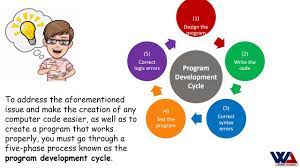
In programming development, the process typically involves several key steps to ensure the successful creation and implementation of software solutions. The 7 steps in program development commonly include: 1) Understanding the problem or requirements, 2) Planning and designing the solution, 3) Writing code to implement the solution, 4) Testing the code for errors and bugs, 5) Debugging and fixing issues, 6) Documenting the code and system for future reference, and 7) Deploying the final product. Each step plays a crucial role in the development lifecycle, guiding developers through a structured approach to deliver efficient and reliable software applications.

What is programming and development?

Programming and development refer to the process of creating software applications, websites, and digital solutions using programming languages and tools. Programming involves writing code that instructs computers to perform specific tasks, while development encompasses the entire lifecycle of a software project, including planning, designing, coding, testing, and deploying the final product. In essence, programming and development are essential disciplines that enable us to harness the power of technology to solve problems, automate processes, and innovate in today’s digital age.

What is development in programming?

Development in programming refers to the process of creating, designing, implementing, and maintaining software applications or systems using programming languages and tools. It involves translating a concept or idea into a functional and executable program that can perform specific tasks or solve particular problems. Development in programming encompasses various stages, including planning, coding, testing, debugging, and deployment. Developers play a crucial role in the development process by writing code, building algorithms, integrating components, and ensuring that the software meets the desired requirements and objectives. Overall, development in programming is a systematic and iterative approach to building software solutions that drive innovation and enhance user experiences in the digital landscape.

What is the difference between programming and software development?

The key distinction between programming and software development lies in their scope and focus. Programming primarily involves writing code to create specific functionalities within a software application or system. It focuses on the technical aspects of implementing algorithms, logic, and instructions to achieve desired outcomes. On the other hand, software development encompasses a broader process that includes not only programming but also planning, designing, testing, and maintaining software products or systems. Software development involves a more comprehensive approach that considers the entire lifecycle of a software project, from conceptualization to deployment and ongoing support. In essence, while programming is a fundamental component of software development, the latter involves a more holistic view that incorporates various disciplines and stages beyond just writing code.

sw development

Mastering the Art of Software Development: Building a Digital Future

The Importance of Software Development in Today’s Digital World

The Importance of Software Development in Today’s Digital World

In today’s fast-paced and technology-driven world, software development plays a crucial role in shaping our daily lives. From the applications we use on our smartphones to the complex systems that power businesses and industries, software development is at the core of modern innovation.

Driving Innovation and Efficiency

Software development enables businesses to create custom solutions that meet their specific needs and challenges. Whether it’s developing a new mobile app to reach customers or implementing a sophisticated data analysis system to improve decision-making, software developers are instrumental in driving innovation and efficiency across various sectors.

Enhancing User Experience

Good software development focuses on creating user-friendly interfaces and seamless experiences for end-users. By understanding user behavior and preferences, developers can design applications that are intuitive, responsive, and engaging. This emphasis on user experience is key to the success of any software product in today’s competitive market.

Adapting to Changing Technologies

Technology is constantly evolving, and software developers must stay abreast of the latest trends and tools to remain competitive. Whether it’s adopting new programming languages, leveraging cloud computing services, or integrating artificial intelligence into applications, staying current with technological advancements is essential for successful software development.

Collaboration and Problem-Solving

Software development often involves collaboration among team members with diverse skills and expertise. Developers work together to solve complex problems, brainstorm creative solutions, and optimize code for efficiency. This collaborative approach fosters creativity and teamwork, leading to better outcomes for software projects.

The Future of Software Development

As technology continues to advance at a rapid pace, the future of software development looks promising. Emerging technologies such as blockchain, Internet of Things (IoT), and machine learning are opening up new possibilities for developers to create innovative solutions that can transform industries and improve lives.

In conclusion, software development is an essential component of our digital world. From powering everyday applications to driving cutting-edge innovations, software developers play a vital role in shaping the future of technology. As we embrace new challenges and opportunities in the digital age, the importance of software development will only continue to grow.


Top 5 FAQs About Software Development: Languages, Roles, Testing, Life Cycle, and Skill Improvement

  1. What programming languages are commonly used in software development?
  2. What is the difference between frontend and backend development?
  3. How important is testing in the software development process?
  4. What are the key steps involved in the software development life cycle?
  5. How can I improve my skills as a software developer?

What programming languages are commonly used in software development?

In software development, several programming languages are commonly used to create a wide range of applications and systems. Some of the most popular programming languages include Java, Python, C++, JavaScript, and C#. Each language has its strengths and is chosen based on the specific requirements of the project. Java is widely used for building enterprise-level applications, Python is favored for its simplicity and versatility, C++ is known for its performance in system-level programming, JavaScript is essential for web development, and C# is commonly used in building Windows applications. Understanding the strengths and characteristics of these programming languages is crucial for developers to choose the right tool for the job in software development projects.

What is the difference between frontend and backend development?

Frontend and backend development are two essential components of software development that work together to create functional and user-friendly applications. Frontend development focuses on the visible parts of an application that users interact with, such as the user interface, design elements, and overall user experience. On the other hand, backend development involves working on the server-side of the application, handling data storage, processing logic, and server communication. While frontend developers focus on creating a visually appealing and responsive interface, backend developers focus on ensuring that the application functions smoothly behind the scenes. Both frontend and backend development are crucial for building successful software applications that meet user needs and deliver a seamless experience.

How important is testing in the software development process?

Testing plays a critical role in the software development process as it ensures the quality, reliability, and functionality of the final product. By conducting thorough testing at various stages of development, developers can identify and rectify issues early on, reducing the likelihood of bugs or errors in the deployed software. Testing also helps validate that the software meets the specified requirements and performs as intended, ultimately leading to a more robust and user-friendly end product. In essence, testing is essential for delivering high-quality software that meets user expectations and stands up to real-world usage scenarios.

What are the key steps involved in the software development life cycle?

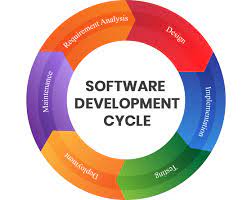
In software development, the software development life cycle (SDLC) consists of several key steps that guide the process from initial concept to final product delivery. The typical steps include requirements gathering and analysis, system design, implementation, testing, deployment, and maintenance. During the requirements gathering phase, developers work closely with stakeholders to understand the project’s objectives and scope. The system design stage involves creating a detailed plan for how the software will function and interact with users. Implementation is where the actual coding takes place based on the design specifications. Testing ensures that the software meets quality standards and functions as intended. Deployment involves releasing the software to users, and maintenance involves ongoing support and updates to ensure optimal performance. Each step in the SDLC is crucial for delivering high-quality software that meets user needs and business requirements effectively.

How can I improve my skills as a software developer?

Improving your skills as a software developer requires dedication, continuous learning, and practical experience. To enhance your expertise, consider engaging in personal projects to apply new concepts and technologies, participating in coding challenges or hackathons to sharpen your problem-solving abilities, and seeking mentorship from experienced developers for guidance and feedback. Additionally, staying updated on industry trends, attending workshops or conferences, and collaborating with peers on collaborative projects can further expand your knowledge and skills in software development. Remember that growth as a software developer is a journey that involves persistence, curiosity, and a willingness to embrace challenges as opportunities for learning and improvement.

developer

Mastering the Art of Becoming a Skilled Developer

The World of Developers

The World of Developers

In today’s digital age, developers play a crucial role in shaping the technological landscape. A developer is a creative problem solver who uses programming languages to build software, websites, applications, and more. They are the architects behind the digital innovations that drive our modern world.

Types of Developers

Developers come in various specialties, each focusing on different aspects of technology:

  • Front-End Developers: These developers specialize in creating the user interface and experience of websites and applications.
  • Back-End Developers: Back-end developers work on the server-side of applications, managing databases and ensuring smooth functionality.
  • Full-Stack Developers: Full-stack developers have expertise in both front-end and back-end development, allowing them to work on all aspects of a project.
  • Mobile App Developers: These developers focus on creating applications specifically for mobile devices, such as smartphones and tablets.
  • Software Engineers: Software engineers design and develop complex software systems, often working on large-scale projects.

The Skills of a Developer

To excel as a developer, one must possess a combination of technical skills and soft skills:

  • Programming Languages: Developers are proficient in languages such as JavaScript, Python, Java, C++, and more.
  • Problem-Solving: Developers are adept at analyzing problems and finding efficient solutions through code.
  • Creativity: Creativity is essential for designing engaging user interfaces and innovative solutions.
  • Collaboration: Developers often work in teams, requiring strong communication and collaboration skills.
  • Continuous Learning: Technology evolves rapidly, so developers must stay updated with the latest trends and tools.

The Future of Development

The demand for skilled developers continues to grow as technology becomes increasingly integrated into every aspect of our lives. From artificial intelligence to blockchain to augmented reality, developers will drive the next wave of innovation that shapes our future. Aspiring developers have a world of opportunities ahead as they embark on their journey to create the technologies that will define tomorrow.


5 Essential Tips for Developers to Enhance Skills and Collaborate Effectively

  1. Stay updated with the latest technologies and trends in the industry.
  2. Practice coding regularly to improve your skills and problem-solving abilities.
  3. Collaborate with other developers to learn from each other and work on projects together.
  4. Document your code properly to make it easier for yourself and others to understand and maintain in the future.
  5. Don’t be afraid to ask for help when you encounter challenges or need guidance.

Staying updated with the latest technologies and trends in the industry is essential for developers to remain competitive and relevant in today’s fast-paced digital landscape. By keeping abreast of new tools, programming languages, and innovations, developers can enhance their skills, stay ahead of the curve, and deliver cutting-edge solutions to meet the ever-evolving needs of clients and users. Continuous learning and adaptation to industry trends not only ensure professional growth but also enable developers to contribute effectively to the advancement of technology.

Practice coding regularly to improve your skills and problem-solving abilities.

To enhance your skills and problem-solving capabilities as a developer, it is essential to practice coding regularly. By consistently engaging in coding exercises and projects, you not only reinforce your understanding of programming concepts but also sharpen your ability to tackle complex problems efficiently. Regular practice not only hones your technical proficiency but also cultivates a mindset of continuous learning and improvement, enabling you to stay ahead in the dynamic field of software development.

Collaborate with other developers to learn from each other and work on projects together.

Collaborating with other developers is a valuable tip that can greatly enhance your skills and knowledge in the field. By working together on projects and sharing insights, you have the opportunity to learn from each other’s experiences, techniques, and perspectives. This collaborative approach not only fosters a sense of community within the developer community but also opens doors to new ideas and innovative solutions that you may not have discovered on your own. Embracing collaboration with fellow developers can lead to personal growth, improved problem-solving abilities, and the creation of more robust and successful projects.

Document your code properly to make it easier for yourself and others to understand and maintain in the future.

Properly documenting your code is a crucial practice for developers to enhance the readability and maintainability of their work. By providing clear and concise comments and explanations within the code, developers not only make it easier for themselves to revisit and understand their own work in the future but also facilitate collaboration with team members or other developers who may need to work on the same codebase. Documentation serves as a roadmap that guides readers through the logic and functionality of the code, ensuring that its purpose and implementation are transparent and comprehensible.

Don’t be afraid to ask for help when you encounter challenges or need guidance.

When navigating the complex world of development, it is essential to remember that asking for help is not a sign of weakness, but rather a demonstration of strength and a commitment to growth. Seeking guidance when faced with challenges can lead to valuable insights, innovative solutions, and personal development. Embracing the opportunity to learn from others in the developer community fosters collaboration, enhances skills, and ultimately contributes to success in overcoming obstacles.

software developers

The Vital Role of Software Developers in Shaping the Digital World

The World of Software Developers

The World of Software Developers

Software developers are the architects behind the digital age. They are the creative minds who design, develop, and maintain software applications that power our modern world. From mobile apps to complex enterprise systems, software developers play a crucial role in shaping our digital landscape.

Roles and Responsibilities

Software developers are skilled professionals with expertise in programming languages, algorithms, and software design. They work closely with stakeholders to understand requirements and translate them into functional code. Their responsibilities include:

  • Writing clean, efficient code
  • Testing and debugging software applications
  • Collaborating with designers and other team members
  • Maintaining and updating existing software
  • Keeping up-to-date with emerging technologies

Skills Required

To excel as a software developer, one needs a combination of technical skills and soft skills. Some key skills required for software developers include:

  • Proficiency in programming languages such as Java, Python, C++, etc.
  • Problem-solving abilities and logical thinking
  • Attention to detail and accuracy
  • Effective communication skills for team collaboration
  • Adaptability to learn new technologies quickly

The Future of Software Development

In today’s fast-paced digital world, the demand for skilled software developers continues to grow. As technology evolves, so do the opportunities for innovation in software development. From artificial intelligence to blockchain technology, software developers are at the forefront of driving technological advancements.

In conclusion, software developers are essential players in the tech industry, shaping the way we interact with technology on a daily basis. Their creativity, problem-solving skills, and dedication contribute to building a more connected and efficient digital world.


8 Essential Tips for Software Developers to Boost Skills and Productivity

  1. Stay updated with the latest technologies and trends.
  2. Practice problem-solving skills regularly.
  3. Collaborate with team members effectively.
  4. Write clean and efficient code.
  5. Seek feedback to improve your work continuously.
  6. Document your code for better understanding and maintenance.
  7. Test your code thoroughly to ensure quality and reliability.
  8. Take breaks to avoid burnout and maintain productivity.

To thrive in the ever-evolving field of software development, it is crucial for developers to stay updated with the latest technologies and trends. By continuously learning and adapting to new advancements, software developers can enhance their skills, remain competitive in the industry, and contribute to cutting-edge innovations. Keeping pace with emerging technologies not only expands one’s knowledge but also opens up opportunities to explore fresh ideas and approaches in software development.

Practice problem-solving skills regularly.

To excel as a software developer, it is crucial to practice problem-solving skills regularly. Problem-solving lies at the core of software development, as developers often encounter complex challenges that require innovative solutions. By honing their problem-solving abilities through consistent practice, developers can enhance their analytical thinking, creativity, and efficiency in addressing coding issues. Regular practice not only sharpens problem-solving skills but also builds confidence and resilience in tackling diverse technical problems encountered in the dynamic field of software development.

Collaborate with team members effectively.

Collaborating effectively with team members is a crucial tip for software developers to enhance productivity and produce high-quality software solutions. By fostering open communication, sharing ideas, and working together towards common goals, software developers can leverage the diverse skills and perspectives of their team to tackle complex challenges and deliver innovative solutions. Effective collaboration not only improves teamwork but also promotes knowledge sharing, creativity, and a supportive work environment where everyone can contribute their best towards achieving success in software development projects.

Write clean and efficient code.

Writing clean and efficient code is a fundamental principle that distinguishes exceptional software developers. By adhering to this tip, developers ensure that their code is not only easy to read and understand but also optimized for performance. Clean code reduces the likelihood of errors, enhances maintainability, and promotes collaboration within development teams. Embracing this practice demonstrates a developer’s commitment to producing high-quality software that meets both functional requirements and industry standards.

Seek feedback to improve your work continuously.

Seeking feedback is a crucial practice for software developers to enhance the quality of their work continuously. By actively soliciting input from colleagues, clients, and users, developers can gain valuable insights into areas for improvement and refine their skills. Constructive feedback not only helps developers identify blind spots or errors in their code but also fosters a culture of collaboration and growth within the development team. Embracing feedback as a tool for continuous improvement empowers software developers to deliver better solutions and stay ahead in an ever-evolving tech landscape.

Document your code for better understanding and maintenance.

When it comes to software development, documenting your code is a crucial practice that can significantly enhance both understanding and maintenance of the software. By providing clear and concise comments within the codebase, developers can offer insights into the logic behind their implementation, making it easier for themselves and others to grasp the functionality of the code. Additionally, well-documented code simplifies future updates and troubleshooting processes, ultimately saving time and effort in the long run. Prioritizing thorough documentation not only improves collaboration among team members but also ensures the sustainability and scalability of the software over time.

Test your code thoroughly to ensure quality and reliability.

Testing code thoroughly is a critical practice for software developers to uphold quality and reliability in their applications. By rigorously testing their code, developers can identify and rectify potential bugs and issues before they impact end-users. Thorough testing not only enhances the overall performance of the software but also instills confidence in its functionality, ensuring a seamless user experience. Embracing a robust testing process is key to delivering high-quality software that meets the expectations of users and stakeholders alike.

Take breaks to avoid burnout and maintain productivity.

Taking breaks is a crucial tip for software developers to prevent burnout and sustain productivity. By stepping away from their screens and giving their minds a rest, developers can recharge and return with renewed focus and creativity. Breaks not only help in maintaining a healthy work-life balance but also contribute to better problem-solving and decision-making. Prioritizing self-care through regular breaks ultimately leads to more efficient and sustainable productivity in the long run.

software making company

Empowering Innovation: The Role of a Leading Software Making Company

Article: Software Making Company

The Role of a Software Making Company in Today’s Digital World

In the fast-paced and ever-evolving digital landscape, software making companies play a crucial role in shaping the way we interact with technology. These companies are at the forefront of innovation, developing cutting-edge solutions that drive efficiency, productivity, and creativity across various industries.

What Does a Software Making Company Do?

A software making company specializes in designing, developing, and maintaining software applications tailored to meet the specific needs of businesses and individuals. Whether it’s creating mobile apps, web applications, enterprise software, or custom solutions, these companies leverage their expertise in coding, design, and project management to deliver high-quality products.

The Importance of Quality Software

In today’s competitive market, having reliable and user-friendly software is essential for staying ahead of the curve. A reputable software making company focuses on delivering products that not only meet but exceed client expectations. Quality software can streamline processes, enhance user experience, and drive business growth.

Collaboration and Innovation

Successful software making companies thrive on collaboration and innovation. By working closely with clients to understand their goals and challenges, these companies can develop customized solutions that address specific needs. Through continuous research and development efforts, they stay abreast of emerging technologies to ensure that their products remain relevant and competitive.

The Future of Software Development

As technology continues to advance at a rapid pace, the role of software making companies will become even more critical. From artificial intelligence and machine learning to blockchain and IoT integration, these companies will be at the forefront of driving digital transformation across industries.

Conclusion

In conclusion, software making companies are instrumental in driving innovation and progress in today’s digital world. Their ability to create bespoke solutions that address unique challenges sets them apart as key players in shaping the future of technology. As businesses and individuals continue to rely on software for everyday tasks, the importance of partnering with a reputable software making company cannot be overstated.


8 Advantages of Partnering with a Leading Software Development Company

  1. Customized solutions tailored to specific business needs
  2. Expertise in a wide range of programming languages and technologies
  3. Ability to streamline processes and improve operational efficiency
  4. Innovative approach to problem-solving and product development
  5. Dedicated support and maintenance services for ongoing software upkeep
  6. Experience in developing scalable and secure applications
  7. Collaborative work environment that fosters creativity and teamwork
  8. Commitment to staying updated with the latest industry trends and technologies


Challenges Faced by Software Development Companies: Navigating Competition, Client Expectations, and Technical Demands

  1. High competition in the industry can make it challenging to stand out.
  2. Managing and meeting client expectations can be demanding and stressful.
  3. Technical issues and bugs in software products may lead to customer dissatisfaction.
  4. Continuous need for upskilling and staying updated with new technologies can be time-consuming.
  5. Tight project deadlines and pressure to deliver on time may impact work-life balance.

Customized solutions tailored to specific business needs

Software making companies excel in providing customized solutions tailored to specific business needs. By understanding the unique requirements and challenges of each client, these companies can develop bespoke software applications that address specific pain points and optimize processes. This personalized approach not only enhances efficiency and productivity but also fosters innovation by providing businesses with tools that align perfectly with their operations. Customized solutions from software making companies empower organizations to achieve their goals more effectively and stay ahead in today’s competitive digital landscape.

Expertise in a wide range of programming languages and technologies

A significant advantage of a software making company is its expertise in a wide range of programming languages and technologies. This proficiency allows the company to adapt to diverse project requirements and deliver tailored solutions that leverage the most suitable tools for the job. By staying abreast of the latest advancements in programming languages and technologies, the company can offer innovative and efficient software development services that meet the evolving needs of clients across various industries.

Ability to streamline processes and improve operational efficiency

Software making companies offer a significant advantage in their ability to streamline processes and enhance operational efficiency. By developing custom software solutions tailored to specific business needs, these companies can automate tasks, eliminate manual errors, and optimize workflows. This not only saves time and resources but also improves overall productivity within an organization. With streamlined processes in place, businesses can operate more efficiently, make better-informed decisions, and ultimately achieve greater success in today’s competitive market.

Innovative approach to problem-solving and product development

Software making companies bring immense value through their innovative approach to problem-solving and product development. By leveraging cutting-edge technologies and creative thinking, these companies can tackle complex challenges with unique solutions. Their ability to think outside the box and push the boundaries of traditional software development leads to the creation of groundbreaking products that meet the evolving needs of clients and users. This innovative mindset not only sets software making companies apart in a competitive market but also drives continuous improvement and advancement in the tech industry as a whole.

Dedicated support and maintenance services for ongoing software upkeep

One significant advantage of partnering with a software making company is the provision of dedicated support and maintenance services for ongoing software upkeep. This ensures that businesses and individuals can rely on prompt assistance in case of any issues or updates needed for their software applications. With a team of experts ready to address maintenance tasks and provide timely support, clients can have peace of mind knowing that their software will continue to function smoothly and efficiently over time, allowing them to focus on their core operations without worrying about technical disruptions.

Experience in developing scalable and secure applications

With expertise in developing scalable and secure applications, a software making company ensures that clients receive solutions that can grow with their needs while maintaining robust security measures. By leveraging their experience in building applications that can handle increasing workloads and data volumes, these companies provide peace of mind to clients knowing that their software is not only adaptable but also well-protected against potential threats. The focus on scalability and security underscores the commitment of a software making company to deliver high-quality, future-proof solutions that meet the evolving demands of the digital landscape.

Collaborative work environment that fosters creativity and teamwork

A key advantage of a software making company is its collaborative work environment that fosters creativity and teamwork. By encouraging open communication and idea-sharing among team members, such companies create a dynamic atmosphere where innovation thrives. Collaborative projects not only bring together diverse perspectives and skill sets but also promote a sense of camaraderie and mutual support, leading to the development of innovative solutions that address complex challenges effectively. This collaborative culture not only enhances productivity but also nurtures a sense of belonging and shared achievement among employees, ultimately driving the company’s success in delivering high-quality software products.

One notable advantage of a software making company is its unwavering commitment to staying updated with the latest industry trends and technologies. By continuously researching and integrating cutting-edge advancements into their practices, these companies ensure that they deliver innovative and relevant solutions to their clients. This commitment not only enhances the quality of their products but also positions them as industry leaders who can adapt to evolving technology landscapes, ultimately providing clients with state-of-the-art software that meets their current and future needs.

High competition in the industry can make it challenging to stand out.

In the software making industry, one significant challenge that companies face is the high level of competition. With numerous players vying for market share and attention, standing out can be a daunting task. Differentiating oneself from competitors and showcasing unique value propositions becomes crucial in such a crowded landscape. Companies must invest in innovative solutions, exceptional customer service, and effective marketing strategies to overcome this obstacle and carve a niche for themselves in the fiercely competitive software market.

Managing and meeting client expectations can be demanding and stressful.

Managing and meeting client expectations in the software making industry can be demanding and stressful. Clients often have varying needs, preferences, and timelines, making it challenging to align their expectations with project deliverables. Additionally, changes in requirements or unforeseen obstacles during development can further complicate the process. Software making companies must navigate these challenges with effective communication, meticulous planning, and a proactive approach to ensure that client expectations are not only met but exceeded.

Technical issues and bugs in software products may lead to customer dissatisfaction.

Technical issues and bugs in software products can significantly impact customer satisfaction. When users encounter glitches or malfunctions in the software they rely on, it can disrupt their workflow, cause frustration, and erode trust in the product and the company that developed it. Customers expect smooth and error-free performance from software solutions, and any technical issues that arise may result in negative feedback, decreased user engagement, and ultimately lead to a loss of business opportunities. Addressing these challenges promptly and effectively is crucial for software making companies to maintain a positive reputation and retain loyal customers.

Continuous need for upskilling and staying updated with new technologies can be time-consuming.

One significant drawback of being part of a software making company is the continuous need for upskilling and staying updated with new technologies, which can be a time-consuming endeavor. As the tech industry evolves rapidly, professionals in this field must invest significant time and effort in learning new programming languages, tools, and methodologies to remain competitive. This constant cycle of learning and adaptation can be demanding, requiring individuals to stay abreast of the latest trends and innovations to ensure their skills remain relevant in an ever-changing landscape.

Tight project deadlines and pressure to deliver on time may impact work-life balance.

Tight project deadlines and the pressure to deliver on time can significantly impact the work-life balance of employees within a software making company. The constant need to meet strict timelines and project milestones often leads to long working hours, increased stress levels, and a blurred boundary between work and personal life. This intense pressure can result in burnout, decreased productivity, and overall dissatisfaction among team members, highlighting the importance of promoting a healthy work-life balance within the organization.