cfchris.com

Loading

softwaredeveloper

The Essential Role of a Software Developer in Today’s Tech-driven World

The Role of a Software Developer in Today’s Digital World

The Role of a Software Developer in Today’s Digital World

In today’s rapidly evolving digital landscape, software developers play a crucial role in shaping the technology that powers our daily lives. From mobile apps to complex enterprise systems, software developers are the masterminds behind the code that drives innovation and efficiency.

What Does a Software Developer Do?

A software developer is responsible for designing, coding, testing, and maintaining software applications. They work closely with stakeholders to understand requirements and develop solutions that meet specific needs. Software developers utilize various programming languages and tools to create functional and user-friendly applications.

Skills Required for Software Development

To excel as a software developer, one must possess a combination of technical skills, problem-solving abilities, and creativity. Some essential skills for software development include proficiency in programming languages such as Java, Python, C++, or JavaScript, knowledge of database management systems, and familiarity with development frameworks.

The Importance of Software Developers

Software developers are instrumental in driving digital transformation across industries. They enable businesses to streamline operations, enhance customer experiences, and stay competitive in the market. The innovative solutions created by software developers have revolutionized how we communicate, work, shop, and interact with the world around us.

Future Outlook for Software Developers

As technology continues to advance at a rapid pace, the demand for skilled software developers is expected to grow. From artificial intelligence to cybersecurity and cloud computing, new opportunities are emerging for software developers to make significant contributions to society.

In conclusion, software developers are at the forefront of technological innovation, driving progress and shaping the future of our digital world. Their expertise and dedication play a vital role in creating solutions that improve efficiency, connectivity, and convenience for individuals and organizations alike.


7 Common Questions About Becoming a Software Developer: Skills, Salaries, and Career Insights

  1. What does a software developer do?
  2. What skills are required to become a software developer?
  3. How much does a software developer earn on average?
  4. What programming languages should a software developer know?
  5. What is the difference between a software developer and a software engineer?
  6. What are the typical responsibilities of a software developer?
  7. How can someone become a successful software developer?

What does a software developer do?

A software developer is responsible for designing, coding, testing, and maintaining software applications. They collaborate with stakeholders to understand requirements and develop solutions that meet specific needs. Utilizing various programming languages and tools, software developers create functional and user-friendly applications that drive innovation and efficiency in today’s digital world. Their role involves translating ideas into code, troubleshooting issues, and continuously improving software to meet evolving demands. Through their expertise and problem-solving skills, software developers play a critical role in shaping technology solutions that enhance user experiences and drive business success.

What skills are required to become a software developer?

To become a successful software developer, a combination of technical skills, problem-solving abilities, and creativity is essential. Proficiency in programming languages such as Java, Python, C++, or JavaScript is crucial. Additionally, knowledge of database management systems and familiarity with development frameworks are important for creating functional and user-friendly applications. Strong communication skills, attention to detail, and a passion for continuous learning are also key traits that can help aspiring software developers excel in their field.

How much does a software developer earn on average?

The average salary of a software developer can vary depending on factors such as experience, location, industry, and specific skills. In the United States, the median annual wage for software developers was around $110,140 in 2020, according to the Bureau of Labor Statistics. However, entry-level positions may offer lower salaries while senior developers with specialized expertise can earn significantly higher incomes. It’s important to note that salaries for software developers are competitive and tend to reflect the high demand for skilled professionals in the tech industry.

What programming languages should a software developer know?

When considering the question of which programming languages a software developer should know, it is essential to understand that the choice of languages can vary depending on the specific field and project requirements. However, some commonly recommended programming languages for software developers include Java, Python, C++, JavaScript, and SQL. Java is widely used for building enterprise applications, while Python is favored for its simplicity and versatility in tasks such as data analysis and machine learning. C++ is commonly used in system programming and game development, while JavaScript is essential for web development. SQL is crucial for database management and querying. Ultimately, a well-rounded software developer may benefit from proficiency in a combination of these languages to tackle diverse projects effectively.

What is the difference between a software developer and a software engineer?

When it comes to the distinction between a software developer and a software engineer, the terms are often used interchangeably, leading to confusion. While both roles involve designing, coding, and testing software applications, there are subtle differences in their focus and responsibilities. A software developer typically concentrates on the development of specific features or components within an application, focusing more on coding and implementation. On the other hand, a software engineer tends to take a broader approach, considering the entire software development lifecycle, including design, architecture, testing, and maintenance. Software engineers often have a more strategic role in planning and executing complex projects, while software developers may be more hands-on in writing code to meet specific requirements. Ultimately, both roles are essential in creating functional and user-friendly software solutions that drive innovation and efficiency in today’s digital world.

What are the typical responsibilities of a software developer?

Software developers typically have a wide range of responsibilities that revolve around designing, developing, testing, and maintaining software applications. They collaborate with stakeholders to gather requirements, create technical specifications, and write code using various programming languages. Software developers also conduct thorough testing to ensure the functionality and performance of the software meet quality standards. Additionally, they often troubleshoot issues, implement updates and enhancements, and stay current with industry trends to continuously improve their skills and deliver innovative solutions.

How can someone become a successful software developer?

To become a successful software developer, one must first acquire a strong foundation in programming languages and software development principles. Continuous learning and staying updated with the latest technologies are essential in this fast-paced industry. Building practical experience through coding projects, internships, and collaboration with peers can help hone skills and problem-solving abilities. Effective communication, teamwork, and adaptability are also key traits that contribute to success in software development. Embracing challenges, seeking feedback, and being open to learning from mistakes are crucial for personal growth and career advancement in this dynamic field.

hackerrank java

Unlock Your Potential with HackerRank Java: Mastering Java Programming Skills

The Power of HackerRank Java: Mastering Java Programming Skills

The Power of HackerRank Java: Mastering Java Programming Skills

HackerRank Java is a platform that offers a wide range of coding challenges and exercises specifically designed to help programmers enhance their Java skills. Whether you are a beginner looking to learn Java or an experienced developer aiming to sharpen your programming abilities, HackerRank Java provides the perfect environment for practice and improvement.

One of the key features of HackerRank Java is its extensive collection of coding challenges that cover various topics and difficulty levels. From basic syntax exercises to advanced algorithms and data structures problems, there is something for everyone on the platform. By solving these challenges, programmers can not only test their knowledge but also learn new concepts and techniques along the way.

Another benefit of using HackerRank Java is the opportunity to participate in coding competitions and hackathons. These events allow programmers to showcase their skills, compete with others, and earn recognition for their achievements. The competitive aspect adds an extra layer of excitement and motivation, pushing participants to continually improve their coding abilities.

Furthermore, HackerRank Java provides detailed explanations and discussions for each challenge solution. This feature is invaluable for learners who want to understand the reasoning behind different approaches and learn best practices in Java programming. By studying these explanations, programmers can gain insights into efficient coding techniques and improve their problem-solving skills.

In conclusion, HackerRank Java is a powerful tool for mastering Java programming skills. Whether you are looking to enhance your knowledge, practice coding regularly, or prepare for technical interviews, this platform offers a wealth of resources to support your learning journey. With dedication and consistent practice on HackerRank Java, you can become a proficient Java programmer capable of tackling any coding challenge with confidence.


9 Essential Tips for Mastering Java on HackerRank

  1. Practice Java fundamentals regularly.
  2. Solve problems in different categories to improve your skills.
  3. Read and understand the problem statement carefully before attempting to solve it.
  4. Use proper naming conventions for classes, variables, and methods.
  5. Write clean and well-structured code for better readability.
  6. Utilize built-in data structures and algorithms effectively.
  7. Debug your code thoroughly to fix any errors or bugs.
  8. Optimize your solutions for better time and space complexity.
  9. Participate in coding contests to challenge yourself and learn from others.

Practice Java fundamentals regularly.

To excel in Java programming on HackerRank, it is essential to practice Java fundamentals regularly. By reinforcing your understanding of core concepts such as syntax, data types, loops, and functions through consistent practice, you can build a strong foundation for solving more complex coding challenges effectively. Regular practice not only helps you maintain and improve your Java skills but also boosts your confidence in tackling various programming tasks with ease. Remember, mastering the fundamentals is key to becoming a proficient Java programmer on platforms like HackerRank.

Solve problems in different categories to improve your skills.

To enhance your Java programming skills on HackerRank, it is beneficial to solve problems across various categories. By tackling challenges in different areas such as algorithms, data structures, and problem-solving, you can broaden your knowledge and develop a versatile skill set. Diversifying the types of problems you solve not only exposes you to a wider range of concepts but also helps you become a well-rounded programmer capable of approaching different coding tasks with creativity and confidence. Embracing diversity in problem-solving categories on HackerRank Java is key to continuous learning and skill improvement in the world of programming.

Read and understand the problem statement carefully before attempting to solve it.

When using HackerRank Java, it is crucial to read and understand the problem statement carefully before attempting to solve it. By taking the time to grasp the requirements and constraints of the challenge, programmers can ensure that their solution addresses the core objectives effectively. This approach not only helps in avoiding misunderstandings or mistakes but also guides developers towards formulating a clear and strategic plan to tackle the problem efficiently. Ultimately, paying attention to the problem statement sets a strong foundation for success in solving coding challenges on HackerRank Java.

Use proper naming conventions for classes, variables, and methods.

Using proper naming conventions for classes, variables, and methods is essential in Java programming to enhance code readability and maintainability. By following consistent naming practices, such as using meaningful and descriptive names that reflect the purpose of each element, developers can easily understand the functionality of the code without extensive comments or documentation. Clear and concise naming conventions not only make the code more accessible to others but also improve collaboration among team members working on the same project. Adhering to these conventions in HackerRank Java challenges ensures that your code is well-structured and easy to follow, leading to more efficient problem-solving and better overall coding practices.

Write clean and well-structured code for better readability.

When using HackerRank Java, it is essential to prioritize writing clean and well-structured code to enhance readability. By organizing your code logically and following best practices, such as using meaningful variable names and proper indentation, you not only make your code easier to understand for others but also for yourself. Clear and concise code improves maintainability, reduces errors, and enhances collaboration with fellow programmers. Emphasizing clean coding practices on HackerRank Java can help you develop a disciplined approach to programming that will benefit you in all aspects of your software development journey.

Utilize built-in data structures and algorithms effectively.

To excel in HackerRank Java, it is crucial to harness the power of built-in data structures and algorithms effectively. By leveraging the array of pre-existing tools within Java, programmers can streamline their coding process, optimize performance, and solve complex problems with greater efficiency. Understanding when and how to use these built-in data structures and algorithms not only enhances code readability but also demonstrates a mastery of fundamental programming concepts. Embracing these resources empowers developers to tackle challenges on HackerRank Java with precision and finesse, elevating their skills to new heights.

Debug your code thoroughly to fix any errors or bugs.

When using HackerRank Java, it is essential to dedicate time to debug your code thoroughly in order to identify and fix any errors or bugs. Debugging plays a crucial role in the coding process as it helps ensure that your program functions correctly and produces the desired output. By carefully examining your code, testing different scenarios, and tracing the execution flow, you can pinpoint issues and implement effective solutions. Taking the time to debug your code not only improves the quality of your programming but also enhances your problem-solving skills and overall proficiency in Java development.

Optimize your solutions for better time and space complexity.

When using HackerRank Java, it is crucial to optimize your solutions for better time and space complexity. By focusing on efficiency in your code, you can enhance the performance of your solutions and tackle coding challenges more effectively. Paying attention to optimizing algorithms and data structures can lead to faster execution times and reduced memory usage, ultimately improving the overall quality of your programming solutions. Prioritizing optimization not only demonstrates your proficiency as a Java programmer but also equips you with the skills needed to excel in competitive coding environments.

Participate in coding contests to challenge yourself and learn from others.

Participating in coding contests on HackerRank Java is a valuable tip to challenge yourself and enhance your programming skills. These contests not only provide a competitive environment to test your abilities but also offer a great opportunity to learn from others. By engaging with fellow participants, observing different coding approaches, and analyzing solutions, you can gain valuable insights, expand your knowledge, and improve your problem-solving techniques. Embracing the challenge of coding contests on HackerRank Java can help you grow as a programmer and strengthen your confidence in tackling diverse coding problems effectively.

programming

Mastering the Art of Programming: A Path to Digital Success

The Power of Programming

The Power of Programming

Programming is the art of giving instructions to a computer to perform specific tasks. It is a creative and logical process that lies at the heart of all modern technology.

With programming, we can create software applications, websites, games, mobile apps, and much more. It allows us to automate repetitive tasks, analyze data, and solve complex problems efficiently.

Why Learn Programming?

Learning programming opens up a world of opportunities. It equips you with valuable skills that are in high demand in today’s digital age. Whether you are a student, a professional looking to advance your career, or someone interested in technology, learning to code can benefit you in many ways.

Key Benefits of Programming:

  • Creative Expression: Programming allows you to bring your ideas to life and create innovative solutions.
  • Critical Thinking: Coding challenges your problem-solving skills and enhances your logical thinking abilities.
  • Career Opportunities: Proficiency in programming opens doors to various career paths in software development, data science, cybersecurity, and more.
  • Empowerment: Knowing how to code gives you the power to build tools that can make a difference in the world.
  • Futuristic Skills: As technology continues to evolve rapidly, programming skills will be increasingly valuable across industries.

Popular Programming Languages

There are numerous programming languages available, each suited for different purposes. Some popular languages include:

  • JavaScript
  • Python
  • Java
  • C++
  • Ruby

No matter which language you choose to learn, the fundamentals of programming remain consistent across all languages. Start your coding journey today and unlock the endless possibilities that programming has to offer!


Top 5 Frequently Asked Questions About Programming for Beginners

  1. What is programming and why is it important?
  2. Which programming language should I learn first?
  3. How can I improve my coding skills?
  4. What are the key differences between front-end and back-end development?
  5. Is it necessary to have a computer science degree to become a programmer?

What is programming and why is it important?

Programming is the process of creating sets of instructions that enable a computer to perform specific tasks. It is a fundamental skill in today’s digital world, essential for developing software applications, websites, and other technological solutions. Programming allows individuals to automate tasks, analyze data, and solve complex problems efficiently. Understanding programming not only empowers individuals to bring their ideas to life but also opens up a wide range of career opportunities in fields such as software development, data science, cybersecurity, and more. In essence, programming is the language of technology that drives innovation and shapes the future of our interconnected world.

Which programming language should I learn first?

When faced with the question of which programming language to learn first, it’s important to consider your goals and interests. For beginners, languages like Python and JavaScript are often recommended due to their readability and versatility. Python is known for its simplicity and is widely used in various fields such as web development, data science, and automation. On the other hand, JavaScript is essential for front-end web development and offers a solid foundation for building interactive websites. Ultimately, the best language to start with is one that aligns with your learning objectives and future aspirations in the vast world of programming.

How can I improve my coding skills?

To improve your coding skills, consistent practice and continuous learning are key. Engage in coding challenges, work on personal projects, and collaborate with other programmers to enhance your problem-solving abilities and expand your knowledge. Additionally, seek feedback on your code, analyze and refactor your solutions, and stay updated on the latest trends and best practices in the programming world. Remember that improvement takes time and dedication, so stay motivated and embrace challenges as opportunities for growth in your coding journey.

What are the key differences between front-end and back-end development?

In the realm of programming, a commonly asked question revolves around the distinctions between front-end and back-end development. Front-end development focuses on the user interface and user experience aspects of a website or application, dealing with how content is presented and interacted with by users. On the other hand, back-end development involves the server-side logic and database management that power the functionality of the front end. While front-end developers work with technologies like HTML, CSS, and JavaScript to create visually appealing interfaces, back-end developers use languages such as Python, Java, or PHP to handle data processing and server operations. Understanding these key differences is essential for individuals looking to specialize in either front-end or back-end development roles within the field of programming.

Is it necessary to have a computer science degree to become a programmer?

Many aspiring programmers often wonder if having a computer science degree is necessary to pursue a career in programming. While a computer science degree can provide a strong foundation in programming concepts and theory, it is not always a strict requirement to become a successful programmer. Many self-taught programmers and individuals from diverse educational backgrounds have excelled in the field through hands-on experience, online resources, coding bootcamps, and continuous learning. Ultimately, what matters most is your passion for coding, dedication to learning, problem-solving skills, and ability to adapt to new technologies in the ever-evolving world of programming.

entry level software engineer

Exploring the Path to Becoming an Entry Level Software Engineer

Article: Entry Level Software Engineer

The Role of an Entry Level Software Engineer

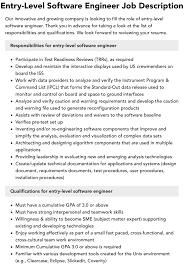
Software engineering is a dynamic and rapidly growing field that offers endless opportunities for individuals looking to kickstart their career in technology. As an entry level software engineer, you play a crucial role in developing, testing, and maintaining software applications that power our digital world.

Responsibilities of an Entry Level Software Engineer

As an entry level software engineer, your responsibilities may include:

  • Assisting in the design and development of software applications
  • Writing code following best practices and coding standards
  • Participating in code reviews and debugging sessions
  • Collaborating with senior developers and team members on projects
  • Testing and documenting software to ensure quality and reliability
  • Learning new technologies and tools to enhance your skills

Skills Required for Entry Level Software Engineers

To excel as an entry level software engineer, you should possess the following skills:

  • Proficiency in programming languages such as Java, Python, C++, or JavaScript
  • Understanding of software development principles and methodologies
  • Problem-solving abilities and attention to detail
  • Strong communication and teamwork skills
  • Ability to learn quickly and adapt to new technologies

Career Growth Opportunities for Entry Level Software Engineers

Starting as an entry level software engineer opens up a world of possibilities for career advancement. With dedication, continuous learning, and hands-on experience, you can progress to roles such as senior software engineer, technical lead, project manager, or even pursue specialization in areas like artificial intelligence, cybersecurity, or mobile app development.

If you are passionate about technology and eager to make a difference through innovative solutions, a career as an entry level software engineer could be the perfect starting point for your journey in the exciting world of software development.


7 Essential Tips for Aspiring Entry-Level Software Engineers

  1. Focus on building a strong foundation in programming languages like Java, Python, or C++.
  2. Practice problem-solving skills through coding challenges and projects.
  3. Seek internships or co-op opportunities to gain real-world experience.
  4. Stay updated with the latest industry trends and technologies.
  5. Build a portfolio showcasing your projects and contributions.
  6. Network with professionals in the field to expand your opportunities.
  7. Continuously learn and improve your skills to advance in your career.

Focus on building a strong foundation in programming languages like Java, Python, or C++.

To succeed as an entry level software engineer, it is essential to focus on building a solid foundation in programming languages such as Java, Python, or C++. These languages are widely used in the industry and mastering them will not only enhance your coding skills but also open up a myriad of opportunities for career growth. By dedicating time and effort to learning these fundamental languages, you can establish a strong technical base that will serve as a solid platform for your future success in the field of software engineering.

Practice problem-solving skills through coding challenges and projects.

To excel as an entry level software engineer, it is essential to hone your problem-solving skills through engaging in coding challenges and projects. By tackling real-world problems and implementing solutions through coding, you not only enhance your technical abilities but also develop a strategic mindset that is invaluable in the software development field. Practice not only sharpens your coding proficiency but also fosters creativity and critical thinking, preparing you for the diverse challenges you may encounter in your career as a software engineer.

Seek internships or co-op opportunities to gain real-world experience.

Seeking internships or co-op opportunities is a valuable tip for entry level software engineers looking to gain real-world experience. These hands-on experiences provide invaluable insights into the industry, allowing individuals to apply their knowledge in practical settings, collaborate with seasoned professionals, and build a strong foundation for their future careers. By participating in internships or co-op programs, entry level software engineers can enhance their skills, expand their networks, and increase their marketability in the competitive tech job market.

It is essential for entry level software engineers to stay updated with the latest industry trends and technologies. By keeping abreast of advancements in the field, such as new programming languages, development tools, and best practices, you can enhance your skills, remain competitive in the job market, and contribute effectively to innovative projects. Continuous learning and adaptation to emerging technologies are key factors in building a successful career as a software engineer.

Build a portfolio showcasing your projects and contributions.

Building a portfolio showcasing your projects and contributions is a valuable tip for entry level software engineers. A well-curated portfolio not only demonstrates your technical skills but also highlights your creativity, problem-solving abilities, and passion for software development. By showcasing real-world projects you have worked on, whether personal or during internships or academic projects, you provide potential employers with tangible evidence of your capabilities and dedication to the field. A strong portfolio can set you apart from other candidates and increase your chances of landing exciting opportunities in the competitive tech industry.

Network with professionals in the field to expand your opportunities.

Networking with professionals in the field is a valuable tip for entry level software engineers looking to expand their opportunities. Building connections with experienced individuals can provide insights, mentorship, and potential job leads that may not be advertised elsewhere. By engaging with professionals in the industry, entry level software engineers can gain valuable knowledge, stay updated on trends, and create a supportive network that can help propel their career forward.

Continuously learn and improve your skills to advance in your career.

To advance in your career as an entry level software engineer, it is crucial to continuously learn and improve your skills. Embracing a mindset of lifelong learning not only keeps you updated with the latest technologies and trends in the industry but also enhances your problem-solving abilities and adaptability. By seeking out opportunities for professional development, such as online courses, workshops, and mentorship programs, you can strengthen your expertise and position yourself for growth within the field of software engineering. Remember, investing in your skills today paves the way for a successful and fulfilling career tomorrow.

coding

Mastering the Art of Coding: A Path to Digital Excellence

The World of Coding

The World of Coding

Coding, also known as programming, is the art of giving instructions to a computer to perform specific tasks. It is a fundamental skill in today’s digital age and plays a crucial role in shaping our technological landscape.

Through coding, developers create software, websites, mobile apps, and much more. It involves using programming languages such as HTML, CSS, JavaScript, Python, Java, and many others to communicate with computers and solve real-world problems.

Coding requires logical thinking, problem-solving skills, and attention to detail. It empowers individuals to create innovative solutions and bring their ideas to life in the digital realm.

The Importance of Learning to Code

Learning to code opens up a world of opportunities. It not only enhances your problem-solving abilities but also improves your creativity and critical thinking skills. In today’s job market, coding skills are highly sought after across various industries.

Moreover, coding allows you to automate repetitive tasks, analyze data efficiently, and build tools that can make a positive impact on society. Whether you aspire to become a software engineer, web developer, data scientist, or entrepreneur, coding is a valuable skill that can help you achieve your goals.

The Future of Coding

As technology continues to advance rapidly, the demand for skilled coders will only increase. With emerging fields such as artificial intelligence, machine learning, and blockchain gaining prominence, coding will play an even more significant role in shaping the future.

By staying curious and continuously learning new languages and frameworks, coders can stay ahead of the curve and adapt to ever-evolving technologies. The possibilities in the world of coding are endless – from creating virtual reality experiences to building smart devices that improve our daily lives.

Conclusion

Coding is not just about writing lines of code; it is about unlocking creativity and solving complex problems with technology. Whether you are a beginner or an experienced coder, embracing the world of coding opens up endless opportunities for growth and innovation.


Top 6 Frequently Asked Questions About Coding

  1. What is coding?
  2. Why is coding important?
  3. How do I start learning to code?
  4. Which programming language should I learn first?
  5. What are the common challenges faced by beginner coders?
  6. How can coding skills benefit my career?

What is coding?

Coding, also known as programming, is the process of creating sets of instructions that computers can understand and execute. It involves using specific programming languages to develop software, websites, applications, and more. Coding is essential in modern technology as it enables developers to solve problems, automate tasks, and bring innovative ideas to life in the digital world. By learning how to code, individuals gain the ability to communicate with machines effectively and create solutions that can have a significant impact on various industries and aspects of daily life.

Why is coding important?

Understanding why coding is important is crucial in today’s digital age. Coding serves as the backbone of technology, enabling us to create software, websites, apps, and more. It empowers individuals to solve complex problems, automate tasks, and innovate in various fields. With coding skills, individuals can pursue rewarding careers in tech-related industries and contribute to technological advancements that shape our world. In essence, coding is essential for driving innovation, fostering creativity, and building a future where technology plays a central role in our daily lives.

How do I start learning to code?

Embarking on the journey to learn coding can be both exciting and daunting for beginners. To start learning to code, it is essential to first identify your goals and interests within the vast field of programming. Begin by selecting a programming language that aligns with your objectives, such as Python for versatility or JavaScript for web development. Utilize online resources like coding tutorials, interactive platforms, and online courses to grasp the basics and build a solid foundation. Practice regularly, work on small projects, seek guidance from coding communities, and don’t be afraid to make mistakes – as they are crucial for learning and growth in the world of coding. Remember, persistence and dedication are key when embarking on your coding journey.

Which programming language should I learn first?

When it comes to the frequently asked question of which programming language to learn first, the answer often depends on your goals and interests. Beginners are commonly advised to start with languages like Python or JavaScript due to their readability and versatility. Python is known for its simplicity and is widely used in various fields such as web development, data analysis, and artificial intelligence. On the other hand, JavaScript is essential for front-end web development and allows you to create interactive websites. Ultimately, the best programming language to learn first is one that aligns with your objectives and motivates you to explore the vast world of coding.

What are the common challenges faced by beginner coders?

Beginner coders often encounter common challenges as they embark on their coding journey. One of the main hurdles is grasping the fundamental concepts of programming, such as syntax and logic, which can be overwhelming at first. Additionally, debugging errors and troubleshooting code can be frustrating for beginners who are still learning how to identify and fix issues in their programs. Another challenge is staying motivated and persistent when faced with complex problems or projects that may seem daunting. However, with patience, practice, and a willingness to learn from mistakes, beginner coders can overcome these challenges and gradually build their coding skills and confidence.

How can coding skills benefit my career?

Having coding skills can significantly benefit your career in various ways. Firstly, coding skills are highly sought after in today’s job market across a wide range of industries, from technology to finance to healthcare. By being proficient in coding, you open up opportunities to pursue roles as a software developer, web designer, data analyst, or even a digital marketer. Coding skills also enhance your problem-solving abilities and logical thinking, making you more adaptable and efficient in tackling complex challenges. Additionally, with the increasing emphasis on automation and digital transformation, having coding skills can future-proof your career and make you a valuable asset in any organization looking to innovate and stay competitive in the digital age.

full stack software engineer

The Versatile Role of a Full Stack Software Engineer in Modern Development

Article: Full Stack Software Engineer

The Role of a Full Stack Software Engineer

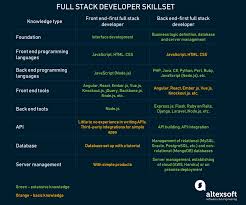
In the dynamic field of software development, the role of a full stack software engineer has gained significant importance. A full stack software engineer is a versatile professional who possesses expertise in both front-end and back-end technologies, allowing them to work on all aspects of web application development.

Front-End Development

On the front-end side, a full stack software engineer is responsible for creating user-friendly interfaces that enhance user experience. They utilize technologies such as HTML, CSS, and JavaScript to design and implement interactive web pages that are visually appealing and responsive.

Back-End Development

When it comes to back-end development, a full stack software engineer works with server-side languages like Java, Python, or Node.js to build robust and scalable web applications. They are involved in designing databases, writing APIs, and ensuring the smooth functioning of the application’s server-side logic.

Integration and Deployment

One of the key responsibilities of a full stack software engineer is to integrate front-end and back-end components seamlessly. They are proficient in version control systems like Git and have experience deploying applications on cloud platforms such as AWS or Azure.

Problem-Solving Skills

A successful full stack software engineer possesses strong problem-solving skills and can troubleshoot issues across the entire application stack. They are adept at identifying bugs, optimizing performance, and implementing efficient solutions to complex technical challenges.

Continuous Learning

Given the rapid evolution of technology in the software industry, a full stack software engineer must be committed to continuous learning. Staying updated with new frameworks, tools, and best practices is essential for excelling in this role.

Conclusion

In conclusion, a full stack software engineer plays a crucial role in developing modern web applications by bridging the gap between front-end and back-end technologies. Their versatility, problem-solving abilities, and commitment to learning make them valuable assets in today’s tech-driven world.


7 Frequently Asked Questions About Full Stack Software Engineers: Skills, Roles, and Career Insights

  1. What is a full stack software engineer?
  2. What are the key skills required to become a full stack software engineer?
  3. What are the differences between front-end and back-end development for a full stack software engineer?
  4. How does a full stack software engineer contribute to web application development?
  5. What tools and technologies are commonly used by full stack software engineers?
  6. How can someone transition into a career as a full stack software engineer?
  7. What are the common challenges faced by full stack software engineers in their day-to-day work?

What is a full stack software engineer?

A full stack software engineer is a versatile professional who possesses expertise in both front-end and back-end technologies, enabling them to work on all aspects of web application development. In essence, a full stack software engineer is proficient in designing user-friendly interfaces using technologies like HTML, CSS, and JavaScript for the front-end, while also being skilled in server-side languages such as Java, Python, or Node.js for the back-end. This comprehensive skill set allows them to integrate and deploy web applications seamlessly, troubleshoot technical issues across the entire application stack, and adapt to the ever-evolving landscape of software development.

What are the key skills required to become a full stack software engineer?

To become a successful full stack software engineer, several key skills are essential. Proficiency in front-end technologies such as HTML, CSS, and JavaScript is crucial for creating visually appealing and interactive user interfaces. Additionally, a solid understanding of back-end languages like Java, Python, or Node.js is necessary to develop robust server-side logic and databases. Problem-solving skills, the ability to integrate front-end and back-end components seamlessly, and familiarity with version control systems and deployment platforms are also vital for excelling in this versatile role. Continuous learning and staying updated with the latest frameworks and technologies are equally important for aspiring full stack software engineers to adapt to the ever-changing landscape of software development.

What are the differences between front-end and back-end development for a full stack software engineer?

When discussing the differences between front-end and back-end development for a full stack software engineer, it’s important to understand their distinct roles. Front-end development focuses on creating the user interface and experience of a website or application using technologies like HTML, CSS, and JavaScript. This involves designing visually appealing layouts and ensuring responsiveness across various devices. On the other hand, back-end development involves working with server-side technologies to manage databases, handle user authentication, and implement business logic. Full stack software engineers must be proficient in both areas to seamlessly integrate front-end and back-end components, ensuring the overall functionality and performance of the application.

How does a full stack software engineer contribute to web application development?

A full stack software engineer plays a pivotal role in web application development by leveraging their expertise in both front-end and back-end technologies. They contribute to the creation of user-friendly interfaces by designing visually appealing and responsive web pages using HTML, CSS, and JavaScript on the front-end side. On the back-end, they are responsible for building robust and scalable web applications by working with server-side languages like Java, Python, or Node.js to design databases, write APIs, and ensure the smooth functioning of server-side logic. By seamlessly integrating front-end and back-end components, troubleshooting issues across the entire application stack, and staying updated with the latest technologies, a full stack software engineer enhances the overall development process and delivers high-quality web applications that meet user needs effectively.

What tools and technologies are commonly used by full stack software engineers?

Full stack software engineers commonly utilize a variety of tools and technologies to effectively manage both front-end and back-end development tasks. On the front-end side, they often work with technologies like HTML, CSS, and JavaScript frameworks such as React, Angular, or Vue.js to create engaging user interfaces. For back-end development, full stack engineers may use server-side languages like Java, Python, or Node.js along with databases such as MySQL or MongoDB. Additionally, version control systems like Git, cloud platforms like AWS or Azure for deployment, and IDEs such as Visual Studio Code or IntelliJ IDEA are frequently employed by full stack software engineers to streamline their workflow and ensure efficient application development.

How can someone transition into a career as a full stack software engineer?

Transitioning into a career as a full stack software engineer requires a strategic approach and dedication to learning. One common path is to start by gaining proficiency in both front-end and back-end technologies through online courses, bootcamps, or self-study. Building a strong foundation in programming languages such as HTML, CSS, JavaScript, and popular back-end languages like Java or Python is essential. Additionally, gaining hands-on experience by working on personal projects or contributing to open-source repositories can help demonstrate skills to potential employers. Networking with professionals in the field and seeking mentorship can also provide valuable insights and guidance for a successful transition into a career as a full stack software engineer.

What are the common challenges faced by full stack software engineers in their day-to-day work?

Full stack software engineers often encounter various challenges in their day-to-day work. One common challenge is the need to juggle multiple technologies and frameworks across both front-end and back-end development. This requires them to stay updated with the latest trends and tools in a rapidly evolving tech landscape. Additionally, balancing the priorities of different project stakeholders and managing time effectively between various tasks can be demanding. Another significant challenge is troubleshooting issues that may arise at any point in the application stack, requiring strong problem-solving skills and attention to detail. Despite these challenges, full stack software engineers thrive on the opportunity to work on diverse projects and contribute to all aspects of the software development lifecycle.

a software engineer

The Essential Role of a Software Engineer in Modern Technology

The Role of a Software Engineer

The Role of a Software Engineer

A software engineer is a professional who applies engineering principles to design, develop, maintain, test, and evaluate computer software. They are responsible for creating efficient and functional software solutions to meet specific user needs.

Key Responsibilities:

  • Designing: Software engineers design software applications by analyzing user requirements and determining the best approach to meet those needs.
  • Development: They write code using programming languages such as Java, C++, Python, or others to implement the software design.
  • Testing: Software engineers test the developed software to identify and fix any bugs or issues before deployment.
  • Maintenance: They are involved in maintaining and updating existing software systems to ensure they remain functional and up-to-date.
  • Collaboration: Software engineers often work in teams with other professionals such as designers, product managers, and quality assurance testers to deliver high-quality software products.
  • Problem-solving: They troubleshoot technical issues and find innovative solutions to complex problems that may arise during the development process.

Skills Required:

To excel as a software engineer, individuals need a combination of technical skills, problem-solving abilities, and soft skills such as teamwork and communication. Some essential skills include proficiency in programming languages, knowledge of algorithms and data structures, understanding of software development methodologies, and attention to detail.

Career Outlook:

The demand for skilled software engineers continues to grow as technology plays an increasingly crucial role in various industries. Software engineers can work in diverse fields such as web development, mobile app development, cybersecurity, artificial intelligence, and more. With the right skills and experience, software engineers have excellent career prospects and opportunities for growth.

In conclusion, a software engineer plays a vital role in shaping the digital world we live in today. Their expertise is essential for developing innovative solutions that drive technological advancements across industries.


Top 7 Frequently Asked Questions About a Career in Software Engineering

  1. What does it take to be a software engineer?
  2. Do software engineers get paid well?
  3. What does a software engineer do?
  4. What a software engineer does?
  5. Is software engineer an IT job?
  6. How many years is a software engineer?
  7. What is required to become a software engineer?

What does it take to be a software engineer?

To become a successful software engineer, individuals need a combination of technical expertise, problem-solving skills, and a passion for continuous learning. A strong foundation in programming languages, knowledge of algorithms and data structures, and familiarity with software development methodologies are essential. Attention to detail, critical thinking abilities, and the ability to work collaboratively in a team are also key traits for aspiring software engineers. Continuous self-improvement, staying updated on industry trends, and being adaptable to new technologies are crucial for thriving in this dynamic field. Ultimately, dedication, perseverance, and a genuine interest in creating innovative software solutions are what it takes to excel as a software engineer.

Do software engineers get paid well?

The compensation for software engineers is generally competitive and often considered to be lucrative. Salaries for software engineers can vary depending on factors such as experience, location, industry, and specific skills. In many cases, software engineers are well-paid due to the high demand for their expertise in developing and maintaining software solutions. Additionally, as technology continues to evolve and play a critical role in various sectors, the value of skilled software engineers in driving innovation further contributes to their earning potential.

What does a software engineer do?

A software engineer is responsible for designing, developing, testing, and maintaining computer software to meet specific user requirements. They analyze user needs, create software design plans, write code using programming languages, test the software for bugs and issues, and ensure that the software functions efficiently. Software engineers collaborate with other team members to deliver high-quality software solutions and continuously update and improve existing systems. Their role involves problem-solving, innovation, and staying up-to-date with the latest technologies to create cutting-edge software applications across various industries.

What a software engineer does?

A software engineer is responsible for designing, developing, testing, and maintaining computer software to meet specific user requirements. They utilize their expertise in programming languages and engineering principles to create efficient and functional software solutions. Software engineers collaborate with cross-functional teams to ensure that the developed software meets quality standards and addresses user needs effectively. Their role involves problem-solving, innovation, and continuous learning to stay current with technological advancements in the field of software development.

Is software engineer an IT job?

The question of whether a software engineer is an IT job is a common one in the tech industry. While both software engineering and information technology (IT) are closely related fields within the broader realm of technology, they serve distinct purposes. Software engineers primarily focus on designing, developing, and testing software applications and systems, utilizing programming languages and engineering principles. On the other hand, IT professionals typically manage and maintain existing technology infrastructure, provide technical support, ensure data security, and oversee network operations. While there may be some overlap between the roles of software engineers and IT professionals in certain organizations, it is essential to recognize the unique skill sets and responsibilities that define each profession.

How many years is a software engineer?

One common question often asked about software engineers is, “How many years does it take to become a software engineer?” The path to becoming a software engineer can vary depending on individual circumstances and educational background. Typically, aspiring software engineers pursue a bachelor’s degree in computer science or a related field, which usually takes about four years to complete. However, the learning process does not end with formal education, as continuous learning and skill development are essential in the fast-evolving tech industry. Many software engineers continue to enhance their expertise through certifications, workshops, and practical experience throughout their careers.

What is required to become a software engineer?

To become a software engineer, individuals typically need to obtain a bachelor’s degree in computer science, software engineering, or a related field. In addition to formal education, aspiring software engineers should develop strong programming skills in languages such as Java, C++, Python, or others. Familiarity with data structures, algorithms, and software development methodologies is also essential. Continuous learning and staying updated with the latest technologies and trends in the industry are crucial for success in this field. Problem-solving abilities, attention to detail, and effective communication skills are valuable traits that can help individuals thrive as software engineers. Internships or practical experience through projects can further enhance one’s understanding and expertise in software development.

application software engineer

Unlocking Innovation: The Role of an Application Software Engineer

Article: Application Software Engineer

The Role of an Application Software Engineer

Application software engineers play a crucial role in the development and maintenance of software applications that are used by individuals and businesses alike. These professionals are responsible for designing, coding, testing, and debugging applications to ensure they meet the needs and requirements of users.

Key Responsibilities

Application software engineers work closely with clients or stakeholders to understand their needs and translate them into functional software solutions. They write code using various programming languages, such as Java, C++, or Python, to create applications that perform specific tasks or functions.

These engineers also conduct thorough testing of the software to identify and fix any bugs or issues before deployment. They may collaborate with other team members, such as UX designers and quality assurance testers, to ensure the final product meets quality standards.

Educational Background

Most application software engineers hold a bachelor’s degree in computer science, software engineering, or a related field. Some employers may also require certifications or advanced degrees for senior positions.

Skills Required

To excel as an application software engineer, individuals need strong problem-solving skills, attention to detail, and proficiency in programming languages. They should also have excellent communication skills to collaborate effectively with team members and stakeholders.

Career Outlook

The demand for application software engineers is expected to grow as more industries rely on technology for their operations. These professionals can work in various sectors, including healthcare, finance, e-commerce, and more.

In conclusion, application software engineers play a vital role in creating user-friendly and efficient software applications that enhance productivity and streamline processes for organizations worldwide.


8 Essential Tips for Success as an Application Software Engineer

  1. Stay updated on the latest programming languages and technologies.
  2. Practice coding regularly to improve your skills.
  3. Collaborate with other developers to learn new techniques and approaches.
  4. Pay attention to detail when writing code to avoid errors.
  5. Communicate effectively with team members and stakeholders.
  6. Test your code thoroughly to ensure quality and functionality.
  7. Document your code for easier maintenance and future reference.
  8. Stay organized with project management tools and techniques.

Stay updated on the latest programming languages and technologies.

It is essential for application software engineers to stay updated on the latest programming languages and technologies to remain competitive in the ever-evolving tech industry. By keeping abreast of new developments, engineers can enhance their skills, adapt to changing trends, and leverage innovative tools to create cutting-edge software solutions that meet the demands of modern users. Continuous learning and exploration of emerging technologies are key to staying relevant and ensuring long-term success in this dynamic field.

Practice coding regularly to improve your skills.

To enhance your proficiency as an application software engineer, it is essential to practice coding regularly. By dedicating time to coding exercises and projects, you can sharpen your problem-solving abilities, familiarize yourself with different programming languages, and gain valuable hands-on experience in software development. Consistent practice not only improves your technical skills but also boosts your confidence in tackling complex challenges that may arise in the field of application engineering.

Collaborate with other developers to learn new techniques and approaches.

Collaborating with other developers is a valuable tip for application software engineers looking to enhance their skills and stay updated with the latest industry trends. By working together with peers, engineers can exchange knowledge, share best practices, and learn new techniques and approaches that can improve their coding efficiency and problem-solving abilities. This collaborative environment fosters creativity and innovation, ultimately leading to the development of high-quality software applications that meet the evolving needs of users and stakeholders.

Pay attention to detail when writing code to avoid errors.

When working as an application software engineer, it is crucial to pay close attention to detail when writing code to avoid errors. Even a small oversight can lead to significant issues in the functionality of the software. By meticulously reviewing and testing the code, engineers can identify and rectify any mistakes before they impact the performance of the application. This dedication to precision not only ensures the quality of the software but also contributes to a more efficient development process overall.

Communicate effectively with team members and stakeholders.

Effective communication is essential for application software engineers to collaborate successfully with team members and stakeholders. Clear and concise communication helps ensure that everyone is on the same page regarding project requirements, progress, and challenges. By maintaining open lines of communication, software engineers can address issues promptly, gather feedback, and make informed decisions that contribute to the overall success of the project. Strong communication skills also help build trust and foster a positive working environment, leading to better teamwork and ultimately, superior outcomes in software development projects.

Test your code thoroughly to ensure quality and functionality.

It is essential for application software engineers to test their code thoroughly to guarantee the quality and functionality of the software they develop. By conducting comprehensive testing, engineers can identify and rectify any bugs or issues before the software is deployed. This practice not only ensures a seamless user experience but also helps in maintaining the integrity and reliability of the application. Testing plays a crucial role in delivering high-quality software that meets the needs and expectations of users.

Document your code for easier maintenance and future reference.

Documenting your code is a critical practice for application software engineers to ensure easier maintenance and future reference. By adding comments and explanations within the code, developers can provide valuable insights into the purpose of each function, variable, or section of code. This documentation not only helps the original coder understand their own work better but also assists other team members who may need to review or modify the code in the future. Clear and concise documentation can save time and effort in troubleshooting issues, making it an essential aspect of creating well-maintained and sustainable software applications.

Stay organized with project management tools and techniques.

To excel as an application software engineer, it is essential to stay organized with project management tools and techniques. By utilizing tools like project management software, task boards, and agile methodologies, engineers can effectively plan, track progress, and prioritize tasks to ensure timely delivery of high-quality software solutions. These organizational strategies help streamline workflow, improve collaboration among team members, and ultimately contribute to the success of software development projects.

best software engineer

The Quest for the Best Software Engineer: Unveiling the Top Qualities

The Qualities of the Best Software Engineer

The Qualities of the Best Software Engineer

Software engineering is a challenging and dynamic field that requires a unique set of skills and qualities to excel. The best software engineers possess a combination of technical expertise, problem-solving abilities, creativity, and strong communication skills.

Technical Expertise

A top software engineer is proficient in multiple programming languages and technologies. They have a deep understanding of algorithms, data structures, and software design principles. Their knowledge allows them to develop efficient and scalable solutions to complex problems.

Problem-Solving Skills

The best software engineers are adept problem solvers. They can analyze issues, identify root causes, and develop innovative solutions. They approach challenges with a logical mindset and are persistent in finding the most effective way to overcome obstacles.

Creativity

Creativity is essential for software engineers to think outside the box and come up with innovative solutions. The best software engineers can envision new possibilities and implement novel approaches to address problems creatively.

Communication Skills

Effective communication is crucial for software engineers to collaborate with team members, understand requirements, and explain technical concepts to non-technical stakeholders. The best software engineers can clearly articulate their ideas, listen actively, and work well in a team environment.

Continuous Learning

Software engineering is a rapidly evolving field with new technologies emerging regularly. The best software engineers are committed to continuous learning and professional development. They stay updated on industry trends, attend workshops or conferences, and seek out opportunities to expand their knowledge base.

In conclusion, the best software engineer possesses a diverse skill set that includes technical expertise, problem-solving abilities, creativity, strong communication skills, and a commitment to lifelong learning. By embodying these qualities, top software engineers drive innovation, deliver high-quality solutions, and contribute significantly to the success of their teams and organizations.


7 Key Questions About Excelling as a Top Software Engineer

  1. What skills are essential for a software engineer to be considered the best?
  2. How important is technical expertise for a top software engineer?
  3. What problem-solving abilities should the best software engineers possess?
  4. Why is creativity an important quality in a software engineer?
  5. What role do communication skills play in being a successful software engineer?
  6. Why is continuous learning crucial for software engineers to excel in their field?
  7. How can software engineers stay updated on the latest industry trends and technologies?

What skills are essential for a software engineer to be considered the best?

To be considered the best software engineer, a combination of essential skills is required. Firstly, technical expertise in multiple programming languages, algorithms, and software design principles is crucial for developing efficient and scalable solutions. Problem-solving skills are essential to analyze complex issues and devise innovative solutions. Creativity plays a key role in thinking outside the box and approaching challenges with fresh perspectives. Strong communication skills are necessary for effective collaboration with team members and conveying technical concepts to non-technical stakeholders. Additionally, a commitment to continuous learning and staying updated on industry trends ensures that a software engineer remains at the forefront of innovation in this rapidly evolving field.

How important is technical expertise for a top software engineer?

Technical expertise is paramount for a top software engineer as it serves as the foundation for their ability to design and develop robust solutions. Proficiency in various programming languages, algorithms, and software design principles enables them to tackle complex problems effectively and efficiently. A deep understanding of technical concepts allows top software engineers to create scalable and high-performing software systems. While other skills like problem-solving, creativity, and communication are valuable, technical expertise remains a fundamental requirement for a software engineer to excel in their role and deliver innovative solutions that meet the demands of modern technology landscapes.

What problem-solving abilities should the best software engineers possess?

When it comes to problem-solving abilities, the best software engineers should exhibit a strong analytical mindset and the ability to break down complex issues into manageable components. They should be adept at identifying patterns, recognizing dependencies, and formulating effective strategies to tackle challenges efficiently. Additionally, top software engineers demonstrate creativity in exploring multiple solutions, evaluating trade-offs, and selecting the most optimal approach based on technical feasibility and business requirements. Their problem-solving skills also involve a keen attention to detail, thorough testing methodologies, and a commitment to refining solutions iteratively to achieve the best possible outcomes.

Why is creativity an important quality in a software engineer?

Creativity is an essential quality in a software engineer because it enables them to approach problems from unique perspectives and develop innovative solutions. In the fast-paced and ever-evolving field of software engineering, creativity allows engineers to think outside the box, explore new possibilities, and come up with unconventional approaches to complex challenges. Creative software engineers can envision creative solutions that not only meet the technical requirements but also exceed expectations by delivering elegant and efficient solutions. By leveraging their creativity, software engineers can drive innovation, improve user experiences, and differentiate themselves in a competitive industry.

What role do communication skills play in being a successful software engineer?

Effective communication skills play a crucial role in the success of a software engineer. Beyond writing code, software engineers must be able to articulate their ideas, collaborate with team members, and communicate technical concepts to non-technical stakeholders. Clear communication ensures that requirements are understood correctly, issues are addressed promptly, and solutions are implemented effectively. Strong communication skills also foster teamwork, enhance problem-solving abilities, and contribute to a positive work environment. In today’s collaborative and fast-paced tech industry, being a successful software engineer requires not only technical expertise but also the ability to communicate effectively across various levels of an organization.

Why is continuous learning crucial for software engineers to excel in their field?

Continuous learning is crucial for software engineers to excel in their field because the tech industry is constantly evolving with new advancements and innovations. By staying updated on the latest technologies, tools, and best practices, software engineers can enhance their skills, adapt to changing trends, and remain competitive in the job market. Continuous learning also fosters creativity, problem-solving abilities, and a growth mindset, enabling engineers to tackle complex challenges with confidence and develop innovative solutions. Embracing lifelong learning empowers software engineers to stay ahead of the curve, deliver high-quality work, and drive progress in the ever-changing landscape of technology.

Staying updated on the latest industry trends and technologies is crucial for software engineers to remain competitive and relevant in the ever-evolving field of technology. To stay current, software engineers can engage in various practices such as attending industry conferences, participating in online webinars, joining professional networking groups, following tech blogs and podcasts, enrolling in online courses or certifications, reading industry publications, and actively engaging with the developer community through forums and social media platforms. By continuously seeking out opportunities for learning and growth, software engineers can ensure that they are equipped with the knowledge and skills needed to adapt to new technologies and trends in the fast-paced world of software development.

The Essential Role of SaaS Developers in Modern Software Solutions

The Role of SaaS Developers in the Modern Tech Landscape

The Role of SaaS Developers in the Modern Tech Landscape

Software as a Service (SaaS) has revolutionized the way businesses and individuals access and use software applications. SaaS developers play a crucial role in creating, maintaining, and improving these cloud-based solutions that have become integral to our daily lives.

What is a SaaS Developer?

A SaaS developer is a professional who specializes in designing and developing software applications that are delivered over the internet as a service. These developers focus on creating scalable, secure, and user-friendly applications that can be accessed from any device with an internet connection.

Skills Required for SaaS Developers

SaaS developers need a diverse set of skills to excel in their roles. Some key skills include:

  • Proficiency in programming languages such as JavaScript, Python, or Ruby
  • Knowledge of cloud computing platforms like AWS or Azure
  • Experience with web development frameworks like React or Angular
  • Understanding of database management systems
  • Strong problem-solving and analytical skills
  • Ability to collaborate with cross-functional teams

The Impact of SaaS Developers

SaaS developers play a vital role in driving innovation and efficiency across various industries. By creating software solutions that are accessible on-demand and continuously updated, they enable businesses to streamline their operations, reduce costs, and improve user experiences.

Furthermore, SaaS developers contribute to the growth of the digital economy by developing solutions that empower organizations to adapt quickly to changing market demands and scale their operations effectively.

In Conclusion

SaaS developers are at the forefront of technological advancements, shaping the future of software delivery and consumption. Their expertise and dedication are instrumental in enabling businesses to leverage the power of cloud-based applications for enhanced productivity and competitiveness in today’s fast-paced digital world.


8 Essential Tips for SaaS Developers: Enhancing Skills and Delivering Quality Solutions

  1. Stay updated with the latest trends and technologies in SaaS development.
  2. Focus on creating scalable and flexible software solutions.
  3. Prioritize user experience to ensure customer satisfaction.
  4. Implement robust security measures to protect sensitive data.
  5. Collaborate effectively with cross-functional teams for seamless development processes.
  6. Regularly test and debug your software to maintain high quality standards.
  7. Seek feedback from users to continuously improve your SaaS products.
  8. Document your code and processes for better scalability and future maintenance.

To excel as a SaaS developer, it is essential to stay updated with the latest trends and technologies in SaaS development. By keeping abreast of industry advancements, developers can enhance their skills, adapt to evolving market demands, and leverage cutting-edge tools to create innovative and competitive software solutions. Continuous learning and exploration of new technologies not only ensure relevance in the fast-paced tech landscape but also pave the way for achieving excellence in SaaS development.

Focus on creating scalable and flexible software solutions.

When it comes to SaaS development, a key tip for developers is to prioritize creating scalable and flexible software solutions. By focusing on scalability, developers ensure that their applications can handle increased workloads and user demands without compromising performance. Additionally, building flexibility into the software allows for easier customization and adaptation to evolving business needs. This emphasis on scalability and flexibility not only enhances the user experience but also future-proofs the application for long-term success in a dynamic digital landscape.

Prioritize user experience to ensure customer satisfaction.

To excel as a SaaS developer, it is crucial to prioritize user experience in order to guarantee customer satisfaction. By focusing on creating intuitive, user-friendly interfaces and seamless interactions within the software applications, developers can enhance the overall usability and appeal of their products. Prioritizing user experience not only leads to higher customer satisfaction but also fosters loyalty and retention among users, ultimately contributing to the success and growth of the SaaS platform.

Implement robust security measures to protect sensitive data.

It is crucial for SaaS developers to implement robust security measures to safeguard sensitive data. By prioritizing data protection, developers can ensure the confidentiality and integrity of information stored in cloud-based applications. Implementing encryption, access controls, regular security audits, and staying informed about the latest cybersecurity threats are essential practices to mitigate risks and build trust with users. Maintaining a strong security posture not only protects valuable data but also upholds the reputation and credibility of SaaS solutions in an increasingly digital landscape.

Collaborate effectively with cross-functional teams for seamless development processes.

Effective collaboration with cross-functional teams is essential for SaaS developers to ensure seamless development processes. By working closely with professionals from diverse backgrounds such as design, product management, and quality assurance, developers can leverage a wide range of expertise and perspectives to create innovative and high-quality software solutions. This collaborative approach not only fosters creativity and efficiency but also helps in addressing potential challenges early on, leading to smoother development cycles and successful product launches.

Regularly test and debug your software to maintain high quality standards.

Regularly testing and debugging software is essential for SaaS developers to uphold high quality standards. By conducting thorough testing procedures, developers can identify and rectify any issues or bugs in the software, ensuring that it functions as intended and delivers a seamless user experience. Proactive testing not only enhances the overall quality of the software but also helps prevent potential disruptions or errors that could impact users. By prioritizing regular testing and debugging processes, SaaS developers can maintain reliability, performance, and customer satisfaction with their software solutions.

Seek feedback from users to continuously improve your SaaS products.

Seeking feedback from users is essential for SaaS developers to continuously improve their products. By actively listening to user suggestions, concerns, and experiences, developers can gain valuable insights into areas that require enhancement or modification. This feedback loop not only fosters a sense of collaboration and engagement with users but also enables developers to prioritize features that resonate most with their target audience. Ultimately, incorporating user feedback into the product development process helps ensure that SaaS solutions evolve in alignment with user needs and preferences, leading to greater satisfaction and loyalty among customers.

Document your code and processes for better scalability and future maintenance.

Documenting your code and processes is a crucial tip for SaaS developers to ensure better scalability and future maintenance of their software applications. By providing clear and detailed documentation, developers can facilitate seamless collaboration, troubleshooting, and onboarding of new team members. Documented code and processes also serve as valuable resources for future updates, enhancements, and bug fixes, enabling developers to maintain the integrity and efficiency of their SaaS solutions as they evolve over time.