

cfchris.com

Loading

sun java

Exploring the Timeless Legacy of Sun Java in Modern Technology

The Legacy of Sun Java

The Legacy of Sun Java

Sun Java, formerly known as Java, is a powerful and versatile programming language that has left a lasting impact on the world of technology. Developed by Sun Microsystems in the mid-1990s, Java was designed to be platform-independent, allowing developers to write code that could run on any device with a Java Virtual Machine (JVM).

One of the key strengths of Sun Java is its “write once, run anywhere” philosophy. This feature revolutionized software development by enabling programmers to create applications that could be deployed on various operating systems without modification. This portability made Java an ideal choice for building enterprise-level applications and web services.

In addition to its cross-platform compatibility, Sun Java gained popularity for its robust security features and scalability. The language’s strict syntax rules and built-in memory management system helped developers create stable and secure applications.

Over the years, Sun Java evolved to include a rich set of libraries and frameworks that simplified complex tasks such as networking, database access, and user interface design. These tools empowered developers to build sophisticated applications with ease.

Despite Oracle’s acquisition of Sun Microsystems in 2010 and subsequent rebranding of the language as Oracle Java, the legacy of Sun Java lives on in countless software systems and applications around the world. From mobile apps to enterprise solutions, Java continues to be a cornerstone of modern software development.

As technology advances and new programming languages emerge, the influence of Sun Java remains undeniable. Its elegant design principles, performance optimization techniques, and vast ecosystem continue to inspire developers to push the boundaries of what is possible in the digital realm.


9 Advantages of Sun Java: A Platform-Independent Powerhouse for Secure and Scalable Software Development

  1. Platform-independent
  2. Write once, run anywhere philosophy simplifies cross-platform development.
  3. Robust security features ensure secure application development.
  4. Scalable for building applications of varying sizes and complexities.
  5. Rich set of libraries and frameworks for easier development.
  6. Strict syntax rules help maintain code quality and consistency.
  7. Built-in memory management system reduces the risk of memory leaks.
  8. Empowers developers to create stable and reliable software solutions.
  9. Continues to be a cornerstone of modern software development.


Exploring the Drawbacks of Java: Performance, Complexity, and Licensing Challenges

  1. Java applications can be memory-intensive, leading to potential performance issues on resource-constrained devices.
  2. Java’s platform independence comes at the cost of slower execution speed compared to natively compiled languages.
  3. The Java Virtual Machine (JVM) startup time can be relatively slow, affecting application launch speed.
  4. Managing dependencies in Java projects can be complex and may lead to version conflicts and compatibility issues.
  5. Java’s verbose syntax can make code longer and harder to read compared to more concise languages.
  6. Oracle’s licensing changes for commercial use of Java have raised concerns about cost implications for businesses.

Platform-independent

Sun Java’s platform independence is a remarkable pro that allows applications written in Java to run seamlessly on any device equipped with a Java Virtual Machine (JVM). This feature eliminates the need for developers to create separate versions of their software for different operating systems, making Java an ideal choice for building versatile and widely compatible applications. The ability to write code once and deploy it across various platforms not only saves time and effort but also ensures a consistent user experience across different devices, highlighting the unparalleled flexibility and convenience offered by Sun Java.

Write once, run anywhere philosophy simplifies cross-platform development.

The “write once, run anywhere” philosophy of Sun Java simplifies cross-platform development by allowing programmers to write code that can be executed on different operating systems without the need for extensive modifications. This approach streamlines the development process and reduces the complexity of creating applications for multiple platforms, ultimately saving time and effort for developers. Sun Java’s platform independence empowers developers to focus on building robust and feature-rich applications while ensuring compatibility across a wide range of devices and systems.

Robust security features ensure secure application development.

Robust security features in Sun Java play a crucial role in ensuring secure application development. By incorporating stringent security measures, Java provides developers with the tools needed to create applications that are resilient against potential cyber threats. From encryption capabilities to secure coding practices, Sun Java empowers developers to build applications with a strong defense against vulnerabilities, safeguarding sensitive data and enhancing overall cybersecurity posture. This focus on security not only protects users and their information but also instills confidence in the reliability and integrity of Java-based software solutions.

Scalable for building applications of varying sizes and complexities.

Sun Java’s scalability makes it a standout choice for developers looking to build applications of varying sizes and complexities. Whether creating a small utility tool or a large-scale enterprise system, Sun Java’s architecture allows for seamless expansion and adaptation to meet the specific needs of any project. This flexibility not only streamlines the development process but also ensures that applications remain efficient and performant as they grow in scope and functionality.

Rich set of libraries and frameworks for easier development.

Sun Java offers a significant advantage with its rich set of libraries and frameworks, which greatly facilitate development processes. These extensive resources provide developers with pre-built components and tools that streamline the creation of applications, saving time and effort. By leveraging these libraries and frameworks, developers can focus on implementing core functionalities rather than reinventing the wheel, resulting in faster development cycles and higher-quality software solutions. The availability of such a comprehensive ecosystem within Sun Java contributes to increased productivity and efficiency in software development projects.

Strict syntax rules help maintain code quality and consistency.

Strict syntax rules in Sun Java play a crucial role in maintaining code quality and consistency. By enforcing a standardized structure and format for writing code, developers can easily read, understand, and debug Java programs. This adherence to strict syntax rules promotes cleaner, more organized code, reducing the likelihood of errors and improving overall code quality. Consistent coding practices also facilitate collaboration among team members, ensuring that everyone follows the same conventions and standards when working on a project. Ultimately, the emphasis on maintaining code quality through strict syntax rules in Sun Java contributes to the reliability and efficiency of software development processes.

Built-in memory management system reduces the risk of memory leaks.

The built-in memory management system in Sun Java is a significant advantage that helps reduce the risk of memory leaks. By automatically handling memory allocation and deallocation, Java’s memory management system prevents common programming errors that can lead to memory leaks, where unused memory is not released properly. This feature enhances the reliability and stability of Java applications, allowing developers to focus on creating robust software without the need to manually manage memory resources.

Empowers developers to create stable and reliable software solutions.

Sun Java empowers developers to create stable and reliable software solutions by providing a robust set of tools and features that prioritize security, scalability, and performance. With its strict syntax rules, built-in memory management system, and extensive libraries, Sun Java enables developers to write code that is less prone to errors and vulnerabilities. By offering a solid foundation for building applications, Sun Java instills confidence in developers that their software will operate smoothly and consistently across different platforms, ultimately leading to the delivery of high-quality solutions to end users.

Continues to be a cornerstone of modern software development.

Sun Java’s enduring strength as a cornerstone of modern software development lies in its unparalleled versatility and reliability. With its platform independence, robust security features, and extensive libraries, Java remains a go-to choice for developers seeking to build scalable and efficient applications across diverse environments. Its widespread adoption and proven track record make it a trusted tool for creating everything from enterprise solutions to mobile apps, ensuring that Sun Java’s legacy continues to shape the landscape of software development well into the future.

Java applications can be memory-intensive, leading to potential performance issues on resource-constrained devices.

Java applications have been criticized for their memory-intensive nature, which can result in performance issues on devices with limited resources. Due to the Java Virtual Machine’s memory management system and the overhead associated with running Java applications, resource-constrained devices may struggle to allocate sufficient memory for optimal performance. This drawback has prompted developers to carefully consider the memory footprint of their Java applications and implement efficient coding practices to mitigate potential performance challenges on devices with constrained resources.

Java’s platform independence comes at the cost of slower execution speed compared to natively compiled languages.

Java’s platform independence, a hallmark feature of the language, does come with a trade-off in terms of execution speed. Due to its reliance on the Java Virtual Machine (JVM) for running code, Java applications can be slower in execution compared to programs written in natively compiled languages. The JVM’s intermediate step of translating Java bytecode into machine code at runtime can introduce overhead that impacts performance, especially in scenarios where high-speed processing is crucial. Developers often need to optimize their Java code and leverage advanced techniques to mitigate the performance gap when compared to natively compiled languages.

The Java Virtual Machine (JVM) startup time can be relatively slow, affecting application launch speed.

One notable drawback of Sun Java is the relatively slow startup time of the Java Virtual Machine (JVM), which can impact the speed at which applications launch. Due to the JVM’s initialization process and the time required to load and execute bytecode, users may experience delays when starting Java-based applications. This issue can be frustrating for both developers and end-users who value quick and seamless application performance. Efforts have been made to optimize JVM startup times, but this remains a challenge that developers need to address when working with Java applications.

Managing dependencies in Java projects can be complex and may lead to version conflicts and compatibility issues.

Managing dependencies in Java projects can be a challenging aspect of development, as it often involves dealing with a complex ecosystem of libraries and frameworks. One common con of Sun Java is the potential for version conflicts and compatibility issues that can arise when integrating multiple dependencies into a project. Ensuring that all components work seamlessly together and are compatible with the project’s requirements can be time-consuming and require careful attention to detail. Failure to address these issues effectively may result in runtime errors, performance issues, or even project failures.

Java’s verbose syntax can make code longer and harder to read compared to more concise languages.

Java’s verbose syntax can be a significant drawback for developers, as it often leads to longer and more complex code compared to more concise programming languages. This verbosity can make Java code harder to read and maintain, increasing the risk of errors and reducing overall code efficiency. Developers may find themselves spending more time writing boilerplate code in Java, detracting from the clarity and conciseness that other languages offer. Despite its robust features and widespread adoption, the verbosity of Java’s syntax remains a notable con that developers must navigate when working with the language.

Oracle’s licensing changes for commercial use of Java have raised concerns about cost implications for businesses.

The con of Oracle’s licensing changes for commercial use of Java has raised significant concerns within the business community regarding potential cost implications. As Oracle transitioned from Sun Java to Oracle Java, the new licensing model introduced by Oracle has left many businesses worried about increased expenses associated with using Java for their commercial applications. The shift in licensing terms has prompted organizations to reevaluate their software development strategies and budget allocations, as they navigate the financial impact of these changes on their operations.
byte code in java

Demystifying Bytecode in Java: A Comprehensive Guide

Understanding Bytecode in Java

Understanding Bytecode in Java

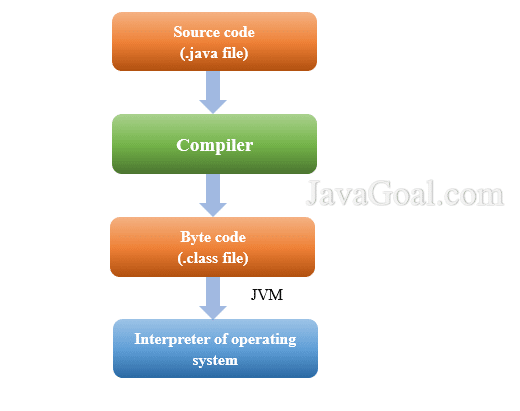
When you write a Java program, the code you create is not directly executed by the computer’s hardware. Instead, it goes through a series of transformations before it can be run. One of these transformations involves converting the Java source code into bytecode.

Bytecode is an intermediate representation of your Java code that is machine-independent. It is a set of instructions that can be executed by the Java Virtual Machine (JVM). This allows Java programs to be platform-independent, as the bytecode can be run on any system that has a JVM installed.

When you compile your Java source code, the Java compiler translates it into bytecode instead of native machine code. This bytecode is saved in .class files, which can then be executed by the JVM. The JVM takes care of interpreting and executing these bytecode instructions.

One advantage of using bytecode is that it provides a level of security. Since bytecode is not in native machine language, it cannot directly access system resources or perform harmful operations. This helps in creating a secure environment for running Java applications.

Another benefit of bytecode is portability. You can write your Java program once and run it on any system that has a compatible JVM. This “write once, run anywhere” capability has been one of the key features that have made Java so popular among developers.

Overall, understanding bytecode and how it works within the Java ecosystem is essential for any Java developer. It plays a crucial role in making Java programs platform-independent, secure, and portable.


6 Essential Tips for Understanding and Optimizing Java Bytecode

  1. Bytecode is a platform-independent intermediate code generated by the Java compiler.
  2. Java bytecode is executed by the Java Virtual Machine (JVM).
  3. Bytecode allows Java programs to be run on any device or operating system that has a JVM installed.
  4. Decompilers can be used to convert bytecode back into readable Java source code for analysis or reverse engineering.
  5. Optimizing bytecode can improve the performance of Java applications.
  6. Understanding bytecode can help in debugging and optimizing Java programs.

Bytecode is a platform-independent intermediate code generated by the Java compiler.

Bytecode serves as a platform-independent intermediate code that is produced by the Java compiler. This bytecode is not specific to any particular hardware or operating system, making it versatile and capable of running on any system equipped with a Java Virtual Machine (JVM). By generating bytecode, Java enables developers to write code once and execute it across different platforms seamlessly, embodying the essence of platform independence in software development.

Java bytecode is executed by the Java Virtual Machine (JVM).

Java bytecode serves as an intermediary language that the Java Virtual Machine (JVM) can understand and execute. When a Java program is compiled, it is transformed into bytecode instructions that are platform-independent. The JVM then takes on the responsibility of interpreting and executing these bytecode instructions, making it possible for Java programs to run on any system that has a JVM installed. This seamless interaction between bytecode and the JVM is what enables the portability and cross-platform compatibility that Java is known for.

Bytecode allows Java programs to be run on any device or operating system that has a JVM installed.

Bytecode in Java serves as a crucial intermediary step that enables Java programs to achieve platform independence. By compiling Java source code into bytecode, developers can ensure that their applications can run on any device or operating system equipped with a Java Virtual Machine (JVM). This flexibility not only simplifies the deployment of Java software but also underscores the “write once, run anywhere” principle that has long been a defining feature of Java development.

Decompilers can be used to convert bytecode back into readable Java source code for analysis or reverse engineering.

Decompilers play a crucial role in the Java development process by allowing developers to convert bytecode back into readable Java source code. This capability is invaluable for analysis, debugging, and reverse engineering of Java applications. By utilizing decompilers, developers can gain insights into how the code functions at a higher level, making it easier to troubleshoot issues, understand complex algorithms, and improve overall code quality. Decompilers serve as powerful tools in the Java ecosystem, providing developers with the flexibility and visibility needed to enhance their coding practices effectively.

Optimizing bytecode can improve the performance of Java applications.

Optimizing bytecode can significantly enhance the performance of Java applications. By refining the bytecode generated during the compilation process, developers can streamline the execution of their programs, leading to faster and more efficient operations. Techniques such as eliminating redundant instructions, reducing memory usage, and improving code structure can all contribute to optimizing bytecode and ultimately boosting the overall performance of Java applications. This optimization process is crucial for ensuring that Java programs run smoothly and deliver optimal results, making it a key consideration for developers aiming to enhance their application’s performance.

Understanding bytecode can help in debugging and optimizing Java programs.

Understanding bytecode in Java can greatly aid in debugging and optimizing Java programs. By delving into the intermediate representation of the code that the Java Virtual Machine (JVM) executes, developers can gain insights into how their programs are being processed at a lower level. This deeper understanding allows for more efficient troubleshooting of issues and fine-tuning performance optimizations. By analyzing bytecode instructions, developers can pinpoint bottlenecks, identify potential areas for improvement, and ultimately enhance the overall quality and efficiency of their Java applications.

java language

Exploring the Versatility of the Java Programming Language

The Power of Java Programming Language

The Power of Java Programming Language

Java is a versatile and widely-used programming language that has been shaping the digital world for decades. Developed by Sun Microsystems in the mid-1990s, Java has evolved into one of the most popular languages for building a variety of applications, from web and mobile apps to enterprise software and more.

Key Features of Java:

  • Platform-Independent: One of the key strengths of Java is its “write once, run anywhere” philosophy. Java programs can run on any device that has a Java Virtual Machine (JVM), making it platform-independent.
  • Object-Oriented: Java is an object-oriented language, which means it focuses on creating reusable code through objects and classes. This approach promotes code modularity, reusability, and maintainability.
  • Robust Standard Library: Java comes with a rich standard library that provides ready-to-use components for various tasks like networking, I/O operations, data structures, and more. This extensive library saves developers time and effort in building applications.
  • Security: Security is a top priority in Java development. The language includes features like bytecode verification and automatic memory management (garbage collection) to prevent common security vulnerabilities.
  • Multithreading Support: Java supports multithreading, allowing developers to create applications that can perform multiple tasks simultaneously. This feature enhances performance and responsiveness in complex applications.
  • Scalability: Java’s scalability makes it an ideal choice for developing large-scale enterprise applications. Its ability to handle heavy workloads efficiently makes it suitable for mission-critical systems.
  • Community Support: The vibrant Java community provides developers with access to resources, forums, libraries, and tools that facilitate learning and collaboration within the ecosystem.

In conclusion, Java’s versatility, reliability, performance, and extensive ecosystem make it a preferred choice for developers across industries. Whether you are a beginner learning programming or an experienced developer working on enterprise solutions, mastering Java opens up a world of opportunities in the ever-evolving tech landscape.


Understanding Java: Key Features, Differences, and Concepts Explained

  1. What is Java and why is it popular?
  2. How is Java different from other programming languages?
  3. What are the key features of Java?
  4. Is Java platform-independent? How does it achieve this?
  5. Can you explain the concept of object-oriented programming in Java?
  6. How does Java handle memory management and garbage collection?

Java is a versatile and widely-used programming language known for its platform independence, object-oriented approach, robust standard library, security features, multithreading support, scalability, and vibrant community. Its popularity stems from its ability to run on any device with a Java Virtual Machine (JVM), making it accessible across different platforms. Java’s emphasis on code reusability, modularity, and maintainability through objects and classes attracts developers seeking efficient and reliable solutions. Additionally, Java’s strong security measures, scalability for large-scale applications, and extensive community support contribute to its widespread adoption in various industries.

How is Java different from other programming languages?

Java stands out from other programming languages in several key aspects. One notable difference is Java’s platform independence, allowing code to be written once and run on any device with a Java Virtual Machine (JVM). Its robust standard library simplifies development by providing a wide range of pre-built components for various tasks. Additionally, Java’s focus on security features like bytecode verification and automatic memory management enhances application safety. The language’s support for multithreading enables concurrent task execution, improving performance in complex applications. With its scalability, community support, and object-oriented approach, Java continues to be a versatile and popular choice for developers seeking reliability and efficiency in their projects.

What are the key features of Java?

Java, a widely-used programming language, boasts several key features that make it a popular choice among developers. Some of the standout features of Java include its platform independence, object-oriented nature, robust standard library, emphasis on security, support for multithreading, scalability for enterprise applications, and the strong community support it offers. These features collectively contribute to Java’s versatility, reliability, performance, and suitability for a wide range of applications across different industries.

Is Java platform-independent? How does it achieve this?

Java is renowned for its platform independence, a feature that sets it apart from many other programming languages. The key to Java’s platform independence lies in its unique approach of compiling code into an intermediate representation known as bytecode. This bytecode is then executed by the Java Virtual Machine (JVM), which is specific to each platform. By abstracting the hardware dependencies and providing a consistent runtime environment through the JVM, Java ensures that a program written once can run on any device or operating system that has a compatible JVM installed. This “write once, run anywhere” capability has made Java a popular choice for developing cross-platform applications and has contributed to its widespread adoption in various domains.

Can you explain the concept of object-oriented programming in Java?

In Java, object-oriented programming (OOP) is a fundamental concept that revolves around the idea of organizing code into objects that interact with each other to accomplish tasks. In OOP, everything is treated as an object, which has attributes (data) and behaviors (methods). Classes serve as blueprints for creating objects, defining their structure and behavior. Encapsulation allows data hiding within objects, ensuring data integrity and security. Inheritance enables the creation of new classes based on existing ones, promoting code reuse and hierarchy. Polymorphism allows objects to take multiple forms based on their context, enhancing flexibility and extensibility in Java programming. Overall, object-oriented programming in Java provides a structured approach to software development, promoting modularity, reusability, and maintainability in applications.

How does Java handle memory management and garbage collection?

In Java, memory management and garbage collection are handled automatically by the Java Virtual Machine (JVM). Java uses a mechanism called garbage collection to automatically reclaim memory occupied by objects that are no longer in use. The JVM keeps track of object references and periodically identifies and removes unreferenced objects to free up memory. This automated process helps prevent memory leaks and simplifies memory management for developers, allowing them to focus on writing code without worrying about manual memory allocation and deallocation.