cfchris.com

Loading

Unlocking the Power of Personal AI: A Guide to Customized Technology Solutions

Understanding Personal AI: The Future of Personalized Technology

In the rapidly evolving world of technology, Personal AI is emerging as a transformative force. It promises to revolutionize how individuals interact with digital devices and manage their daily lives. But what exactly is Personal AI, and how can it benefit users?

What is Personal AI?

Personal AI refers to artificial intelligence systems designed to cater to individual needs and preferences. Unlike traditional AI, which often serves broader business or industrial purposes, Personal AI focuses on enhancing personal productivity, well-being, and convenience.

This technology learns from user interactions, adapts to preferences, and provides personalized recommendations. Whether it’s managing schedules, offering health advice, or curating entertainment options, Personal AI aims to make life easier and more efficient.

Key Features of Personal AI

  • Customization: Personal AI systems are tailored to understand individual user behaviors and preferences. This allows them to offer bespoke solutions that fit specific needs.
  • Continuous Learning: These systems utilize machine learning algorithms to continually improve their understanding of the user over time.
  • Proactive Assistance: By anticipating needs before they arise, Personal AI can offer proactive suggestions or reminders that enhance productivity.
  • Privacy Focused: As these systems handle sensitive personal data, they prioritize user privacy and data security through advanced encryption methods.

The Benefits of Personal AI

The integration of Personal AI into everyday life offers numerous advantages:

  1. Enhanced Productivity: By automating routine tasks such as scheduling appointments or managing emails, users can focus on more important activities.
  2. Improved Health Management: With features like fitness tracking and personalized health tips, individuals can maintain better health habits tailored specifically for them.
  3. Simplified Decision Making: From recommending the best route for a commute to suggesting meal plans based on dietary preferences, Personal AI aids in making informed decisions quickly.
  4. A More Personalized Experience: Entertainment options such as music playlists or movie recommendations become more aligned with personal tastes.

The Future of Personal AI

The potential for growth in the field of Personal AI is immense. As technology advances, these systems will become even more intuitive and integrated into various aspects of daily life. Innovations in natural language processing will enable more seamless interactions between humans and machines.

The future may also see increased collaboration between different personal AIs across platforms, creating a unified digital ecosystem that further enhances user experience. However, this evolution will require ongoing attention to ethical considerations such as data privacy and algorithmic bias.

Conclusion

The rise of Personal AI represents a significant leap forward in personalized technology. By focusing on individual needs and offering tailored solutions, it has the potential to transform how people live and work. As this technology continues to evolve, it holds promise for a future where digital tools are not only smarter but also more attuned to human needs than ever before.

If embraced responsibly with an emphasis on privacy and ethical use, Personal AI could become an indispensable part of everyday life—enhancing productivity while ensuring a highly personalized experience for all users.


Top 5 Benefits of Personal AI: Boosting Productivity, Health, and Daily Life

  1. Enhanced productivity through task automation
  2. Personalized health management and fitness tracking
  3. Simplified decision-making with tailored recommendations
  4. Improved user experience with personalized entertainment options
  5. Increased efficiency in daily routines through proactive assistance


Top 6 Concerns About Personal AI: Privacy, Bias, and More

  1. Privacy Concerns
  2. Dependency on Technology
  3. Algorithmic Bias
  4. Limited Understanding of Context
  5. Security Vulnerabilities
  6. Reduced Human Interaction

Enhanced productivity through task automation

Personal AI significantly enhances productivity by automating routine tasks, allowing individuals to focus on more meaningful activities. By handling everyday responsibilities such as scheduling meetings, organizing emails, and setting reminders, Personal AI reduces the cognitive load on users. This automation not only saves time but also minimizes human error in task management. With mundane tasks efficiently managed by AI, individuals can allocate their energy towards strategic decision-making and creative pursuits. As a result, Personal AI empowers users to achieve more in less time, boosting overall productivity and efficiency in both personal and professional spheres.

Personalized health management and fitness tracking

Personal AI has significantly advanced personalized health management and fitness tracking by offering tailored solutions that cater to individual needs. By analyzing data from wearable devices and health apps, Personal AI can provide users with customized workout plans, nutrition advice, and health insights that align with their specific goals and lifestyles. This technology not only tracks physical activity and monitors vital signs but also adapts recommendations based on progress and changing circumstances. As a result, individuals can achieve better health outcomes through a more informed approach to fitness and wellness, all while enjoying the convenience of having a virtual personal coach at their fingertips.

Simplified decision-making with tailored recommendations

Personal AI significantly enhances decision-making by providing tailored recommendations that align with individual preferences and needs. By analyzing user data and learning from past behaviors, these intelligent systems can suggest options that are most relevant to the user, whether it’s choosing the best route for a commute, selecting a restaurant for dinner, or deciding on a financial investment. This personalized approach not only saves time but also reduces the stress associated with making choices by presenting well-informed options. As a result, users can make decisions with greater confidence and efficiency, knowing they have access to insights specifically curated for them.

Improved user experience with personalized entertainment options

Personal AI significantly enhances user experience by offering personalized entertainment options tailored to individual preferences. By analyzing a user’s past behavior, interests, and feedback, these intelligent systems can curate music playlists, recommend movies or TV shows, and even suggest new books or podcasts that align with the user’s unique tastes. This level of customization not only saves time by eliminating the need to sift through vast amounts of content but also introduces users to new genres and creators they might not have discovered otherwise. As a result, personal AI transforms entertainment consumption into a more enjoyable and engaging experience, ensuring that every recommendation feels relevant and exciting.

Increased efficiency in daily routines through proactive assistance

Personal AI significantly enhances efficiency in daily routines by providing proactive assistance tailored to individual needs. By learning from a user’s behaviors and preferences, these intelligent systems anticipate tasks and offer timely reminders or suggestions, effectively streamlining everyday activities. For instance, a personal AI might automatically adjust the thermostat based on the user’s schedule, suggest optimal routes for commuting to avoid traffic, or organize emails by priority. This anticipatory approach not only saves valuable time but also reduces decision fatigue, allowing individuals to focus on more critical tasks and enjoy a smoother, more organized daily routine.

Privacy Concerns

Privacy concerns are a significant drawback of Personal AI systems, as they often collect and store sensitive personal data to provide tailored services. This data can include information about an individual’s habits, preferences, health metrics, and even location details. The accumulation of such detailed personal information raises serious issues about security and the potential for misuse. Unauthorized access or breaches could lead to identity theft or other malicious activities. Additionally, there is concern over how companies might use this data for targeted advertising or share it with third parties without explicit user consent. As Personal AI becomes more integrated into daily life, ensuring robust data protection measures and transparent privacy policies will be crucial to maintaining user trust and safeguarding personal information.

Dependency on Technology

One significant drawback of Personal AI is the potential for increased dependency on technology, which can lead to a decline in critical thinking skills and self-reliance. As individuals increasingly rely on AI systems to make decisions and manage tasks, they may become less inclined to engage in problem-solving and independent decision-making. This overreliance can erode essential cognitive skills, as people might defer to AI recommendations without questioning or analyzing them. In the long term, this dependency could hinder personal growth and adaptability, making it challenging for individuals to navigate situations that require independent thought and initiative without technological assistance.

Algorithmic Bias

Algorithmic bias is a significant concern when it comes to Personal AI systems, as these biases can manifest in the recommendations or decisions made by the AI. This occurs because the algorithms are often trained on historical data that may reflect existing societal inequalities or prejudices. Consequently, Personal AI could inadvertently perpetuate these biases, leading to outcomes that are unfair or discriminatory. For instance, if an AI system is used for job recruitment and is trained on biased data, it might favor certain demographics over others, thus reinforcing existing disparities. Moreover, if a user’s preferences are influenced by biased content, the AI might continue to present similar content, further entrenching those biases. Addressing algorithmic bias requires careful consideration of data sources and ongoing efforts to ensure fairness and inclusivity in AI development.

Limited Understanding of Context

One notable drawback of personal AI is its limited understanding of context, which can lead to significant challenges in accurately interpreting complex human emotions and nuanced situations. While these systems are designed to learn from user interactions, they often lack the depth of comprehension required to fully grasp the intricacies of human communication. This limitation can result in misinterpretations or inappropriate responses, particularly in context-specific scenarios where subtle emotional cues are crucial. For instance, a personal AI might misjudge the tone of a message or fail to recognize sarcasm, leading to responses that feel out of place or insensitive. As a result, users may experience frustration or misunderstandings, highlighting the need for ongoing advancements in AI’s ability to process and respond to human emotions more effectively.

Security Vulnerabilities

Security vulnerabilities present a significant concern in the realm of Personal AI. As these systems handle sensitive personal data and become increasingly integrated into daily life, they become attractive targets for hackers. Exploiting weaknesses in the software or network, malicious actors could gain unauthorized access to private information such as financial details, health records, or personal communications. Additionally, hackers might manipulate the AI’s behavior to mislead users or disrupt services, posing risks not only to individual privacy but also to overall security and trust in digital systems. Ensuring robust security measures and regular updates is crucial to protect against such threats and maintain user confidence in Personal AI technologies.

Reduced Human Interaction

Excessive reliance on Personal AI for social interactions or emotional support can lead to a significant reduction in genuine human connections. As individuals increasingly turn to AI companions for conversation and comfort, they may find themselves engaging less with family, friends, and colleagues. This shift can result in a decline in empathy and understanding, as authentic emotional exchanges are replaced by algorithm-driven responses. Over time, the richness of human relationships may erode, leading to feelings of isolation and a diminished capacity for meaningful interpersonal communication. Balancing the convenience of Personal AI with the irreplaceable value of human interaction is crucial to maintaining strong social bonds and emotional well-being.
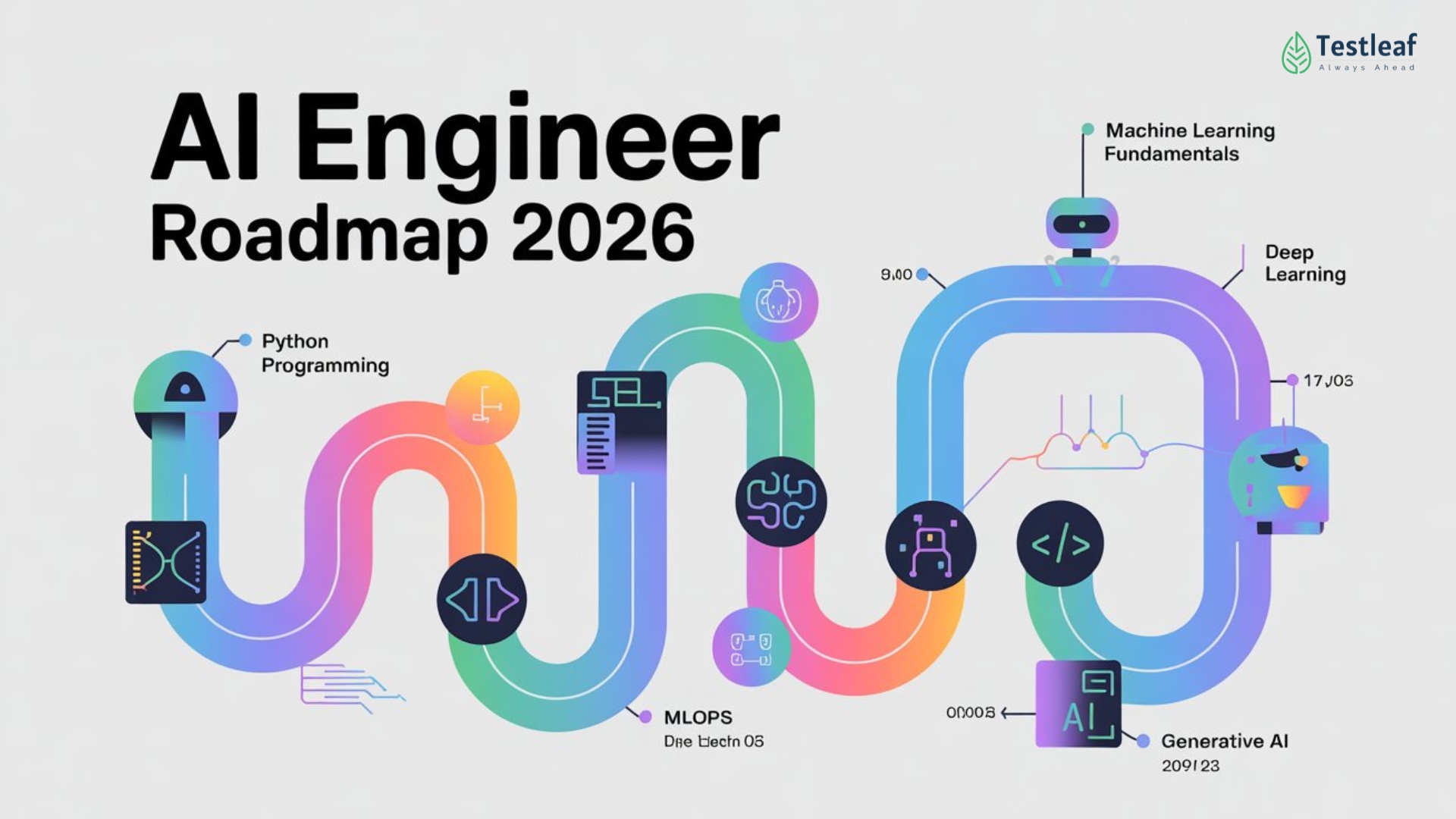

ai engineer

Exploring the Impact and Opportunities of an AI Engineer

The Role of an AI Engineer

The Role of an AI Engineer

Artificial Intelligence (AI) is transforming industries across the globe, and at the heart of this transformation are AI engineers. These professionals are responsible for designing, developing, and implementing AI models that power everything from recommendation systems to autonomous vehicles.

What Does an AI Engineer Do?

An AI engineer’s primary role is to create intelligent algorithms capable of learning and making decisions. They work with vast amounts of data to train models that can perform specific tasks without explicit programming. This involves:

  • Data Collection and Preparation: Gathering and preparing data for training purposes.
  • Model Development: Designing algorithms that can learn from data.
  • Model Training: Using machine learning techniques to train models on large datasets.
  • Model Evaluation: Testing models to ensure they meet performance standards.
  • Deployment: Integrating models into applications or systems for real-world use.

Skills Required for an AI Engineer

A successful AI engineer needs a blend of technical skills and domain knowledge. Key skills include:

  • Programming Languages: Proficiency in languages such as Python, R, or Java is essential.
  • Mathematics and Statistics: A strong foundation in linear algebra, calculus, probability, and statistics is crucial for developing algorithms.
  • Machine Learning Frameworks: Familiarity with frameworks like TensorFlow, PyTorch, or Keras is important for building models efficiently.
  • Data Analysis: The ability to analyze large datasets and extract meaningful insights is vital for training effective models.

The Impact of AI Engineers

The work of AI engineers has a profound impact on various sectors. In healthcare, they develop predictive models that assist in early diagnosis and personalized treatment plans. In finance, they create algorithms that detect fraudulent activities or automate trading processes. In retail, they enhance customer experiences through personalized recommendations.

The demand for skilled AI engineers continues to grow as more organizations recognize the potential of artificial intelligence to drive innovation and efficiency. As technology evolves, so too will the opportunities within this exciting field.

The Future of AI Engineering

The future looks promising for those pursuing a career as an AI engineer. With advancements in areas such as deep learning and natural language processing, there are endless possibilities for innovation. As ethical considerations become increasingly important in technology development, AI engineers will also play a crucial role in ensuring responsible use of artificial intelligence.

If you’re interested in shaping the future through technology and have a passion for solving complex problems with innovative solutions, a career as an AI engineer might be the perfect fit for you!


8 Essential Tips for Aspiring AI Engineers

  1. Stay updated with the latest developments in AI technology.
  2. Build a strong foundation in mathematics and statistics.
  3. Develop proficiency in programming languages such as Python and R.
  4. Gain experience with machine learning algorithms and deep learning techniques.
  5. Work on real-world projects to showcase your skills and knowledge.
  6. Collaborate with other professionals in related fields to broaden your understanding of AI applications.
  7. Continuously improve your problem-solving skills and critical thinking abilities.
  8. Stay curious and be willing to learn new concepts and technologies in the rapidly evolving field of AI.

Stay updated with the latest developments in AI technology.

Staying updated with the latest developments in AI technology is crucial for any AI engineer aiming to remain relevant and effective in the field. The landscape of artificial intelligence is rapidly evolving, with new algorithms, tools, and techniques emerging regularly. By keeping abreast of these advancements, AI engineers can leverage cutting-edge technologies to enhance their projects and solve complex problems more efficiently. This continuous learning not only improves their skill set but also opens up opportunities for innovation and creativity in designing AI solutions. Engaging with research papers, attending conferences, participating in online forums, and taking advanced courses are excellent ways for AI engineers to stay informed about the latest trends and breakthroughs in the industry.

Build a strong foundation in mathematics and statistics.

Building a strong foundation in mathematics and statistics is crucial for anyone aspiring to become an AI engineer. Mathematics, particularly linear algebra and calculus, forms the backbone of many machine learning algorithms, enabling engineers to understand how models process data and make predictions. Statistics is equally important, as it provides the tools needed to analyze datasets, identify patterns, and assess the reliability of model outputs. A solid grasp of these subjects allows AI engineers to not only develop more effective algorithms but also troubleshoot issues and optimize performance. By mastering mathematics and statistics, aspiring AI engineers equip themselves with the essential skills needed to innovate and excel in this rapidly evolving field.

Develop proficiency in programming languages such as Python and R.

To excel as an AI engineer, it’s crucial to develop proficiency in programming languages like Python and R. These languages are fundamental tools in the field of artificial intelligence and machine learning due to their simplicity, versatility, and extensive libraries that facilitate complex computations and data analysis. Python, with its robust frameworks like TensorFlow and PyTorch, is particularly favored for building neural networks and deploying AI models. Meanwhile, R is renowned for its statistical computing capabilities, making it ideal for data manipulation and visualization tasks. Mastering these languages enables AI engineers to efficiently design algorithms, process large datasets, and implement sophisticated AI solutions across various applications.

Gain experience with machine learning algorithms and deep learning techniques.

Gaining experience with machine learning algorithms and deep learning techniques is crucial for anyone aspiring to become an AI engineer. These skills form the backbone of artificial intelligence, enabling systems to learn from data and improve over time without explicit programming. By working with various algorithms such as decision trees, support vector machines, and neural networks, aspiring AI engineers can understand how different models perform under various conditions. Deep learning techniques, which involve complex neural networks like convolutional neural networks (CNNs) and recurrent neural networks (RNNs), are particularly important for tasks involving image recognition, natural language processing, and more. Hands-on experience with these technologies not only enhances technical proficiency but also equips individuals with the problem-solving skills needed to tackle real-world challenges in AI development.

Work on real-world projects to showcase your skills and knowledge.

Gaining hands-on experience by working on real-world projects is essential for aspiring AI engineers to showcase their skills and knowledge effectively. By engaging in practical projects, individuals can apply theoretical concepts to solve tangible problems, demonstrating their ability to design, develop, and implement AI models in real scenarios. This experience not only enhances technical proficiency but also builds a portfolio that highlights one’s expertise to potential employers or clients. Additionally, tackling real-world challenges helps in understanding the complexities and nuances of AI applications, making one more adept at navigating the evolving landscape of artificial intelligence. Whether through internships, open-source contributions, or personal projects, these experiences are invaluable in establishing credibility and advancing one’s career in the field of AI engineering.

Collaborating with professionals in related fields is crucial for AI engineers aiming to broaden their understanding of AI applications. By working alongside experts in areas such as data science, software development, and domain-specific industries like healthcare or finance, AI engineers can gain valuable insights into how artificial intelligence can be applied effectively across different sectors. This interdisciplinary approach not only enhances the engineer’s technical skills but also fosters innovative solutions by integrating diverse perspectives. Such collaboration leads to the creation of more robust and versatile AI models that address real-world challenges, ultimately driving technological advancement and improving outcomes across various applications.

Continuously improve your problem-solving skills and critical thinking abilities.

In the rapidly evolving field of artificial intelligence, continuously improving your problem-solving skills and critical thinking abilities is crucial for success as an AI engineer. These skills enable you to tackle complex challenges and devise innovative solutions that may not be immediately obvious. By honing your ability to analyze situations from multiple perspectives, you can identify potential issues before they arise and develop more effective algorithms. Engaging in activities such as coding challenges, logic puzzles, and collaborative projects can enhance these skills, allowing you to adapt quickly to new technologies and methodologies. Ultimately, strong problem-solving and critical thinking capabilities are essential for driving advancements in AI and maintaining a competitive edge in the industry.

Stay curious and be willing to learn new concepts and technologies in the rapidly evolving field of AI.

In the rapidly evolving field of AI, staying curious and being willing to learn new concepts and technologies is essential for success as an AI engineer. The landscape of artificial intelligence is constantly changing, with breakthroughs and innovations emerging at a fast pace. By maintaining a curious mindset, AI engineers can stay ahead of the curve, exploring cutting-edge tools and methodologies that enhance their work. This openness to learning not only fosters personal growth but also enables engineers to adapt to new challenges and opportunities in the industry. Embracing continuous education ensures that they remain valuable contributors to their teams and organizations, driving forward the potential of AI in transformative ways.

ecommerce software development

Empowering Your Online Business: The Impact of Ecommerce Software Development

Ecommerce Software Development

The Importance of Ecommerce Software Development in Today’s Digital Economy

In the fast-paced world of online retail, having a robust ecommerce platform is crucial for businesses to succeed. Ecommerce software development plays a key role in creating and maintaining these platforms, providing the necessary tools and features to facilitate seamless online transactions.

One of the primary benefits of investing in ecommerce software development is the ability to customize your online store to meet the unique needs of your business. Whether you are a small boutique or a large enterprise, tailored ecommerce solutions can help you stand out in a crowded marketplace and provide a superior shopping experience for your customers.

Furthermore, ecommerce software development enables businesses to integrate various payment gateways, shipping options, and inventory management systems into their online stores. This integration streamlines the purchasing process for customers and enhances operational efficiency for merchants.

Security is another critical aspect of ecommerce software development. With the increasing threat of cyber attacks and data breaches, it is essential for online retailers to prioritize the protection of sensitive customer information. By implementing robust security measures such as encryption protocols and secure payment gateways, businesses can build trust with their customers and safeguard their digital assets.

As consumer preferences continue to evolve, ecommerce software development must also adapt to meet changing demands. Features such as mobile responsiveness, personalized recommendations, and omnichannel integration are becoming increasingly important in providing a seamless shopping experience across multiple devices and touchpoints.

In conclusion, ecommerce software development is an indispensable component of modern retail operations. By investing in tailored solutions that prioritize customization, security, and innovation, businesses can stay ahead of the competition and thrive in today’s digital economy.


9 Essential Tips for Successful Ecommerce Software Development

  1. Choose a reliable ecommerce platform that aligns with your business needs.
  2. Focus on creating a user-friendly interface for seamless customer experience.
  3. Implement secure payment gateways to ensure safe transactions.
  4. Optimize your website for mobile devices to reach a wider audience.
  5. Utilize data analytics to make informed decisions and improve performance.
  6. Integrate social media platforms for effective marketing and customer engagement.
  7. Regularly update and maintain your ecommerce software to enhance security and functionality.
  8. Provide multiple shipping options to accommodate different customer preferences.
  9. Offer responsive customer support to address inquiries and issues promptly.

Choose a reliable ecommerce platform that aligns with your business needs.

When embarking on ecommerce software development, it is essential to select a dependable ecommerce platform that aligns seamlessly with your business requirements. By choosing a reliable platform tailored to your specific needs, you can ensure a smooth and efficient online shopping experience for your customers. A well-suited ecommerce platform not only enhances user satisfaction but also simplifies backend operations, ultimately contributing to the success and growth of your online business.

Focus on creating a user-friendly interface for seamless customer experience.

When delving into ecommerce software development, it is crucial to prioritize the creation of a user-friendly interface to ensure a seamless customer experience. By focusing on intuitive design and easy navigation, businesses can enhance user engagement and drive conversions. A well-crafted interface that simplifies the shopping process, provides clear product information, and offers convenient checkout options can significantly impact customer satisfaction and loyalty. Investing in user-centric design principles not only improves usability but also sets the foundation for building long-lasting relationships with customers in the competitive online retail landscape.

Implement secure payment gateways to ensure safe transactions.

Implementing secure payment gateways is a crucial step in ecommerce software development to guarantee safe and protected transactions for both businesses and customers. By integrating encryption protocols and robust security measures, online retailers can instill trust and confidence in their payment processes, safeguarding sensitive financial information from potential threats. Prioritizing secure payment gateways not only enhances data protection but also establishes a solid foundation for a reliable and secure online shopping experience, ultimately contributing to customer loyalty and satisfaction.

Optimize your website for mobile devices to reach a wider audience.

To maximize your online presence and engage a broader customer base, it is crucial to optimize your ecommerce website for mobile devices. In today’s mobile-centric world, a significant portion of online shopping occurs on smartphones and tablets. By ensuring that your website is responsive and user-friendly on mobile devices, you can provide a seamless shopping experience for on-the-go customers, enhance accessibility, and ultimately reach a wider audience. Prioritizing mobile optimization in your ecommerce software development strategy can lead to increased traffic, improved conversions, and greater customer satisfaction.

Utilize data analytics to make informed decisions and improve performance.

Utilizing data analytics in ecommerce software development is essential for making informed decisions and enhancing performance. By analyzing customer behavior, sales trends, and website metrics, businesses can gain valuable insights that drive strategic decision-making. Data-driven approaches enable companies to optimize marketing strategies, personalize customer experiences, and identify areas for improvement. With the power of data analytics, businesses can stay competitive in the ever-evolving ecommerce landscape by continuously refining their online platforms to meet the changing needs and preferences of their target audience.

Integrate social media platforms for effective marketing and customer engagement.

Integrating social media platforms into your ecommerce software development strategy is a powerful way to enhance marketing efforts and engage with customers on a more personal level. By seamlessly connecting your online store with popular social networks, you can leverage the vast reach and targeting capabilities of platforms like Facebook, Instagram, and Twitter to promote your products, drive traffic to your website, and interact with your audience in real-time. This integration not only expands your brand’s online presence but also fosters a sense of community and trust among customers, ultimately leading to increased sales and customer loyalty.

Regularly update and maintain your ecommerce software to enhance security and functionality.

Regularly updating and maintaining your ecommerce software is essential to enhance both security and functionality. By staying current with software updates, you can ensure that your online store is protected against potential security vulnerabilities and cyber threats. Additionally, keeping your ecommerce platform up-to-date allows you to take advantage of new features and improvements that can enhance the user experience for your customers. Prioritizing regular maintenance not only helps safeguard sensitive customer data but also ensures that your online business operates smoothly and efficiently.

Provide multiple shipping options to accommodate different customer preferences.

In ecommerce software development, it is essential to provide multiple shipping options to accommodate different customer preferences. Offering a range of shipping choices, such as standard, expedited, and same-day delivery, allows customers to select the option that best suits their needs in terms of speed and cost. By providing flexibility in shipping methods, businesses can enhance the overall shopping experience for customers and increase satisfaction levels, ultimately leading to improved customer loyalty and retention.

Offer responsive customer support to address inquiries and issues promptly.

To enhance the effectiveness of ecommerce software development, it is essential to offer responsive customer support to address inquiries and issues promptly. By providing timely assistance to customers, businesses can build trust and loyalty, leading to improved customer satisfaction and retention rates. Responsive customer support not only resolves concerns efficiently but also demonstrates a commitment to delivering exceptional service, ultimately contributing to the success of an ecommerce platform.

google machine learning

Exploring the Impact of Google’s Machine Learning Innovations

Google Machine Learning

The Power of Google Machine Learning

Machine learning is a cutting-edge technology that has revolutionized various industries, and Google is at the forefront of this innovation. Google’s machine learning algorithms and tools have transformed the way we interact with technology and have opened up new possibilities for businesses and individuals alike.

Applications of Google Machine Learning

Google uses machine learning in a wide range of products and services, including:

  • Google Search: Machine learning algorithms help improve search results by understanding user intent and providing more relevant information.
  • Google Photos: The image recognition capabilities powered by machine learning enable users to search for photos based on objects, people, or locations.
  • Google Assistant: Natural language processing algorithms allow Google Assistant to understand and respond to user queries more effectively.
  • Google Translate: Machine learning helps improve translation accuracy and efficiency across multiple languages.
  • YouTube Recommendations: By analyzing user behavior, machine learning algorithms suggest personalized video recommendations to users.

The Future of Google Machine Learning

As technology advances, Google continues to push the boundaries of what is possible with machine learning. With ongoing research and development efforts, we can expect to see even more sophisticated applications of machine learning in Google’s products and services in the future.

In conclusion, Google’s commitment to leveraging machine learning has transformed the digital landscape and enhanced user experiences across its platforms. The power of Google machine learning continues to drive innovation and shape the future of technology.


Top 6 Frequently Asked Questions About Google’s Machine Learning

  1. How does machine learning work Google?
  2. What is Google’s machine learning called?
  3. Can I use Google AI for free?
  4. Is Google machine learning certification worth it?
  5. Does Google have machine learning?
  6. Is ChatGPT machine learning?

How does machine learning work Google?

Machine learning in Google works through a process where algorithms analyze vast amounts of data to recognize patterns and make predictions. Google utilizes various machine learning techniques, such as neural networks and deep learning, to train models that can perform tasks like image recognition, language translation, and personalized recommendations. These models continuously learn and improve from new data, enabling Google services to adapt and provide more accurate results over time. By leveraging the power of machine learning, Google enhances its products and services to deliver tailored experiences that meet the evolving needs of users.

What is Google’s machine learning called?

Google’s machine learning technology is commonly referred to as TensorFlow. TensorFlow is an open-source machine learning library developed by Google that allows developers to build and train various machine learning models efficiently. Known for its flexibility and scalability, TensorFlow has become a popular choice among researchers and practitioners in the field of artificial intelligence. By leveraging TensorFlow, users can explore the capabilities of machine learning and create innovative solutions across different domains.

Can I use Google AI for free?

Yes, Google offers several AI and machine learning tools that can be used for free. For instance, Google Colab allows users to write and execute Python code in a Jupyter notebook environment with the added benefit of free access to GPUs. Additionally, TensorFlow, an open-source machine learning framework developed by Google, is freely available for developers and researchers. Google Cloud also provides a free tier that includes access to certain AI and machine learning services such as AutoML and the Cloud AI Platform, albeit with usage limits. These resources make it easier for individuals and small businesses to experiment with and integrate powerful AI capabilities into their projects without significant upfront costs.

Is Google machine learning certification worth it?

When considering whether the Google machine learning certification is worth it, individuals should weigh the potential benefits against their specific career goals and aspirations. Obtaining a certification from Google in machine learning can enhance one’s credentials, demonstrate proficiency in the field, and open up new opportunities for career advancement. It may also provide valuable knowledge and skills that can be applied in various industries. However, the value of the certification ultimately depends on how it aligns with an individual’s career path and whether it helps them achieve their professional objectives. Conducting thorough research and evaluating the relevance of the certification to one’s goals can help determine if pursuing a Google machine learning certification is a worthwhile investment of time and resources.

Does Google have machine learning?

Yes, Google extensively utilizes machine learning in various aspects of its products and services. Google has been at the forefront of leveraging machine learning algorithms to enhance user experiences and improve the functionality of its platforms. From improving search results and image recognition in Google Photos to enhancing language processing capabilities in Google Assistant, the company’s commitment to integrating machine learning technologies is evident across its ecosystem. Google’s advancements in machine learning continue to drive innovation and set new standards for the industry.

Is ChatGPT machine learning?

When users inquire whether ChatGPT is a form of machine learning on Google, it’s important to clarify that ChatGPT is indeed a machine learning model. Developed by OpenAI, ChatGPT utilizes a deep learning architecture called the transformer model to generate human-like text responses based on the input it receives. By training on vast amounts of text data, ChatGPT learns patterns and context to engage in meaningful conversations with users. Its ability to continuously improve and adapt its responses showcases the power and effectiveness of machine learning in natural language processing tasks like conversational AI.