

cfchris.com

Loading

nydfs cybersecurity

Enhancing Financial Security: The Role of NYDFS in Cybersecurity

The Role of NYDFS in Cybersecurity

The Role of NYDFS in Cybersecurity

As cyber threats continue to evolve and become more sophisticated, the New York Department of Financial Services (NYDFS) plays a crucial role in ensuring the cybersecurity of financial institutions operating within the state.

The NYDFS has implemented stringent regulations and guidelines to safeguard sensitive financial data and protect consumers from cyber attacks. These regulations require financial institutions to establish robust cybersecurity programs, conduct regular risk assessments, and report any cybersecurity incidents promptly.

One of the key initiatives introduced by the NYDFS is the Cybersecurity Regulation (23 NYCRR 500), which sets forth minimum standards for cybersecurity practices that financial institutions must adhere to. This regulation includes requirements such as multi-factor authentication, encryption of sensitive data, and regular cybersecurity training for employees.

In addition to setting regulatory standards, the NYDFS actively monitors compliance with these regulations through examinations and assessments. Financial institutions are required to submit annual certifications of their compliance with the Cybersecurity Regulation, demonstrating their commitment to maintaining strong cybersecurity measures.

Furthermore, the NYDFS collaborates with other regulatory agencies and law enforcement authorities to share information on emerging cyber threats and coordinate responses to cyber incidents. By fostering a culture of information sharing and cooperation, the NYDFS aims to enhance the overall resilience of the financial sector against cyber threats.

In conclusion, the NYDFS plays a vital role in promoting cybersecurity within the financial industry and protecting both institutions and consumers from cyber risks. Through its proactive approach to regulation and oversight, the NYDFS helps ensure that New York remains at the forefront of cybersecurity best practices.


6 Essential Tips for Strengthening Cybersecurity Compliance with NYDFS Regulations

  1. Regularly update software and systems to protect against vulnerabilities.
  2. Implement strong password policies and multi-factor authentication.
  3. Train employees on cybersecurity best practices and how to identify phishing attempts.
  4. Encrypt sensitive data both in transit and at rest.
  5. Conduct regular security assessments and audits to identify weaknesses.
  6. Establish a an incident response plan to quickly respond to and mitigate cybersecurity incidents.

Regularly update software and systems to protect against vulnerabilities.

Regularly updating software and systems is a critical tip in NYDFS cybersecurity practices to safeguard against vulnerabilities. By staying current with software patches and system updates, financial institutions can address known security weaknesses and reduce the risk of exploitation by cyber attackers. This proactive approach helps ensure that systems remain resilient to emerging threats and maintain the integrity of sensitive financial data. Compliance with this best practice not only enhances cybersecurity posture but also demonstrates a commitment to maintaining a secure environment for both the institution and its customers as mandated by NYDFS regulations.

Implement strong password policies and multi-factor authentication.

To enhance cybersecurity measures in compliance with NYDFS regulations, it is crucial for financial institutions to implement strong password policies and multi-factor authentication. By enforcing complex password requirements and requiring an additional layer of verification through multi-factor authentication, institutions can significantly reduce the risk of unauthorized access to sensitive data. These practices not only bolster security but also demonstrate a commitment to safeguarding confidential information and meeting the stringent cybersecurity standards set forth by the NYDFS.

Train employees on cybersecurity best practices and how to identify phishing attempts.

Training employees on cybersecurity best practices is essential in strengthening an organization’s defense against cyber threats. By educating staff members on how to identify phishing attempts, such as suspicious emails or messages, companies can empower their workforce to act as the first line of defense against potential security breaches. Equipping employees with the knowledge and skills to recognize and report phishing attempts not only helps protect sensitive data but also contributes to creating a culture of cybersecurity awareness within the organization.

Encrypt sensitive data both in transit and at rest.

It is crucial for financial institutions under NYDFS regulation to encrypt sensitive data both in transit and at rest. Encrypting data in transit ensures that information remains secure while being transferred between systems or devices, protecting it from interception by malicious actors. Similarly, encrypting data at rest safeguards stored information from unauthorized access, adding an extra layer of security to prevent data breaches. By implementing robust encryption practices, financial institutions can enhance the protection of sensitive data and comply with NYDFS cybersecurity requirements effectively.

Conduct regular security assessments and audits to identify weaknesses.

Regular security assessments and audits are essential components of a comprehensive cybersecurity strategy recommended by the NYDFS. By conducting these assessments on a regular basis, financial institutions can proactively identify vulnerabilities and weaknesses in their systems and processes. This proactive approach allows organizations to address potential security gaps before they are exploited by cyber attackers, helping to strengthen overall cybersecurity defenses and protect sensitive data from unauthorized access or breaches.

Establish a an incident response plan to quickly respond to and mitigate cybersecurity incidents.

Establishing an incident response plan is a critical component of NYDFS cybersecurity guidelines. By having a well-defined plan in place, financial institutions can swiftly respond to and mitigate cybersecurity incidents, minimizing potential damages and disruptions. This proactive approach not only helps in containing the impact of security breaches but also demonstrates a commitment to effective risk management and compliance with regulatory requirements. Having an incident response plan ensures that organizations are prepared to handle cyber threats promptly and efficiently, safeguarding both their own operations and the sensitive data of their customers.
it infrastructure

Optimizing Your Business with a Robust IT Infrastructure Strategy

The Importance of IT Infrastructure in Today’s Business Environment

The Importance of IT Infrastructure in Today’s Business Environment

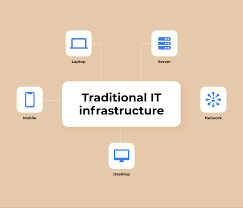
In the digital age, a robust and efficient IT infrastructure is essential for the success of any business. IT infrastructure encompasses all the components necessary to operate and manage information technology within an organization.

From hardware such as servers, computers, and networking equipment to software applications and databases, a well-designed IT infrastructure provides the foundation for seamless communication, data management, and operational efficiency.

Key Components of IT Infrastructure

Key components of IT infrastructure include:

  • Hardware: Servers, workstations, routers, switches, and other physical devices that support IT operations.
  • Software: Operating systems, applications, databases, and other software tools that enable business processes.
  • Networking: Infrastructure such as routers, switches, firewalls, and network cables that facilitate communication between devices.
  • Data Storage: Systems for storing and managing data securely and efficiently.
  • Security Measures: Tools and protocols to protect data from unauthorized access or cyber threats.

The Benefits of a Strong IT Infrastructure

A well-designed IT infrastructure offers numerous benefits to businesses:

  • Improved Efficiency: Streamlined processes and automated tasks lead to increased productivity.
  • Enhanced Communication: Seamless communication channels enable collaboration among employees and departments.
  • Data Security: Robust security measures protect sensitive information from cyber threats.
  • Better Decision-Making: Access to real-time data allows for informed decision-making at all levels of the organization.

The Future of IT Infrastructure

As technology continues to evolve rapidly, businesses must adapt their IT infrastructure to meet changing demands. Cloud computing, artificial intelligence (AI), Internet of Things (IoT), and other emerging technologies are reshaping the way organizations operate.

In conclusion, investing in a reliable and scalable IT infrastructure is crucial for businesses looking to stay competitive in today’s fast-paced digital landscape. By leveraging the power of technology effectively, organizations can drive innovation, improve operational efficiency, and achieve sustainable growth in the long run.


6 Essential Tips for Maintaining a Secure and Efficient IT Infrastructure

  1. Regularly update software and firmware to ensure security patches are in place.
  2. Implement strong password policies and consider multi-factor authentication for added security.
  3. Backup data regularly and store it securely offsite to protect against data loss.
  4. Monitor network traffic for any unusual activity that may indicate a security breach.
  5. Document your IT infrastructure setup and procedures to facilitate troubleshooting and maintenance.
  6. Consider implementing virtualization technology to optimize resource utilization and scalability.

Regularly update software and firmware to ensure security patches are in place.

Regularly updating software and firmware is a critical aspect of maintaining a secure IT infrastructure. By staying current with updates, organizations can ensure that security patches are promptly applied to address vulnerabilities and protect against potential cyber threats. These updates not only enhance the overall security posture of the system but also help in safeguarding sensitive data and maintaining the integrity of operations. Prioritizing software and firmware updates demonstrates a proactive approach to cybersecurity and minimizes the risk of exploitation by malicious actors.

Implement strong password policies and consider multi-factor authentication for added security.

Implementing strong password policies and considering multi-factor authentication are crucial steps in enhancing IT infrastructure security. By enforcing complex password requirements, such as length, complexity, and regular changes, organizations can significantly reduce the risk of unauthorized access to sensitive data. Additionally, implementing multi-factor authentication adds an extra layer of security by requiring users to provide multiple forms of verification before accessing systems or applications. These measures help safeguard against potential cyber threats and ensure that critical business information remains protected.

Backup data regularly and store it securely offsite to protect against data loss.

Regularly backing up data and securely storing it offsite is a crucial tip for maintaining a robust IT infrastructure. In the event of data loss due to hardware failure, cyber attacks, or natural disasters, having secure offsite backups ensures that critical information can be recovered swiftly and effectively. By implementing a reliable backup strategy, businesses can safeguard their valuable data assets and minimize the risk of disruptions that could impact operations and productivity.

Monitor network traffic for any unusual activity that may indicate a security breach.

Monitoring network traffic for any unusual activity is a critical aspect of maintaining a secure IT infrastructure. By keeping a close eye on data flow and communication patterns within the network, IT professionals can quickly identify potential security breaches or unauthorized access attempts. Unusual spikes in traffic, unfamiliar IP addresses, or suspicious data transfers could be early signs of a cyber threat. Proactive monitoring allows organizations to respond promptly to any security incidents, minimizing the risk of data breaches and protecting sensitive information from malicious actors.

Document your IT infrastructure setup and procedures to facilitate troubleshooting and maintenance.

Documenting your IT infrastructure setup and procedures is a critical step in ensuring smooth troubleshooting and maintenance processes. By maintaining detailed documentation, including network configurations, hardware specifications, software installations, and operational procedures, IT teams can quickly identify issues, implement solutions efficiently, and minimize downtime. Clear documentation also helps new team members familiarize themselves with the infrastructure and promotes consistency in system management practices. Overall, thorough documentation plays a vital role in enhancing the reliability and effectiveness of IT operations within an organization.

Consider implementing virtualization technology to optimize resource utilization and scalability.

Consider implementing virtualization technology to optimize resource utilization and scalability in your IT infrastructure. Virtualization allows you to create virtual instances of servers, storage, and networks, enabling more efficient use of hardware resources and easier scalability as your business grows. By consolidating multiple virtual machines on a single physical server, you can reduce costs, improve flexibility, and enhance overall performance. Virtualization technology is a powerful tool that can help streamline operations and adapt quickly to changing business needs in a dynamic digital environment.