cfchris.com

Loading

outsource java development

Maximizing Efficiency: The Benefits of Outsourcing Java Development

Outsource Java Development

The Benefits of Outsourcing Java Development

Java is a versatile and powerful programming language that is widely used for developing a variety of applications, from web and mobile apps to enterprise software. Outsourcing Java development has become a popular choice for many businesses looking to leverage the expertise of skilled professionals while reducing costs and improving efficiency.

Cost-Effectiveness

One of the primary reasons companies choose to outsource Java development is cost-effectiveness. By outsourcing, businesses can access a global talent pool of experienced Java developers at a fraction of the cost compared to hiring in-house staff. This cost savings can be significant, especially for smaller companies or startups with limited budgets.

Access to Skilled Professionals

Outsourcing Java development allows businesses to tap into the expertise of skilled professionals who specialize in Java programming. These professionals are well-versed in best practices, coding standards, and the latest technologies related to Java development. By outsourcing, businesses can benefit from this specialized knowledge and experience without having to invest in extensive training or recruitment efforts.

Faster Time-to-Market

Outsourcing Java development can help accelerate the development process and bring products to market faster. With a dedicated team of experienced developers working on your project, you can expect quicker turnaround times and efficient delivery of high-quality software solutions. This speed-to-market advantage can give your business a competitive edge in today’s fast-paced digital landscape.

Focus on Core Business Activities

By outsourcing Java development, businesses can free up internal resources and focus on core business activities. Instead of getting bogged down in technical details and coding tasks, companies can delegate their software development needs to external experts while concentrating on strategic initiatives that drive growth and innovation.

Risk Mitigation

Outsourcing Java development also helps mitigate risks associated with software projects. Experienced outsourcing providers have established processes and quality assurance measures in place to ensure project success and minimize potential risks such as delays, budget overruns, or technical issues. This risk mitigation factor provides peace of mind for businesses seeking reliable and predictable outcomes from their software development projects.

In conclusion, outsourcing Java development offers numerous benefits for businesses looking to streamline their software development processes, reduce costs, access specialized expertise, and accelerate time-to-market. By partnering with reputable outsourcing providers, companies can harness the power of Java programming while focusing on their core business objectives.


7 Essential Tips for Successfully Outsourcing Java Development Projects

  1. Clearly define your project requirements and expectations before outsourcing.
  2. Research and choose a reputable outsourcing company with experience in Java development.
  3. Communicate effectively with the outsourced team to ensure they understand your needs.
  4. Set milestones and deadlines to track progress and ensure timely delivery of the project.
  5. Protect your intellectual property by signing a non-disclosure agreement with the outsourcing partner.
  6. Regularly review the code quality and provide feedback for improvements during the development process.
  7. Consider factors like time zone differences, cultural nuances, and language barriers when working with an outsourced team.

Clearly define your project requirements and expectations before outsourcing.

It is crucial to clearly define your project requirements and expectations before outsourcing Java development. By establishing a detailed scope of work, desired outcomes, timelines, and quality standards upfront, you can ensure that both you and the outsourcing partner are aligned on the project goals. Clear communication of expectations helps prevent misunderstandings, reduces the risk of scope creep, and enables the outsourcing team to deliver results that meet your specific needs efficiently. Taking the time to articulate your project requirements upfront sets a solid foundation for a successful collaboration and ensures that the outsourced Java development project progresses smoothly towards achieving your desired objectives.

Research and choose a reputable outsourcing company with experience in Java development.

When considering outsourcing Java development, it is crucial to research and select a reputable outsourcing company with a proven track record in Java development. Choosing an experienced partner ensures that your project will be in capable hands, with professionals who understand the intricacies of Java programming and can deliver high-quality solutions. By partnering with a reputable outsourcing company, you can have confidence in the expertise and reliability of the team working on your Java development project, ultimately leading to successful outcomes and efficient software delivery.

Communicate effectively with the outsourced team to ensure they understand your needs.

Effective communication is key when outsourcing Java development to ensure that the outsourced team fully understands your needs and requirements. By maintaining clear and open lines of communication, you can avoid misunderstandings, clarify expectations, and provide timely feedback throughout the development process. Regular updates, progress reports, and feedback sessions help foster a collaborative working relationship with the outsourced team, ultimately leading to successful project outcomes that align with your business goals.

Set milestones and deadlines to track progress and ensure timely delivery of the project.

Setting milestones and deadlines is a crucial tip when outsourcing Java development. By establishing clear checkpoints and timelines, businesses can effectively track the progress of the project and ensure that it stays on schedule for timely delivery. This approach not only helps in monitoring the development process but also enables both the outsourcing team and the client to stay aligned on expectations and goals. Setting milestones and deadlines promotes accountability, motivates team members to stay focused, and ultimately leads to successful project completion within the specified timeframe.

Protect your intellectual property by signing a non-disclosure agreement with the outsourcing partner.

To safeguard your intellectual property when outsourcing Java development, it is crucial to establish clear legal protections by entering into a non-disclosure agreement (NDA) with your outsourcing partner. By outlining confidentiality terms and restrictions on sharing proprietary information, an NDA ensures that your valuable assets and trade secrets remain secure throughout the development process. This proactive measure not only instills trust and accountability but also provides a legal recourse in case of any unauthorized disclosure or misuse of confidential data, helping you maintain full control over your intellectual property rights.

Regularly review the code quality and provide feedback for improvements during the development process.

To ensure the success of outsourced Java development projects, it is crucial to maintain a continuous review of the code quality and offer constructive feedback for enhancements throughout the development cycle. By regularly assessing the codebase, identifying areas for improvement, and providing timely feedback to the development team, businesses can uphold high standards of coding practices, enhance software reliability, and optimize overall project efficiency. This iterative approach not only fosters collaboration between stakeholders but also promotes a culture of continuous learning and improvement, ultimately leading to the delivery of superior Java applications that meet business objectives effectively.

Consider factors like time zone differences, cultural nuances, and language barriers when working with an outsourced team.

When outsourcing Java development, it is crucial to consider various factors such as time zone differences, cultural nuances, and language barriers when collaborating with an external team. Understanding and managing these aspects can help facilitate effective communication, smooth workflow coordination, and overall project success. By being mindful of time zone discrepancies and cultural sensitivities, businesses can establish clear communication channels and foster a harmonious working relationship with their outsourced team. Additionally, addressing language barriers proactively through clear documentation and regular check-ins can enhance collaboration and ensure that project requirements are understood accurately by all parties involved.


Maximizing Business Potential: Leveraging IT Services and Consulting for Success

The Importance of IT Services and IT Consulting

The Importance of IT Services and IT Consulting

Information Technology (IT) has become an integral part of modern businesses, playing a crucial role in their operations and success. IT services and IT consulting are essential components that help organizations leverage technology effectively to achieve their goals.

IT Services

IT services encompass a broad range of activities aimed at managing, maintaining, and optimizing an organization’s IT infrastructure. This includes services such as network management, cybersecurity, cloud solutions, software development, and technical support.

By outsourcing IT services to experienced professionals, businesses can benefit from enhanced security, improved efficiency, reduced downtime, and access to specialized expertise. This allows organizations to focus on their core business activities while ensuring that their IT systems operate smoothly and securely.

IT Consulting

IT consulting involves providing expert advice and guidance on how to best utilize technology to meet business objectives. Consultants work closely with organizations to assess their current IT environment, identify areas for improvement, develop strategic plans, and implement solutions that align with the company’s goals.

Whether it’s optimizing existing systems, implementing new technologies, or addressing specific challenges, IT consultants bring a wealth of knowledge and experience to help businesses make informed decisions that drive growth and innovation.

The Benefits of IT Services and Consulting

  • Increased Efficiency: By streamlining processes and optimizing systems, businesses can operate more efficiently and effectively.
  • Enhanced Security: With the rise of cyber threats, robust cybersecurity measures are essential to protect sensitive data and prevent breaches.
  • Strategic Planning: IT consulting helps organizations develop long-term strategies that align technology with business objectives for sustainable growth.
  • Cutting-Edge Solutions: Accessing the latest technologies through IT services ensures that businesses remain competitive in a rapidly evolving digital landscape.
  • Cost Savings: Outsourcing IT services can be cost-effective compared to maintaining an in-house IT department while providing access to top-tier expertise.

In conclusion, investing in quality IT services and consulting is vital for organizations looking to harness the power of technology for success. By partnering with experienced professionals who understand the complexities of modern IT environments, businesses can navigate challenges effectively and unlock new opportunities for growth.


Top 7 Benefits of IT Services and Consulting: Security, Expertise, Efficiency, and More

  1. Enhanced security measures to protect sensitive data
  2. Access to specialized expertise and technical knowledge
  3. Improved efficiency through streamlined IT processes
  4. Cost-effective solutions compared to maintaining an in-house IT department
  5. Strategic planning for aligning technology with business objectives
  6. Cutting-edge technologies and innovative solutions
  7. 24/7 technical support for immediate assistance


7 Drawbacks of IT Services and Consulting: Challenges for Businesses

  1. Costly, especially for small businesses with limited budgets
  2. Dependency on external service providers can lead to delays in resolving IT issues
  3. Risk of data breaches or security vulnerabilities if not properly managed
  4. Potential for misalignment between IT solutions and business goals without thorough consultation
  5. Difficulty in finding reliable and trustworthy IT service providers
  6. Complexity in integrating new technologies with existing systems may cause disruptions
  7. Lack of in-house expertise can result in challenges when managing outsourced IT services

Enhanced security measures to protect sensitive data

In today’s digital landscape, one of the key benefits of IT services and IT consulting is the implementation of enhanced security measures to safeguard sensitive data. With the increasing frequency and sophistication of cyber threats, organizations face significant risks if their data is not adequately protected. By leveraging IT services and consulting expertise, businesses can fortify their systems with robust cybersecurity protocols, encryption methods, access controls, and proactive monitoring to mitigate the risk of data breaches and unauthorized access. This proactive approach not only protects valuable information but also instills trust among customers and stakeholders, demonstrating a commitment to data privacy and security.

Access to specialized expertise and technical knowledge

Access to specialized expertise and technical knowledge is a significant advantage of IT services and IT consulting. By partnering with professionals who possess in-depth knowledge of the latest technologies and industry best practices, businesses can tap into a wealth of expertise that may not be available internally. These experts bring specialized skills to the table, offering innovative solutions, strategic insights, and efficient problem-solving capabilities. Their technical know-how enables organizations to implement cutting-edge technologies, optimize systems for peak performance, and stay ahead of the curve in a rapidly evolving digital landscape. Ultimately, leveraging this specialized expertise through IT services and consulting can drive business growth, enhance operational efficiency, and ensure long-term success in an increasingly technology-driven world.

Improved efficiency through streamlined IT processes

Improved efficiency through streamlined IT processes is a significant benefit of IT services and consulting. By optimizing and automating IT workflows, businesses can eliminate redundancies, reduce manual errors, and accelerate task completion. This streamlined approach not only saves time but also enhances overall productivity, allowing employees to focus on more strategic initiatives rather than mundane tasks. With efficient IT processes in place, organizations can operate smoothly, respond to challenges swiftly, and stay competitive in today’s fast-paced business environment.

Cost-effective solutions compared to maintaining an in-house IT department

One significant advantage of IT services and IT consulting is the cost-effectiveness they offer compared to maintaining an in-house IT department. Outsourcing IT services allows businesses to access top-tier expertise and specialized skills without the overhead costs associated with hiring and training full-time IT staff. By partnering with external providers, organizations can benefit from tailored solutions that meet their specific needs while also reducing operational expenses. This cost-effective approach enables companies to allocate resources more efficiently, focus on core business activities, and achieve a higher return on investment in their IT infrastructure.

Strategic planning for aligning technology with business objectives

Strategic planning for aligning technology with business objectives is a key benefit of IT services and consulting. By working closely with experienced IT professionals, organizations can develop long-term strategies that ensure technology investments support and enhance their overall business goals. This alignment helps businesses stay competitive, adapt to changing market conditions, and drive innovation through the effective use of technology resources. IT services and consulting play a crucial role in guiding companies towards sustainable growth by ensuring that their technological initiatives are in harmony with their strategic vision.

Cutting-edge technologies and innovative solutions

Cutting-edge technologies and innovative solutions are key benefits of IT services and consulting. By leveraging the latest advancements in technology, businesses can stay ahead of the curve and adapt to the rapidly changing digital landscape. IT professionals bring expertise in implementing innovative solutions that enhance efficiency, productivity, and competitiveness. Whether it’s adopting cloud computing, integrating AI-driven systems, or developing custom software applications, embracing cutting-edge technologies through IT services and consulting enables organizations to drive growth, improve customer experiences, and achieve strategic objectives effectively.

24/7 technical support for immediate assistance

Having access to 24/7 technical support through IT services and consulting is a significant advantage for businesses. Immediate assistance ensures that any IT issues or emergencies can be addressed promptly, minimizing downtime and potential disruptions to operations. Whether it’s a network outage, cybersecurity incident, or software malfunction, knowing that expert support is available round the clock provides peace of mind and allows businesses to maintain continuity and productivity at all times.

Costly, especially for small businesses with limited budgets

Implementing IT services and consulting can be a significant challenge for small businesses with constrained budgets. The costs associated with hiring external IT experts or investing in advanced technology solutions can quickly add up, making it a financial burden for smaller enterprises. Limited financial resources may force small businesses to prioritize other operational expenses over IT enhancements, potentially hindering their ability to compete effectively in the digital landscape. Finding cost-effective ways to access essential IT services and consulting expertise becomes crucial for small businesses aiming to leverage technology for growth while managing their financial constraints efficiently.

Dependency on external service providers can lead to delays in resolving IT issues

Dependency on external service providers for IT services and consulting can pose a significant con as it may result in delays in resolving IT issues. Relying on third-party vendors means that businesses are subject to the provider’s availability and response times, which could lead to prolonged downtime and disruptions in operations. In situations where immediate assistance is required, waiting for external support can hinder productivity and impact overall business performance. Therefore, organizations should carefully consider the potential drawbacks of outsourcing IT services to mitigate the risk of delays in addressing critical IT issues.

Risk of data breaches or security vulnerabilities if not properly managed

In the realm of IT services and IT consulting, one significant concern is the potential risk of data breaches or security vulnerabilities if not properly managed. In today’s digital landscape, where sensitive information is constantly being exchanged and stored, inadequate security measures can leave organizations vulnerable to cyber threats. Failure to address these risks proactively can result in costly data breaches, compromised systems, and damage to a company’s reputation. It is crucial for businesses to prioritize robust cybersecurity practices and enlist the expertise of professionals to mitigate these risks effectively and safeguard their valuable data assets.

Potential for misalignment between IT solutions and business goals without thorough consultation

One significant con of IT services and IT consulting is the potential for misalignment between IT solutions and business goals when thorough consultation is lacking. Without a comprehensive understanding of the organization’s objectives and operational needs, IT solutions may not effectively address key business challenges or support strategic initiatives. This misalignment can lead to wasted resources, inefficiencies in technology implementation, and missed opportunities for leveraging technology to drive business growth. Therefore, it is crucial for businesses to prioritize thorough consultation with IT experts to ensure that the solutions implemented align closely with their specific goals and requirements.

Difficulty in finding reliable and trustworthy IT service providers

In the realm of IT services and consulting, a significant challenge that organizations often face is the difficulty in finding reliable and trustworthy service providers. With the increasing complexity of technology and the ever-evolving landscape of cybersecurity threats, businesses must carefully vet potential IT partners to ensure they have the expertise and integrity needed to safeguard their systems and data. The consequences of engaging with unreliable IT service providers can range from subpar performance and costly downtime to serious security breaches that jeopardize the organization’s reputation and bottom line. Therefore, thorough research, references, and due diligence are essential steps in selecting a dependable IT partner that can deliver quality services and peace of mind.

Complexity in integrating new technologies with existing systems may cause disruptions

The complexity involved in integrating new technologies with existing systems can present a significant challenge for organizations utilizing IT services and consulting. This con may lead to disruptions in operations, as the compatibility issues and technical intricacies of merging different systems can result in downtime, data loss, or performance issues. Careful planning, thorough testing, and expert guidance from IT consultants are essential to mitigate these risks and ensure a smooth transition when implementing new technologies within an organization’s infrastructure.

Lack of in-house expertise can result in challenges when managing outsourced IT services

Outsourcing IT services and consulting can present a challenge when organizations lack in-house expertise to effectively manage and oversee the outsourced functions. Without a deep understanding of the technologies and processes involved, businesses may struggle to communicate their needs, monitor service quality, or align outsourced IT activities with overall business objectives. This lack of internal expertise can lead to mismanaged projects, delays in problem resolution, and potential disconnect between the outsourced team and the organization’s strategic direction. To mitigate this con, businesses should consider investing in training programs for internal staff or engaging with IT consultants who can bridge the gap between external service providers and internal stakeholders.

outsourcing development

Maximizing Efficiency: The Power of Outsourcing Development

The Benefits of Outsourcing Development

The Benefits of Outsourcing Development

Outsourcing development has become a common practice for businesses looking to streamline their operations, reduce costs, and access specialized expertise. By partnering with external development teams, companies can leverage a wide range of benefits that contribute to their overall success.

Cost Efficiency

One of the primary reasons companies choose to outsource development is cost efficiency. Outsourcing allows businesses to access skilled developers at a fraction of the cost of hiring an in-house team. By outsourcing, companies can also save on overhead expenses such as office space, equipment, and employee benefits.

Access to Specialized Skills

Outsourcing development provides businesses with access to a diverse pool of talent and specialized skills. External development teams often have expertise in specific technologies or industries that may not be available internally. This allows companies to take on projects that require specialized knowledge without having to invest in training or hiring new employees.

Faster Time-to-Market

By outsourcing development, companies can accelerate their time-to-market for new products and services. External teams are typically more flexible and can scale resources quickly to meet project deadlines. This agility enables businesses to respond faster to market demands and gain a competitive edge.

Focus on Core Business Activities

Outsourcing development allows companies to focus on their core business activities while leaving technical aspects to external experts. By delegating development tasks, businesses can allocate more time and resources to strategic initiatives that drive growth and innovation.

Risk Mitigation

Outsourcing development can help mitigate risks associated with project delays, budget overruns, or technical challenges. External teams are experienced in managing complex projects and can provide valuable insights and recommendations to ensure successful project delivery.

Conclusion

In conclusion, outsourcing development offers numerous benefits for businesses seeking cost-effective solutions, access to specialized skills, faster time-to-market, focus on core activities, and risk mitigation. By partnering with external development teams, companies can drive efficiency, innovation, and growth in today’s competitive business landscape.


8 Essential Tips for Successfully Outsourcing Development Projects

  1. Clearly define your project requirements and objectives before outsourcing.
  2. Research and select a reputable outsourcing partner with relevant experience in your industry.
  3. Establish open and clear communication channels with the outsourcing team.
  4. Set realistic timelines and milestones to track progress effectively.
  5. Ensure that the outsourcing agreement includes confidentiality clauses to protect your intellectual property.
  6. Regularly review the work being done by the outsourced team to maintain quality standards.
  7. Provide detailed feedback to the outsourcing team to ensure alignment with your expectations.
  8. Consider cultural differences and time zone challenges when working with an offshore development team.

Clearly define your project requirements and objectives before outsourcing.

Before outsourcing development, it is essential to clearly define your project requirements and objectives. This step lays the foundation for a successful partnership with an external development team by ensuring that both parties are aligned on the project scope, deliverables, timeline, and expectations. By clearly outlining your needs upfront, you can minimize misunderstandings, reduce the risk of scope creep, and facilitate a smoother development process. Clarity in project requirements helps set clear goals and enables the outsourced team to deliver results that meet your specific needs effectively.

Research and select a reputable outsourcing partner with relevant experience in your industry.

When outsourcing development, it is crucial to conduct thorough research and carefully select a reputable partner with relevant experience in your industry. By choosing a trusted outsourcing partner who understands the intricacies of your specific sector, you can ensure that they have the necessary expertise to deliver high-quality solutions tailored to your business needs. Collaborating with an experienced outsourcing provider can streamline the development process, mitigate risks, and ultimately lead to successful project outcomes that align with your industry standards and objectives.

Establish open and clear communication channels with the outsourcing team.

Establishing open and clear communication channels with the outsourcing team is crucial for the success of any development project. By fostering transparent communication, both parties can ensure alignment on project goals, timelines, and expectations. Regular updates, feedback sessions, and status reports help maintain a collaborative environment and address any issues or challenges promptly. Clear communication also promotes trust and accountability, leading to improved efficiency and productivity throughout the development process.

Set realistic timelines and milestones to track progress effectively.

Setting realistic timelines and milestones is a crucial tip when outsourcing development. By establishing clear and achievable goals, businesses can track progress effectively and ensure that projects stay on schedule. Realistic timelines help manage expectations, prevent delays, and maintain momentum throughout the development process. Additionally, milestones provide checkpoints for assessing progress and making necessary adjustments to keep the project on track for successful completion. Overall, setting realistic timelines and milestones is essential for effective project management when outsourcing development.

Ensure that the outsourcing agreement includes confidentiality clauses to protect your intellectual property.

It is crucial to ensure that the outsourcing agreement includes confidentiality clauses to safeguard your intellectual property. By clearly defining and outlining confidentiality provisions in the contract, you can protect sensitive information, proprietary technologies, and valuable assets from unauthorized disclosure or misuse. These clauses establish a legal framework for maintaining the confidentiality of your intellectual property throughout the development process, giving you peace of mind and security in your outsourcing partnership.

Regularly review the work being done by the outsourced team to maintain quality standards.

To ensure the quality of outsourced development work, it is crucial to regularly review the progress and outputs of the external team. By closely monitoring their work, businesses can identify any potential issues early on and provide feedback to maintain high-quality standards throughout the project. Regular reviews also help foster clear communication between the outsourcing team and the company, ensuring that both parties are aligned on project goals and expectations.

Provide detailed feedback to the outsourcing team to ensure alignment with your expectations.

Providing detailed feedback to the outsourcing team is crucial to ensure alignment with your expectations. Clear and specific feedback helps the team understand your requirements, preferences, and any necessary adjustments. By communicating openly and transparently, you can establish a collaborative relationship that fosters mutual understanding and ultimately leads to the successful delivery of high-quality results.

Consider cultural differences and time zone challenges when working with an offshore development team.

When outsourcing development to an offshore team, it is crucial to consider cultural differences and time zone challenges. Understanding and respecting the cultural norms, communication styles, and working practices of the offshore team can help foster a positive working relationship and enhance collaboration. Additionally, being mindful of time zone disparities is essential for coordinating meetings, project updates, and resolving issues in a timely manner. By proactively addressing these factors, businesses can ensure effective communication and seamless cooperation with their offshore development team.

nearshore software development company

Unlocking Success: The Power of a Nearshore Software Development Company

The Benefits of Choosing a Nearshore Software Development Company

The Benefits of Choosing a Nearshore Software Development Company

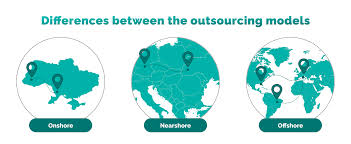
When it comes to outsourcing software development, many businesses are turning to nearshore companies for their projects. A nearshore software development company is one that is located in a nearby country or region, often with similar time zones and cultural similarities. This proximity offers several advantages compared to offshore or onshore options.

Cost-Effectiveness

One of the main benefits of choosing a nearshore software development company is cost-effectiveness. While still offering competitive rates, nearshore companies can provide high-quality services at lower costs compared to onshore companies. Additionally, travel expenses are reduced due to the closer proximity, making collaboration easier and more affordable.

Cultural Compatibility

Working with a nearshore software development company can also result in better cultural compatibility. Similar time zones and cultural norms can lead to smoother communication and collaboration between teams. This alignment can help prevent misunderstandings and streamline the development process.

Convenience and Flexibility

Nearshore companies offer convenience and flexibility in project management. With overlapping work hours, real-time communication is easier, allowing for quicker feedback and problem resolution. This proximity also enables more frequent face-to-face meetings if needed, fostering stronger relationships between teams.

Talent Pool

Nearshore software development companies often have access to a diverse talent pool with a range of skills and expertise. This diversity can bring fresh perspectives to your projects and ensure that you have access to the right resources for your specific needs.

Conclusion

Choosing a nearshore software development company can be a strategic decision for businesses looking to optimize their development processes. The benefits of cost-effectiveness, cultural compatibility, convenience, flexibility, and access to a diverse talent pool make nearshoring an attractive option for many organizations seeking reliable and efficient software solutions.


8 Advantages of Choosing a Nearshore Software Development Company

  1. Cost-effective services compared to onshore options.
  2. Cultural compatibility for smoother communication and collaboration.
  3. Convenience of overlapping work hours for real-time communication.
  4. Flexibility in project management with easier access to teams.
  5. Access to a diverse talent pool with various skills and expertise.
  6. Reduced travel expenses due to closer proximity for meetings.
  7. Quicker feedback and problem resolution with real-time interactions.
  8. Stronger relationships between teams through more face-to-face interactions.


6 Potential Drawbacks of Partnering with a Nearshore Software Development Company

  1. Limited timezone differences may not provide around-the-clock support.
  2. Cultural similarities could lead to groupthink and lack of diverse perspectives.
  3. Potential language barriers may still exist, affecting communication and understanding.
  4. Nearshore companies may have higher costs compared to offshore options.
  5. Political instability in the nearshore country could impact project continuity.
  6. Quality control and oversight may be challenging due to physical distance.

Cost-effective services compared to onshore options.

Nearshore software development companies offer cost-effective services compared to onshore options. By leveraging the advantages of proximity and lower operational costs in nearby countries or regions, nearshore companies can provide high-quality software development services at competitive rates. This cost-effectiveness allows businesses to access top-tier talent and expertise without compromising on quality, making nearshoring an attractive option for organizations seeking efficient and budget-friendly solutions for their software development needs.

Cultural compatibility for smoother communication and collaboration.

The cultural compatibility offered by a nearshore software development company plays a crucial role in ensuring smoother communication and collaboration between teams. With similar time zones and cultural norms, teams can better understand each other’s perspectives, work styles, and expectations. This alignment fosters a more cohesive working environment, minimizes misunderstandings, and enhances overall productivity by promoting effective communication and seamless collaboration throughout the development process.

Convenience of overlapping work hours for real-time communication.

The convenience of overlapping work hours in nearshore software development companies allows for real-time communication, facilitating quicker feedback and effective problem resolution. This seamless communication flow enhances collaboration between teams, ensuring that project timelines are met efficiently. With teams working in sync due to similar time zones, the ability to address issues promptly and make decisions in real-time contributes to the overall success of the project.

Flexibility in project management with easier access to teams.

One significant advantage of partnering with a nearshore software development company is the flexibility it offers in project management, thanks to easier access to teams. With overlapping work hours and close geographic proximity, real-time communication becomes seamless, enabling quicker feedback loops and efficient problem-solving. This enhanced accessibility to teams fosters a collaborative environment where project requirements can be addressed promptly, leading to streamlined development processes and successful project outcomes.

Access to a diverse talent pool with various skills and expertise.

By choosing a nearshore software development company, businesses gain access to a diverse talent pool with a wide range of skills and expertise. This diversity ensures that projects are approached from different perspectives, leading to innovative solutions and high-quality outcomes. With a variety of talents available, companies can easily find the right resources to meet their specific project requirements, ultimately enhancing the overall success of their software development initiatives.

Reduced travel expenses due to closer proximity for meetings.

One significant advantage of partnering with a nearshore software development company is the reduced travel expenses resulting from their closer proximity for meetings. With teams located in nearby countries or regions, businesses can save on time and costs associated with travel. This proximity facilitates easier coordination for face-to-face meetings, fostering better communication and collaboration between teams without the need for extensive travel arrangements. Ultimately, this convenience not only streamlines project management but also contributes to cost savings, making nearshore collaboration an efficient and cost-effective choice for businesses seeking effective software development solutions.

Quicker feedback and problem resolution with real-time interactions.

One significant advantage of partnering with a nearshore software development company is the ability to receive quicker feedback and resolve issues promptly through real-time interactions. With overlapping work hours and close geographical proximity, teams can engage in immediate communication, leading to swift problem identification and resolution. This real-time collaboration fosters efficiency in project management, enhances productivity, and ensures that any challenges are addressed promptly to keep the development process on track.

Stronger relationships between teams through more face-to-face interactions.

One significant advantage of partnering with a nearshore software development company is the opportunity for stronger relationships between teams facilitated by more face-to-face interactions. With closer proximity, teams can easily schedule in-person meetings, fostering better communication, collaboration, and trust. These face-to-face interactions help build personal connections, enhance team dynamics, and ultimately contribute to a more cohesive and productive working relationship between all stakeholders involved in the project.

Limited timezone differences may not provide around-the-clock support.

Limited timezone differences in nearshore software development companies may present a con in terms of around-the-clock support. While the proximity of time zones can facilitate real-time communication during overlapping hours, it may also mean that there are fewer hours available for continuous support. This limitation could potentially impact project timelines and responsiveness to urgent issues, especially if clients require 24/7 assistance or have global operations that necessitate support outside regular working hours.

Cultural similarities could lead to groupthink and lack of diverse perspectives.

One potential drawback of choosing a nearshore software development company is that the cultural similarities between teams could inadvertently foster groupthink and limit the introduction of diverse perspectives. When team members share similar backgrounds and cultural norms, there may be a tendency to conform to prevailing attitudes and avoid challenging ideas. This lack of diversity in thought could hinder innovation and creative problem-solving, potentially limiting the range of solutions considered for a project. It is essential for businesses to actively promote an environment that encourages diverse viewpoints and critical thinking, even when working with nearshore teams, to ensure a well-rounded approach to software development.

Potential language barriers may still exist, affecting communication and understanding.

One significant drawback of opting for a nearshore software development company is the potential language barriers that may persist, impacting effective communication and understanding between teams. Despite geographical proximity, differences in language proficiency can hinder collaboration and lead to misinterpretations, delays, and inefficiencies in project delivery. Overcoming these language barriers requires extra effort in establishing clear communication channels and ensuring that all team members are on the same page, which can add complexity to the development process.

Nearshore companies may have higher costs compared to offshore options.

One notable con of choosing a nearshore software development company is that they may have higher costs when compared to offshore options. While nearshore companies typically offer competitive rates compared to onshore companies, the proximity and cultural alignment can sometimes result in slightly higher pricing. Businesses looking primarily for cost savings may find offshore options more appealing due to their lower labor costs, even though they may come with challenges related to time zone differences and communication barriers.

Political instability in the nearshore country could impact project continuity.

Political instability in the nearshore country poses a significant con for businesses outsourcing software development. The volatile political situation can lead to disruptions in project continuity, causing delays, uncertainties, and potential risks to the project timeline and quality. Companies may face challenges in maintaining consistent communication and collaboration with the nearshore team, impacting productivity and hindering the overall success of the project. It is essential for businesses to carefully assess and mitigate these risks when considering a nearshore software development company to ensure smooth project execution despite political uncertainties in the region.

Quality control and oversight may be challenging due to physical distance.

Quality control and oversight may be challenging when working with a nearshore software development company due to the physical distance between teams. The lack of immediate in-person supervision can make it harder to ensure that project requirements are being met accurately and efficiently. Communication barriers and time zone differences may further complicate the monitoring process, potentially leading to delays or misunderstandings in project delivery. Establishing robust communication channels and regular progress updates becomes crucial to address this con effectively and maintain the desired level of quality in software development projects.

nearshore software outsourcing

Unlocking Success: The Power of Nearshore Software Outsourcing

The Benefits of Nearshore Software Outsourcing

The Benefits of Nearshore Software Outsourcing

Software development has become a crucial aspect of business operations in today’s digital world. Many companies are turning to nearshore software outsourcing as a strategic solution to meet their development needs efficiently and cost-effectively.

What is Nearshore Software Outsourcing?

Nearshore software outsourcing involves contracting a third-party company located in a nearby country or region to handle software development tasks. This approach offers several advantages over traditional offshore outsourcing, where the vendor is located in a distant country.

Benefits of Nearshore Software Outsourcing:

  1. Proximity and Time Zone Compatibility: Working with a nearshore team means closer proximity and better alignment of time zones. This facilitates real-time communication, collaboration, and project management, leading to faster turnaround times.
  2. Cultural Affinity: Nearshore outsourcing often involves countries with similar cultural backgrounds and business practices. This shared affinity can enhance collaboration, understanding, and teamwork between the client and the outsourcing partner.
  3. Cost Savings: While nearshore outsourcing may not always be the cheapest option compared to offshore alternatives, it typically offers cost savings compared to onshore development. Reduced travel expenses and operational costs can contribute to overall cost-effectiveness.
  4. Talent Pool Access: Nearshore locations often boast a skilled workforce with expertise in various technologies. By tapping into this talent pool, companies can access specialized skills and knowledge that may not be readily available locally.
  5. Risk Mitigation: Proximity allows for easier oversight and management of projects, reducing the risks associated with miscommunication, delays, or quality issues that can arise in offshore arrangements. This closer relationship fosters trust and transparency between all parties involved.

Conclusion

Nearshore software outsourcing offers a strategic alternative for companies looking to optimize their software development processes while benefiting from geographic proximity, cultural alignment, cost savings, access to top talent, and risk mitigation. By leveraging the advantages of nearshoring, businesses can enhance their competitiveness in the dynamic digital landscape.


Understanding Nearshore Software Outsourcing: Key FAQs Answered

  1. What is nearshore software?
  2. What is the difference between nearshore and offshore software?
  3. What is outsourcing of software?
  4. What is an example of nearshore outsourcing?

What is nearshore software?

Nearshore software refers to the practice of outsourcing software development tasks to a third-party company located in a nearby country or region. This approach allows businesses to benefit from geographic proximity, shared time zones, and cultural affinity with the outsourcing partner. Nearshore software outsourcing offers advantages such as improved communication, collaboration, and project management due to the close proximity of the vendor. By leveraging nearshore resources, companies can access a skilled talent pool, reduce operational costs, and mitigate risks associated with offshore arrangements. Overall, nearshore software outsourcing is a strategic solution for organizations seeking efficient and cost-effective software development services while maintaining a close working relationship with their external partners.

What is the difference between nearshore and offshore software?

When comparing nearshore and offshore software outsourcing, the key distinction lies in the geographical proximity of the service provider to the client. Nearshore software outsourcing involves contracting a third-party company located in a nearby country or region, typically within the same time zone or a few hours’ difference. This proximity facilitates better communication, collaboration, and project management due to shared cultural affinities and overlapping working hours. On the other hand, offshore software outsourcing entails partnering with a vendor located in a distant country, often across different time zones. While offshore outsourcing may offer cost savings, nearshore outsourcing emphasizes closer proximity for enhanced coordination and efficiency in software development projects.

What is outsourcing of software?

Outsourcing of software refers to the practice of hiring external companies or teams to handle the development, maintenance, and support of software applications or systems. This strategic approach allows businesses to leverage the expertise and resources of specialized software development firms, often located in different regions or countries. By outsourcing software projects, companies can benefit from cost savings, access to a broader talent pool, scalability, and focus on core business activities while entrusting the technical aspects to experienced professionals. The outsourcing of software has become a common practice in today’s globalized economy, offering flexibility and efficiency in meeting diverse IT needs.

What is an example of nearshore outsourcing?

An example of nearshore outsourcing is a U.S.-based company partnering with a software development firm located in Mexico to handle its web application development projects. By collaborating with a nearshore team in Mexico, the company can benefit from proximity, shared time zones, cultural affinity, cost savings, and access to a skilled talent pool. This partnership allows for efficient communication, project management, and collaboration while leveraging the expertise and resources of the nearshore outsourcing provider to deliver high-quality software solutions tailored to the client’s specific needs.

outsourcing software development companies

Unlocking Success: The Power of Outsourcing Software Development Companies

Outsourcing Software Development Companies

The Benefits of Outsourcing Software Development Companies

In today’s fast-paced digital world, businesses are constantly looking for ways to stay ahead of the competition. One effective strategy that many companies are turning to is outsourcing software development. Outsourcing software development companies offer a range of benefits that can help businesses streamline their operations, reduce costs, and access top talent.

Cost-Effectiveness

One of the primary reasons why businesses choose to outsource software development is cost-effectiveness. Outsourcing allows companies to access skilled developers at a fraction of the cost compared to hiring an in-house team. This cost-saving benefit is particularly advantageous for startups and small businesses with limited budgets.

Access to Top Talent

Outsourcing software development companies often have a pool of highly skilled and experienced developers who specialize in various technologies and programming languages. By outsourcing, businesses can tap into this talent pool and benefit from the expertise of professionals who are up-to-date with the latest industry trends.

Focus on Core Business Activities

By outsourcing software development tasks, businesses can free up their internal resources and focus on core activities that drive growth and innovation. Outsourcing allows companies to delegate repetitive or time-consuming tasks to external experts, enabling them to concentrate on strategic initiatives.

Faster Time-to-Market

Outsourcing software development can significantly reduce the time it takes to bring a product or service to market. With access to a dedicated team of developers, businesses can accelerate the development process, meet tight deadlines, and respond quickly to changing market demands.

Risk Mitigation

Outsourcing software development companies often provide robust project management practices and adhere to strict quality standards. This helps mitigate risks associated with project delays, budget overruns, or technical issues. By partnering with a reputable outsourcing provider, businesses can ensure smoother project execution and successful outcomes.

In conclusion, outsourcing software development companies offer numerous advantages that can help businesses enhance their competitiveness and achieve strategic goals. By leveraging external expertise, cutting-edge technologies, and cost-effective solutions, companies can optimize their operations and drive business growth in today’s dynamic marketplace.


7 Essential Tips for Successfully Outsourcing Software Development

  1. Clearly define your project requirements and goals before outsourcing.
  2. Research and evaluate multiple outsourcing companies to find the right fit for your project.
  3. Check the expertise and experience of the software development company in your industry or technology stack.
  4. Define communication channels and frequency to ensure effective collaboration with the outsourced team.
  5. Establish clear timelines, milestones, and deliverables to track progress and ensure timely completion.
  6. Consider factors like cost, quality, reputation, and scalability when selecting an outsourcing partner.
  7. Have a well-defined contract outlining responsibilities, intellectual property rights, payment terms, and dispute resolution mechanisms.

Clearly define your project requirements and goals before outsourcing.

To maximize the benefits of outsourcing software development companies, it is crucial to clearly define your project requirements and goals before engaging with an external provider. By establishing a detailed project scope, timeline, budget, and desired outcomes upfront, you can ensure that both parties have a clear understanding of expectations. This proactive approach helps streamline communication, minimize misunderstandings, and set the foundation for a successful collaboration. Clear project requirements and goals serve as a roadmap for the outsourcing team, guiding them towards delivering results that align with your business objectives effectively.

Research and evaluate multiple outsourcing companies to find the right fit for your project.

When considering outsourcing software development companies, it is crucial to conduct thorough research and evaluation of multiple service providers to identify the best fit for your project. By comparing the expertise, experience, pricing, and past client reviews of different outsourcing companies, you can make an informed decision that aligns with your project requirements and business goals. Taking the time to assess various options ensures that you select a partner who not only meets your technical needs but also shares your vision for success.

Check the expertise and experience of the software development company in your industry or technology stack.

When considering outsourcing software development companies, it is crucial to assess the expertise and experience of the potential partners in your industry or technology stack. By evaluating their past projects and understanding their proficiency in relevant technologies, you can ensure that the outsourcing company has the necessary skills to meet your specific requirements and deliver high-quality solutions tailored to your business needs. Choosing a partner with industry-specific knowledge and experience in your technology stack can significantly enhance the success of your software development projects and drive innovation within your organization.

Define communication channels and frequency to ensure effective collaboration with the outsourced team.

To ensure effective collaboration with an outsourced software development team, it is crucial to define clear communication channels and establish a regular frequency of interactions. By setting up channels such as video calls, messaging platforms, and project management tools, businesses can maintain open lines of communication with the remote team. Regularly scheduled meetings, updates, and progress reports help keep all stakeholders informed and aligned on project goals and timelines. Clear communication channels and consistent interaction foster transparency, trust, and efficient collaboration between the outsourcing partner and the client organization.

Establish clear timelines, milestones, and deliverables to track progress and ensure timely completion.

Establishing clear timelines, milestones, and deliverables is a crucial tip when outsourcing software development companies. By defining specific goals and checkpoints, businesses can effectively track progress, monitor performance, and ensure timely completion of projects. Clear timelines help both the outsourcing company and the client stay on the same page regarding project expectations and deadlines. Milestones provide tangible markers of progress, allowing for adjustments if necessary. Moreover, well-defined deliverables help maintain accountability and quality standards throughout the development process, ultimately leading to successful project outcomes.

Consider factors like cost, quality, reputation, and scalability when selecting an outsourcing partner.

When choosing an outsourcing partner for software development, it is crucial to consider key factors such as cost, quality, reputation, and scalability. Evaluating the cost structure of potential partners ensures that the project remains within budget without compromising on quality. Assessing the quality of work delivered by the outsourcing company is essential to guarantee that the final product meets expectations. Checking the reputation of the outsourcing partner through reviews and testimonials helps in selecting a reliable and trustworthy collaborator. Additionally, considering scalability allows for future growth and flexibility in adapting to changing business needs. By carefully weighing these factors, businesses can make informed decisions when selecting an outsourcing partner for software development projects.

Have a well-defined contract outlining responsibilities, intellectual property rights, payment terms, and dispute resolution mechanisms.

When outsourcing software development companies, it is crucial to have a well-defined contract that clearly outlines each party’s responsibilities, intellectual property rights, payment terms, and dispute resolution mechanisms. A comprehensive contract helps establish expectations, protect valuable intellectual property assets, ensure transparency in financial transactions, and provide a framework for resolving any potential conflicts that may arise during the project. By having a detailed agreement in place, both the client and the outsourcing company can mitigate risks and foster a mutually beneficial partnership built on trust and accountability.

companies looking to outsource software development
us

Strategic Solutions: How Companies Benefit from Outsourcing Software Development

Companies Looking to Outsource Software Development

The Benefits of Outsourcing Software Development for Companies

Many companies are turning to outsourcing as a strategic approach to meet their software development needs. Outsourcing software development involves hiring external vendors or partners to handle the design, development, and maintenance of software applications. This trend has gained popularity due to several compelling reasons.

Cost Efficiency

One of the primary reasons companies choose to outsource software development is cost efficiency. By outsourcing, companies can reduce operational and labor costs significantly. External vendors often operate in countries with lower labor costs, allowing companies to access skilled professionals at a fraction of the cost compared to hiring in-house staff.

Access to Specialized Skills

Outsourcing software development provides companies with access to a diverse pool of specialized skills and expertise. External vendors often have teams of experienced developers who are well-versed in the latest technologies and best practices. This enables companies to leverage the expertise of professionals who may not be available locally.

Faster Time-to-Market

Outsourcing software development can accelerate the time-to-market for products and services. External vendors are equipped to handle projects efficiently and effectively, reducing development time and enabling companies to launch their offerings sooner. This agility is crucial in today’s fast-paced business environment.

Focus on Core Competencies

By outsourcing non-core activities such as software development, companies can focus on their core competencies and strategic initiatives. Outsourcing allows businesses to allocate resources more effectively, freeing up internal teams to concentrate on high-value tasks that drive growth and innovation.

Risk Mitigation

Outsourcing software development can help mitigate risks associated with project execution. External vendors often have established processes and quality assurance measures in place, reducing the likelihood of errors or delays. Additionally, outsourcing provides flexibility in scaling resources up or down based on project requirements.

Conclusion

In conclusion, outsourcing software development offers numerous benefits for companies seeking cost-effective solutions, access to specialized skills, faster time-to-market, focus on core competencies, and risk mitigation. By partnering with external vendors, companies can enhance their competitiveness, drive innovation, and achieve business objectives more efficiently.


Top 5 Benefits of Outsourcing Software Development for Companies

  1. Cost efficiency through lower labor costs
  2. Access to specialized skills and expertise
  3. Faster time-to-market for products and services
  4. Ability to focus on core competencies and strategic initiatives
  5. Risk mitigation with established processes and quality assurance measures


6 Major Drawbacks of Outsourcing Software Development for Companies

  1. Loss of Direct Control
  2. Communication Challenges
  3. Quality Concerns
  4. Security Risks
  5. Dependency on External Vendors
  6. Intellectual Property Issues

Cost efficiency through lower labor costs

Outsourcing software development provides companies with a significant advantage in cost efficiency through lower labor costs. By leveraging external vendors in countries with lower labor expenses, businesses can access skilled professionals at a fraction of the cost compared to hiring in-house staff. This cost-saving benefit allows companies to allocate their resources more strategically, enabling them to invest in other critical areas of their operations while still receiving high-quality software development services.

Access to specialized skills and expertise

Outsourcing software development provides companies with a valuable advantage – access to specialized skills and expertise. By partnering with external vendors who have teams of experienced developers well-versed in the latest technologies and best practices, companies can tap into a diverse pool of talent that may not be readily available locally. This access to specialized skills enables companies to leverage the expertise of professionals who can bring innovative solutions to the table, ultimately enhancing the quality and efficiency of their software development projects.

Faster time-to-market for products and services

Outsourcing software development offers companies the advantage of achieving a faster time-to-market for their products and services. By leveraging the expertise and resources of external vendors, companies can streamline the development process, reduce turnaround times, and accelerate the launch of new offerings. This increased agility enables businesses to stay ahead of competitors, respond quickly to market demands, and capitalize on emerging opportunities more efficiently.

Ability to focus on core competencies and strategic initiatives

By outsourcing software development, companies can redirect their internal resources and expertise towards focusing on core competencies and strategic initiatives. This allows businesses to prioritize activities that drive growth, innovation, and competitive advantage. By entrusting software development to external vendors, companies can streamline operations, enhance efficiency, and allocate resources more effectively to achieve their long-term business objectives.

Risk mitigation with established processes and quality assurance measures

One significant advantage for companies looking to outsource software development is the ability to mitigate risks through the use of established processes and quality assurance measures. External vendors often have well-defined procedures and rigorous quality control mechanisms in place to ensure the successful execution of projects. By leveraging these established frameworks, companies can minimize the likelihood of errors, delays, and inconsistencies in software development, ultimately enhancing project outcomes and reducing potential risks associated with in-house development efforts.

Loss of Direct Control

Outsourcing software development can present a significant con for companies in the form of loss of direct control over the development process. When software development is outsourced to external vendors, companies may face challenges in closely monitoring and managing the day-to-day progress of the project. This lack of direct oversight can lead to communication gaps, misunderstandings, and delays in project delivery. Additionally, companies may have limited influence over decision-making processes and may find it challenging to align the outsourced work with their internal standards and objectives. The loss of direct control can hinder transparency, accountability, and overall project success, highlighting a key drawback of outsourcing software development.

Communication Challenges

Communication challenges can be a significant con for companies looking to outsource software development. The distance, time zone differences, language barriers, and cultural nuances between the company and the external vendor can hinder effective communication. Misunderstandings or misinterpretations may arise, leading to delays, errors, or even project failures. Clear and consistent communication is essential for successful collaboration in software development outsourcing to ensure alignment on project goals, requirements, timelines, and deliverables. Overcoming communication challenges requires proactive efforts from both parties to establish effective channels of communication and foster a shared understanding of expectations and responsibilities.

Quality Concerns

Quality concerns are a significant con that companies may face when looking to outsource software development. Entrusting the development of critical software applications to external vendors can raise apprehensions about the consistency and reliability of the final product. Companies may worry about communication challenges, cultural differences, or varying standards of quality assurance practices that could potentially impact the overall quality of the software deliverables. Ensuring that stringent quality control measures and clear communication channels are established with outsourced partners is crucial to address these concerns and maintain the desired level of quality in software development projects.

Security Risks

Outsourcing software development introduces security risks that companies must carefully consider. When sensitive data and proprietary information are shared with external vendors, there is a potential for data breaches, intellectual property theft, or unauthorized access to confidential resources. Companies need to establish robust security protocols, conduct thorough due diligence on vendors’ security practices, and implement stringent confidentiality agreements to mitigate these risks. Failure to address security concerns adequately can have severe consequences for the company’s reputation, financial stability, and overall business operations.

Dependency on External Vendors

One significant con that companies face when outsourcing software development is the dependency on external vendors. Relying on third-party providers for critical software development tasks can create a sense of vulnerability and lack of control over the project. Companies may experience challenges in communication, coordination, and alignment of goals with external vendors, leading to potential delays, misunderstandings, or conflicts. Moreover, if the relationship with the vendor sours or if the vendor faces issues such as financial instability or resource constraints, it can significantly impact the company’s operations and project timelines. The dependency on external vendors underscores the importance of establishing clear contracts, communication channels, and contingency plans to mitigate risks associated with outsourcing software development.

Intellectual Property Issues

Intellectual property issues can pose a significant con for companies looking to outsource software development. When partnering with external vendors, there is a risk of sensitive information and proprietary technology being compromised or misused. Protecting intellectual property rights becomes a crucial concern, as companies must ensure that proper legal agreements and safeguards are in place to safeguard their valuable assets. The potential loss of control over intellectual property can hinder innovation and competitiveness, making it essential for companies to carefully assess and address these risks before engaging in outsourcing arrangements.

outsourcing software development services

Maximizing Efficiency: Leveraging Outsourcing for Software Development Services

The Benefits of Outsourcing Software Development Services

In today’s fast-paced business world, companies are constantly looking for ways to stay competitive and innovative. One strategy that has gained popularity in recent years is outsourcing software development services. Outsourcing software development involves hiring external vendors or partners to handle the design, development, and maintenance of software applications.

Cost-Effectiveness

One of the primary reasons companies choose to outsource software development is cost-effectiveness. Outsourcing allows businesses to access a global talent pool of skilled developers at a fraction of the cost of hiring an in-house team. By outsourcing, companies can save on expenses such as salaries, benefits, infrastructure, and training.

Access to Specialized Skills

Outsourcing software development services give companies access to a diverse range of specialized skills and expertise. External vendors often have teams of professionals with specific knowledge in various programming languages, technologies, and industries. This allows businesses to leverage the expertise of experienced developers without having to invest in extensive training or recruitment efforts.

Focus on Core Business Activities

By outsourcing software development tasks, companies can free up internal resources and focus on core business activities. Instead of spending time and effort on building and maintaining software applications, businesses can concentrate on strategic initiatives that drive growth and profitability.

Faster Time-to-Market

Outsourcing software development can help accelerate the time-to-market for new products and services. External vendors are often able to work on projects around the clock, leading to faster development cycles and quicker deployment of software solutions. This agility can give businesses a competitive edge by allowing them to adapt quickly to changing market demands.

Risk Mitigation

Outsourcing software development services can also help mitigate risks associated with project delays, budget overruns, or skill shortages. External vendors often have established processes and quality assurance measures in place to ensure projects are delivered on time and within budget. Additionally, outsourcing provides flexibility in scaling resources up or down based on project requirements.

Conclusion

In conclusion, outsourcing software development services can offer numerous benefits for businesses looking to streamline operations, reduce costs, access specialized skills, accelerate innovation, and mitigate risks. By partnering with trusted external vendors, companies can leverage the expertise of global talent pools and focus on driving growth and success in today’s digital economy.


7 Key Benefits of Outsourcing Software Development Services

  1. Cost-effectiveness by reducing overhead expenses
  2. Access to a global talent pool of skilled developers
  3. Flexibility in scaling resources based on project needs
  4. Faster time-to-market for new products and services
  5. Access to specialized skills and expertise
  6. Focus on core business activities instead of software development
  7. Risk mitigation through established processes and quality assurance measures


Key Drawbacks of Outsourcing Software Development Services

  1. Communication challenges due to language barriers and time zone differences
  2. Quality control issues as external vendors may not fully understand the company’s standards and requirements
  3. Security concerns related to sharing sensitive data and intellectual property with third-party providers
  4. Dependency on external vendors for ongoing support and maintenance, leading to potential service disruptions

Cost-effectiveness by reducing overhead expenses

Outsourcing software development services provides a significant advantage in cost-effectiveness by reducing overhead expenses. Companies can save on costs related to salaries, benefits, infrastructure, and training by outsourcing tasks to external vendors. This approach allows businesses to access a global talent pool of skilled developers at a fraction of the cost of maintaining an in-house team. By leveraging the cost efficiencies of outsourcing, companies can allocate resources more strategically and invest in other critical areas of their operations to drive growth and innovation.

Access to a global talent pool of skilled developers

Outsourcing software development services provides companies with access to a global talent pool of skilled developers, offering a diverse range of expertise and specialized skills. By tapping into this vast resource of professionals from around the world, businesses can benefit from the knowledge and experience of developers who are well-versed in various programming languages, technologies, and industry best practices. This access to a highly skilled workforce allows companies to leverage top talent without the need for extensive recruitment efforts or costly training programs, ultimately leading to more efficient and effective software development processes.

Flexibility in scaling resources based on project needs

One significant advantage of outsourcing software development services is the flexibility it provides in scaling resources based on project needs. External vendors offer the ability to adjust the size of the development team according to the requirements of each project. This scalability allows businesses to efficiently allocate resources, ensuring that they have the right expertise and manpower available at any given time without the need for long-term commitments or additional hiring. By leveraging this flexibility, companies can effectively manage project timelines, optimize costs, and maintain agility in responding to changing demands in a dynamic business environment.

Faster time-to-market for new products and services

Outsourcing software development services can significantly expedite the time-to-market for new products and services. By collaborating with external vendors who have the resources and expertise to work on projects around the clock, businesses can benefit from faster development cycles and quicker deployment of software solutions. This agility in bringing products to market swiftly enables companies to stay ahead of competitors, respond promptly to changing market demands, and capitalize on emerging opportunities in a timely manner.

Access to specialized skills and expertise

Outsourcing software development services provides businesses with access to a diverse range of specialized skills and expertise that may not be readily available in-house. External vendors often have teams of professionals with specific knowledge in various programming languages, technologies, and industries. This allows companies to leverage the expertise of experienced developers without the need for extensive training or recruitment efforts. By tapping into the specialized skills of external vendors, businesses can enhance the quality of their software solutions and drive innovation in a cost-effective manner.

Focus on core business activities instead of software development

Outsourcing software development services allows businesses to focus on their core activities and strategic initiatives without the distraction of managing software development in-house. By entrusting software development tasks to external vendors, companies can allocate their resources more efficiently, prioritize business growth, and enhance customer satisfaction. This proactive approach enables organizations to streamline operations, increase productivity, and drive innovation while leaving the technical complexities of software development to experts in the field.

Risk mitigation through established processes and quality assurance measures

Outsourcing software development services can effectively mitigate risks by leveraging the established processes and quality assurance measures of external vendors. These vendors often have well-defined procedures in place to ensure that projects are delivered on time, within budget, and up to industry standards. By entrusting software development tasks to experienced professionals with a focus on quality assurance, businesses can minimize the risk of project delays, budget overruns, and potential technical issues. This approach not only enhances project efficiency but also provides a sense of security and reliability in the delivery of high-quality software solutions.

Communication challenges due to language barriers and time zone differences

One significant con of outsourcing software development services is the communication challenges that arise from language barriers and time zone differences. Misunderstandings can occur when working with teams that speak different languages, leading to errors in project requirements or deliverables. Additionally, coordinating meetings and collaboration becomes more complex when team members are spread across different time zones, making real-time communication difficult. These obstacles can hinder the efficiency of the development process and result in delays in project timelines.

Quality control issues as external vendors may not fully understand the company’s standards and requirements

One significant con of outsourcing software development services is the potential for quality control issues. External vendors may not have a deep understanding of the company’s specific standards, requirements, and internal processes. This lack of familiarity can lead to misinterpretations, miscommunications, and ultimately result in deliverables that do not meet the expected quality standards. Without direct oversight and clear communication channels, ensuring that the software aligns with the company’s expectations can be challenging, potentially leading to delays, rework, and dissatisfaction with the final product.

One significant con of outsourcing software development services is the security concerns associated with sharing sensitive data and intellectual property with third-party providers. Entrusting external vendors with confidential information poses a risk of data breaches, unauthorized access, or intellectual property theft. Companies may face challenges in ensuring the protection of their proprietary technology and trade secrets when collaborating with external partners, potentially leading to compromised security and confidentiality. It is crucial for businesses to carefully assess the security measures and protocols of outsourcing providers to mitigate these risks effectively.

Dependency on external vendors for ongoing support and maintenance, leading to potential service disruptions

One significant con of outsourcing software development services is the dependency on external vendors for ongoing support and maintenance, which can potentially lead to service disruptions. Relying on third-party vendors to manage and maintain critical software applications means that businesses may face challenges in ensuring timely support and troubleshooting when issues arise. Any delays or miscommunications with external vendors can result in downtime, impacting business operations and customer satisfaction. This dependency on external parties for ongoing support introduces a level of risk that businesses need to carefully consider when outsourcing software development services.