


How to Choose the Right Offshore Development Company
How to Choose the Right Offshore Development Company
Hiring an offshore development company can help a business build software, expand its technical capabilities, and manage development costs. By working with a team in another country, companies can access specialized skills and additional engineering capacity without limiting their search to local talent.
Offshore development can be a strong fit, but success depends on more than price. Clear goals, reliable communication, sound security practices, and a well-defined working relationship all matter. Here’s what to consider when evaluating an offshore development partner.
What Is an Offshore Development Company?
An offshore development company provides software development services from a country different from the client’s. Its team may handle a complete project or contribute to specific tasks, such as building an application, maintaining existing software, testing, or providing technical expertise.
Offshore arrangements can take several forms. A company might hire a partner to deliver a project from start to finish, add dedicated developers to its existing team, or establish a longer-term development relationship. The right model depends on the project’s scope, schedule, and in-house capabilities.
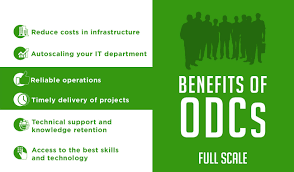
Potential Benefits of Offshore Development
Access to a Broader Talent Pool
Working with an offshore company can make it easier to find developers with experience in particular technologies or industries. This can be helpful when local hiring is challenging or a project requires skills that are not available on the existing team.
Flexible Team Capacity
An external development team can provide additional capacity for a product launch, modernization effort, or ongoing backlog. Depending on the agreement, the team can scale up or down as priorities change.
Potential Cost Efficiency
Offshore development may reduce some labor and operational costs. However, the lowest hourly rate does not always produce the lowest total cost. Project management, onboarding, rework, communication, and maintenance should all be part of the budget.
More Time for Core Priorities
Delegating well-defined development work can free an internal team to focus on product strategy, customer needs, or other business priorities. This works best when responsibilities and decision-making authority are clearly established.
What to Look for in a Development Partner
Relevant Experience
Ask whether the company has worked on projects similar to yours in terms of technology, scale, and business requirements. Request examples, references, or case studies that explain the partner’s role and the results delivered. Look for evidence of sound engineering practices, not just an impressive list of tools.
Clear Communication
Confirm how the team handles meetings, written updates, documentation, and urgent questions. Differences in time zones can be manageable when both sides agree on overlapping work hours and response expectations.
A Compatible Development Process
Discuss how work is planned, reviewed, tested, and released. The company should be able to explain its approach to project management, code reviews, quality assurance, and handling changes in scope. A transparent process makes it easier to identify problems early.
Security and Intellectual Property Practices
Before sharing sensitive information or granting access to systems, understand how the company protects data and manages permissions. Review confidentiality terms, intellectual property ownership, access controls, backup practices, and any relevant compliance requirements with your legal and security teams.
Team Stability and Oversight
Ask who will work on the project, who will lead the team, and how staffing changes are handled. A dependable partner should provide a clear point of contact and explain how knowledge is documented and transferred if a team member leaves.
Questions to Ask Before Signing
- What experience do you have with projects like this?
- Who will be assigned to the project, and what are their roles?
- How will progress, risks, and blockers be reported?
- What development and testing tools do you use?
- How do you handle changing requirements?
- Who owns the source code and other project deliverables?
- How do you protect confidential data and system access?
- What support is available after launch?
- How are pricing, expenses, and additional work handled?
How to Set Up the Relationship for Success
Begin with a clear project brief. Describe the business problem, intended users, required features, technical constraints, and measures of success. Separate essential requirements from items that can be considered later.
Agree on practical ways of working before development begins. Establish communication channels, meeting schedules, approval processes, documentation expectations, and responsibility for final decisions. Make sure both teams understand how work will be tracked and accepted.
For a larger engagement, consider starting with a small, well-defined project or discovery phase. This gives both sides a chance to test communication and collaboration before making a long-term commitment. Review progress regularly and address concerns while they are still manageable.
Common Challenges to Plan For
Offshore development can bring challenges, including time-zone differences, unclear requirements, language or communication gaps, and limited visibility into day-to-day work. These issues are not inevitable, but they should be addressed through planning.
Use shared documentation, short feedback cycles, regular demonstrations, and clearly assigned points of contact. Keep product decisions close to the people who understand the business, and make sure the development team can ask questions promptly. A strong partnership depends on active collaboration from both sides.
Conclusion
An offshore development company can give a business access to new skills and flexible development capacity. The best results come from choosing a partner based on expertise, communication, security, and working practices—not price alone. With clear expectations and regular collaboration, an offshore team can become a valuable extension of an organization’s technology capabilities.
8 Essential Tips for Choosing an Offshore Development Company
- Define clear goals and requirements before hiring.
- Check the company’s portfolio and client references.
- Compare expertise, not just hourly rates.
- Confirm time-zone overlap and communication plans.
- Agree on milestones, deliverables, and payment terms.
- Protect your data with clear security requirements.
- Start with a small project or trial phase.
- Review progress regularly and share feedback early.
Define clear goals and requirements before hiring.
Before hiring an offshore development company, define what you want the project to achieve and document its key requirements. Outline the problem to solve, essential features, target users, technical constraints, timeline, budget, and measures of success. Clear expectations help potential partners provide accurate estimates, identify risks, and recommend an appropriate approach. They also reduce misunderstandings, limit costly rework, and give both teams a shared basis for tracking progress once development begins.
Check the company’s portfolio and client references.
Before choosing an offshore development company, review its portfolio and ask for client references. Look for projects similar to yours in complexity, industry, or technology, and check whether the company can explain its role and results clearly. Speaking with former or current clients can offer useful insight into communication, reliability, work quality, and how the team handles challenges—details that a portfolio alone may not reveal.
Compare expertise, not just hourly rates.
When choosing an offshore development company, compare expertise—not just hourly rates. A lower rate may seem appealing, but experience with your industry, technology stack, and project type can help a team deliver better results with less rework. Ask about relevant projects, engineering practices, and the skills of the people who will work on your project. Evaluating the overall value, including quality, communication, and long-term support, can help you find a partner that fits your needs and budget.
Confirm time-zone overlap and communication plans.
Before choosing an offshore development company, confirm how much your teams’ working hours overlap and agree on a communication plan. Set expectations for response times, recurring meetings, progress updates, and how urgent issues will be handled. Shared tools and clear documentation can keep work moving smoothly, even when your teams are in different time zones.
Agree on milestones, deliverables, and payment terms.
Before work begins, agree on clear milestones, specific deliverables, and payment terms with your offshore development company. Define what each phase should produce, how and when the work will be reviewed and approved, and what happens if requirements or timelines change. Tie payments to agreed milestones where appropriate, and document any fees, expenses, or additional-work rates. Clear terms help both teams track progress, manage expectations, and avoid misunderstandings.
Protect your data with clear security requirements.
Protect your data by setting clear security requirements before work begins with an offshore development company. Specify how sensitive information must be stored, accessed, shared, and deleted, and define requirements for encryption, access controls, security testing, and incident reporting. Use written agreements to clarify confidentiality and data ownership, and grant the development team only the permissions it needs. Regularly review the company’s security practices to help ensure your data remains protected throughout the project.
Start with a small project or trial phase.
Starting with a small project or trial phase is a practical way to evaluate an offshore development company before making a larger commitment. Choose a clearly defined task with measurable goals, then observe how the team communicates, manages deadlines, handles feedback, and delivers quality work. This initial collaboration can reveal whether the company’s process and working style fit your needs, while giving both sides a chance to build trust and address issues early.
Review progress regularly and share feedback early.
Review progress regularly and share feedback early to keep your offshore development project aligned with your goals. Schedule consistent check-ins, review completed work, and raise questions or concerns as soon as they come up. Timely feedback helps the team address misunderstandings before they grow into costly delays or rework, while regular progress updates give everyone a clearer view of what’s on track and what needs attention.