


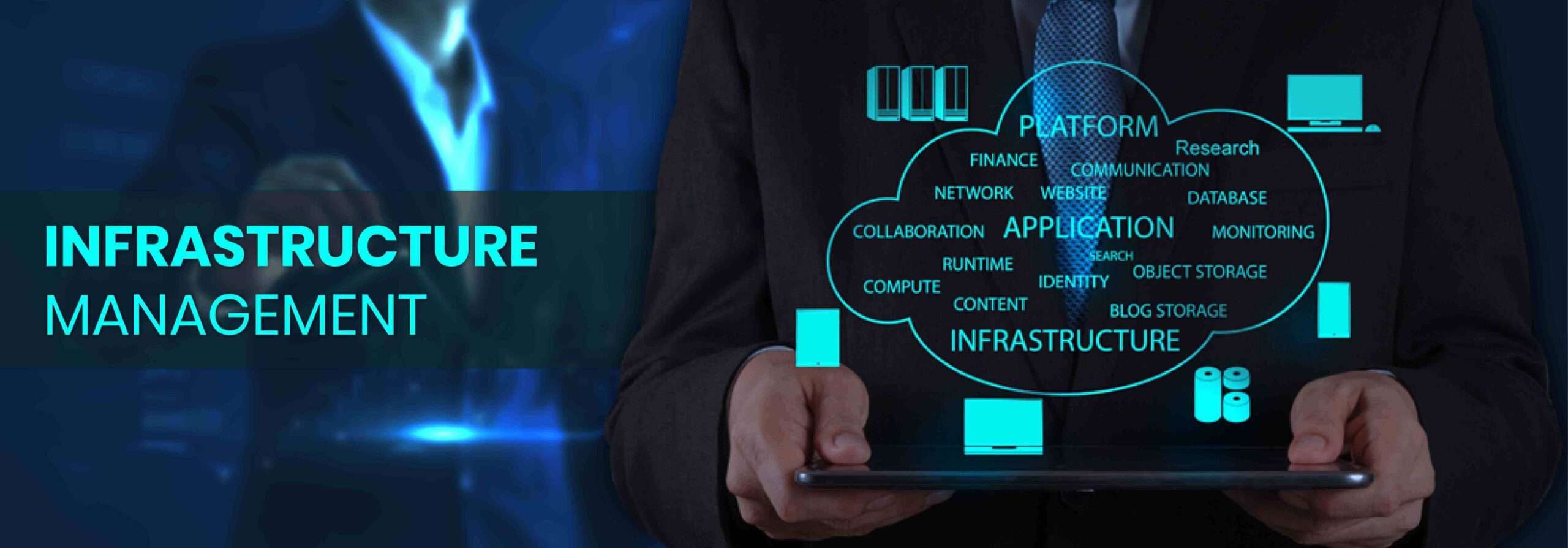
Optimizing Business Operations with IT Infrastructure Management Services
The Importance of IT Infrastructure Management Services
IT infrastructure is the backbone of any modern business. It encompasses all the technology components and systems that support the operations and data processing needs of an organization. Effective management of IT infrastructure is crucial for ensuring smooth business operations, data security, and scalability.
What Are IT Infrastructure Management Services?
IT infrastructure management services involve the monitoring, maintenance, and optimization of an organization’s IT systems and resources. These services are designed to enhance the performance, reliability, and security of the IT infrastructure while minimizing downtime and risks.
Key Components of IT Infrastructure Management Services
Some key components of IT infrastructure management services include:
- Network Monitoring: Continuous monitoring of network performance to identify issues proactively and ensure optimal network operation.
- Server Management: Managing servers to ensure their availability, security, and efficiency in handling data processing tasks.
- Data Backup and Recovery: Implementing backup solutions to protect critical data from loss or corruption and enabling quick recovery in case of disasters.
- Security Management: Implementing security measures such as firewalls, antivirus software, intrusion detection systems, and access controls to safeguard the IT infrastructure from cyber threats.
- Cloud Services Management: Managing cloud resources effectively to optimize costs, scalability, and performance while ensuring data integrity and compliance.
The Benefits of Outsourcing IT Infrastructure Management
Many organizations choose to outsource their IT infrastructure management to specialized service providers for several reasons:
- Expertise: Outsourcing allows access to a team of experienced professionals with specialized skills in managing complex IT environments.
- Cost Efficiency: Outsourcing can be more cost-effective than maintaining an in-house IT team and infrastructure due to economies of scale and flexible pricing models.
- Focused Resources: By outsourcing IT infrastructure management, organizations can focus their internal resources on core business activities rather than routine maintenance tasks.
- Risk Mitigation: Professional service providers have the expertise to implement robust security measures and disaster recovery plans to mitigate risks effectively.
In Conclusion
Effective management of IT infrastructure is essential for modern businesses looking to stay competitive in a rapidly evolving digital landscape. By leveraging professional IT infrastructure management services, organizations can enhance their operational efficiency, minimize risks, and focus on driving business growth while leaving the technical complexities to experts.
5 Essential Tips for Effective IT Infrastructure Management
- Regularly update software and hardware to ensure optimal performance and security.
- Implement robust data backup and recovery procedures to protect against data loss.
- Monitor network performance and security to quickly identify and address any issues or threats.
- Adopt cloud services for scalability, flexibility, and cost-efficiency in managing IT infrastructure.
- Document processes, configurations, and changes to facilitate troubleshooting and future upgrades.
Regularly update software and hardware to ensure optimal performance and security.
Regularly updating software and hardware is a crucial tip in IT infrastructure management services to maintain optimal performance and security. By staying current with updates, organizations can benefit from improved functionality, bug fixes, and enhanced security features that help safeguard against potential vulnerabilities and cyber threats. Updating software and hardware not only ensures that systems run smoothly but also contributes to the overall reliability and efficiency of the IT infrastructure, ultimately supporting business operations and data protection efforts.
Implement robust data backup and recovery procedures to protect against data loss.
Implementing robust data backup and recovery procedures is a critical aspect of IT infrastructure management services. By establishing reliable backup systems, organizations can safeguard their valuable data against potential loss due to unforeseen events such as hardware failures, cyber attacks, or natural disasters. These procedures ensure that businesses can quickly recover and restore their data in the event of an incident, minimizing downtime and potential disruptions to operations. Prioritizing data backup and recovery not only enhances data security but also provides peace of mind knowing that critical information is protected and accessible when needed.
Monitor network performance and security to quickly identify and address any issues or threats.
Monitoring network performance and security is a critical aspect of IT infrastructure management services. By keeping a close eye on network activities, organizations can swiftly detect any anomalies, potential threats, or performance issues. This proactive approach allows for timely intervention and resolution, helping to prevent disruptions, data breaches, or system failures. Regular monitoring not only ensures the smooth operation of the network but also enhances overall cybersecurity posture by identifying and addressing vulnerabilities promptly.
Adopt cloud services for scalability, flexibility, and cost-efficiency in managing IT infrastructure.
Adopting cloud services is a strategic move for enhancing scalability, flexibility, and cost-efficiency in managing IT infrastructure. By leveraging cloud solutions, organizations can easily scale resources up or down based on demand, ensuring optimal performance without overprovisioning. The flexibility offered by cloud services allows for agile deployment of new technologies and applications, enabling businesses to adapt quickly to changing market conditions. Moreover, the pay-as-you-go pricing model of cloud services helps in cost optimization by eliminating the need for upfront investments in hardware and infrastructure maintenance. Embracing cloud services empowers businesses to streamline IT operations and focus resources on innovation and growth initiatives.
Document processes, configurations, and changes to facilitate troubleshooting and future upgrades.
Documenting processes, configurations, and changes is a crucial tip in IT infrastructure management services. By maintaining detailed documentation, organizations can streamline troubleshooting processes, enhance system reliability, and pave the way for future upgrades. Clear documentation provides insights into the IT environment, making it easier to identify issues, track changes, and ensure consistency across systems. This proactive approach not only improves operational efficiency but also empowers IT teams to make informed decisions and adapt to evolving technology requirements seamlessly.